
Reviewed · HIROSHIMA CITY TOURS
Hiroshima Country Cycling: Explore Rural Life 1 HR from City
The best part of this Hiroshima outing is how quickly the city gives way to quiet farming country. Within about an hour of Hiroshima, you are pedaling through rice fields, old houses, streams, and small communities where daily life moves at a slower pace. The electric bikes make steep hills manageable, even if you are not a regular cyclist.
I like the calm, small-group format, with no more than eight people, and I like that lunch brings you close to local food rather than a standard tourist meal. The guide, including Jonah on some departures, also adds useful context about rural life and helps with the bus connection.
The main drawback is cost and planning. At $85.39 per person, you still pay 3,560 JPY for the round-trip highway bus and another 900 to 2,000 JPY for lunch. You also need moderate fitness, confidence riding a bike, and good weather.
In This Review
- Key Points Before You Book
- Leaving Hiroshima for the Oasa Countryside
- Kakeyama: Let the E-Bike Do the Hard Work
- Doitaya and Its Working Farm Communities
- Lunch at Aino Sato Herb Garden
- Oasa’s Quiet Main Street
- What the Small Group Adds
- Price, Effort, and Overall Value
- Who Will Enjoy This Ride Most?
- Booking Advice for a Smoother Day
- Should You Book Hiroshima Country Cycling?
- FAQ
- Where does the cycling tour begin?
- What time does the activity start?
- How long does the tour last?
- Is transportation from Hiroshima included?
- Is lunch included in the price?
- Can I request vegan food?
- What happens if the weather is poor?
Key Points Before You Book
- Electric assistance handles the hills: You still pedal, but the e-bike takes much of the strain out of Kakeyama’s slopes.
- Oasa shows a quieter side of Hiroshima: Rice fields, streams, traditional homes, and an old main street replace the city’s usual sights.
- Lunch is seasonal: Expect the Aino Sato Herb Garden in most months, or sushi at a farmhouse from December through March.
- The group stays small: A maximum of eight people allows more room for questions and a relaxed pace.
- Budget for extras: The advertised price does not include the bus fare or lunch.
- Weather matters: Poor conditions can lead to a new date or a full refund, and rain protection may still be useful.
Leaving Hiroshima for the Oasa Countryside
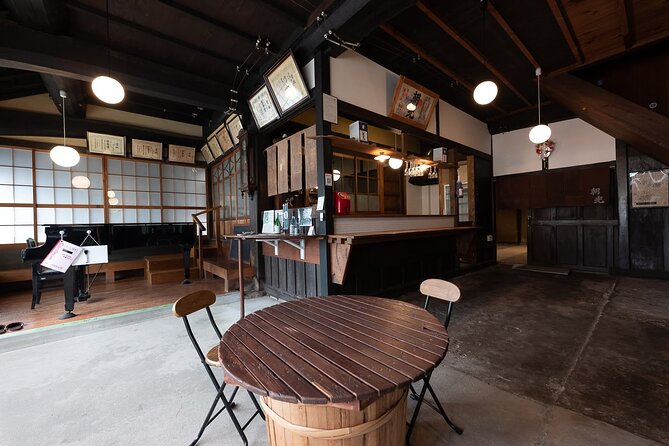
The tour begins at 10:00 a.m. at the Oasa I.C. Bus Stop in Kitahiroshima. You make your own way there by highway bus from Hiroshima, and the round-trip fare is 3,560 JPY. That transfer is not a minor footnote. It is part of the day, so check the bus timing carefully and allow enough time to reach the meeting point.
The provider gives bus, schedule, and pickup information in advance. One useful account of a rainy outing noted that the instructions were clear and that the guide even supplied a poncho. That is a small but telling detail: the experience depends on practical support as much as scenery.
Once you arrive, the bike fitting and safety briefing set the tone. You must be at least 140 centimeters tall and able to ride a bike independently. This is not a lesson for someone learning to cycle, and the electric motor does not remove the need to steer, brake, and stay aware on village roads.
The four-hour duration is long enough to make the trip feel like a proper day outside, but short enough to fit into a wider Hiroshima visit. You return to the same meeting point at the end.
A few more Hiroshima tours and experiences worth a look
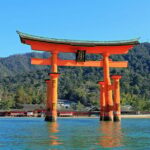

Kakeyama: Let the E-Bike Do the Hard Work
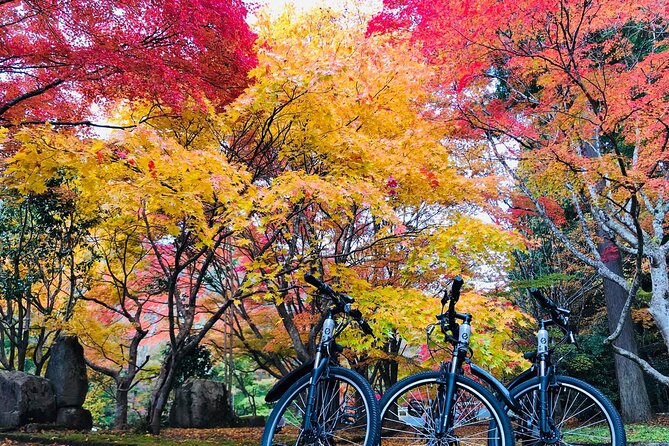
The first stop is Kakeyama, where the hills give the electric bicycles a chance to show their value. You pedal normally, then use the motor assistance when the road tilts upward. For many people, this is the difference between enjoying the countryside and spending the morning worrying about the next climb.
I would not mistake an e-bike for a motor scooter. You still get exercise, and you still need moderate physical fitness. The advantage is control. You can keep moving without exhausting yourself early, then pay more attention to the houses, fields, and surrounding countryside.
This section is especially useful for mixed-ability groups. A strong cyclist and a casual rider can share the same outing with less frustration. You should still be comfortable spending much of the four hours on a bicycle, since the electric assistance helps with effort but does not shorten the ride.
The tour description allows about an hour here. That does not mean an hour of nonstop climbing. The appeal is the combination of riding and regular stops, with time for the guide to explain what you are seeing.
Doitaya and Its Working Farm Communities
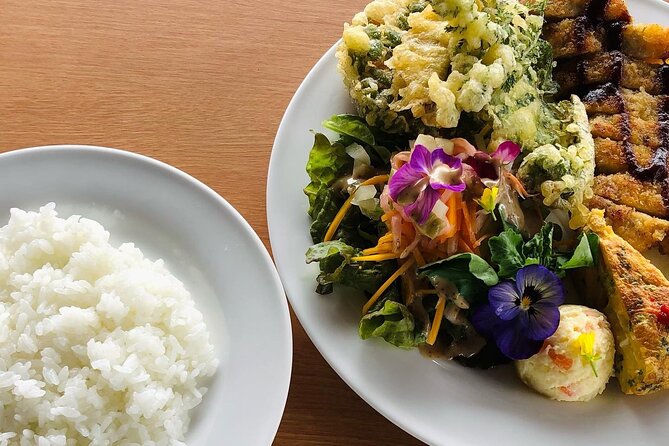
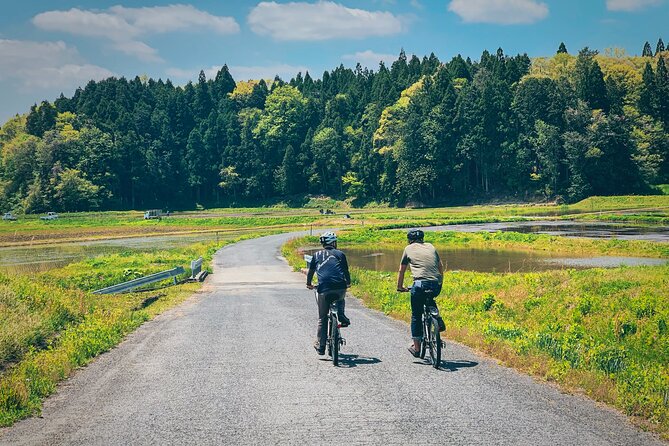
Doitaya offers the most direct look at rural settlement. The area retains traditional-looking homes, rice fields, streams, and signs of local wildlife. This is not a staged historical village. It is a lived-in farming community, and that distinction matters.
You get to see how houses, fields, and watercourses fit together. The streams are more than pretty scenery. They are part of the rural setting that supports crops and wildlife, and they help explain why these communities developed where they did.
This is the kind of place that is easy to miss from a highway bus. You may pass through the countryside on the way to Oasa, but cycling slows you down enough to notice small details. The guide can fill in the local picture, answer questions, and point out parts of daily life that would otherwise look like ordinary roadside scenery.
The pace also makes the tour feel less like a checklist. You are not rushing from one major attraction to another. You are moving through an area where the quiet is the attraction. If you need constant monuments, museums, or dramatic viewpoints, this may feel too subdued. If you want to see how rural Hiroshima actually looks and feels, Doitaya is a strong part of the route.
Lunch at Aino Sato Herb Garden
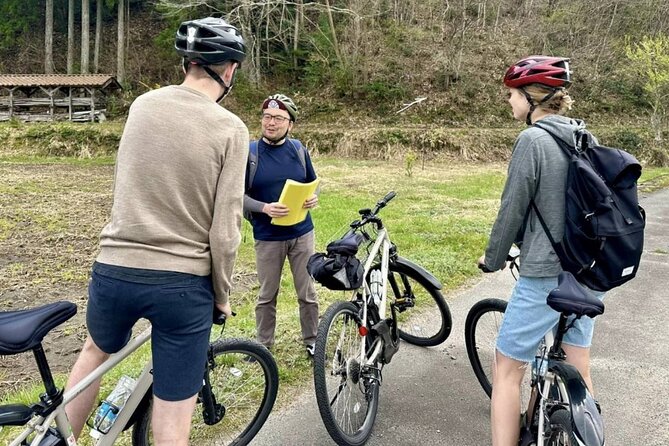
Lunch is included in the schedule but not in the tour price. At Aino Sato Herb Garden, the meal costs 900 to 1,250 JPY per person and uses locally grown vegetables and edible flowers. Vegan lunch is available if you request it at least three days ahead.
The herb garden gives the midday stop a clear sense of place. Rather than treating food as a quick refueling break, the tour connects lunch with local growing practices. Fresh vegetables and edible flowers may be a new experience for some visitors, but the important point is that the meal reflects what is produced in the area.
From December through March, the lunch arrangement changes to sushi at a farmhouse, priced at 2,000 JPY per person. That seasonal shift is worth noting when you compare dates. You are not choosing between two options on the same departure. The meal depends on the time of year.
I like that the tour leaves lunch open to local conditions instead of hiding the extra cost. Still, you should add the meal to your budget before booking. With the bus and lunch, the real outlay is notably higher than $85.39.
Oasa’s Quiet Main Street
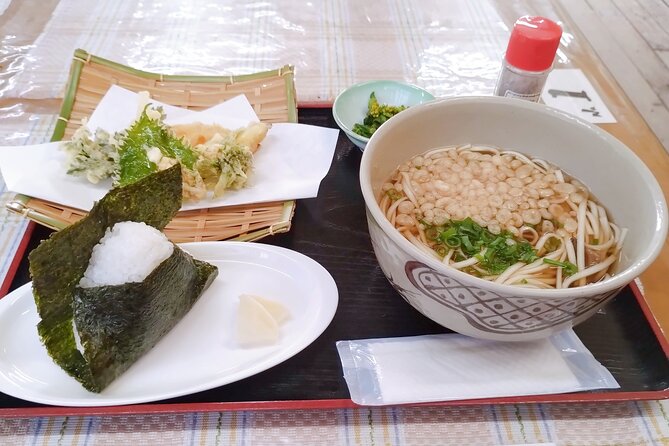
Oasa’s main street once served as a busier center for shops and local trade. Today, it is quiet, with older buildings that hint at the town’s more active past. A few shops remain, giving the stop some present-day life rather than turning it into an empty old-town display.
This is a good place to adjust your expectations. Oasa is not being presented as a major sightseeing district with one big attraction. Its appeal lies in scale, atmosphere, and the chance to spend time in a small Japanese town without a crowd pressing you along.
I find this type of stop valuable because it gives the countryside a human story. Rice fields and mountain roads are pleasant, but a town street shows how rural communities change over time. The guide can help connect the older buildings and remaining shops with the area’s current pace.
The quiet may be the very thing some people dislike. If you want shopping, nightlife, or a full afternoon of attractions, Oasa will not provide them. The tour works best when you are happy to look closely and let an ordinary place become interesting.
Other cycling tours in Hiroshima

What the Small Group Adds
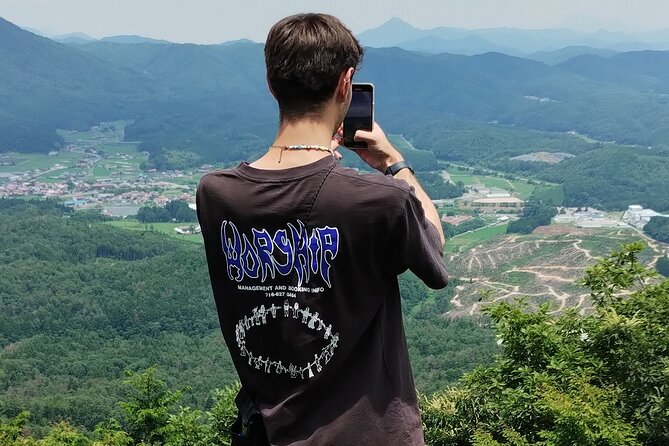
With a maximum of eight people, this is not a large cycling convoy. That makes stops easier and gives you a better chance to speak with the guide. It also keeps the ride more personal for anyone who wants to ask about local food, farming, village life, or the places along the road.
The guide’s role is central. Jonah has led departures where regular stops and clear explanations helped shape the day, and his practical handling of rain was useful when conditions turned wet. You should not expect a formal lecture at every stop. The value comes from short explanations woven into the ride.
A small group can also make the pace feel less rigid. That said, the tour still has a fixed start, planned stops, and a return to the meeting point. The group format does not mean you can set your own route or leave whenever you like.
Group discounts are available, which may improve the value for people booking together. Since the group is capped at eight, it is worth checking availability well ahead of time. The average booking lead time is about 61 days, suggesting that this is not always a last-minute activity.
Price, Effort, and Overall Value
The $85.39 charge covers the bicycle, helmet, guide fee, accident insurance, and access to water refill stations along the route. You need to bring your own water bottle. The bikes are the biggest value item here, since electric models make a hilly rural route accessible to more riders.
Then add 3,560 JPY for the bus and either 900 to 1,250 JPY for the herb-garden lunch or 2,000 JPY for the winter sushi lunch. The full cost is therefore much higher than the headline price, but it also covers a four-hour guided outing, equipment, transport to the countryside, and a meal stop.
I think the value is strongest if you have already seen Hiroshima’s central sights and want a different kind of day. It is weaker if you are comparing the tour with a simple self-guided bike rental or if you are trying to keep transport costs low.
Accident insurance is included, and the guide handles the route. You do not need to arrange your own bicycle, helmet, or rural cycling plan. That convenience matters in an area where independent transport and route planning could take extra time.
Who Will Enjoy This Ride Most?
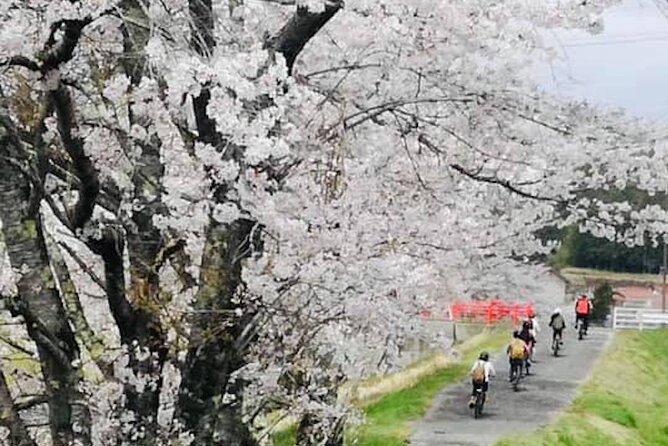
I would recommend this tour to couples, friends, and solo visitors who enjoy light adventure and local food. It also suits people who want rural scenery without committing to a serious cycling trip. The e-bike assistance opens the route to a wider range of fitness levels.
You should book it if you can ride independently, meet the 140-centimeter height requirement, and manage moderate activity for four hours. A water bottle, practical clothing, and a willingness to ride in changing rural weather are sensible preparations.
This is not the right choice for anyone who cannot cycle, dislikes hills, or wants a fully urban Hiroshima experience. It is also not ideal if you need a flexible start time, since the bus connection and 10:00 a.m. meeting time shape the day.
The experience requires good weather. If poor conditions force a cancellation, you can receive a full refund or choose another date. For your own comfort, I would still check the forecast before setting out, even though rain protection may be provided when possible.
Booking Advice for a Smoother Day
Request vegan lunch at least three days in advance. If you are visiting between December and March, confirm that you understand the sushi lunch arrangement and its 2,000 JPY cost.
Bring a refillable bottle because the route has several water refill stations, but bottles are not supplied. You should also keep the bus fare separate from the activity price and confirm the transport details supplied after booking.
The cancellation policy is friendly if your plans change early. Cancel at least 24 hours before the 10:00 a.m. start for a full refund. Changes or cancellations inside that window are not accepted for a refund, except when weather causes the provider to cancel.
Should You Book Hiroshima Country Cycling?
Book this tour if you want to trade Hiroshima’s busy sightseeing circuit for rice fields, old village roads, a quiet town street, and a meal tied to the region. The e-bike makes the hills realistic, while the small group and guide add useful local detail.
Skip it if the extra bus and lunch costs strain your budget, or if four hours on a bicycle sounds tiring. For the right person, though, this is a practical way to see rural Hiroshima without renting gear, planning a route, or guessing which villages are worth visiting. A current rating of 5 out of 5 from 22 ratings, with 100 percent recommending it, supports the strong impression of a well-run, personal day out.
FAQ
Where does the cycling tour begin?
It begins at the Oasa I.C. Bus Stop at 2310 Shinjō, Kitahiroshima, Yamagata District, Hiroshima 731-2103, Japan.
What time does the activity start?
The start time is 10:00 a.m.
How long does the tour last?
The cycling experience lasts about four hours and ends back at the meeting point.
Is transportation from Hiroshima included?
No. The highway bus between Hiroshima and Oasa costs 3,560 JPY round trip and is paid separately.
Is lunch included in the price?
No. Lunch at the herb garden costs 900 to 1,250 JPY per person. From December through March, sushi lunch at the farmhouse costs 2,000 JPY per person.
Can I request vegan food?
Yes. Vegan lunch is available if you request it at least three days before the tour.
What happens if the weather is poor?
The activity may be canceled in poor weather. You can then choose a different date or receive a full refund.
More City Tours in Hiroshima
More Cycling Tours in Hiroshima
More Hiroshima City Tours in Hiroshima
More tours in Hiroshima we've reviewed


Hiroshima City Tours, compared.
 ★ 5.0Peaceful Hiroshima & Miyajima UNESCO 1 Day Bus TourFrom $129
 ★ 4.9Hiroshima: Hiroshima and Miyajima UNESCO Sites 1-Day TourFrom $1228 hours
 ★ 5.0Hiroshima / Miyajima Full-day Private Tour with Government Licensed GuideFrom $202
 ★ 4.7Osaka/Kyoto: Hiroshima Miyajima Bus Tour & Shinkansen TicketFrom $27712 hours
 ★ 4.8Hiroshima Historical Walking Tour – Why A-Bomb was DroppedFrom $352h 30m
 ★ 5.0Hiroshima Peace (Heiwa) Walking Tour at World Heritage SitesFrom $94
