
Reviewed · MIYAJIMA TOURS
Miyajima Highlights: Itsukushima Shrine & Island Nature
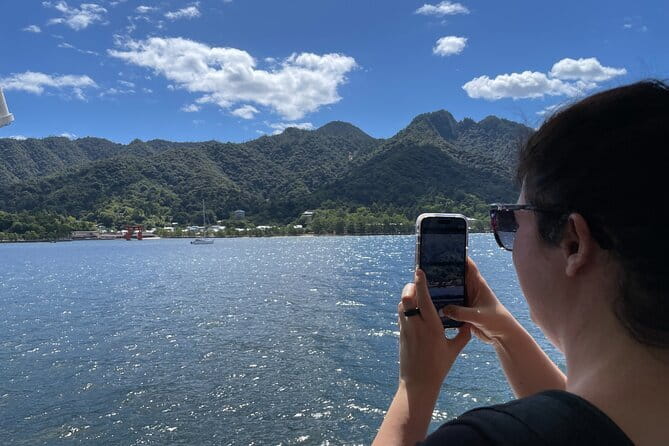
Miyajima’s famous torii gate is only the opening scene. This private walking tour takes you from Hiroshima to the island’s sacred shrine, old temple grounds, quiet corners, shopping street, and sea views, with a guide who can explain what you are seeing as you go. Itsukushima Shrine and Daishoin Temple are the main prizes.
I like the private format, which gives your group room to ask questions, adjust the pace, and request more history, culture, or local life. I also like the guides’ personal touch. Aya, Yuka, Masa, Masayo Kobayashi, and Mana are praised for being kind, flexible, and willing to share family stories, including personal connections to Hiroshima.
The main caution is time. Five hours passes quickly once you add the ferry, trains, shrine, temple, shopping street, and return travel. Public transport costs an additional ¥1,340 per person, and lunch is not included, so the $141.23 price is not the full cost of the day.
In This Review
- Key points to know before booking
- Why this private Miyajima visit feels different
- Hiroshima to Miyajima by public transport
- Meeting Miyajima, the sacred island
- The floating torii and the changing tide
- Inside UNESCO-listed Itsukushima Shrine
- Daishoin Temple, the quieter highlight
- Senjokaku and the broad wooden halls
- Omotesando, oysters, and momiji manju
- How the five-hour schedule works
- Is $141.23 good value?
- Who will get the most from this tour?
- Should you book it?
- FAQ
- How long does the Miyajima tour last?
- Where does the tour begin?
- Is this a private tour?
- Is public transportation included?
- Which public transport is used?
- Is lunch included?
- Is admission to Itsukushima Shrine included?
- Is Senjokaku admission included?
- Can the itinerary be customized?
- What happens if bad weather cancels the tour?
Key points to know before booking
- The tide changes the torii experience: At high tide, the gate appears to float offshore. At low tide, you can walk toward it.
- Daishoin adds depth beyond the postcard view: This old temple sits among Miyajima’s natural surroundings and has many details to explore.
- Your guide can shape the day: The itinerary may be adjusted to your interests and the order of Miyajima and Peace Park can change.
- You use public transport: The tour is a walking experience supported by ferry, JR, or train travel, not a private vehicle excursion.
- Personal stories are part of the appeal: Guides such as Yuka, Masa, and Mana have shared family experiences and local memories alongside the formal history.
- Food and extras cost more: Oysters, conger eel rice bowls, and momiji manju are available on Omotesando, but meals, drinks, transport, and some optional admission fees are separate.
Why this private Miyajima visit feels different
Many Miyajima outings focus on the floating torii, a quick look at the shrine, and a sweep through the souvenir shops. This tour gives you a better chance to understand why the island has long been treated as sacred, not simply scenic.
Your guide meets you on foot at a hotel or train station in Hiroshima City. From there, you travel by public transport. The group is private, so the guide can answer questions as they arise instead of delivering a fixed speech to a crowd.
That matters on Miyajima. The island combines Shinto worship, Buddhist practice, old political power, local food, deer, changing tides, and modern tourism in a compact area. A good guide helps you connect those pieces.
The individual guide may vary. Names associated with this experience include Aya, Yuka, Masa, Masayo Kobayashi, and Mana. The strongest praise centers on the same traits: patience, kindness, clear English, flexibility, and a willingness to explain Hiroshima and Miyajima together rather than treating them as unrelated stops.
You can ask for more attention to religion, architecture, Hiroshima’s past, local customs, or food. The advance customization consultation is useful here. Tell the provider what matters to you before the day, especially if you have a tight cruise schedule or want to spend more time at one major site.
A few more Hiroshima tours and experiences worth a look
Hiroshima to Miyajima by public transport
The journey from Hiroshima to Miyajima is part of the experience, but it also uses up a fair slice of the five-hour schedule. The published plan allows about an hour for the wider movement between Hiroshima and Miyajima, and another hour at Miyajima Port Sambashi Bridge when heading onward toward Peace Memorial Park.
The usual transport mix is ferry, JR, or train. A direct boat to Peace Memorial Park may be available as an option, taking about 45 minutes, but it costs extra. Private transport such as fast boats, direct boats, or taxis can range from ¥2,300 to ¥8,000 one way.
You pay public transport yourself. The stated cost is ¥1,340 per person. That is a modest but important addition when you are comparing the tour price with a self-guided day.
The walking begins after meeting in Hiroshima. Wear shoes you can use comfortably for several hours, since the route links a port, shrine grounds, temple grounds, shopping streets, and public transport connections. The tour is not presented as physically extreme, and most people can participate, but it is not a sit-down sightseeing ride.
Meeting Miyajima, the sacred island
Miyajima has been revered as an island of the gods since ancient times. The tour introduces that idea early, with deer described as messengers of the gods.
The deer are part of the island’s character, but the larger point is spiritual. Miyajima is not just a scenic stop reached by ferry. Its shrines and temples reflect long-standing religious traditions, and the island’s setting helps explain why it has held such importance.
Your guide can give that setting meaning in a way a signboard may not. You can ask how Shinto and Buddhism appear in the sites you visit, or how the island’s customs relate to everyday life in Japan.
The quieter areas are especially useful here. The tour promises time beyond the main landmarks, giving you a chance to see more ordinary corners of the island rather than moving only between the most photographed points.
The floating torii and the changing tide
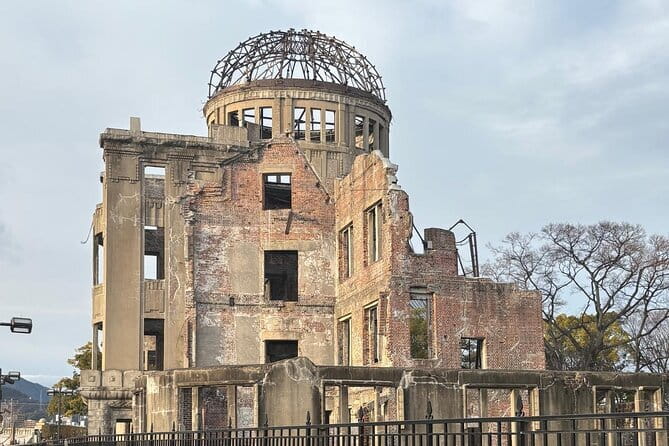
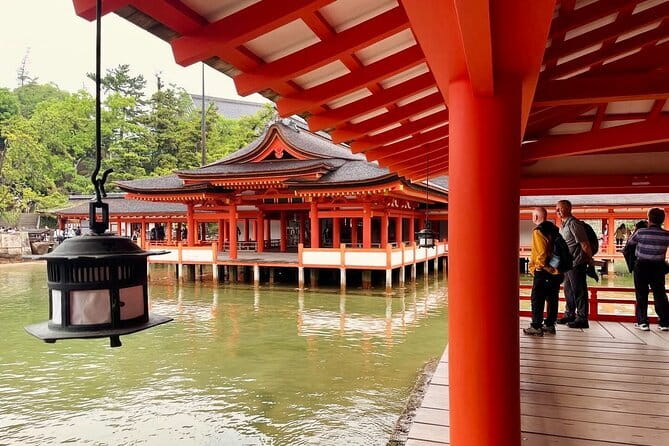
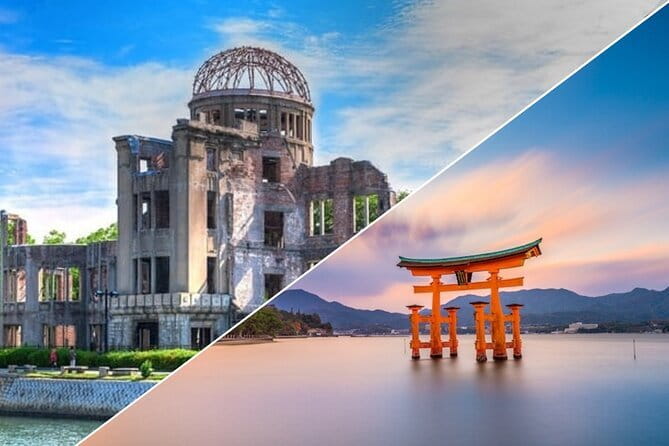
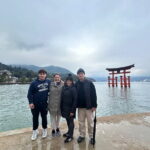
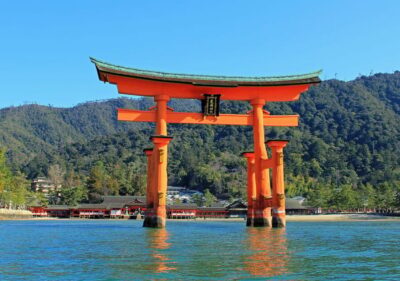
The torii gate of Itsukushima Shrine is the image most people associate with Miyajima. At high tide, seawater surrounds the gate, creating the famous floating effect. At low tide, you can walk out toward it and see its size from ground level.
Neither view is automatically better. High tide gives you the classic composition, with the gate appearing offshore. Low tide lets you inspect its scale and construction more closely. The tide therefore affects the feel of your visit in a real way, not just the quality of a photograph.
Ask your guide about the timing when you book or before you start. The itinerary can be arranged in a different order, which may help your group see the gate under the most suitable conditions available that day. The provided details do not guarantee a particular tide, so you should treat the two possibilities as different versions of the same highlight.
The gate itself is not the whole story. A private guide can explain its role as an entrance marker and relate it to the shrine complex behind it. That context is one reason this tour may appeal to you more than simply taking a ferry, photographing the gate, and leaving.
Inside UNESCO-listed Itsukushima Shrine
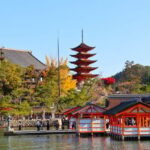
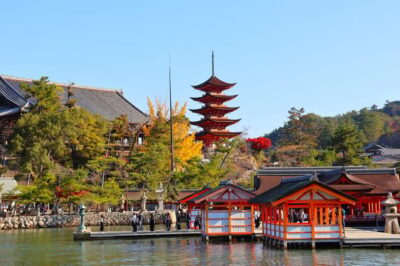
Itsukushima Shrine appears to float on the sea and is registered as a UNESCO World Heritage site. It is also a national treasure. Its look changes with the ebb and flow of the tide, so the same buildings can feel quite different during one visit than they do in a photograph.
The included admission fee is a practical advantage. You do not need to add the shrine ticket to your budget, and the guide can lead you through the visit while explaining the site’s role.
Allow about 30 minutes here according to the planned schedule, plus 15 minutes for the torii. That is enough for a focused visit, but not a leisurely architectural study. If you care strongly about details, tell your guide in advance. The private setup makes this kind of adjustment more realistic than it would be on a large group tour.
The shrine is also where the tour’s tide-dependent nature becomes most obvious. If the water is high, the buildings and gate read as part of a sea-based sacred setting. If the water is low, the exposed ground changes the view. I would avoid booking this tour with a rigid expectation of one perfect image.

Daishoin Temple, the quieter highlight
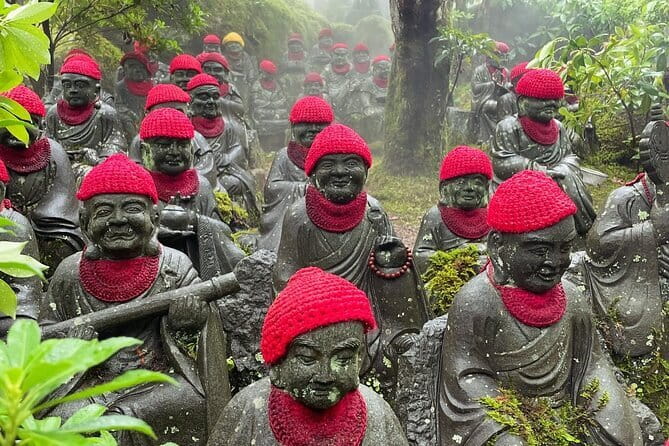
Daishoin Temple may be the most rewarding stop for people who want more than a famous gate. It is described as Miyajima’s oldest temple, set among nature and filled with attractions.
You receive about 45 minutes here, the longest single sightseeing block on the route. That extra time gives you room to notice smaller religious details and ask questions. The temple was loved by Shogun Hideyoshi and other influential figures, adding a link between the site and Japan’s political past.
The word unique is easy to overuse in travel writing, but Daishoin earns a closer look because it offers a different mood from the shrine. Its setting is quieter, and its many features reward a slow pace. Your guide can help you understand what you are looking at rather than leaving you to guess at the meaning of unfamiliar objects.
If your main aim is nature, this is also the part of the route most likely to appeal. The temple lies amid Miyajima’s natural surroundings, and the walk between major sites gives you a break from the most crowded tourist path.
Senjokaku and the broad wooden halls
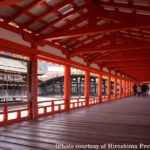
Senjokaku is linked to the Itsukushima Shrine complex and is part of the UNESCO-listed area. It was built in the 16th century on the order of Shogun Hideyoshi.
The name refers to a hall large enough, in traditional terms, for a thousand mats. The planned stop lasts about 20 minutes. Its wall-less spaces create a calm, open feeling, and the building offers a different kind of architectural experience from the shrine’s sea-facing corridors.
Admission is not included. That is a small extra cost, but it is worth knowing before you arrive. If your schedule is tight, you can ask the guide how much time to give Senjokaku compared with Daishoin or the shopping street.
This stop works well for visitors who enjoy old buildings and spacious interiors. It may be less important to you if your priority is food, shopping, or the torii gate. The private format lets you discuss that tradeoff instead of following a fixed group timetable.
Omotesando, oysters, and momiji manju
Omotesando Shopping Street is the most commercial section of the tour, but it is also where Miyajima’s food culture becomes easy to sample. Shops sell oysters, conger eel rice bowls, and momiji manju, the island’s familiar steamed buns.
The planned stroll lasts about 40 minutes. Lunch is not included, so this is your chance to buy food if you want it. You should budget separately for snacks, drinks, or a meal.
The street also sells souvenirs tied to Miyajima. One guide’s personal response to a family included references to kanji keychains and a KUMA-chan rice scoop, showing how the guide may help connect ordinary purchases with memories of the island.
You should not expect an extended food tour. The itinerary gives you time to browse and eat, but the main purpose is to complete the cultural and historic walk. If food is your top priority, say so during the customization discussion.
How the five-hour schedule works
The tour is advertised at about five hours, but the route contains several moving parts:
- Meeting in Hiroshima City
- Public transport to Miyajima
- The island welcome and orientation
- The torii gate
- Itsukushima Shrine
- Daishoin Temple
- Senjokaku
- Omotesando
- Transport onward from Miyajima Port
The listed stop times add up quickly, even before delays or meals. You should think of this as a well-guided overview rather than a slow, exhaustive study of every site.
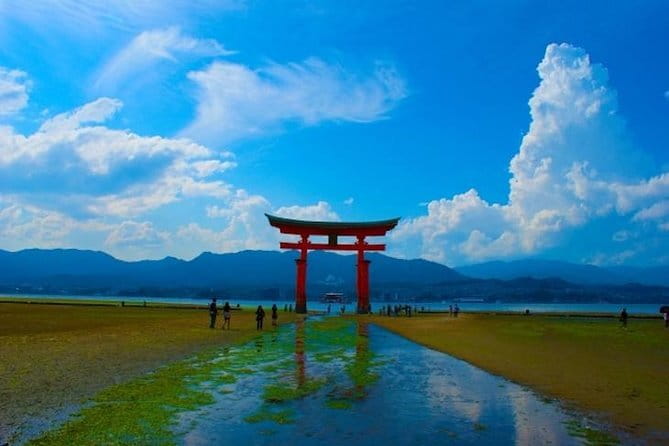
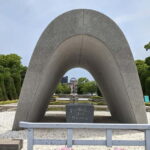
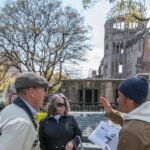
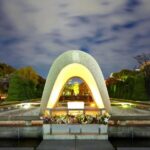
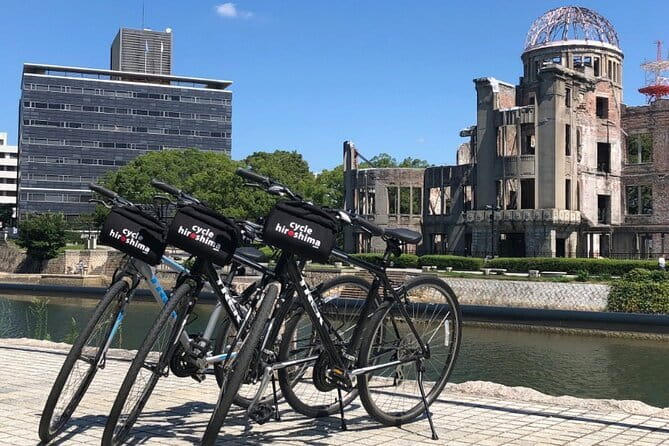
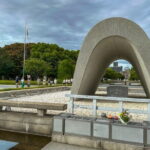
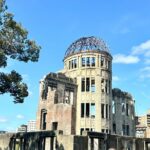
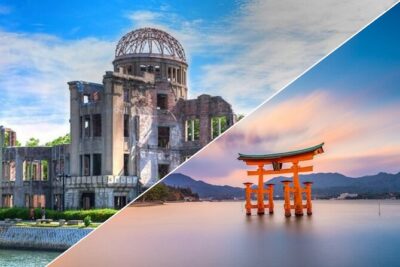
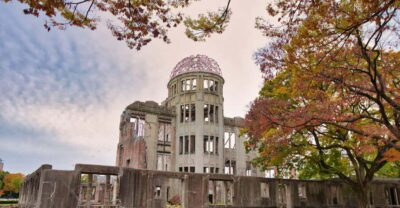
The order can change between Miyajima and Peace Park to help with the floating torii. However, the schedule details mainly describe movement toward Peace Memorial Park rather than a full Peace Park sightseeing visit. If the Peace Memorial Museum, Atomic Bomb Dome, or both are essential to you, confirm exactly what will fit before booking.
This point matters because one guide’s response to a guest specifically acknowledged wanting more time at the Peace Memorial Museum and Dome. That suggests the Hiroshima portion may be limited within this half-day format.
Is $141.23 good value?
At $141.23 per person, this is not the cheapest way to see Miyajima. You can save money by taking public transport and visiting the main sites independently. The tour’s value comes from the private guide, planning help, cultural explanation, shrine admission, and the ability to shape the day around your group.
The price looks better for a family or small group than for one person traveling alone, since everyone receives the same guide’s attention. Group discounts may also be available. Ask about the final group price and confirm the transport total before paying.
Remember the added costs:
- Public transportation: ¥1,340 per person
- Lunch and drinks: not included
- Private transport: optional, about ¥2,300 to ¥8,000 one way
- Senjokaku admission: not included
- Tips: not included
The provider also supplies tour photo data, which is a pleasant extra for a family or cruise stop. More important is the advance customization consultation. If you have only a short window in Hiroshima, that planning can help prevent an unfocused visit.
Who will get the most from this tour?
I would choose this experience if you want a private guide and care about context, not just landmarks. It is a good fit for families, first-time visitors to Hiroshima, history teachers, older relatives who need a flexible pace, and cruise passengers working within a narrow schedule.
It also suits you if you want to ask direct questions about religion, Hiroshima, local customs, or the meaning of what you see. Several guides are praised for clear explanations and for making the day feel personal rather than formal.
You may prefer to go independently if you want a full day on Miyajima, a long meal, extensive shopping, or a detailed visit to the Peace Memorial Museum. The five-hour limit forces choices, and transport is part of the clock.
Service animals are allowed, the tour is near public transportation, and most people can participate. You should not join if you have cold symptoms. The experience requires good weather, and a weather cancellation offers either another date or a full refund.
Should you book it?
Book this tour if a private, flexible introduction to Miyajima sounds more useful than a low-cost checklist visit. Its strongest features are the personal guides, the cultural explanations, and the chance to combine Itsukushima Shrine with Daishoin, Senjokaku, local food, and quieter island areas.
Before booking, confirm the tide, the exact Hiroshima stops, and how much time you will have at Peace Memorial Park. Also add transport and food to the advertised price.
For a first visit with limited time, especially with family or a cruise schedule, I think the guidance can justify the cost. For a slow Miyajima day or a focused Peace Museum visit, choose a longer or more specialized plan instead.
FAQ
How long does the Miyajima tour last?
The experience lasts approximately five hours.
Where does the tour begin?
The guide meets you on foot at a hotel or train station in Hiroshima City.
Is this a private tour?
Yes. Only your group participates in the activity.
Is public transportation included?
No. Public transportation costs ¥1,340 per person and is paid separately.
Which public transport is used?
The tour basically uses a ferry, JR, or train. Optional direct boats, fast boats, or taxis are also available at an extra cost.
Is lunch included?
No. Food and drinks are not included.
Is admission to Itsukushima Shrine included?
Yes. The entrance fee for Itsukushima Shrine is included.
Is Senjokaku admission included?
No. The admission fee for Senjokaku is not included.
Can the itinerary be customized?
Yes. The experience includes advance customization consultation, and the order of Miyajima and Peace Park can change.
What happens if bad weather cancels the tour?
If poor weather causes cancellation, you will be offered a different date or a full refund. You can also cancel up to 24 hours before the start time for a full refund.
More Miyajima Tours in Hiroshima
More tours in Hiroshima we've reviewed


Miyajima Tours, compared.
 ★ 5.0Peaceful Hiroshima & Miyajima UNESCO 1 Day Bus TourFrom $129
 ★ 4.9Hiroshima: Hiroshima and Miyajima UNESCO Sites 1-Day TourFrom $1228 hours
 ★ 5.0Hiroshima / Miyajima Full-day Private Tour with Government Licensed GuideFrom $202
 ★ 4.7Osaka/Kyoto: Hiroshima Miyajima Bus Tour & Shinkansen TicketFrom $27712 hours
 ★ 4.7From Hiroshima: Hiroshima & Miyajima 1 Day Tour with LunchFrom $1168 hours
 ★ 5.0Hiroshima and Miyajima Day Trip with Itsukushima Shrine & FerryFrom $45
