
Reviewed · HIROSHIMA CITY TOURS
Amazing Hiroshima: Private City Tour with a Local Guide
Hiroshima’s past and Miyajima’s beauty make an unlikely but powerful pair. In one private tour, you move from the A-Bomb Dome and Children’s Peace Monument to a shrine that seems to float above the sea. The contrast is the point: grief, memory, faith, food, and mountain views all share one day.
I like the one-to-one flexibility, especially if you want to linger at the Peace Memorial Museum or spend more time on Miyajima. I also like the practical help with trams and ferries. Guides such as Kazuko, Zun, John, and Md. Jiaur Rahman have been praised for careful planning and friendly company.
The main caution is time. Covering Hiroshima and Miyajima in one day can feel full, and one guest found the history explanation less engaging for children. Ask for a strong history-focused guide if that matters to you, and confirm how many hours you want before setting off.
In This Review
- Key points to know before booking
- Why Hiroshima and Miyajima work so well together
- Starting at Peace Memorial Park
- The Peace Memorial Museum and A-Bomb Dome
- Hondōri, Hiroshima Castle, and Shukkeien Garden
- Getting from Hiroshima to Miyajima
- Walking Miyajima and the floating torii
- Itsukushima Shrine and Daisho-in Temple
- How the private format affects the day
- Is $129 per person good value?
- What to clarify before you go
- Who should book this Hiroshima tour?
- FAQ
- How long does the tour last?
- Is the tour private?
- Is pickup included?
- Are tram and ferry fares included?
- Is lunch included?
- Can I request a certain kind of guide?
Key points to know before booking
- Two major sights in one private day: Visit Hiroshima’s memorial district and Miyajima’s shrine island without arranging every tram, ferry, and entrance ticket yourself.
- A thoughtful guide matters: Request an English-speaking guide with a historical focus if you want more than basic sightseeing.
- Miyajima depends on the clock: The torii gate appears to float at high tide, so ask the coordinator about tide timing.
- The pace can be adjusted: Tours run from 3 to 8 hours, with pickup anywhere in Hiroshima city available at no added cost.
- Transport is part of the value: Tram and standard ferry fares are included, while the direct boat from Peace Park to Miyajima costs extra.
- Expect an emotional morning: The Peace Memorial Museum and A-Bomb Dome call for quiet attention, not a quick photo stop.
Why Hiroshima and Miyajima work so well together
Hiroshima is a city that asks you to pay attention. The memorial district is not simply another sightseeing stop. It presents the human cost of the atomic bombing and the city’s continuing call for peace. A local guide can help you place the monuments and museum displays in context, which matters when the subject is painful and the details are easy to rush past.
Miyajima changes the mood without making the day feel disconnected. The island brings Shinto architecture, Buddhist worship, sea views, walking streets, oysters, and momiji manju, a maple-leaf-shaped sweet. You finish with a sense of place rather than only a list of memorial sites.
This tour is especially useful if you have one day in Hiroshima and want both sides of the region. It is less ideal if you prefer a slow museum visit, a long Mount Misen hike, and unhurried meals. For that, split the two areas across separate days.
A few more Hiroshima tours and experiences worth a look
Starting at Peace Memorial Park
The day begins in Hiroshima, with pickup arranged in the city. The exact meeting point can be changed after booking to another location within Hiroshima at no added cost. That is handy if you are staying away from the usual center or want to avoid backtracking.
Peace Memorial Park gives you room to absorb the setting before entering the museum. The open grounds, monuments, and river views create a quiet frame for what follows. Your guide can explain the purpose of the main memorials and point out details you might otherwise pass without understanding.
Allow the park its full hour if you can. A rushed walk here feels wrong, and this is one of the places where a private guide earns their keep. You can ask direct questions, pause when needed, and spend less time on parts that are already familiar to you.
The Peace Memorial Museum and A-Bomb Dome
The Peace Memorial Museum is the emotional center of the Hiroshima portion. The visit is scheduled for about an hour, though the available tour length can be adjusted. The displays are difficult, and you may want more time than the standard stop allows.
I would tell the coordinator in advance if the museum is your main reason for booking. A guide who can explain the historical setting and give you space to process the material will make this visit more useful. The strongest guides bring both factual detail and a human perspective. Kazuko was praised for combining personal insight with clear explanations of events before and after the bombing.
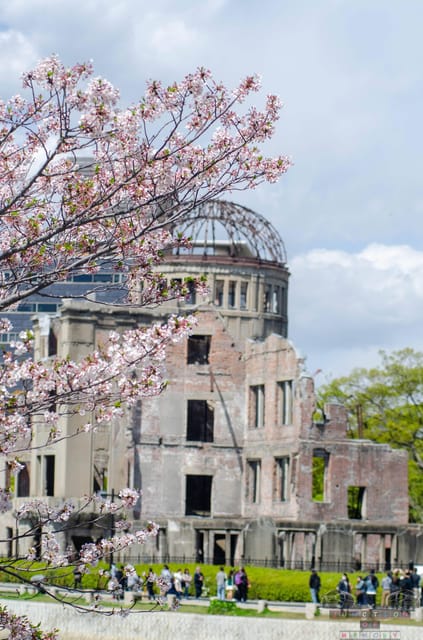
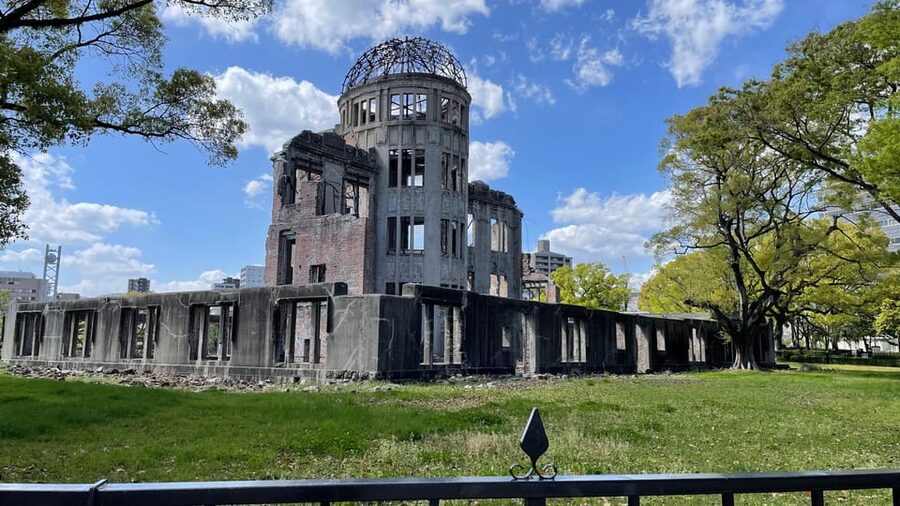
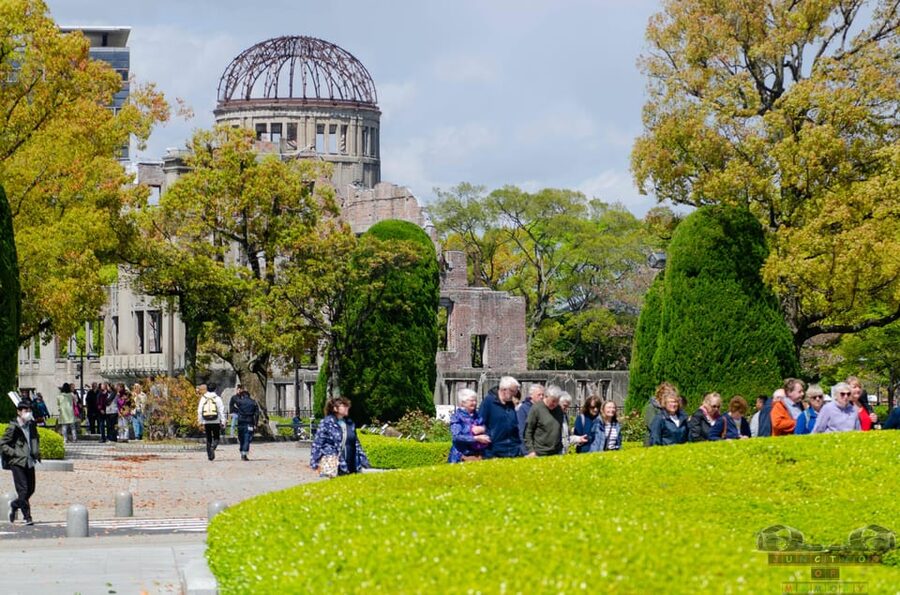
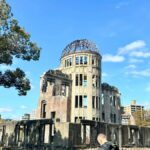
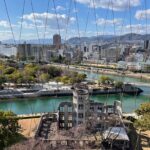
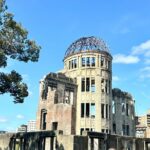
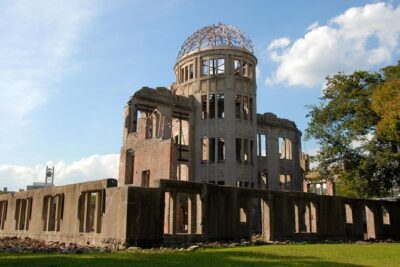
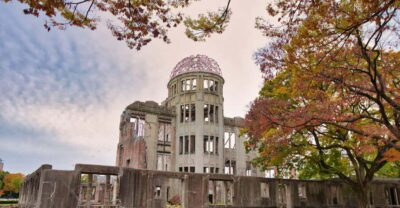
The A-Bomb Dome gives the museum’s material a physical reference point. Its damaged structure remains beside the river, making the scale of the destruction easier to grasp. You get roughly 30 minutes here for photographs, explanation, and a walk around the site.
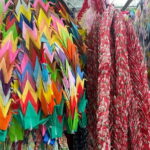
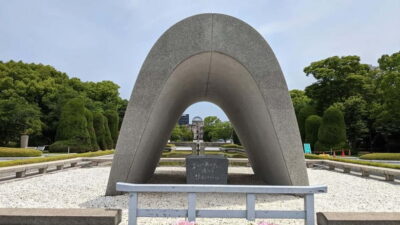
The Children’s Peace Monument follows naturally. Its connection to young victims and the hope for peace gives the memorial district a more personal focus. The planned stop is about 15 minutes, so this is mainly a guided look rather than a long independent visit.
The order and timing may shift. That is a benefit of a private tour, but you should still be clear about your priorities. If you want to read every museum panel, something else may need to be shortened.
Hondōri, Hiroshima Castle, and Shukkeien Garden
Hondōri adds an everyday side of Hiroshima after the solemn memorial sites. This covered shopping street is scheduled for about an hour and gives you time to walk, browse, or stop for food. Lunch is not included, so this is one possible place to arrange your own meal, though the schedule may be tight if you are continuing to Miyajima.
Hiroshima Castle offers a different chapter. The original castle was destroyed, and the present building is a reconstruction. It still helps you understand the area’s samurai-era past and gives the day a useful change of subject after the museum.
Shukkeien Garden is the quietest stop in this part of town. The restored Japanese garden uses ponds, paths, bridges, and carefully arranged views to create a slower rhythm. You can walk here without needing to fill every moment with conversation.
Each stop is allowed about an hour, but an eight-hour day is more realistic if you want all three without cutting the memorial district short. The advertised range begins at three hours, so ask exactly which sites are included for the duration you choose. A shorter booking cannot reasonably provide the complete city-and-island program.
Getting from Hiroshima to Miyajima
Public transportation fares for the tram and ferry are included. That saves you the small but annoying task of working out each ticket while trying to keep a private schedule moving. Zun was praised for handling the transport and logistics, and that practical support can make a large difference on a packed day.
The listed schedule includes transfers of roughly one hour and 30 minutes, though exact travel time depends on the route and timing. There is also a direct boat between Peace Memorial Park and Miyajima. It takes about 45 minutes, runs two to four times per hour, and costs 2,200 yen one way or 4,000 yen round trip, before the visitor tax. That boat is not included.
The standard tram-and-ferry arrangement is covered by the tour. If the coordinator proposes a faster or different boat, ask about the extra cost before agreeing. One guest felt a speedboat was unnecessary because there was already plenty of time on Miyajima. That is useful advice: faster transport is not automatically better if it leaves you waiting around later.
Other guided tours in Hiroshima
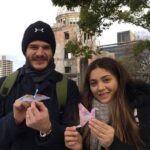
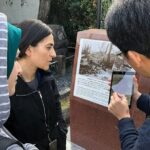

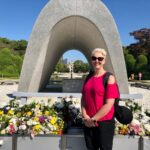
Walking Miyajima and the floating torii
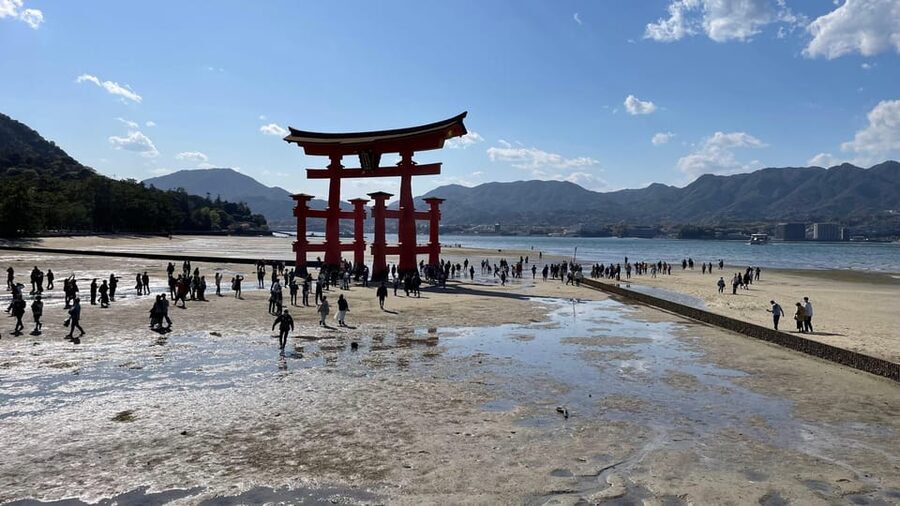
Miyajima is the visual reward of the second half. The island’s spiritual setting, wooded slopes, and water views make it feel far removed from the city. You have around two hours for general exploration, followed by separate time for the torii gate and Itsukushima Shrine.
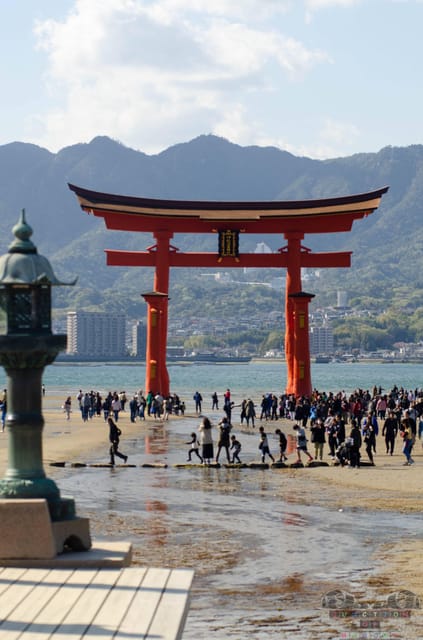
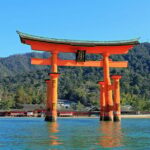
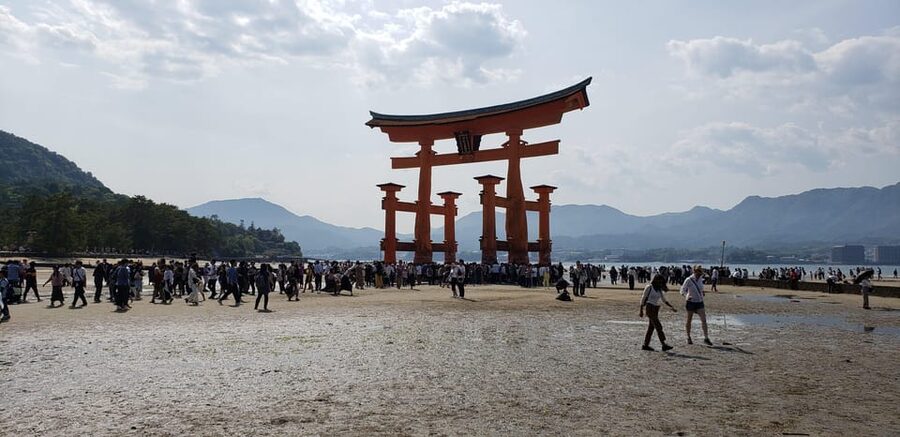
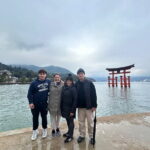
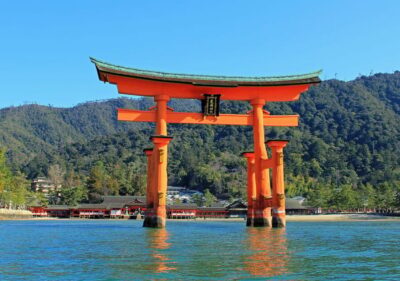
The torii is best known for appearing to float during high tide. Tide levels affect the view, so ask the coordinator for the day’s timing. At lower water, the gate may be approachable on foot, while high water creates the classic island-and-sea composition. Neither view is wrong, but they are different experiences.
Give yourself time to enjoy the approach rather than treating the torii as a single photograph. The gate, shrine buildings, water, and surrounding hills work together. Your guide can explain the religious setting and help you understand why the site has such a strong visual and spiritual pull.
Miyajima also gives you a chance to eat local specialties. Grilled oysters are a natural choice in the area, while momiji manju makes an easy snack or souvenir. Lunch is not included, and food stops may need to fit around tide times and shrine hours, so mention your food interests when the coordinator contacts you.
Itsukushima Shrine and Daisho-in Temple
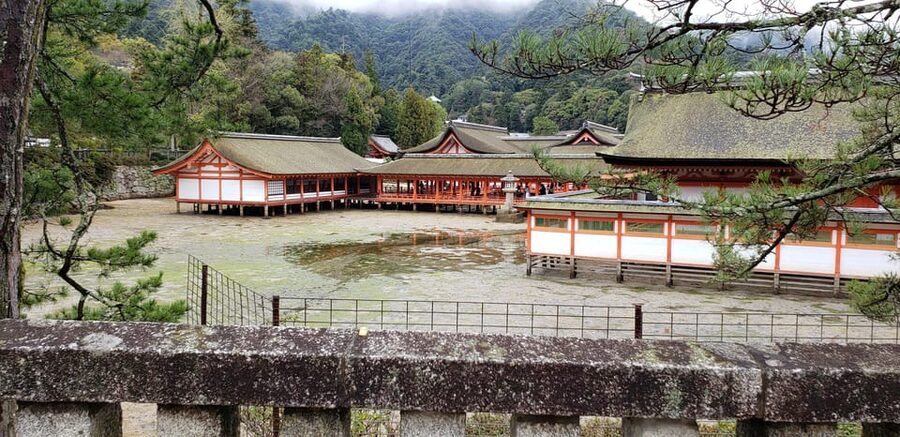
Itsukushima Shrine is a UNESCO World Heritage Site and the island’s main cultural stop. Its buildings and offshore torii are closely linked, so visiting both helps you see the shrine as more than a pretty structure. The scheduled visit lasts about an hour and may include guided explanation and time to look around.
The shrine can be busy, especially when the torii view is at its most appealing. A private guide cannot remove the crowds, but can help you use your time well and explain what you are seeing. If you want a slower, more reflective visit, say so at the start.
Daisho-in Temple adds a Buddhist counterpoint to the Shinto shrine. It is an important site of Shingon Buddhism and offers a quieter spiritual experience. The temple is particularly worthwhile if you want religious context rather than only the island’s famous gate.
The day may also include Mount Misen, either by hike or ropeway, if time permits. This is a bonus, not something to assume is guaranteed. You should not count on a substantial hike if you are also covering the Peace Memorial Museum, castle, garden, shrine, and temple in one day.
How the private format affects the day
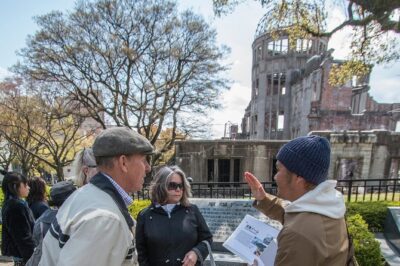
The tour is offered privately or for small groups. That changes the feel of the day in practical ways. You can ask why a memorial matters, stop for a child who needs a break, or adjust the balance between Hiroshima and Miyajima without waiting for a large group.
The guide quality is central. Several guides have received praise for warmth, planning, humor, and local detail. Kazuko was singled out for an empathetic approach to Hiroshima’s difficult subject matter. Zun helped with transport and kept the day lively. John worked well with a family that included children aged nine and 12. Nick combined detailed local information with broad discussion and ended the day with an okonomiyaki restaurant suggestion.
Those examples point to an important booking tip: request the kind of guide you want. The company can arrange a Japanese-English speaking guide or a specialist in history if you ask the coordinator. Not every guide is a licensed city guide, and most are non-Japanese city guides. That does not automatically make the tour poor, but it means you should clarify the guide’s background if formal historical expertise is important.
Is $129 per person good value?
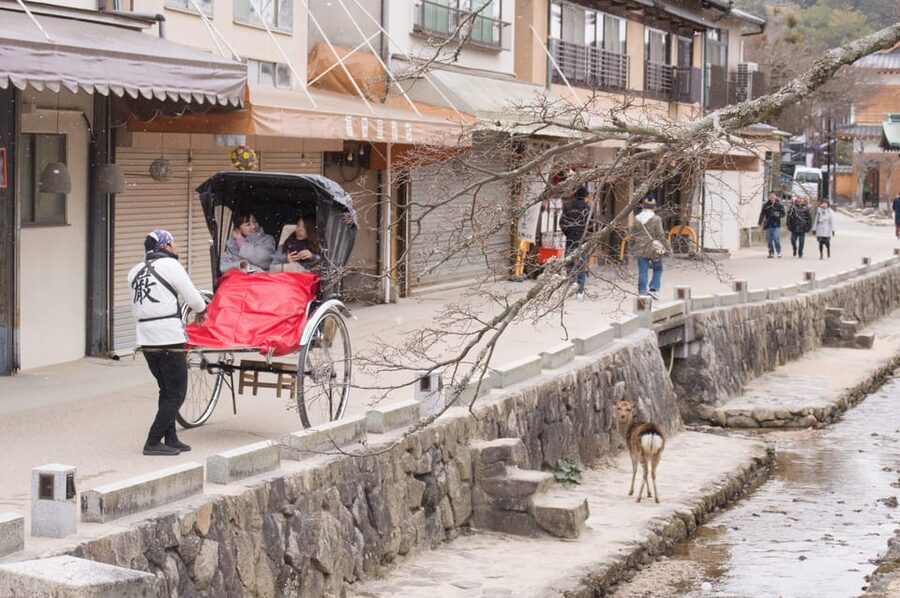
At $129 per person, the tour is not the cheapest way to see Hiroshima. You could use public transport on your own and pay only for the individual attractions and food. The price makes more sense if you value time, personal explanation, and help fitting two major areas into one day.
The included tram and ferry fares, guide, and entrance fees to Peace Memorial Park and Itsukushima Shrine reduce some extra costs. Lunch is separate, as is the direct boat from Peace Park to Miyajima. The tour’s value rises with a full eight-hour day and a strong guide. It falls if you book only three hours and expect to cover the entire program.
I see this as a convenience-and-context purchase, not a budget transport deal. Solo visitors and couples may find the per-person price easier to justify than families. Families, older adults, and anyone uneasy about Japanese transport may appreciate the support more than independent visitors do.
What to clarify before you go
After booking, a coordinator contacts you about preferences and special requirements. Use that conversation well. Tell them your preferred pickup point, the amount of time you want at the museum, your interest in the castle or garden, and whether Mount Misen matters to you.
Ask these questions before the day begins:
- Which stops are included in the number of hours I booked?
- Is the guide focused on history, general sightseeing, or family-friendly explanation?
- What route will we use between Hiroshima and Miyajima?
- Is any faster boat being suggested at an extra charge?
- What tide time should I expect for the torii gate?
- Can we make room for lunch or okonomiyaki?
The tour is wheelchair accessible, which is useful, though the full day still includes walking and transfers. If you have specific mobility needs, share them early so the coordinator can shape the route.
Free cancellation is available up to 24 hours before the start, and you can reserve now and pay later. Those terms give you some flexibility while planning a Japan trip with changing train and hotel arrangements.
Who should book this Hiroshima tour?
Book it if you have one full day, want Hiroshima’s memorial sites and Miyajima together, and prefer a person beside you to manage transport and explain the setting. It is also a good fit for families, first-time visitors to Japan, and anyone who wants a private pace without arranging every detail alone.
Think twice if your priority is a long, quiet museum visit or a serious Mount Misen hike. You may get more from separate days. Also ask for a historical guide if you want detailed interpretation, since guide backgrounds vary.
For most people with limited time, I would book the longer version, request an English-speaking guide with strong historical experience, and confirm the Miyajima tide. That gives the tour its best chance to balance Hiroshima’s hard lessons with the island’s calm beauty.
FAQ
How long does the tour last?
The available duration is between 3 and 8 hours. Check the available starting times and confirm which stops fit within your selected duration.
Is the tour private?
Private and small-group options are available. The private format allows you to discuss preferences and adjust the balance between sights.
Is pickup included?
Pickup is available in Hiroshima. After booking, you can change the pickup point to anywhere within Hiroshima city at no additional cost.
Are tram and ferry fares included?
Yes. Public transportation fares for the tram and ferry are included. A direct boat from Hiroshima Peace Park to Miyajima is not included and costs 2,200 yen one way or 4,000 yen round trip, before the visitor tax.
Is lunch included?
No. Lunch is not included. You can use time in Hondōri or Miyajima to arrange your own meal, depending on the schedule.
Can I request a certain kind of guide?
Yes. When the coordinator contacts you, request a Japanese-English speaking guide or a specialist in history if needed. Most guides are non-Japanese city guides and may not have licensed city guide certification.
More City Tours in Hiroshima
More Guided Tours in Hiroshima
More Hiroshima City Tours in Hiroshima
More tours in Hiroshima we've reviewed


Hiroshima City Tours, compared.
 ★ 5.0Peaceful Hiroshima & Miyajima UNESCO 1 Day Bus TourFrom $129
 ★ 4.9Hiroshima: Hiroshima and Miyajima UNESCO Sites 1-Day TourFrom $1228 hours
 ★ 5.0Hiroshima / Miyajima Full-day Private Tour with Government Licensed GuideFrom $202
 ★ 4.7Osaka/Kyoto: Hiroshima Miyajima Bus Tour & Shinkansen TicketFrom $27712 hours
 ★ 4.8Hiroshima Historical Walking Tour – Why A-Bomb was DroppedFrom $352h 30m
 ★ 5.0Hiroshima Peace (Heiwa) Walking Tour at World Heritage SitesFrom $94
