
Reviewed · MIYAJIMA TOURS
Hiroshima and Miyajima by Bike and Boat
Hiroshima and Miyajima are often treated as separate day trips. This tour links them in one long, active day, using a bicycle for Hiroshima’s rivers, parks, and neighborhoods, then a train and the JR ferry for Miyajima. The mix gives you far more range than walking alone, while still leaving time for quiet reflection at the Cenotaph and Peace Memorial Park.
I like the small maximum group of eight, which lets guides such as Aimee, Alex, Ihsan, James, Melissa, and Sage adjust the pace and answer real questions. I also like the included lunch, the bike fitting, and the chance to try Hiroshima-style food instead of spending the day in transit between sights.
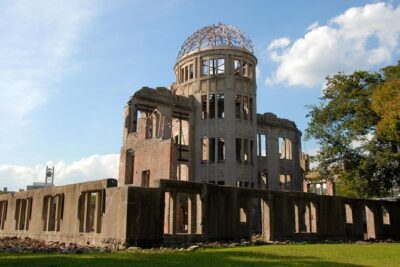
The main catch is the schedule. This is a full, active day, and some departures run longer than the advertised seven to eight hours. The Atomic Bomb Dome and Peace Memorial Museum are not listed as stops, so you may need to return later for the museum.
In This Review
- Key points to know before you book
- Why the bike is a smart way to see Hiroshima
- Peace Memorial Park and the Cenotaph
- Hiroshima Castle and the city before 1945
- The JR ferry ride to Miyajima
- Walking through Miyajima
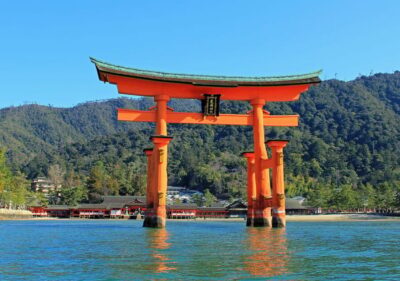
- Itsukushima Shrine and the famous gate
- Hiroshima food at the included lunch
- The guides make or break the history lesson
- Is the 142.05 dollar price good value?
- Who should book this day?
- My call: book it for range, not for a slow day
- FAQ
- How long does the Hiroshima and Miyajima bike tour last?
- Where does the tour begin and end?
- What transportation is included?
- Is lunch included?
- Is the Peace Memorial Museum included?
- How many people can join the tour?
- What happens if the weather is poor?
- Can I cancel for a full refund?
Key points to know before you book
- A two-part Hiroshima day: Cycle through the city in the morning or afternoon, then combine train and ferry travel with a guided visit to Miyajima.
- Peace Park with personal context: The guide explains the memorials and the events surrounding the atomic bombing, with time at the Cenotaph for reflection.
- Lunch is included: Expect regional food, with vegetarian choices available if requested before the tour.
- Small groups matter: The maximum is eight people, and the route can sometimes be adjusted to suit the group.
- Expect heat and walking: Cycling is only part of the day. Miyajima includes considerable walking, and summer conditions can be hot and humid.
- No museum admission: The Peace Memorial Museum is not included, so plan extra time if it is important to you.
Why the bike is a smart way to see Hiroshima
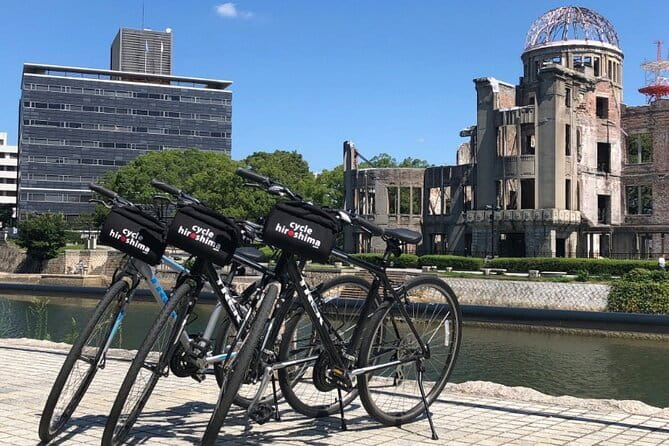
The tour begins at Cycle Hiroshima, at 4-chōme-5-4 Ōtemachi, with a 9:30 a.m. start. You choose from available bicycles, and the guide adjusts the bike to your height. One guest who is 159 centimeters tall received a properly fitted Trek bike, while another group was given time to make sure everyone was comfortable and understood the bicycles before setting off.
That small preparation matters. Hiroshima is spread across rivers and broad streets, and a bike lets you connect places that would feel scattered on foot. The route follows rivers, passes through parks, and cuts through neighborhoods. You see the city as a lived-in place, not just a chain of memorial sites.
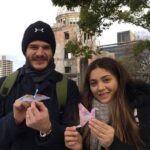
The cycling itself is not described as a demanding athletic ride. Guides have kept a gentle pace, added breaks in hot weather, and carried extra water or cooling strips on especially warm days. Still, you should be comfortable riding a bicycle and walking for much of the day. Rain can also change the plan. In one case, heavy rain led to a walking version of the tour, with the guide still covering the main sights and adding interactive touches such as paper cranes at the Children’s Peace Monument.
The group size gives this section its best quality. A guide can stop when someone has a question, change the pace, or spend more time on a place that catches your interest. Several guides have also adjusted the order of the day. That flexibility is useful, but it means your exact timing may not match the standard outline.
A few more Hiroshima tours and experiences worth a look
Peace Memorial Park and the Cenotaph
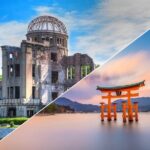
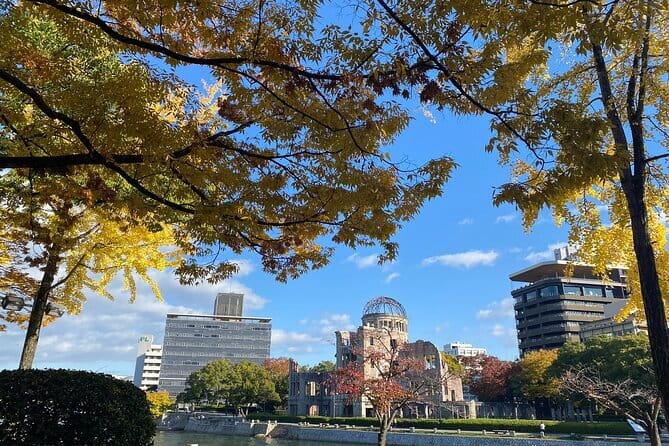
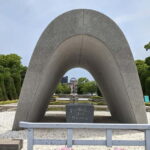
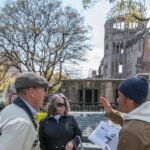
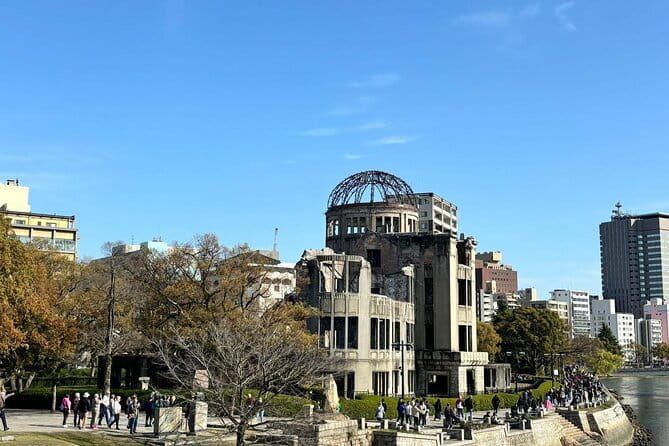
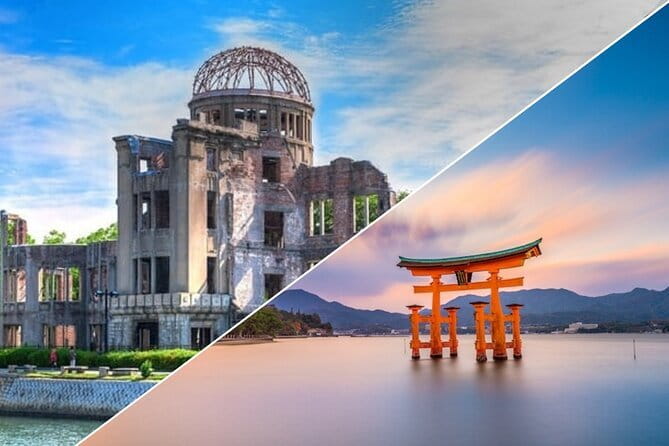
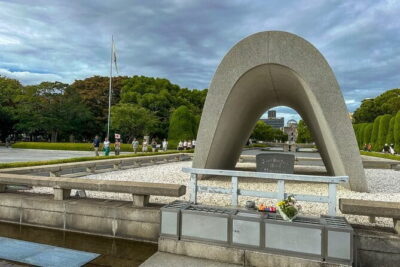
The Hiroshima portion moves into Peace Memorial Park, where the tone changes. You are not simply checking off monuments. Your guide provides background on the events leading to the atomic bombing, the destruction that followed, and the city’s recovery. The strongest accounts describe this discussion as careful, clear, and balanced, with enough seriousness for the subject and enough warmth to keep the day human.
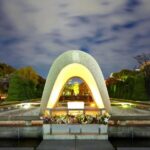
The Cenotaph for the Atomic Bomb Victims receives a separate stop of about 15 minutes. That is a short period, but it gives you a defined moment to pause rather than rushing past the monument between other sights. The guide’s commentary is intended to be sensitive, and this is one place where a good guide can help you understand why the memorial matters.
You should know what this tour does not provide. The Peace Memorial Museum is not part of the scheduled experience. That is not a minor detail if the museum is your main reason for coming to Hiroshima. You can add it separately, and one guide even helped arrange museum tickets for a guest, but you should not assume you will have enough time on the same day.
The tour can introduce the memorial area well, especially if you have limited time in Hiroshima. I would still reserve another visit for the museum if you want a fuller account of the bombing and its aftermath. The park is spacious and includes many statues and memorials that are easy to miss without context, so the bike and guide combination works best as an orientation and interpretation of the area.
Hiroshima Castle and the city before 1945
Hiroshima Castle adds a different chapter. Its moats, grounds, and restored main tower shift the focus from the 20th century to feudal Japan. The stop is planned for about 30 minutes, enough to see the setting, take photographs, and get a basic sense of the castle’s role in the city’s earlier story.
This is a useful contrast. Hiroshima is not only a place associated with 1945. The castle helps place the city in a longer timeline, and the ride between sites makes that change in subject feel natural.
Time can be tight here. If the day starts with Miyajima or runs late because of lunch, the castle and Peace Park may receive less attention later on. One less favorable experience ended with the castle and memorial park being visited near sunset, leaving too little time at the places most important to that guest. If Hiroshima’s memorials are your priority, tell the guide early and ask how the order will work that day.
The JR ferry ride to Miyajima
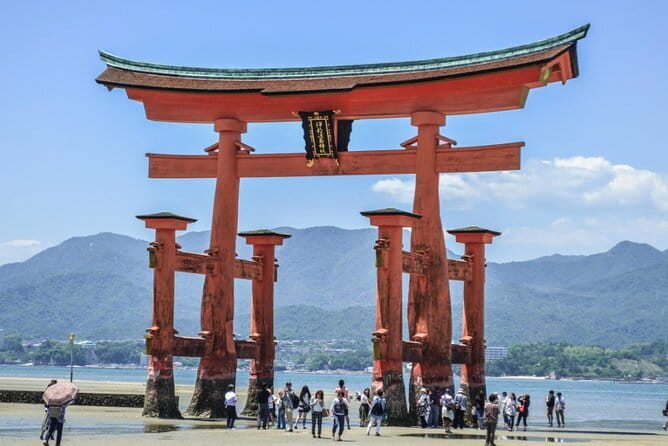
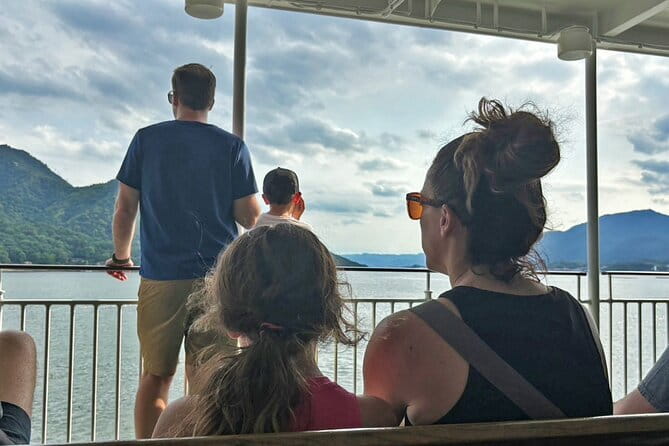
The group reaches Miyajima by train and the JR Miyajima Ferry, with the ferry fare included. The crossing takes about 30 minutes and gives your legs a break after the first cycling and walking sections. It also changes the feel of the day. You leave the city behind and approach an island known for its shrine, wooded hills, orange buildings, and deer.
The transport is part of the appeal. You are not simply being driven from one attraction to another. You pedal, ride the train, cross the water, and walk through the island with a guide. That variety keeps the day from feeling like a standard bus circuit, though it also adds moving parts and can make the schedule less predictable.
The ferry and train rides are included in the price, along with bicycle use, lunch, fees, and taxes. There are no separate transport costs to calculate during the tour.
Walking through Miyajima
Miyajima receives about an hour and a half of guided exploration before or around the shrine and lunch portion. You move through the island’s streets, see the orange structures against the greenery, and learn about local customs and legends. The deer are part of the experience too. You can greet them and take photographs, but the island is more than a photo stop.
Guides have pointed out monuments and details that are easy to pass without explanation. Some have also encouraged small cultural activities, such as trying the Kaidan Meguri at Daishoin Temple. That particular activity is not part of every stated itinerary, so consider it an example of the sort of adjustment a guide might make rather than a guaranteed stop.
The tradeoff is time. Miyajima is beautiful and deserves attention, but walking there can take over the day. One guest felt the tour became too long because much of the supposed bike tour turned into walking on the island, with lunch also running long. Another guest wished for more time on Miyajima, which shows the basic problem: the itinerary tries to cover two major destinations in one day.
You should think of this as a broad introduction rather than a slow Miyajima visit. If you want the island’s temples, shopping streets, ropeway, and mountain paths at an easy pace, you will likely need a separate visit.
A few more Hiroshima tours and experiences worth a look
Itsukushima Shrine and the famous gate
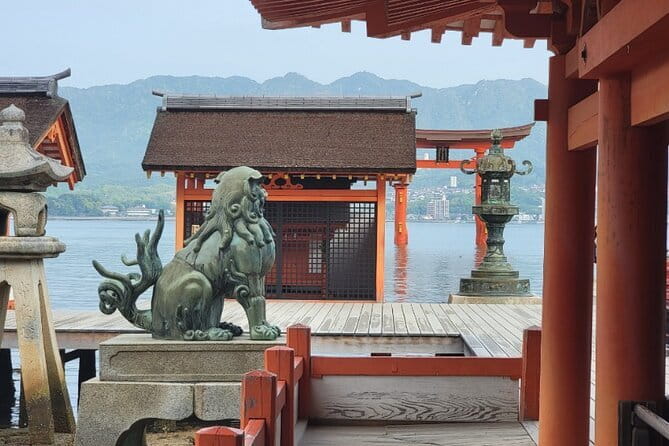
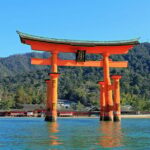
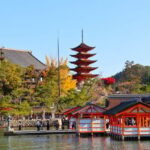
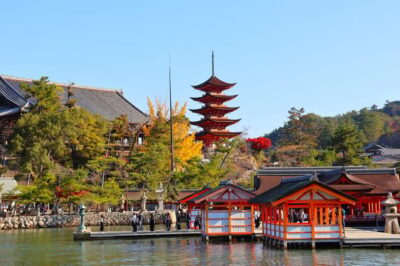
The Itsukushima Shrine area is the visual centerpiece of Miyajima. Your guide leads you through the monuments and landmarks around the shrine, explains the island’s religious and cultural setting, and points out places for photographs. The orange buildings, water, and surrounding hills create a sharp change from Hiroshima’s memorial park.
The exact view of the great torii depends on conditions and timing, so you should treat the shrine area as more than a single photograph. Your guide can help you understand the layout and the traditions behind the site, while you get time to look around and take pictures.
The plan allows about 90 minutes for the shrine and nearby area, including lunch at a local eatery. That is enough for a meaningful visit, but not enough for every corner of the island. If shopping or independent wandering matters to you, ask how much free time will be available before the group moves on.
Hiroshima food at the included lunch
Lunch is one of the practical strengths of this tour. Regional dishes are included, and the meal has featured options such as Hiroshima-style okonomiyaki and local ramen. You eat at a nearby establishment rather than losing time searching for a restaurant while trying to keep up with a tight schedule.
The food also gives the guide a chance to explain what you are eating and why it belongs to Hiroshima. Several guides have been praised for choosing enjoyable local meals, and the lunch helps break up what could otherwise be a long sequence of monuments and transport.
Vegetarian options are available. For other dietary restrictions, contact the provider before the tour. Do not wait until lunchtime to raise an allergy or special requirement, since the meal is arranged as part of the day.
Lunch may also be where the schedule slips. A sit-down regional meal is a plus, but it takes longer than grabbing something quick. If you have an evening train or reservation, allow extra time after the stated seven to eight hours.
The guides make or break the history lesson
The guide is central to this experience. Aimee has been praised for clear English, humor, warmth, and careful handling of Hiroshima’s painful past. Alex has been described as a long-term resident of Japan who knows the city well and can add local detail. Ihsan has received praise for explaining the war from several perspectives, while James has been noted for his language skills, bike fitting, and close attention to the group.
Melissa’s style has been described as easy to follow, with a good balance between serious history and lighter moments. Sage has been praised for maintaining a gentle cycling pace and sharing stories about the sites. These individual strengths matter because the tour moves between sensitive memorials, casual cycling, food, wildlife, and sightseeing.
The quality can vary by guide and by group. One disappointing experience found the historical discussion too shallow and felt that the guide used overly childish language for a serious subject. That criticism is worth taking seriously. Hiroshima calls for adult, direct conversation, and you should ask questions if you want more detail.
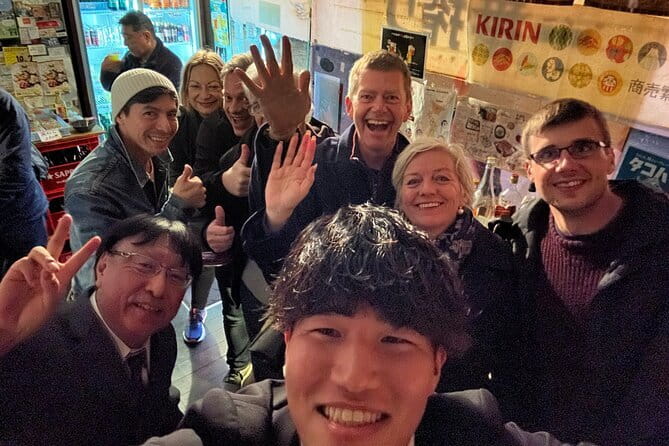
The small group helps. With no more than eight people, the guide can hear you, adapt the pace, and answer questions without a microphone or a large crowd. Some departures have had only two people, making the day feel almost like a private tour. That will not happen every time, but the group limit gives you a better chance of personal attention.
Is the 142.05 dollar price good value?
At $142.05 per person, the price is not the cheapest way to see Hiroshima and Miyajima. It becomes easier to justify when you count what is bundled in: bicycle use, the train and JR ferry, lunch, guide service, and all listed fees and taxes.
You are also paying for structure. Planning Hiroshima’s memorial area, the castle, train connection, ferry crossing, Miyajima, shrine visit, and meal on your own is possible, but it takes time and careful coordination. The tour reduces that planning burden and adds context at places where a sign alone may not tell you much.
Value depends on your priorities. If you want the Peace Memorial Museum, long stretches of quiet time, or a leisurely Miyajima day, spend your money on separate visits instead. If you have one full day and want a guided overview that combines activity, history, food, and transport, the price is fair.
The 98 percent recommendation rate and 4.9 rating from 172 reviews point to a consistently strong experience, but they should not hide the schedule issue. You are buying a packed day, not a relaxed one.
Who should book this day?
I would choose this tour if you like active sightseeing and want a guide to explain the city as you move through it. It suits couples, solo visitors, and small groups who would rather cycle beside rivers and through neighborhoods than follow a large walking group.
It is also a good fit if Hiroshima is a short stop and you want both the city and Miyajima in one day. The train and ferry make the connection simple, and the included lunch removes one more decision from a busy schedule.
I would hesitate if you dislike bicycles, struggle with heat, or want long museum visits. The day includes cycling, walking, public transport, and a meal, so it can stretch beyond eight hours. In hot or rainy weather, ask about the route and pacing before departure.
Free cancellation is available up to 24 hours before the 9:30 a.m. start. The experience depends on good weather and a minimum number of participants, so poor weather or low enrollment can lead to a new date, another experience, or a full refund.
My call: book it for range, not for a slow day
Book this tour if you want to cover a lot of ground while still receiving thoughtful guidance at Hiroshima’s memorials. The best parts are the small group, the flexible guides, the easy mix of bike, train, and ferry, and the included local lunch.
Do not book it expecting a full museum visit or an unhurried exploration of Miyajima. The strongest plan is to treat this as your guided introduction, then return to the Peace Memorial Museum or the island on your own if you have time. For an active first day in Hiroshima, it offers an unusually broad and useful mix.
FAQ
How long does the Hiroshima and Miyajima bike tour last?
The planned duration is about seven to eight hours, beginning at 9:30 a.m. The day can run longer because of weather, group pace, walking on Miyajima, or a lengthy lunch.
Where does the tour begin and end?
It begins and ends at Cycle Hiroshima, 4-chōme-5-4 Ōtemachi, Naka Ward, Hiroshima, 730-0051, Japan.
What transportation is included?
Use of a bicycle, train travel, and the JR Miyajima Ferry are included. Ferry fare, all listed fees, and taxes are also included.
Is lunch included?
Yes. Lunch featuring local Hiroshima dishes is included. Vegetarian options are available, but you should contact the provider before the tour about other dietary restrictions.
Is the Peace Memorial Museum included?
No. The scheduled experience includes Peace Memorial Park and the Cenotaph for the Atomic Bomb Victims, but not the Peace Memorial Museum.
How many people can join the tour?
The maximum group size is eight people. The actual group may be smaller, and some departures have operated with only two participants.
What happens if the weather is poor?
The tour requires good weather. If it is canceled because of poor weather, you will be offered a different date or a full refund.
Can I cancel for a full refund?
Yes, if you cancel at least 24 hours before the experience start time. Cancellations or changes made less than 24 hours before the start are not refunded or accepted.
More Island Hopping & Ferries in Hiroshima

More Hiroshima City Tours in Hiroshima
More Miyajima Tours in Hiroshima
More tours in Hiroshima we've reviewed


Miyajima Tours, compared.
 ★ 5.0Peaceful Hiroshima & Miyajima UNESCO 1 Day Bus TourFrom $129
 ★ 4.9Hiroshima: Hiroshima and Miyajima UNESCO Sites 1-Day TourFrom $1228 hours
 ★ 5.0Hiroshima / Miyajima Full-day Private Tour with Government Licensed GuideFrom $202
 ★ 4.7Osaka/Kyoto: Hiroshima Miyajima Bus Tour & Shinkansen TicketFrom $27712 hours
 ★ 4.7From Hiroshima: Hiroshima & Miyajima 1 Day Tour with LunchFrom $1168 hours
 ★ 5.0Hiroshima and Miyajima Day Trip with Itsukushima Shrine & FerryFrom $45
