
Reviewed · PEACE MEMORIAL TOURS
Hiroshima: Peace Cycling Tour with Local Guide
Hiroshima’s atomic bombing story becomes easier to grasp when you move beyond the Peace Memorial Park. This electric-bike tour carries you from the famous monuments into ordinary streets, past surviving railway lines, bridges, parks, and buildings tied to August 6, 1945.
I like two things right away: you cover more ground than on foot, and the local guides add family stories to the historical account. Guides such as Shin, Kana, Moe, and Mai have been praised for clear English, warmth, humor, and thoughtful storytelling.
The main drawback is the subject matter. This is not a light sightseeing ride, and the pace may slow for children or anyone less used to cycling. The bikes are also not suitable for riders under 145 centimeters, while taller riders may find the frames small.
In This Review
- Key points before you book
- Why cycling changes your view of Hiroshima
- Starting at the Rest House in Peace Memorial Park
- The two-hour route: Peace Park, streetcars, and the rebuilt suburbs
- The three-hour route: from Hiroshima Castle to Peace Boulevard
- Guides who make the history personal
- How difficult is the bike ride?
- What the $52 price includes
- How to fit this into a Hiroshima day
- Who should book this tour?
- Should you book the Hiroshima Peace Cycling Tour?
- FAQ
- Where does the Hiroshima Peace Cycling Tour meet?
- How long does the tour last?
- Is the tour conducted in English?
- What is included in the price?
- Can children join the tour?
- Can I cancel the booking?
Key points before you book
- Ride beyond the Peace Park: Reach suburbs and smaller A-bomb heritage sites that are easy to miss on a standard walking visit.
- Hear local family stories: Guides including Shin and Kana share memories passed down through relatives and friends affected by the bombing.
- Choose two or three hours: The shorter route focuses on Peace Park and the suburbs, while the longer route adds Hiroshima Castle, bridges, parks, and several memorial sites.
- Use an electric bicycle: The motor helps make the route manageable, but you still need to be comfortable riding a bike.
- Travel in a small group: The shared tour allows up to 10 people, with the pace adjusted to suit the group.
- Pay $52 for a fuller city view: Rental bikes, an English-speaking guide, bicycle accident insurance, and photo data are included.
Why cycling changes your view of Hiroshima
The usual Hiroshima visit centers on the Atomic Bomb Dome, the Peace Memorial Museum, and the monuments in Peace Memorial Park. Those places matter, but they show only part of the story.
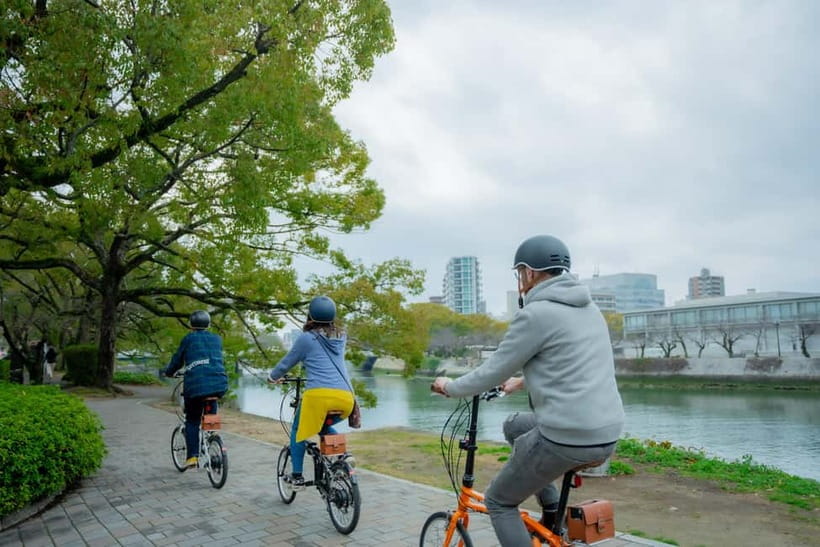
The bomb severely damaged an area within roughly 2.5 kilometers of the hypocenter. A bicycle lets you see how that destruction reached across the city, then compare it with the green, rebuilt Hiroshima of today. You pass from memorial grounds into working city streets, where the history is less arranged for visitors and more woven into daily life.
I like this contrast. The ride does not treat Hiroshima as a museum frozen in 1945. Instead, it links the destruction with recovery, showing a city that has been rebuilt while preserving places and stories connected to the bombing.
The electric assist is useful rather than flashy. The route covers small distances between stops, and the bikes make the ride easier for people who are not especially fit. You still need to steer, brake, and ride in a group, but the motor takes some strain out of the journey.
The tour is shared, with no more than 10 participants. That keeps it fairly personal, though you should expect the pace to reflect the least confident rider. If children are in the group, the guide may slow down or pause more often.
A few more Hiroshima tours and experiences worth a look
Starting at the Rest House in Peace Memorial Park
The meeting point is the Rest House of Hiroshima Peace Park. From Hiroshima Station, take a Hiroshima Electric Railway tram to Atomic Bomb Dome Station. The ride takes about 20 minutes, followed by a walk of roughly five minutes.
Allow enough time for this connection. Arriving late without prior notice can lead to cancellation, with the full day-of-tour fee charged. This is one booking where rushing from the station is a poor plan.
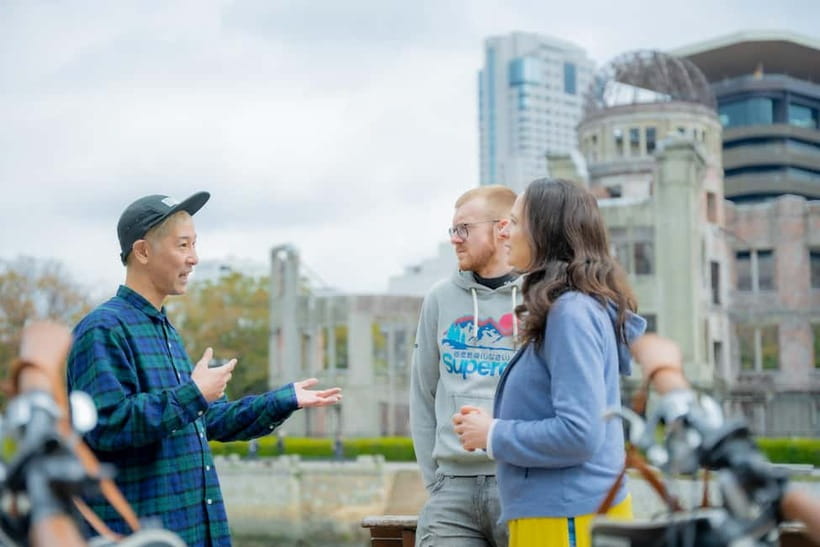
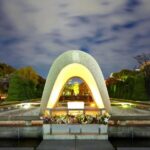
The Rest House is a fitting place to begin because the tour starts with the meaning of the Peace Memorial Park itself. Your guide explains the memories held by its monuments, the role of the park, and what happened in Hiroshima about 70 years ago, referring to the city’s long period of rebuilding after the war.
This opening sets the tone. You are not simply stopping for photographs. The guide explains how the park’s memorials relate to the people who died, the survivors, and Hiroshima’s continuing peace message.
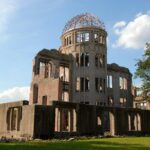
The Atomic Bomb Dome is one of the first major sights. Its ruined structure is familiar from photographs, but seeing it beside the river gives it a different force. The guide places it within the city before and after the bombing, helping you understand that this was once part of a working urban center, not an isolated monument.
The nearby Aioi Bridge is also important to the route. It helps establish the geography of the blast and the central area that visitors often see only as a collection of memorials. With a bicycle, you can move between these places without spending much of your short tour walking from one crowded stop to another.
The two-hour route: Peace Park, streetcars, and the rebuilt suburbs
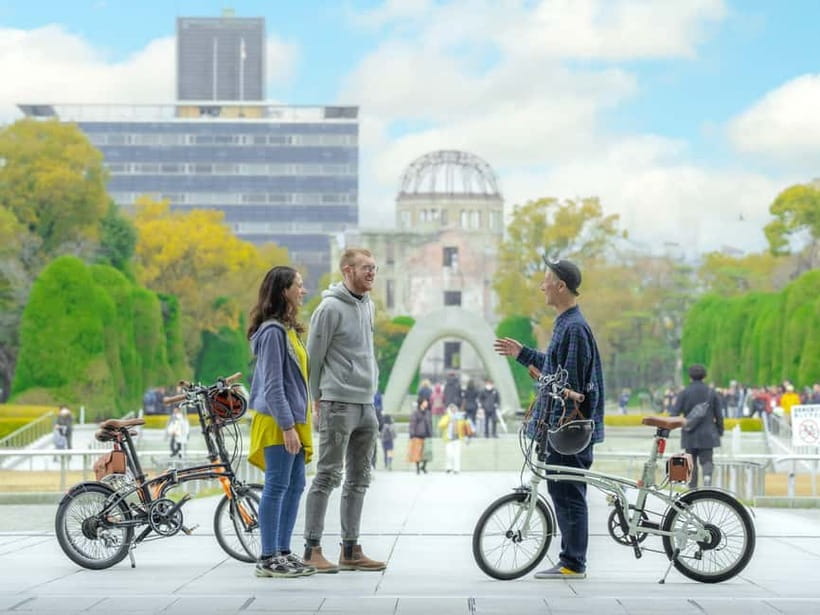
The two-hour option begins at either 11:00 or 15:00, with the exact schedule subject to change. After the Peace Memorial Park introduction, the group heads away from the most touristic section of Hiroshima.
This is the point where the tour earns its place beside a standard Peace Park visit. You see the city outside the central memorial area and visit A-bomb heritage sites that are not always obvious from a map. The guide explains how the destruction spread and how Hiroshima was rebuilt over the decades that followed.
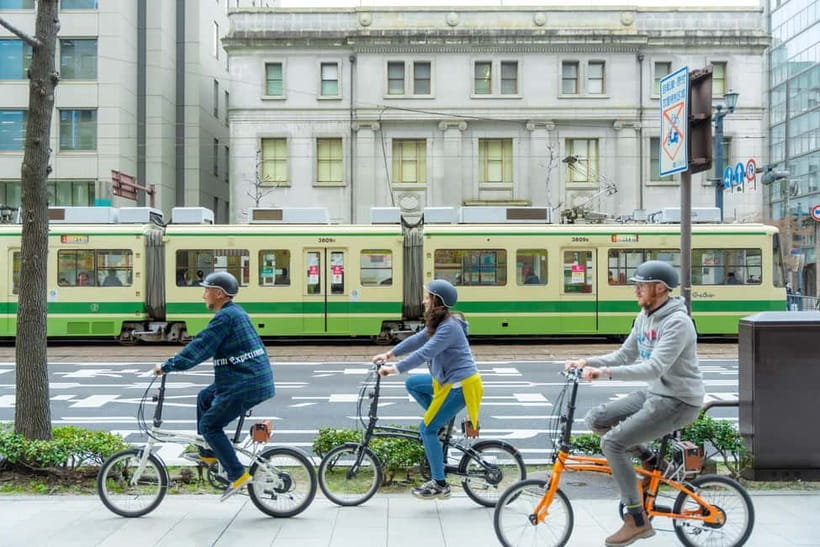
One memorable feature is Hiroshima’s surviving A-bombed streetcar system. A streetcar that survived the bombing continues to run today, giving you a direct link between the city’s wartime past and its present transport network.
That detail works well because it is easy to understand. Instead of only hearing that Hiroshima recovered, you see a piece of that recovery still operating in the city. The route also gives you a view of everyday Hiroshima, with its greenery and ordinary streets, rather than only its formal memorial sites.
The two-hour route finishes back at the meeting point around 13:00 or 17:00. It suits you if Hiroshima is one stop on a busy itinerary, if you want a focused introduction before visiting the museum independently, or if you prefer not to spend three hours on a bicycle.
The tradeoff is simple: you get less of the wider route. You will not see the full sequence of Hiroshima Castle, Hiroshima Gokoku Shrine, Hiroshima Red Cross Hospital, or the southern bridges listed on the longer course.
The three-hour route: from Hiroshima Castle to Peace Boulevard
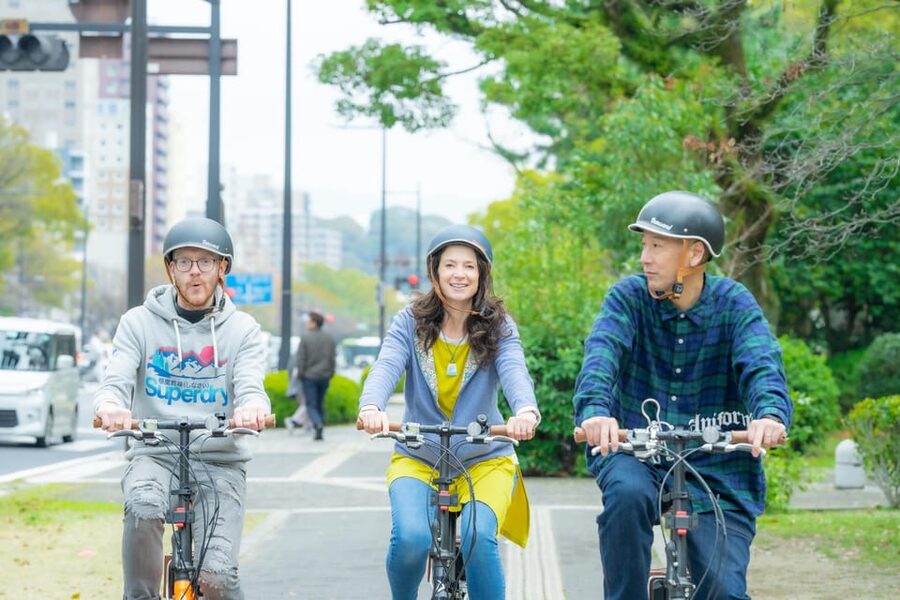
The three-hour course begins at 10:00 or 14:00. It adds a broader sweep through central Hiroshima before reaching the Peace Memorial Park area and the southern districts.
The first stop is Hiroshima Castle. The castle gives the tour an important prewar and pre-bombing reference point. From there, the route continues to Hiroshima Gokoku Shrine and its shrine gate, followed by Hiroshima Central Park.
These early stops help you see Hiroshima as a complete city, not only as the site of a wartime catastrophe. The route then moves toward Aioi Bridge and the Atomic Bomb Dome, bringing the focus back to the bombing and its physical center.
From the dome, you ride beside the Motoyasu River and cross or view the Peace Bridge. Rivers and bridges are central to Hiroshima’s layout, so this part helps connect the memorial district with the streets beyond it.
The route continues to Higashisenda Park and the Hiroshima Red Cross Hospital. The hospital is especially meaningful in a tour about the human aftermath of the bombing. Here, your guide can explain the connection between medical care, survivors, and the city’s efforts to respond to mass destruction.
Next comes Hiroshima Railway, another reminder that the city’s transport system is part of its living history. The tour then reaches Miyuki Bridge and the Kobayashi River, before stopping at a surviving weeping willow tree.
A tree may sound like a modest stop, but that is part of the value. Hiroshima’s story is not preserved only in large monuments. Small surviving objects and natural features can show the reach of the blast and the city’s ability to recover. Your guide supplies the context that a quick bicycle ride alone cannot provide.
The final section passes along Peace Boulevard before returning to the meeting point at about 13:00 or 17:00. The three-hour route gives you a stronger sense of the city’s geography and makes the clearest case for using a bicycle rather than walking.
It is still not a complete tour of Hiroshima. The focus remains the city center and places directly connected to the atomic bombing. You should not book it expecting broad coverage of every district or every major attraction in the city.
Guides who make the history personal
The guide is the heart of this experience. The English-speaking team includes local staff who grew up in Hiroshima, and the strongest part of the tour is the way they connect public history with personal memory.
Shin has received particular praise for his energy, fluent English, and family connections to the bombing. His stories trace the effects passed from grandparents to parents and into the present. That kind of account can make the historical material feel immediate without turning the tour into a lecture.
Kana is also known for mixing facts with warmth and personal stories. Several guests found her hopeful approach helpful, since the subject can otherwise become overwhelmingly grim. Moe and Mai have likewise been praised for careful explanations and attentive group management.
The exact guide is not guaranteed, so do not book solely on the hope of getting one particular person. The consistent strength is the local perspective and the team’s ability to explain the meaning of places that you could easily cycle past without noticing.
The tone is serious, but it is not presented as despair alone. Guides place emphasis on healing, courage, recovery, and the continuing call for peace. That balance matters. You hear about the destruction without reducing Hiroshima to a tragedy from the past.
You should also allow room for questions. The three-hour route includes many stops, and the guide may adjust the timetable depending on weather, traffic, group speed, or other conditions. The schedule is a framework, not a railway timetable.
A few more Hiroshima tours and experiences worth a look
How difficult is the bike ride?
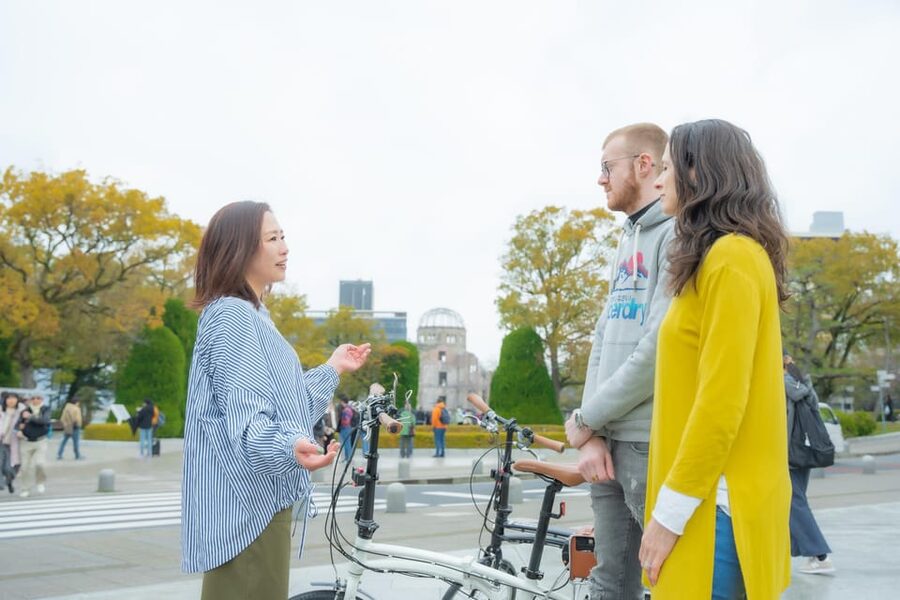
The bikes are electric, and several riders found them comfortable and easy to operate. The route covers relatively short distances between stops, so you do not need to be a strong cyclist.
Still, this is an active tour. You should be able to ride, stop, and follow the group through city streets. Comfortable shoes and clothes are sensible, and high-heeled shoes are not allowed.
The adult electric bicycles are intended for people at least 145 centimeters tall. Riders below that height are not considered suitable for the standard bikes. Children can use special options in limited numbers:
- Infant seats are available for children under 22 kilograms and under 115 centimeters, with infants riding free.
- Children’s cross-bike style bicycles are available for children from 110 to 145 centimeters.
- Children under 15 can use adult or children’s bicycles at the child rate.
- Infant seats and children’s bicycles are limited, so contact the operator before booking if you need one.
A tall rider should take note too. One rider who was 6 feet 1 inch found the bike frame small. This is not necessarily a problem for a short urban ride, but it is worth raising before you reserve.
Weather affects comfort. Hiroshima can be hot, and one account described a guide carrying cold towels, salt candies, wet wipes, and ice packs during warm conditions. Those touches cannot be guaranteed on every departure, so bring your own drink and towel. The tour does include bicycle accident insurance, but you should still ride within your ability.
What the $52 price includes
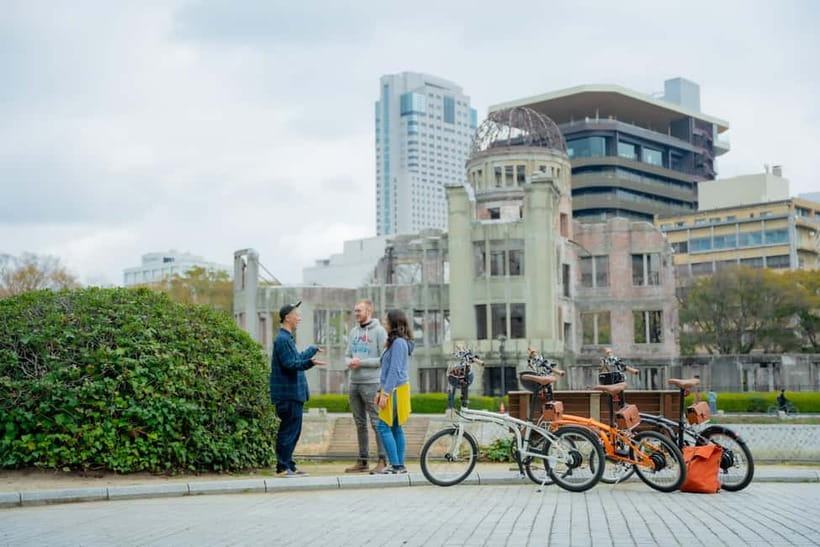
At $52 per person, the tour is priced above simply renting a bicycle for a few hours, but the comparison is not really bike rental versus bike rental.
The fee includes the electric bicycle, an English-speaking guide, bicycle accident insurance, and digital copies of photographs taken during the tour. The guide provides the historical framework, handles the route, points out sites you might miss, and links each stop to the larger story of Hiroshima.
That makes the price reasonable if you want a guided introduction in a limited amount of time. A self-guided ride may cost less, but it will not explain why a particular bridge, tree, railway line, or hospital matters.
Food and drinks are not included. Bring water, especially in warm months, and eat before or after the tour. The short course is only two hours, while the longer course lasts three, so the lack of a meal is not a serious issue.
Free cancellation is available up to 24 hours before the start, and you can reserve now and pay later. The strict point is lateness: missing the meeting time without advance notice can mean cancellation and a nonrefundable full charge.
How to fit this into a Hiroshima day
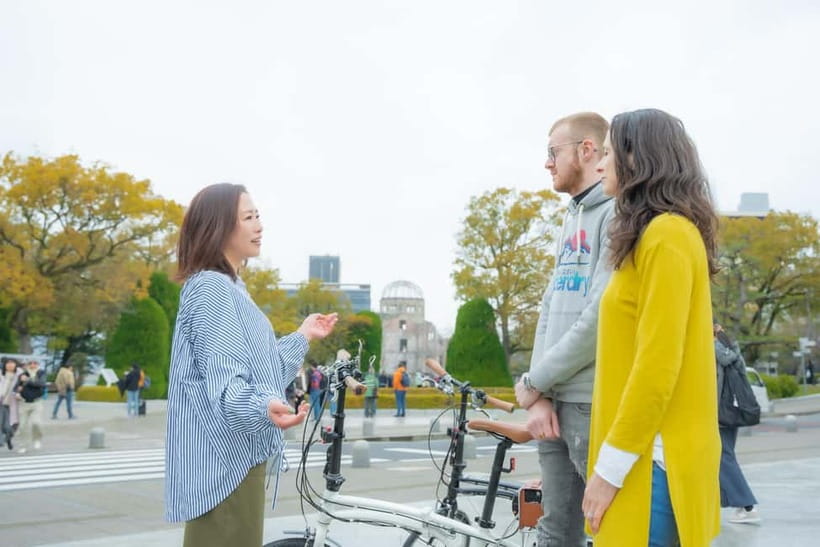
The cycling tour works well early in your Hiroshima visit because it gives you a city map in motion. You can then return to the Peace Memorial Museum or other sites with a better understanding of how the central park fits into the wider city.
The meeting point is already at Peace Memorial Park, so you can also schedule the tour around museum time. Keep in mind that the ride itself is emotionally serious. If you visit the museum immediately beforehand, the second experience may feel heavy. If you cycle first, the museum may provide a more detailed follow-up to the places you have already seen.
Choose the two-hour course if you want the main Peace Park story, a look at the suburbs, and the surviving streetcar without committing most of a morning or afternoon.
Choose three hours if you want the fuller sequence from Hiroshima Castle through the rivers, bridges, hospital, railway, surviving willow, and Peace Boulevard. The longer option gives you more context and a better feel for Hiroshima as a city, not just a memorial district.
Who should book this tour?
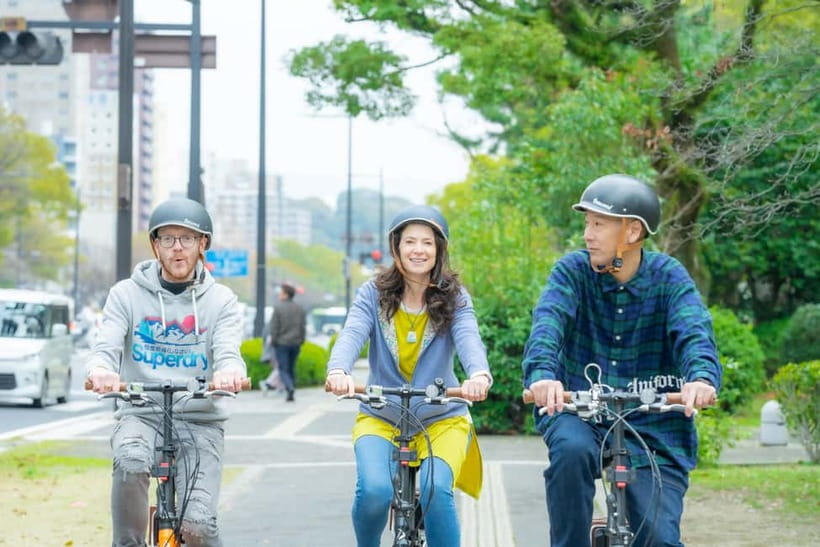
I would recommend it to first-time visitors who want history explained in plain English and prefer seeing a city by moving through it. It is also a strong choice for solo visitors, couples, and families with older children or teenagers who may find a long walking lecture tiring.
The ride is especially useful if you have only one day in Hiroshima. It quickly connects the major central sights with less obvious places and leaves you with time to continue exploring.
It is less suitable if you dislike bicycles, cannot comfortably ride, are below the 145-centimeter height limit, or want a quiet private tour. The shared group may include children or inexperienced riders, and the pace can change to suit them.
Bring water, comfortable shoes, a towel, and clothes suited to the weather. Reserve child equipment early if needed, and allow extra time to reach the Rest House from Hiroshima Station.
Should you book the Hiroshima Peace Cycling Tour?
Book it if you want more than photographs of the Atomic Bomb Dome. The strongest part is the combination of easy electric-bike travel, local places, and guides who connect Hiroshima’s public memorials with family memories and the city’s long recovery.
The two-hour option is the smart pick for a tight schedule. The three-hour course is better value if you want the broader story and can handle a longer ride.
This tour does not replace the Peace Memorial Museum, and it does not cover all of Hiroshima. It does something different: it shows you how the bombing shaped an entire city, then lets you see that city living, moving, and looking toward peace today.
FAQ
Where does the Hiroshima Peace Cycling Tour meet?
The tour meets at the Rest House of Hiroshima Peace Park. From Hiroshima Station, take the Hiroshima Electric Railway tram to Atomic Bomb Dome Station, then walk about five minutes.
How long does the tour last?
You can choose a two-hour or three-hour route. The two-hour departures are listed at 11:00 and 15:00, while the three-hour departures are listed at 10:00 and 14:00. The schedule can change on the day.
Is the tour conducted in English?
Yes. The tour includes a live English-speaking guide.
What is included in the price?
The $52 price includes the rental bicycle, an English-speaking guide, bicycle accident insurance, and data containing photographs taken during the tour. Food and drinks are not included.
Can children join the tour?
Children from age one can be included. Infant seats and children’s bicycles are available in limited numbers. Infant seats are for children under 22 kilograms and under 115 centimeters, while children’s bicycles are for heights from 110 to 145 centimeters. Contact the operator before booking if you need this equipment.
Can I cancel the booking?
You can cancel up to 24 hours before the tour for a full refund. Arriving late without prior notice can result in cancellation and a full, nonrefundable day-of-tour charge.
More Cycling Tours in Hiroshima
More Hiroshima City Tours in Hiroshima
More Peace Memorial Tours in Hiroshima
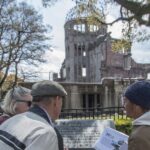
More tours in Hiroshima we've reviewed
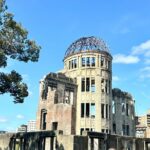


Peace Memorial Tours, compared.
 ★ 4.8Hiroshima Historical Walking Tour – Why A-Bomb was DroppedFrom $352h 30m
 ★ 5.0Hiroshima Peace (Heiwa) Walking Tour at World Heritage SitesFrom $94
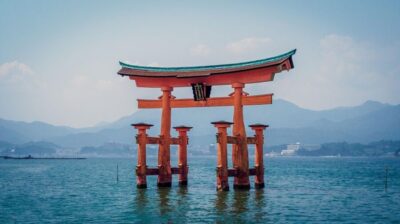 ★ 4.9Hiroshima: Miyajima Peace Memorial Icons of Peace and BeautyFrom $1638 hours
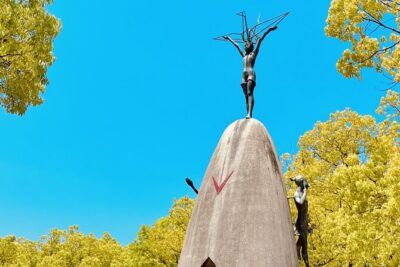 ★ 5.0Hiroshima Walking Tour Why A Bomb was dropped to HiroshimaFrom $28
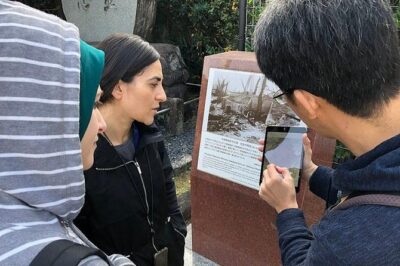 ★ 5.0Hiroshima 2hr Peace Cycling Tour with Local GuideFrom $59
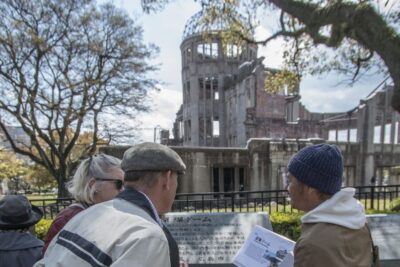 ★ 4.9Hiroshima: Peace Walking Tour of World Heritage SitesFrom $924h 30m
