
Reviewed · MIYAJIMA TOURS
Osaka/Kyoto: Hiroshima Miyajima Bus Tour & Shinkansen Ticket
Hiroshima and Miyajima make a powerful pair: one place asks you to face the human cost of nuclear war, while the other offers sea views, Shinto worship, and a famous red torii gate. This 12-hour guided day trip connects both without asking you to work out Japan’s trains, buses, and ferries on your own.
I like two things especially. First, the Shinkansen tickets, coach, ferry, museum admission, shrine admission, guide, and lunch are bundled into one price. Second, the order of the day is thoughtful: Hiroshima comes first, then Miyajima gives you a calmer and more beautiful finish.
The trade-off is time. The Peace Memorial Museum receives about an hour, and that can feel rushed, especially when the galleries are crowded. You will also walk a great deal, so this is not a good choice if you have serious mobility difficulties.
In This Review
- Key points before you book
- Why the Shinkansen makes this day possible
- Facing the Atomic Bomb Dome and Peace Memorial Park
- Hiroshima-style okonomiyaki for lunch
- The ferry crossing to Miyajima
- One hour of free time on Miyajima
- Guides, group size, and the pace of the day
- Is $277 a fair price?
- Who should book this Hiroshima day trip?
- Final verdict
- FAQ
- How long does the Hiroshima and Miyajima tour last?
- Where does the tour start and finish?
- Is the Shinkansen ticket included?
- Is lunch included?
- Can the tour accommodate dietary restrictions?
- What happens if the Peace Memorial Museum is closed?
- Is the tour suitable for wheelchair users?
Key points before you book
- The day begins with a Japanese railway classic: Round-trip Shinkansen travel from Kyoto or Shin-Osaka covers the long connection in comfort.
- Hiroshima is handled with care: The Atomic Bomb Dome and Peace Memorial Museum are presented with context from an English-speaking guide.
- Lunch is part of the experience: Hiroshima-style okonomiyaki comes with pork, cabbage, bean sprouts, fish powder, noodles, and eggs, with three listed meal options.
- Miyajima supplies the change of mood: A short ferry ride leads to Itsukushima Shrine, free time, shops, food stalls, and the island’s famous scenery.
- Headsets help in crowded places: Earphone guides let you hear the guide during walking sections, but you must return them and may face a replacement charge of up to 18,000 yen if they are lost or damaged.
- This is a tightly managed group day: It is efficient and well planned, but you do not get the freedom or extra museum time of a private trip.
Why the Shinkansen makes this day possible
The tour starts at either Kyoto Station or Shin-Osaka Station. Staff provide your round-trip tickets at the meeting point and direct you to the correct train. The journey to Hiroshima takes about 1.5 hours each way, turning what could be a tiring transport puzzle into a simple start and finish.
I like this arrangement for first-time visitors to Japan. You do not need to figure out which train platform, ticket type, or connection to use while still waking up. You can sit down, enjoy the ride, and save your energy for Hiroshima.
The rail tickets also explain part of the $277 price. This is not simply a walking tour with a guide. You are paying for long-distance rail travel, an air-conditioned coach, two ferry rides, entrance tickets, lunch, and staff support across a very full day.
The group meets again in Hiroshima, where you transfer to a tour bus. The bus passes Hiroshima Castle and takes about 15 minutes to reach the first major stop. It is a practical choice because the day includes several separate areas, and local transport between them would take time away from the places you came to see.
Your return is from Hiroshima Station to either Kyoto Station or Shin-Osaka Station. The day is carefully timed around the train, ferry, and coach schedule. That is a major strength, though a late train or busy road can reduce the already limited time at individual stops.
A few more Osaka tours and experiences worth a look
Facing the Atomic Bomb Dome and Peace Memorial Park
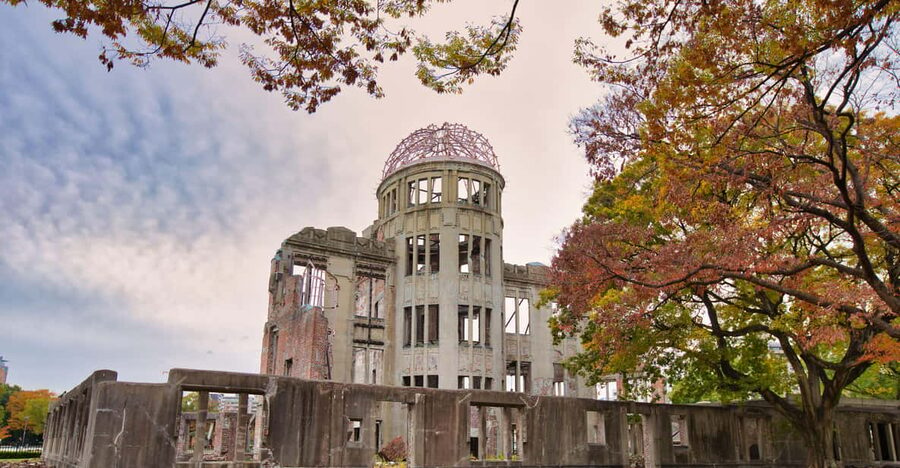
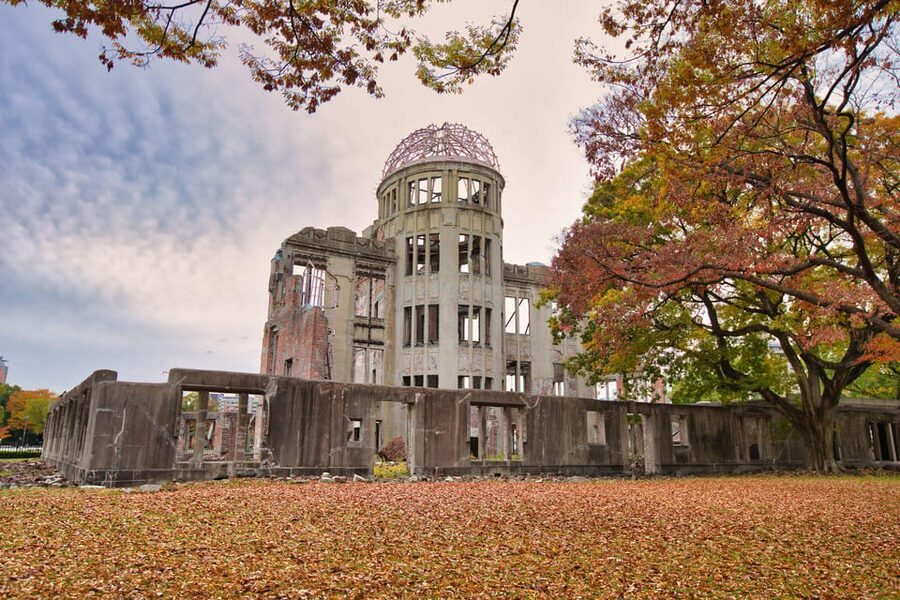
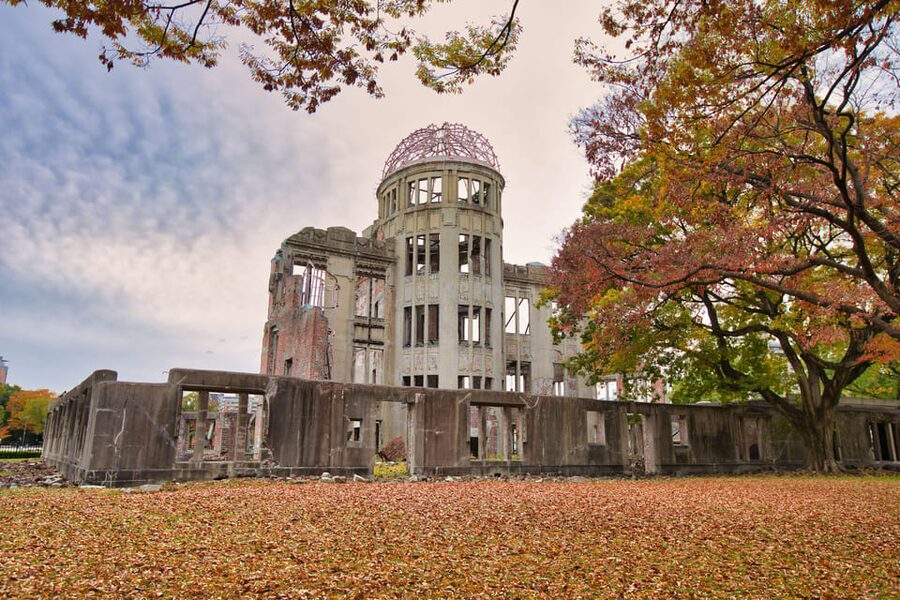
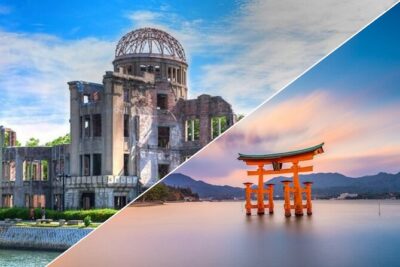
The Atomic Bomb Dome is not an abstract memorial. Its damaged structure, empty windows, and exposed interior give the event a physical presence. You look at the remains and immediately understand that Hiroshima is not presenting a distant wartime story. The city is asking you to consider what happened to ordinary people in a real place.
The tour allows about 30 minutes at the dome. A guide may explain the site and point out important features, while the supplied earphones help you follow along when the group is spread out. Guides including Joe, Kane, Azusa, Hiro, Miyuki, and Masako have been praised for mixing facts with personal stories, cultural context, and a little humor when appropriate.
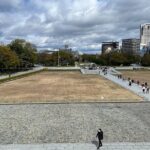
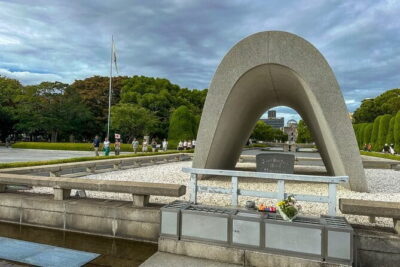
This part of the tour deserves a respectful frame of mind. It is not a photo stop to rush through. You will have time to see the building and walk through the surrounding Peace Memorial Park, but you may wish for longer here, particularly if you want to pause at each memorial.
The itinerary then takes you to the Hiroshima Peace Memorial Museum for about an hour. The museum is direct and often difficult. Exhibits describe the bombing and its effects on individuals, families, and the city. The material can be upsetting, and the crowds sometimes make it hard to read everything at your own pace.
This is the main weakness of the schedule. Many people find an hour enough for a first look, but not enough for a careful visit. If the museum is busy, you may need to move steadily through the galleries. Several guides have been praised for explaining the subject with compassion, yet no guide can create more time inside the museum.
The museum is closed on December 30 and 31 and from February 16 through 21. On those dates, the tour visits the Hiroshima National Peace Memorial Hall for the Atomic Bomb Victims instead. That substitute still relates directly to the city’s wartime memory, but it is not the same museum experience.
Hiroshima-style okonomiyaki for lunch
After the Peace Memorial sites, lunch offers a welcome change of pace. Hiroshima-style okonomiyaki is built with pork, cabbage, bean sprouts, fish powder, noodles, and eggs. Unlike a simple pancake, it arrives as a layered, filling meal, and the noodles give it extra weight.
The meal lasts about 45 minutes at a local restaurant. It is a useful introduction to a Hiroshima specialty because you do not have to spend your short day searching for a place that can seat a group.
The standard option includes pork, fish powder, and eggs. Two other choices are listed:
- No pork, with eggs
- No pork, no fish powder, and no eggs
Tell the operator about allergies or dietary restrictions when you book. Menu changes cannot be made on the day, and you should not bring your own food or drinks into the restaurant.
The available feedback suggests the staff can handle some dietary needs carefully, including separate mixtures, grills, sauces, and utensils. Still, you should treat advance notice as essential. Do not assume the restaurant can improvise once lunch begins.
Lunch is included in the price, and that improves the value of the tour. You get a local dish without another decision to make, although diners with very specific needs should confirm the assigned option before departure.
The ferry crossing to Miyajima
After lunch, the coach takes about 30 minutes toward the ferry. The crossing itself lasts roughly 10 minutes. It is short, but it changes the feel of the day quickly as Hiroshima gives way to open water and island scenery.
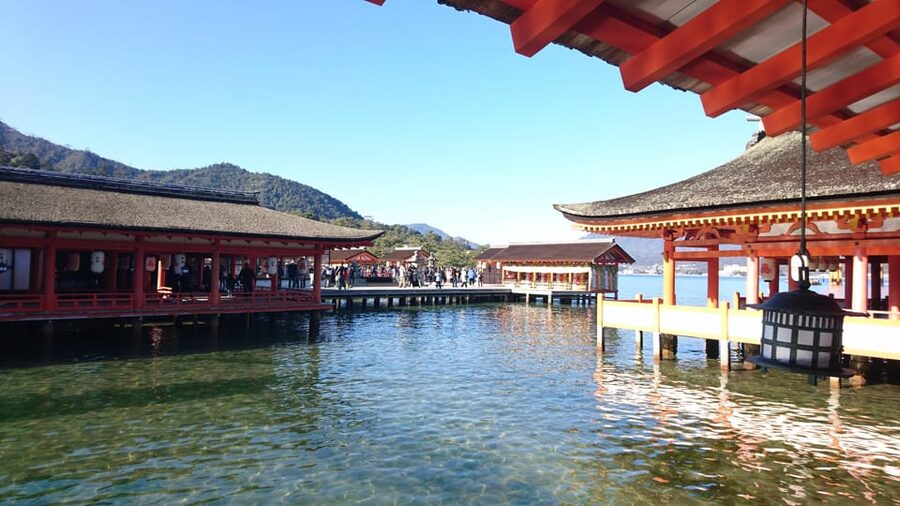
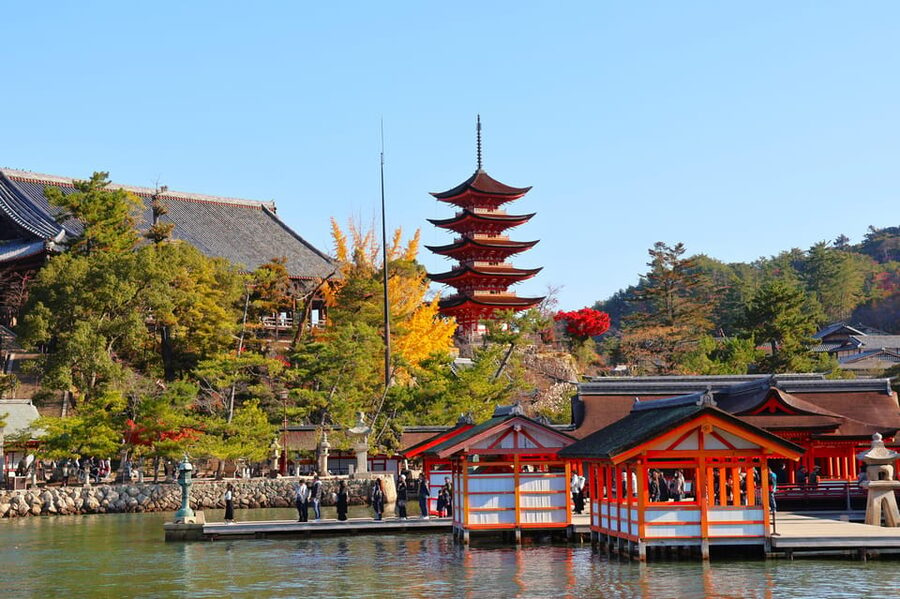
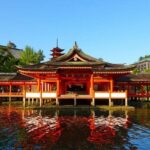
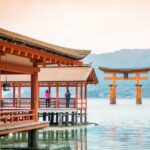
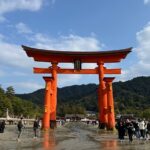
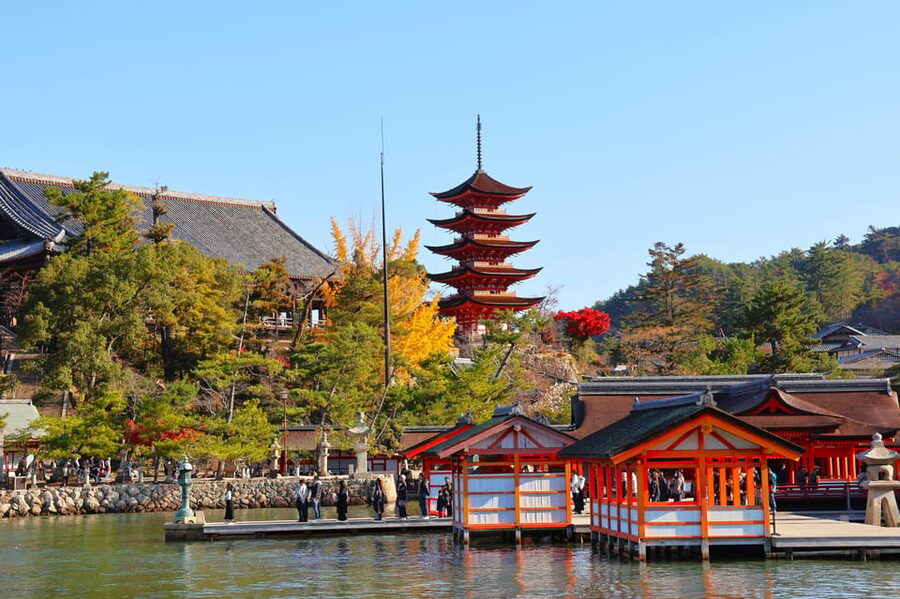
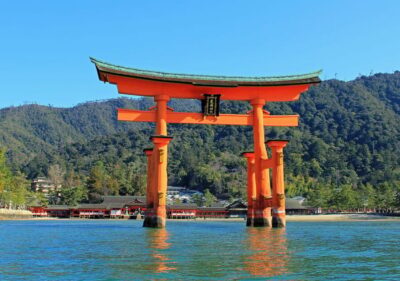
Miyajima is formally called Itsukushima, and it is associated with Shinto, the Japanese way of honoring the gods. The island is best known for Itsukushima Shrine and its red torii gate, which appears to float offshore when the tide is high. The exact view can depend on tide conditions, so you should think of the crossing and shrine visit as a scenic experience rather than a guarantee of one particular waterline image.
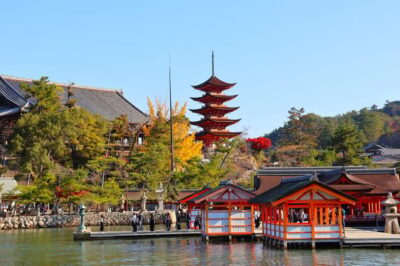
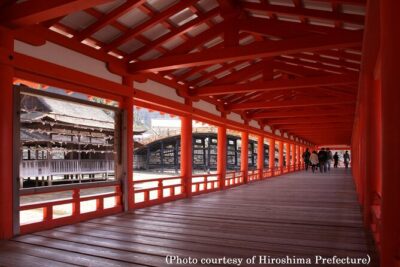
The tour includes entry to Itsukushima Shrine, with about an hour for sightseeing. The shrine’s setting is its great strength. Traditional buildings, the sea, and the island’s wooded slopes combine into a scene that feels very different from Hiroshima’s Peace Memorial Park.
The contrast is well judged. Hiroshima asks you to think and remember. Miyajima gives you space to breathe, look around, and notice a living religious site that remains part of daily Japanese culture.
One hour of free time on Miyajima
After the guided shrine visit, you have about an hour of free time on Miyajima. This is one of the best parts of the day because you can choose your own pace.
You might browse the shopping streets, try local snacks, spend time near the shore, or look for smaller pagodas and temples. The island is also known for friendly deer, which often appear around public areas. Food options mentioned by visitors include fried oysters, lemon beer, and maple cakes.
Do not plan a long hike in this hour. The schedule does not allow much margin, and you need to return to the meeting point on time. A short walk is realistic, while a serious mountain excursion is not.
The free period also lets you step away from the group. That matters after the museum, where you may want quiet time rather than another explanation. Some guides, including Joe, have helped people use this hour well by pointing out sights or answering questions, but you are still responsible for keeping track of the departure time.
Miyajima can easily fill a full day on its own. If you want a long visit to the shrine, a substantial hike, relaxed shopping, and a broad meal, you should stay overnight or return independently on another day. This tour gives you a strong introduction, not a complete island visit.
A few more Osaka tours and experiences worth a look
Guides, group size, and the pace of the day
The tour is in English and is not private. You travel with other participants, first by train, then by bus, ferry, and on foot. Group travel is the reason the schedule works, but it also means you must listen for instructions and return promptly after free time.
The guides are a major part of the experience. Named guides such as Joe, Kane, Azusa, Hiro, Chikako, Tom, Takane, Miyuki, and Masako have been singled out for warmth, humor, local detail, and careful organization. One guide used trivia on the bus ride back, while another helped passengers deal with a change to their return train.
The earphone system is particularly useful at the Atomic Bomb Dome and around the shrine. You can hear the explanation without standing shoulder to shoulder with the guide. Handle the equipment carefully, though. Loss or damage may lead to a charge of up to 18,000 yen.
The day includes a lot of walking, station transfers, bus boarding, ferry boarding, and time on your feet. The tour is not suitable for wheelchair users, and it is not the right choice for anyone who needs a slow, highly flexible pace.
Weather also matters. Miyajima is outdoors, and summer heat can make the walking feel harder. On the other hand, clear weather can make the ferry and shrine setting especially rewarding. Comfortable shoes and water are sensible, though drinks cannot be brought into the lunch restaurant.
Is $277 a fair price?
At $277 per person, this is an expensive day trip, but the price covers the parts that are hardest to organize independently: round-trip Shinkansen travel, a private tour coach, ferry transportation, two admission tickets, a local guide, and lunch.
You could potentially spend less by arranging the trains and local connections yourself. That approach would give you more control, especially inside the Peace Memorial Museum and on Miyajima. It would also require you to manage several transfers, watch the clock, and find lunch during a crowded sightseeing day.
I see the tour as good value for someone staying in Osaka or Kyoto who has only one day for Hiroshima. The transport coordination alone has practical worth. You get from station to station without spending the day studying route maps.
The value is weaker if you dislike group tours or want to explore one place in depth. A self-guided visit would let you spend two or three hours at the museum, linger at the Dome, or give Miyajima a full afternoon. This tour favors range and convenience over depth.
Free cancellation is available up to 7 days and 21 hours before departure for a full refund. Hotel pickup and drop-off are not included, so you must reach either Kyoto Station or Shin-Osaka Station yourself.
Who should book this Hiroshima day trip?
I would recommend it to you if:
- You are based in Osaka or Kyoto and want to see Hiroshima in one day.
- You want the Shinkansen experience without arranging the tickets yourself.
- You prefer an English-speaking guide for the Peace Memorial sites.
- You want to combine serious history with food, ferry travel, and Miyajima scenery.
- You are comfortable walking for much of the day.
- You accept that the museum visit will be an introduction rather than a full study.
I would choose a different plan if your main goal is an extended museum visit, a long Miyajima hike, or a quiet private experience. The tour covers a lot, but each stop operates within a fixed timetable.
Final verdict
This is a strong choice for a first Hiroshima visit from Osaka or Kyoto. The transport planning is the real advantage, and the guides add context that is difficult to gain from a quick look at the Atomic Bomb Dome alone.
The day is long, the museum may feel too short, and crowds can affect the experience. Still, the combination of Hiroshima’s Peace Memorial Park, a filling okonomiyaki lunch, the ferry crossing, and Itsukushima Shrine gives you a meaningful picture of the region in one carefully arranged day.
Book it if you value efficiency and guidance. Skip it if you want to linger. If you do go, arrive ready for a serious morning, a tasty lunch, and a gentler afternoon on Miyajima.
FAQ
How long does the Hiroshima and Miyajima tour last?
The tour lasts about 12 hours, including the train journeys from Osaka or Kyoto and the return trip.
Where does the tour start and finish?
You can start at either Shin-Osaka Station or Kyoto Station. The return drop-off is at Kyoto Station or Shin-Osaka Station, depending on your selected option.
Is the Shinkansen ticket included?
Yes. The price includes a round-trip Shinkansen ticket from Kyoto or Osaka. Staff provide the tickets at the meeting point.
Is lunch included?
Yes. Hiroshima-style okonomiyaki is included. The listed ingredients are pork, cabbage, bean sprouts, fish powder, noodles, and eggs.
Can the tour accommodate dietary restrictions?
Three meal choices are listed: regular okonomiyaki, no pork with eggs, and no pork, no fish powder, and no eggs. You must report allergies or dietary restrictions when booking because menu changes cannot be made on the day.
What happens if the Peace Memorial Museum is closed?
If the museum is closed, the tour visits Hiroshima National Peace Memorial Hall for the Atomic Bomb Victims instead. The museum closure dates listed are December 30 to 31 and February 16 to 21.
Is the tour suitable for wheelchair users?
No. The tour involves a great deal of walking and is not suitable for wheelchair users.
More Tickets in Osaka
More Hiroshima City Tours in Osaka
More Miyajima Tours in Osaka
More tours in Osaka we've reviewed
Miyajima Tours, compared.
 ★ 5.0Peaceful Hiroshima & Miyajima UNESCO 1 Day Bus TourFrom $129
 ★ 4.9Hiroshima: Hiroshima and Miyajima UNESCO Sites 1-Day TourFrom $1228 hours
 ★ 5.0Hiroshima / Miyajima Full-day Private Tour with Government Licensed GuideFrom $202
 ★ 4.7From Hiroshima: Hiroshima & Miyajima 1 Day Tour with LunchFrom $1168 hours
 ★ 5.0Hiroshima and Miyajima Day Trip with Itsukushima Shrine & FerryFrom $45
 ★ 4.5Full Day Hiroshima and Miyajima Bus Tour from HiroshimaFrom $152
