
Reviewed · MIYAJIMA TOURS
Hiroshima / Miyajima Full-day Private Tour with Government Licensed Guide
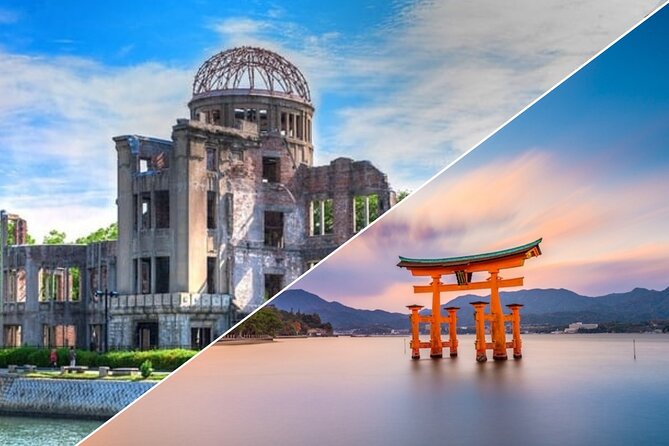
Hiroshima’s most powerful day combines two very different places: the quiet, sobering Peace Memorial Park and the graceful island shrines of Miyajima. This private tour helps you connect them without wrestling with train maps, ferry timing, or the question of what deserves your limited time.
I like the freedom to choose three or four sights rather than being locked into one fixed route. I also like the human touch offered by guides such as Sei, Yuji, Minori, Lisa, Emmy, and Mari, who have helped visitors understand the city through local stories, family connections, food, and careful planning. The main drawback is simple: transportation, admission, lunch, and the Miyajima visitor tax cost extra, and eight hours can feel tight if you want every stop.
In This Review
- Key points at a glance
- Why this Hiroshima day works so well
- Peace Memorial Park and Museum: allow 90 minutes
- Hiroshima Castle: one hour and 30 minutes
- Shukkeien Garden: a quiet pause in the city
- Crossing to Miyajima by local transport and ferry
- Itsukushima Shrine: two hours beside the sea
- Tenshinkaku: a view with a café stop
- How the private format changes the day
- Food, art, and local details
- Price, extra costs, and what you receive
- Practical advice before you book
- Should you book this Hiroshima and Miyajima tour?
- FAQ
- How long does the tour last?
- Is the tour private?
- Is hotel pickup included?
- Is transportation included?
- Are entrance fees included?
- What is the Miyajima visitor tax?
- Is lunch included?
- Can I choose which sights to visit?
- Can I cancel for a full refund?
Key points at a glance
- Choose three or four sights: Shape the day around memorial sites, gardens, castles, shrines, or island views.
- Learn Hiroshima’s story with a local guide: Guides including Sei, Yuji, Minori, Lisa, Emmy, and Mari bring personal context and clear English explanations.
- Use public transport with help: You travel on foot, by local transport, and by ferry rather than in a private vehicle.
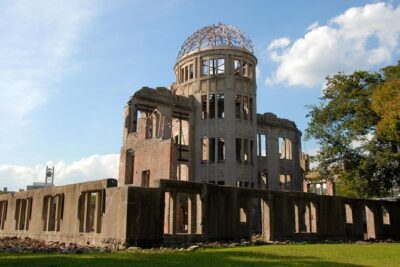
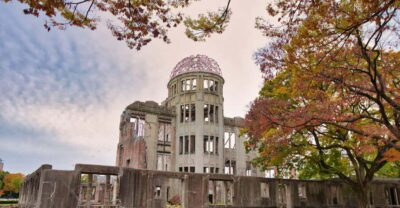
- Pair solemn Hiroshima with beautiful Miyajima: The day moves from the A-Bomb Dome and Peace Park to Itsukushima Shrine and island scenery.
- Plan for a full day on your feet: The tour lasts about eight hours, with admission fees, fares, lunch, and a ¥100 cash visitor tax separate.
- Good for families and groups: Private guiding allows the pace and explanations to fit your party, including groups with mobility concerns.
Why this Hiroshima day works so well
Hiroshima is not a place to rush through in a couple of photographs. The atomic bombing and its aftermath deserve time, context, and a guide who can explain difficult subjects with care. At the same time, Miyajima offers a gentler side of the region, with wooded hills, traditional religious buildings, deer, the Seto Inland Sea, and the famous torii gate of Itsukushima Shrine.
That contrast gives the day its shape. You spend part of your time confronting a major event in human history, then move toward Miyajima’s rituals, scenery, and everyday pleasures. A private guide can adjust the balance if your group needs more time at the museum, more room for reflection, or less walking on the island.
The public transportation setup is part of the experience, not merely a budget compromise. You may use local trains, trams, and a ferry, all with a guide who helps keep the day moving. You pay those fares as you go, but the arrangement lets you see Hiroshima as a functioning city rather than from behind a tour-bus window.
A few more Hiroshima tours and experiences worth a look
Peace Memorial Park and Museum: allow 90 minutes
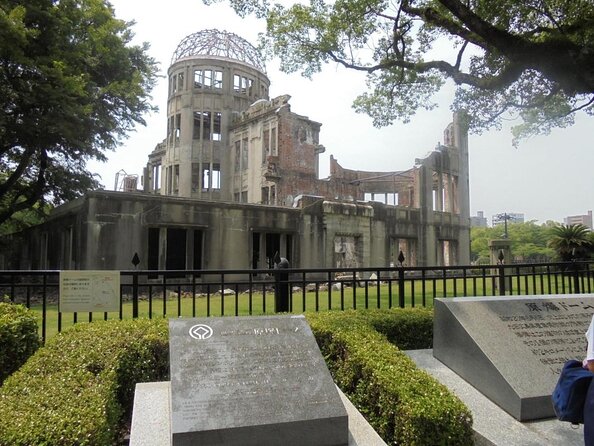
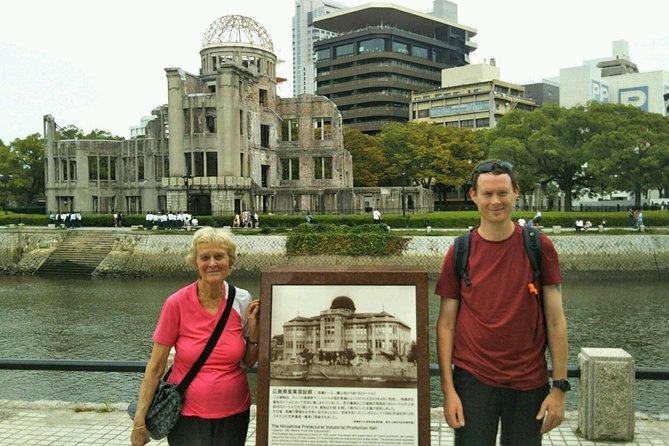
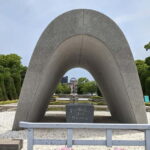
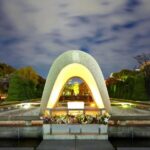
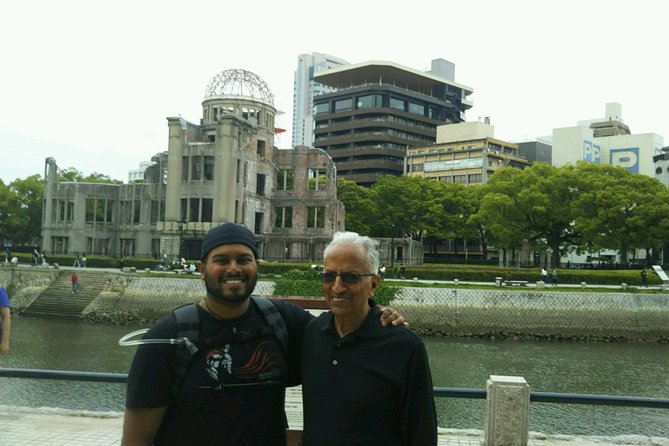
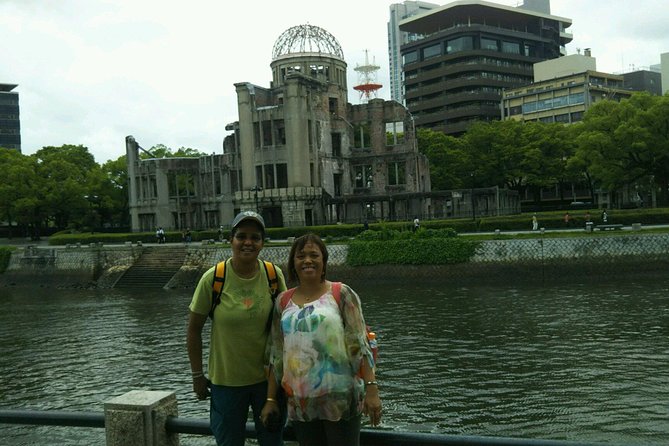
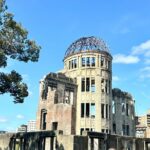
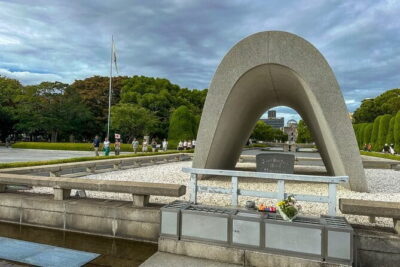
Start with Hiroshima’s central memorial area, where the A-Bomb Dome and Peace Memorial Museum give the day its emotional weight. The park covers more than 120,000 square meters, so you are not simply walking into one building and walking out again. There are monuments, open spaces, and reminders of the people affected by the bombing.
The museum admission fee is not included. That matters because the museum can be crowded, and your actual time inside may depend on the day’s conditions. One group found that a busy museum shortened its visit before a cruise departure, so if you have a ship to catch, tell the guide at the beginning and keep the schedule conservative.
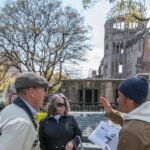
A guide is especially useful here because the exhibits can be difficult to process without background. Sei, who is from Hiroshima, has explained the city’s past and shared family context. Other guides have used a short film to help explain the bombing and its impact. That kind of framing can make the visit clearer for teenagers and adults alike, while still leaving room for your own thoughts.
I would put the memorial area first for most groups. Your mind is freshest, and you can give this serious subject the attention it deserves. If your group prefers a lighter beginning, the private format may allow a different order, but ask about timing before the day starts.
Hiroshima Castle: one hour and 30 minutes
Hiroshima Castle offers a different view of the city. Also called Carp Castle, it is a five-story castle built on flat ground in the city center rather than on a mountaintop. That setting makes it easy to combine with other central sights, though it also means the castle feels more urban than some of Japan’s hilltop strongholds.
The reconstructed keep and grounds provide a useful counterpoint to the memorial sites. You can shift from twentieth-century war history to the older political and cultural story of Hiroshima. Admission is separate, and the listed visit time is about 90 minutes.
I would choose the castle if you enjoy Japanese history, architecture, or city views, or if your group needs a change of mood after the Peace Park. I would skip it if your first priority is maximizing time on Miyajima. With only three or four major stops available, every choice has a cost.
Shukkeien Garden: a quiet pause in the city
Shukkeien is a traditional Japanese garden and a National Scenic Spot. It is also recognized among Japan’s Top 100 Historical Parks. Its value is not only visual. After the intensity of the Peace Memorial Museum and the solid presence of Hiroshima Castle, the garden gives you a slower place to walk and gather your thoughts.
Plan about 90 minutes here, with admission paid separately. The garden works well for travelers who enjoy careful design, ponds, bridges, and small changes in view as they walk. It may be less important to you if you have only one day and want to spend as much time as possible on Miyajima.
A private guide can help you decide. Art lovers have also used the flexible format for a broader cultural day, adding museums, murals, the Orizuru Tower, and paper-crane folding when time allowed. Those additions are not guaranteed, but they show how the private arrangement can be adapted around your interests.
Crossing to Miyajima by local transport and ferry
Miyajima is less than an hour from Hiroshima, but getting there involves public transportation and a ferry. The guide meets you in Hiroshima on foot, and private vehicles are not included. You should be ready for a day of walking, station transfers, and the ordinary movement of a Japanese city.
That may sound less comfortable than a private car, but it has real value. Your guide can explain the route, help with ticket decisions, and keep the group together. Several guides have met people at a station or cruise pier, while others have helped plan train times for a day trip from Osaka. Confirm your meeting point and transport plan in advance, especially if you are working around a train or ship departure.
Miyajima also charges a ¥100 visitor tax per person, payable in cash. Ferry and other transport fares are separate, so carry Japanese yen. Lunch and personal purchases are also your responsibility.
A few more Hiroshima tours and experiences worth a look

Itsukushima Shrine: two hours beside the sea
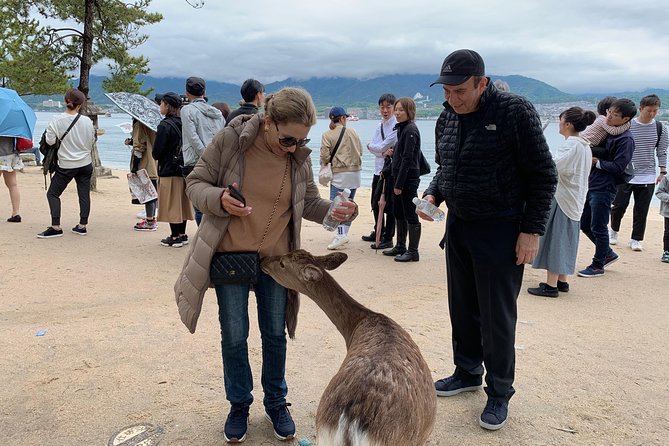
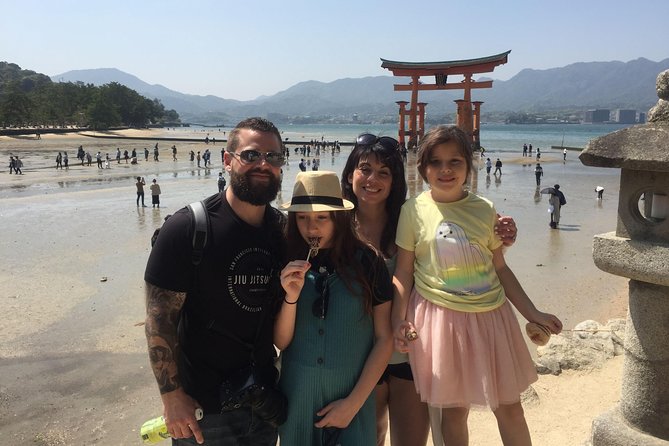
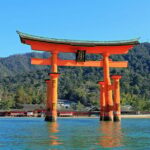
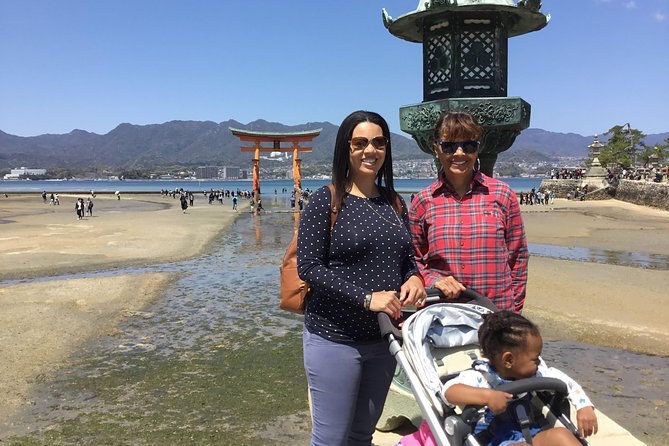
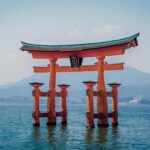
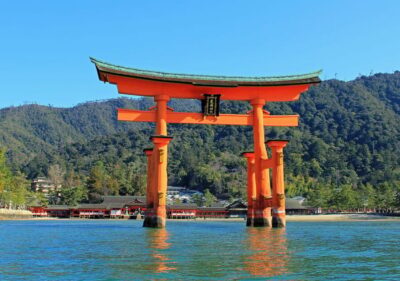
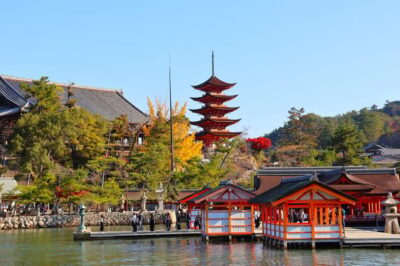
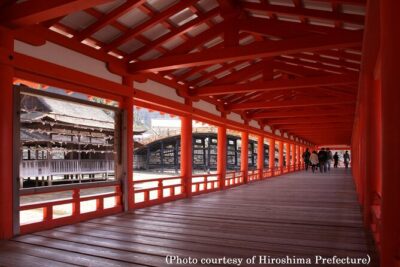
Miyajima’s best-known sight is Itsukushima Shrine, famous for its large torii gate that can appear to float at high tide. The shrine grounds and the approach across the island provide the cultural heart of this part of the day. Allow about two hours, though the exact time depends on your choices and the tide.
If seeing the gate surrounded by water matters to you, tell the guide before the tour. Lisa has planned around high tide for this view, and guides may be able to arrange the order of the day to improve your chances. Tide conditions still control the actual scene, so no schedule can guarantee a perfect floating-gate view.
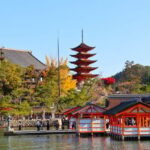
Miyajima is more than the torii. The island includes temples, shrines, red-hatted Buddhist statues, roaming deer, and views across the Seto Inland Sea. A guide can point out details you might walk past alone, explain the religious setting, and help you avoid spending the whole visit in the busiest central lanes.
Admission to the shrine is not included. If you want to add other temples, a ropeway, or Mount Misen, discuss that early. The supplied plan does not promise those additions, and the day is already full.
Tenshinkaku: a view with a café stop
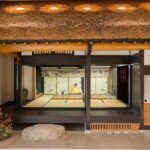
Tenshinkaku is described as an old Japanese house used as a single-story hilltop café. From here, you can see Toyokuni Shrine, the five-story pagoda, and the Seto Inland Sea together. The stop is planned for about 90 minutes.
This is a pleasant choice if you want a scenic break, photographs, and a less formal side of Miyajima. It also gives you time to sit, though food and drinks are not included. Because the building is on a hill, ask your guide about the walking effort if anyone in your party has difficulty with slopes.
Tenshinkaku is best treated as an alternative to another major stop, not an automatic extra. The tour lets you choose three or four sites, while the advertised possibilities include five stops. Trying to force every one into eight hours would leave little time for transport, meals, or unhurried looking.
How the private format changes the day
The strongest reason to book this experience is the guide, not simply the list of landmarks. A private guide can listen to what you want and change the balance between memorial sites, gardens, castles, food, art, and Miyajima.
That flexibility has practical value for families. One guide, Yuki, has been praised for sharing local and family stories with a family whose children were aged 18 to 22. Sei has been especially effective with children aged 10 and older, explaining serious events in a way that remained engaging. If you are bringing younger children, ask the guide to adjust the museum portion and include more visual or outdoor stops.
The private setup can also help larger groups, but there is an important limit: separate tour groups cannot be combined. Large parties still use public transport, and everyone needs to stay alert during transfers. A guide can adapt routes for a participant with mobility challenges, but this remains a walking tour, not a private accessible vehicle service.
English ability varies naturally among individual guides, but many have been praised for clear, thoughtful communication. Sei has lived in the United States, Emmy grew up in Hiroshima and has family roots there, and guides such as Minori, Yuji, Mari, Lisa, and Naomi have been singled out for preparation, warmth, and careful explanations. You cannot select a specific guide from the information provided, so treat those names as examples of the available guiding team rather than a promise.
Food, art, and local details
Lunch is not included, but this is not necessarily a weakness. A guide may suggest or arrange a local restaurant, and one guide helped locate a vegan meal. Another took a group to an authentic Japanese restaurant. If food matters to you, mention allergies, dietary needs, or regional dishes when you book or during the advance planning.
Hiroshima is also known for okonomiyaki, a layered savory dish that can make a useful break between memorial and cultural stops. The tour does not guarantee a particular restaurant or meal, so budget separately and allow enough time if sitting down for lunch is important.
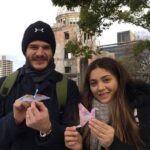
Art lovers can use the private format to replace standard stops with museums, murals, Orizuru Tower, or the 2045 Nine Hopes and Wall Art Project, if the guide agrees and timing permits. Paper-crane folding has also been included during a ferry ride, with cranes left near the Children’s Peace Monument. These details can turn a standard sightseeing day into something more personal, but they require early communication.
Price, extra costs, and what you receive
At $202.29 per person, this is not a low-cost way to see Hiroshima. You are paying for an eight-hour private guide, planning help, language support, and the ability to shape the day for your own group. For a family, couple, or small group that values context and efficient movement, that can be good value.
The headline price does not cover public transportation, the ferry, entrance fees, lunch, personal expenses, or the ¥100 Miyajima visitor tax. There is also no private vehicle. Add those costs before comparing the tour with a group bus excursion or an independent day.
The value is highest when you have limited time, are arriving by cruise ship, are making a long day trip from Osaka, or want help handling a serious subject. It is lower if you enjoy researching train routes, prefer to set your own pace, or want to spend several hours at one museum without watching the clock.
Practical advice before you book
This is an eight-hour experience as of November 6, 2024. Reservations made before that date remain seven hours, so check your booking details if you reserved earlier.
Wear comfortable shoes and expect walking, stairs, public transport, and a ferry. Meet-up is on foot in Hiroshima, and pickup does not mean a private car collecting you at your hotel. Service animals are allowed, and most people can take part, but discuss mobility needs before the day.
For the best result, send the guide your priorities. Say if the Peace Museum is essential, if you need a vegan meal, if you want high tide at Miyajima, if you are traveling with children, or if you must return to a cruise ship at a precise time. Guides have successfully handled advance train advice, shrine reservations, meal planning, and alternate routes, but they need your constraints early.
Free cancellation is available until 24 hours before the start time. Changes or cancellations made within 24 hours are not accepted for a refund.
Should you book this Hiroshima and Miyajima tour?
Book it if you want one well-organized day that joins Hiroshima’s memorial core with Miyajima’s shrines and sea views. It is especially suited to first-time visitors, families with older children, cruise passengers, and anyone who wants a local guide to explain difficult history with care.
Skip it if you want a private car, a slow museum day, or the cheapest possible visit. Also think twice if your group dislikes walking or public transportation.
For most people with just one day, I like the combination. Choose the Peace Memorial Museum plus either Hiroshima Castle or Shukkeien, then devote the rest of the day to Miyajima. That gives you both the solemn purpose of Hiroshima and the beauty of the island without turning the day into a race.
FAQ
How long does the tour last?
The tour lasts approximately eight hours. Reservations made before November 6, 2024 remain seven-hour tours.
Is the tour private?
Yes. Only your group participates, and separate tour groups cannot be combined.
Is hotel pickup included?
Meet-up is with the guide on foot in Hiroshima. The tour does not include a private vehicle.
Is transportation included?
No. You pay public transportation and ferry costs on the day. The tour uses public transport to reach Miyajima.
Are entrance fees included?
Admission fees are not included. Guide entry fees are covered only for sights listed under the tour’s What to Expect section.
What is the Miyajima visitor tax?
Miyajima charges a ¥100 visitor tax per person. It must be paid in cash.
Is lunch included?
No. Lunch is a personal expense. You can discuss meal preferences and dietary needs with the guide.
Can I choose which sights to visit?
Yes. The tour is customizable, and you choose three or four sites from the available options.
Can I cancel for a full refund?
Yes, if you cancel at least 24 hours before the experience start time. Cancellations or changes made less than 24 hours before the start time are not refunded or accepted.
More Guided Tours in Hiroshima


More Hiroshima City Tours in Hiroshima
More Miyajima Tours in Hiroshima
More tours in Hiroshima we've reviewed


Miyajima Tours, compared.
 ★ 5.0Peaceful Hiroshima & Miyajima UNESCO 1 Day Bus TourFrom $129
 ★ 4.9Hiroshima: Hiroshima and Miyajima UNESCO Sites 1-Day TourFrom $1228 hours
 ★ 4.7Osaka/Kyoto: Hiroshima Miyajima Bus Tour & Shinkansen TicketFrom $27712 hours
 ★ 4.7From Hiroshima: Hiroshima & Miyajima 1 Day Tour with LunchFrom $1168 hours
 ★ 5.0Hiroshima and Miyajima Day Trip with Itsukushima Shrine & FerryFrom $45
 ★ 4.5Full Day Hiroshima and Miyajima Bus Tour from HiroshimaFrom $152
