
Reviewed · HIROSHIMA CITY TOURS
4 Hour Private Hiroshima City Walking Tour
Hiroshima’s past is heavy, but this four-hour walk helps you understand the city as a whole. You move from the Atomic Bomb Dome and Peace Memorial Museum to Hiroshima Castle and the calm ponds and paths of Shukkeien Garden. The result is more than a memorial visit. It is a compact look at Hiroshima’s wartime past, traditional culture, and present-day beauty.
I like the fully private format, since your guide can adjust the pace and explain the places that matter most to you. I also like the route itself: the sobering Peace Memorial area comes first, while the garden gives you a quiet place to think at the end. Guides including Masa, Yoshiko Misaki, Yui, and Yuki have been praised for warmth, clear explanations, and flexibility.
The main caution is time. The schedule gives about 90 minutes to the museum, then an hour each at the castle and garden, with only 30 minutes at the Dome. A hurried visit to Hiroshima Castle has been a problem for at least one group, so tell your guide early if you would rather spend more time at the museum or garden.
In This Review
- Key points at a glance
- Starting at the Atomic Bomb Dome
- Spending 90 minutes at the Peace Memorial Museum
- Hiroshima Castle and the challenge of keeping time
- Ending with the quiet beauty of Shukkeien Garden
- How private guiding changes the experience
- Is $104.10 per person fair value?
- What to bring and how to pace the day
- Who will get the most from this Hiroshima walk?
- Should you book the 4 Hour Private Hiroshima City Walking Tour?
- FAQ
- How long does the Hiroshima City Walking Tour last?
- What places are included?
- How much time is planned at each stop?
- Is the tour private?
- Is an English-speaking guide included?
- Is transportation included?
- Where does the tour begin?
- Where does the tour end?
- Are admission fees included?
- What happens if the weather is poor?
- Can I cancel for a full refund?
Key points at a glance
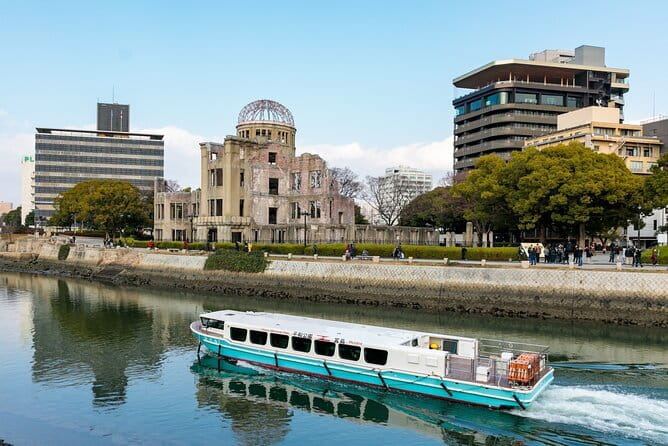
- Four major Hiroshima sights in four hours: The route covers the Atomic Bomb Dome, Peace Memorial Museum, Hiroshima Castle, and Shukkeien Garden.
- Only your group participates: A private guide can adjust explanations, walking speed, and some stops to suit your interests.
- The museum gets the most time: Plan on about 90 minutes for the Peace Memorial Museum, the emotional center of the tour.
- A gentle finish at Shukkeien: The traditional garden offers a quiet change of mood after the memorial sites.
- English-speaking local guides: Masa, Yoshiko Misaki, Yui, and Yuki are among the guides named in highly positive feedback.
- Walking only: No private vehicle is included, so comfortable shoes, water, and weather planning matter.
Starting at the Atomic Bomb Dome
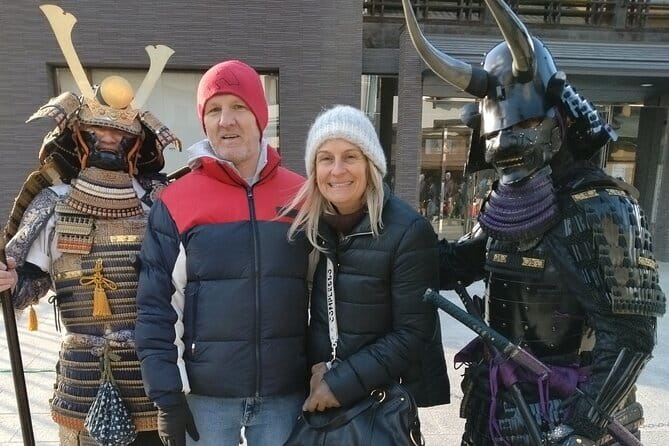
The tour begins at a 7-Eleven at 1-chōme-1-21 Ōtemachi in central Hiroshima. From there, you meet your English-speaking guide and walk to the Atomic Bomb Dome.
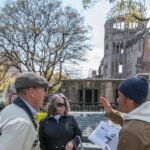
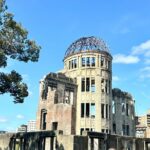
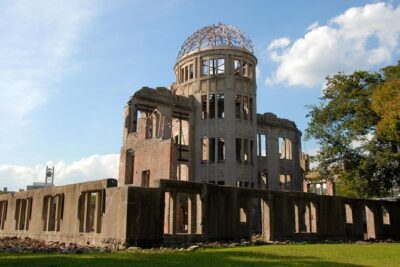
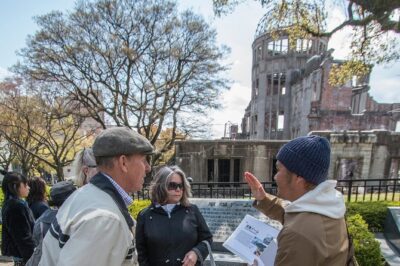
The Dome is one of Hiroshima’s most powerful sights because the damaged structure remains close to the condition it was in after the atomic bomb was dropped in the final stages of World War II. The exposed framework and broken shell make the event feel immediate in a way that dates and statistics cannot.
The planned visit is about 30 minutes, and admission is free. That time is enough for an introduction, careful viewing, and questions, but it is not a long guided session. If you want detailed historical discussion here, tell your guide at the start so the schedule can be shaped around your priorities.
I find the Dome works best as an opening stop. You begin with a physical reminder of what happened, then continue into the Peace Memorial area for fuller context. The setting is outdoors, so the experience can feel very different in August, when Hiroshima temperatures can rise above 35 degrees Celsius.
A few more Hiroshima tours and experiences worth a look

Spending 90 minutes at the Peace Memorial Museum
The Hiroshima Peace Memorial Museum is the longest stop, with about an hour and a half set aside for it. The museum was established in 1955 to explain the damage caused by the atomic bomb and promote the abolition of nuclear weapons.
This is a serious visit. Exhibits describe the bombing and its human consequences, so you should expect a sobering and emotional experience rather than a light sightseeing stop. Several guides have been praised for explaining the museum with care, helping visitors understand both the events and their effect on Hiroshima.
A private guide is especially useful here because you can ask questions without holding up a large group. Guides Masa and Yoshiko have been singled out for thoughtful explanations, while Yui adapted one visit to include a small museum at a school that survived the bombing. That extra stop is not listed as a standard part of the route, so treat it as an example of possible flexibility, not a guaranteed inclusion.
The 90-minute allocation is sensible for a first visit, though the museum can easily command more of your attention. If the bombing’s history is your main reason for coming to Hiroshima, ask your guide to protect this time. You can also discuss shortening the castle visit if the schedule starts to feel tight.
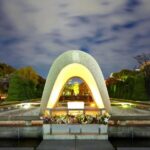
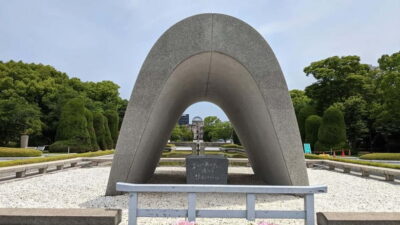
The Peace Memorial Park around the museum adds important outdoor context. You do not simply enter a building, look at exhibits, and leave. The walk between memorial spaces helps connect the museum’s information to the city around you.
Hiroshima Castle and the challenge of keeping time
After the Peace Memorial area, the route moves to Hiroshima Castle, with about one hour planned here. The castle was built during Japan’s Warring States period and offers a different side of the city, with traditional Japanese architectural details and a garden setting.
This change of subject is one of the route’s strengths. Hiroshima is not only a place of remembrance. The castle gives you a look at the city’s earlier political and cultural world, before the modern events that define so much of its international identity.
The one-hour visit may feel generous or short, depending on your pace and interest. One group found the castle portion rushed, with little time to pause at exhibits. That is a useful warning. A private tour gives you control, but only if you speak up. If the museum has taken longer than expected, you can ask to shorten the castle visit rather than race through it.
The admission fee is included. Hiroshima Castle is scheduled to be closed for renovation from March 23, 2026, so check your date carefully if you are booking for that period. The tour may need a route adjustment during the closure, but no replacement stop is specified in the supplied details.
Ending with the quiet beauty of Shukkeien Garden
Shukkeien Garden receives the final hour. This traditional Japanese garden is designed around calm paths, ponds, and changing seasonal views. After the difficult subject matter of the morning, it offers room to slow down.
I like this ending more than a final stop at another indoor attraction. The garden does not erase the sadness of the Peace Memorial sites, but it gives you a peaceful setting in which to process what you have seen. Several people have found the garden the most calming part of the route, especially after the museum and park.
The garden is also a good place to ask your guide about Japanese culture beyond Hiroshima’s wartime story. The tour description promises explanations tailored to your interests, and past guides have discussed local customs as well as history. Yoshiko Misaki has been praised for mixing useful information with humor, while Masa has been praised for making the day feel personal and relaxed.
Admission to Shukkeien is included. The tour ends at Shukkeien-Mae Station at 4 Kamihatchobori, so you finish near public transportation rather than returning to the starting point. That is practical if you want to continue sightseeing, return to your accommodation, or find dinner nearby.
Some guides have also helped with onward plans. Masa has suggested places to eat, helped with eki stamp collecting, and dropped groups near an alley with okonomiyaki stands. Those touches are not fixed parts of the tour, but they show why it is worth telling your guide what you want to do after the four hours.
How private guiding changes the experience
The tour is for your group alone. That matters most at the museum, where people often need different amounts of time and explanation. It also helps if your group has mixed interests, since one person may want more wartime history while another is more interested in gardens, architecture, or everyday Japanese culture.
The guides named in the feedback include Masa, Yoshiko Misaki, Yui, and Yuki. Masa is repeatedly described as attentive before the tour as well as during it, checking arrival times and offering suggestions for lunch or dinner. Yoshiko has been praised for her clear explanations and friendly manner. Yui adjusted a route to include a school museum, and Yuki helped a group see the main sights efficiently.
You should still be clear about your needs. Say if you want a slower pace, more time at the museum, fewer castle exhibits, or a food recommendation at the end. The private format gives you a chance to shape the outing, but four hours remains four hours.
Some past arrangements have included hotel pickup or meeting at a train station. The official meeting details list the 7-Eleven in Ōtemachi as the start and specify an on-foot pickup, so confirm the exact meeting place after booking rather than assuming hotel pickup is included.
Other walking tours we've reviewed in Hiroshima

Is $104.10 per person fair value?

At $104.10 per person, this is not the cheapest way to see Hiroshima. You are paying for a private English-speaking guide, the ability to ask questions freely, and admission to the Peace Memorial Museum, Hiroshima Castle, and Shukkeien Garden.
The value improves if you have only one day in Hiroshima or want help making sense of difficult history. Four hours covers the city’s main central sights without requiring you to plan the sequence, find each entrance, or work out how much time to allow at the museum. It can also be good value for a group that wants a private outing rather than a fixed public tour.
The value is less clear if you prefer to read exhibits at your own pace or spend a full morning at the museum. You may also find the price harder to justify if your main goal is simply to see the Dome and Peace Memorial Park, both of which can be visited without this tour.
No private vehicle is included. You walk between the stops, so the price is for guiding and admissions, not transport. The route is near public transportation, but you should plan for outdoor exposure and regular walking.
What to bring and how to pace the day
Wear comfortable shoes. The tour lasts about four hours and includes outdoor walking between major sights, even though the museum and castle provide indoor portions.
Hiroshima can be especially hot in August, with temperatures often above 35 degrees Celsius. Carry water and consider a parasol or another form of shade. Heat can affect how much attention you have for the museum, so a cooler start or a slower pace may make a real difference if your schedule allows it.
The experience requires good weather. If poor weather causes cancellation, you are offered another date or a full refund. For your own cancellation, you can receive a full refund if you cancel at least 24 hours before the start time. Changes or cancellations inside that window are not accepted for a refund.
The tour is generally suitable for most people, and service animals are allowed. Since this is a walking experience with no private vehicle, you should confirm that the route fits your group’s needs before booking.
Who will get the most from this Hiroshima walk?
I would choose this tour for a first visit, a short stay, or a port day when you want a clear introduction to Hiroshima. It gives you the city’s most important memorial site, a major museum, a historic castle, and a traditional garden in one carefully arranged block of time.
It is also a strong choice if you want conversation rather than a recorded audio guide. Guides can explain points in plain language, answer questions, and adjust the emphasis. Families and small groups with different interests may find that flexibility particularly useful.
I would be more cautious if you want a slow, detailed museum visit. The itinerary is full, and the castle can become rushed if earlier stops run long. In that case, ask in advance if the route can give more weight to the Peace Memorial Museum and less to the castle.
Should you book the 4 Hour Private Hiroshima City Walking Tour?
Book it if you want context, efficiency, and personal guidance in a short visit. The route handles Hiroshima’s hardest subject with care, then gives you space to see the city’s older architecture and garden traditions. The strongest part is the combination of a private guide and a route that ends in a calm place rather than another solemn memorial.
Before paying, confirm your meeting point, ask how the guide will divide the four hours, and check the Hiroshima Castle renovation date if you are visiting from March 23, 2026 onward. If you want the museum to be the main focus, say so clearly.
For a first-time visit with limited time, I think the $104.10 price can be worthwhile. For independent visitors who want long, unhurried museum hours, a self-guided plan may offer better control.
FAQ
How long does the Hiroshima City Walking Tour last?
The tour lasts approximately four hours.
What places are included?
The route includes the Atomic Bomb Dome, Hiroshima Peace Memorial Museum, Hiroshima Castle, and Shukkeien Garden.
How much time is planned at each stop?
The schedule allows about 30 minutes at the Atomic Bomb Dome, 1 hour and 30 minutes at the Peace Memorial Museum, 1 hour at Hiroshima Castle, and 1 hour at Shukkeien Garden.
Is the tour private?
Yes. Only your group participates in the private tour.
Is an English-speaking guide included?
Yes. A local English-speaking guide is included.
Is transportation included?
No private vehicle is included. This is an on-foot walking tour, though the route is near public transportation.
Where does the tour begin?
The listed meeting point is the 7-Eleven at 1-chōme-1-21 Ōtemachi, Naka Ward, Hiroshima.
Where does the tour end?
The tour ends at Shukkeien-Mae Station at 4 Kamihatchobori, Naka Ward, Hiroshima.
Are admission fees included?
Admission to the Peace Memorial Museum, Hiroshima Castle, and Shukkeien Garden is included. The Atomic Bomb Dome has free admission.
What happens if the weather is poor?
If the experience is canceled because of poor weather, you will be offered a different date or a full refund.
Can I cancel for a full refund?
Yes. You must cancel at least 24 hours before the local start time for a full refund. Cancellations or changes made less than 24 hours before the start time are not accepted for a refund.
More City Tours in Hiroshima


More Walking Tours in Hiroshima
More Hiroshima City Tours in Hiroshima
More tours in Hiroshima we've reviewed



Hiroshima City Tours, compared.
 ★ 5.0Peaceful Hiroshima & Miyajima UNESCO 1 Day Bus TourFrom $129
 ★ 4.9Hiroshima: Hiroshima and Miyajima UNESCO Sites 1-Day TourFrom $1228 hours
 ★ 5.0Hiroshima / Miyajima Full-day Private Tour with Government Licensed GuideFrom $202
 ★ 4.7Osaka/Kyoto: Hiroshima Miyajima Bus Tour & Shinkansen TicketFrom $27712 hours
 ★ 4.8Hiroshima Historical Walking Tour – Why A-Bomb was DroppedFrom $352h 30m
 ★ 5.0Hiroshima Peace (Heiwa) Walking Tour at World Heritage SitesFrom $94
