
Reviewed · HIROSHIMA CITY TOURS
Tomonoura Port Town:Traditional Seaside Japan from Hiroshima
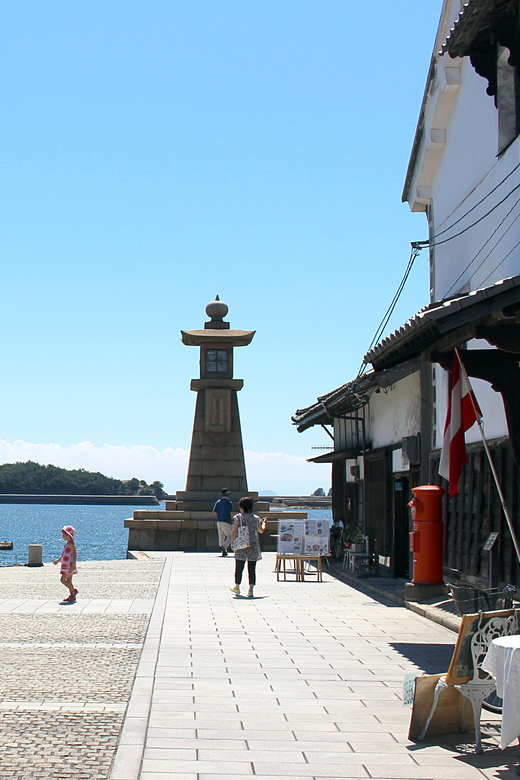
Tomonoura gives you a side of Japan that big-city sightseeing cannot. This old port town still feels tied to the sea, with narrow lanes, temple roofs, quiet viewpoints, and boats moving through the harbor. The scenery also helped inspire Studio Ghibli’s Ponyo, though the real appeal is the town’s everyday calm.
I like the private format, which lets you ask questions and set the pace instead of following a large group. I also like the mix of maritime history, local food, sake, temples, and coastal views. The main consideration is that the day includes a lot of walking and a tightly packed route, so confirm the exact timing and prepare for a busy five hours.
In This Review
- Key points
- Why Tomonoura feels different from the usual Japan itinerary
- A private ride from Fukuyama to the harbor
- Walking into Tomonoura’s old harbor streets
- The Ota Family Residence and a taste of local tradition
- Temples with sea views and a slower rhythm
- Lunch, coffee, and the practical cost of the day
- Finishing at Fukuyama Castle Museum
- Is five hours enough for this route?
- Who should book this Tomonoura tour?
- My take on the $129 price
- Should you book it?
- FAQ
- Where does the tour start?
- Where does the tour finish?
- How long does the tour last?
- Is transportation included?
- Is the tour private?
- What languages are available?
- Are meals included?
- Is the tour suitable for wheelchair users?
Key points
- Hiroshima-born guide Yuka: Expect local context, personal conversation, and help finding the quieter corners of Tomonoura.
- Historic tidal harbor: Learn why ships once waited here for the right tides before continuing their journeys.
- Ponyo scenery: Take in the seaside views that helped shape the film’s setting.
- Ota Family Residence and Homeishu sake: See traditional local life and taste a regional drink.
- Fukuyama Castle finale: Add a castle museum visit after the coastal town.
- Walking-heavy private outing: Comfortable shoes and weather-ready clothing are essential.
Why Tomonoura feels different from the usual Japan itinerary
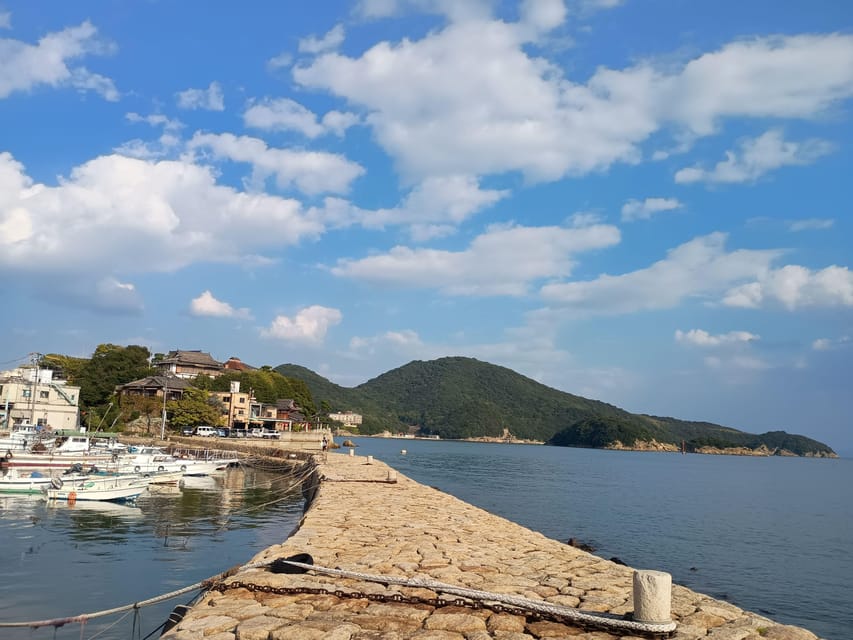
Tomonoura is in Hiroshima Prefecture, in the Chugoku Region, but it feels far removed from the city. The town grew around its harbor, where ships waited for favorable tides. That practical role shaped its buildings, lanes, customs, and outlook.
I like that the tour uses the port as the main story rather than treating the town as a quick photo stop. You learn how the sea affected work, travel, trade, and local routines. The scenery then makes more sense. A quiet harbor is not just pretty here. It is the reason the town exists.
The old streets have avoided much of the heavy commercial development found in Japan’s most famous historic districts. You should not expect a large attraction with rows of souvenir shops and crowds. Tomonoura’s pleasure comes from its scale, its views, and the chance to notice small details while walking.
The Ponyo connection adds a fun pop-culture angle, especially if you know Studio Ghibli films. Still, you do not need to be a fan to enjoy the coastline. The film reference is a bonus, not the whole reason to go.
A few more Hiroshima tours and experiences worth a look

A private ride from Fukuyama to the harbor
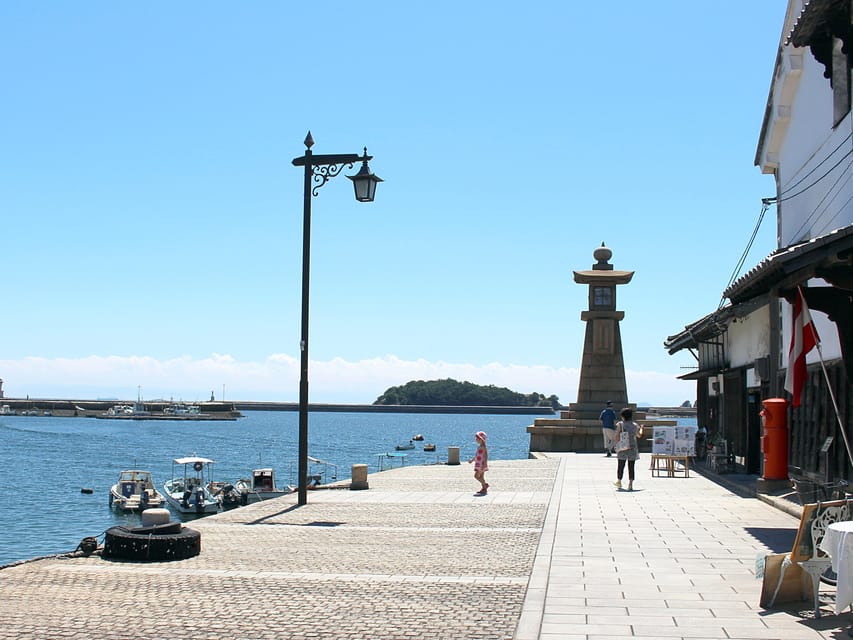
You can begin at Fukuyama Station or at the prefectural passenger pier. For a train arrival, the guide waits outside the ticket gates with a name board. Cruise passengers meet at the pier where their boat arrives. Round-trip bus transport is included, and the ride to Tomonoura takes about 30 minutes.
That pickup arrangement matters if you are visiting on a tight schedule or arriving by ship. You do not need to work out local bus connections on your own. It also gives you a direct chance to meet your guide and explain what interests you most.
The tour is offered in English or Japanese, and the group is private. That makes a difference in a small town. If you care most about photography, you can ask for a little more time at viewpoints. If history is your priority, you can use the ride and walking time to ask about the port’s past.
A private tour does not mean every stop can be extended indefinitely. The route includes many sites, and the published schedule is ambitious. I would confirm the day’s timing when booking, particularly if you have a train or cruise departure to catch.
Walking into Tomonoura’s old harbor streets
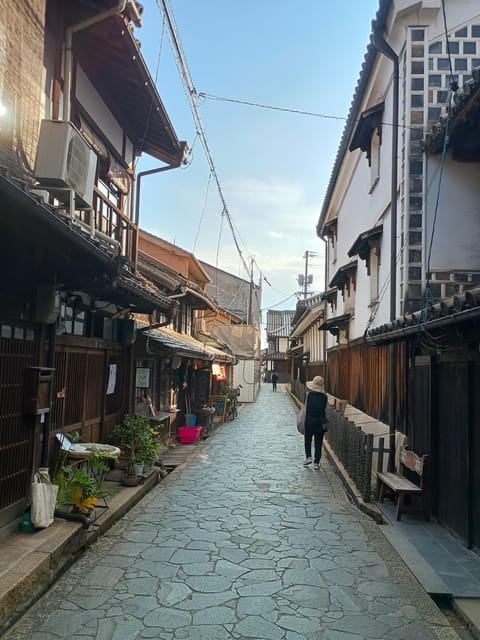
The first main portion takes you through Tomonoura itself, with guided sightseeing and views along the way. Expect narrow streets, traditional buildings, temple approaches, and glimpses of the water. The appeal is less about one grand monument and more about how the parts fit together.
Your guide can give the streets a human scale. Instead of simply seeing an old house, you learn how the port community lived and worked. Instead of looking at a harbor and moving on, you hear why ships waited there and how tides shaped the town’s role.
The route includes a photo stop and additional guided walking. Use these pauses for wide harbor views and details such as old walls, lanes, and rooftops. A private guide is especially useful here because the best experience comes from slowing down enough to look around.
Bring water. Even a relaxed walk can feel tiring in warm weather, and the tour requires repeated movement between temples, residences, viewpoints, and transport.
The Ota Family Residence and a taste of local tradition
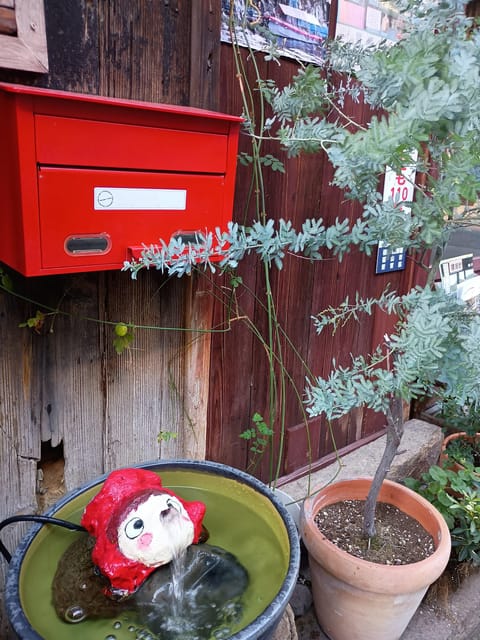
The Ota Family Residence, also called Ootake Jutaku in the schedule, receives about 40 minutes of guided attention. Admission is included. This is one of the stronger stops for understanding how a prosperous local household fit into the port town.
You get more than an exterior photograph. The residence helps connect Tomonoura’s maritime role with domestic life, regional customs, and the people who benefited from the town’s position. Ask your guide about the building’s former use and the family’s connection to the area.
The tour also includes a visit to a Homeishu sake brewery and a taste of the regional drink. Homeishu is a local specialty associated with Tomonoura, so this is a particularly useful stop for anyone interested in food and drink traditions.
The tasting is included, but meals and other drinks are not. Keep that distinction in mind. The schedule includes a local restaurant stop with coffee and lunch listed for about 50 minutes, yet the cost of that meal is your responsibility. Bring a little extra money for food and personal purchases.
Temples with sea views and a slower rhythm
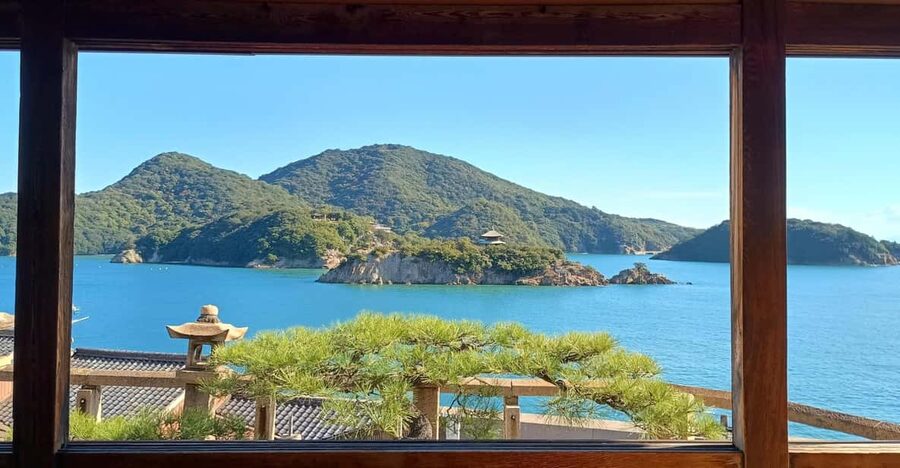
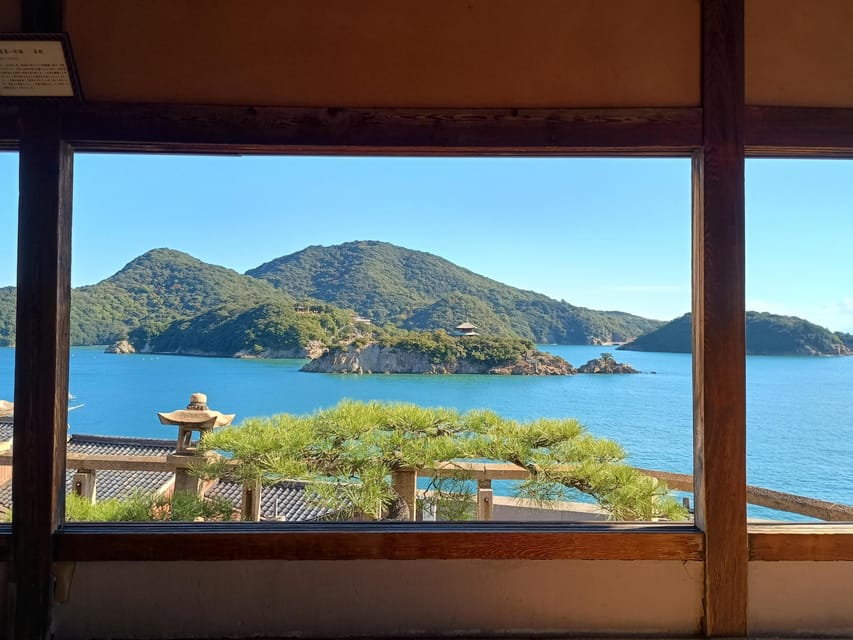
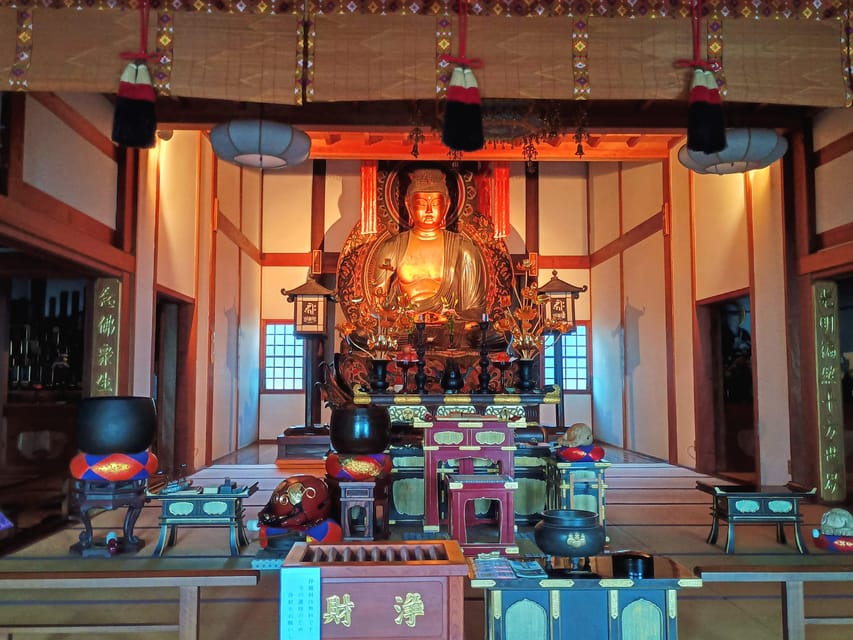
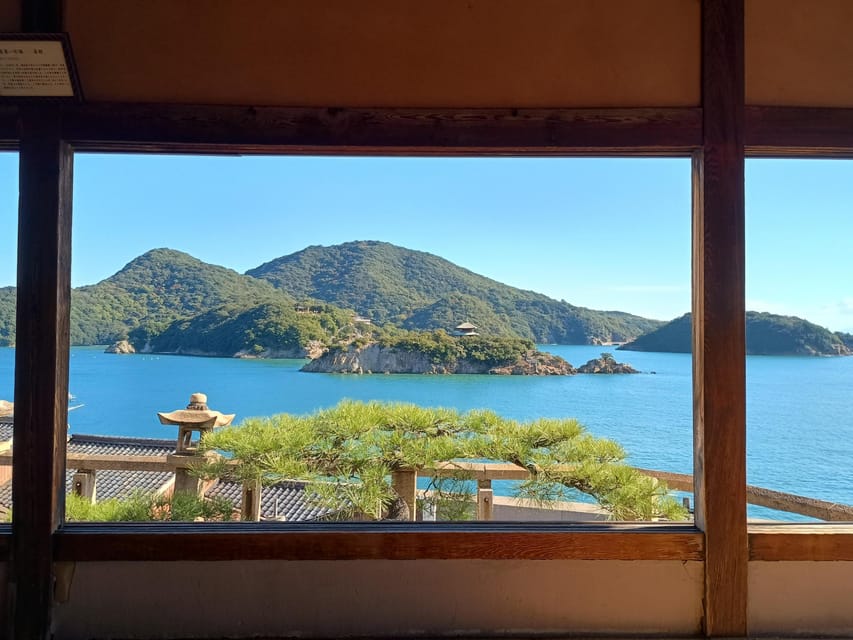
Fukuzenji Temple Taichoroh is one of the most appealing stops on the route. Admission is included, and the visit lasts about 20 minutes. The temple is known for its outlook across the water, giving you one of the clearest chances to connect Tomonoura’s religious sites with its coastal setting.
This is a good place to pause rather than rush. The view helps explain why the town has attracted artists, filmmakers, and visitors for years. It also gives you a visual break from the narrow streets.
The route continues to Enpukuji, Mutsuinari Shrine, and Ioji. These shorter visits create a compact tour of local religious life. Enpukuji receives about 20 minutes, Mutsuinari Shrine about 10 minutes, and Ioji about 30 minutes with guiding.
Do not expect every temple to receive the same level of attention. Some stops are brief, and the overall schedule favors variety. Ioji is allotted more time, so it may offer a fuller explanation and a calmer visit than the shortest shrine stop.
A photo stop at the Naramurayukio Museum and a visit or photo stop at Amidaji round out the Tomonoura section. The museum stop is listed at only five minutes, so think of it as a quick exterior look rather than a full museum visit. Amidaji receives about 20 minutes and gives you another chance to photograph the town’s traditional setting.

Lunch, coffee, and the practical cost of the day
The restaurant stop lasts about 50 minutes and includes coffee and lunch time, but food and drinks are not part of the $129 price. That is normal for a private outing, but it affects the real budget.
At $129 per person, the tour is not the cheapest way to reach Tomonoura. You are paying for a private Hiroshima-born guide, round-trip bus transport, English or Japanese guiding, admission to Fukuzenji Temple Taichoroh, admission to the Ota Family Residence, and the Homeishu visit and taste.
The value depends on what you want from the day. If you only need transport and a walk around the harbor, public transportation will cost less. If you want a flexible route, local interpretation, easy pickup, and several admissions handled for you, the price is easier to justify.
The private setup is most useful for couples, families, and small groups with shared interests. A history-minded group can ask more questions. Photographers can work around the light and views. People who dislike rigid group tours get room to set a more comfortable pace.
Finishing at Fukuyama Castle Museum
After the Tomonoura portion, the bus returns toward Fukuyama for a visit to Fukuyama Castle Museum. About one hour is assigned to the castle, with guided touring.
This creates a useful contrast. Tomonoura shows you a working coastal town shaped by tides and trade. Fukuyama Castle shifts the focus to feudal power, defense, and regional rule. The castle museum gives the day a broader historical frame instead of ending only with scenery.
The castle stop may appeal most to visitors who enjoy Japanese history and museum displays. If you are mainly interested in Tomonoura’s streets and coast, it can feel like an extra chapter after the main story. Still, the inclusion makes sense for anyone beginning or ending at Fukuyama Station.
Drop-off is available at Fukuyama Station or the prefectural passenger pier. If you need to make a fixed connection, allow a buffer. The route has many stops, and actual conditions can affect the pace.
Is five hours enough for this route?
This is the point I would clarify before booking. The activity is advertised as five hours, yet the individual time blocks shown for transport and sightseeing add up to considerably more than five hours if each stop receives its full listed duration.
Some entries are only photo pauses, and the schedule may be flexible. The private format may also allow the guide to adjust the route. Still, you should ask how the stops are organized on your chosen date and which sites receive a full visit.
The packed schedule has two sides. You see a lot: harbor streets, several religious sites, a historic residence, a brewery, a restaurant, and Fukuyama Castle. But you may not have long, unhurried time at every place.
I would book this tour for its range and local guiding, not for a slow, single-neighborhood stroll. If your priority is taking photos at leisure, tell the guide at the start. A private group gives you a better chance to make sensible tradeoffs.
Who should book this Tomonoura tour?
I think this is a good match for you if you want a quieter side of Japan and prefer context over a checklist of famous sights. It works especially well if you are staying near Fukuyama, arriving by cruise ship, or already planning to visit Hiroshima Prefecture.
You should also consider it if you enjoy small port towns, traditional buildings, temples, local drinks, and conversations with a guide. Yuka, the Hiroshima-born guide named in the experience details, is described as kind, fun, and eager to answer questions. That personal approach is central to the tour’s appeal.
The tour is less suitable if you have mobility limitations, use a wheelchair, or find prolonged walking difficult. Comfortable shoes are essential. Check the forecast and dress for the weather, since the day moves between outdoor streets, seaside viewpoints, and indoor sites.
My take on the $129 price
I see the $129 cost as reasonable for a private half-day outing if you value convenience and personal attention. The transport, admissions, local guide, and sake tasting cover several costs that would otherwise need separate planning.
It is harder to call it a bargain if you are traveling alone and mainly want a harbor walk. The price is per person, and lunch is extra. The economics improve for a private group that can share the guide’s time and shape the route around common interests.
The strongest value is not any single admission. It is the connection between the places. A guide can explain why the harbor mattered, how the town’s buildings reflect its past, and why the views feel familiar to Ponyo fans. That kind of context is difficult to get from a quick self-guided visit.
Should you book it?
Book this tour if you want personal guiding and a broad introduction to Tomonoura, with transport from Fukuyama and a visit to Fukuyama Castle added. It is a practical choice for cruise passengers and visitors who do not want to manage local connections.
Skip it if you want a very slow day, dislike walking, or only want to see the harbor without extra temples and museum stops. Before paying, confirm the exact timing of the five-hour route and decide how much time you want for lunch, photography, and the main Tomonoura sights. For the right visitor, this is a thoughtful way to reach a peaceful historic port without losing the story behind it.
FAQ
Where does the tour start?
You can be picked up at Fukuyama Station or at the prefectural passenger pier, listed as 県営旅客桟橋.
Where does the tour finish?
Drop-off is available at Fukuyama Station or the prefectural passenger pier.
How long does the tour last?
The advertised duration is five hours. The route includes many stops, so confirm the exact timing when checking availability.
Is transportation included?
Yes. Round-trip bus transportation is included, with the ride between Fukuyama and Tomonoura taking about 30 minutes each way.
Is the tour private?
Yes. It is a private group tour with a live guide.
What languages are available?
Guiding is available in English and Japanese.
Are meals included?
No. Lunch and drinks at the local restaurant are not included. The tour does include a visit to and taste at a Homeishu sake brewery.
Is the tour suitable for wheelchair users?
No. The activity is not suitable for wheelchair users or people with mobility impairments. Comfortable walking shoes are required because there is a lot of walking.
More Hiroshima City Tours in Hiroshima
More tours in Hiroshima we've reviewed



Hiroshima City Tours, compared.
 ★ 5.0Peaceful Hiroshima & Miyajima UNESCO 1 Day Bus TourFrom $129
 ★ 4.9Hiroshima: Hiroshima and Miyajima UNESCO Sites 1-Day TourFrom $1228 hours
 ★ 5.0Hiroshima / Miyajima Full-day Private Tour with Government Licensed GuideFrom $202
 ★ 4.7Osaka/Kyoto: Hiroshima Miyajima Bus Tour & Shinkansen TicketFrom $27712 hours
 ★ 4.8Hiroshima Historical Walking Tour – Why A-Bomb was DroppedFrom $352h 30m
 ★ 5.0Hiroshima Peace (Heiwa) Walking Tour at World Heritage SitesFrom $94
