
Reviewed · HIROSHIMA CITY TOURS
Hiroshima: Private City Highlights Walking Tour
Hiroshima’s story is best understood on foot, where the Peace Memorial Museum, cenotaphs, Children’s Peace Monument, and Atomic Bomb Dome form one powerful sequence. This private tour adds a guide who can explain what you are seeing, answer difficult questions, and connect the park with the city that existed before and after August 6, 1945.
I like the one-to-one format, which lets you set the pace and ask as many questions as you wish. I also like the route’s breadth: it moves from the solemn Peace Park to Hiroshima Castle, with time for lesser-known sites beyond the main memorials. The main consideration is stamina. Four hours of walking can feel long in Hiroshima’s heat or rain, and the museum itself is quiet and emotionally demanding.
In This Review
- Key points at a glance
- Starting in the Peace Park
- Reading the monuments with context
- The Atomic Bomb Dome and the city beyond it
- Walking to Hiroshima Castle
- What the private format really adds
- The walking pace, weather, and practical limits
- Is $90 per person fair value?
- How the guides shape the experience
- Who should book this Hiroshima walking tour?
- FAQ
- How long does the Hiroshima private walking tour last?
- Where does the tour begin?
- Where does the tour end?
- Is this a private tour?
- What languages are available?
- Is the tour wheelchair accessible?
- Is admission to the Hiroshima Peace Memorial Museum included?
- Is entry to the Atomic Bomb Dome included?
- Is transportation included?
- Are food and drinks included?
- Can you cancel for a full refund?
- Do you pay when booking?
- Should you book it?
Key points at a glance
- Private guide and flexible pace: Guides including Maria, Ali, Ihsan, and Wajid have adapted routes to different interests, ages, weather, and walking speeds.
- A serious look at August 6, 1945: The Peace Memorial Museum and park monuments are explained with care and context.
- More than the headline sights: Some guides add nearby schools, a bank, gardens, local landmarks, or places tied to the bombing.
- Hiroshima Castle rounds out the day: The 16th-century castle gives you a wider view of Hiroshima before and after the war.
- Four hours on foot: Transportation and meals are not included, so wear comfortable shoes and plan a drink break.
- Good value for a private outing: At $90 per person, the cost makes the most sense for couples, families, or small groups who want personal attention.
Starting in the Peace Park
You meet your guide at 1-2 Nakajimachō in Naka Ward, right by the Peace Memorial Park. The activity ends back at the same meeting point, which makes the route easy to plan around a hotel, train arrival, or later meal.
The opening section is not a quick photo stop. Your guide sets the scene for Hiroshima as a city, then explains how the bombing changed its people, buildings, and place in modern history. That background matters because the park can otherwise feel like a collection of monuments without a clear order.
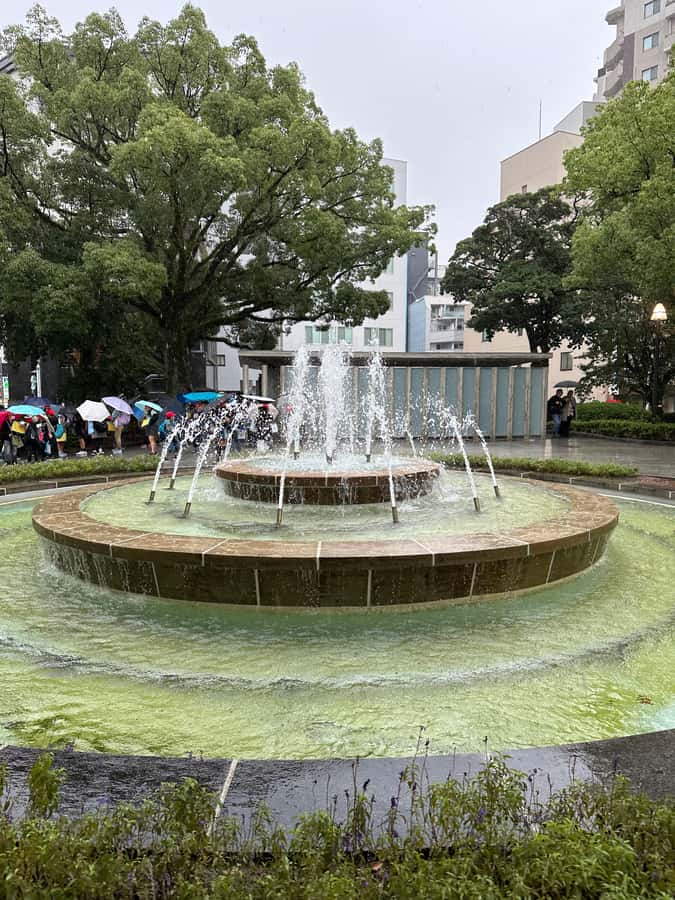
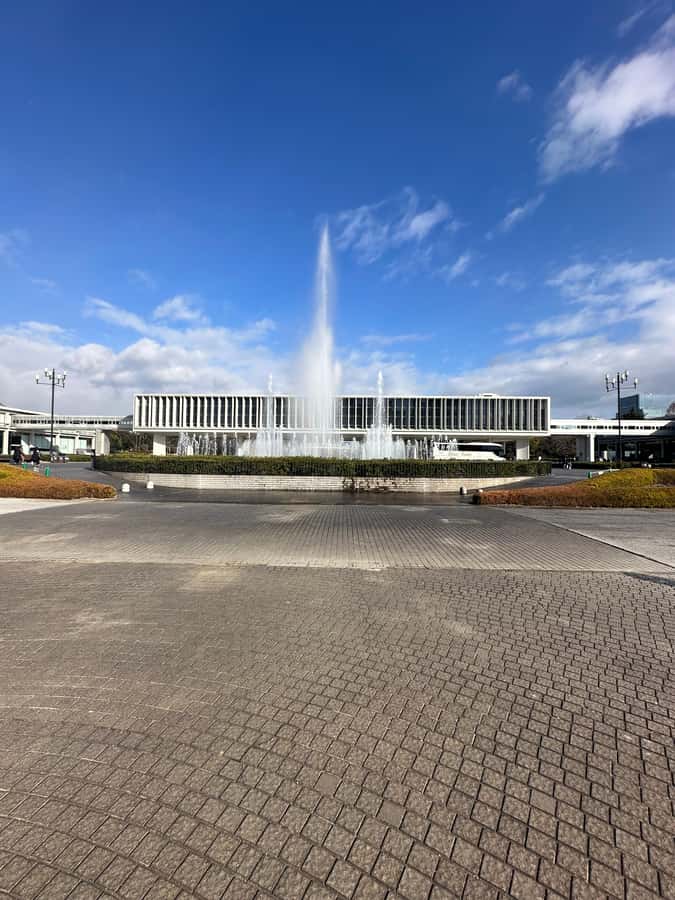
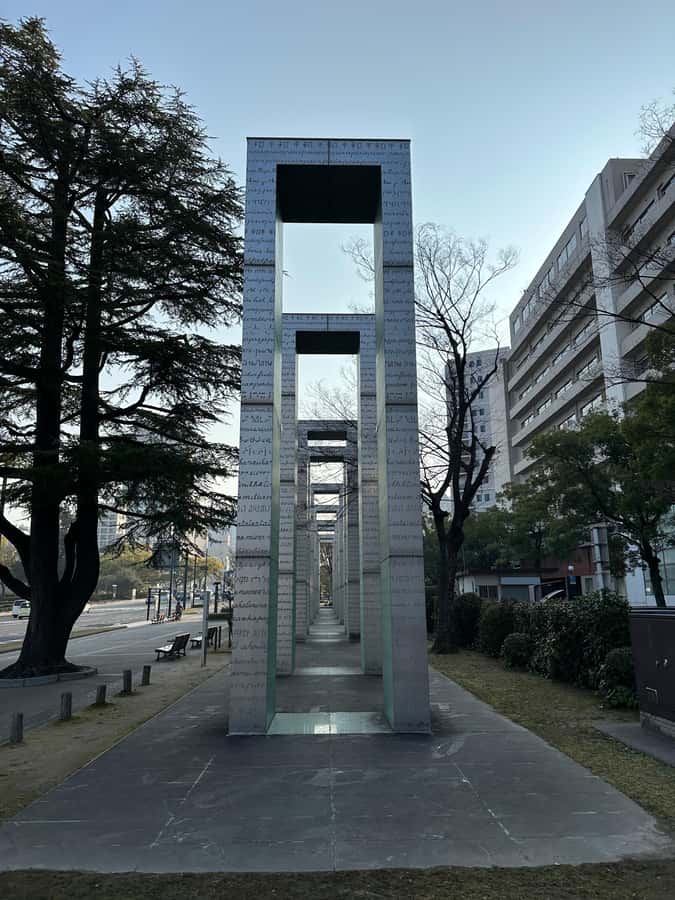
The first stops are the Gates of Peace and the Prayer Fountain. Each is scheduled for a short visit, but a private guide can use those minutes to explain the ideas behind the memorials rather than simply point and move on. The Prayer Fountain carries particular weight in a city where water became a desperate need after the bombing.
You will spend about an hour at the Hiroshima Peace Memorial Museum. This is the emotional center of the tour. Its collection deals directly with the events of August 6, 1945, and the human cost that followed.
A guide cannot make the museum easy. Much of the experience is quiet and personal, and you will need time to look at the exhibits without constant narration. Still, outside the galleries, a guide can answer questions, explain details you might miss, and help connect the displays to the monuments you have already seen.
I would not schedule this tour immediately before a rushed train departure. The museum deserves your attention, and the subject can leave you needing a pause afterward. The private format helps here because you can ask for a slower pace or a short break without keeping a larger group waiting.
A few more Hiroshima tours and experiences worth a look

Reading the monuments with context
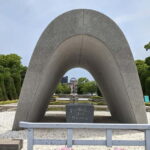
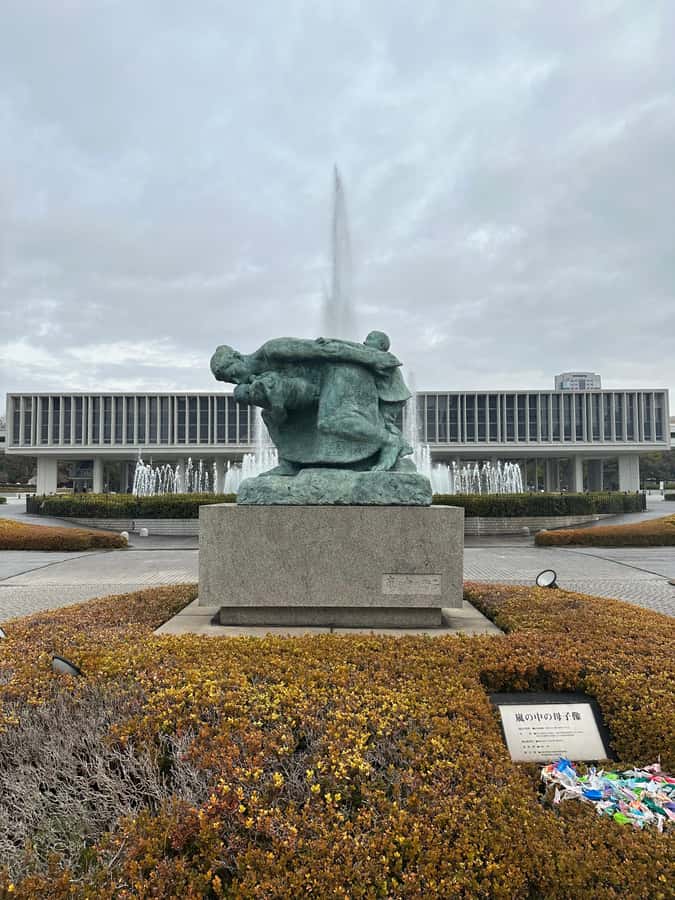
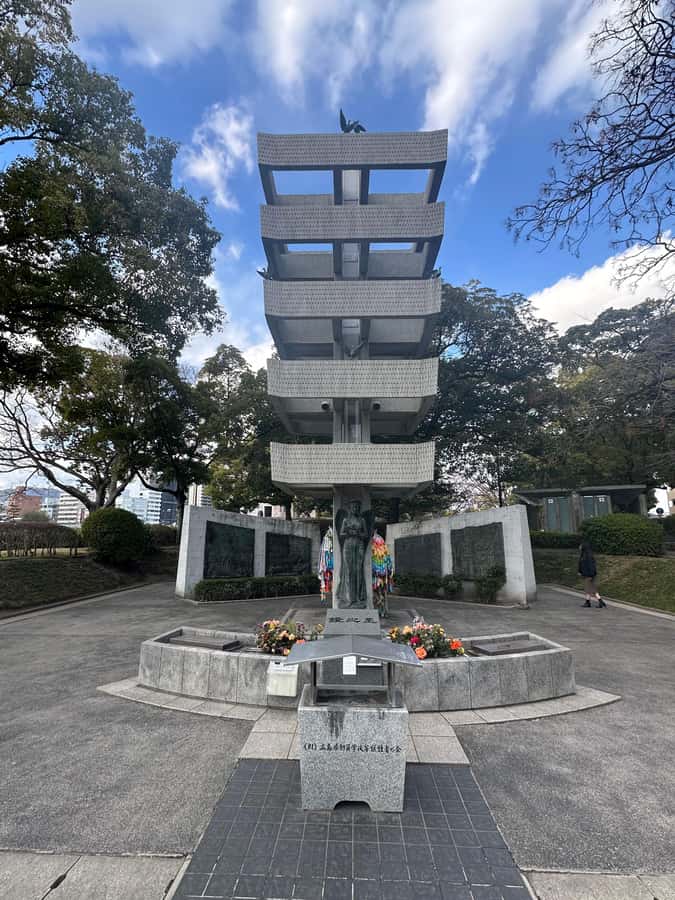
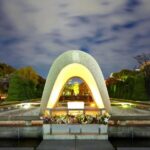
After the museum, the route continues through the Victims Memorial Cenotaph, Flame of Peace, Korean Atomic Bomb Victims Cenotaph, Bell of Peace, and Children’s Peace Monument. The listed stops range from five to fifteen minutes, so the walk keeps moving while still allowing time for explanation and photographs.
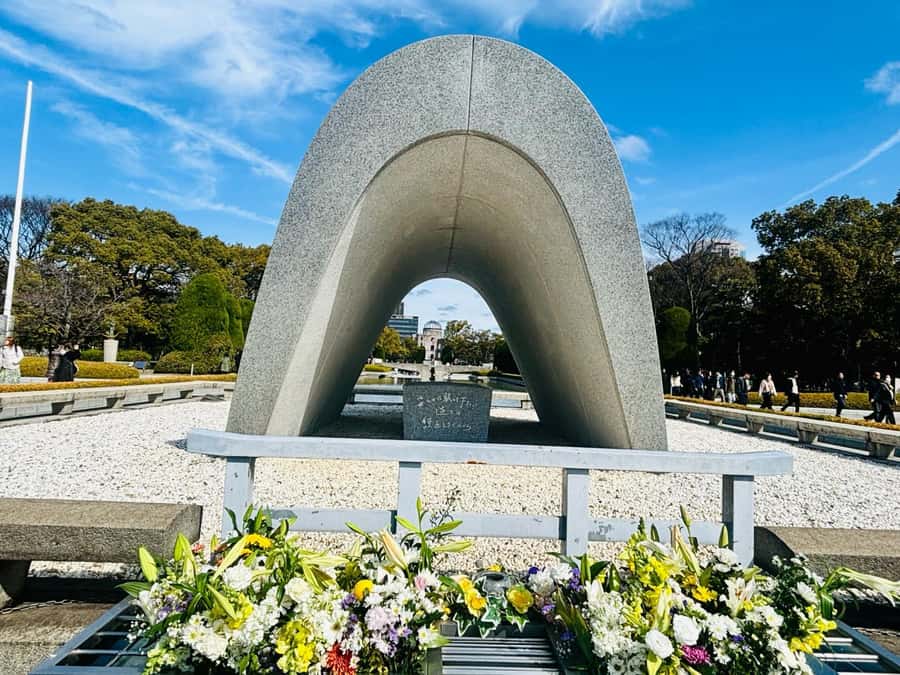
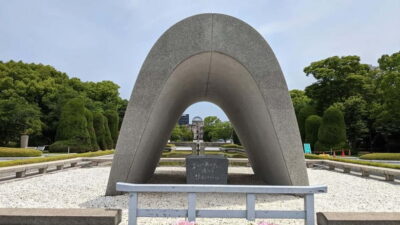
The Victims Memorial Cenotaph is one of the park’s central memorials. Your guide can help you understand how its shape, position, and inscription relate to the people remembered there. The Flame of Peace adds another layer, with its continuing flame linked to the hope of a world without nuclear weapons.
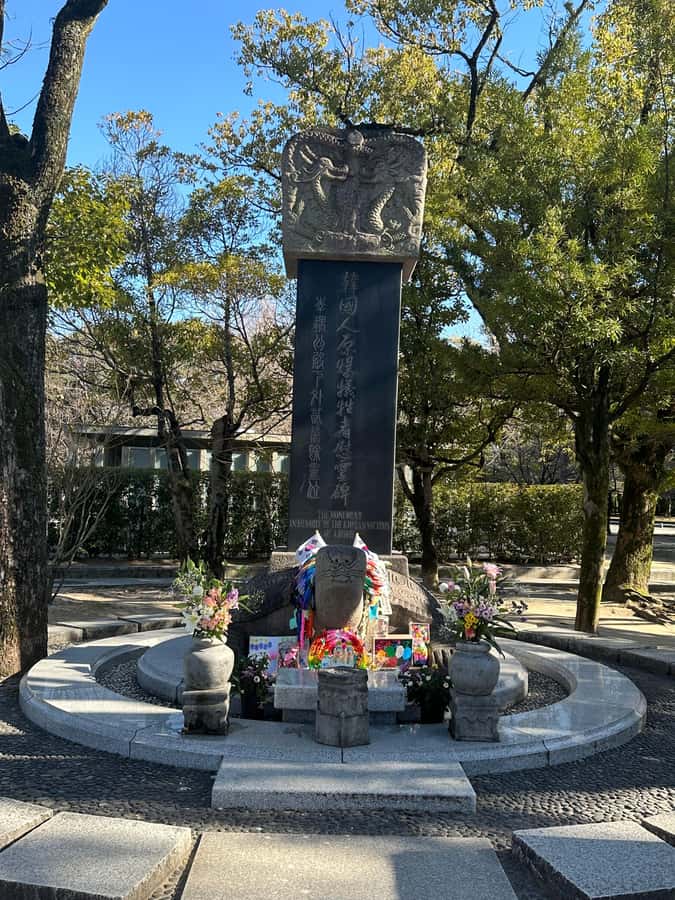
The Korean Atomic Bomb Victims Cenotaph is especially important because it broadens the story beyond Hiroshima’s Japanese population. Korean people were among those killed and injured in the bombing, and this monument makes that part of the past visible.
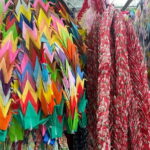
At the Bell of Peace, you may have a chance to pause and consider the park’s message rather than simply collect another photograph. The Children’s Peace Monument brings the subject close to younger lives. Its connection to children affected by the bombing gives the park a personal focus that statistics alone cannot provide.
A strong guide does not turn these stops into a string of speeches. Maria, Ali, Ihsan, and other guides have been praised for clear explanations, empathy, and an ability to adjust the amount of detail. That matters in Hiroshima, where too little context can feel superficial and too much talking can crowd out your own response.
The Atomic Bomb Dome and the city beyond it
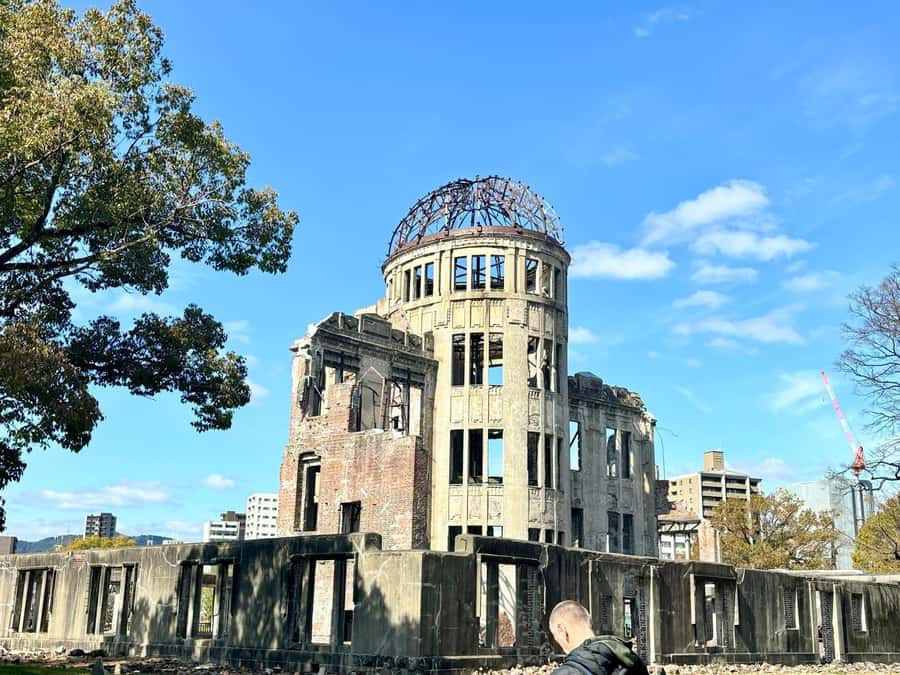
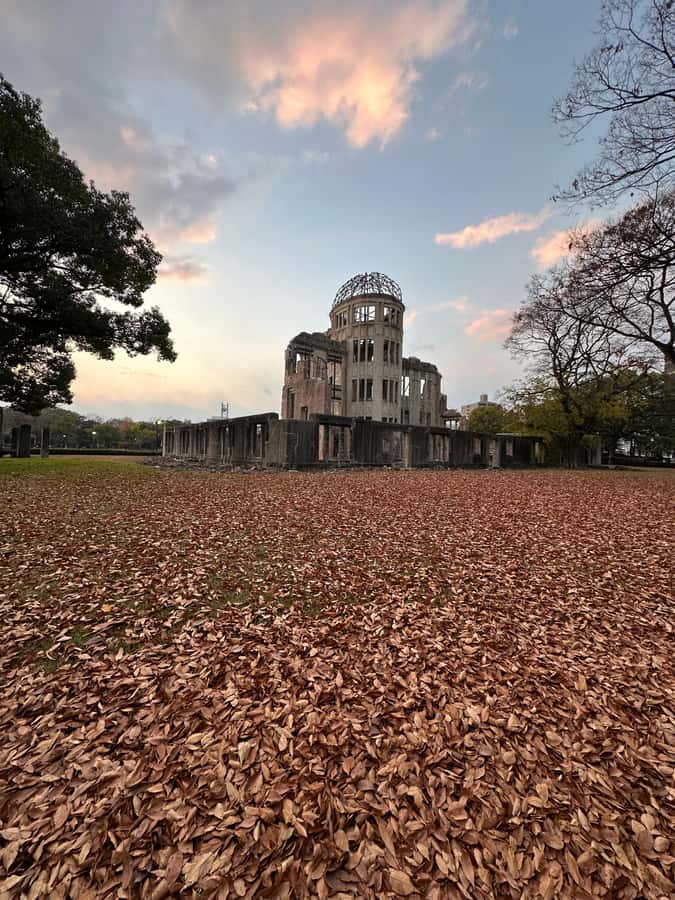
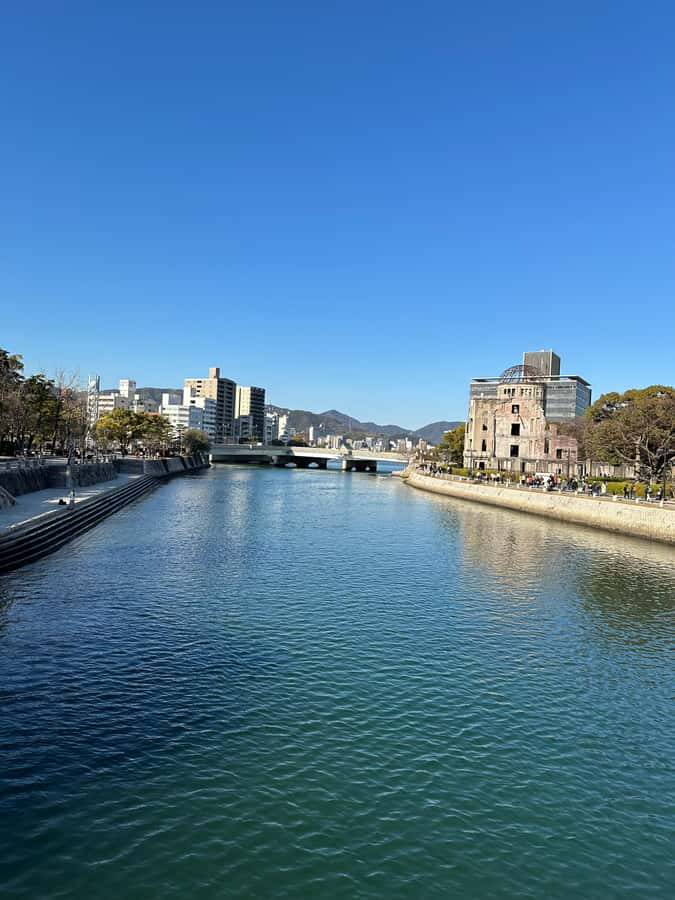
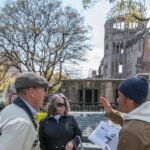
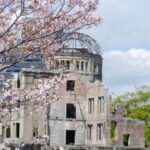
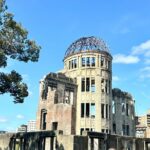
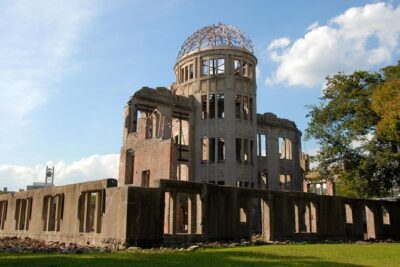
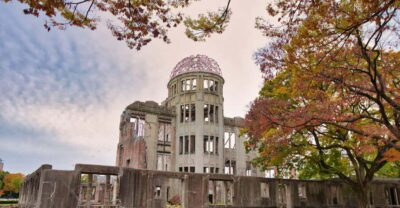
The Atomic Bomb Dome is the most recognizable building on the route. You spend about twenty minutes here, viewing the preserved structure from the outside and hearing how it came to symbolize Hiroshima.
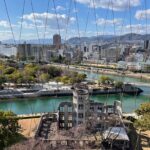
The Dome is powerful because it is not a polished memorial. Its damaged walls and exposed frame show the force of the blast in a way that photographs cannot. Your guide can place it within the wider city, rather than treating it as an isolated monument.
The official route also allows room for lesser-known places outside the park. This is where the private format can pay off most. Ali has taken people to sites such as a school and a bank with direct links to the events of that day. Those stops are not as famous as the Dome, but they can make the story more immediate by showing how ordinary city spaces were caught in the disaster.
You might also see a garden or another local landmark, depending on your guide and the group’s interests. These additions are not guaranteed, so think of them as a useful benefit of the private arrangement rather than a fixed part of the advertised route.
Walking to Hiroshima Castle
The final major stop is Hiroshima Castle, with roughly forty minutes for a photo stop, guided visit, and walk. This change of subject is welcome after the intensity of the Peace Park.
Hiroshima Castle dates to the 16th century and helps place the city in a longer timeline. The castle grounds offer a chance to discuss Hiroshima before the bombing, its role as a regional center, and the city’s rebuilding afterward.
The information provided describes a visit to the castle, but it does not promise access to every interior area. One traveler missed the inside because of a delayed train, yet the guide still explained the castle’s story and adjusted the ending. Keep that in mind when planning your day: the route can cover the exterior and grounds even if timing or conditions affect interior access.
The castle section also gives you a less solemn finish. You have moved from memorials to architecture and urban history, seeing Hiroshima as a living city rather than only as the site of a catastrophe.
What the private format really adds
A private walking tour is not automatically better than exploring alone. Hiroshima’s Peace Memorial Park is easy to reach, and you can visit the main monuments independently. The value here is the human explanation between the signs.
I would choose this format if you want to ask questions about the bombing, Japanese society, the city’s rebuilding, or the meaning of specific monuments. Guides such as Maria and Ihsan have been praised for answering detailed questions and adjusting their explanations to the group.
Families may find the flexibility useful. One guide kept teenagers engaged despite heat and humidity, while another adapted the route for a group that needed help after a delayed train. You can also slow down at a difficult exhibit, move faster through a familiar topic, or stop for a cold drink.
The tour is available in English, Malay, Urdu, Hindi, and Punjabi. Guide assignments can vary, so you should not assume you will receive a particular person, but the strongest praise has focused on guides who are warm, organized, and able to explain complex material in plain English.
Other walking tours we've reviewed in Hiroshima

The walking pace, weather, and practical limits
This is a four-hour walking experience, with no transportation included. The itinerary covers the Peace Park, museum, Atomic Bomb Dome, and Hiroshima Castle, so comfortable shoes are essential.
Heat and humidity can change the experience. One guide arranged an orange juice stop, and another stopped for ice cream. These breaks are not listed as fixed inclusions, but the private format gives your guide room to respond to the day and the group.
Rain does not necessarily spoil the tour. Guides have continued through wet weather and added indoor or sheltered explanations where possible. Still, bring suitable clothing and expect some outdoor time between the museum and castle.
Wheelchair access is listed as available. Because this is a walking route with several outdoor stops, you should confirm the practical details of your own route and pace when booking. The meeting and ending point are the same, which avoids the problem of arranging a return ride after a long walk.
Food and drinks are not included. That keeps the tour focused, but you should budget for your own refreshments. Several guides have helped people find local food afterward, including Hiroshima-style okonomiyaki, but a restaurant visit is not guaranteed or part of the formal package.
Is $90 per person fair value?
At $90 per person, this is not the cheapest way to see Hiroshima’s memorials. The museum and park can be visited independently, and the route itself uses public city spaces rather than a private vehicle.
The price becomes easier to justify if you are traveling as a couple, family, or small private group. You are paying for four hours of a guide’s time, museum admission, the private format, and the ability to shape the conversation around your interests.
The biggest value is not skipping lines or covering ground quickly. It is the added meaning. A guide can show how the monuments relate to one another, explain people and places beyond the standard route, and help you move from the museum’s exhibits to the city’s present-day streets.
If your main goal is a fast checklist of sights, you may find four hours too long. One person specifically felt the duration was more than necessary. If you want a thoughtful, question-friendly introduction to Hiroshima, the time is easier to use well.
How the guides shape the experience
The individual guide can make a noticeable difference, so it is worth sharing your priorities at the start. Maria has been described as thoughtful, flexible, and strong in English. She has adjusted tours for individual interests and allowed time for breaks.
Ihsan has been praised for his enthusiasm, humor, and command of Hiroshima’s history, culture, and people. He has also helped groups choose which sites to prioritize and recommended local food at the end.
Ali has taken groups beyond the park to places tied directly to August 6, 1945. He is a good match for you if you want more than the standard monuments and prefer detailed explanations.
Wajid has combined historical discussion with local food knowledge and taken extra time when an interesting place deserved it. Other guides, including Marie, Meg, and Ubssn, have been noted for clear explanations and practical help.
These names give you a sense of the service style, but guide allocation may change. The consistent feature to look for is a private guide who listens, explains without rushing, and treats the subject with respect.
Who should book this Hiroshima walking tour?
I would recommend it to first-time visitors who want a clear introduction to Hiroshima in half a day. It also suits families, couples, and small groups with different levels of interest, since the guide can vary the pace and depth.
It is a strong choice if you care about the human stories behind the memorials. The route does not stop at the Atomic Bomb Dome. It includes monuments for victims, Korean victims, children, and the city’s wider story.
You may prefer independent sightseeing if you have already visited the museum, dislike guided discussion, or want to spend a full day at only one or two sites. Four hours can feel demanding, especially in poor weather or if the subject affects you strongly.
Book with a short list of questions ready. Ask to see lesser-known locations outside the park if time allows, and tell the guide if Hiroshima Castle, local food, architecture, or the bombing’s social history matters most to you.
FAQ
How long does the Hiroshima private walking tour last?
The tour lasts four hours. Starting times depend on availability.
Where does the tour begin?
You meet the guide at 1-2 Nakajimachō in Naka Ward, Hiroshima.
Where does the tour end?
The activity ends back at the meeting point.
Is this a private tour?
Yes. The experience is organized for a private group rather than a shared group.
What languages are available?
Live guiding is available in English, Malay, Urdu, Hindi, and Punjabi.
Is the tour wheelchair accessible?
Yes, the activity is listed as wheelchair accessible.
Is admission to the Hiroshima Peace Memorial Museum included?
Yes. The museum entry ticket is included.
Is entry to the Atomic Bomb Dome included?
Yes. The provided activity details list an Atomic Bomb Dome entry ticket as included.
Is transportation included?
No. Transportation is not included, and this is a walking tour.
Are food and drinks included?
No. Food and drinks are not included. Guides may sometimes help you find local food or take a short refreshment stop, but that is not a guaranteed inclusion.
Can you cancel for a full refund?
Yes. You can cancel up to 24 hours in advance for a full refund.
Do you pay when booking?
The reserve-now, pay-later option lets you hold a place without paying immediately.
Should you book it?
Book this tour if you want Hiroshima explained by a person, not just presented on signs. The Peace Memorial Museum and Atomic Bomb Dome are essential, but the guide’s links between monuments, ordinary buildings, victims, and the rebuilt city give the morning or afternoon more shape.
At $90 per person, it earns its price through personal attention and flexibility rather than luxury. Bring good shoes, allow yourself emotional space in the museum, and tell your guide what matters to you. For a first visit to Hiroshima, that combination makes this a thoughtful and practical choice.
More City Tours in Hiroshima
More Walking Tours in Hiroshima
More Hiroshima City Tours in Hiroshima
More tours in Hiroshima we've reviewed



Hiroshima City Tours, compared.
 ★ 5.0Peaceful Hiroshima & Miyajima UNESCO 1 Day Bus TourFrom $129
 ★ 4.9Hiroshima: Hiroshima and Miyajima UNESCO Sites 1-Day TourFrom $1228 hours
 ★ 5.0Hiroshima / Miyajima Full-day Private Tour with Government Licensed GuideFrom $202
 ★ 4.7Osaka/Kyoto: Hiroshima Miyajima Bus Tour & Shinkansen TicketFrom $27712 hours
 ★ 4.8Hiroshima Historical Walking Tour – Why A-Bomb was DroppedFrom $352h 30m
 ★ 5.0Hiroshima Peace (Heiwa) Walking Tour at World Heritage SitesFrom $94
