
Reviewed · MIYAJIMA TOURS
Peaceful Hiroshima & Miyajima UNESCO 1 Day Bus Tour
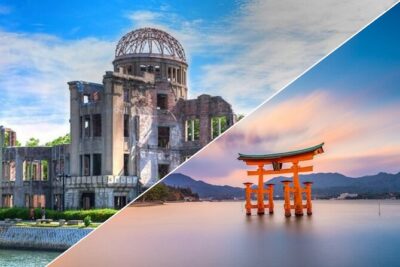
Hiroshima’s difficult wartime past and Miyajima’s graceful island scenery make an unusually powerful pairing. In one day, this tour takes you from the Atomic Bomb Dome and Peace Memorial Museum to a ferry ride, a sea shrine, colorful Buddhist statues, and the famous torii gate.
I like the included museum and shrine admissions, which keep the day simple, and the round-trip ferry ride, which gives you a pleasant break between the city and island. Guides such as Rino, Marin, and Momiji are praised for clear explanations, good humor, and careful pacing.
The main catch is time. You get a useful first look at both places, but Miyajima deserves more than a few scheduled hours, and the Peace Memorial Museum can become crowded. The group may reach 45 people, so punctuality matters.
In This Review
- Key points at a glance
- Why the Hiroshima and Miyajima pairing works
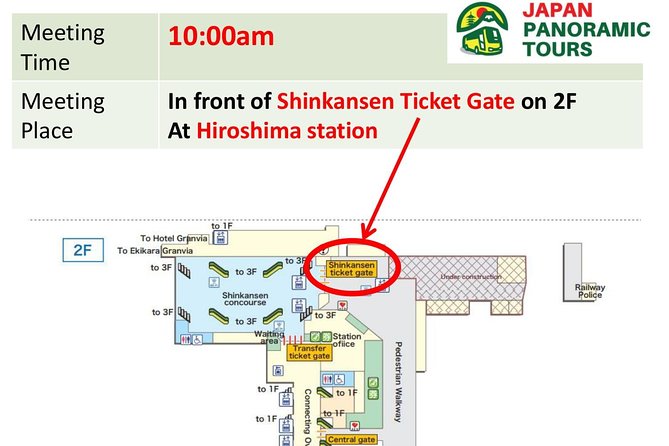
- Starting near Hiroshima Station at 10 a.m.
- Hiroshima Castle and the city’s earlier story
- The Atomic Bomb Dome and Peace Memorial Park
- One hour inside the Peace Memorial Museum
- The 20-minute ferry to Miyajima
- Miyajima food, deer, and free time
- Itsukushima Shrine and the famous torii gate
- Daishoin Temple and its colorful guardian statues
- What the price includes at $129.25
- Who will get the most from this day
- Should you book the Hiroshima and Miyajima bus tour?
- FAQ
- How long does the Hiroshima and Miyajima tour last?
- Where does the tour begin and end?
- Are the ferry and entrance fees included?
- Is lunch included?
- What languages are available for the audio guide?
- Can I take a Shinkansen after the tour?
Key points at a glance
- Two very different halves: Hiroshima’s memorial sites provide a quiet, serious morning or afternoon, followed by Miyajima’s shrine, temple, deer, food, and waterfront views.
- Rino, Marin, and Momiji: These guides are repeatedly singled out for friendly explanations, energy, organization, and practical local suggestions.
- A useful 8-hour plan: The coach, ferry, and admission tickets are arranged for you, a real help if you have limited time in Hiroshima.
- Okonomiyaki is optional: Choose the lunch version for Hiroshima-style savory pancakes, or skip lunch if you want to browse Miyajima’s food stalls.
- Museum crowds are possible: The Peace Memorial Museum can feel tightly packed, with a one-way route through some exhibits.
- Be ready to walk: You move between bus, ferry, shrine, temple, and memorial sites, so moderate fitness is required.
Why the Hiroshima and Miyajima pairing works
Many day trips try to cram together sights that have little connection. This one makes sense. Hiroshima asks you to pause and think about the atomic bombing of August 6, 1945. Miyajima then offers a gentler setting, with water, forested hills, traditional religious buildings, food stalls, and the famous red gate offshore.
That change in mood is one of the tour’s strengths. The memorial portion is not entertainment, and it should not be treated that way. The Atomic Bomb Dome and museum are emotionally heavy. Afterward, the ferry crossing gives you time to process what you have seen before the more relaxed island portion begins.
I also like the practical setup. You do not need to work out the ferry connection, buy shrine tickets, or find the museum on your own. An English-speaking guide leads the day, while multilingual audio guidance on the bus is available in English, French, Spanish, Italian, German, Portuguese, and Ukrainian.
The bus has air conditioning and free Wi-Fi. That will matter on a full day, especially when you are carrying luggage in your mind as well as your day bag. The vehicle is shared, with up to 45 people, so this is a group outing rather than a private tour.
A few more Hiroshima tours and experiences worth a look

Starting near Hiroshima Station at 10 a.m.
The meeting point is at Currency ExchangeJapan in Minami Ward, near public transportation. The tour begins at 10 a.m. and ends back at the same meeting point.
You need to arrive early. If you miss the start, you cannot simply catch up at the next stop, and late arrivals are not eligible for a refund or date change. This strict rule is easy to understand on a day involving a coach, ferry, timed admissions, and a large group.
The route may change during the day because of traffic, weather, or operating conditions. Some groups visit the Peace Museum before Miyajima, while others reach the island first and finish with the memorial sites. That flexibility can help avoid the worst crowds, though it means you should not expect the published order to be fixed.
One practical warning: if you plan to take a Shinkansen after the tour, book it after 6:30 p.m. at the earliest. The tour returns to the meeting point, but traffic and the changing route make a tight train connection unwise.
Hiroshima Castle and the city’s earlier story
The itinerary includes a look at Hiroshima Castle, described as dating from 1589. You can see the main building, but not the smaller defensive houses that once helped protect it.
This is a short historical introduction before the atomic-bomb memorials. It reminds you that Hiroshima was not defined only by 1945. The castle setting gives the city an older political and cultural context, although the available schedule does not provide a long independent visit inside the grounds.
If castles are your main interest, this stop may feel brief. If you want a wider picture of Hiroshima, it is a useful addition without taking too much time from the major sites.
The Atomic Bomb Dome and Peace Memorial Park
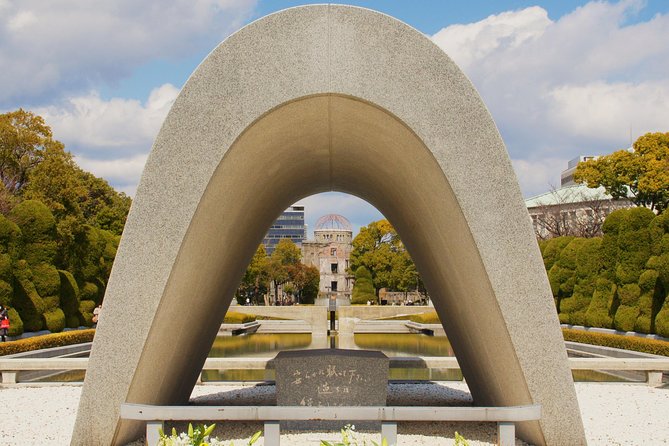
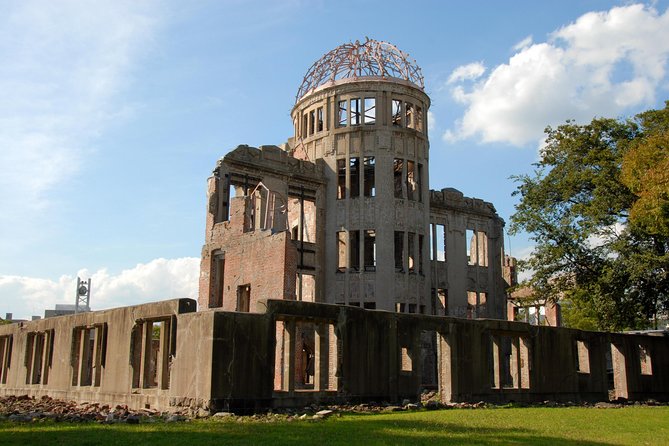
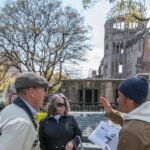
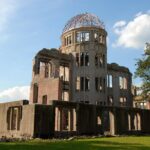
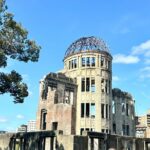
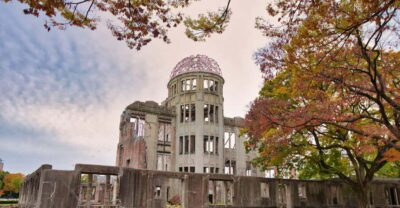
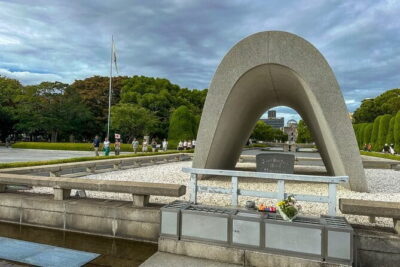
The Atomic Bomb Dome is a preserved ruin of the former Hiroshima Prefectural Industrial Promotion Hall. It stood close to the bomb’s center of impact and remained partly intact when much of the surrounding city was destroyed.
The scheduled stop is about 15 minutes. That is enough to see the structure, listen to the guide, and take in the setting, but not enough for a slow examination of every angle. You will want to keep your attention on the site rather than rushing through photographs.
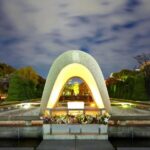
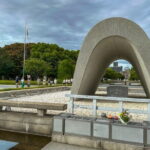
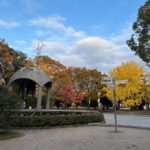
The tour then allows about 35 minutes in Hiroshima Peace Memorial Park. The park contains monuments dedicated to the people killed by the bombing and to the hope that nuclear weapons will never be used again.
This is a place where a guide can add useful context, but you should also leave room for silence. The best part of the visit may be a few minutes when you stop following facts and simply look around.
One hour inside the Peace Memorial Museum
The Hiroshima Peace Memorial Museum is the emotional center of the city portion. It opened to the public in 1954 and presents personal accounts, photographs, and artifacts connected to the bombing and its aftermath.
You have about one hour inside. That is enough to understand the main story, but it is not enough to absorb every display at a leisurely pace. Some exhibits are painful, and the museum can be crowded. One route through the building has been compared to a long, one-way corridor, which can feel uncomfortable if you need more space or prefer to move at your own speed.
I would not plan another demanding attraction immediately afterward. Give yourself a little quiet time on the bus or ferry. The guides are described as respectful when discussing the memorial sites, and names that come up often include Rino, Marin, Momiji, and Mo. Their role is especially useful here because they can explain the setting without turning the visit into a lecture.
The museum is scheduled to close for exhibit replacement from February 16 through 21, 2026. During those dates, the tour will visit Hiroshima National Peace Memorial Hall for the Atomic Bomb Victims instead. There is no refund for this substitution, so check your date carefully if the museum is a priority.
A few more Hiroshima tours and experiences worth a look

The 20-minute ferry to Miyajima
The JR Nishinihon Miyajima Ferry takes about 20 minutes each way, and the return fare is included. This is one of the simple pleasures of the day. After the memorial sites, the water crossing changes the pace and gives you a clear sense that Miyajima is a separate island experience.
The ferry also removes a common planning chore. You do not need to figure out which boat to use or buy a separate return ticket while trying to keep up with a group.
Miyajima can be busy, and the schedule is not designed for a long independent exploration. Still, the ferry ride gives you a refreshing transition, and the island portion includes the sights most people come to see.
Miyajima food, deer, and free time
The island stop lasts about 50 minutes, with lunch available if you select that option. The meal is Hiroshima-style okonomiyaki, a regional version of the Japanese savory pancake.
The Hiroshima style differs from the Osaka version in how the ingredients are arranged and cooked. The tour provides a chance to try a local specialty without having to search for a restaurant, which is valuable when time is short.
There is a tradeoff. If you skip the included lunch, you can use the time for island snacks and food stalls. One practical suggestion is to choose the lunch only if you want a set meal and a smoother group schedule. If sampling small bites is more appealing, going without lunch gives you more freedom.
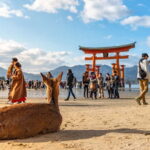
Miyajima is also known for its deer. They are appealing to photograph, but one guide’s advice is worth taking seriously: some can be pushy around food. Keep snacks and paper items secure, and do not assume every deer will politely pose and move on.
Itsukushima Shrine and the famous torii gate
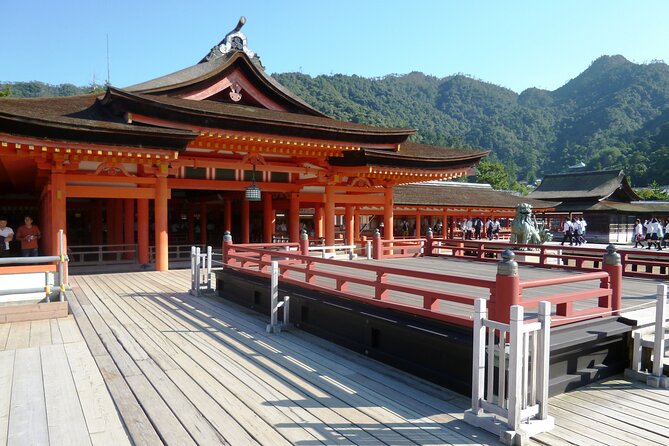
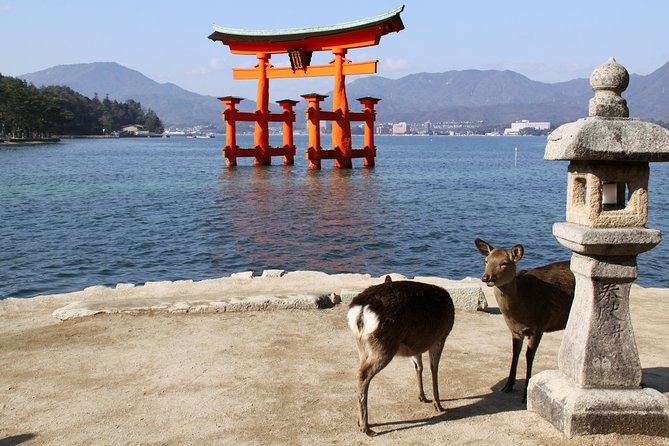
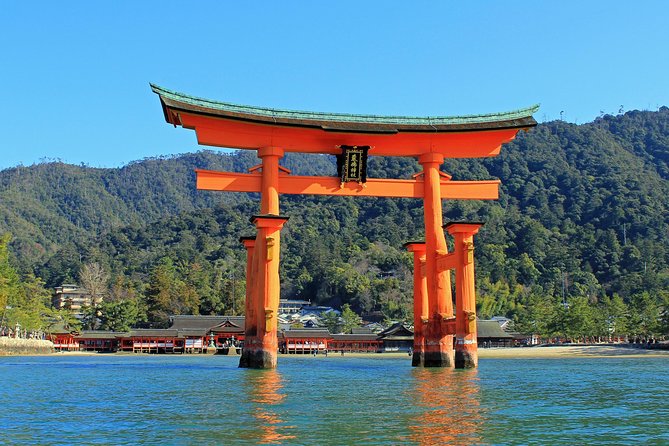
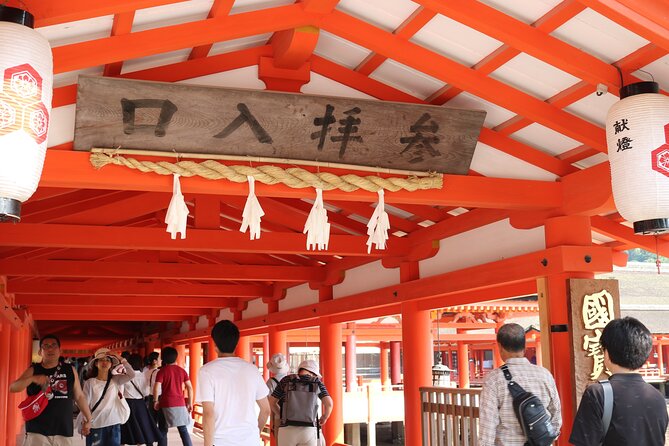
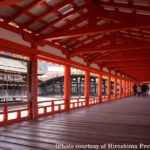
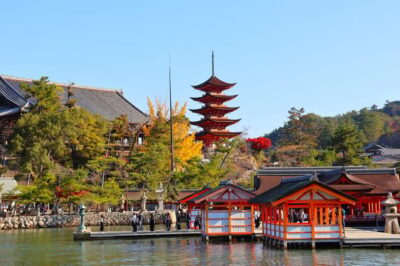
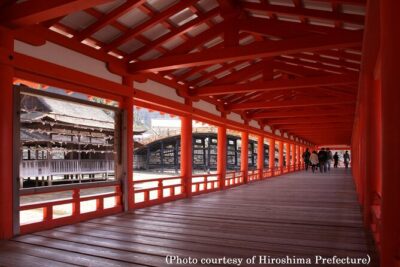
Itsukushima Shrine was founded in 593, with much of its present construction rebuilt in 1168 under Taira no Kiyomori. The shrine is built over the sea, reflecting the old belief that Miyajima itself was sacred and associated with a goddess.
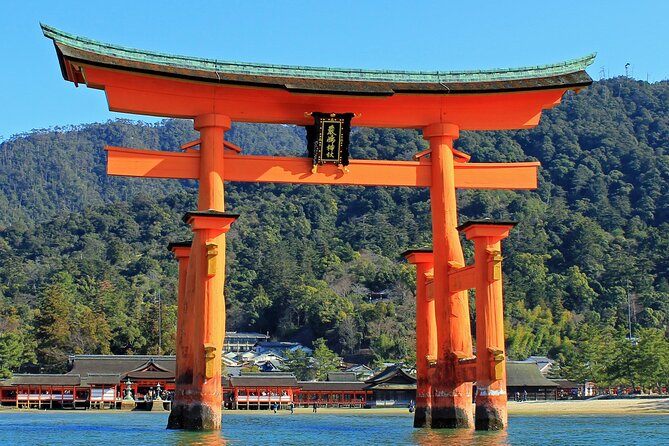
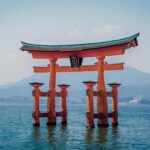
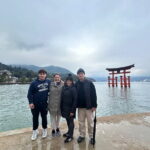
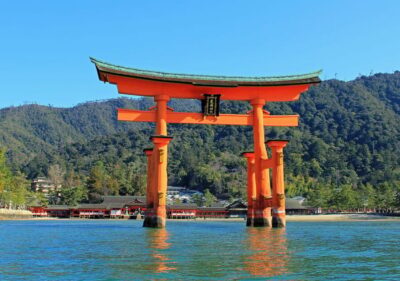
The red torii gate is the visual star. At high water, it appears to float offshore, creating one of Japan’s most recognizable views. The exact appearance depends on tide and weather, so do not expect the same scene in every photograph.
The scheduled shrine visit is about 50 minutes, including admission. That gives you enough time to walk through the main complex, hear the story behind the construction, and look toward the gate. It is not enough for a slow circuit of every corner of Miyajima.
You may also find that the route involves a fair amount of walking from the ferry area. If you are an older visitor or tire easily, take the pace seriously. One person on the tour found the distance to the shrine tiring, even though the site itself was well worth seeing.
Daishoin Temple and its colorful guardian statues
Daishoin Temple receives about 30 minutes of the schedule and offers a quieter counterpoint to Itsukushima Shrine. The grounds are photogenic, with many Jizo guardian statues dressed in bright colors, relaxed Buddha figures, and rows of lanterns.
This stop is easy to underestimate. The shrine and torii gate get most of the attention, but Daishoin gives you a closer look at Japanese Buddhist imagery and a less famous part of Miyajima’s religious life.
Thirty minutes is enough to notice the details and take photographs, though you will not have time to linger everywhere. Stay aware of the meeting instructions. A beautiful side path is not worth missing the bus or ferry.
What the price includes at $129.25
At $129.25 per person, this tour is not the cheapest way to visit Hiroshima and Miyajima. Its value comes from the amount of coordination packed into one day.
The price includes the air-conditioned coach, English-speaking guide, bus audio guidance, Hiroshima Peace Memorial Museum admission, Miyajima Island admission, Itsukushima Shrine admission, and round-trip ferry tickets. Lunch is included only if you select the lunch option.
If you arranged each transfer and ticket yourself, you might spend less. You would also need to manage the timing between city sights, ferry departures, the island, and the return to Hiroshima. For a first visit or a short stay, the convenience can justify the extra cost.
The tour is particularly useful if you want a broad first look rather than a slow specialist visit. It is less suitable if you want several hours at the museum, a relaxed island lunch, or time for every Miyajima side street.
Who will get the most from this day
I would recommend this tour to you if you have only one day in Hiroshima, want an English-speaking guide, or prefer not to coordinate public transport and admissions. It also suits families and teenagers who benefit from a clear plan and a guide who can keep the day moving.
The guide style appears to be a major part of the experience. Rino is described as warm, organized, and good at food suggestions. Marin is praised for humor, energy, and keeping different ages involved. Momiji is noted for detailed explanations, Japanese language tips, and even taking photographs. Mo is remembered for going beyond the basic commentary and teaching a few Japanese words.
Those names do not guarantee which guide you will receive, but they show the sort of service to expect: personal attention within a large group, practical advice, and explanations that aim to keep the day human rather than dry.
You should think twice if crowds make you anxious, if you need a slow walking pace, or if you dislike fixed schedules. The museum can feel packed, and there is no chance to join late after the bus leaves.
Vegetarian lunch is available, with no pork or seafood, but it does include eggs and gluten. The operator does not provide allergy-free food. If you have a severe allergy, choose the no-lunch option and bring your own meal.
Should you book the Hiroshima and Miyajima bus tour?
Book it if your time is short and you want the two essential sides of Hiroshima in one organized day: remembrance in the city and sacred island scenery at Miyajima. The included admissions, ferry, coach, and guide make the $129.25 price reasonable for many first-time visitors.
Skip it if you want to set your own pace, spend several hours in the Peace Memorial Museum, or explore Miyajima after dark. You will see a lot, but the schedule gives you an introduction, not a complete island visit.
For the best experience, arrive early, wear comfortable shoes, bring water, think carefully about the lunch choice, and leave your post-tour train plans loose. That small preparation lets you focus on the important parts of the day.
FAQ
How long does the Hiroshima and Miyajima tour last?
The tour lasts approximately 8 hours. It begins at 10 a.m. and ends back at the meeting point.
Where does the tour begin and end?
The meeting point is Currency ExchangeJapan in Hiroshima’s Minami Ward, near public transportation. The tour ends back at the same location.
Are the ferry and entrance fees included?
Yes. The tour includes round-trip ferry tickets, admission to the Hiroshima Peace Memorial Museum, admission for Miyajima Island, and admission to Itsukushima Shrine.
Is lunch included?
Lunch is included only if you select the lunch option. The meal is Hiroshima-style okonomiyaki. A vegetarian option is available, but it contains eggs and gluten and is not allergy-free.
What languages are available for the audio guide?
Audio guidance on the bus is available in English, French, Spanish, Italian, German, Portuguese, and Ukrainian.
Can I take a Shinkansen after the tour?
Yes, but the operator advises booking a Shinkansen after 6:30 p.m. at the earliest. It is safer to purchase the ticket after the tour on the day because the route and return time can change.
More 1-Day Tours in Hiroshima
More Hiroshima City Tours in Hiroshima
More Miyajima Tours in Hiroshima
More tours in Hiroshima we've reviewed


Miyajima Tours, compared.
 ★ 4.9Hiroshima: Hiroshima and Miyajima UNESCO Sites 1-Day TourFrom $1228 hours
 ★ 5.0Hiroshima / Miyajima Full-day Private Tour with Government Licensed GuideFrom $202
 ★ 4.7Osaka/Kyoto: Hiroshima Miyajima Bus Tour & Shinkansen TicketFrom $27712 hours
 ★ 4.7From Hiroshima: Hiroshima & Miyajima 1 Day Tour with LunchFrom $1168 hours
 ★ 5.0Hiroshima and Miyajima Day Trip with Itsukushima Shrine & FerryFrom $45
 ★ 4.5Full Day Hiroshima and Miyajima Bus Tour from HiroshimaFrom $152
