
Reviewed · TEA CEREMONY & KIMONO EXPERIENCES
Hiroshima: Tea Ceremony, Taiyaki, and Coffee Experience
The best part of this Hiroshima experience is its mix of local food and living culture. In one hour, you sit down near the Atomic Bomb Dome for taiyaki from Yoshio in Akiota Town, traditional sweets, and coffee, then learn how to prepare matcha in a casual tea ceremony.
I like the personal scale, with no more than eight people, and I like the setting. The café is only a five-minute walk from the Atomic Bomb Dome, so this is an easy way to add a calm cultural stop to a serious sightseeing day. The main drawback is time: one hour goes quickly, and the tea ceremony is a friendly introduction rather than a long, formal lesson.
In This Review
- Key points to know before booking
- A gentle start near Hiroshima’s Peace Park
- Taiyaki, sweets, and coffee with a local connection
- Hiroshima beyond the usual two sights
- A casual matcha lesson at the table
- Is $38 a fair price?
- Who will enjoy this one-hour experience?
- Practical details that shape the experience
- A calm break in a serious sightseeing day
- Should you book it?
- FAQ
- Where does the Hiroshima tea ceremony experience meet?
- How long does the activity last?
- What food and drink are included?
- Where does the taiyaki come from?
- Is the tea ceremony formal?
- Is the experience available in English?
- How many people can join the group?
- Is the venue wheelchair accessible?
- Are lunch and souvenirs included?
Key points to know before booking
- Taiyaki from Akiota Town: The fish-shaped pastry comes from Yoshio, a popular shop in Hiroshima Prefecture.
- A Hiroshima guide, not just a tea host: You hear about local food, the atomic bombing, reconstruction, and the city beyond Miyajima and the Atomic Bomb Dome.
- A table-style tea ceremony: You learn about matcha without needing to sit in a formal kneeling position.
- A small group of up to eight: The format gives you a better chance to ask questions and follow the tea preparation.
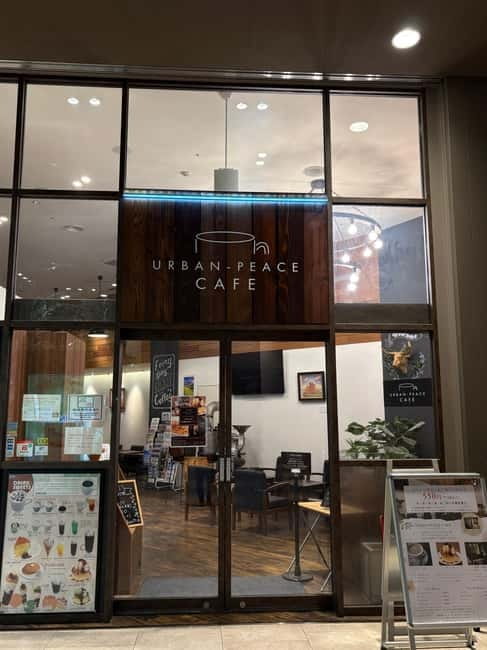
- A handy central location: URBAN PEACE CAFE is near the Atomic Bomb Dome and Kamiyacho Shareo Central Square.
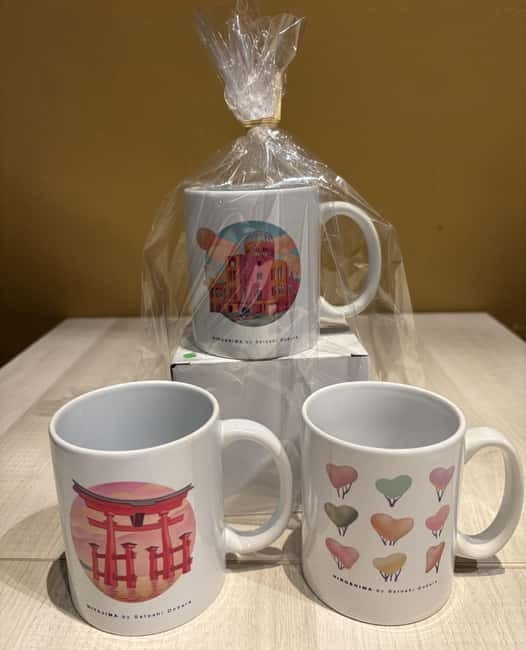
- A useful add-on for souvenirs: Tour participants receive 10 percent off coffee cups and tote bags sold at the café.
A gentle start near Hiroshima’s Peace Park
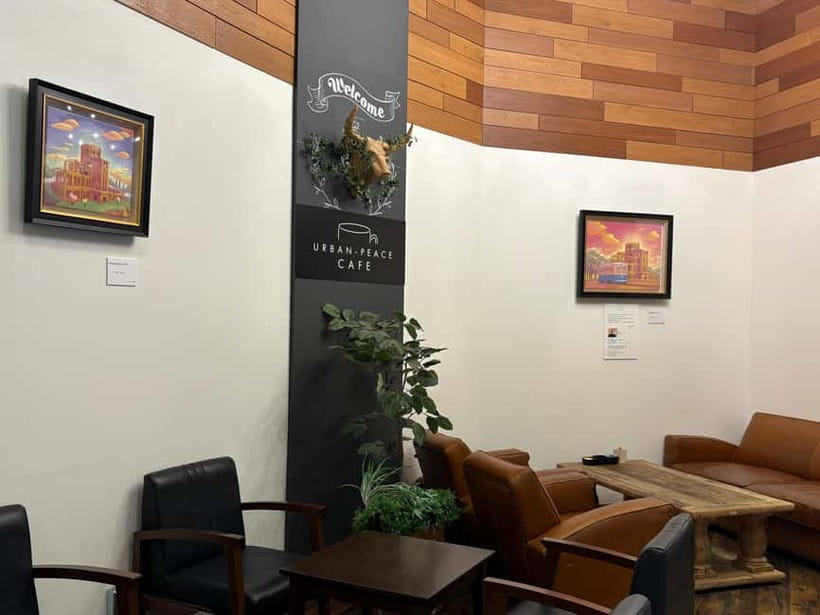
You meet at URBAN PEACE CAFE, about five minutes on foot from the Atomic Bomb Dome and next to Kamiyacho Shareo Central Square. That location matters. You can visit the Peace Memorial Park first, then step indoors for food and conversation without spending time crossing the city.
Arrive 10 minutes before the scheduled start. The venue is easy to pair with a morning or afternoon around the Peace Memorial Museum and Atomic Bomb Dome, though the experience itself does not include transportation or entry to those sights.
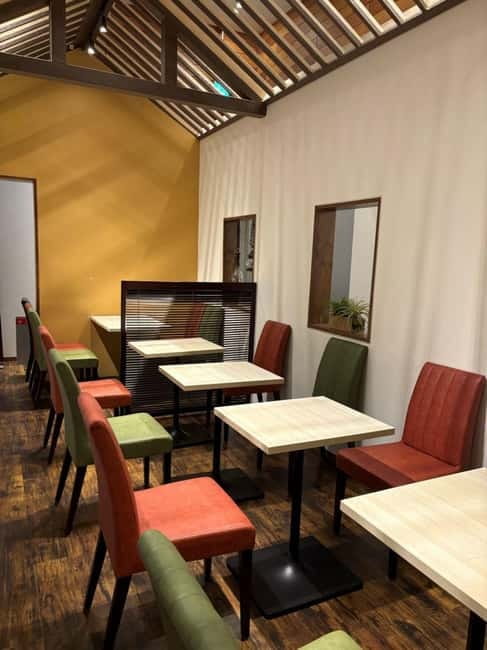
The café setting also changes the mood. This is not a stage performance or a highly formal ceremony. You sit at a table, eat, listen, and take part. If the idea of a traditional tea ceremony makes you picture strict rules and uncomfortable floor seating, this format is much more approachable.
The experience is conducted in English with a live guide. The group limit is eight people, which is small enough to keep the tea preparation visible and the conversation manageable. It also means that individual bookings can feel more personal than a large coach excursion.
A few more Hiroshima tours and experiences worth a look
Taiyaki, sweets, and coffee with a local connection
The food portion begins with a set of traditional Japanese sweets, taiyaki, and coffee. Taiyaki is a fish-shaped pastry, usually filled with sweet bean paste. Here, it comes from Yoshio, a popular shop in Akiota Town, Hiroshima Prefecture.
That detail gives the snack more purpose than a generic café treat. You are not simply eating a familiar Japanese pastry. You are tasting a product connected to a town within the prefecture, while hearing about Hiroshima’s food culture from someone who can place it in a wider local context.
One booking particularly praised the red bean paste pastry and the matcha. If you enjoy sweet bean paste, this should be one of the highlights. If you prefer savory food, remember that this set is a snack rather than lunch.
Coffee is included, and the café also serves lunch before or after the tour. Lunch is not part of the $38 price, so plan to pay separately if you want a fuller meal. The café’s lunch option can be convenient, but I would not book this activity expecting a complete dining experience.
The pace is sensible. You have something to eat while the guide introduces Hiroshima, so the history arrives through conversation rather than as a separate lecture. That makes the hour feel varied. You are not sitting through a history talk first and waiting for the enjoyable part later.
Hiroshima beyond the usual two sights
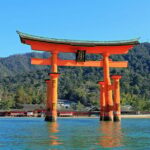
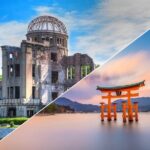
Many first visits to Hiroshima focus on Miyajima and the Atomic Bomb Dome. Those places are essential, but Hiroshima has more to explain. This experience gives a guide room to discuss local gourmet food, the city’s history, the situation during the atomic bombing, and the rebuilding that followed.
The historical subject matter needs care, and the setting near the Atomic Bomb Dome gives it clear meaning. You are close to one of Hiroshima’s central memorial sites, yet the conversation is not limited to a description of the building. You hear about the city and its people in a setting where food, recovery, and daily life can be discussed together.
The guide is a Hiroshima Prefecture Government Licensed Guide Interpreter. That credential is useful for visitors who want more than basic sightseeing facts, especially if this is your first time in the city. The exact balance of food, history, and tea may depend on the guide and the questions in your group.
One guide named Yurie received especially warm praise for being kind, patient, and attentive. She also took time to make sure a family with two young children understood the ceremony after arriving very late. That is a useful sign of a flexible teaching style, though you should still arrive on time so you receive the full hour.
This is not a substitute for the Peace Memorial Museum or a dedicated history tour. Instead, it provides a shorter, more personal introduction that connects the city’s past with its present food and social culture.
A casual matcha lesson at the table
After the food and conversation, you take part in a table-style tea ceremony. A guide with tea ceremony experience explains how to prepare delicious matcha, then helps you understand the meaning behind the actions.
The phrase ichigo ichie is central to tea culture. It means treasuring each encounter because it will not happen again. In this setting, that idea is easy to grasp. You share tea with people from around the world in Hiroshima, a city known as the City of Peace, and the ceremony becomes a chance to slow down for a few minutes.
The table format is a real advantage for many visitors. You do not need to worry about kneeling on the floor or knowing formal etiquette in advance. The activity is designed as a casual introduction, so you can focus on the matcha, the movements, and the explanation.
You should not expect a full tea-school lesson. The duration is only one hour, and that hour includes the food set and Hiroshima talk. If you already have serious experience with tea ceremony, this may feel basic. For a first encounter, however, the shorter format keeps the experience comfortable and easy to fit into a busy itinerary.
The tea preparation also gives the guide a natural way to explain Japanese customs. Instead of merely watching someone make matcha, you learn what you are doing and why the process matters. The emphasis is on sharing the experience, not testing your ability to follow perfect form.
Is $38 a fair price?
At $38 per person, this is not the cheapest way to buy a pastry and coffee in Hiroshima. You are paying for more than the food. The price includes the taiyaki and coffee set, an English-language Hiroshima guide, and the table-style tea ceremony.
The value is strongest if you want all three parts. A café snack alone would not justify the cost for most people. A formal private tea lesson would offer more depth, but it would likely require more time and a different budget. This experience sits between the two: part food stop, part cultural lesson, and part guided introduction to Hiroshima.
The small group improves the value. With a maximum of eight participants, the guide can explain the matcha preparation at close range and respond to questions. You are also less likely to feel lost during the ceremony than you might in a larger demonstration.
The location adds practical value. Because URBAN PEACE CAFE is close to the Atomic Bomb Dome, you do not need a separate trip across town. You can fit the experience around Peace Park sightseeing, a café break, or lunch.
The 10 percent in-store discount is a pleasant extra, but I would not use it as the reason to book. Coffee cups and tote bags are not included, and you pay for them separately. They may make good Hiroshima souvenirs if you want something useful rather than another small trinket.
A few more Hiroshima tours and experiences worth a look
Who will enjoy this one-hour experience?
I would recommend this activity to first-time visitors who want a gentle introduction to Hiroshima. It gives you food, context, and a small cultural activity without taking half a day.
It also suits people who are curious about matcha but do not want a highly formal ceremony. The table seating and English guidance make the experience easier for beginners. You can take part without arriving with knowledge of tea etiquette.
Families with children over six may also find the format manageable. Children under six are not accepted, and babies under one year are not suitable for the activity. The positive account of Yurie helping a family with two young children suggests patience, but the one-hour schedule still works best when everyone can sit and listen for short stretches.
This is a good pick for solo visitors and couples who like small groups. You will have a chance to meet people from other countries, while the café setting avoids the stiffness that some formal cultural activities can have.
I would be more cautious if you want a full meal, a long tea ceremony, or a detailed specialist history tour. You get an overview of Hiroshima’s history and reconstruction, but the experience must also make room for food and matcha. Think of it as a compact cultural sampler.
Practical details that shape the experience
The meeting place is URBAN PEACE CAFE. Use the supplied map link when planning your route, and allow enough time to find the café near Kamiyacho Shareo Central Square. Arriving 10 minutes early is required and is especially sensible if you are coming from the Peace Memorial Park.
The activity lasts one hour. Starting times vary, so check availability for your date before planning lunch or museum visits around it.
English is the listed language. The tour has a live guide rather than a recorded presentation, which makes questions possible during both the Hiroshima discussion and the tea lesson.
The venue is wheelchair accessible. Pets are not allowed, and alcohol and drugs are prohibited.
The experience offers free cancellation up to 24 hours before the start time for a full refund. You can also reserve now and pay later, useful if your Hiroshima plans may shift.
Because the tea ceremony is table-style, it is a practical choice for visitors who prefer not to sit on the floor. Still, the available information does not promise a fully private booking, so expect to share the table with other participants.
A calm break in a serious sightseeing day
Hiroshima asks you to move between difficult history and ordinary life. You may spend the morning thinking about the atomic bombing and the city’s destruction, then find yourself choosing lunch, buying coffee, or planning the next train. This experience makes room for both sides of Hiroshima.
The taiyaki connects you with a local food tradition. The guide’s explanations connect that food with the prefecture and city. The matcha ceremony then gives you a quiet shared activity, with ichigo ichie as its guiding idea.
That combination is why I find the experience more useful than a simple snack stop. You leave with a taste of Hiroshima, a basic understanding of matcha preparation, and more context for the streets and memorial sites nearby.
The short length is both its strength and its limit. One hour is easy to fit into a packed schedule, but you should not expect every aspect of Hiroshima’s history or tea culture to receive a full treatment. The experience gives you a starting point and a human connection, not a complete course.
Should you book it?
Book this if you want a small-group, English-language introduction to Hiroshima that combines local food, history, and matcha in one convenient stop. The $38 price is reasonable when you value the guide and ceremony as much as the taiyaki and coffee.
It is especially well suited to first-time visitors, food-minded travelers, families with children over six, and anyone who wants a relaxed cultural activity near the Atomic Bomb Dome. The kind, patient approach associated with guide Yurie is another encouraging detail for families and beginners.
Skip it if you want a substantial lunch, a long formal tea ceremony, or a deep specialist study of the atomic bombing. For most visitors seeking a friendly one-hour experience with genuine local context, this is a smart addition to a Hiroshima itinerary.
FAQ
Where does the Hiroshima tea ceremony experience meet?
It meets at URBAN PEACE CAFE, about a five-minute walk from the Atomic Bomb Dome and next to Kamiyacho Shareo Central Square.
How long does the activity last?
The experience lasts one hour.
What food and drink are included?
The price includes a taiyaki and coffee set, along with traditional Japanese sweets.
Where does the taiyaki come from?
The taiyaki comes from Yoshio, a popular shop in Akiota Town in Hiroshima Prefecture.
Is the tea ceremony formal?
It is a casual, table-style tea ceremony. A guide explains how to prepare matcha, so you do not need prior tea ceremony experience.
Is the experience available in English?
Yes. The activity includes a live English-speaking guide.
How many people can join the group?
The group is limited to eight participants.
Is the venue wheelchair accessible?
Yes, the activity venue is wheelchair accessible.
Are lunch and souvenirs included?
No. Lunch and souvenirs, including coffee cups and tote bags, cost extra. Tour participants receive a 10 percent discount on in-store souvenirs.
More Tea Ceremony & Kimono Experiences in Hiroshima
More Hiroshima City Tours in Hiroshima
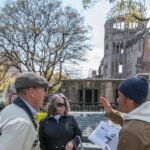
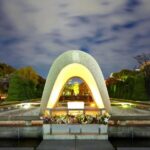
More tours in Hiroshima we've reviewed
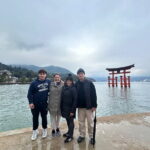
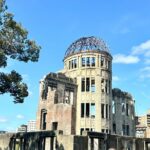
Tea Ceremony & Kimono Experiences, compared.
 ★ 5.0Hiroshima Local guided Hiking Tour&Open-air Tea CeremonyFrom $109
 ★ 5.0Kimono and Tea Ceremony in MiyajimaFrom $85
 ★ 5.0An Amazing set of Cultural experience: Kimono, Tea Ceremony and CalligraphyFrom $132
 ★ 4.8Hiroshima: Morning Hiking Tour with Open-air Tea CeremonyFrom $1063 hours
 ★ 5.0Cultural Activities :Kimono, tea ceremony, Calligraphy and AmuletFrom $171
 ★ 5.0Experience the Soul of Hiroshima: A Peaceful Koto WorkshopFrom $501h 30m
