
Reviewed · PEACE MEMORIAL TOURS
Half Day Peace Park and Bomb Dome Tour
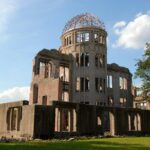
Hiroshima’s Atomic Bomb Dome gives this tour its emotional center. You stand beside the damaged 1915 building, hear what happened on August 6, 1945, then follow the city’s recovery through the Peace Memorial Park and museum. I like the clear route and the chance to visit ground zero at Shima Hospital, a detail easy to miss alone.
I also like the small group limit of 10, which should make questions easier and the pace more personal. The main drawback is time: about 2 hours and 40 minutes is enough for an introduction, not a slow museum visit or a full study of every memorial.
In This Review
- Key points at a glance
- Why this short Hiroshima tour matters
- Starting at the Peace Park Rest House
- Reading the Atomic Bomb Dome
- Standing near ground zero at Shima Hospital
- Understanding the Rest House’s wartime story
- Walking through Hiroshima Peace Memorial Park
- Meeting Sadako at the Children’s Peace Monument
- Pausing at the Cenotaph for Atomic Bomb Victims
- Spending an hour in the Peace Memorial Museum
- How the small group changes the experience
- Is $88.21 a fair price?
- Who should book this experience?
- Practical ways to get more from the visit
- Should you book the Hiroshima Peace Park tour?
- FAQ
- How long is the Peace Park and Bomb Dome tour?
- How much does the tour cost?
- Where does the tour start?
- Where does the tour end?
- Is admission to the Peace Memorial Museum included?
- Is private transportation included?
- What sites does the tour visit?
- How many people can join the tour?
- Can I cancel for a full refund?
Key points at a glance
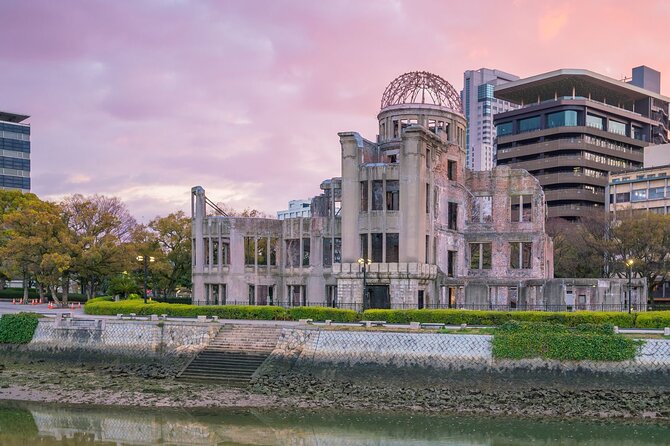
- See the Atomic Bomb Dome first: Hear how this former exhibition building survived the blast and became Hiroshima’s best-known symbol.
- Visit the actual ground-zero area: Shima Hospital marks the point where the bomb detonated above the city.
- Enter the Peace Memorial Museum: Your admission is included, with about one hour set aside for wartime objects and personal stories.
- Follow Sadako Sasaki’s story: The Children’s Peace Monument connects the bombing to the paper-crane tradition.
- Keep the group small: A maximum of 10 people gives the guide room to explain difficult subjects and answer questions.
- Return to the Rest House: The tour begins and ends at the Hiroshima Peace Park Rest House, with no private transport provided.
Why this short Hiroshima tour matters
Hiroshima is not simply a place to check off a museum and a famous building. The city asks you to hold two ideas together: the terrible human cost of the atomic bombing and the determined effort to build a city devoted to peace.
This tour works because it links those ideas on foot. You begin with the Atomic Bomb Dome, move through the exact ground-zero area, enter the park’s memorial spaces, and finish with the museum. The order gives you physical context before the museum presents its objects and testimony.
I find that approach useful. If you visit the museum without seeing the city around it, the material can feel disconnected from the streets and waterways of Hiroshima. Here, the guide places each stop on the map and explains how the bombing changed the area.
The price is $88.21 per person. That is not a bargain for a walk lasting less than three hours, especially since most of the sites outside the museum are free. Still, the fee includes a guide and Peace Memorial Museum admission, and the value rests mainly in the explanations, route planning, and emotional context.
The tour is often booked about 73 days ahead, so it makes sense to reserve early if your Hiroshima dates are fixed. You receive a mobile ticket, and confirmation arrives when you book.
A few more Hiroshima tours and experiences worth a look
Starting at the Peace Park Rest House
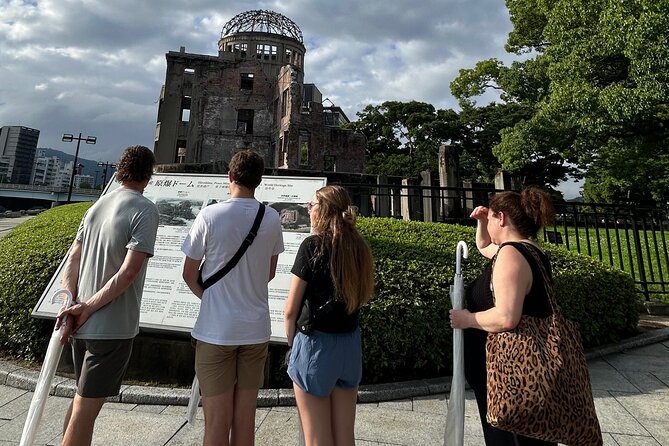
The meeting point is the Hiroshima Peace Park Rest House in Nakajimacho. This is also where the tour ends, which keeps the day simple. You do not need to arrange a transfer between the beginning and finish, and the location is near public transportation.
The Rest House is more than a practical meeting spot. The building once housed the Taishoya kimono shop, where traditional Japanese clothing was sold. During the bombing, only one person inside survived, making the structure an important part of the area’s story.
Your tour spends about 20 minutes here. That is enough time to hear the building’s history and understand how ordinary commercial life was interrupted by the blast. You may want to arrive with a few minutes to spare, since the tour does not begin at the Dome itself.
No private transportation is included. That is not a serious concern for this route, since the main sites are close together and the walk is the point. Wear comfortable shoes and be ready to remain outdoors between stops.
Reading the Atomic Bomb Dome
The first major stop is the Atomic Bomb Dome, with about 20 minutes for explanation and viewing. The building was completed in 1915 and designed by a Czech architect, giving it a form that differs from typical Japanese construction of the period.
Its damaged walls and exposed framework are difficult to look at casually. The remains are preserved as they were after the blast, and your guide explains what happened in 1945 and how Hiroshima rebuilt itself around this ruin.
I like starting here because the Dome is not presented as an isolated monument. It was once a working public building in a busy part of the city. The contrast between its former purpose and its present condition helps you picture the life that existed before the bombing.
Twenty minutes is brief. You will get the essential explanation and time to look, but you will not linger over every angle or take an extensive photo break. If you want detailed architectural information or quiet reflection, plan to return later on your own.
Standing near ground zero at Shima Hospital
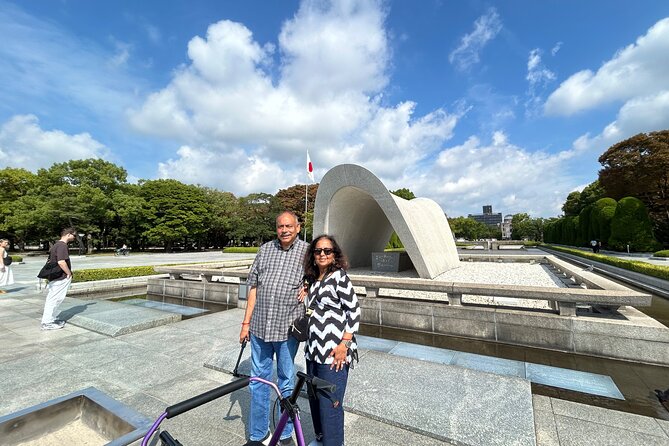
The walk continues to Shima Hospital, identified as the ground-zero location. The stop lasts about 10 minutes and focuses on the hospital, its workers, and the people who were there when the bomb exploded.
This is one of the tour’s most important details. The Dome is the famous image, but ground zero gives you a more exact sense of where the blast occurred. The distance between the major sites can otherwise make the event feel abstract.
The stop is short and serious. You should expect a focused explanation rather than a long visit inside a working attraction. I value this pause because it shifts attention from a preserved building to the people who were present in a hospital at the moment of the attack.
Understanding the Rest House’s wartime story
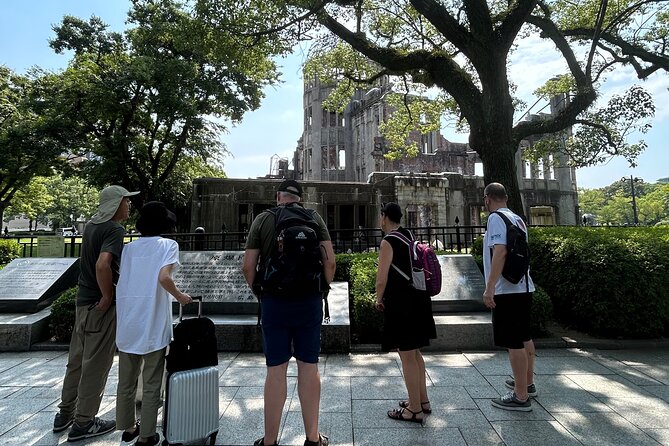
The group returns to the Peace Park Rest House for another 20-minute look at its history. Learning that the building was once a kimono shop adds a personal scale to the visit. This was a place of work, trade, and everyday routines before it became part of the memorial district.
The survival story connected to the building is especially striking. Only one person inside survived the explosion, despite the building’s location in the affected area.
You get more from this stop if you listen for the connection between ordinary life and historical catastrophe. The building is not only an old structure. It helps explain how quickly the familiar world of Hiroshima disappeared.

Walking through Hiroshima Peace Memorial Park
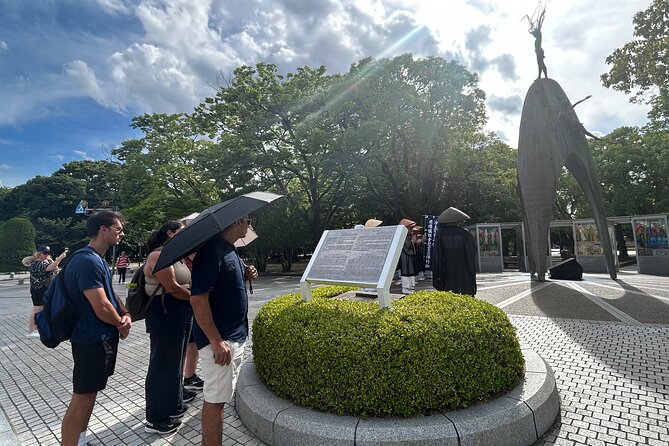
The broader Peace Memorial Park receives about 30 minutes. This is where the tour places the city’s public commitment to peace in view. People come here to pray, remember those who died, and reflect on the goal that nuclear weapons should never be used again.
The park also introduces the work of architect Kenzo Tange. The Peace Memorial Museum was constructed after the Second World War in 1954, and the park’s design gives the memorial area a deliberate civic shape rather than treating it as a collection of unrelated markers.
Thirty minutes allows for orientation and explanation, but it is not enough for every path, memorial, and inscription. That is a feature for some people and a limitation for others. If you prefer to read every plaque at your own pace, save extra time after the tour.
The park can feel quiet and open, which gives the subject room to settle. At the same time, the guided route keeps you moving. You will not spend the whole morning standing at one monument.
Meeting Sadako at the Children’s Peace Monument
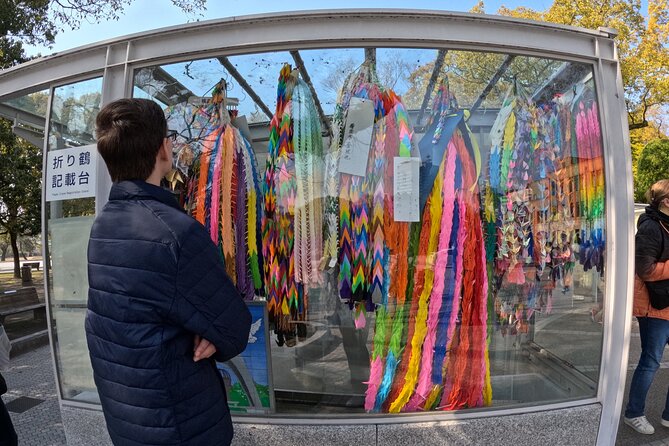
The Children’s Peace Monument is a short five-minute stop, centered on Sadako Sasaki. She was two years old when the atomic bombing took place, and her later story helped inspire the practice of folding 1,000 paper cranes.
This is a brief explanation, but it adds a child’s experience to a tour that otherwise moves through buildings, public memorials, and museum objects. The paper cranes also show how remembrance has taken a practical, shared form.
Do not expect a long craft activity or time to examine every crane display. The value here is the story and its place within the park. If the subject affects you strongly, you may want to revisit the monument later after the group has moved on.
Pausing at the Cenotaph for Atomic Bomb Victims
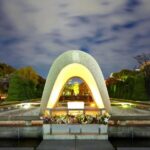
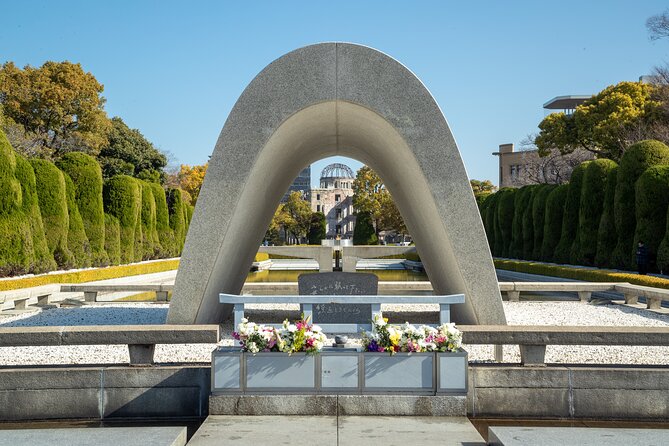
The Cenotaph for the Atomic Bomb Victims receives about 10 minutes. The registry of those who died in the bombing is enshrined here, making the stop central to the park’s act of remembrance.
Your guide explains why the monument matters and how it fits into the larger memorial area. This is a place where a short pause can carry more weight than a long lecture. The form is simple, while the names represented by the registry are not.
The stop also prepares you for the museum. You move from public remembrance to individual evidence, from a monument representing many lives to objects connected with specific people.
Spending an hour in the Peace Memorial Museum
The museum is the longest stop, with about one hour included in the plan. Admission is covered by the tour price, and the exhibits include wartime clothing, damaged belongings, and other objects connected to the bombing and its aftermath.
This is the part of the tour most likely to stay with you. The museum does not depend only on dates and military facts. Personal objects make the destruction easier to understand at a human scale. Clothing, bent items, and other remains show what the blast did to daily life.
One hour is useful, but it is still a compressed visit. The museum has enough material to occupy much longer, especially if you read every explanation carefully. I would treat the guided hour as a first visit that gives you a framework, not as your only possible museum time.
The subject is painful. You may find some displays upsetting, and that is part of their purpose. The tour’s earlier stops help you enter the museum with a sense of place, while the guide’s explanations can help you understand what you are seeing without reducing it to shock.
If you want a quiet, private museum experience, a guided group may feel restrictive. You will follow the tour’s timing and route. If you want context and a clear introduction, the structure is useful.
How the small group changes the experience
The maximum group size is 10. That is a meaningful advantage on a walking tour built around sensitive questions. A guide can usually hear individual questions more easily in a small group than in a large crowd, and the pace may feel less like a procession.
The experience provider identifies Kippei-san in its response to a tour participant, so he is one guide you may encounter. Since guide assignments can vary, book this for the route and subject rather than assuming a specific person is guaranteed.
The guide’s role matters here. The buildings and monuments are accessible without a tour, but their significance is not always obvious from a quick look. The difference between seeing the Dome and understanding the Dome is the main reason to pay for this experience.
Is $88.21 a fair price?
At $88.21, this tour charges for interpretation more than for admissions. The outdoor sites do not charge an entrance fee, but the Peace Memorial Museum admission is included, along with the guide.
I think the price makes the most sense for a first-time visitor with limited time in Hiroshima. You receive a planned route, a local perspective, and a compact explanation of the key sites without having to assemble the sequence yourself.
The value is weaker if you already know the memorial district well or plan to spend a full day reading everything independently. In that case, the fixed pace may not justify the cost.
The tour is about 2 hours and 40 minutes. The scheduled stops add up to roughly the same length, with most of the time divided between the outdoor memorials and one hour in the museum. It gives you room to see other parts of Hiroshima afterward, which is a real benefit for a short stay.
Who should book this experience?
I would choose this tour if you are visiting Hiroshima for the first time, want historical context, and prefer a clear route through emotionally difficult material. It also suits you if you have only part of a day available and want to leave time for other areas of the city.
It is a good fit for people who want to ask questions as they go. The small group limit and walking format keep the experience focused without turning it into a long formal lecture.
You may want to skip it if you need a slow, solitary visit. The timetable is tight, and the museum alone can reward more than an hour. Families and older visitors should also consider their comfort with walking and standing, since private transportation is not included and the tour moves between several nearby sites.
The tour is listed as suitable for most people, and it is near public transportation. Specific accessibility details are not provided, so contact the provider if you need arrangements beyond the standard walking route.
Practical ways to get more from the visit
Give yourself a little time before the meeting point. The Rest House is both the start and finish, and arriving early reduces the stress of finding the group.
Bring a mobile ticket and wear shoes suited to walking. The tour does not include private transport, and the route connects outdoor memorials with the museum.
Keep your museum expectations realistic. One hour gives you the main experience, but you may want to return later if you need more time with the exhibits. The same is true of the Peace Memorial Park, where the planned 30-minute visit offers an overview rather than a complete visit.
Finally, leave some quiet time after the tour. The subject is not light, and the best part of the experience may be the chance to think about what you have seen before rushing to the next attraction.
Should you book the Hiroshima Peace Park tour?
Book it if you want a focused introduction to Hiroshima’s most important peace sites, especially if you have limited time or prefer a guide to connect the buildings, people, and memorials.
The strongest parts are the visit to Shima Hospital at ground zero, the small group size, and the included museum entry. The main tradeoff is the short schedule. You will gain a strong framework, but you will not examine every exhibit or memorial at leisure.
For a first visit, I think the balance works. The tour gives you the essential route, leaves the rest of your day open, and helps ensure that the Atomic Bomb Dome, Sadako’s monument, the Cenotaph, and the museum are understood as parts of one difficult story.
FAQ
How long is the Peace Park and Bomb Dome tour?
The tour lasts approximately 2 hours and 40 minutes.
How much does the tour cost?
The listed price is $88.21 per person.
Where does the tour start?
It starts at the Hiroshima Peace Park Rest House in Nakajimacho, Hiroshima.
Where does the tour end?
The activity ends back at the Hiroshima Peace Park Rest House, the same place where it begins.
Is admission to the Peace Memorial Museum included?
Yes. The tour includes the entrance fee for the Peace Memorial Museum.
Is private transportation included?
No. Private transportation is not included. The tour takes place around the Peace Memorial Park and nearby sites.
What sites does the tour visit?
It visits the Atomic Bomb Dome, Shima Hospital, the Peace Park Rest House, Hiroshima Peace Memorial Park, the Children’s Peace Monument, the Cenotaph for Atomic Bomb Victims, and the Peace Memorial Museum.
How many people can join the tour?
The activity has a maximum group size of 10 people.
Can I cancel for a full refund?
Yes, you can cancel for a full refund if you cancel at least 24 hours before the experience start time. Changes or cancellations made less than 24 hours in advance are not accepted for a refund.
More Peace Memorial Tours in Hiroshima


More tours in Hiroshima we've reviewed


Peace Memorial Tours, compared.
 ★ 4.8Hiroshima Historical Walking Tour – Why A-Bomb was DroppedFrom $352h 30m
 ★ 5.0Hiroshima Peace (Heiwa) Walking Tour at World Heritage SitesFrom $94
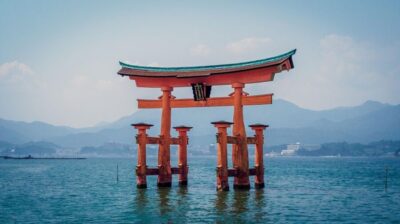 ★ 4.9Hiroshima: Miyajima Peace Memorial Icons of Peace and BeautyFrom $1638 hours
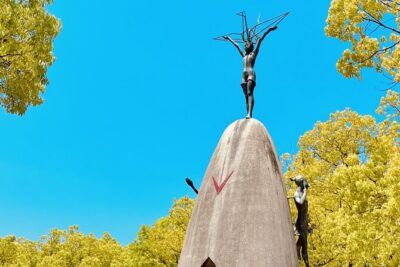 ★ 5.0Hiroshima Walking Tour Why A Bomb was dropped to HiroshimaFrom $28
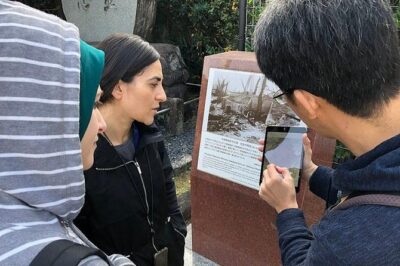 ★ 5.0Hiroshima 2hr Peace Cycling Tour with Local GuideFrom $59
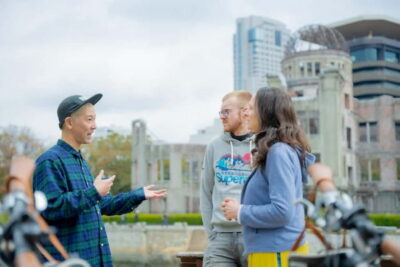 ★ 4.8Hiroshima: Peace Cycling Tour with Local GuideFrom $522 - 3 hours
