
Reviewed · PEACE MEMORIAL TOURS
Hiroshima History Tour : A-Bomb Dome, Peace Memorial & City
Hiroshima is best understood through both its public memorials and its private family memories. This private walking tour brings those two sides together, with a Hiroshima-born guide such as Masa explaining the A-Bomb Dome, Peace Memorial Park, and museum while sharing family connections to the bombing.
I like the one-to-one feel and the freedom to slow down when a question matters. I also like that the route can reach beyond the memorial district to Hiroshima Castle and Shukkeien Garden, giving you a look at the city that exists today. The main catch is stamina: fitting the museum, memorials, castle, and garden into three or four hours can mean plenty of walking and some use of public transport or taxis.
In This Review
- Key points at a glance
- Why the guide makes the difference in Hiroshima
- Starting at the Peace Memorial Museum
- Peace Memorial Park and the A-Bomb Dome
- Adding Hiroshima Castle to the afternoon
- Shukkei-en Garden is worth protecting
- How the private format changes the day
- Walking, public transport, and the real cost
- Who should book this Hiroshima tour?
- Booking details worth knowing
- Should you book it?
- FAQ
- How long does the Hiroshima History Tour last?
- What is the price of the tour?
- Is this a private tour?
- Which languages are available?
- Is the Peace Memorial Museum included?
- Is Shukkei-en Garden included?
- Is transportation included?
- Where can the guide meet me?
- Can cruise ship passengers book this tour?
- Is the tour wheelchair accessible?
- When is the Peace Memorial Museum closed?
- Can I cancel the tour?
Key points at a glance
- Personal family connections: Some guides are second-generation atomic bomb survivors, including Masa, whose family experience adds a personal layer to the historical explanation.
- A private group only: Your party does not join a larger tour, so the guide can adjust the pace, answer questions, and change the route.
- More than the memorial district: The route may include Hiroshima Castle and Shukkeien Garden, two useful stops for seeing the city beyond its wartime past.
- Museum and garden tickets included: Entry to the Peace Memorial Museum and Shukkeien Garden is covered in the $103 price.
- Walking with transport as needed: The tour is mainly on foot, but you pay separately for any tram, bus, or taxi used during the route.
- A sensitive, thoughtful tone: The subject is handled through family memory, everyday life, and Hiroshima’s message for the future, not just dates and battlefield facts.
Why the guide makes the difference in Hiroshima
The Peace Memorial Museum can be difficult to absorb without context. Its displays are direct, and the volume of information is large. A local guide helps you decide what deserves your attention, explains the setting around each display, and gives you room to ask the questions that naturally arise.
This tour’s guides are Japanese locals with family ties to Hiroshima. Some are second-generation atomic bomb survivors. Others were born and raised in the city or have relatives affected by the bombing. That distinction matters. You are not simply hearing a standard script about August 6, 1945. You are hearing how the event has been remembered within families and carried into modern life.
Masa receives especially strong praise from the people who have booked this experience. She is described as warm, patient, clear in English, and flexible with both older visitors and children. Her family connection as a second-generation survivor gives her explanation a personal edge, but the tour does not stop at personal testimony. She also covers Japanese culture, local customs, the city’s rebuilding, and practical questions about Hiroshima today.
I especially like the balance. Hiroshima should never be reduced to a sightseeing checklist, but a tour that only discusses tragedy can leave you with a narrow view of the city. This route tries to connect the bombing with Hiroshima’s resilience, its present-day streets, and its hope for the future.
A few more Hiroshima tours and experiences worth a look
Starting at the Peace Memorial Museum
The Peace Memorial Museum is usually the emotional center of the tour, with about an hour set aside for a guided visit. The entry ticket is included, and the tour offers skip-the-ticket-line access, which helps when your time in Hiroshima is tight.
An hour is enough for a focused visit, but not enough to see every display at length. You may need to keep moving, especially if you want to fit in the park, A-Bomb Dome, castle, and garden. If the museum is your main reason for booking, tell your guide in advance that you would prefer to spend more time there, knowing that another stop may need to be shortened.
A guide is useful here because the museum can feel overwhelming. You can ask for historical background, clarification of a display, or help understanding how the bombing changed the city and the lives of ordinary families. The tone is serious and respectful. This is not a place for hurried commentary or forced humor, and the local perspective suits the setting.
There is one essential scheduling warning: the Peace Memorial Museum is closed from February 16 through February 21 for renewal. If your visit falls during those dates, confirm how the tour will be adjusted before booking. The other outdoor sites may still be possible, but the museum visit itself will not be.
Peace Memorial Park and the A-Bomb Dome
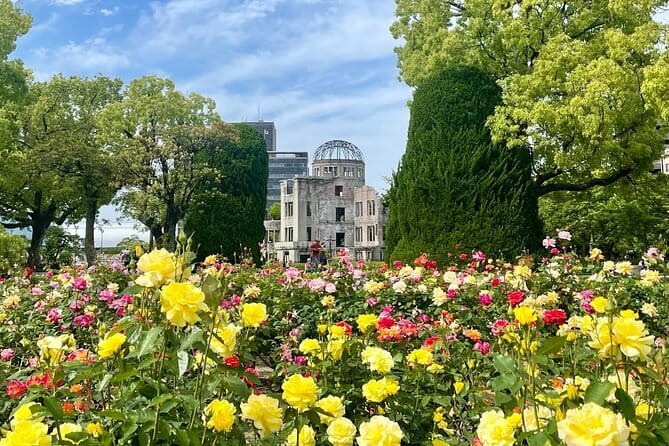
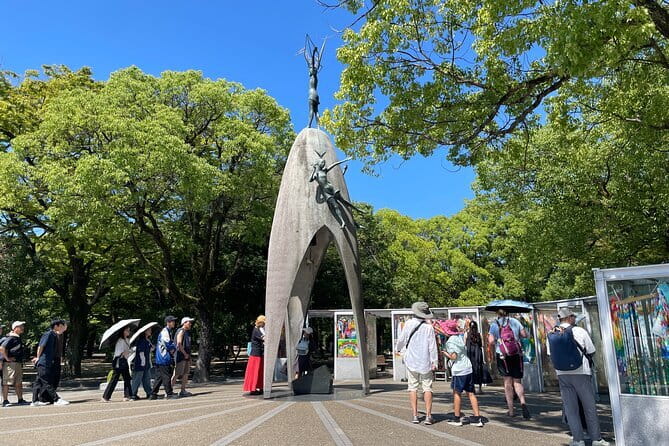
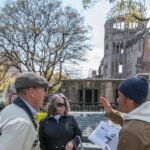
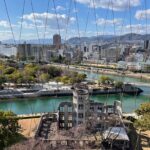
After or around the museum visit, the route continues through Peace Memorial Park. This is a place to pause rather than rush through for a photograph. The park links the museum, memorials, river, and A-Bomb Dome, helping you understand how the sites relate to one another.
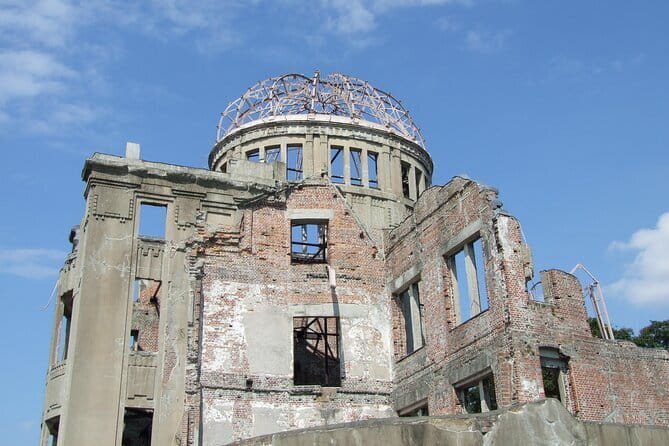
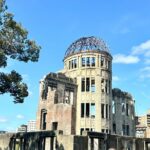
The A-Bomb Dome is the most recognizable structure in Hiroshima’s memorial area. Its preserved remains provide a stark point of reference, especially after the museum has explained what happened in the surrounding city. Your guide can help connect the building to the wider memorial area and explain why it was preserved.
The itinerary includes several additional memorial points, including photo stops and short guided visits. The exact sequence can change based on your pickup point, pace, weather, and interests. That flexibility is valuable, but it also means you should not expect a rigid minute-by-minute schedule.
I would give this section the time it deserves. Photos are natural, but the strongest part of the visit often comes from standing quietly, listening, and asking your guide how Hiroshima remembers the bombing now. The experience is more meaningful when you allow a few pauses instead of treating the park as a path between museum rooms.
Adding Hiroshima Castle to the afternoon
Hiroshima Castle brings a different subject into the tour. The castle area helps you see Hiroshima as a historic Japanese city, not only as the location of a wartime disaster. You can expect a photo stop, a visit, and guided sightseeing, although the time available depends on the rest of the route.
This is a sensible addition for first-time visitors who want a wider picture of the city. It also breaks up the emotional weight of the memorial district. The contrast is useful: Hiroshima has a prewar past, suffered near-total destruction in the atomic bombing, and was rebuilt as a living city.
The tradeoff is time. A three-hour tour can feel full once the museum and Peace Memorial Park are included. If the castle matters to you, tell the guide before the walk begins. If the museum matters more, you may prefer to stay longer there and treat the castle as a brief exterior stop.
Shukkei-en Garden is worth protecting
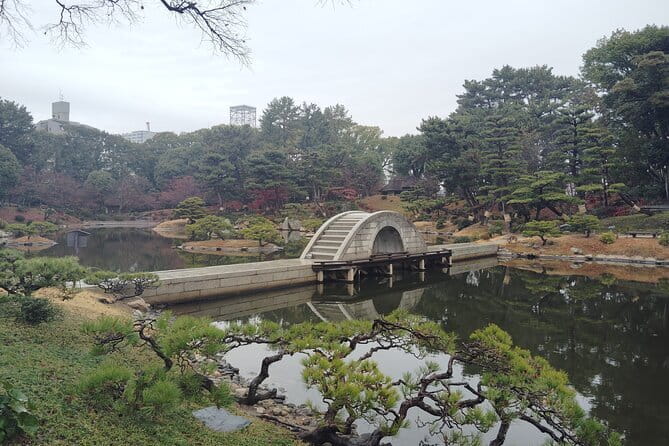
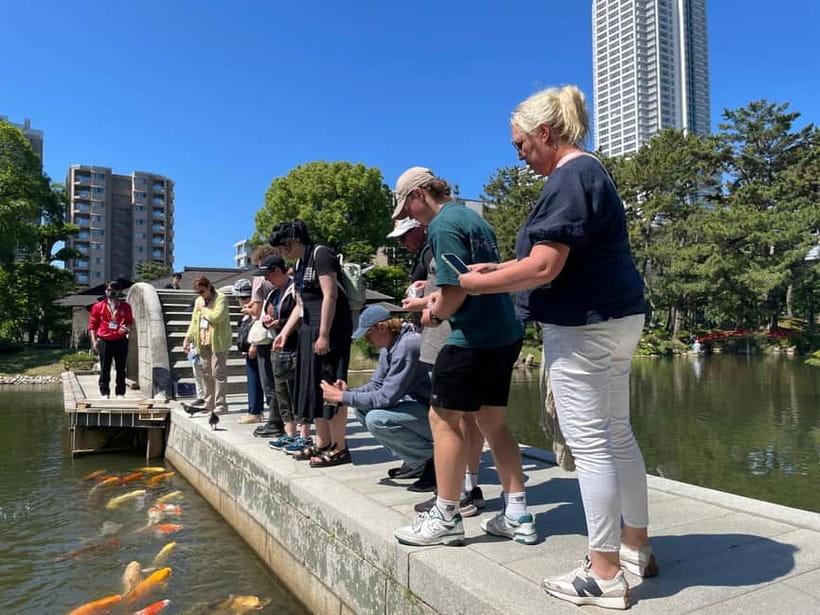
Shukkei-en Garden is the stop I would not dismiss too quickly. The itinerary allows about an hour there, including a break, photos, a visit, and guided sightseeing. The garden gives you a quieter setting and another view of Hiroshima’s cultural life.
Several visitors specifically valued the garden, and one described it as the stop that should not be missed. That advice makes sense. A memorial tour can leave you thoughtful and subdued, while a garden visit gives you time to breathe and notice the city’s beauty and continuity.
The garden also tests the value of a private tour. In a large group, you may have to leave when the schedule says so. Here, the guide can respond to your pace and interests, within the total time available. If you are traveling with older relatives, mention mobility concerns early. The route can be adapted, but you should still expect a substantial amount of walking.
A few more Hiroshima tours and experiences worth a look

How the private format changes the day
This is a tour for your group alone. You might be traveling solo, as a couple, with children, or with older family members. The guide can answer your specific questions instead of delivering a fixed talk to strangers with different interests.
That format was especially useful for groups spanning different ages. Masa adjusted the pace for visitors in their late 40s and nearly 80, and she changed plans when rain made the original route less practical. Another useful example is her help with a cruise passenger’s return journey: she provided a Japanese card to make the taxi ride back to the port easier.
The tour includes walking pickup from a list of central hotels and meeting points. These include Hiroshima Station, Hotel Granvia Hiroshima, Sheraton Grand Hiroshima Hotel, Hilton Hiroshima, RIHGA Royal Hotel Hiroshima, the Peace Memorial Museum, Orizuru Tower, and several other central locations. If your hotel or Airbnb is not listed, you can request pickup by email if you are staying in central Hiroshima City.
Cruise passengers should provide their port details when booking. That allows the pickup and return plan to be discussed in advance, which is important because the tour does not include transport from the port.
Walking, public transport, and the real cost
The listed price is $103 per person, with museum and Shukkei-en Garden admission included. For a private tour, that is a reasonable price if you value a personal guide and want help making sense of the memorial sites. A large group tour may cost less, but it usually cannot offer the same control over pace or conversation.
You should budget extra for transport. The tour may use a tram, bus, or taxi depending on the starting point and your preferences, and those fares are not included. Food and drinks are also separate.
The route includes at least a short ten-minute walk between some stops, and the full afternoon may involve much more walking. Wear comfortable shoes, especially if you want the complete museum, park, castle, and garden combination. In bad weather or for guests with mobility limits, the guide can make changes, but transport costs remain your responsibility.
The price also includes photography, with the image data provided. That is a pleasant extra, though the main value is the guide’s time and the ability to shape the afternoon around your group.
Who should book this Hiroshima tour?
I would choose this tour if you want more than a quick look at the A-Bomb Dome. It suits you particularly well if you:
- Want a local Japanese guide rather than an audio guide or large coach tour
- Have questions about Hiroshima’s past, family memory, or present-day life
- Prefer a private route that can change with your pace
- Are visiting with children, older relatives, or a mixed-age group
- Are arriving from a cruise ship and need help organizing a short visit
- Want to combine the Peace Memorial sites with Hiroshima Castle and Shukkei-en Garden
It may be less suitable if you want a slow, unhurried museum study lasting several hours. The standard three to four-hour window has a lot packed into it. You can ask for a museum-focused route, but that may mean cutting the castle or garden.
English and Japanese guiding are available. The English used by Masa is described as clear and easy to follow, but as with any tour, you can send your interests and needs ahead of time so the guide can prepare.
Booking details worth knowing
You can cancel up to 24 hours before the tour for a full refund, and the reserve-now, pay-later option keeps your plans flexible. The experience is wheelchair accessible, but because the route is primarily on foot and may include several separate sites, discuss your needs in advance.
Starting times vary, so check availability for your date. The itinerary can change based on your departure point and personal preferences. If you want all the major stops, ask how the guide plans to fit them into the available time.
Most important, check the museum closure dates before you commit. From February 16 through February 21, the museum is closed for renewal, so the experience cannot provide the usual museum visit during that period.
Should you book it?
Book this tour if you want Hiroshima explained by someone connected to the city, not simply pointed out on a map. The strongest parts are the private format, Masa’s personal and local perspective when she is your guide, and the chance to pair the memorial district with the castle and Shukkei-en Garden.
At $103 per person, the value is strongest for couples, families, and small groups who would otherwise book several separate visits or struggle to organize transport. Give the guide your priorities, protect enough time for the museum, and be ready to walk.
If your only goal is to see the A-Bomb Dome quickly, you can do that independently for less. But if you want to understand what you are seeing and leave with a fuller sense of Hiroshima’s past and present, this is a thoughtful choice.
FAQ
How long does the Hiroshima History Tour last?
The tour lasts approximately three to four hours. The exact length and route can depend on your starting point, pace, and interests.
What is the price of the tour?
The price is $103 per person.
Is this a private tour?
Yes. The tour is for your group only, and no other guests join you.
Which languages are available?
The live tour guide can speak English or Japanese.
Is the Peace Memorial Museum included?
Yes. Entry to the Hiroshima Peace Memorial Museum is included, with about one hour scheduled for the guided visit.
Is Shukkei-en Garden included?
Yes. Entry to Shukkei-en Garden is included, with about one hour scheduled for a visit, break, photos, and guided sightseeing.
Is transportation included?
No. The tour includes walking pickup, but you pay separately for any taxi, tram, bus, or other public transportation used during the route.
Where can the guide meet me?
Pickup is available on foot from several central Hiroshima locations, including Hiroshima Station, listed hotels, the Peace Memorial Museum, and Orizuru Tower. If your hotel or Airbnb is not listed, you can request pickup by email if you are in central Hiroshima City.
Can cruise ship passengers book this tour?
Yes. Cruise ship passengers should provide their port details when booking so the pickup arrangements can be discussed.
Is the tour wheelchair accessible?
Yes, the activity is listed as wheelchair accessible. Because the route is mainly on foot and may use public transportation or taxis, communicate your needs in advance.
When is the Peace Memorial Museum closed?
The museum is closed from February 16 through February 21 for renewal. The itinerary must be adjusted for tours held during those dates.
Can I cancel the tour?
Yes. You can cancel up to 24 hours in advance for a full refund. You can also reserve now and pay later.
More City Tours in Hiroshima
More Hiroshima City Tours in Hiroshima
More Peace Memorial Tours in Hiroshima


More tours in Hiroshima we've reviewed



Peace Memorial Tours, compared.
 ★ 4.8Hiroshima Historical Walking Tour – Why A-Bomb was DroppedFrom $352h 30m
 ★ 5.0Hiroshima Peace (Heiwa) Walking Tour at World Heritage SitesFrom $94
 ★ 4.9Hiroshima: Miyajima Peace Memorial Icons of Peace and BeautyFrom $1638 hours
 ★ 5.0Hiroshima Walking Tour Why A Bomb was dropped to HiroshimaFrom $28
 ★ 5.0Hiroshima 2hr Peace Cycling Tour with Local GuideFrom $59
 ★ 4.8Hiroshima: Peace Cycling Tour with Local GuideFrom $522 - 3 hours
