
Reviewed · TEA CEREMONY & KIMONO EXPERIENCES
Experience the Soul of Hiroshima: A Peaceful Koto Workshop
Hiroshima’s message of peace is often encountered through monuments and museums. This workshop gives you another way to think about it: you make the sound yourself. In 90 minutes, an English-speaking instructor introduces the 13-string koto, explains its link to Fukuyama City, and guides you toward a group performance of Echo of Serenity, a piece written to honor atomic bomb victims.
I like two things here. First, the class is genuinely hands-on, not a lecture with a quick photo at the end. Second, the small group, limited to six people, gives the lesson a personal feel. The main drawback is time. You can learn a complete piece, but you will only get the basics of an instrument with a 1,300-year story.
In This Review
- Key points to know before booking
- Why a koto lesson fits Hiroshima
- Entering the studio near Tatemachi
- The koto’s 13 strings and Fukuyama connection
- From posture to your first notes
- Playing Echo of Serenity together
- The performance video and origami crane
- How the $50 price works for you
- Who will get the most from this workshop
- Timing, comfort, and practical planning
- My call: book it if music helps you think
- FAQ
- Where does the Hiroshima koto workshop take place?
- How do I reach the meeting point by streetcar?
- How long does the koto class last?
- Is the instruction offered in English?
- Do I need musical experience?
- What age group can join?
- How many people are in each group?
- What do I receive after the performance?
- Can I cancel or pay later?
Key points to know before booking
- Play an authentic Fukuyama koto: The instruments come from the Japanese city that produces more than 70 percent of the country’s kotos.
- Learn in English: The instructor explains posture, plucking, notation, and the song without requiring Japanese.
- Connect music with Hiroshima: The final piece, Echo of Serenity, is presented as a musical prayer for peace.
- Perform before the class ends: You join the other participants, with instructor accompaniment, instead of simply practicing alone.
- Take home two keepsakes: You receive a video of the performance and a folded origami crane.
- Expect a compact lesson: The 90-minute format is enough for a satisfying introduction, not mastery.
Why a koto lesson fits Hiroshima
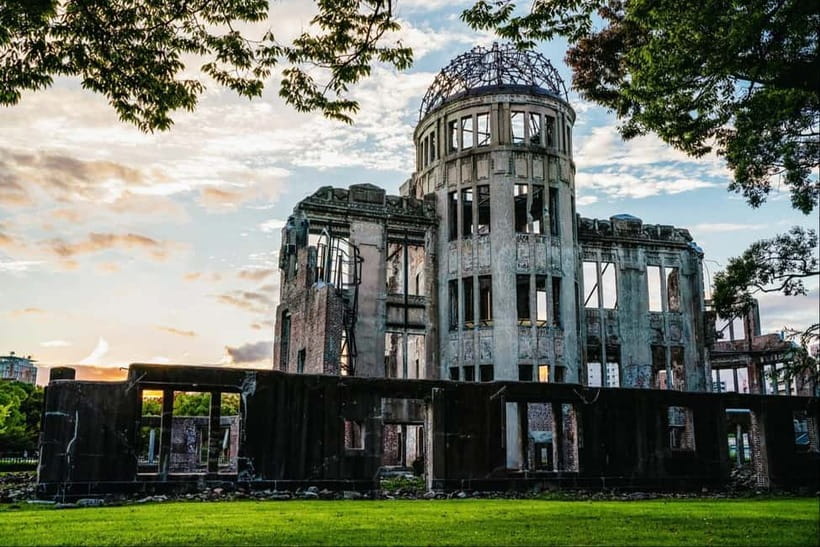
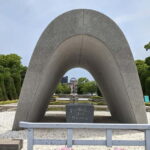
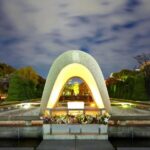
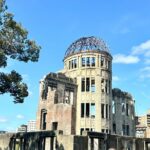
A visit to Hiroshima can feel heavy. Peace Memorial Park, the Atomic Bomb Dome, and the museum ask you to face painful facts and lasting questions. This workshop does not replace those places, but it offers a quieter way to process what the city means today.
The koto’s long, resonant notes suit that setting. You are not rushing through a series of tourist tricks. You are sitting with a traditional instrument and learning how a few careful plucks can create a complete musical phrase. The final song connects the act of playing with remembrance.
That connection matters. The class treats music as a respectful act, not as a dramatic performance for its own sake. You hear about the song’s purpose, learn it step by step, and then play it with other people. The result is simple and participatory: you honor the past by making something together.
The experience is held within walking distance of Peace Memorial Park, according to the activity details. That makes it easy to pair with a park visit, though I would avoid scheduling it at the most rushed point of your day. The workshop asks for a little calm and attention.
A few more Hiroshima tours and experiences worth a look

Entering the studio near Tatemachi
The meeting point is Ishida No. 2 Building, reached most easily from Tatemachi streetcar station. From the station, walk straight at the corner with Tully’s Coffee and continue toward the YMCA. When you reach the Gokku okonomiyaki restaurant, turn right and look for the workshop sign. The class takes place on the second floor.
Those directions are useful because the activity is in a city building rather than at a famous landmark with a large entrance. Give yourself enough time to find the sign, especially if you are unfamiliar with Hiroshima’s streetcar routes. Once inside, the small-group format should make the change of pace clear: this is a lesson, not a show you watch from the sidelines.
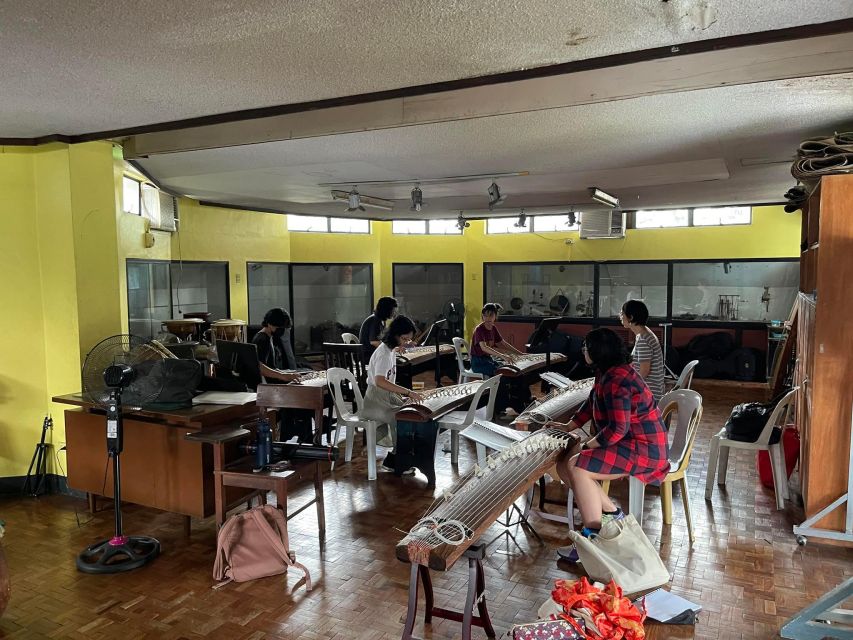
The room’s purpose is practical. You need space for the instruments, the instructor, and a final ensemble. The limited group size of six helps the teacher notice how each person is holding the pick and approaching the strings.
The koto’s 13 strings and Fukuyama connection
The class begins with the instrument itself. You learn that the koto has 13 strings and a history reaching back 1,300 years. That introduction gives the lesson a useful frame. You are not just learning where to put your fingers. You are learning how one object carries design choices, musical customs, and regional skill.
Fukuyama City receives particular attention. It is described as the heartland of koto craftsmanship, with more than 70 percent of Japan’s kotos made there. The instruments used in the workshop are crafted in Fukuyama, so the regional connection is part of what you are playing, not merely an extra fact added to the talk.
You also learn about the meaning behind parts of the koto’s design. The available information does not specify every symbol, so do not expect a museum-length explanation of each detail. Still, this opening gives you enough context to see the instrument as a carefully made cultural object rather than an exotic-looking prop.
This is one of the strongest parts of the class for curious beginners. A first encounter with an unfamiliar instrument can feel random if you only learn a scale. Here, the background explains why the instrument matters and why Fukuyama is part of the story.
From posture to your first notes
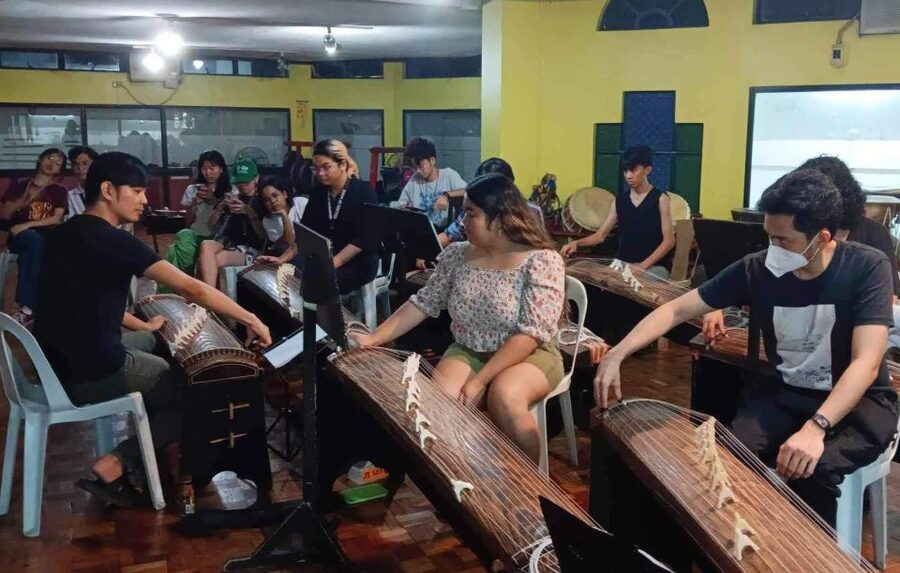
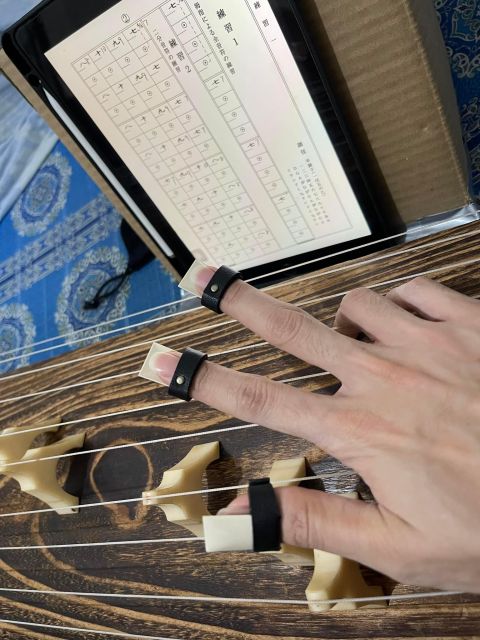
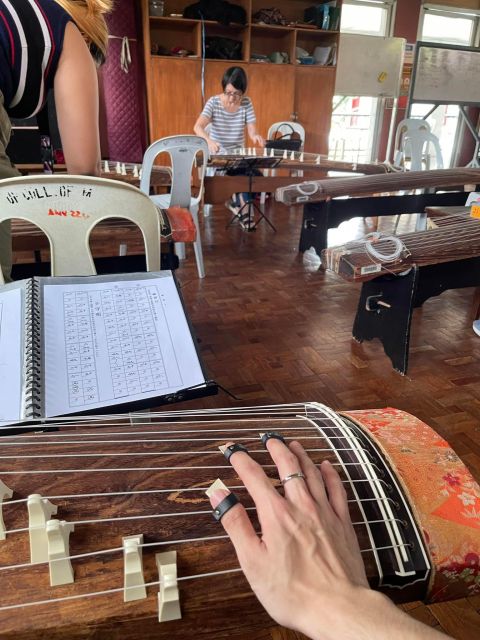
The instructor then shows you how to sit and how to pluck. You do not need previous musical training, and all instruction is in English. The lesson builds from the physical basics before moving toward the song.
That step-by-step approach is important. The koto may look approachable, but producing a clean note depends on small movements. You learn how to use the picking technique, read the koto music, and follow the pattern needed for the piece. The class does not pretend that 90 minutes can make you an expert.
Still, the format aims for a satisfying payoff. Several participants have been able to read the music and play a full song during the session. Elizabeth from the United States particularly appreciated how clearly the instructor explained the notation and exercises, while Christian from Germany enjoyed hearing how quickly the group moved from separate techniques to a complete piece.
The teacher’s personality also affects the class. In different sessions, instructors named Vincent and Nicholas have been praised for clear explanations, patience, humor, and enthusiasm. James from the United Kingdom singled out Vincent’s ability to explain the koto’s past before leading the group through exercises. Stuart learned Sakura with Nicholas, showing that the exact teaching piece may vary by session or format.
That variation is worth knowing. The central experience is koto playing, but the musical selection may not always be identical. The current description centers on Echo of Serenity, while an earlier session taught Sakura. If the peace-themed composition is essential to your decision, confirm the session details when booking.
Playing Echo of Serenity together
The emotional center of the workshop is the final piece. Echo of Serenity is described as a haunting composition honoring people who died in the atomic bombing. You learn it with the instructor, then perform it as a group.
This is where the activity moves beyond an ordinary beginner music class. The piece gives the session a clear purpose, and the group performance lets you take part in that purpose. You will not be asked to produce a polished concert performance after a single lesson. The goal is shared attention, a beautiful sound, and a moment of reflection.
Playing alongside other beginners also removes some pressure. You are not alone in making a first attempt. The instructor accompanies the group, helping hold the piece together while you follow the notes and techniques you have just learned.
I would expect a few uneven notes. That is normal, and it is part of the charm. The class is about participation, not technical perfection. If you want a serious music lesson with extended practice time, the 90-minute limit may feel short. Tallu from the United Kingdom enjoyed the experience but wished for a longer class to become more familiar with the instrument.
A few more Hiroshima tours and experiences worth a look

The performance video and origami crane
At the end, you receive a video recording of the group performance with instructor accompaniment. This is a useful keepsake because it captures more than a posed photograph. You can hear the piece you learned and remember the moment you contributed to it.
The video also makes the activity easy to share with family and friends at home. You may not become a koto player after one class, but you will have a record of what you managed to create during your first encounter with the instrument.
You also take home a hand-folded origami crane. In Hiroshima, the crane is closely linked with hope and peace. The souvenir is small, but it reinforces the workshop’s central idea: the meaning of the activity continues after you leave the studio.
How the $50 price works for you
At $50 per person, this is not the cheapest short activity in Hiroshima. The value depends on what you want from a cultural experience.
You are paying for a 90-minute English-language lesson, access to traditional kotos made in Fukuyama, a small group capped at six, the final performance, a video, and a crane. The class also includes a free soft drink afterward, with coffee, tea, and juice available. Taken together, those elements make the price reasonable for someone who wants active participation and a personal souvenir.
The best value comes from the lesson itself. You are not simply hearing about Japanese music. You are learning enough technique to play a complete piece, which gives the experience a clear beginning, middle, and end.
The price is less attractive if you are looking only for a quick cultural photo or a general introduction to Japanese traditions. You should also keep your expectations in check. A short class cannot cover every aspect of the koto, and it will not provide advanced training.
There is an extra option for people who become particularly interested. You can buy a koto on the spot and continue lessons online after returning home. That is not necessary for enjoying the workshop, but it gives the experience a possible next step for serious music lovers.
Who will get the most from this workshop
The class is suitable for ages 10 and older. Families with older children can enjoy the shared performance, while couples and friends get a relaxed activity that is different from sightseeing. Solo visitors should also feel comfortable, since the small group gives you a natural way to play with others without needing to arrive with a large party.
You do not need musical experience. The instructor starts with the basics and explains everything in English. That makes the workshop a good choice if you want cultural context but do not speak Japanese.
I would recommend it most strongly to:
- People visiting Peace Memorial Park who want a reflective activity afterward
- First-time visitors to Japan looking for a traditional art they can actually practice
- Families with children aged 10 or older
- Music fans who want to try an unfamiliar string instrument
- Couples and friends seeking a calm shared activity
- Solo visitors who like small classes and guided cultural experiences
You may want to skip it if you dislike group participation, have very little time in Hiroshima, or want a long technical lesson. The final performance is central, so you should be willing to play with the group.
Timing, comfort, and practical planning
The workshop lasts 90 minutes. That is long enough to feel substantial but short enough to fit around a day of sightseeing. I would place it near a visit to Peace Memorial Park, leaving a little space before the start so you can find the second-floor studio without hurrying.
The activity is indoors and focused. Pets are not allowed, except for assistance dogs, and alcohol and drugs are prohibited. The age minimum is 10.
Booking is fairly flexible. You can cancel up to 24 hours before the activity for a full refund, and the reserve-now, pay-later option lets you hold a place without paying immediately. Starting times depend on availability, so check the schedule before fixing the rest of your Hiroshima plans.
The free drink after the class is a pleasant extra, not the reason to book. You can expect coffee, tea, juice, and soft drinks, including the pineapple juice that Elizabeth enjoyed. Think of it as a chance to sit for a few minutes after the performance rather than a full café visit.
My call: book it if music helps you think
I recommend this Hiroshima koto workshop if you want a cultural activity that asks something of you. The lesson gives you a real instrument, a real technique, and a complete piece to learn. Its link to Fukuyama craftsmanship and Hiroshima’s peace message gives the music a clear place and purpose.
Book it especially if you have already planned time at Peace Memorial Park and want a quieter experience to balance the city’s memorial sites. The video and origami crane add lasting value, while the six-person limit keeps the lesson personal.
I would not book it expecting mastery or an extended music course. Ninety minutes passes quickly, and some people will wish for more practice. But if you are open to making a few imperfect notes, listening carefully, and joining a group performance, this is a thoughtful way to meet Hiroshima through sound.
FAQ
Where does the Hiroshima koto workshop take place?
The meeting point is Ishida No. 2 Building in Hiroshima. It is within walking distance of Peace Memorial Park.
How do I reach the meeting point by streetcar?
Get off at Tatemachi station. Walk straight at the corner marked by Tully’s Coffee toward the YMCA. Turn right when you see the Gokku okonomiyaki restaurant, then look for the workshop sign and go to the second floor.
How long does the koto class last?
The class lasts 90 minutes.
Is the instruction offered in English?
Yes. All instruction is conducted in English.
Do I need musical experience?
No. The session is designed for beginners and covers basic posture, plucking technique, and playing a complete piece.
What age group can join?
Participants must be at least 10 years old. Children under 10 are not suitable for this activity.
How many people are in each group?
The activity uses a small-group format with no more than six participants.
What do I receive after the performance?
You receive a video recording of the final performance and a hand-folded origami crane. Coffee, tea, juice, and other soft drinks are also provided after the session.
Can I cancel or pay later?
You can cancel up to 24 hours in advance for a full refund. The reserve-now, pay-later option allows you to book without paying immediately.
More Workshops & Classes in Hiroshima

More Tea Ceremony & Kimono Experiences in Hiroshima
More Hiroshima City Tours in Hiroshima

More tours in Hiroshima we've reviewed



Tea Ceremony & Kimono Experiences, compared.
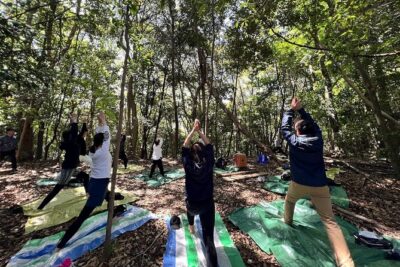 ★ 5.0Hiroshima Local guided Hiking Tour&Open-air Tea CeremonyFrom $109
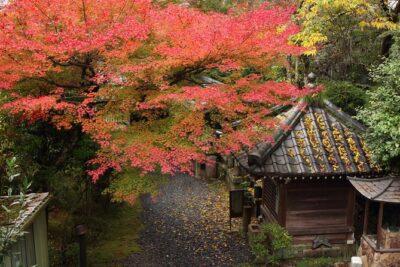 ★ 5.0Kimono and Tea Ceremony in MiyajimaFrom $85
 ★ 5.0An Amazing set of Cultural experience: Kimono, Tea Ceremony and CalligraphyFrom $132
 ★ 4.8Hiroshima: Morning Hiking Tour with Open-air Tea CeremonyFrom $1063 hours
 ★ 5.0Cultural Activities :Kimono, tea ceremony, Calligraphy and AmuletFrom $171
 ★ 5.0Calligraphy Workshop at Traditional Folk Craft Shop in HiroshimaFrom $32
