
Reviewed · TEA CEREMONY & KIMONO EXPERIENCES
An Amazing set of Cultural experience: Kimono, Tea Ceremony and Calligraphy
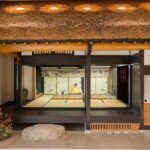
The best part of this Miyajima experience is its setting: you learn Japanese traditions inside the grounds of Tokujuji Temple, a historic Zen temple only about five minutes from the ferry port. Instead of simply looking at a kimono or watching a tea ceremony, you put one on, whisk your own matcha, and try calligraphy.
I like the thoughtful mix of activities, especially the kimono photographs and the chance to make a small calligraphy souvenir. I also like the friendly, patient instruction in English, which helps the ceremony feel meaningful rather than like a quick photo stop. The main consideration is price: at $132.14 per person, this is not a casual add-on for every budget, and the advertised session may run closer to two hours than the approximate 90 minutes.
In This Review
- Key details at a glance
- Why this Miyajima cultural experience works
- Finding Okeiko Japan near Tokujuji Temple
- Choosing and wearing the kimono
- The tea ceremony and your first matcha
- Calligraphy you can take home
- The temple setting changes the pace
- Is $132.14 per person good value?
- How long should you allow on Miyajima?
- Who should book this experience?
- Booking and cancellation details
- FAQ
- Where does the kimono, tea ceremony, and calligraphy experience take place?
- How far is the meeting point from the Miyajima ferry port?
- How long does the experience last?
- What activities are included?
- Can children participate?
- How many people can join the activity?
- Is cancellation free?
- Should you book Okeiko Japan Miyajima?
Key details at a glance
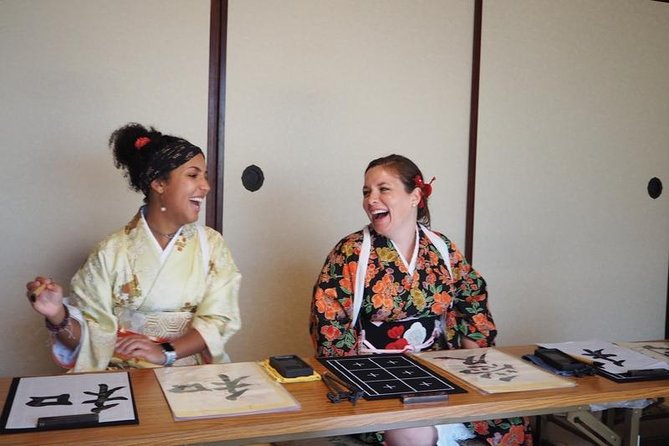
- Kimono dressing at a Zen temple: Choose from available kimono, then receive help with the robe, obi, cords, socks, sandals, and accessories.
- A hands-on tea ceremony: Watch the ceremony, learn its manners, and whisk your own matcha.
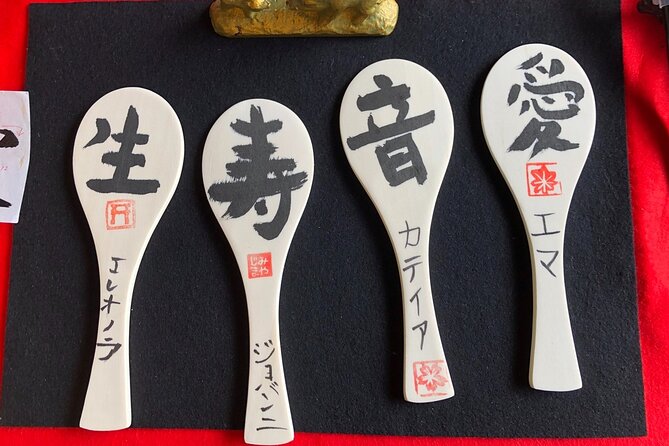
- Calligraphy with a keepsake: Practice Japanese characters and names, with work written on wooden spoons and wrapped as a souvenir.
- Photos throughout the visit: The hosts take many pictures, including family and group shots, though the sharing method may vary.
- Small-group format: The activity accepts no more than eight people, making personal help more likely.
- Easy Miyajima location: Okeiko Japan Miyajima is about a five-minute walk from the ferry port toward Tokujuji.
Why this Miyajima cultural experience works
Miyajima is famous for its shrine, torii gate, deer, and waterfront views. Those sights are worth your time, but they can also make the island feel like a checklist. This experience gives you a quieter way to connect with Japan, using three traditional arts that require you to slow down and pay attention.
The activities are well chosen. Kimono dressing is visual and social. Tea ceremony adds ritual and calm. Calligraphy gives you something to practice with your own hands. Together, they offer more variety than a simple costume rental or a demonstration where you only watch.
I especially like that the hosts do not leave you to figure out the clothing alone. The kimono is worn with several pieces, and the dressing process can be difficult if you have never seen it done. Your hosts help select the outfit and accessories, then dress you properly before the photography begins.
The session is also suitable for mixed groups. A couple, family, or group of friends can take part together, and the activity has a minimum age of six. One particularly useful detail is that men are welcome too. This is not limited to women looking for a formal photo session.
A few more Hiroshima tours and experiences worth a look

Finding Okeiko Japan near Tokujuji Temple
The meeting point is Okeiko Japan Miyajima, at 741-1 Miyajimachō, Hatsukaichi, Hiroshima 739-0588. From the Miyajima ferry port, allow about five minutes on foot while heading toward Tokujuji.
That short walk matters. You can fit the experience into a day on Miyajima without arranging a separate taxi or long transfer. Still, I would not cut your timing too close. The ferry crossing, the walk from the dock, and the island’s sightseeing crowds can all take longer than expected.
The activity begins and ends at the same meeting point. Morning and afternoon start times give you useful flexibility. You could schedule it before visiting the main shrine area, or use it as a calmer break after sightseeing.
The building also has a small shop with Japanese goods, according to the information available about the visit. It is a pleasant extra, but the cultural session is the reason to book. Do not treat the shop as the main attraction.
Choosing and wearing the kimono
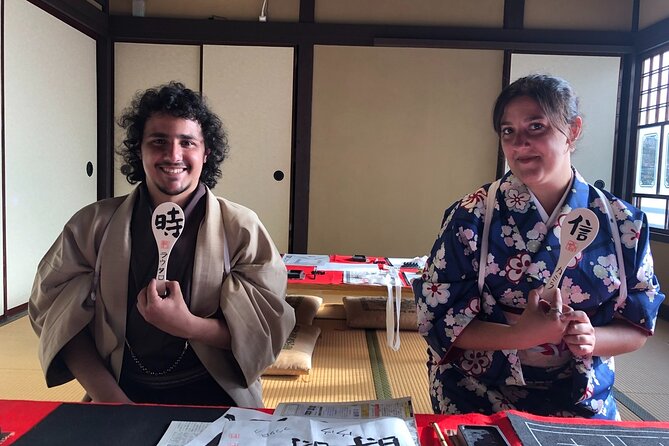
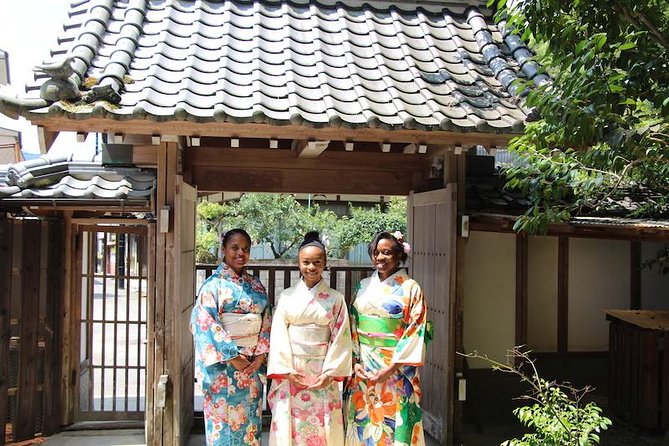
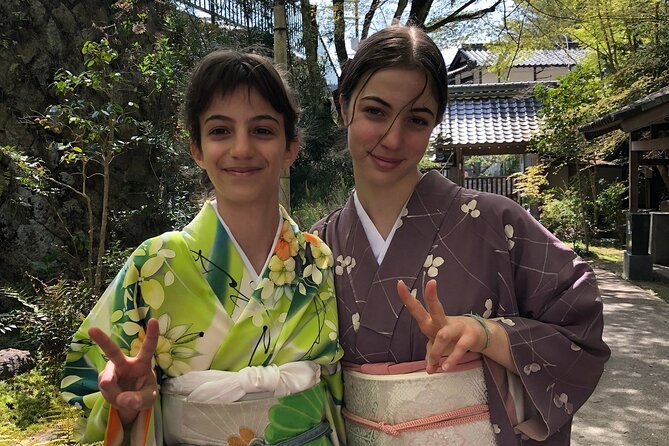
The kimono portion begins with choosing an outfit from the available selection in your size. The hosts help match the kimono with accessories, including the obi, cords, socks, sandals, and hair ornaments or flowers where appropriate.
This is the point at which the experience feels more personal than a standard rental. You are not simply handed a robe and sent outside. The staff dress you and adjust the clothing so it looks right for photographs and feels secure during the rest of the session.
You should expect the process to take some time. Traditional dress has layers and careful tying, so this is not a quick change. That is part of the value, but it also means the actual tea and calligraphy instruction may feel compact if your group needs extra dressing assistance.
Sizing is worth considering before you book. The available information indicates that the staff had sizes for participants who were concerned about fitting, but no detailed size chart is provided. If you need a particular size, contact the operator before paying rather than assuming every style will be available.
Once dressed, you have time for photographs around the temple grounds. The hosts take many pictures during the experience, including group and family shots. This is one of the strongest reasons to choose this activity over a basic tea lesson.
The photos are a bonus, not a guaranteed professional portrait package. One practical issue has been the app used to share images, so ask how your photographs will be delivered on the day. If the pictures matter greatly to you, confirm that you know how to access them before leaving.
The tea ceremony and your first matcha
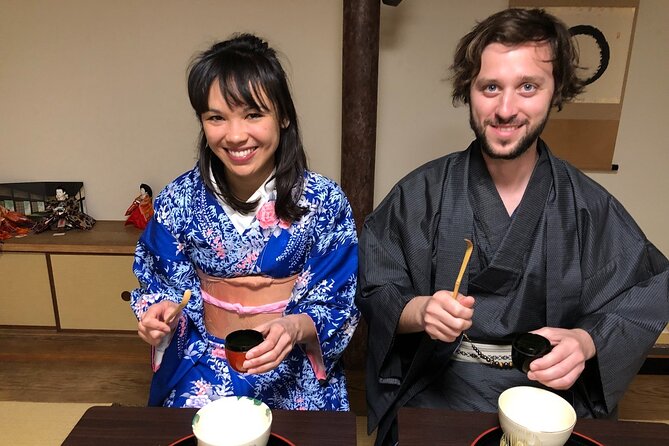
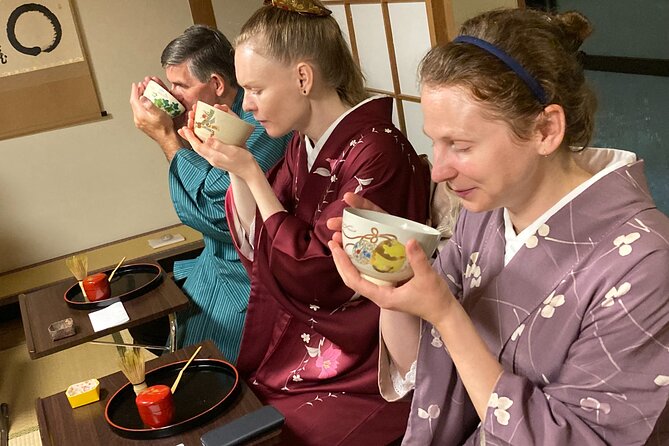
The tea ceremony is more than drinking a cup of green tea. You first watch the host perform the ceremony, then learn some of the manners and small movements that give the ritual its shape.
You also make your own matcha. Whisking the tea is simple in theory, but the texture and foam depend on your movement. This hands-on step makes the ceremony easier to remember because you are not only observing someone else’s technique.
The hosts explain the meaning and etiquette in English. That is important here. A tea ceremony can look beautiful while remaining hard to understand if no one explains why guests bow, how the bowl is handled, or how the actions fit together.
The tea bowls used in the session have been described as coming from local artisans. That detail adds another layer of attention to the activity. You are handling an object made for this tradition, not a disposable cup prepared for a photo opportunity.
The ceremony is formal, but the atmosphere is not stiff. You can expect a balance of instruction and participation. The setting encourages quiet attention, yet you are still learning by doing, asking questions, and enjoying the novelty of the experience.
If you have mobility concerns, keep in mind that the activity takes place at a temple and may involve traditional seating or posture. The supplied information says most people can participate, but it does not provide detailed seating or accessibility specifications. Ask Okeiko Japan directly if you need specific arrangements.
Calligraphy you can take home
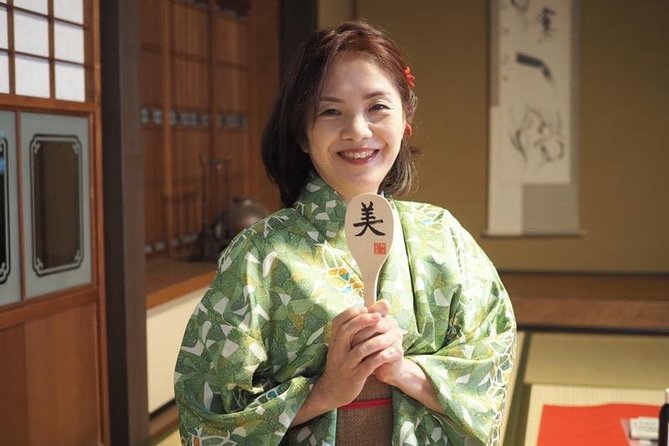
After the tea activity, you practice calligraphy. The lesson includes Japanese characters and names, so you can try both a traditional form of writing and something personally connected to your own visit.
Calligraphy looks easier than it is. The order, angle, and pressure of each stroke matter, and even simple kanji can take concentration. That makes this a good counterpoint to the kimono photographs. You are not only posing in Japanese clothing, you are trying a small piece of a traditional art.
A useful souvenir comes from this part of the session. Your writing can be placed on a wooden spoon and beautifully wrapped. This is a more memorable keepsake than a mass-produced trinket because it records your own effort, including the imperfect strokes.
Do not expect a full calligraphy course in a session of roughly 90 minutes to two hours. The lesson is an introduction, not serious training. You will leave with a basic feel for the art and a small memento rather than advanced technique.



The temple setting changes the pace
The Zen temple location gives the experience a sense of place. Kimono, tea, and calligraphy could be taught in a hotel meeting room, but Tokujuji Temple provides a setting that fits the traditions you are learning.
The grounds also create a natural backdrop for photographs. You can step outside after dressing and make pictures that feel connected to Miyajima rather than staged in a generic studio.
I would schedule this on a day when you want some quiet. One account of the experience described it as a useful pause after the emotional weight of visiting Hiroshima. That makes sense: the careful movements of the ceremony and the calm temple surroundings give you time to reflect.
At the same time, this is not a silent retreat. The hosts are warm and conversational, and the session includes playful dress-up, photographs, and hands-on practice. Families and friends should find it easy to enjoy together.
Is $132.14 per person good value?
At $132.14 per person, the cost is high for a 90-minute activity if you judge it as a single lesson. It becomes more reasonable when you count what is included: kimono selection and dressing, accessories, instruction in tea ceremony, matcha preparation, calligraphy, temple surroundings, photographs, and a wrapped keepsake.
The small-group limit of eight also matters. You are more likely to receive personal help with dressing and writing than in a large cultural demonstration. If you are traveling as a couple or family, the photos add value because you can document the occasion together.
The price makes less sense if you only want a quick kimono photograph. You can find simpler dress-up options elsewhere, and this experience asks you to spend time on the ceremony and calligraphy as well.
I would consider it good value for someone who wants a cultural activity with several parts and a strong memory-making element. It is less attractive for a strict budget traveler who would rather spend the money on food, transport, or another major Miyajima attraction.
How long should you allow on Miyajima?
The listed duration is approximately one hour and 30 minutes, while the itinerary information gives two hours for the stop. Plan on two hours so you are not rushing to your next reservation.
The timing can expand if several people need help getting dressed or if the group spends extra time taking photographs. That is not necessarily a problem, but you should allow room around the activity.
The morning and afternoon start options help you build a practical Miyajima day. You might use a morning session before exploring the island, or choose the afternoon after visiting the ferry area and major sights. The best choice depends on your wider schedule, but avoid placing a tight ferry connection immediately afterward.
The experience is booked, on average, about 38 days ahead. That suggests planning early if your Hiroshima dates are fixed, especially if you want a particular morning or afternoon time.
Who should book this experience?
I would recommend it most strongly to:
- Families with children aged six or older who want an activity beyond sightseeing.
- Couples looking for photographs and a shared cultural activity.
- First-time visitors who want a clear introduction to tea ceremony and calligraphy.
- Visitors who enjoy crafts, clothing, and learning by doing.
- Anyone looking for a calm break from Hiroshima’s more serious historical sites.
- Men and women who want to try a kimono together rather than treat it as a women-only activity.
You should think twice if you dislike dressing up, have limited time on Miyajima, or want a detailed study of tea ceremony. The session is welcoming and informative, but it is still a compact introduction.
The experience also works well for people who are tired from a busy Japan itinerary. One participant nearly skipped it after several weeks of sightseeing and an early train from Shin-Osaka, then found the visit to be a highlight. The lesson is simple: do not assume a quieter cultural activity will feel like work. It may be the restful part of your day.
Booking and cancellation details
The activity has a maximum of eight participants, confirmation is provided when you book, and it is located near public transportation. Most people can participate, with a minimum age of six.
Free cancellation is available if you cancel at least 24 hours before the start time. Cancellations or changes made less than 24 hours before the local start time are not accepted for a refund.
FAQ
Where does the kimono, tea ceremony, and calligraphy experience take place?
It takes place at Okeiko Japan Miyajima, near Tokujuji Temple in Miyajima, Hiroshima. The address is 741-1 Miyajimachō, Hatsukaichi, Hiroshima 739-0588, Japan.
How far is the meeting point from the Miyajima ferry port?
Okeiko Japan Miyajima is about a five-minute walk from the ferry port toward Tokujuji.
How long does the experience last?
The listed duration is approximately one hour and 30 minutes. The itinerary also allows two hours for the stop, so planning for up to two hours is sensible.
What activities are included?
You learn to wear a kimono, take photographs, watch and participate in a tea ceremony, make your own matcha, and practice Japanese calligraphy.
Can children participate?
Yes. The minimum age is six.
How many people can join the activity?
The maximum group size is eight participants.
Is cancellation free?
Yes, if you cancel at least 24 hours before the experience start time. Cancellations made less than 24 hours beforehand are not refunded, and changes within that period are not accepted.
Should you book Okeiko Japan Miyajima?
Book it if you want more than a photograph in a kimono. The combination of traditional dress, matcha-making, tea ceremony manners, calligraphy, temple surroundings, and host-taken pictures gives you a well-rounded introduction to Japanese culture.
At $132.14, it is a considered purchase, not a bargain activity. But for a small group, a family keepsake, and a hands-on session in a historic setting, the price can be justified. I would reserve it well ahead, allow two hours, and ask about photo delivery if those images are important to you.
For a first visit to Miyajima, this is a strong choice for slowing down and taking part. Pair it with the island’s major sights, and you get both the famous view and a personal cultural memory.
More Tea Ceremony & Kimono Experiences in Hiroshima
More tours in Hiroshima we've reviewed


Tea Ceremony & Kimono Experiences, compared.
 ★ 5.0Hiroshima Local guided Hiking Tour&Open-air Tea CeremonyFrom $109
 ★ 5.0Kimono and Tea Ceremony in MiyajimaFrom $85
 ★ 4.8Hiroshima: Morning Hiking Tour with Open-air Tea CeremonyFrom $1063 hours
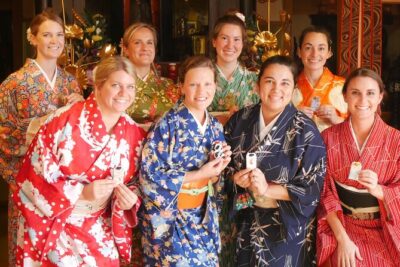 ★ 5.0Cultural Activities :Kimono, tea ceremony, Calligraphy and AmuletFrom $171
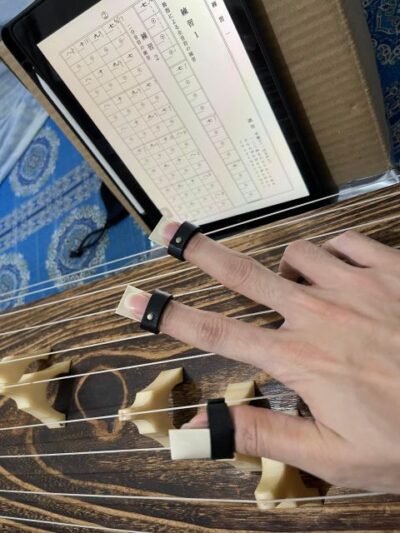 ★ 5.0Experience the Soul of Hiroshima: A Peaceful Koto WorkshopFrom $501h 30m
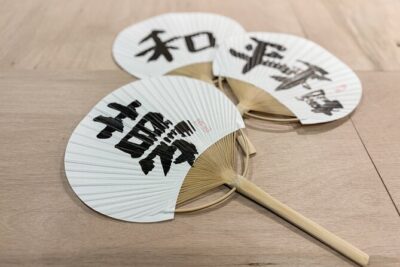 ★ 5.0Calligraphy Workshop at Traditional Folk Craft Shop in HiroshimaFrom $32
