
Reviewed · HIROSHIMA CITY TOURS
Hiroshima:Private lacquer workshop experience tour(gift included)
The most unusual part of this Hiroshima outing is the chance to enter the working world of Naoya Takayama, an artist who connects Buddhist altar craftsmanship with tableware made for daily life. You learn how natural lacquer is handled, why the craft is in decline, and then try part of the process yourself.
I like the direct link to Hiroshima’s traditional craft, and I like that the session does not stop at a demonstration. You get an actual lacquer-painting activity and a handmade gift from the instructor. The main consideration is price: at $287.41 per person for about two hours, this is a serious splurge rather than a casual craft class.
In This Review
- Key points to know before booking
- Why Hiroshima lacquer craft makes this short workshop special
- Meeting Naoya Takayama and hearing the craft story
- Seeing natural lacquer and the work behind the finish
- The hands-on lacquer-painting session
- A frank look at the $287.41 price
- What the handmade gift adds
- Who should book this Hiroshima workshop
- Timing, group size, and cancellation advice
- My verdict: a craft splurge with real substance
- FAQ
- Where does the Hiroshima lacquer workshop begin?
- Where does the activity end?
- How long does the workshop last?
- Who teaches the lacquer experience?
- What will I do during the workshop?
- Is a gift included?
- How many people can join?
- Can I cancel for a full refund?
Key points to know before booking
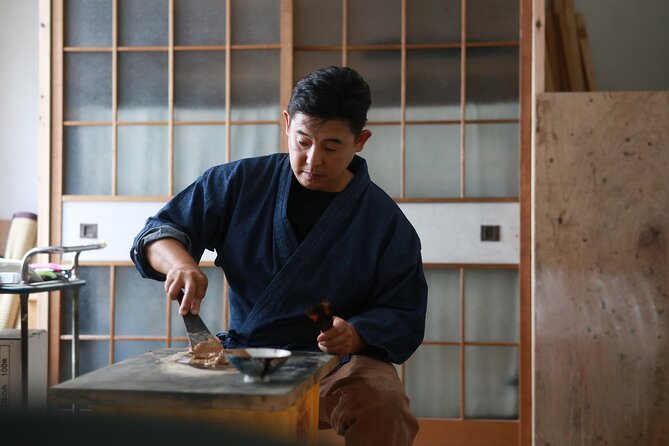
- Meet a working Hiroshima lacquer artist: Naoya Takayama leads the craft presentation and shares techniques developed through Kyoto lacquer training and Hiroshima Buddhist altar work.
- See tradition used in modern life: The workshop explains how lacquer skills once tied to Buddhist altars are being applied to everyday tableware.
- Try lacquer painting yourself: This is not only a talk or studio visit. You take part in a hands-on painting activity.
- Small group, up to six people: The limited size should allow a more personal setting, though the activity is described as private rather than strictly one-on-one.
- Take home an instructor-made gift: Your souvenir is a work made by the artist, not just a standard shop purchase.
- Plan for a two-hour city stop: The meeting point is near public transportation at 2-17 Horikawachō, Naka Ward, Hiroshima.
Why Hiroshima lacquer craft makes this short workshop special
Hiroshima’s Buddhist altar tradition is the backbone of this activity. Instead of treating lacquerware as a pretty object with no context, the workshop explains the skills used to make traditional Hiroshima Buddhist altars and how those skills can continue in a modern setting.
That context matters. You are not simply painting a surface and calling it Japanese craft. You learn that the work comes from a specialized tradition, then see how an artist is adapting it for objects people can use every day. It gives the session a clear purpose: preserving technique by finding a place for it in contemporary life.
Naoya Takayama is a particularly interesting person to meet because his training crosses regional traditions. He learned Kyoto lacquer-painting methods, developed his own approach, and added the roiro, or wax-color, technique to his work. His pieces have received awards, and his lacquerware was chosen as a gift for the G7 Summit.
That does not mean you are attending a formal diplomatic event or seeing the exact gift item. It does mean the artist’s work has been recognized at a high level. For you, the useful point is that the workshop is connected to an active professional practice, not only a historical display.
A few more Hiroshima tours and experiences worth a look


Meeting Naoya Takayama and hearing the craft story
The activity begins at 2-17 Horikawachō in Hiroshima’s Naka Ward. It ends back at the same meeting point, so you do not need to arrange a separate pickup or figure out a distant finish point. The location is near public transportation, which makes this a practical addition to a day in central Hiroshima.
The presentation covers the origins of the traditional craft and the techniques behind Hiroshima Buddhist altars. The information provided names Kiyoshi Takayama in connection with the traditional techniques and identifies him as the company’s founder. Naoya Takayama carries that family craft forward while pushing it toward new uses.
You should expect a studio-based lesson rather than a sightseeing tour around several city landmarks. The value comes from concentration. For roughly two hours, your attention stays on the materials, the handwork, and the choices that give lacquerware its finish.
A guide may also help with the session. One participant specifically praised Michi as a kind and professional guide. Since the activity is capped at six people, you have a better chance of following the explanation and asking questions than you would in a large group class.
Seeing natural lacquer and the work behind the finish
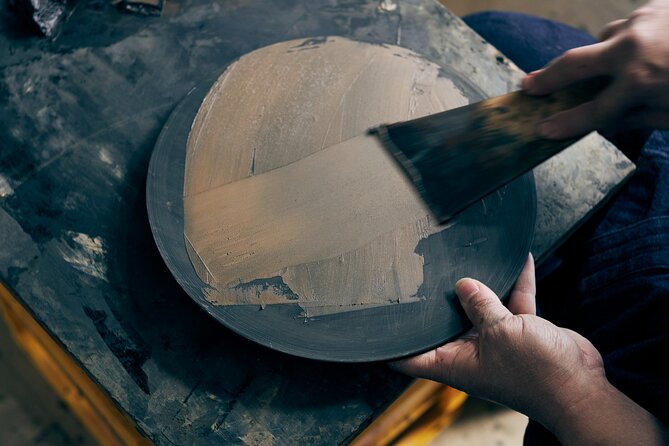
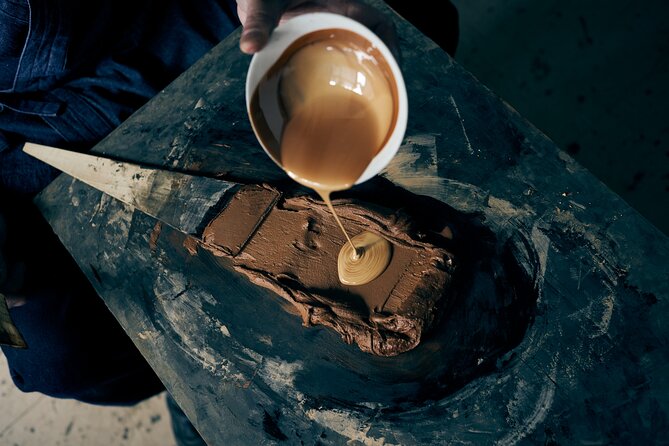
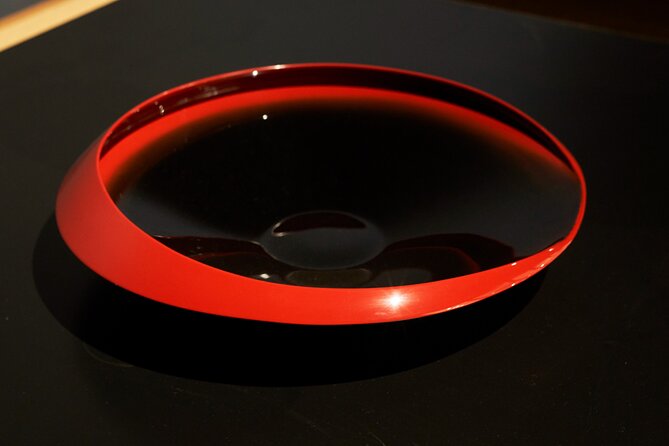
The description emphasizes lacquerware made with natural materials. That detail is important because the final surface can look simple, but the craft depends on careful handling and controlled technique. The workshop introduces the process rather than treating the finished piece as decoration without a story.
You will hear about the texture created by lacquering and see how the artist uses the material in his own work. The information does not promise that you will complete a finished piece of tableware during the session, and you should not book it expecting to produce a professional object in two hours.
Instead, think of your hands-on work as an introduction. You learn through a limited lacquer-painting activity, guided by a specialist who has spent years refining the craft. That is a more realistic and useful expectation.
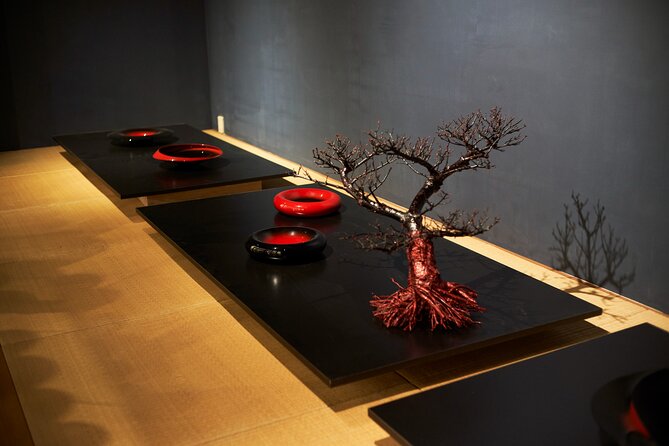
The award-winning work is another strong part of the visit. The session includes an introduction to Naoya Takayama’s lacquer technique and examples of his work. You are likely to gain more from this section if you pay attention to the difference between simply placing color on an object and building a refined lacquer surface through traditional methods.
The hands-on lacquer-painting session
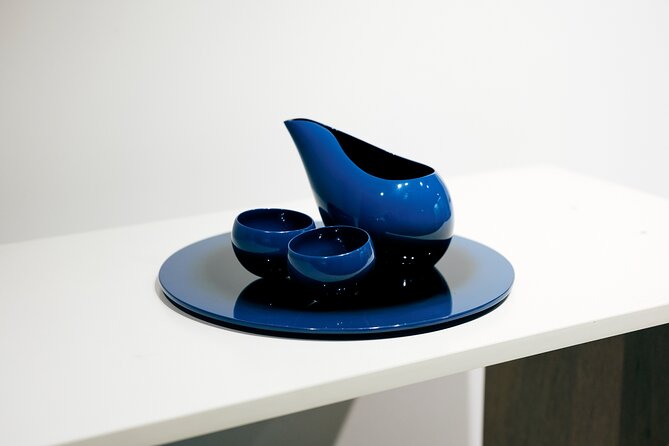
The most important practical feature is that you get to try lacquer painting yourself. The supplied details do not specify the exact object, design, tools, or number of steps, so I would not promise a particular finished item before booking.
What is clear is that the workshop gives you a direct attempt at the craft. That changes the mood of the visit. You are not only watching an expert’s hands move quickly and wondering how the work is done. You get a small taste of the care and control involved.
For art lovers, this is likely the highlight. For people who enjoy Japanese culture but do not normally visit craft studios, it provides a focused activity with a clear connection to local tradition. The limited group size should also make the instruction easier to follow, though the actual amount of personal guidance can depend on the day’s group.
Do not judge the workshop by how much you produce. The point is to understand the material and the technique, then see the gap between a beginner’s first attempt and an artist’s finished work. That gap is part of the lesson.
A frank look at the $287.41 price
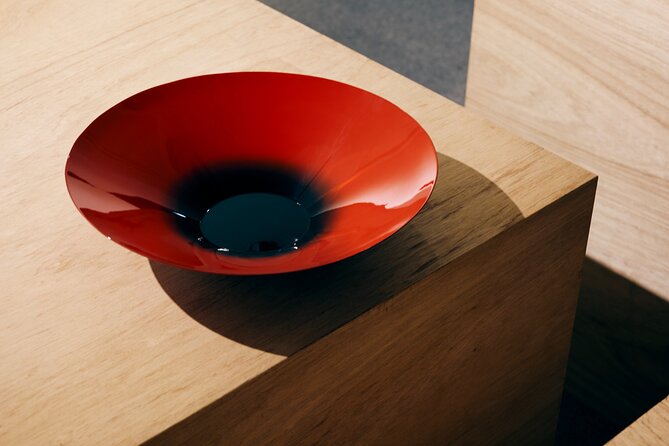
At $287.41 per person, this costs far more than an ordinary museum admission or a standard make-and-take craft activity. The two-hour duration also makes the price look high at first glance.
You are paying for several things at once: access to a professional artist, instruction in a specialized Hiroshima tradition, a small group of no more than six people, a hands-on activity, and a handmade gift. The value is strongest if you care about Japanese craft, want direct contact with a working artisan, and prefer a personal cultural activity over another sightseeing stop.
The price is harder to justify if you mainly want a souvenir or a quick introduction to lacquer. Hiroshima has many ways to spend two hours, and this one asks you to place a high value on instruction and craft access.
I would also consider how many people are in your party. For a couple or a small family who genuinely enjoys art, the cost may feel worthwhile because the session becomes a shared memory and the gift has a clear connection to the artist. For a larger group, the total can rise quickly, even though the session itself remains small.
The average booking lead time is 39 days. That suggests you should plan ahead if this is important to your Hiroshima schedule. It also means you should avoid leaving the decision until the final day of your trip.
Other private tours in Hiroshima


What the handmade gift adds
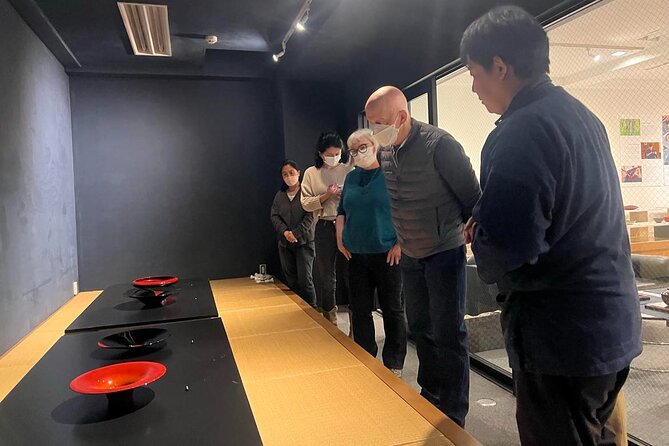
The included gift is one of the experience’s best practical touches. You receive a work made by the instructor, giving you something tangible to take home after the lesson.
The details do not identify the gift’s exact size, function, or design, so treat it as a craft souvenir rather than choosing the activity for a specific household item. Still, the connection to the instructor makes it more meaningful than buying an anonymous lacquer-style product in a souvenir shop.
A handmade object can also help you remember what you learned. When you look at it later, you have the story of the material, the tradition, and your own attempt at lacquer painting. That is a good reason to value the gift as part of the session rather than as a bonus with a cash price.
Who should book this Hiroshima workshop
I would recommend it most strongly to you if you fit one or more of these descriptions:
- You collect or admire Japanese craft.
- You want a cultural activity with direct instruction.
- You prefer a small studio setting to a large sightseeing group.
- You are interested in how traditional skills can survive in modern life.
- You value a professional artist’s explanation more than a long list of attractions.
- You want a handmade souvenir tied to the place you visited.
It may also suit a visitor who has already seen Hiroshima’s major historical sites and wants a quieter, more focused activity. The workshop gives you a different way to understand the city, through its living craft traditions rather than only through memorials and museums.
I would hesitate if you need a packed itinerary, want a long production session, or expect to make a fully finished lacquerware object from start to end. The activity lasts about two hours, and the available details describe an introduction and painting experience, not a full apprenticeship.
Most people can participate, and the meeting point is near public transportation. The activity is also mobile-ticket friendly. Those details make the logistics simple, but they do not change the main decision: this is a craft-focused splurge.
Timing, group size, and cancellation advice
Set aside about two hours, with the understanding that the activity ends at the original meeting point. Because the group limit is six, you should expect a more contained session than a broad public demonstration.
The experience is suitable for most participants according to the supplied booking information. No special access requirements or difficult physical demands are stated. If you have concerns about the specific painting activity, confirm them with the provider before booking rather than guessing.
The provider is 一般社団法人My Japan. You receive confirmation at booking, and free cancellation is available if you cancel at least 24 hours before the local start time. Cancellations or changes made inside that 24-hour window are not refunded or accepted, so leave yourself some breathing room when setting your Hiroshima plans.
My verdict: a craft splurge with real substance
I would book this if Japanese art and traditional technique are central to your trip. The strongest features are the meeting with Naoya Takayama, the explanation of Hiroshima Buddhist altar craftsmanship, the chance to try lacquer painting, and the artist-made gift.
I would skip it if you are watching your budget closely or want a longer, more production-heavy class. Two hours passes quickly, and $287.41 is a lot for a short activity.
For the right person, though, this is a thoughtful choice. You leave with more than a souvenir. You gain a clearer sense of how a demanding local craft is being kept alive, and you get a small personal connection to the artist doing that work.
FAQ
Where does the Hiroshima lacquer workshop begin?
It begins at 2-17 Horikawachō, Naka Ward, Hiroshima, 730-0033, Japan.
Where does the activity end?
The activity ends back at the meeting point.
How long does the workshop last?
The workshop lasts approximately two hours.
Who teaches the lacquer experience?
The experience features Hiroshima artist Naoya Takayama. The traditional techniques are also connected with Kiyoshi Takayama, the founder of the company. A guide named Michi has also assisted with the experience.
What will I do during the workshop?
You will learn about the origins and techniques of Hiroshima Buddhist altar craftsmanship, hear about the current decline of traditional crafts and ways to sustain them, see Naoya Takayama’s lacquer work, and try lacquer painting yourself.
Is a gift included?
Yes. You receive a gift consisting of a work made by the instructor.
How many people can join?
The activity has a maximum of six participants.
Can I cancel for a full refund?
Yes, if you cancel at least 24 hours before the experience’s start time. Cancellations and changes made less than 24 hours before the start time are not accepted, and the amount paid is not refunded.
More Workshops & Classes in Hiroshima
More Private Tours in Hiroshima
More Hiroshima City Tours in Hiroshima
More tours in Hiroshima we've reviewed



Hiroshima City Tours, compared.
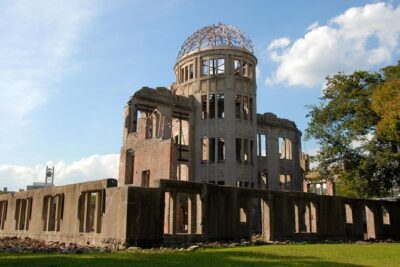 ★ 5.0Peaceful Hiroshima & Miyajima UNESCO 1 Day Bus TourFrom $129
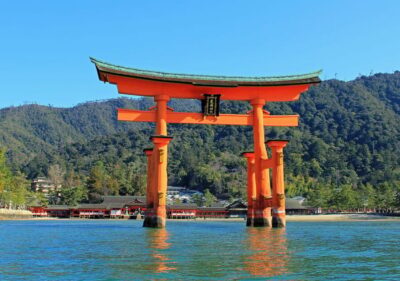 ★ 4.9Hiroshima: Hiroshima and Miyajima UNESCO Sites 1-Day TourFrom $1228 hours
 ★ 5.0Hiroshima / Miyajima Full-day Private Tour with Government Licensed GuideFrom $202
 ★ 4.7Osaka/Kyoto: Hiroshima Miyajima Bus Tour & Shinkansen TicketFrom $27712 hours
 ★ 4.8Hiroshima Historical Walking Tour – Why A-Bomb was DroppedFrom $352h 30m
 ★ 5.0Hiroshima Peace (Heiwa) Walking Tour at World Heritage SitesFrom $94
