
Reviewed · HIROSHIMA FOOD TOURS
Hiroshima: Okonomiyaki Cooking Class with a Local Chef
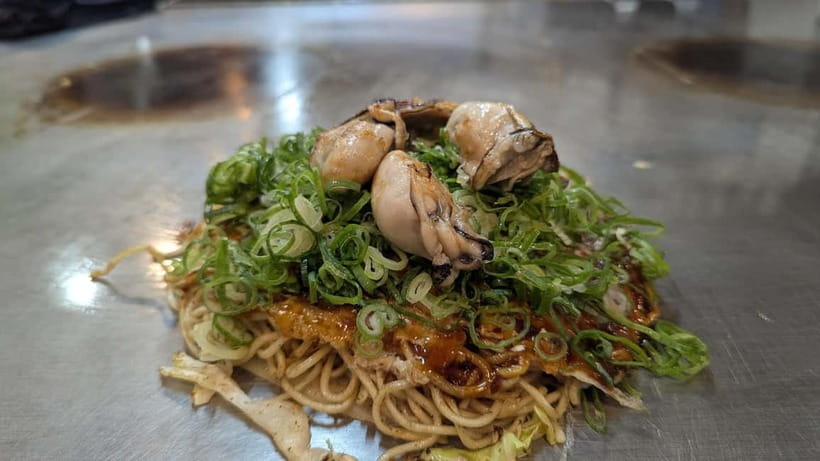
Hiroshima-style okonomiyaki is dinner and a small show rolled into one. Batter, cabbage, bean sprouts, noodles, meat or seafood, and a fried egg are cooked in separate layers on a hot griddle, then brought together in one generous dish. You cook alongside a professional chef, with English help from guide Ken.
I like the hands-on cooking and the short tram ride, which turns a meal into a small introduction to Hiroshima. I also like the choice of meat, seafood, vegetarian, and gluten-free versions. The main caution is that one published account found the restaurant dirty, so diners who place a high priority on polished surroundings may want to keep expectations practical.
In This Review
- Key points at a glance
- Why Hiroshima Okonomiyaki Is Different
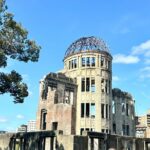
- Meeting by the Atomic Bomb Dome
- A Short Ride on Hiroshima’s Historic Tram
- Cooking Beside a Professional Chef
- Choosing Meat, Seafood, Vegetarian, or Gluten-Free
- The Meal, the Griddle, and the Local Setting
- What the $56 Price Includes
- Who Will Get the Most From This Class
- Practical Details Before You Book
- Should You Book This Hiroshima Food Experience?
- FAQ
- Where does the okonomiyaki class meet?
- Is transportation included?
- What food choices are available?
- Can I cook the okonomiyaki myself?
- Is the experience conducted in English?
- What is included in the price?
- Can I cancel or pay later?
Key points at a glance
- Meet beside the Atomic Bomb Dome: The tour begins at the fountain in Peace Memorial Park, an easy landmark to find.
- Ride a historic Hiroshima tram: Your local train fare is included, adding a useful slice of everyday city life.
- Cook the layered Hiroshima style: You work with the chef rather than simply watching a demonstration.
- Choose your ingredients: Meat, seafood, vegetarian, and gluten-free options are available, with gluten-free requested in advance.
- Learn with Ken: English-speaking guide Ken translates the cooking steps and shares local background.
- Small-group format: The setting is a real local restaurant, with private and small-group options available.
Why Hiroshima Okonomiyaki Is Different
If you know Osaka okonomiyaki, expect a different build here. Osaka-style ingredients are usually mixed before cooking. Hiroshima-style okonomiyaki is assembled in layers, with each part cooked carefully on the griddle.
The chef starts with a thin base of batter. Cabbage and bean sprouts follow, then noodles, meat or seafood, and a fried egg. The result is taller, larger, and more structured than the Osaka version. Watching the layers take shape helps you understand why this is more than a casual pancake.
The name okonomiyaki is commonly explained as grill it how you like. That spirit is clear in the menu choices. You can choose meat, seafood, or vegetables, and a gluten-free version is available by request. The dish is flexible, but Hiroshima’s method gives it a clear local identity.
This food also carries a useful piece of modern Japanese history. Okonomiyaki took shape in the years after World War II, when affordable ingredients had to stretch a long way. Cabbage, sprouts, noodles, eggs, and a little meat or seafood could become a filling meal. It remains popular because it is practical, social, and easy to adjust to different tastes.
A few more Hiroshima tours and experiences worth a look
Meeting by the Atomic Bomb Dome
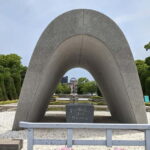
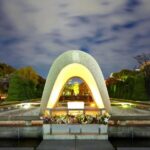
The meeting point is the fountain next to the Atomic Bomb Dome in Peace Memorial Park. This is a strong starting place for a food tour because it is easy to identify, central to Hiroshima, and close to one of the city’s most important sites.
You will not begin by wandering through side streets trying to find a restaurant. Instead, you meet your English-speaking guide in a clear public spot, then travel together. Guide Ken has been praised for explaining Hiroshima and okonomiyaki with confidence, and for adding local points of interest along the way.
The meeting point also gives you a chance to arrange this activity around a visit to the Peace Memorial Museum and park. The cooking class itself is not a substitute for those sites. It offers a different view of Hiroshima, one tied to daily life, food, and the city’s postwar story.
Plan to arrive ready for a short transfer. Exact start times vary, and the total activity can take anywhere from two to six hours depending on the selected option and schedule. That is a wide range, so check the booking time carefully if you have a museum reservation, ferry, or train to catch.
A Short Ride on Hiroshima’s Historic Tram
From the Atomic Bomb Dome area, the group takes a local tram to the restaurant. The ride is included in the price, and it gives you more than simple transport.
Hiroshima’s tram system is part of the city’s character. Riding it with a local guide helps you get a feel for how people move around town, rather than keeping the whole activity inside a restaurant. Ken may also point out landmarks along the way, and one account describes an impromptu look at several Hiroshima sights during the outing.
This part is especially useful early in your stay. You get a little orientation before sitting down to eat, and your guide can point you toward tram connections for later sightseeing. If you prefer to continue exploring on foot after the meal, the route back toward Peace Memorial Park along the river is described as picturesque.
The tram ride is still a public transit journey, not a private sightseeing vehicle. You should expect a practical city transfer rather than a long guided tour from a reserved carriage. That is part of the appeal, but it also means the pace can depend on normal city transport.
Cooking Beside a Professional Chef
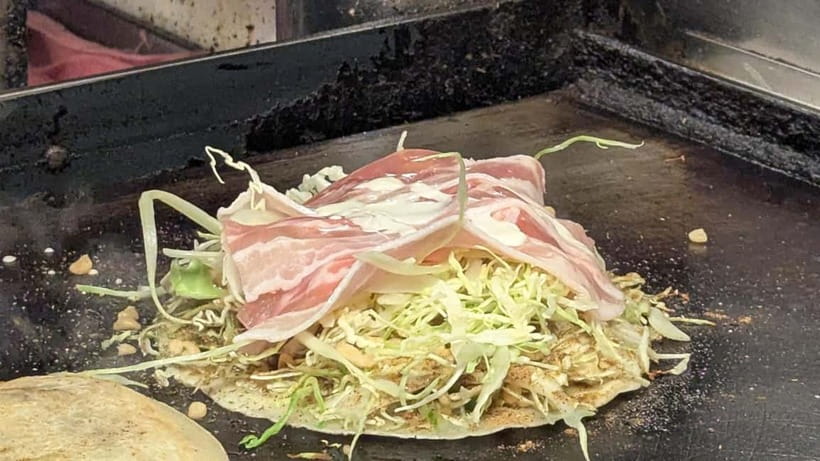
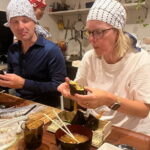
At the restaurant, you sit grill-side with the chef and guide. The chef demonstrates each step, and you can cook your own okonomiyaki alongside the professional.
This is the heart of the activity. You are not merely handed a finished plate while someone explains what happened in the kitchen. You get a chance to take part, follow the sequence, and see how the dish changes as each layer is added.
The chef guides you step by step, so you do not need prior cooking skill. The instruction is supported by English translation from the guide, which matters because the timing and order of the layers are central to the Hiroshima method. Ken translates the chef’s directions clearly, allowing you to follow the process rather than guess what to do next.
You can also choose to sit back and let the chef handle the cooking. That makes this a good choice for mixed groups. One person can take the hands-on route while another simply watches, eats, and asks questions.
The experience has a friendly, informal feel. Several published accounts specifically praised Ken’s warm personality and the chef’s patience. That combination is important in a cooking class: the chef brings the technique, while the guide helps bridge language and culture.
Do not expect a formal culinary school lesson. This is a meal in a working local restaurant, with instruction built around one dish. You will learn the method and cultural context, but the main reward is making and eating okonomiyaki in the place where this style belongs.
Choosing Meat, Seafood, Vegetarian, or Gluten-Free
The four listed choices make the class easier to fit into different diets.
The meat option follows the familiar Hiroshima format and is a good pick if you want the version many diners associate with the dish. Seafood offers another local-style variation. The vegetarian choice lets you enjoy the cabbage, sprouts, noodles, egg, and sauce without choosing meat or seafood.
A gluten-free option is available by request. That phrase matters. You should ask for it before the activity rather than waiting until you arrive. The information provided does not specify every ingredient or describe separate preparation areas, so anyone with a serious allergy should confirm the arrangements in advance.
The menu flexibility also fits the basic idea behind okonomiyaki. The dish was built around making a satisfying meal from available ingredients. You can choose according to taste, and the chef can help you understand how the components work together.
You receive one drink, alcoholic or non-alcoholic. Extra drinks and food are not included, so budget a little more if you expect to order beyond the included meal and drink.
A few more Hiroshima tours and experiences worth a look


The Meal, the Griddle, and the Local Setting
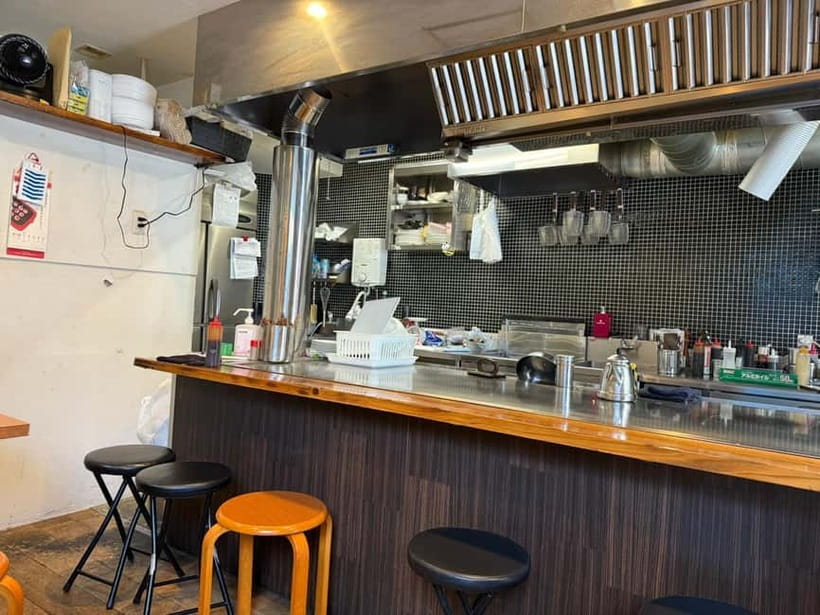
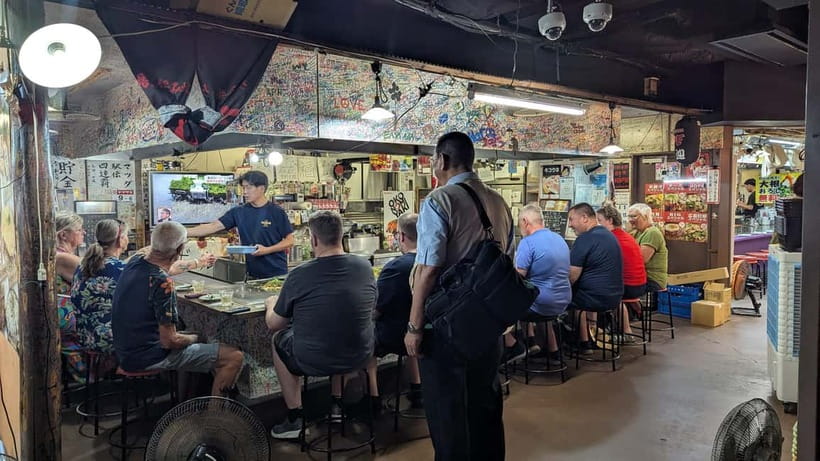
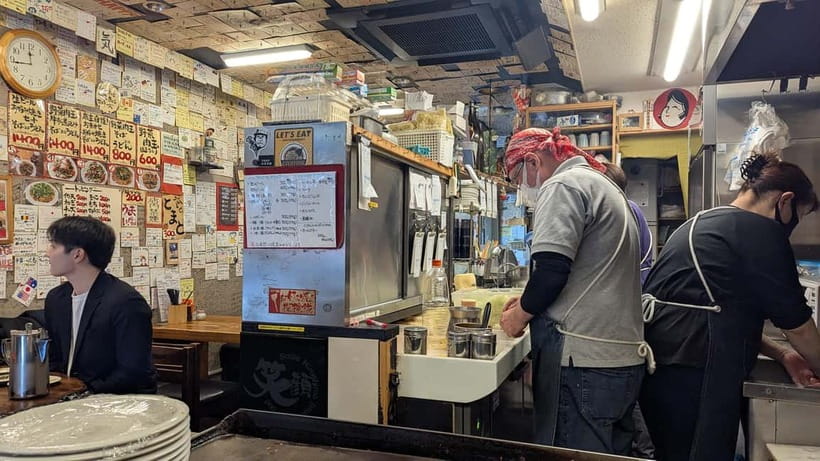
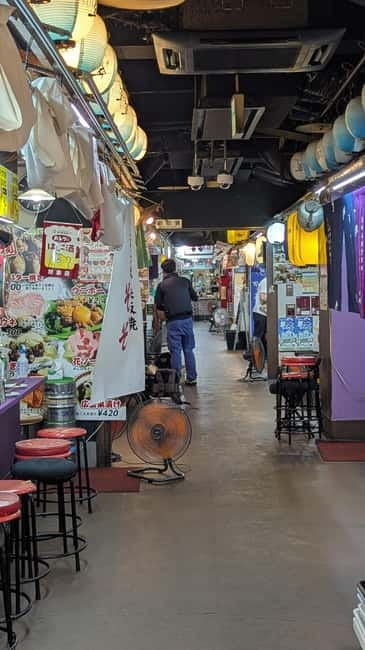
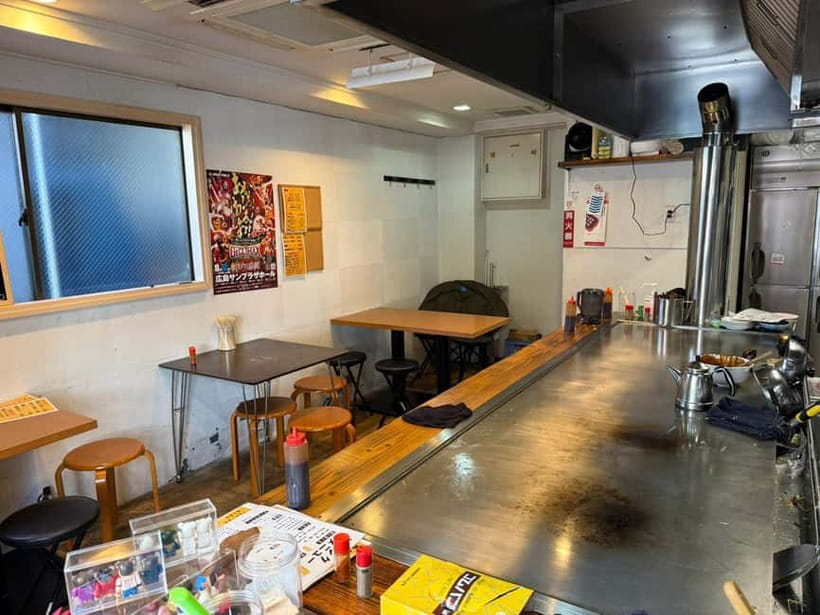
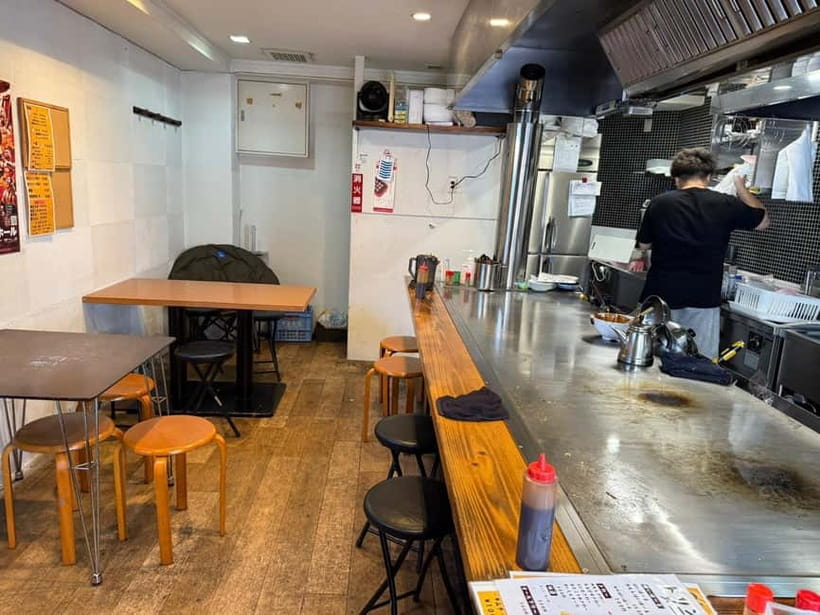
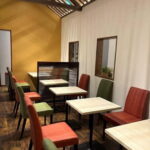
The restaurant setting is intentionally local rather than designed as a highly polished attraction. You sit close to the griddle, watch the cooking, and eat the dish hot.
That closeness is a major part of the value. Okonomiyaki is best understood while it is being built and served in front of you. You see the steam, the careful layering, and the chef’s control of the hot surface. The meal becomes a social event, not just a plate of food.
The tradeoff is comfort and presentation. One published account described the restaurant as dirty and unclean. That should not be ignored. Other accounts focused on the friendly service, patient chef, and delicious food, but the setting may feel more functional than refined.
I would book this for food quality, participation, and local contact, not for elegant decor. If you want a spotless, quiet dining room with a polished tourist menu, this may not be your best match. If you are comfortable with a casual restaurant and care more about how the dish is made, the setting makes sense.
The small-group format helps. You get more room to ask questions and more attention during the cooking than you would in a large class. Private and small-group options are available, though the exact group size should be checked when you select your date.
What the $56 Price Includes
At $56 per person, the price covers several separate elements: an English-speaking guide, a professional chef, the okonomiyaki cooking experience, one drink, your local train ride, and the hands-on meal.
The value is strongest if you use all parts of the experience. A normal restaurant meal would not usually include a guided tram ride, English translation, cultural explanation, and step-by-step instruction from the chef. You are paying for the setting and guidance as much as for the food.
The price is also easier to justify for first-time visitors who want help making sense of Hiroshima beyond the main memorial sites. Ken’s explanations connect the meal to the city, while the tram ride adds a small but useful local detail.
It is less compelling if you only want to eat okonomiyaki as cheaply as possible. You can find the dish in many restaurants, and this activity includes a guide and organized experience that raise the cost. You should book it for the combination of food, transport, translation, and participation.
One drink is included, but additional drinks and food cost extra. The supplied information does not state a separate admission charge for any museum or landmark, so do not treat this as a general Hiroshima sightseeing tour. Its main focus is the restaurant and the food culture around it.
Who Will Get the Most From This Class
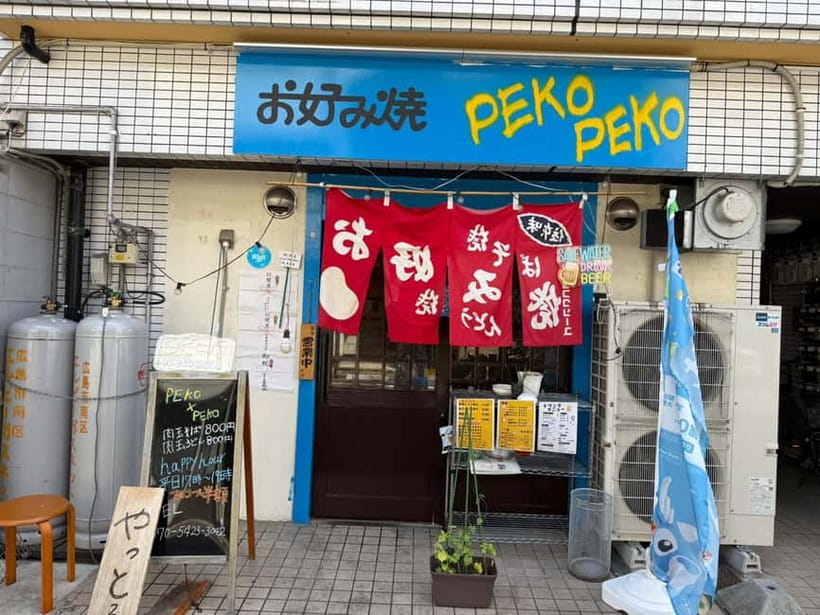
This class suits you if you like to understand a place through food. It is also a good fit if you enjoy doing something rather than only watching a guide talk.
Families and mixed-age groups may appreciate the choice between cooking and simply observing. You can join the process at your own comfort level. The chef handles the difficult parts, while you get the satisfaction of helping create the final dish.
It works well for couples and small groups of friends, especially if you want a relaxed activity after visiting the Peace Memorial Park. The private or small-group format gives you a more personal setting than a large coach excursion.
Vegetarians can choose a vegetarian version, and a gluten-free option is available by request. Still, you should confirm gluten-free details in advance if cross-contact is a serious concern.
This is also useful for first-time visitors who want an English-speaking local guide. Ken’s role goes beyond translating cooking instructions. He can explain Hiroshima and point out places along the route, which adds context without turning the meal into a lecture.
You may want to skip it if you dislike communal griddles, casual restaurants, or strong food smells. The restaurant condition described by one diner is a fair warning for anyone who needs a spotless setting. You should also avoid scheduling it too close to another fixed activity because the duration can vary widely.
Practical Details Before You Book
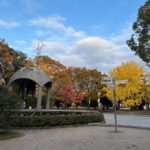
The meeting point is in front of the fountain next to the Atomic Bomb Dome in Peace Memorial Park. Allow time to find the fountain, especially if you are coming from another part of the park.
English is the listed tour language. A bilingual guide accompanies the group, and the professional chef handles the cooking instruction. You do not need to rely on Japanese to follow the class.
The experience is wheelchair accessible. Since the activity includes a local train ride and a restaurant visit, confirm any personal mobility needs when booking so the arrangements match your situation.
Free cancellation is available up to 24 hours before the activity for a full refund. You can also reserve now and pay later, which helps if your Hiroshima schedule is still changing.
The activity length is listed as two to six hours. That range is unusually broad, so check the specific starting time and duration for your chosen date. If you plan to visit the museum, take a ferry, or catch a long-distance train afterward, leave plenty of space.
The activity has an average rating of 4.8 from 11 published reviews. The strongest pattern is clear: Ken’s friendly English guidance, the chef’s patience, the small group, and the fun of making the dish yourself. The one serious concern is restaurant cleanliness, so keep the local, casual setting in mind.
Should You Book This Hiroshima Food Experience?
Book it if you want a meal with a story and a role in making it. The tram ride from the Atomic Bomb Dome, English guidance from Ken, a patient professional chef, and the chance to build your own layered okonomiyaki add real value to the $56 price.
I would especially recommend it for first-time visitors, food lovers, couples, families, and anyone who wants a low-pressure local activity near the Peace Memorial Park. Ask for the gluten-free option in advance, and choose your timing carefully because the duration can vary.
Skip it if your top priority is a spotless dining room, a short fixed schedule, or the lowest possible price for a plate of okonomiyaki. For everyone else, this is a tasty and useful way to see a more everyday side of Hiroshima.
FAQ
Where does the okonomiyaki class meet?
The group meets in front of the fountain next to the Atomic Bomb Dome in Hiroshima’s Peace Memorial Park.
Is transportation included?
Yes. The experience includes a local train ride within Hiroshima, using the city’s historic tram system to reach the restaurant.
What food choices are available?
You can choose meat, seafood, or vegetarian okonomiyaki. A gluten-free option is available by request.
Can I cook the okonomiyaki myself?
Yes. The chef guides you step by step while you cook your own okonomiyaki. You can also choose to relax and let the chef handle the cooking.
Is the experience conducted in English?
Yes. The live guide speaks English, and the bilingual guide translates the chef’s instructions.
What is included in the price?
The price includes the bilingual guide, professional chef, cooking experience, one alcoholic or non-alcoholic drink, hands-on okonomiyaki preparation, and the local train ride.
Can I cancel or pay later?
You can cancel up to 24 hours in advance for a full refund. Reserve now and pay later is also available.
More Cooking Classes in Hiroshima
More Hiroshima Food Tours in Hiroshima
More Hiroshima City Tours in Hiroshima

More tours in Hiroshima we've reviewed


Hiroshima Food Tours, compared.
 ★ 5.0Hiroshima Izakaya Food and Drink Night TourFrom $110
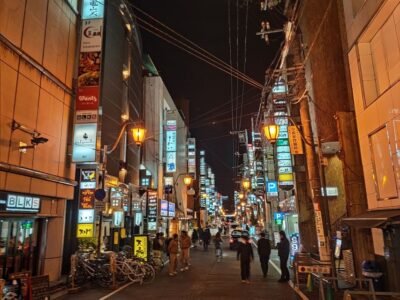 ★ 4.9Hiroshima: Food and Culture Guided Walking Tour with DinnerFrom $943 hours
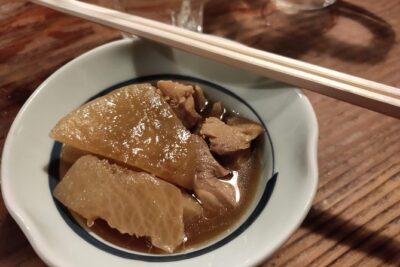 ★ 4.5All-inclusive Hiroshima Nighttime Food and Cultural ImmersionFrom $119
 ★ 5.0Private Japanese Cooking Class in Hiroshima with Machiko’s FamilyFrom $108
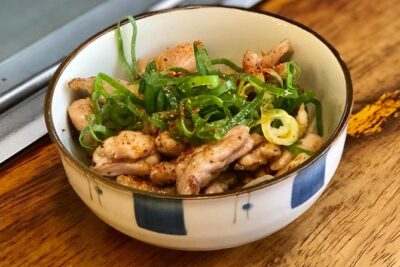 ★ 5.0Best of Hiroshima Food TourFrom $221
 ★ 5.0Dinner Cruise on HANAIKADA (Raft-Type Boat) with Scenic View of MiyajimaFrom $95
