
Reviewed · TEA CEREMONY & KIMONO EXPERIENCES
Hiroshima: Morning Hiking Tour with Open-air Tea Ceremony
An early climb up Futaba Mountain gives you a side of Hiroshima that many visitors miss. You leave the station area, pass old shrines, walk under trees, and reach a hilltop view over Hiroshima, Miyajima, and the Seto Inland Sea. Then, instead of simply heading back down, you sit outdoors for matcha and a traditional Nodate tea ceremony.
I like the thoughtful mix of Shinto culture and quiet time in nature. I also like the small-group format, limited to six people, which gives guides such as Naomi, Nana, Michiyo, Mimi, and Stephanie room to explain what you are seeing and involve you in the tea-making. The main drawback is clear: this is a real uphill walk with about 500 steps, and the tour can run beyond three hours.
In This Review
- Key points to know before you book
- Why this morning feels different from a standard Hiroshima tour
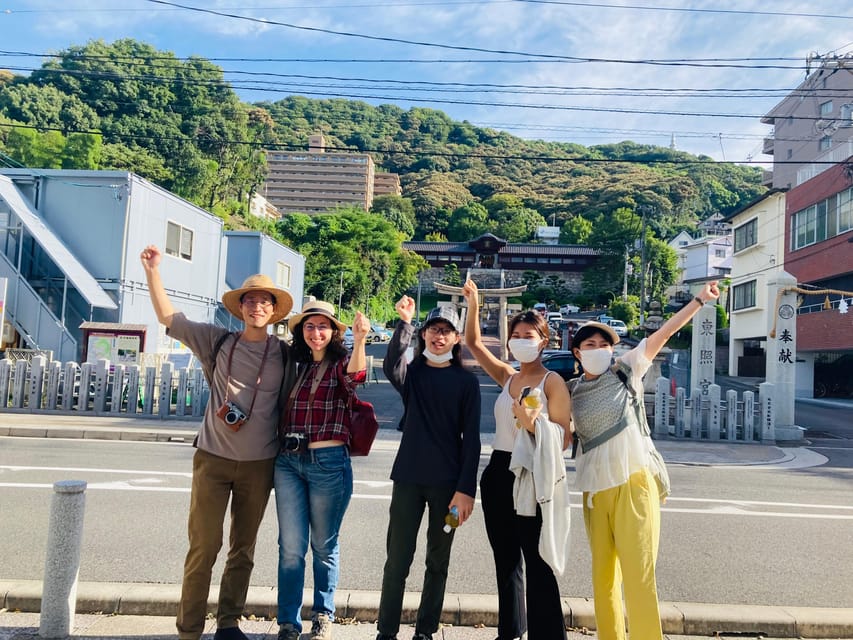
- Hiroshima Toshogu Shrine, a strong opening stop
- Kinko Inari Shrine and the 500-step climb
- The Peace Pagoda viewpoint over Hiroshima and Miyajima
- Forest bathing on Futaba Mountain
- Nodate, an open-air matcha ceremony with a view
- What the three-hour schedule really feels like
- Is $106 good value?
- Who should book this mountain morning?
- My verdict: book it for the combination, not just the view
- FAQ
- Where does the Hiroshima mountain tour meet?
- How long does the activity last?
- How many people can join the tour?
- What languages are offered?
- How many steps are involved?
- What should I bring?
- Is forest bathing a swim?
- Where does the tea ceremony take place?
- Is breakfast included?
- Is hotel pickup and drop-off included?
- Is the tour suitable for people with heart problems?
- Can I cancel for a full refund?
Key points to know before you book
- A hilltop view close to Hiroshima Station: You can reach Futaba Mountain without spending the morning on a long transfer.
- Shrines come before the tea: Hiroshima Toshogu Shrine and Kinko Inari Shrine give the walk a strong cultural focus.
- The climb is short but steep: Expect roughly 500 steps uphill, with more walking on the way down.
- Forest bathing means sensory relaxation: This is a calm nature activity, not swimming or bathing in water.
- The outdoor tea ceremony is the special finish: Your guide prepares green tea in the mountain setting, sometimes inviting you to make matcha yourself.
- Best for early risers: The tour begins in the morning, when the air is cooler and the city views are especially appealing.
Why this morning feels different from a standard Hiroshima tour
Hiroshima is often visited through its Peace Memorial Park, Atomic Bomb Dome, and museum. Those places matter, but this walk adds a quieter and more local-feeling morning. You learn about Shinto shrines, mountain traditions, and Hiroshima’s setting while moving at a human pace.
The tour starts at the deck on the second floor of Hiroshima Station, in front of the Shinkansen North Exit. That is useful if you are staying near the station or arriving by train. You do not need hotel pickup, and the starting point is easy to fold into a day of sightseeing.
The small group matters here. On a city walking tour, a large group can work well. On a wooded path and during a tea ceremony, six or fewer people feels much more natural. You can ask questions, pause for photographs, and take part without feeling rushed.
The guides are a major part of the experience. Names reported for this tour include Naomi, Nana, Michiyo, Mimi, Michi, and Stephanie. The exact guide depends on the date, but you can expect a Japanese or English-speaking local guide who explains the shrines, route, and activities as you go.
A few more Hiroshima tours and experiences worth a look

Hiroshima Toshogu Shrine, a strong opening stop
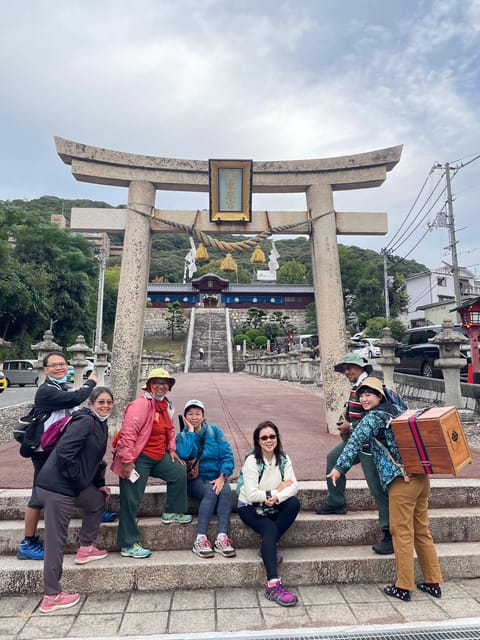
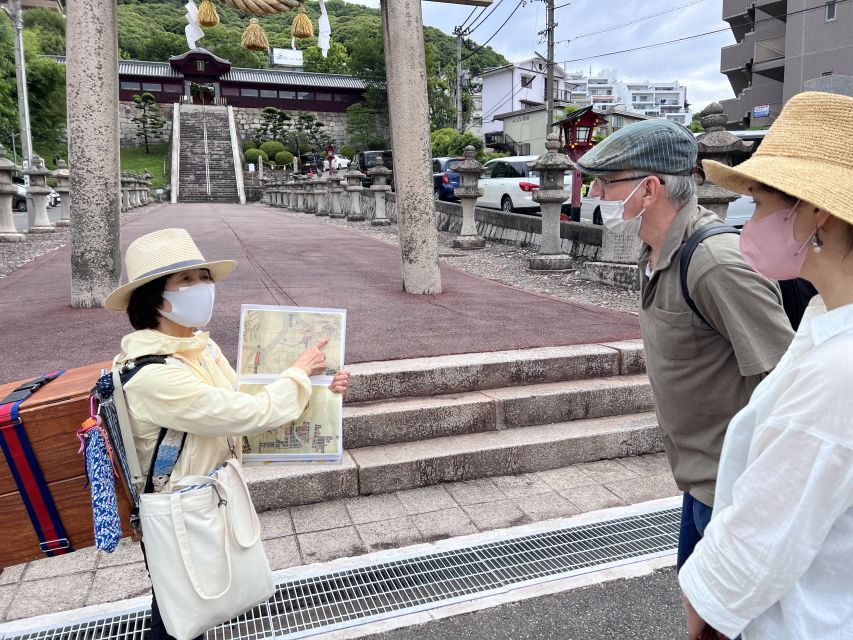
The first main visit is Hiroshima Toshogu Shrine. This gives you a cultural introduction before the physical part of the walk becomes serious.
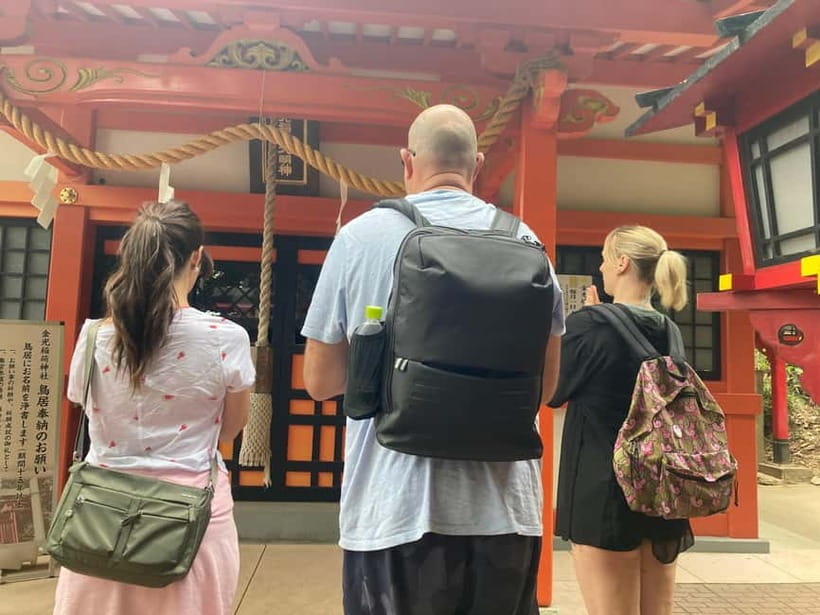
The shrine includes traditional architecture and important cultural assets. Your guide leads you around the grounds, pointing out details and offering context about Shinto customs and the place’s history. Several people who took the tour especially valued learning about worship habits and the difference between Shinto and Buddhism.
That explanation is useful because Japanese religious sites can look simple at first glance. A torii gate, stone steps, a worship hall, and smaller structures each have a role. With a guide, you have a better chance of understanding what you are looking at instead of treating the shrine as a quick photo stop.
Allow about 30 minutes for this section. It is also a good warm-up. You are walking, but you have not yet reached the steeper mountain steps.
One practical point: the quality of your questions may depend on the guide’s own background. Guides can explain the site and local customs, but this is not presented as a priest-led tour. If you want detailed answers about specific worship practices, some questions may not have a full answer.
Kinko Inari Shrine and the 500-step climb
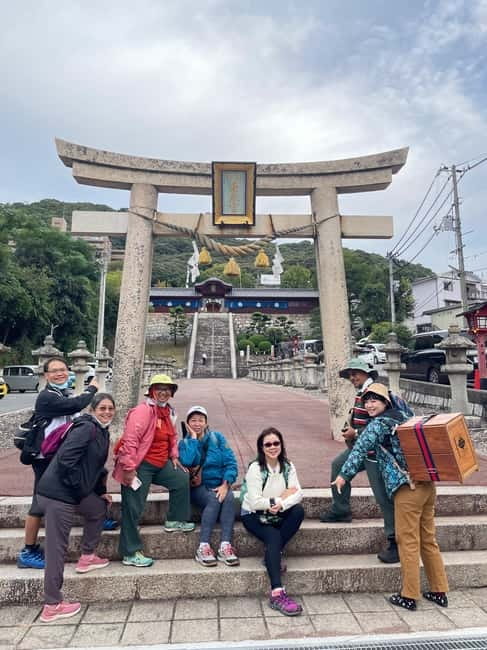
From Toshogu Shrine, the route continues toward Kinko Inari Shrine on Futaba Mountain. The mountain path passes through greenery and includes about 25 minutes of walking and hiking before reaching the Peace Pagoda area.
Do not read 25 minutes and assume this is a flat stroll. The tour information warns you about around 500 steps, and that is the detail you need to take seriously. One participant counted 466 steps, while another described more than 500 uphill and nearly as many on the return. The climb is manageable for many people, but it is not effortless.
The guides generally build in breaks. That makes the pace more forgiving, and you can stop to look at the trees, shrines, and changing views. Still, comfortable shoes are essential. I would also choose clothing that lets you move freely and bring water, even though the supplied information only lists shoes as a required item.
Kinko Inari Shrine adds another layer to the walk. Rather than visiting one shrine and then taking a bus to a viewpoint, you continue through the mountain setting, where the religious sites and natural surroundings belong to the same experience.
The route is a good fit if you like a little physical effort with your sightseeing. It is less suitable if you want a gentle stroll, have heart problems, or dislike stairs. The activity is specifically not suitable for people with heart problems.
The Peace Pagoda viewpoint over Hiroshima and Miyajima
After the climb, you reach the Peace Pagoda, where the tour pauses for photographs and scenery. From this height, you can look over Hiroshima City, the Seto Inland Sea, and Miyajima.
This is the visual reward for the steps. The view also helps you understand Hiroshima geographically. From above, the city, water, islands, and surrounding hills fit together in a way that is hard to grasp from street level.
The stop lasts about 35 minutes, including sightseeing and scenic pauses. That gives you time to catch your breath, take photographs, and enjoy the view rather than rushing straight into the next activity.
Morning timing is a real advantage. The tour starts early, partly to avoid the day’s heat. That matters during a stair-heavy walk, especially in warmer months. A clear morning also gives the tea ceremony a bright setting, though the precise view will depend on weather.
The Peace Pagoda is more than a viewpoint in this tour. It marks the change from active walking to slower activities. You have done the strenuous part, and the second half lets you settle down.
Forest bathing on Futaba Mountain
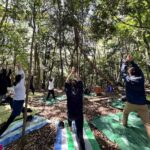
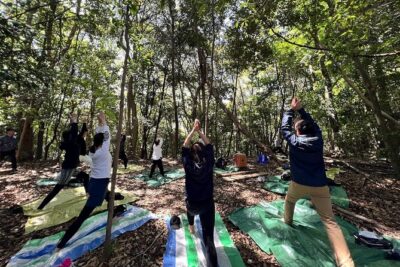
The forest bathing session is one of the tour’s less familiar features. It does not mean swimming, washing, or entering a natural pool. Instead, it is a sensory meditation in the woods, using quiet attention to help you notice the surrounding nature.
You might be guided to slow your breathing, listen, observe, and focus on the feel of the forest around you. The supplied descriptions also refer to unique yoga, so the exact activity may vary slightly with the guide and group.
I like this pause because it gives the mountain a purpose beyond being a staircase to a view. You are not simply consuming scenery. You have time to sit or stand quietly and notice the place.
This part works best if you are willing to play along. If you expect a fast-paced sightseeing schedule, the quiet may feel unusual. One person thought the activity sounded like a swim before arriving, so make sure you understand that forest bathing is a nature-based relaxation session.
The setting also gives the tour some breathing room. Hiroshima sightseeing can be emotionally heavy, particularly when focused only on wartime history. This walk does not ignore the city’s past, but it lets you see and feel another part of Hiroshima: its shrines, hills, trees, and morning calm.
A few more Hiroshima tours and experiences worth a look

Nodate, an open-air matcha ceremony with a view
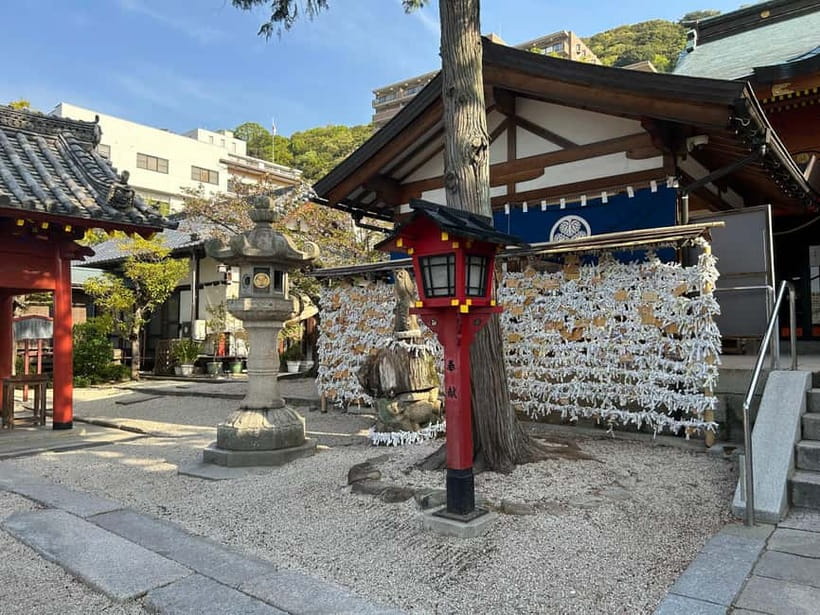
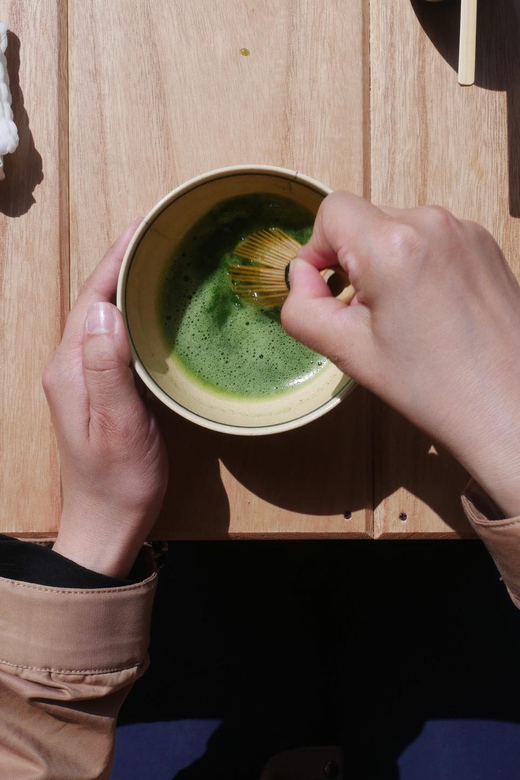
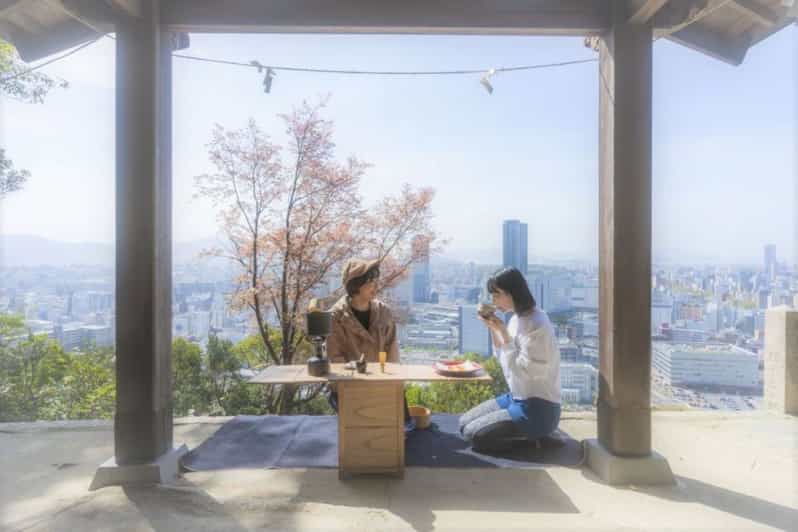
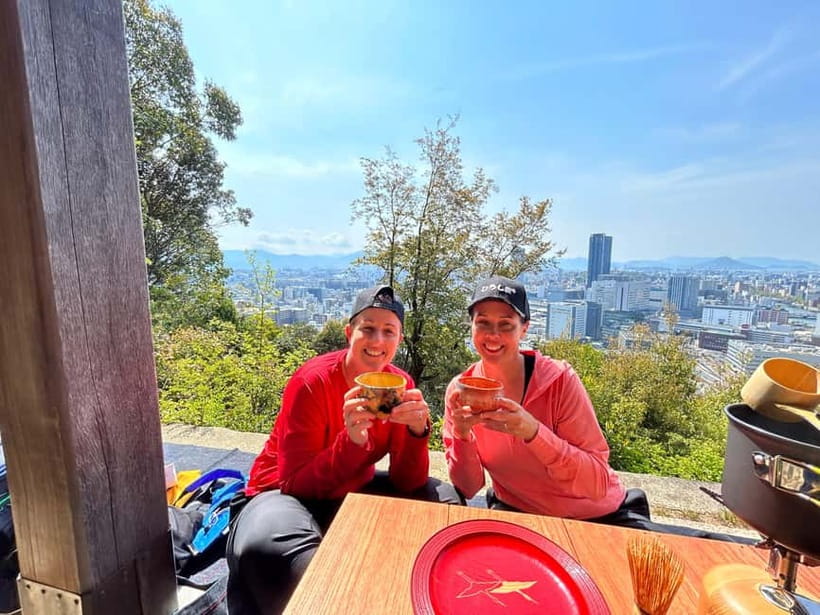
The tea ceremony is held outdoors near Kinko Inari Shrine, after the climb and forest bathing. Your guide prepares green tea in the mountain setting, with Hiroshima spread out below.
This is a Nodate ceremony, meaning tea prepared outside rather than in a formal indoor tea room. You should not expect kimono, tatami, or a strict private-room ceremony. That is not a weakness. The open-air format fits the mountain and creates a more relaxed meeting with Japanese tea culture.
The ceremony lasts about an hour, including a break, tea, photographs, and the scenic setting. Small sweets may accompany the matcha, adding a pleasant traditional touch.
A particularly nice feature is the chance to participate. Guides have invited visitors, including children, to learn how to prepare the matcha correctly. One participant even had the chance to take part in making the tea. If you want to try, ask your guide rather than sitting back and watching.
The setting changes the feel of the ceremony. You are not studying a formal performance from a distance. You are sitting outdoors after a climb, holding warm matcha, and looking out over Hiroshima. It is casual, but it still introduces the care and sequence involved in preparing the tea.
The taste of matcha can be sharp and grassy if you are not used to it. That is part of the point, and the sweets help balance it. If you already enjoy Japanese tea, this may be the highlight of the morning. If you do not, the view and the preparation still make it worthwhile.
What the three-hour schedule really feels like
The advertised duration is three hours, but you should allow some flexibility. One person reported that the experience ran a little over three hours and advised telling the guide if you have a fixed plan afterward.
The broad rhythm is:
- Meet at Hiroshima Station.
- Walk to Hiroshima Toshogu Shrine for about 30 minutes.
- Continue toward Kinko Inari Shrine and hike for roughly 25 minutes.
- Reach the Peace Pagoda area for views and photographs, about 35 minutes.
- Relax near Kinko Inari Shrine with forest bathing and the outdoor tea ceremony, about one hour.
- Return toward the listed Hiroshima Station drop-off points.
The timing can stretch because groups stop for photos, questions, and breaks. That is usually a benefit on a mountain tour, but it makes this a poor choice immediately before a train departure or timed attraction.
Breakfast is included only if you select the breakfast option. Hotel pickup and drop-off are not included. The tour begins and ends around Hiroshima Station, with the meeting point in front of the Shinkansen North Exit and drop-off options listed around the station and Seven Bank ATM.
Is $106 good value?
At $106 per person, this is not the cheapest way to see a Hiroshima viewpoint. You could walk in the area independently for far less, assuming you know the route and do not need a guide.
The value comes from combining several separate experiences in one morning: a shrine visit, cultural explanation, mountain walk, city viewpoint, forest bathing, and open-air tea ceremony. You also get a small group capped at six, which is important during the tea portion.
I would consider the price fair if you want help understanding the shrines and would not otherwise arrange a tea experience. It is less compelling if you mainly want a hike or a photograph from above. In that case, you may prefer to explore on your own.
The guide’s contribution is central to the price. Guides such as Naomi, Nana, Michiyo, Mimi, Michi, and Stephanie have been praised for warmth, clear explanations, patience, and enthusiasm. That personal element turns a short climb into a cultural activity rather than a route between two viewpoints.
Free cancellation is available up to two days in advance for a full refund. Check the available morning start times before booking, since the exact schedule can vary.
Who should book this mountain morning?
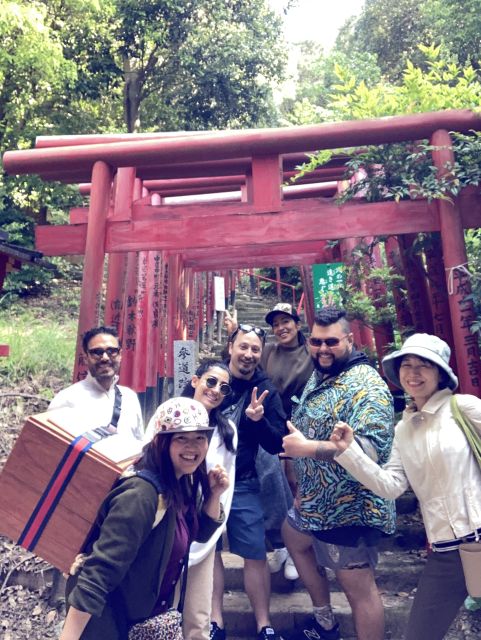
I would recommend it to you if you:
- Want a different side of Hiroshima beyond the main memorial sites.
- Enjoy short hikes with stairs and regular pauses.
- Are curious about Shinto shrines and Japanese tea.
- Like small groups and direct contact with a local guide.
- Can start early and keep some flexibility after the tour.
- Want a calm activity that includes time for quiet reflection.
Families can enjoy it if everyone is comfortable with the steps. The tea ceremony can be especially engaging for children when the guide lets them help prepare matcha, though the uphill walk should not be underestimated.
I would hesitate if you have heart problems, poor footwear, a strict three-hour schedule, or no interest in a physical activity. The tour is not a flat cultural walk. The descent also requires care, even if the climb receives most of the attention.
My verdict: book it for the combination, not just the view
This is a strong choice for an early morning in Hiroshima because it joins real physical effort with quiet cultural encounters. The 500 steps are a genuine drawback, but they lead to a satisfying view and a well-earned cup of matcha.
Book it if you want a guide to connect shrine customs, mountain scenery, and tea preparation. Skip it if you want a fast, easy viewpoint visit or need to stay on a precise schedule. For the right person, the forest pause and open-air ceremony make this more memorable than another standard city tour.
FAQ
Where does the Hiroshima mountain tour meet?
Meet your guide on the deck on the second floor of Hiroshima Station, in front of the Shinkansen North Exit.
How long does the activity last?
The stated duration is three hours, but it can run slightly longer. Tell your guide if you have a fixed plan afterward.
How many people can join the tour?
It is a small-group tour limited to six participants.
What languages are offered?
The tour has live guides who speak Japanese and English.
How many steps are involved?
You need to climb about 500 steps. One description counts 466 steps, while other accounts describe more than 500 uphill and a similar number on the way down.
What should I bring?
Bring comfortable shoes suitable for a steep, stair-heavy hike.
Is forest bathing a swim?
No. Forest bathing is a sensory meditation and nature activity in the woods. It is not swimming or bathing in water.
Where does the tea ceremony take place?
The Nodate tea ceremony takes place outdoors near Kinko Inari Shrine on Futaba Mountain.
Is breakfast included?
Breakfast is included only when you select the breakfast option.
Is hotel pickup and drop-off included?
No. Hotel pickup and drop-off are not included. The listed meeting and drop-off points are around Hiroshima Station and the Seven Bank ATM.
Is the tour suitable for people with heart problems?
No. The activity is not suitable for people with heart problems because of the uphill route and approximately 500 steps.
Can I cancel for a full refund?
Yes. You can cancel up to two days in advance for a full refund.
More Hiking & Trekking Tours in Hiroshima
More Tea Ceremony & Kimono Experiences in Hiroshima
More Hiroshima City Tours in Hiroshima
More tours in Hiroshima we've reviewed




Tea Ceremony & Kimono Experiences, compared.
 ★ 5.0Hiroshima Local guided Hiking Tour&Open-air Tea CeremonyFrom $109
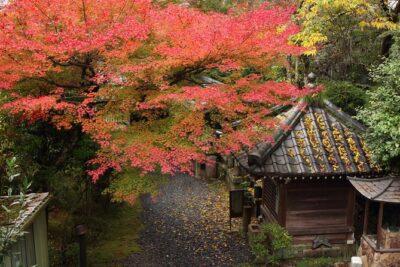 ★ 5.0Kimono and Tea Ceremony in MiyajimaFrom $85
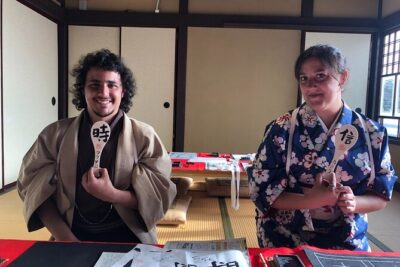 ★ 5.0An Amazing set of Cultural experience: Kimono, Tea Ceremony and CalligraphyFrom $132
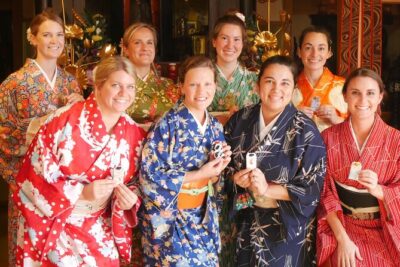 ★ 5.0Cultural Activities :Kimono, tea ceremony, Calligraphy and AmuletFrom $171
 ★ 5.0Experience the Soul of Hiroshima: A Peaceful Koto WorkshopFrom $501h 30m
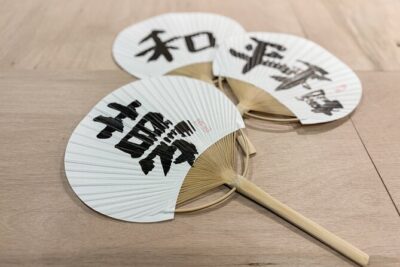 ★ 5.0Calligraphy Workshop at Traditional Folk Craft Shop in HiroshimaFrom $32
