
Reviewed · WORKSHOPS
HiroshimaCity: JapaneseAbacus(Soroban)Workshop nearPeacePark
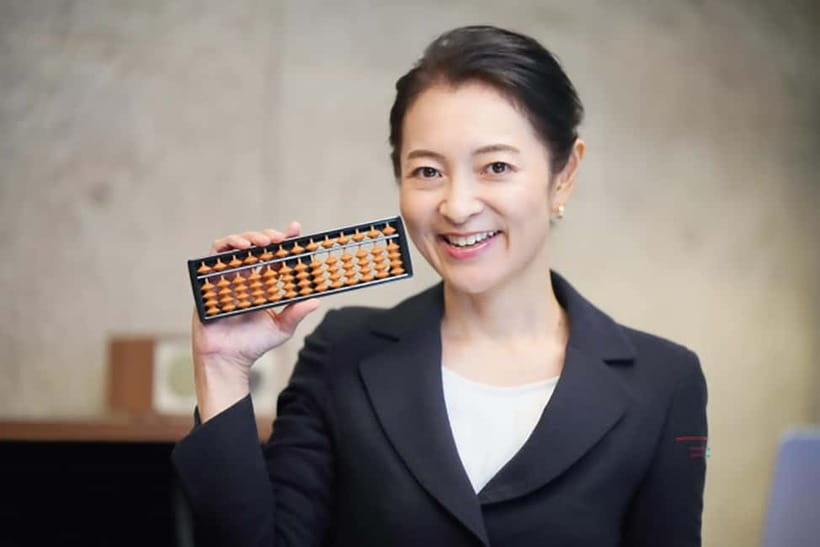
The most unusual part of this Hiroshima activity is also the simplest: you sit down with a wooden soroban, move its beads with your fingers, and learn to picture numbers in your head. This is not a sightseeing stop. It is a quiet, hands-on lesson in a traditional Japanese school skill, held near Hiroshima Peace Memorial Park.
I like the private format, which gives families, couples, and friends room to learn at their own pace. I also like the low price of $29 per person for 90 minutes, especially when you want a cultural activity that does not involve a long ride or a crowded attraction. The main consideration is communication. English is offered, but some participants found explanations limited, so you should be comfortable with a simple, practical lesson rather than a detailed lecture.
In This Review
- Key points to know before you book
- Why soroban makes a good Hiroshima activity
- Finding the ARTBIT meeting point
- The first lesson: understanding the soroban
- Moving from bead counting to mental math
- The possible calligraphy add-on
- The instructor and language question
- How the 90 minutes feel
- Is $29 per person good value?
- Who will enjoy this most?
- Practical booking advice near Peace Memorial Park
- Should you book this soroban workshop?
- FAQ
- How long does the Hiroshima soroban workshop last?
- How much does the workshop cost?
- Where does the experience meet?
- Is the workshop near Hiroshima Peace Memorial Park?
- Do I need previous soroban experience?
- Do I need to speak Japanese or know Japanese math?
- What languages does the instructor speak?
- Is this a private activity?
- Can I cancel the booking for a refund?
Key points to know before you book
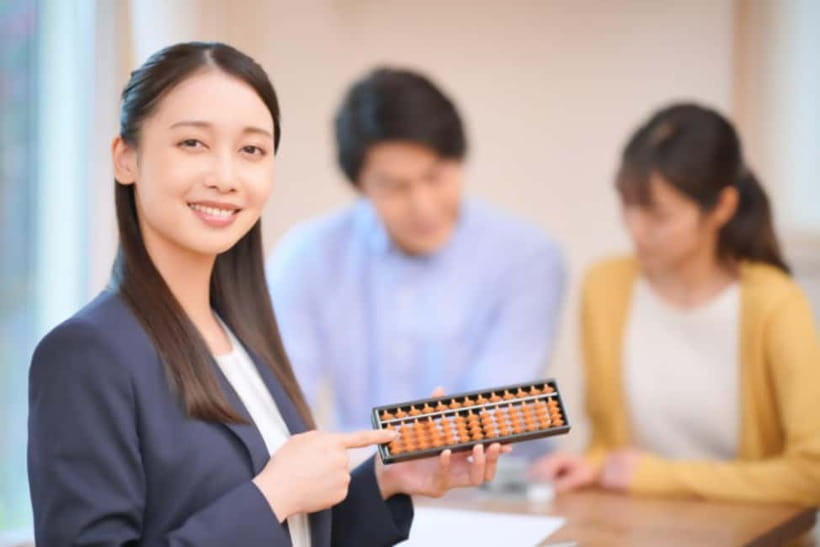
- You practice on a real Japanese soroban, learning bead movement through simple addition and subtraction.
- The private group setting suits families, couples, and friends who want a shared activity.
- The workshop is within walking distance of Hiroshima Peace Memorial Park, making it easy to pair with a day of sightseeing.
- No math or Japanese skills are needed, and the instructor welcomes complete beginners.
- Some sessions have included a short calligraphy activity and small gifts, although the core activity is the soroban lesson.
- English and Japanese instruction is available, but the level of spoken English may vary.
Why soroban makes a good Hiroshima activity
Hiroshima has major sights that ask for quiet reflection. The Peace Memorial Park and its museums can fill much of your day with serious subject matter. A soroban workshop gives you a different kind of cultural encounter nearby: focused, social, and rooted in everyday Japanese education.
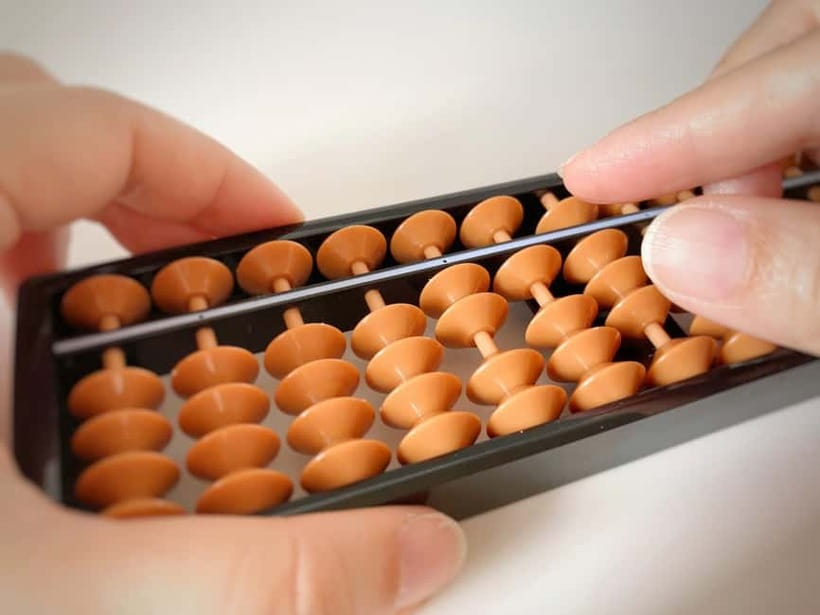
The soroban is not just an old calculator. It has roots in the Edo period and is still used as a way to train concentration, memory, and numerical thinking. You learn to move the beads with your fingers, but the larger lesson is visual. With practice, you begin to picture the beads and numbers mentally.
That makes the activity more interesting than a quick craft demonstration. You are not simply watching an instructor perform a Japanese tradition. You are trying it yourself, making mistakes, and gradually finding the rhythm of the tool.
I think this works particularly well after a morning at the Peace Memorial Park. You can shift from absorbing large historical events to concentrating on a small wooden frame in front of you. The change of pace is useful, especially for families with children who need an activity that lets them participate rather than only look and listen.
A few more Hiroshima tours and experiences worth a look
Finding the ARTBIT meeting point
You meet in front of ARTBIT, a small art shop with a glass front. Staff meet you there and guide you to the workshop space, so you do not need to search for a separate classroom on your own.
Arrive a few minutes early. The meeting point is important because the shop is the clear landmark provided for the activity, while the exact experience space may be guided separately. Waiting in front of the glass-fronted shop is the safest plan.
The location near Peace Memorial Park is a practical advantage. You do not need to set aside a full day or arrange special transportation. Transportation to the venue is not included, so you make your own way to ARTBIT, but the nearby setting makes this easy to combine with other Hiroshima plans.
The first lesson: understanding the soroban
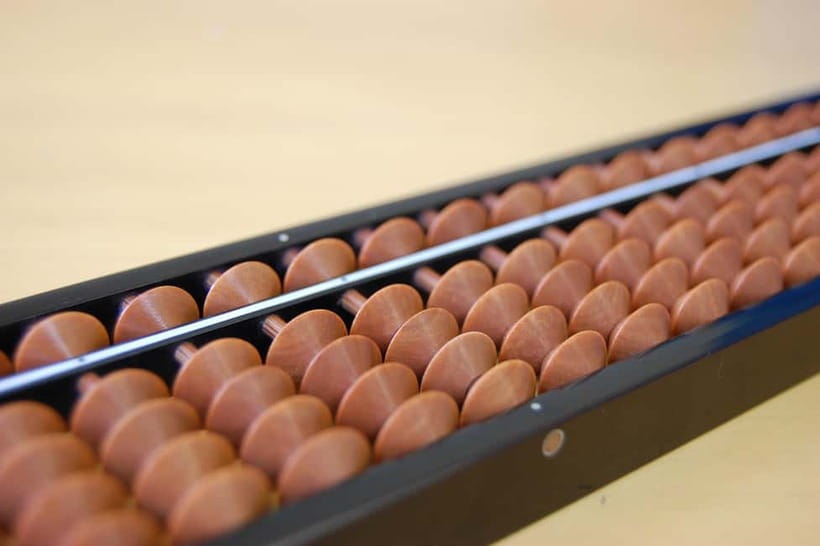
Once you reach the experience space, you use a real Japanese abacus and receive guidance from an instructor. The basic task is learning how the beads represent numbers and how your fingers should move them.
The activity is built for people starting from zero. You do not need to read Japanese, understand Japanese school methods, or feel confident with arithmetic. The exercises begin with basic operations such as addition and subtraction.
This is where the private group format matters. A family can work together, while a couple or small group of friends can laugh through the first awkward attempts without being mixed into a large class. Participants have described the mood as fun and even a little like going back to school.
Do not expect a university lecture on the full history of the soroban. The information provided promises clear, gentle instruction, but feedback indicates that some explanations of the tool and its background have been brief. You will get the most from the session if your goal is to use the abacus, not to receive a long cultural talk.
Moving from bead counting to mental math
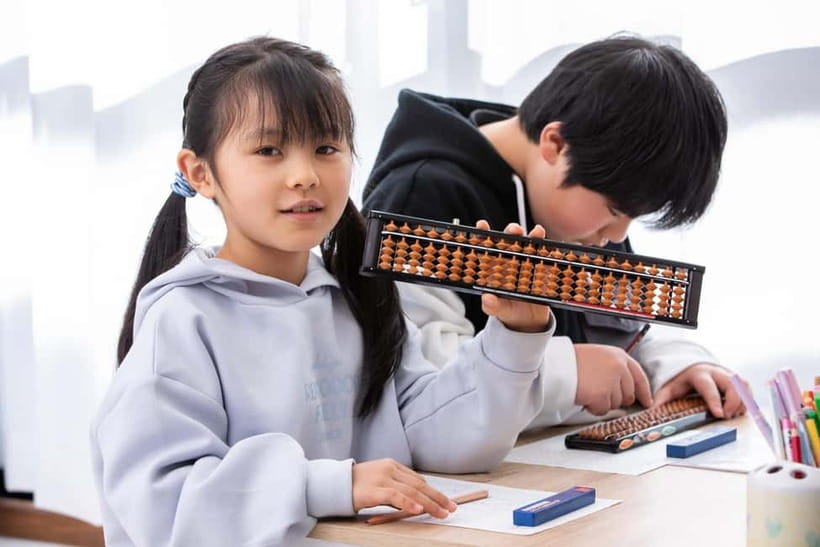
The real point of the lesson is not simply to calculate with your hands. The instructor introduces the Japanese approach to visualizing numbers, helping you see how the soroban can become a mental training tool.
At first, you may rely entirely on the beads. As the exercises continue, you begin to imagine their positions. That shift is what gives the activity its cultural and educational value. You get a small look at a method still connected to Japanese learning, rather than a staged performance created only for tourists.
The exercises remain simple enough for beginners, but they can still be engaging for adults. If you enjoy puzzles or short brain exercises, you will likely find the work satisfying. One participant described the activity as positive training for the brain, which is a fair way to understand the appeal.
The lesson is also forgiving. You do not need to be good at math to enjoy it. In fact, the tactile nature of the beads can make arithmetic feel less abstract. You see the number, feel the movement, and receive immediate feedback when the answer works.
The possible calligraphy add-on
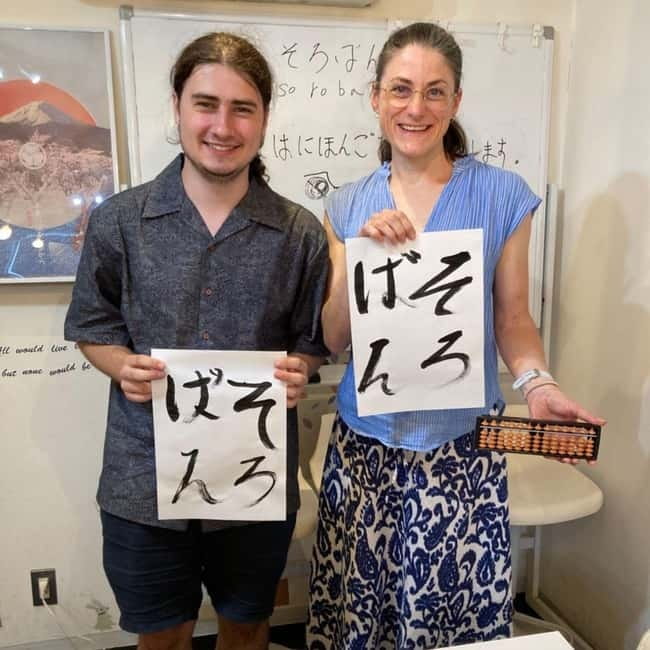
Several accounts of the session describe calligraphy as part of the experience, along with a small handmade souvenir or gift. The activity information itself focuses on soroban, so I would treat calligraphy as a possible part of the session rather than a guaranteed feature to book solely for that reason.
When included, the calligraphy portion appears to be short. You may learn one kanji of your choice and create something to take home. That gives the workshop a nice physical memento, but it does not turn the activity into a full calligraphy class.
You should also know that instruction in brush handling and technique may be limited. If you have always wanted a detailed lesson on Japanese calligraphy, this may feel too brief. If you simply want to try the brush, make a keepsake, and add another Japanese activity to the day, it can be a pleasant bonus.
The mix of soroban and calligraphy also explains why the experience can feel broader than the title suggests. You get a taste of traditional calculation and brush writing, but the soroban remains the main subject described for the booking.


The instructor and language question
Instruction is available in Japanese and English. The teaching style is described as friendly, gentle, and suitable for first-time learners. The personal side of the class seems to be one of its strongest features, with participants particularly appreciating the instructor’s warmth, humor, and patience.
Still, English ability may not be equal to the level you would find in a museum lecture or formal language school. Some people had trouble communicating and wanted more explanation of how the abacus worked, as well as more background on calligraphy.
That does not make the class unusable for English speakers. It does mean you should expect demonstration, repetition, and practice to carry much of the lesson. The soroban is a visual tool, so watching the instructor move the beads can bridge some language gaps. You may want to ask questions clearly and keep your expectations focused on doing rather than discussing.
For children, this can actually work well. The activity does not depend on a long spoken explanation, and the hands-on steps are easy to follow when demonstrated. Adults who want historical detail should keep the language point in mind.
How the 90 minutes feel
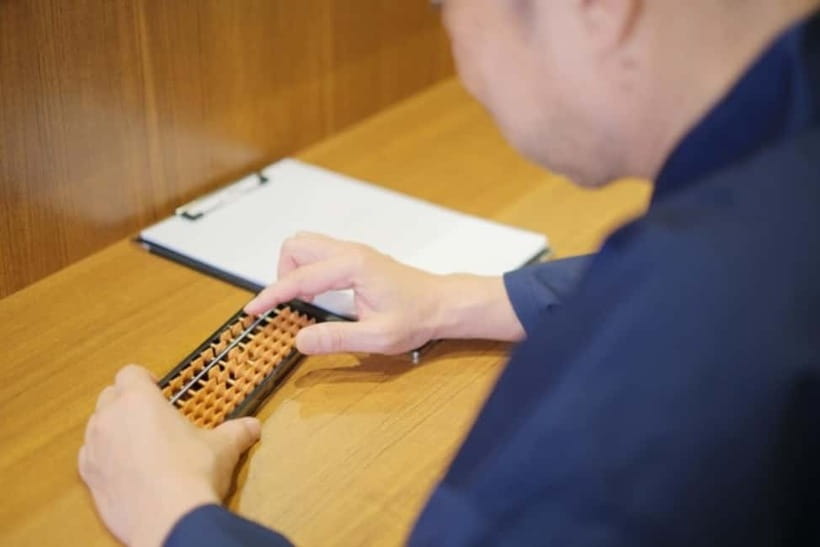
Ninety minutes is a useful length for this activity. It gives you enough time to learn the basics, practice calculations, and possibly try calligraphy without taking over your entire Hiroshima schedule.
The session is long enough to move beyond a photo opportunity. You have time to make errors, understand the bead positions, and experience the small satisfaction of getting an exercise right. At the same time, it is not so long that children or beginners are likely to lose interest immediately.
Several participants found that the time passed quickly. That is a good sign for anyone concerned that a school-style activity might feel dull. The atmosphere appears relaxed and playful, with laughter playing a large role in the session.
Still, the level of challenge depends on the instructor and the group. If you already know soroban, this beginner-focused workshop may feel basic. For a first attempt, the pace should be more comfortable.
Is $29 per person good value?
At $29 per person, the price is reasonable for a private 90-minute activity in central Hiroshima. You are paying for instruction, use of the soroban, practice materials, and a cultural lesson rather than an admission ticket to a major sight.
The value is strongest for a small group. A private session means you are not paying for a large, impersonal demonstration. You can share the experience with your family or friends, and the activity gives you something to talk about afterward.
The price also makes sense as a break between major attractions. You do not need to spend money on a meal or add transportation costs through the provider. Meals, drinks, and travel to the meeting point are not included, so account for those separately.
Calligraphy may improve the value if it is part of your session, especially when you receive a small gift or make a souvenir. Because it is not clearly listed as the core inclusion, I would make your booking decision based on soroban alone. Think of calligraphy as an extra, not the main reason to reserve.
Who will enjoy this most?
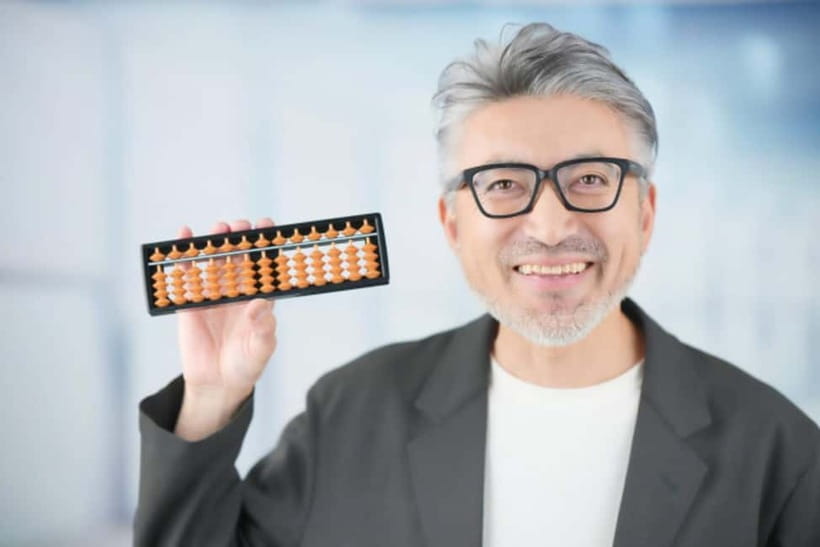
I would recommend the workshop to families with school-age children, couples who like doing things together, and friends looking for a quieter cultural activity. It is also a good option for adults who enjoy puzzles, hand skills, or unusual lessons that do not feel like standard sightseeing.
You do not need any Japanese language ability. You also do not need to describe yourself as a math person. The format is designed for beginners, and the physical movement of the beads gives you something clear to follow.
This may be less satisfying for you if you want a detailed account of the soroban’s historical development or a formal calligraphy course. Communication can limit the amount of explanation, and the calligraphy segment may be quite short.
I would also choose another activity if your schedule is extremely tight. While the meeting point is near Peace Memorial Park, you still need to reach ARTBIT on time and allow 90 minutes for the lesson itself. The workshop is convenient, but it is not a five-minute stop.
Practical booking advice near Peace Memorial Park
The experience is a private group activity, which is a major benefit for families and small parties. Check the available starting times when booking, then plan your Peace Memorial Park visit around the fixed 90-minute session.
You can cancel for a full refund up to 24 hours in advance, and the reserve-now, pay-later option gives you some flexibility while arranging your Hiroshima days. These policies are useful in a city where weather, museum timing, and a slower visit to the memorial sites can change your plans.
The meeting point is in front of ARTBIT, not simply somewhere near the park. Arrive a few minutes early and wait at the glass-fronted shop. Staff will guide you from there.
The activity has a rating of 4.4 from eight verified bookings. The strongest pattern is clear: people value the friendly instructor, the fun atmosphere, and the chance to leave with a new skill and sometimes a small gift. The main weakness is also clear: some participants wanted better English communication and more explanation.
Should you book this soroban workshop?
Book it if you want a private, low-cost activity that lets you learn by doing. The soroban offers a real connection to Japanese education, and the location near Peace Memorial Park makes it easy to fit into a sightseeing day. Families and playful adults are likely to get the most from it.
Do not book it expecting a long history lecture, advanced mathematics, or a full calligraphy course. Go in ready for simple exercises, friendly instruction, and some back-to-school laughter. With that expectation, this is a memorable way to add a small piece of everyday Japanese culture to your Hiroshima visit.
FAQ
How long does the Hiroshima soroban workshop last?
The experience lasts 90 minutes.
How much does the workshop cost?
The price is $29 per person.
Where does the experience meet?
Meet in front of ARTBIT, a small art shop with a glass front. Staff will meet you there and guide you to the experience space.
Is the workshop near Hiroshima Peace Memorial Park?
Yes. The workshop is located within walking distance of Hiroshima Peace Memorial Park.
Do I need previous soroban experience?
No. The workshop is designed for complete beginners.
Do I need to speak Japanese or know Japanese math?
No. The activity requires no prior Japanese or math knowledge.
What languages does the instructor speak?
Instruction is available in Japanese and English.
Is this a private activity?
Yes. The booking is for a private group.
Can I cancel the booking for a refund?
Yes. You can cancel up to 24 hours in advance for a full refund.
More Workshops & Classes in Hiroshima
More tours in Hiroshima we've reviewed

Workshops, compared.
 ★ 5.0Private Japanese Cooking Class in Hiroshima with Machiko’s FamilyFrom $108
 ★ 5.0Experience the Soul of Hiroshima: A Peaceful Koto WorkshopFrom $501h 30m
 ★ 5.0Calligraphy Workshop at Traditional Folk Craft Shop in HiroshimaFrom $32
 ★ 5.0Hiroshima:Private lacquer workshop experience tour(gift included)From $287
 ★ 4.8Hiroshima: Okonomiyaki Cooking Class with a Local ChefFrom $562 - 6 hours
 ★ 5.0Home Made Onigiri and Matcha Cooking Class in HiroshimaFrom $81
