
Reviewed · HIROSHIMA FOOD TOURS
Private Japanese Cooking Class in Hiroshima with Machiko’s Family
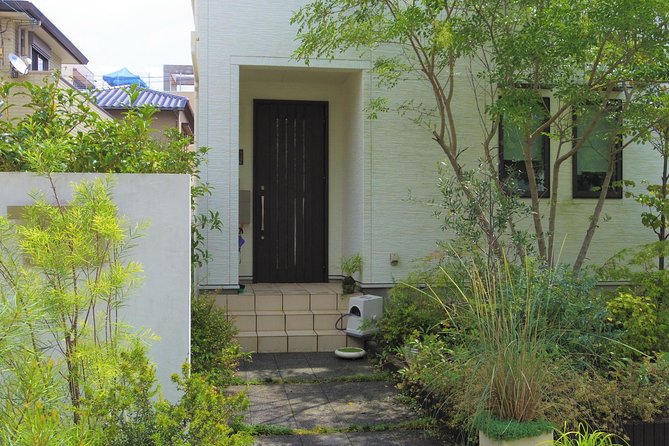
Cooking in Machiko’s Hiroshima home gives you something a restaurant cannot: a seat at a family table. You’ll prepare two to three Japanese dishes from scratch, use tools such as a mortar and pestle, then sit down with Machiko and possibly her husband, Daishi, and their children. I like the warm, personal setting and the chance to ask about daily life as you cook. I also like that the menu can include vegetarian and vegan food. The main consideration is location: the house is about a 20-minute streetcar ride from central Hiroshima, and the experience follows a set morning schedule.
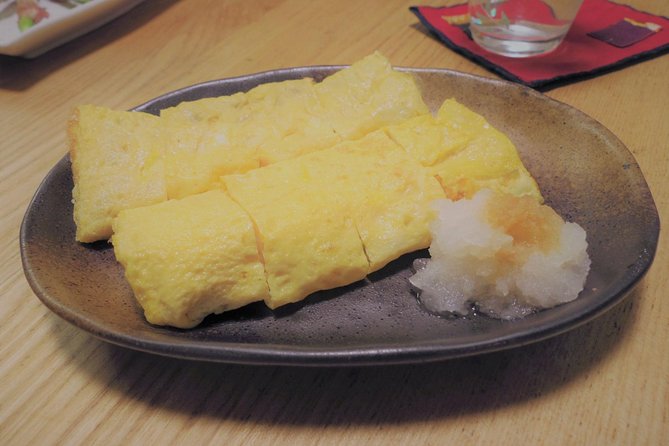
I especially like two details here. First, this is a fully private activity, so you are not sharing the kitchen with a large class. Second, the food is home cooking rather than restaurant fare, with possible dishes such as Hiroshima okonomiyaki, mackerel, miso soup, sesame salad dressing, Japanese omelet, rice balls, sushi, and green tea sweets. At $108 per person, it is not a cheap meal, but the price covers instruction, food, conversation, and a rare look inside a Japanese family home.
In This Review
- Key points at a glance
- Why a home kitchen changes the experience
- Reaching Ujinamiyuki from central Hiroshima
- The first 90 minutes: cooking Japanese family food
- From the kitchen to Machiko’s dining table
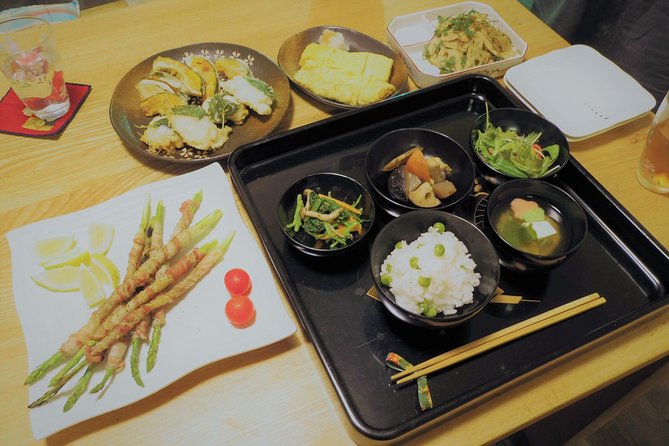
- What might appear on your plate
- A private class with room for real conversation
- Is $108 a fair price?
- Dietary needs and practical expectations
- Who will get the most from this Hiroshima class?
- Should you book it?
- FAQ
- Where does the cooking class take place?
- How long does the experience last?
- What time does the class begin?
- Is the activity private?
- Can I request vegetarian or vegan food?
- Is transportation from my hotel included?
Key points at a glance
- Cook in Machiko’s residential Hiroshima home, about 20 minutes from the city center by streetcar.
- Learn practical family recipes, including possible dishes such as Hiroshima okonomiyaki, mackerel, miso soup, and sesame dressing.
- Use traditional kitchen methods, including crushing sesame with a mortar and pestle.
- Share the finished meal with Machiko and Daishi, with their children joining when available.
- Enjoy a private, family-friendly class with vegetarian and vegan options available.
- Plan for about three hours, beginning at 10:00 a.m. and ending back at the meeting point.
Why a home kitchen changes the experience
Hiroshima is famous for its food, especially its layered okonomiyaki, but eating a finished dish only tells you part of the story. In Machiko’s kitchen, you get to see how Japanese food fits into ordinary home life. You are not simply being served a plate. You are preparing food alongside the person who cooks it for family and friends.
That difference matters. A restaurant can show you polished dishes and a regional specialty. A home class can show you how ingredients are handled, how flavors are balanced, and which foods feel normal at a family dining table. The setting also leaves room for conversation, which is often where the best cultural details appear.
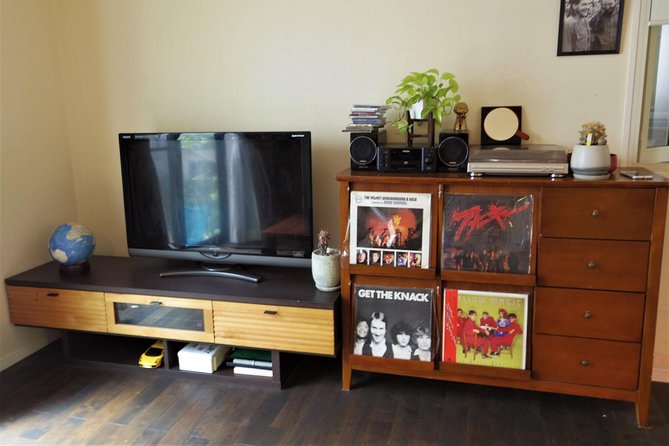
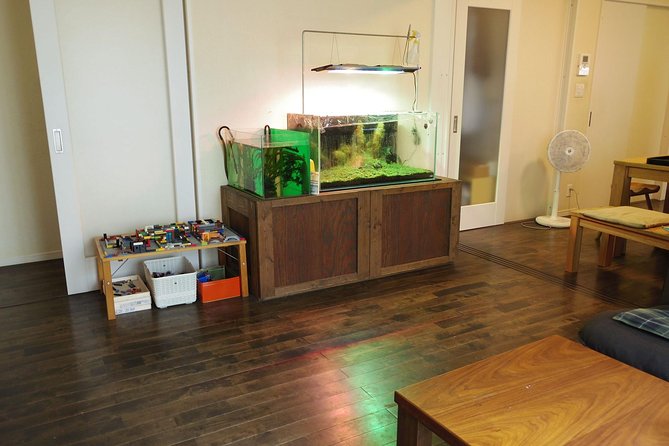
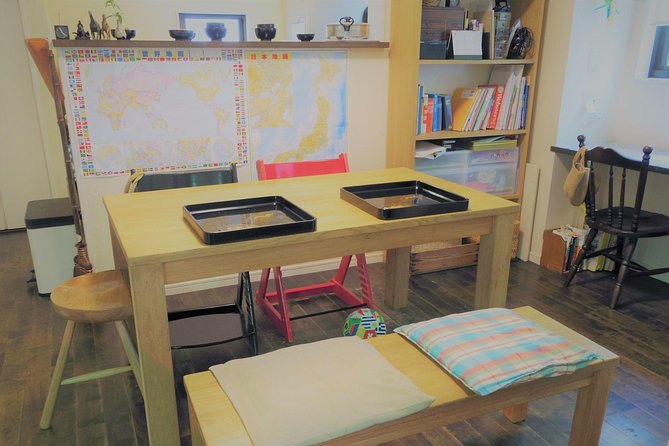
Machiko’s home has a personal feel rather than a staged cooking-school look. You might notice an old turntable and albums, an aquarium, family photos, and children’s toys. Those details help make the visit feel like a real home visit, not a cooking demonstration dressed up as one.
The activity is private, meaning only your group participates. That is a major advantage if you want to ask questions, need food adjustments, or prefer a quieter pace. It also suits families and couples who would rather share one experience together than split up in a larger class.
A few more Hiroshima tours and experiences worth a look

Reaching Ujinamiyuki from central Hiroshima
The meeting point is 1-chōme-5-20 Ujinamiyuki in Minami Ward, and the home is about a 20-minute streetcar ride from central Hiroshima. The class begins at 10:00 a.m., so you should allow enough time to reach the neighborhood without rushing.
There is no hotel pickup or drop-off. That keeps the arrangement simple, but you are responsible for getting to the house and returning afterward. Your activity ends at the same meeting point where it starts.
The residential setting is part of the appeal. You get to leave the main sightseeing zone and see a leafy neighborhood where family life takes place. The tradeoff is convenience. If you are staying near central Hiroshima, you need to plan the streetcar ride and arrival time yourself.
Because the class is held in a private home, follow the meeting instructions carefully. Confirmation is sent within 48 hours of booking, subject to availability. The experience has a mobile ticket, which makes it easier to keep the booking details with you while moving around the city.
The first 90 minutes: cooking Japanese family food
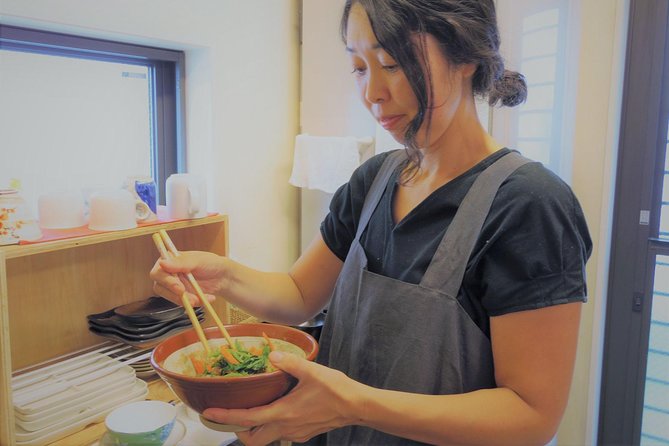
The cooking portion lasts about 1.5 hours within the total three-hour experience. Machiko teaches step by step, explaining what you are doing as you work. This is useful if you want to repeat the dishes at home, since the focus is on methods as well as ingredients.
The menu can vary. Possible dishes include miso soup, salad with sesame dressing, Japanese omelet, karaage or tempura, rice balls, hand-rolled sushi, mackerel, and Hiroshima okonomiyaki. Green tea flavored sweets may round out the meal.
That variety gives the class a local, home-style character. You are not promised one fixed menu, so you should think of the cooking as an introduction to Japanese family food rather than a guaranteed lesson in one particular recipe. If Hiroshima okonomiyaki is your main goal, it is worth asking about the planned menu when arranging the experience.
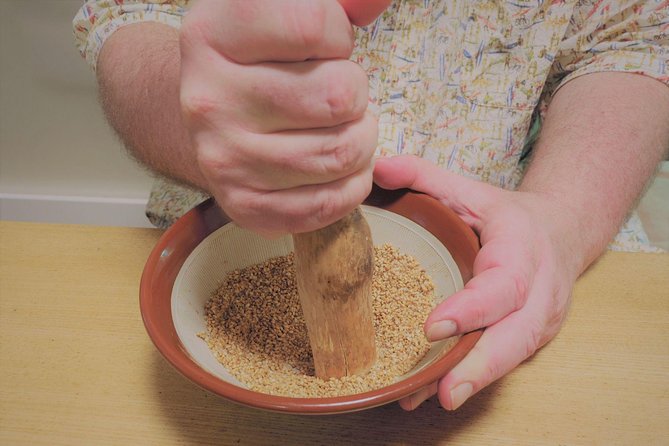
Some of the most useful instruction may come from small techniques. When making sesame dressing, for example, you use a mortar and pestle to crush the sesame. That simple step shows how texture and aroma are built into the dish. It also gives you a method you can repeat in your own kitchen, instead of simply watching someone pour a ready-made sauce.
The same applies to the other foods. Preparing Japanese omelet, shaping rice balls, rolling sushi, or handling fried foods gives you a better sense of the work behind familiar dishes. You can ask questions as you go, and the private format means the pace can stay centered on your group.
The class has earned particular praise for clear, step-by-step teaching. I would bring a small notebook if you want to record recipes, ingredient notes, or cooking tips. One person specifically found that useful during a vegan-friendly class, and it is sensible advice for anyone hoping to recreate the meal later.
From the kitchen to Machiko’s dining table
After cooking, you eat the meal you helped prepare in Machiko’s home. This shared table is the second half of the experience, not an afterthought. You can taste the dishes with a better understanding of how they were made and talk with your hosts in a relaxed setting.
Machiko’s husband, Daishi, may join you when he is available, and their children may also take part. Their presence can give the meal a family feeling, although you should understand that their participation depends on availability. The experience is hosted by Machiko, with family involvement possible rather than guaranteed.
The conversation is also a key part of the value. You have time to talk about food, travel, and everyday life in Japan. The hosts are described as educated and worldly, with a strong interest in meeting people from other places. That makes the meal more than a lesson in ingredients. It becomes a chance to compare how families eat, cook, and spend time together.
After several days of restaurants and hotels, a home meal can feel like a welcome change. You are still visiting a new place, but you are doing it through an ordinary domestic setting. That is the kind of experience that can add texture to a Hiroshima visit without requiring a full-day excursion.
What might appear on your plate
The exact menu is not fixed, but the possible dishes give you a good idea of the range.
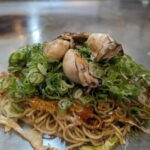
Hiroshima okonomiyaki is the most obvious regional highlight. Hiroshima-style okonomiyaki is built in layers, and making it at home can help you understand the dish beyond its appearance on a restaurant menu. It has also been part of a successful class, so it may be available on some dates.
Mackerel has also featured in the cooking. Fish dishes offer a useful contrast to fried foods and provide a look at another part of Japanese home cooking.
Miso soup and sesame salad are practical dishes to learn because they fit naturally into a Japanese meal. The sesame dressing, made with a mortar and pestle, shows how a few basic ingredients can gain flavor from careful preparation.
Japanese omelet, rice balls, and hand-rolled sushi are approachable choices for families and first-time cooks. They also make the lesson active, since shaping and assembling the food are part of the fun.
Karaage or tempura may appear for groups that eat meat or seafood. If you prefer vegetarian or vegan food, those options can be adjusted. Vegetarian and vegan classes are available, but you should make your needs clear in advance so the menu can be planned properly.
Green tea flavored sweets may finish the meal. Since the menu changes, do not book this expecting a specific dessert or dish unless the host confirms it.
A few more Hiroshima tours and experiences worth a look


A private class with room for real conversation
The private format is one of the strongest reasons to choose this activity. In a public class, the teacher has to divide attention among many people. Here, you can ask about a cooking step, repeat something you did not catch, or spend more time talking with Machiko and Daishi.
It also works well for different kinds of groups. A family with children can cook together in a home setting. A couple can enjoy a more personal visit. Friends can divide up the tasks and share the meal without worrying about keeping up with strangers.
The class is family-friendly, though the supplied details do not specify a minimum age or exact kitchen arrangements for young children. If you are bringing very young children, ask about the setup before booking. The same advice applies to serious allergies, since the available information confirms dietary styles but does not spell out every ingredient or kitchen policy.
The experience is also a good fit for people who want more than a sightseeing checklist. If you prefer a polished demonstration, a fixed menu, and a professional teaching kitchen, this may feel informal. If you value conversation and a glimpse of normal home life, the informality is the point.
Is $108 a fair price?
At $108 per person, this experience costs more than a standard lunch or a short group cooking lesson. You are paying for a private three-hour visit, a 1.5-hour hands-on class, the prepared meal, and the time spent with a local family.
The value depends on what you want from Hiroshima. If your goal is simply to eat okonomiyaki as cheaply as possible, this is not the best use of your budget. You can find a restaurant meal for much less.
If you want an experience that combines food, instruction, and personal contact, the price makes more sense. You are not only buying ingredients. You are getting access to a residential neighborhood and a family table, along with recipes and techniques you can use after your trip. Gratuities are included, so there is no need to calculate an extra tip at the end.
Group discounts may be available, which could improve the value for families or larger private parties. Since the activity is private, the total cost also buys control over who shares the experience with you.
The strongest value is probably for people who will actually use what they learn. If you enjoy cooking at home, bring a notebook and pay attention to small methods such as grinding sesame, shaping rice, and balancing soup or dressing. If you rarely cook, the cultural side of the visit may still justify the price, but the recipe value will matter less.
Dietary needs and practical expectations
Vegetarian and vegan options are available. Make your requirements known before the class so Machiko can prepare a suitable menu. The possible standard menu includes meat, seafood, eggs, and fried dishes, so do not assume that a regular booking will automatically meet your needs.
Service animals are allowed. No hotel transportation is provided, and the activity begins and ends at the home. The class lasts about three hours, so you should plan it as a morning activity rather than something to squeeze between several distant sights.
The cancellation policy is fairly flexible if your plans change: you can cancel for a full refund at least 24 hours before the 10:00 a.m. start time. Changes or cancellations made within 24 hours are not accepted for a refund, and the cutoff follows local Hiroshima time.
Who will get the most from this Hiroshima class?
I would choose this for someone who wants to meet local people in a natural setting. It is also a strong option for families, food lovers, home cooks, and anyone who has already seen the major Hiroshima sights and wants a quieter activity.
You will probably enjoy it most if you:
- Like asking questions and talking during a meal.
- Want to learn recipes rather than only taste finished food.
- Prefer a private setting to a large group.
- Are comfortable traveling to a residential neighborhood.
- Have an interest in vegetarian or vegan Japanese cooking.
- Want a family-friendly experience with a personal touch.
I would think twice if you want a guaranteed dish, a central meeting point, or a tightly scripted professional kitchen class. The menu can vary, family members may not always be available, and the host-home setting naturally has a more relaxed rhythm.
Should you book it?
Book this class if you want Hiroshima food served with conversation, context, and a look inside local family life. Machiko’s clear instruction, the chance to cook dishes such as Hiroshima okonomiyaki and mackerel, and the shared meal with Machiko and Daishi make this a strong choice for a personal morning.
The best reason to go is not one particular recipe. It is the chance to move from being served Japanese food to helping make it, then eating it at a family table. At $108, that is a considered purchase, but the private setting and three-hour format give it real value for the right kind of visitor.
FAQ
Where does the cooking class take place?
The class takes place in Machiko’s home at 1-chōme-5-20 Ujinamiyuki, Minami Ward, Hiroshima, 734-0015, Japan.
How long does the experience last?
The full experience lasts approximately three hours. The hands-on cooking lesson lasts about 1.5 hours, followed by the shared meal.
What time does the class begin?
The scheduled start time is 10:00 a.m.
Is the activity private?
Yes. Only your group participates in this private activity.
Can I request vegetarian or vegan food?
Yes. Vegetarian and vegan options are available. Make your dietary needs clear when booking so the menu can be arranged appropriately.
Is transportation from my hotel included?
No. Hotel pickup and drop-off are not included. The activity begins and ends at the meeting point in Ujinamiyuki, about a 20-minute streetcar ride from central Hiroshima.
More Private Tours in Hiroshima



More Hiroshima Food Tours in Hiroshima
More Hiroshima City Tours in Hiroshima

More tours in Hiroshima we've reviewed


Hiroshima Food Tours, compared.
 ★ 5.0Hiroshima Izakaya Food and Drink Night TourFrom $110
 ★ 4.9Hiroshima: Food and Culture Guided Walking Tour with DinnerFrom $943 hours
 ★ 4.5All-inclusive Hiroshima Nighttime Food and Cultural ImmersionFrom $119
 ★ 5.0Best of Hiroshima Food TourFrom $221
 ★ 5.0Dinner Cruise on HANAIKADA (Raft-Type Boat) with Scenic View of MiyajimaFrom $95
 ★ 4.8Hiroshima: Okonomiyaki Cooking Class with a Local ChefFrom $562 - 6 hours
