
Reviewed · TEA CEREMONY & KIMONO EXPERIENCES
Hiroshima Local guided Hiking Tour&Open-air Tea Ceremony
The best surprise here is how quickly Hiroshima’s city streets give way to forest, shrine paths, and wide views over the Seto Inland Sea. This three-hour walk climbs the Futaba Mountains from Hiroshima Station, with stops at Hiroshima Toshogu Shrine, Kinko Inari Shrine, and the Futabayama Peace Pagoda before tea in the open air.
I like the small groups of no more than six and the personal guidance from hosts such as Nana, Michi, and Naomi. I also like the thoughtful mix of Shinto customs, Hiroshima’s recovery, forest bathing, and a Nodate tea ceremony, rather than another quick shrine stop with a few photographs.
The main consideration is physical: you must climb about 500 steps, and parts of the trail are steep or uneven. The walk has many pauses, but hot weather can make it much harder, so this is not the right pick if you want a flat city tour.
In This Review
- Key points at a glance
- From Hiroshima Station to the Futaba Mountains
- Hiroshima Toshogu Shrine and the first cultural stop
- Kinko Inari Shrine and the 500-step climb
- Futabayama Peace Pagoda and Hiroshima from above
- Forest bathing in a quiet clearing
- Nodate tea at the Okumiya Shrine
- What the three-hour format really gives you
- Is the $109.43 price fair?
- Who should book this Hiroshima hike?
- Should you book the Futaba Mountains experience?
- FAQ
- Where does the Hiroshima hiking tour start and finish?
- How long does the experience last?
- How difficult is the hike?
- What will I see during the tour?
- Is the tea ceremony held indoors?
- What happens if I need to cancel?
Key points at a glance
- A forest route near Hiroshima Station: Leave the urban center and reach the Futaba Mountains without spending the day on transport.
- Shrines with local explanations: Learn how to approach and use Shinto sites, including offerings and shrine customs.
- 500 steps to the mountain: The climb is manageable for many people because the guide stops often, but it still demands effort.
- A broad view from Futabayama Peace Pagoda: See Hiroshima, the Seto Inland Sea, and Miyajima from above.
- Forest bathing and open-air tea: Slow down in the trees, then drink tea at the Okumiya Shrine with the city below.
- A useful early start: The 7:30 departure leaves most of the day free for the Peace Memorial Park and central Hiroshima.
From Hiroshima Station to the Futaba Mountains
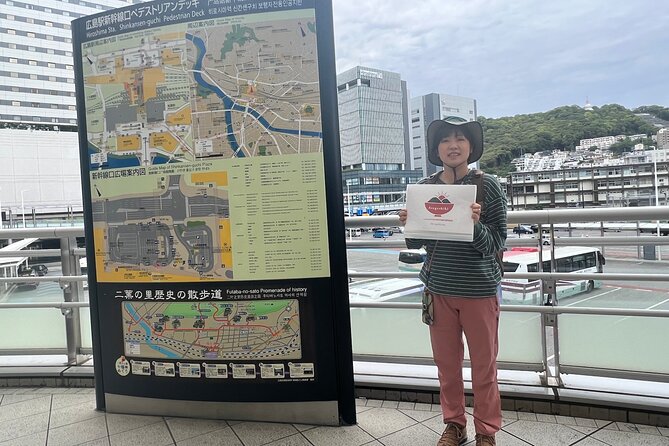
The meeting point is at the Shinkansen Exit of Hiroshima Station. The listed start times are 7:30, 10:00, and 13:00, though the detailed schedule also gives corresponding meeting times around 10:00 and 13:00. Check your confirmed booking carefully, since the morning departure is the one that best fits the tour’s promise of leaving your afternoon open.
The first 20 minutes are for introductions and a route briefing. That may sound routine, but it matters on a short hike with several religious sites. Your guide sets expectations before the climbing begins and can explain how the shrine stops fit together.
I like starting at the station because you do not have to find a remote trailhead. You can arrive by public transportation, meet your guide, and move from the modern railway hub into an older religious route. That contrast gives the outing its character.
The group limit is six people. That is small enough for questions and conversation, and it should make it easier for the guide to adjust the pace. Guides named in the supplied experience details include Nana, Michi, and Naomi. Their approach is described as warm, patient, and generous with explanations, which is particularly useful when customs are unfamiliar.
A few more Hiroshima tours and experiences worth a look

Hiroshima Toshogu Shrine and the first cultural stop
The first major stop is Hiroshima Toshogu Shrine, reached at about 7:50 on the early schedule. You spend roughly 30 minutes here looking at the shrine and its cultural assets.
This is a good opening stop because the guide can explain what you are seeing before the path becomes more rural. You may learn how to behave at a Shinto shrine, what different features mean, and how religious practice connects with local life. One especially useful detail from the experience is the chance to make an offering and post a wish, giving you a more active role than simply walking past a gate or taking a photograph.
The stop also helps frame Hiroshima beyond the familiar Peace Memorial Park. The city is often presented through the events of 1945 and its later recovery. Here, you begin with a living religious tradition and a route used for pilgrimage and worship.
Do not expect a large museum-style presentation. The value is in the guide’s interpretation and in the chance to look closely at the site. If you already know a great deal about Japanese shrine architecture, you may find the visit introductory. For most people, though, it is a useful, grounded start.
Kinko Inari Shrine and the 500-step climb
From Hiroshima Toshogu, the route continues toward Kinko Inari Shrine and into Mt. Futaba. This section includes about 500 steps. The schedule allows around 25 minutes at this stage, but the overall climb is broken into stops, explanations, and rest periods.
The path is described as well maintained, though uneven and steep in places. One useful distinction is that the hike has around 500 feet of elevation gain according to one detailed account, while the tour information specifically warns about 500 steps. Either way, you should think of it as a real uphill walk, not a gentle stroll.
I would wear shoes with a firm sole and bring water. You do not need to be an experienced hiker, but you should be comfortable with stairs. The guides are used to pausing, and the walk has been manageable for teenagers, older adults, and people who described themselves as new to hiking. Still, the heat can change the equation quickly. A hike that feels easy in cool weather can be tiring in Hiroshima’s summer conditions.
Kinko Inari Shrine adds a spiritual layer to the climb. Your guide can explain shrine practices and the meaning of the route as you go. That makes the stairs feel less like a fitness test and more like part of a pilgrimage path.
If you want uninterrupted exercise, this may feel slow. I see that as a benefit for most visitors. The stops give you time to catch your breath, ask questions, and notice details that are easy to miss when rushing uphill.
Futabayama Peace Pagoda and Hiroshima from above
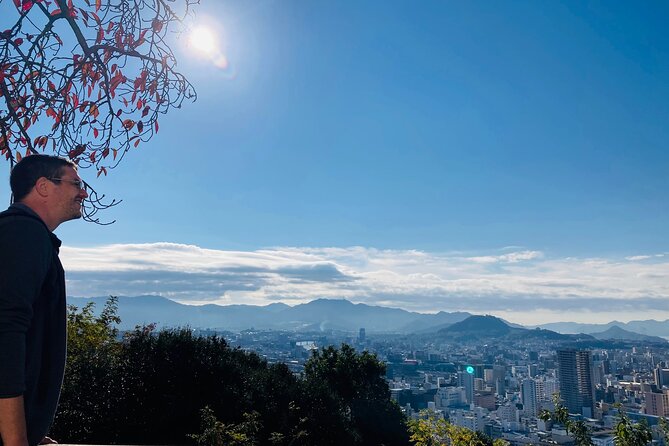
The route reaches Futabayama Peace Pagoda at roughly 8:45 on the early departure. This is the visual reward of the climb. From the top, you can look across Hiroshima, toward the Seto Inland Sea, and out to Miyajima.
The view offers a useful way to understand the city’s setting. You can see how Hiroshima spreads across the plain and how water shapes the area. The mountain also gives you a quiet place to think about the city’s recovery, a subject the guide discusses from a perspective linked to the surrounding shrines and sacred sites.
This is not a substitute for visiting the Peace Memorial Museum or Peace Memorial Park. I would pair the two experiences rather than choosing one. The museum and park address Hiroshima’s wartime destruction and its message for peace. The Futaba Mountains show the city from above and place that story within a continuing community, religious, and natural setting.
The pagoda stop is scheduled for about 35 minutes, enough time to enjoy the view without turning the tour into a long photo session. Visibility will affect what you see. On a clear day, Miyajima is part of the scene. On a hazy or wet day, the view may be less distinct, but the mountain setting still gives you a break from the city.
Forest bathing in a quiet clearing
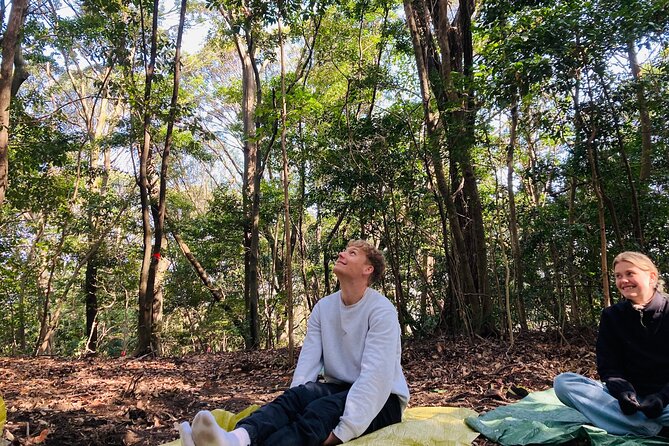
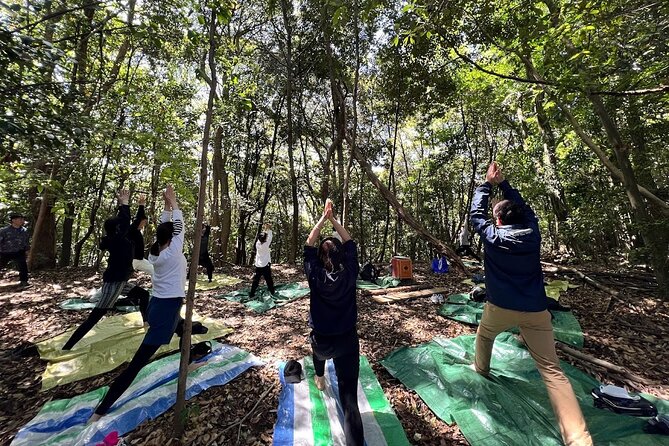
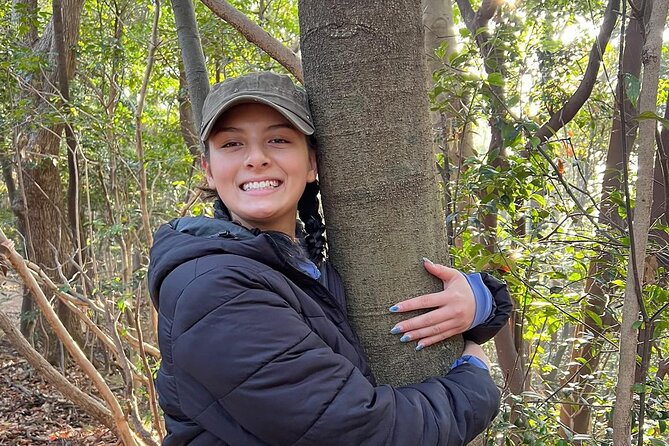
After the viewpoint, the experience includes Shinrinyoku, or forest bathing. The schedule gives about 35 minutes to relaxing in the trees.
This is one of the tour’s more unusual features. You are not simply told to walk through the woods while the guide talks. The group gets time to slow down and pay attention to the surroundings. One account describes a clearing, ground sheets, and a meditation exercise centered on the senses.
I like this pause because it changes the pace of the morning. The shrines ask you to observe cultural details, and the viewpoint asks you to take in the city. Forest bathing asks you to stop trying to get somewhere. That makes the tour feel more considered than a standard sightseeing circuit.
The experience will not suit everyone equally. If you prefer constant movement and a packed schedule, 35 minutes of quiet may feel long. If you have spent several days in busy station areas, shopping streets, and crowded historic sites, it may be exactly the reset you need.
Weather matters here too. The tour requires good weather, and summer heat can be intense. One account described conditions around 36 degrees Celsius, with the actual feel closer to 40. In such heat, the shade and frequent pauses are welcome, but you should still prepare properly and avoid assuming that a forest walk will be cool.
A few more Hiroshima tours and experiences worth a look
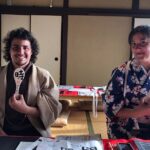
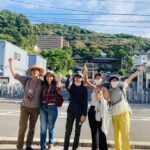
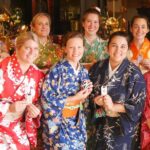

Nodate tea at the Okumiya Shrine
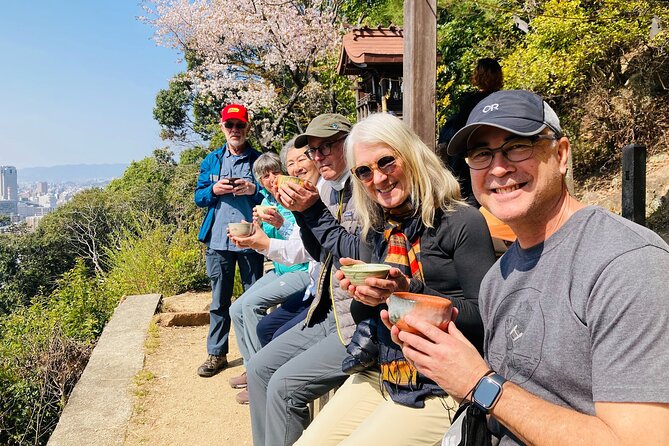
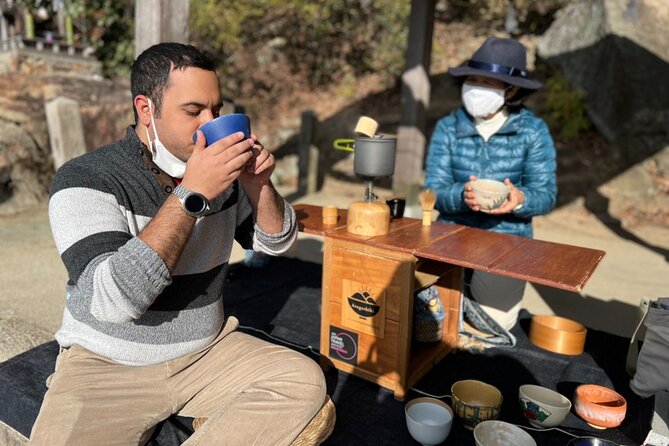
The tea ceremony is held outdoors at the Okumiya Shrine, reached through the Kinko Inari Shrine portion of the route. The experience is called Nodate, an open-air tea ceremony, and it comes with a view over Hiroshima.
This is not presented as a formal, highly staged tea-school performance. Your guide prepares and serves the tea, explains what is happening, and helps you take part. That makes it approachable if you have never attended a Japanese tea ceremony.
The setting is the key. Instead of sitting in a polished tea room, you drink in the mountain air with the city below. The combination of tea, shrine grounds, trees, and the view gives the ceremony a strong sense of place.
The scheduled tea portion lasts about an hour, although the full route is listed at approximately three hours. The supplied timing is not perfectly uniform, so allow room for the pace to vary. The tea is described as matcha or green tea, and one account specifically noted that cold green tea was welcome on a very hot day.
I would not book this solely for a detailed lesson in tea ceremony technique. Book it for the setting and the connection between the drink, the shrine, and the mountain. You get a cultural activity that feels tied to Hiroshima rather than something that could take place in any hotel or visitor center.
What the three-hour format really gives you
The tour ends back at Hiroshima Station, with the early schedule finishing around 10:30. That timing is valuable. You can have lunch in the city, visit Peace Memorial Park, take a ferry toward Miyajima, or continue with another part of your Hiroshima plan.
The later departures finish around 13:30 or 16:30. Those can work if your schedule is tight in the morning, but they remove much of the day. If you are choosing this tour for the quiet atmosphere and the chance to combine it with major Hiroshima sights, I would favor the earliest available departure.
Three hours is long enough for a meaningful outing without taking over your day. You get a proper climb, several cultural stops, a viewpoint, time in the forest, and tea. The tradeoff is that every part is relatively compact. You will not have extended time at each shrine, and the guide’s talk is central to the experience.
The maximum group size of six also helps the format. A larger group could make the stairs, shrine explanations, and tea service feel less personal. With a small party, the guide can answer questions and monitor the pace more easily.
Is the $109.43 price fair?
At $109.43 per person, this is not the cheapest way to see a shrine or a city view. You are paying for a guide, route planning, cultural explanation, a small group, forest bathing, and the open-air tea service.
I think the price is reasonable if you value interpretation and a personal experience. You could walk in the mountains independently for less, but you might miss the meaning of the shrine customs and the connection between the route, Hiroshima’s past, and local religious practice. The tea ceremony also gives the tour something you would not automatically get from a self-guided hike.
The 5 percent donation to Futaba Mountain conservation activities adds a small practical benefit. It does not transform the cost, but it means part of the payment supports the place you are visiting.
The value drops if you dislike guided pacing, have little interest in Shinto practice, or mainly want a strenuous hike. In those cases, you may be paying for elements you will not use. For someone who wants a quiet, local-feeling morning with a guide and a distinctive cultural activity, the price is easier to justify.
Who should book this Hiroshima hike?
I would recommend it to you if you want a break from Hiroshima’s central sights and prefer a small group to a bus tour. It is especially good for people who enjoy hearing why a ritual matters, not just being shown where to stand.
Families can consider it too. The experience allows children aged 0 to 5 to participate free, and a family with teenagers found the combination of climbing, shrines, views, and tea rewarding. But parents should judge the 500 steps honestly. Free entry does not make the route easy for very young children.
This is also a good choice if you are visiting Hiroshima for more than one day. You can use the early finish to visit the Peace Memorial Museum and Park afterward, creating a fuller picture of the city.
I would be more cautious if you have difficulty with stairs, are not comfortable on uneven paths, or will be visiting during very hot weather. The frequent breaks help, but they do not remove the physical demands. Ask about conditions before setting out if the forecast is poor or unusually hot.
Arrive early. The late-arrival rule is strict: more than 10 minutes late without contacting the operator can mean automatic cancellation with the full fee charged. Free cancellation is available up to 24 hours before the start time, and poor weather may lead to a new date or full refund.
Should you book the Futaba Mountains experience?
Book this tour if you want Hiroshima to feel like more than a memorial destination. The climb through shrine grounds, the view toward Miyajima, the quiet forest pause, and the tea at Okumiya Shrine create a well-balanced morning.
I especially value the way the experience connects Shinto practice, Hiroshima’s recovery, and the natural setting without requiring a full day away from the city. Nana, Michi, and Naomi are each described as kind, attentive guides who make the route easier to understand.
Skip it if you need a flat walk, dislike pauses, or want a formal indoor tea ceremony. For everyone else, this is a strong choice for a small, personal introduction to a side of Hiroshima that many visitors miss.
FAQ
Where does the Hiroshima hiking tour start and finish?
It starts at the Shinkansen Exit of Hiroshima Station, at 1-2-37 Matsubaracho, Minami Ward, Hiroshima. The activity ends back at the same meeting point.
How long does the experience last?
The tour lasts approximately three hours. The early schedule begins at 7:30 and ends around 10:30. Other listed start times are 10:00 and 13:00, with corresponding finishes around 13:30 and 16:30.
How difficult is the hike?
The route includes about 500 steps, with some steep and uneven sections. Frequent stops make the climb manageable for many people, but you should be comfortable walking uphill and using stairs.
What will I see during the tour?
You will visit Hiroshima Toshogu Shrine, Kinko Inari Shrine, and Futabayama Peace Pagoda. The route also includes views of Hiroshima, the Seto Inland Sea, and Miyajima, followed by forest bathing and an open-air tea ceremony.
Is the tea ceremony held indoors?
No. The Nodate tea ceremony is held outdoors at the Okumiya Shrine, with a view over the city. The tour guide performs and explains the tea service.
What happens if I need to cancel?
You can cancel up to 24 hours before the experience for a full refund. Cancellations or changes made less than 24 hours before the start time are not refunded or accepted. If poor weather causes the tour to be canceled, you will be offered another date or a full refund.
More Guided Tours in Hiroshima


More Tea Ceremony & Kimono Experiences in Hiroshima
More Hiroshima City Tours in Hiroshima
More tours in Hiroshima we've reviewed




Tea Ceremony & Kimono Experiences, compared.
 ★ 5.0Kimono and Tea Ceremony in MiyajimaFrom $85
 ★ 5.0An Amazing set of Cultural experience: Kimono, Tea Ceremony and CalligraphyFrom $132
 ★ 4.8Hiroshima: Morning Hiking Tour with Open-air Tea CeremonyFrom $1063 hours
 ★ 5.0Cultural Activities :Kimono, tea ceremony, Calligraphy and AmuletFrom $171
 ★ 5.0Experience the Soul of Hiroshima: A Peaceful Koto WorkshopFrom $501h 30m
 ★ 5.0Calligraphy Workshop at Traditional Folk Craft Shop in HiroshimaFrom $32
