
Reviewed · PEACE MEMORIAL TOURS
Hiroshima History Tour : A-Bomb Dome, Peace Memorial & City
Hiroshima is best understood through both its monuments and its people. This private walking tour connects the Peace Memorial Museum, the A-Bomb Dome, the hypocenter, and several quieter city sights with the family memories of Japanese guides who grew up here. Some guides are second-generation atomic bomb survivors, while others have relatives affected by the bombing.
I like the personal local viewpoint, which can add meaning to exhibits that might otherwise feel distant. I also like the flexible route, with time for the museum, Hiroshima Castle, and Shukkeien Garden. The main drawback is the amount of walking packed into roughly three hours, and private transportation, food, and public transit cost extra.
In This Review
- Key points to know before booking
- A private way to face Hiroshima’s past
- The Peace Memorial Museum sets the tone
- Peace Memorial Park and Sadako’s cranes
- The A-Bomb Dome and the hypocenter
- Hiroshima Castle adds an older chapter
- Shukkeien Garden provides a quiet change
- What the flexible format really gives you
- Is the $105.42 price good value?
- Walking, transport, and timing
- Who will get the most from this Hiroshima tour?
- How the guides shape the experience
- Should you book it?
- FAQ
- How long does the Hiroshima history tour last?
- Is the Peace Memorial Museum admission included?
- Is Shukkeien Garden included?
- Can the tour itinerary be customized?
- Is transportation included?
- What is the cancellation policy?
Key points to know before booking
- Personal Hiroshima connections: Guides may share family memories and local stories passed down through generations.
- Skip-line museum entry: Your Peace Memorial Museum admission is included, helping protect a short tour from a long wait.
- More than a memorial visit: The route can include Hiroshima Castle and Shukkeien Garden, adding prewar and postwar context.
- Private and adjustable: Only your group participates, and the plan can be shaped around your pace and interests.
- Several guides are praised by name: Masa, Yuka, Yuta, and Ally have led tours praised for warmth, clarity, and flexibility.
- Walking is central: The route covers several sites on foot, with public transportation costing ¥240 per person when needed.
A private way to face Hiroshima’s past
This is not a quick photo tour of the A-Bomb Dome. The heart of the experience is the conversation between you and a local guide as you move through places connected to the bombing, the city’s recovery, and everyday Hiroshima life.
The Peace Memorial Museum provides the facts, records, paintings, and data. Your guide helps place those materials in a human setting. That distinction matters. The museum can be emotionally heavy, and a local guide can help explain what particular places mean to families in Hiroshima without turning the visit into a rehearsed speech.
The guides speak English and Japanese. Names that appear among the tour’s experienced guides include Masa, Yuka, Yuta, and Ally. The exact guide you receive is not specified in the tour details, but the strongest pattern is clear: the guides are warm, adaptable, and comfortable explaining difficult history to families, couples, and solo visitors.
Because this is a private activity, you do not need to match the pace of a larger group. You can ask for more time at the museum, move quickly through a site that feels less important to you, or include more of the city beyond the memorial area.
A few more Hiroshima tours and experiences worth a look
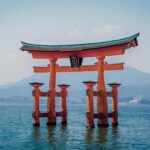
The Peace Memorial Museum sets the tone
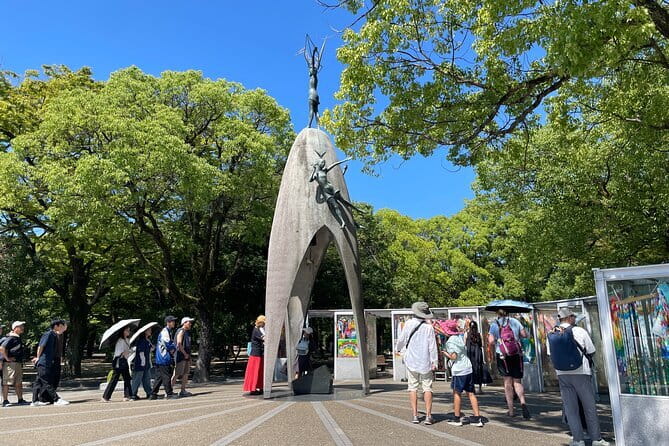
The tour begins at the Hiroshima Peace Memorial Museum, with about an hour scheduled inside. Admission is included, and the tour provides skip-line entry. That is useful because a delay at the museum can take a large bite out of a three-hour visit.
The museum presents Hiroshima as the first city in the world hit by an atomic bomb. Its displays include historical facts, data, and paintings made by atomic bomb survivors. You should expect a serious visit rather than a casual museum stop. The material is designed to make the effects of the bombing personal and visible.
An hour is enough for a guided introduction, but it is not enough to study every display at length. If you already know you want a slow, detailed museum visit, tell your guide in advance. The tour is customizable, and the museum is the one stop where extra time may be more valuable than rushing to fit every later sight into the schedule.
I appreciate that the guide can accompany you through the museum. A local explanation can help you understand the difference between what you are seeing in the cases and how the bombing is remembered in Hiroshima today. Still, the emotional weight belongs to the exhibits themselves. No guide can make this an easy visit, and that is part of its purpose.
Peace Memorial Park and Sadako’s cranes
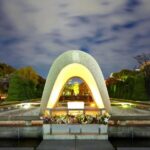
After the museum, you spend about 20 minutes walking through Peace Memorial Park. The park brings the history outdoors, among monuments, trees, open paths, and places of remembrance.
Your guide can explain the meaning of several memorials and talk about the city’s recovery. This is one of the tour’s most valuable shifts. Inside the museum, you face evidence of destruction. In the park, you see how Hiroshima has created a place for mourning, reflection, and a message aimed at the future.
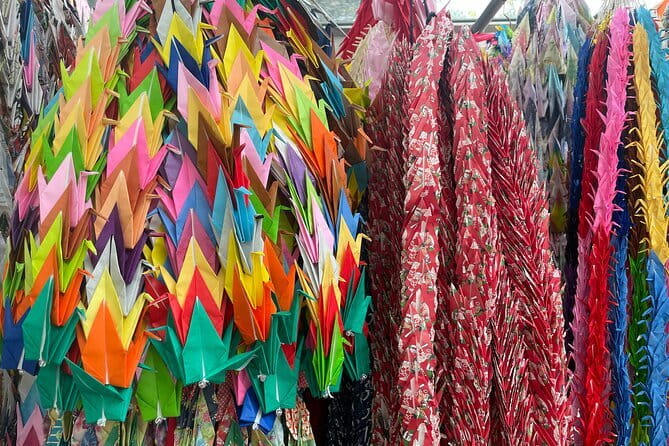
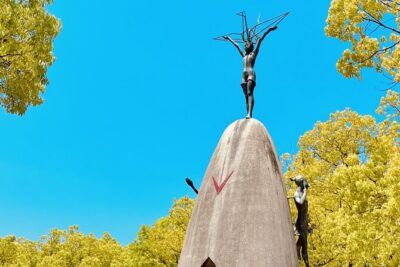
The next stop is the Children’s Peace Monument, scheduled for about five minutes. It is linked to Sadako Sasaki, the young girl whose story became associated with the thousands of paper cranes displayed at the monument.
Five minutes is brief, so think of this as a focused pause rather than a full lesson. You will see the cranes and hear the story behind the monument. If this is especially important to you, ask for more time when arranging the private itinerary.
The A-Bomb Dome and the hypocenter
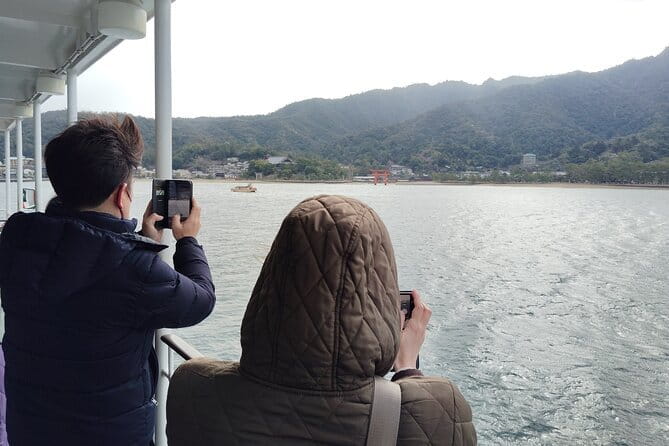
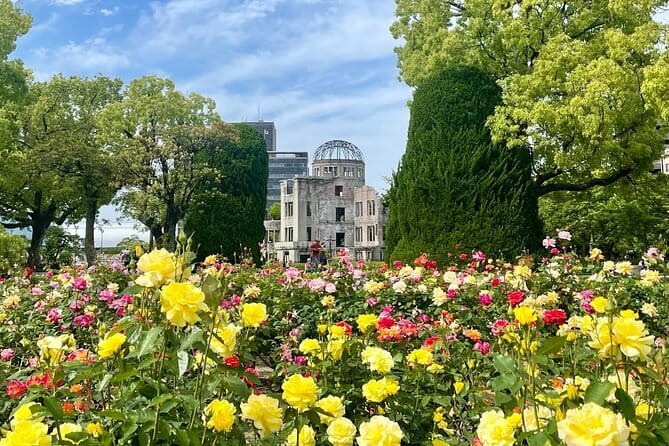
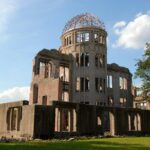
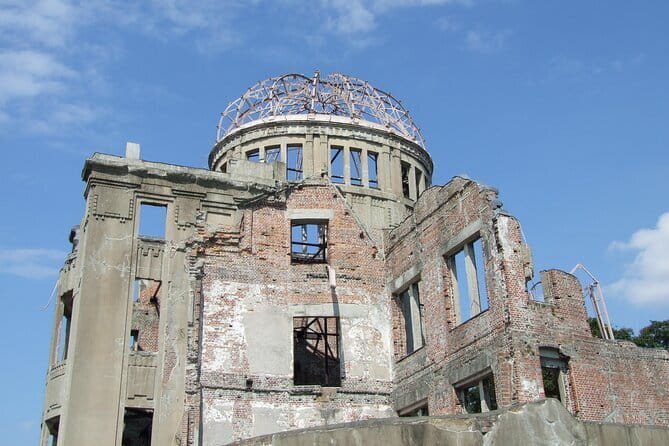
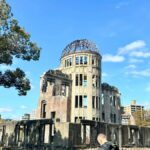
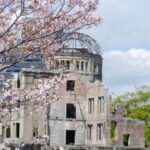
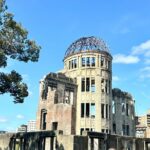
The Atomic Bomb Dome receives about 20 minutes. This UNESCO World Heritage Site retains its recognizable structure, having been located almost directly below the bomb’s hypocenter. It is one of Hiroshima’s most familiar images, yet seeing it in person gives the building a different force.
The dome is not simply an old structure to photograph. Its damaged frame points to the scale of the blast and the fact that a building remained while much of the surrounding city was destroyed. The tour description presents it as a symbol of war’s tragedy, but your guide can also connect it to the city’s decision to preserve the site.
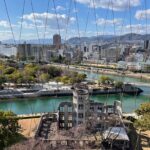
The route then moves to the hypocenter monument for about 10 minutes. The bomb exploded directly above Shima Hospital, and the monument marks that point. This stop is small and easy to miss if you explore on your own, which makes it a useful part of a guided walk.
I find the sequence of museum, park, dome, and hypocenter well judged. You first learn the facts, then walk through memorial space, see the preserved remains, and finally stand at the point directly below the explosion. The places are close enough to connect on foot, but the meaning changes at each stop.
Hiroshima Castle adds an older chapter
The tour can continue to Hiroshima Castle, with about 15 minutes scheduled there. The castle was built in the 16th century and destroyed by the atomic bomb. The present structure is a replica.
The usual plan is an exterior photo stop. If you want to enter the museum inside, that can be added, but the admission fee is not included. This is an important detail for anyone trying to keep the tour within a tight budget or schedule.
Hiroshima Castle gives you a glimpse of the city before 1945. After several memorial sites, that older layer helps prevent Hiroshima from being reduced to one event. You see a place with samurai-era roots, not only a city defined by wartime destruction and recovery.
The drawback is time. Fifteen minutes is enough for the outside and a short explanation, not a full castle visit. If the castle museum matters to you, discuss it before the tour and be ready to shorten another stop.
A few more Hiroshima tours and experiences worth a look

Shukkeien Garden provides a quiet change
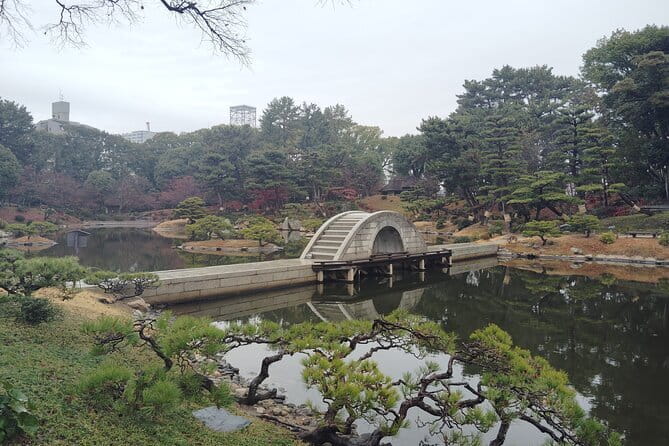
Shukkeien is scheduled for about 45 minutes and admission is included. Created in 1620, the garden belonged to a samurai who settled in the area. Its pond, trees, and carefully shaped ground offer a sharp change from the memorial district.
This is more than a decorative final stop. Hiroshima’s history includes art, gardens, samurai culture, and ordinary city life, and Shukkeien gives you time to absorb that broader picture. After the museum and memorials, the garden’s calm setting may also give you room to think about what you have seen.
The garden can look especially appealing during seasonal events. One guide, Yuka, took a group to Shukkeien during the Momiji Festival, when autumn colors made the visit particularly striking. Seasonal displays are not guaranteed, but the example shows why an adjustable private route can be useful.
Forty-five minutes is a sensible amount of time here. You can walk at an easy pace and pause for photos without treating the garden as a rushed add-on. If you are choosing between more time at the castle and more time at Shukkeien, I would favor the garden for a calmer finish, unless the castle museum is a personal priority.
What the flexible format really gives you
The phrase customizable matters here. This is not a fixed group itinerary where every stop receives exactly the same attention. You can state your interests in advance, and your guide can shape the route around them.
That works well for different types of visitors:
- A family may want a clear explanation of Sadako’s story and shorter museum time for younger children.
- A history-focused visitor may prefer more time at the Peace Memorial Museum and the hypocenter.
- A first-time visitor may want the full chain of major sights.
- A returning visitor may ask for more city streets, the castle, or Shukkeien.
- A visitor with limited energy may need to reduce the walking or public transportation connections.
The route is still ambitious. The listed stops total close to three hours even before transitions, questions, and pauses are counted. The experience is described as three or four hours, so you should clarify the exact plan if you want every stop included.
The tour is private, which is its biggest practical advantage. You can ask questions without holding up strangers, and your guide can adjust explanations to your age, interests, and background. It also means the price is not simply paying for admission. You are paying for a dedicated guide and a route built for your group.
Is the $105.42 price good value?
At $105.42 per person, this is not the cheapest way to see Hiroshima’s memorial district. You can visit several outdoor sites independently, and public transit is relatively inexpensive at ¥240 per person when required.
The value comes from the combination of private guiding, museum skip-line entry, Shukkeien admission, route planning, and local perspective. Your tour also includes photo data afterward, which is a small but useful extra. You are not paying for lunch or drinks, and there is no private vehicle included.
For a solo visitor, the price may feel high compared with self-guided sightseeing. For a couple or family that wants personal attention, it becomes easier to justify, especially if you use the customization well. A group discount is available, so the cost may work better for several people traveling together.
I would not book this simply to collect photographs of the dome. The price makes more sense if you want help understanding the sites, asking questions, and connecting Hiroshima’s wartime past with its older culture and present-day life.
Walking, transport, and timing
This is primarily a walking tour. One review makes the point plainly: be prepared to walk a lot. The route includes the museum, park, Children’s Peace Monument, A-Bomb Dome, hypocenter, castle, and garden. Even if the sites are connected by short rides or brief transfers, you should wear comfortable shoes.
Private transportation is not included. Public transportation may cost ¥240 per person, and food and drinks are also separate. One guide took a group to a restaurant for lunch, but lunch is not part of the tour, so treat that as a possible recommendation rather than an included service.
Pickup is offered, and guides have met visitors at hotels. Confirm the meeting arrangement when you book. The activity is near public transportation, and most people can participate. Service animals are allowed.
The tour requires good weather. If poor weather cancels it, you are offered another date or a full refund. You can cancel for a full refund up to 24 hours before the start time, but later cancellations and changes are not accepted.
Who will get the most from this Hiroshima tour?
I would choose this tour if you want history explained by someone with a genuine connection to Hiroshima. The family links described by the guides can add a layer that a recorded audio guide cannot provide. Several guides, including Masa, were praised for sharing personal family connections while keeping the focus on the city and its people.
It is also a strong choice for families. Ally has led a family route that included the main memorials, castle, gardens, and museum, while keeping the schedule organized and friendly. A private format gives families more control over pauses and questions.
Couples and solo visitors may like the conversational style. You can ask direct questions about memory, recovery, local customs, and what to see next in Hiroshima. Guides have also offered local restaurant suggestions and other advice during the day.
I would think twice if you dislike walking, want a fully vehicle-based tour, or plan to spend several hours examining every museum display. You may also prefer an independent visit if you want complete control over timing and do not need a personal guide.
How the guides shape the experience
The most praised qualities are warmth, clear explanations, and flexibility. Yuka guided visitors through the museum and adjusted the route to include the Momiji Festival at Shukkeien. Masa has been praised for making the history feel human through local and family connections.
Yuta led a private route that covered what the group wanted, though the pace involved plenty of walking. Ally arranged details before meeting a family at its hotel and built a route through the major sights. These examples point to a useful habit: contact the guide early with your priorities.
The guide is not just there to recite dates. The tour description emphasizes stories passed quietly through families and daily life. That may mean the conversation feels personal and reflective rather than like a formal lecture.
At the same time, personal stories can vary by guide. Your guide may have a direct family connection, may have grown up in Hiroshima, or may know the city through relatives affected by the bombing. If that distinction matters to you, ask about it when confirming your tour.
Should you book it?
Book this Hiroshima tour if you want a private, human approach to the Peace Memorial Museum and surrounding sites, and if you value local conversation as much as famous landmarks. The strongest plan includes enough museum time, a thoughtful walk through the memorial area, the hypocenter, and a relaxed visit to Shukkeien.
Before booking, be realistic about the walking and the schedule. Tell the guide if you want to enter Hiroshima Castle, linger at Sadako’s monument, or spend longer in the museum. The advertised price is fair for a private English or Japanese guided experience with museum skip-line entry and garden admission, but it is less attractive if you only need directions or quick photos.
For most visitors, I would book it early in a Hiroshima stay, when you still have energy for the walking and can use the guide’s local suggestions afterward. This is a serious tour, but it also leaves room for the city’s beauty, older traditions, and quiet resilience.
FAQ
How long does the Hiroshima history tour last?
The tour lasts approximately three hours, with a three or four-hour option described. The listed stops add up to close to three hours before travel time and extra conversation.
Is the Peace Memorial Museum admission included?
Yes. Admission to the Peace Memorial Museum is included, with skip-line entry.
Is Shukkeien Garden included?
Yes. Admission to Shukkeien Garden is included.
Can the tour itinerary be customized?
Yes. The tour can be customized in advance around your pace and interests. You can discuss priorities such as museum time, the castle, the garden, or the memorial sites.
Is transportation included?
Private transportation is not included. Public transportation may cost ¥240 per person. Pickup is offered, and the tour is near public transportation.
What is the cancellation policy?
You can cancel at least 24 hours before the start time for a full refund. Cancellations or changes made less than 24 hours before the tour are not accepted. If poor weather causes the tour to be canceled, you are offered another date or a full refund.
More City Tours in Hiroshima

More Hiroshima City Tours in Hiroshima
More Peace Memorial Tours in Hiroshima

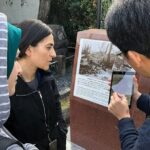

More tours in Hiroshima we've reviewed
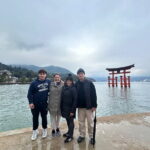
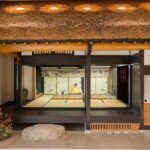



Peace Memorial Tours, compared.
 ★ 4.8Hiroshima Historical Walking Tour – Why A-Bomb was DroppedFrom $352h 30m
 ★ 5.0Hiroshima Peace (Heiwa) Walking Tour at World Heritage SitesFrom $94
 ★ 4.9Hiroshima: Miyajima Peace Memorial Icons of Peace and BeautyFrom $1638 hours
 ★ 5.0Hiroshima Walking Tour Why A Bomb was dropped to HiroshimaFrom $28
 ★ 5.0Hiroshima 2hr Peace Cycling Tour with Local GuideFrom $59
 ★ 4.8Hiroshima: Peace Cycling Tour with Local GuideFrom $522 - 3 hours
