
Reviewed · HIROSHIMA FOOD TOURS
Hiroshima: Food and Culture Guided Walking Tour with Dinner
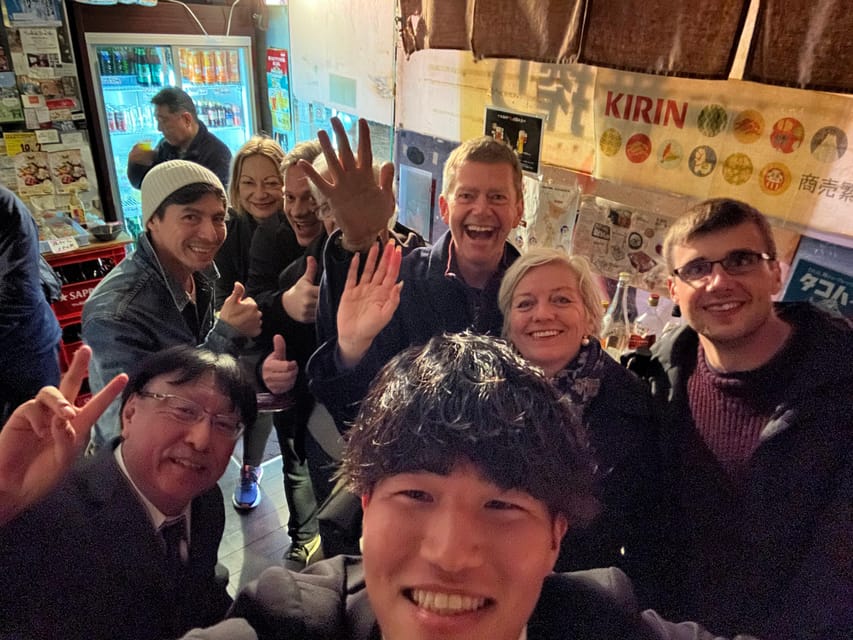
Hiroshima’s best food experience may be the one that gets you away from the obvious restaurant streets and into small, casual places you might never enter alone. This three-hour evening tour links three local tachinomi-style restaurants with walks through Hondori and Nagarekawa, serving at least ten dishes along the way. I like the quick changes of scene, and I like that one stop often includes Hiroshima-style okonomiyaki.
The other strong point is the guide. Ken, also known as Kensuke, is frequently praised for making the evening feel like dinner with a friendly local rather than a formal lecture. Alex also leads some departures. The main thing to consider is the standing format: all or part of the meal may take place at tachinomi counters, and you usually spend less than 30 minutes at each stop.
In This Review
- Key points at a glance
- Why this Hiroshima food tour works
- Meeting at Don Quijote Hiroshima Hatchobori
- Hondori Shopping Street before dinner
- First restaurant: your introduction to tachinomi dining
- Second restaurant: more variety, less guesswork
- Nagarekawa Dori and Hiroshima nightlife
- Third restaurant: the local specialties arrive
- Food variety matters more than a fixed menu
- The guide is the heart of the evening
- Standing restaurants and the pace you should expect
- Is the $94 price good value?
- Who should book this experience?
- Should you book the Hiroshima food and culture tour?
- FAQ
- Where does the Hiroshima food tour start?
- Where does the tour finish?
- How long does the activity last?
- How many restaurants do you visit?
- How many dishes are served?
- Are drinks included?
- Can I order extra drinks?
- Is okonomiyaki included?
- Is the tour suitable for children?
- Is the tour private?
- Is hotel pickup included?
- Can I cancel for a full refund?
- What language does the guide speak?
Key points at a glance
- Three restaurants in one evening: Move from one small local venue to the next instead of spending the whole night in a single dining room.
- Ten or more dishes: Expect seafood, tempura, grilled food, steamed dishes, slow-cooked items, and other small plates.
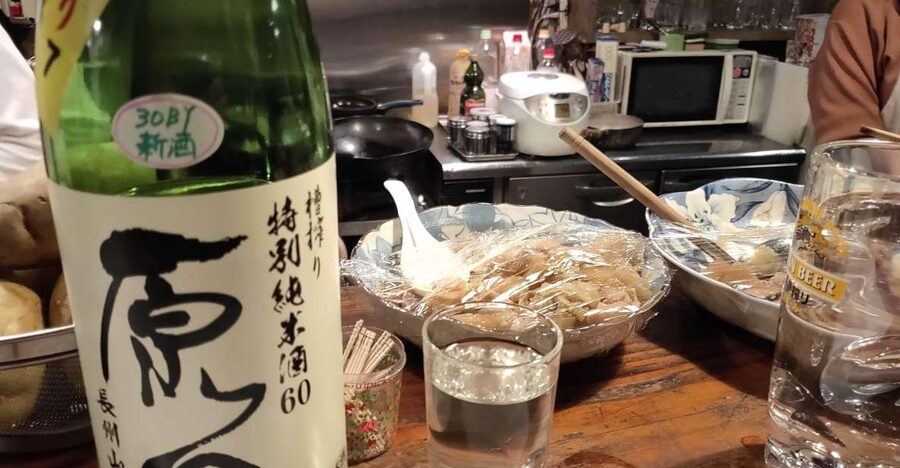
- Three included drinks: Choose one alcoholic or non-alcoholic drink at each restaurant, with extra drinks costing about 500 yen each.
- Hiroshima after dark: Walk through Hondori Shopping Street and Nagarekawa Dori, two central areas tied to the city’s shopping and nightlife.
- A local guide makes the difference: Ken and Kensuke are praised for explaining food, customs, and daily life in clear English.
- Small-group or private feel: The experience is available as a private or small-group tour, though a solo booking may need an alternate date or a 3,000-yen supplement if two guests are not reached.
Why this Hiroshima food tour works
I see this as a food crawl with a cultural guide attached, not simply a list of restaurant reservations. You get to try many dishes, but you also learn how people in Hiroshima go out for a casual meal, order small plates, share food, and socialize over drinks.
That matters in Japan, where a restaurant can feel difficult to enter if you cannot read the menu or are unsure about ordering customs. A guide removes that first barrier. Ken and Kensuke are described as friendly, relaxed, and good at keeping conversations moving. Alex also receives praise for including everyone in the group.
The format keeps the night lively. You eat, walk, look around, and eat again. The short restaurant visits mean you are not committed to one menu or one atmosphere for three hours. If a dish is unfamiliar, the next stop is not far away.
This is also a useful first-night activity in Hiroshima. You finish near Don Quijote Hiroshima Hatchobori, the same place where you meet, so you can use the guide’s recommendations for later meals. Several participants received suggestions for restaurants and food to try during the rest of their stay.
A few more Hiroshima tours and experiences worth a look

Meeting at Don Quijote Hiroshima Hatchobori
The starting point is on the street directly in front of Don Quijote Hiroshima Hatchobori. This is a practical meeting place in the center of town, but do not wait inside the store. Look for your guide outside, and allow a few minutes to identify the correct spot.
The tour returns to the same location after the final restaurant. Hotel pickup and drop-off are not included, so you need to make your own way to and from the meeting point.
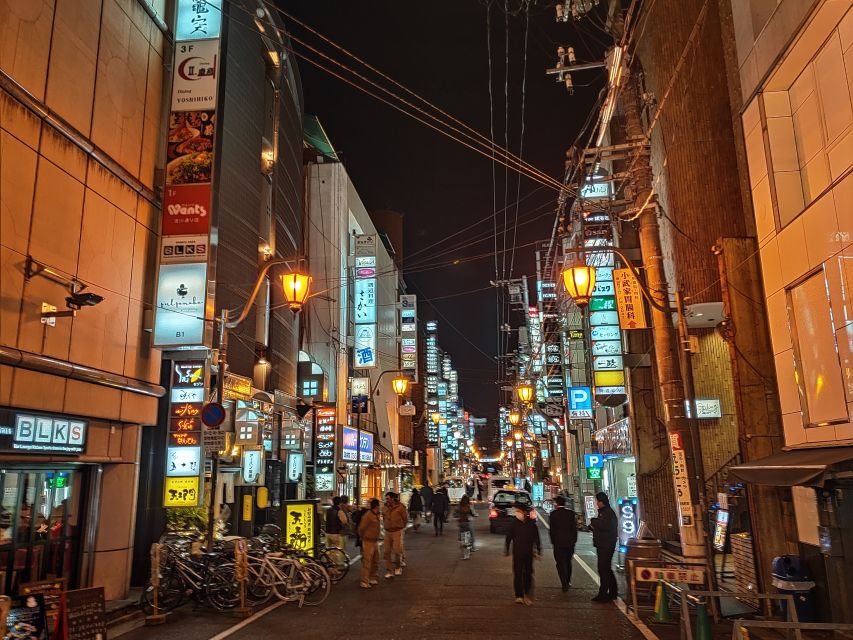
From there, the group heads toward Hondori Shopping Street. The first walk lasts about 30 minutes and gives you time to settle into the evening before the food begins. You are not spending the night on a sightseeing bus. You see the city on foot, at street level, with the guide pointing out the parts of Hiroshima’s central entertainment district that fit the tour.
Hondori Shopping Street before dinner
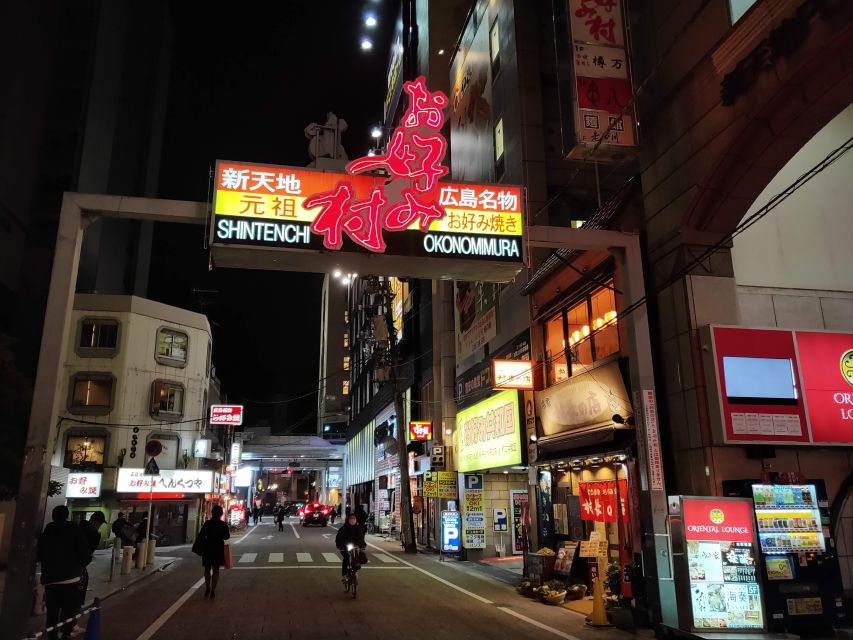
Hondori is a useful opening chapter because it helps place Hiroshima’s food culture in its urban setting. You walk through a central shopping area before moving toward smaller restaurants and nightlife streets.
The tour description does not promise formal monument visits, and this is not designed as a major history walk. Instead, the value lies in seeing where people shop, meet, and go out. The guide may also share information about nearby attractions and local life, as several participants found useful during the rest of their stay.
After roughly 30 minutes, the first restaurant stop begins. The short transition keeps the evening from feeling like a classroom. You are already looking at menus, streets, and shop fronts when the food starts.
First restaurant: your introduction to tachinomi dining
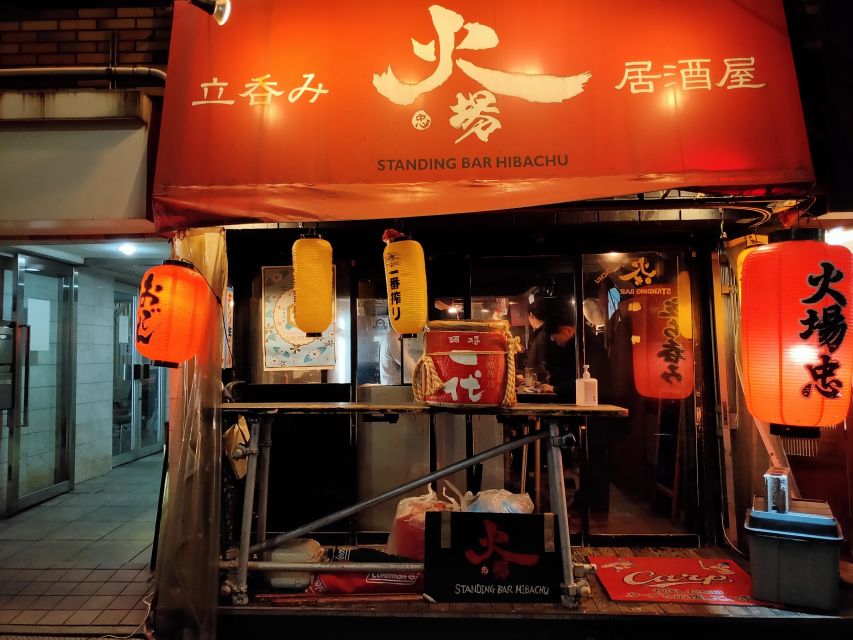
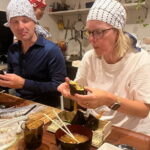
The three food stops are local restaurants, with all or part of the evening taking place in tachinomi-style venues. Tachinomi means standing while eating and drinking, usually at a counter or shared table. Think small plates, quick conversation, and a social rhythm rather than a long, formal dinner.
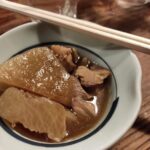
At the first stop, you receive one included drink and several dishes. The exact menu changes with the season and restaurant availability, so you should not expect a fixed plate-by-plate menu. The selection may include fresh seafood, grilled food, tempura, steamed items, or food cooked slowly in broth or sauce.
This arrangement is especially useful if you are curious but cautious. You can try a small portion of something unfamiliar without ordering a full dish. The guide explains what you are eating and helps with choices, which makes it easier to go beyond the dishes you already recognize.
The first stop is scheduled for about 30 minutes. That is enough time to eat a few plates and have a drink, but it is not a slow dinner. If you want long conversations at each restaurant, this pace may feel brisk.
Second restaurant: more variety, less guesswork
The second restaurant brings another set of dishes and another drink. Because each stop has its own menu and feel, the meal develops variety without asking you to make every decision yourself.
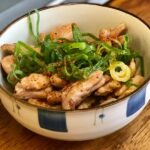
The food can include chicken, fish, vegetables, noodles, fried items, or other local preparations. Some participants tried dishes they would not have ordered alone, including unusual items that turned out to be enjoyable. You should come ready to sample rather than expecting a narrow menu of familiar favorites.
One of the tour’s best practical features is the guide’s ability to manage dietary needs when given advance notice. The local partner will do its best to accommodate restrictions or preferences, but you should tell them before the tour rather than waiting until you sit down. Since the menu changes, no particular substitute can be guaranteed.
You also have a choice of alcoholic or non-alcoholic drinks. The included allowance is one drink at each restaurant, for three total. Depending on the stop, that may mean beer, sake, a cocktail, spirits, plum wine, or a soft drink. Extra drinks are not included and usually cost around 500 yen each, paid directly to the restaurant.
A few more Hiroshima tours and experiences worth a look

Nagarekawa Dori and Hiroshima nightlife
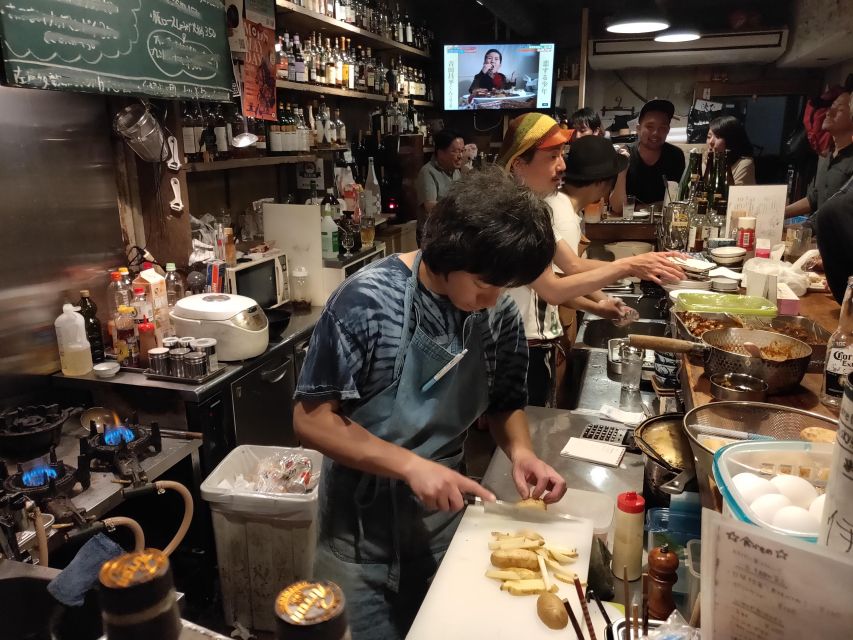
Between the second and third restaurant, the route passes through Nagarekawa Dori. This is one of Hiroshima’s main entertainment areas, and the walk helps you see the city’s evening side beyond the shopping arcades.
Again, this is not a long sightseeing lecture. You are moving through the district as part of a food evening, with the guide explaining local customs and pointing out the character of the area. That balance is a strength. You get a sense of Hiroshima’s nightlife without losing the main purpose of the tour, which is eating.
The walk also gives you a useful pause. Ten or more dishes can add up, even when served as small plates. A short walk between stops keeps the meal comfortable and gives you time to compare what you have eaten.
Third restaurant: the local specialties arrive
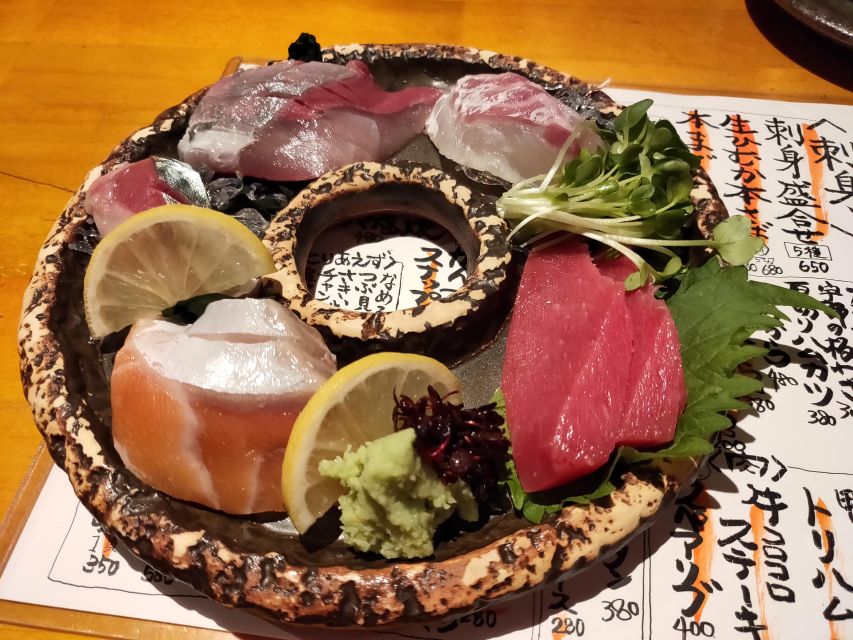
The final restaurant is where the evening often reaches its most memorable point. Hiroshima-style okonomiyaki appears on some routes, and it is a key local specialty worth seeking out. One participant specifically described the okonomiyaki as a highlight, while another enjoyed trying several versions at the stop devoted to the Hiroshima dish.
The tour may also finish at a small venue with a strong local personality. One especially unusual experience involved meeting a restaurant owner who had previously been a sumo wrestler. That kind of encounter cannot be guaranteed, but it shows the sort of human connection the format can create.
You receive your third included drink here, along with more food. By the end, you will have sampled at least ten different dishes, and sometimes closer to 15. The portioning is designed as a full dinner spread across three places. One useful planning tip is to eat a light lunch if you want to try everything comfortably.
The tour then returns to Don Quijote Hiroshima Hatchobori. You finish with a better sense of where to eat, what to order, and how Hiroshima’s casual evening dining fits together.
Food variety matters more than a fixed menu
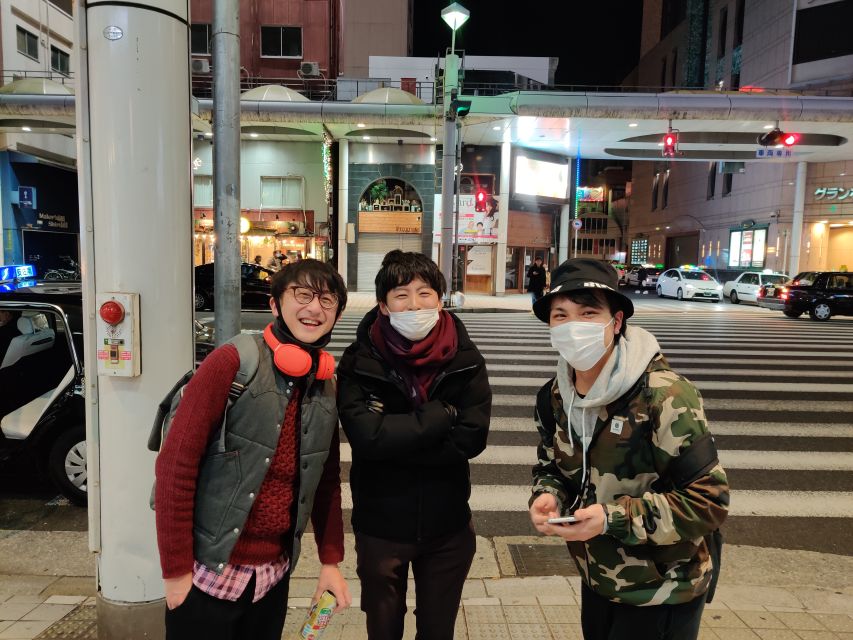
This experience works best if you value range over certainty. You are not booking one named tasting menu. Seasonal ingredients, restaurant availability, and the route can change the dishes served.
That may sound like a drawback, but it is also part of the appeal. The meal reflects what is available at the time rather than pretending Hiroshima has one fixed menu. You might find seafood at one stop, grilled food at another, and okonomiyaki at the last.
The small-plate format also lets the guide introduce foods that are hard to identify from an English menu. You can ask what something is, how it is prepared, and how locals usually eat it. If you do not care for every dish, there are plenty of other plates still to come.
I would not book this expecting only famous Hiroshima specialties. You will probably get at least one important local dish, but the larger goal is to sample the wider food scene, including dishes that may not be aimed at sightseeing crowds.
The guide is the heart of the evening
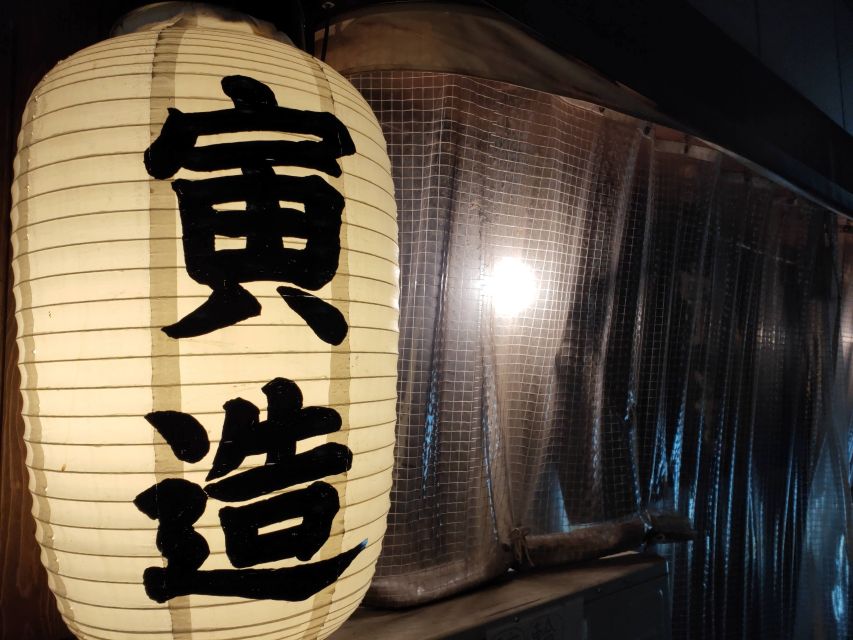
Food tours rise or fall on the person leading them, and this one depends heavily on the guide’s personality. Ken and Kensuke are the names most often associated with the experience. They are praised for clear English, easy conversation, and a genuine interest in Hiroshima’s food and culture.
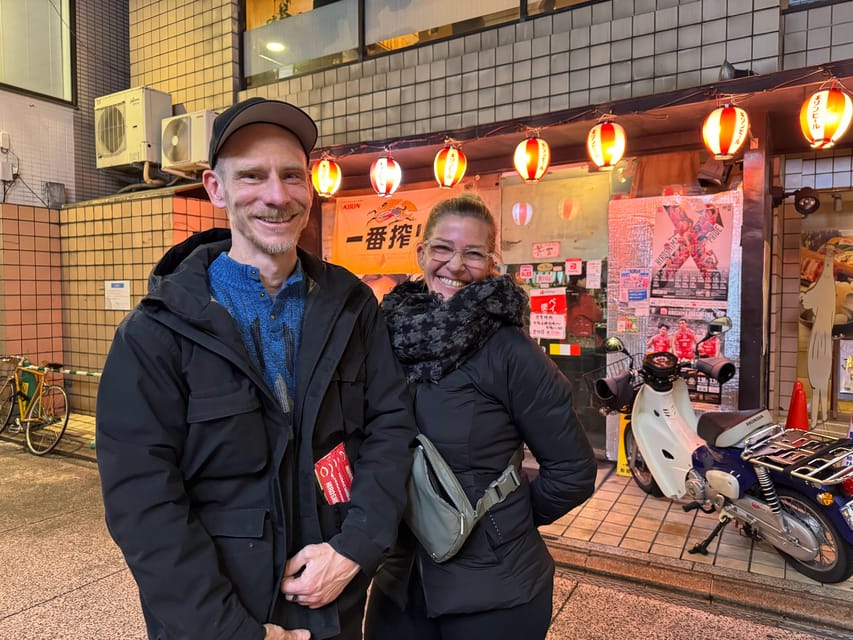
Ken’s style appears particularly informal. The evening can feel like going out with a friend, which suits a tour built around small restaurants and shared tables. He also takes care to check that everyone is included and comfortable, rather than letting the fastest or most confident diner dominate the conversation.
Alex leads some tours and is also praised for good food knowledge, local recommendations, and keeping the group engaged. Since guides and restaurant stops can vary, you should think of the tour as a consistent format with a personal touch, not a guaranteed night with one named guide.
The cultural information is another reason to choose this activity. You learn about eating customs, drinks, local life, and Hiroshima’s food scene as the night unfolds. It is practical information you can use right away, not only background facts.
Standing restaurants and the pace you should expect
The tachinomi format is authentic and social, but it is not ideal for everyone. You may stand at a counter or table for part of the evening. One stop is usually seated, but that is not promised, and the group generally spends less than 30 minutes in each restaurant.
I like this pace for a first look at Hiroshima’s nightlife. You get three settings, many dishes, and frequent conversation. It also avoids the common problem of filling up on one large serving before you have had a chance to try anything else.
If you need a leisurely seated meal, have difficulty standing, or prefer to linger over one drink, this format may frustrate you. The supplied information does not promise accessibility arrangements, so contact the provider before booking if standing for parts of the tour is a concern.
The minimum age is 13. Participants aged 13 to 19 can join, but Japan’s legal drinking age is 20, so anyone under 20 should choose non-alcoholic drinks.
Is the $94 price good value?
At $94 per person, the price is not simply paying for dinner. It covers a full meal spread across three restaurants, three drinks, the guide, and the confidence to enter small local places that may feel intimidating on your own.
The value is strongest if you would otherwise order conservatively. A self-guided evening could cost less, especially if you choose one inexpensive restaurant and skip drinks. But it would not necessarily give you ten or more different dishes, three distinct venues, cultural explanations, and help with ordering.
The included drinks are also worth counting. One drink at each stop gives the evening a natural structure. If you want more, budget about 500 yen per additional drink, though the exact cost is paid directly to each restaurant.
Solo visitors should check the booking terms carefully. The operator tries not to charge more for one-person bookings, but if the minimum of two participants is not reached, you may be offered another date, a 3,000-yen solo supplement, or a full refund.
The free cancellation window is up to 24 hours before the experience for a full refund. You can also reserve and pay later, which helps if your Hiroshima plans are still shifting.
Who should book this experience?
I would choose this tour if you want to:
- Try many Japanese dishes without decoding every menu yourself
- See Hiroshima’s central nightlife on foot
- Eat at small local restaurants rather than only well-known tourist venues
- Learn about food customs and daily life from an English-speaking guide
- Meet other people in a small-group setting
- Make one evening count during a short Hiroshima stay
It is especially useful for a first visit, a solo evening, or a night when you want local direction. Couples and families with older children can also fit well, as long as everyone is at least 13 and comfortable with possible standing dining.
I would hesitate if you have strict dietary requirements that cannot tolerate uncertainty, dislike unfamiliar food, or want a polished fine-dining experience. The operator will try to help with restrictions, but changing menus and restaurant availability mean you should not assume every request can be met.
Should you book the Hiroshima food and culture tour?
Book it if your idea of a good night is several small meals, local drinks, short walks, and a guide who can make unfamiliar places feel easy. The strongest reasons are the variety, the access to small neighborhood restaurants, and the relaxed guidance from Ken, Kensuke, or Alex.
Skip it if you need a fixed menu, guaranteed seating, or a quiet dinner at one restaurant. For most curious eaters, though, $94 is a fair price for a three-hour introduction to Hiroshima’s casual food culture, especially when you count the meal, three drinks, and local help with ordering.
FAQ
Where does the Hiroshima food tour start?
The tour starts on the street directly in front of Don Quijote Hiroshima Hatchobori.
Where does the tour finish?
The experience returns to Don Quijote Hiroshima Hatchobori.
How long does the activity last?
The tour lasts three hours.
How many restaurants do you visit?
You visit three different local restaurants.
How many dishes are served?
At least ten different dishes are served during the evening. Some meals may include around 15 dishes, depending on the route and menu.
Are drinks included?
Yes. Three drinks are included, with one drink provided at each restaurant. You can choose alcoholic or non-alcoholic options.
Can I order extra drinks?
Yes. Additional drinks are not included and usually cost around 500 yen each. You pay the restaurant directly.
Is okonomiyaki included?
Hiroshima-style okonomiyaki may be included, and one restaurant stop often features it, but the exact dishes can change with seasonal conditions and restaurant availability.
Is the tour suitable for children?
All participants must be at least 13 years old. Anyone under 20 cannot legally drink alcohol in Japan and should select non-alcoholic beverages.
Is the tour private?
Private or small-group options are available. If fewer than two guests book, a solo participant may be offered another date, a 3,000-yen supplement, or a full refund.
Is hotel pickup included?
No. You must make your own way to the meeting point, and hotel drop-off is not included.
Can I cancel for a full refund?
Yes. You can cancel up to 24 hours in advance for a full refund.
What language does the guide speak?
The tour is offered with an English-speaking guide. The included information also identifies the guide support as English and Japanese speaking.
More Walking Tours in Hiroshima

More Hiroshima Food Tours in Hiroshima
More Hiroshima City Tours in Hiroshima
More tours in Hiroshima we've reviewed

Hiroshima Food Tours, compared.
 ★ 5.0Hiroshima Izakaya Food and Drink Night TourFrom $110
 ★ 4.5All-inclusive Hiroshima Nighttime Food and Cultural ImmersionFrom $119
 ★ 5.0Private Japanese Cooking Class in Hiroshima with Machiko’s FamilyFrom $108
 ★ 5.0Best of Hiroshima Food TourFrom $221
 ★ 5.0Dinner Cruise on HANAIKADA (Raft-Type Boat) with Scenic View of MiyajimaFrom $95
 ★ 5.0Home Made Onigiri and Matcha Cooking Class in HiroshimaFrom $81
