
Reviewed · MIYAJIMA TOURS
Hiroshima: Miyajima Island Half-Day Tour with Guide
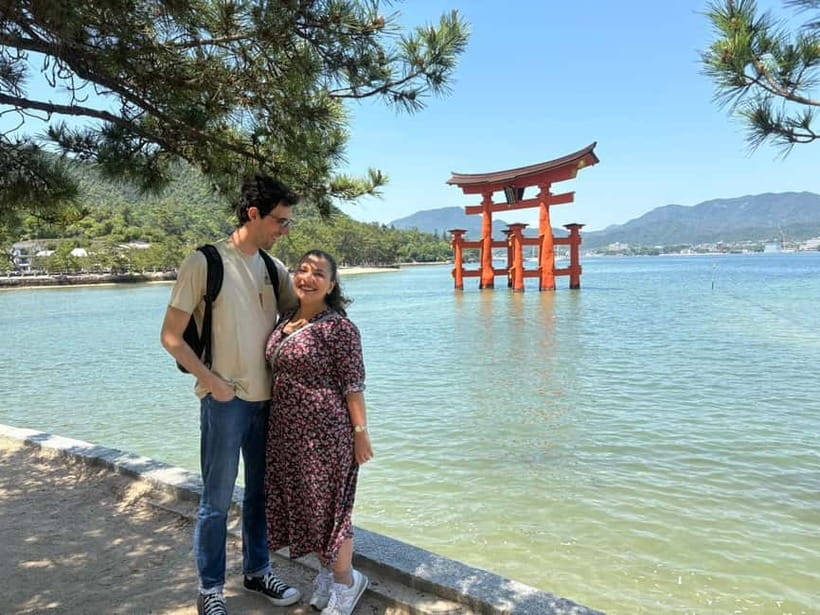
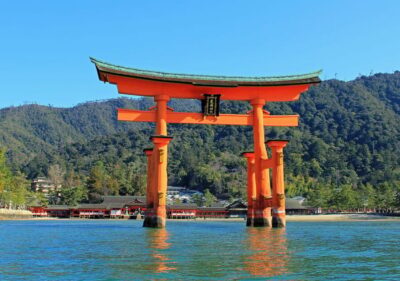
Miyajima’s great trick is the tide. At high water, the vermilion torii of Itsukushima Shrine appears to float offshore. At low water, you can walk toward it across the exposed sand. This half-day tour times the visit around the forecast, then adds deer, temple halls, grilled oyster, and a maple-leaf cake.
I like the way the tour combines the island’s famous sights with small local tastes, rather than rushing from photo stop to photo stop. I also like the practical help from guides such as Sony and Kaku, who have led visitors to quieter corners, explained Japanese customs, taken photos, and even helped with dinner reservations or the correct bus back.
The main consideration is that four hours goes quickly. Transportation fees and lunch are not included, and you still need to reach the meeting point at Miyajimaguchi Station. If you want hiking, the ropeway, or a slow evening on the island, you’ll need more time on your own.
In This Review
- Key points at a glance
- Why Miyajima works so well as a half-day trip
- Meeting at Miyajimaguchi Station
- Crossing the Seto Inland Sea by ferry
- Omotesando, deer, and the first local flavors
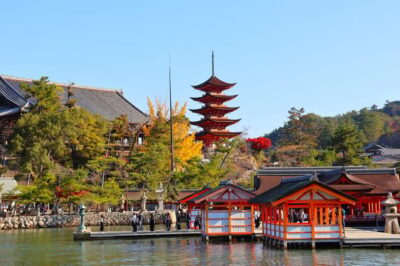
- Itsukushima Shrine and the floating torii
- Daisho-in Temple and the quieter side of the island
- The secret stop and the value of a local guide
- Food, lunch, and the four-hour pace
- Is $77 a fair price?
- Who should book this Miyajima tour?
- Final call: book or explore alone?
- FAQ
- How long does the Miyajima tour last?
- Where does the tour meet?
- Is transportation included in the $77 price?
- Does the tour include lunch?
- What food is included?
- Which language is the tour offered in?
- Is the tour wheelchair accessible?
- Can I cancel for a full refund?
Key points at a glance
- Tide-aware torii viewing: Your guide checks the tide forecast and aims for the best chance of seeing the gate surrounded by water or reached on foot.
- Three major Miyajima sights: The route includes UNESCO-listed Itsukushima Shrine, Omotesando shopping street, and Daisho-in Temple.
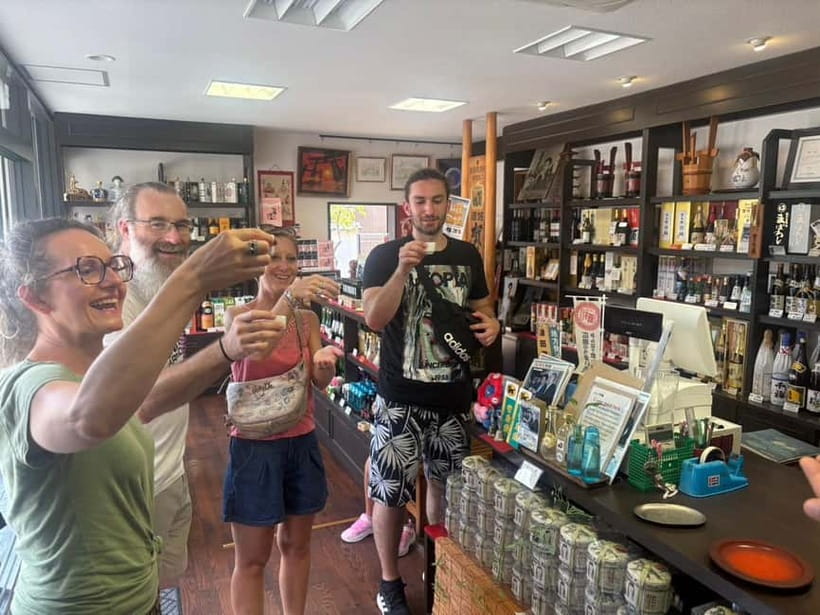
- Local food in small portions: You taste a Hiroshima oyster and momiji manju, the island’s familiar maple-leaf-shaped cake.
- Useful personal help: Guides including Sony, Kaku, Hendri, and Ambar have helped with photos, quiet spots, restaurant suggestions, and onward transport.
- Efficient four-hour format: This works well when you have only half a day in Hiroshima, though it leaves little room for a relaxed island stay.
- Strong overall rating: The experience is rated 4.9 out of 5 from 71 reviews, and 88 percent of ratings give the transport arrangement a perfect score.
Why Miyajima works so well as a half-day trip
Miyajima, officially Itsukushima, is one of the easiest major sights to add to a Hiroshima visit. The island gives you a short ferry crossing, sacred buildings, mountain scenery, food stalls, shops, and free-roaming deer in one compact area.
That mix is the reason I see value in a guided visit here. You can certainly reach the island alone, but the religious customs and layout are not always obvious at first glance. A local guide can explain what you are looking at while keeping an eye on ferry timing and the limited clock.
The tour lasts four hours, so it is best viewed as an introduction, not a complete island day. You’ll see the main sights and get a taste of local life, but you should not expect time for every side path, museum, shopping stop, or mountain activity.
A few more Hiroshima tours and experiences worth a look

Meeting at Miyajimaguchi Station
The meeting point is outside the ticket gates at Miyajimaguchi Station, in front of the coin lockers. That detail matters because the tour does not begin in central Hiroshima or at the ferry terminal itself.
You are responsible for reaching Miyajimaguchi and paying transportation costs. The guide handles the ferry and shrine ticket logistics once the group is together, which removes some of the usual ticket-buying fuss.
I would allow extra time to find the station meeting point, especially if you are carrying luggage or arriving by local train. The instructions are simple, but this is not a hotel pickup. The guide may be Sony, Kaku, Hendri, Aido, Ambar, or another member of the English-speaking team.
Crossing the Seto Inland Sea by ferry
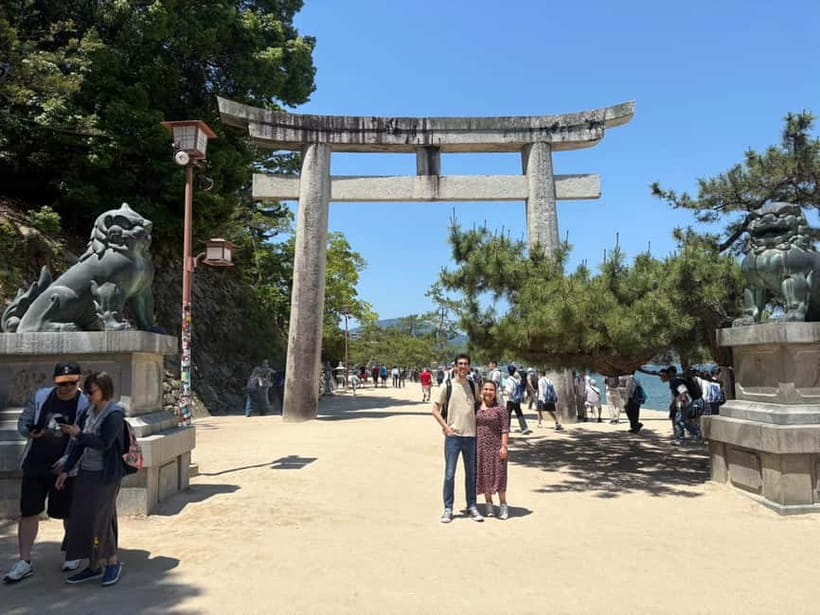
The ferry crossing takes about 15 minutes. It is short enough that you do not lose much sightseeing time, but long enough to give you an opening view toward the island and the water around the shrine.
This is where having a guide is useful in a quiet, practical way. Ferry tickets and shrine tickets are handled for you, so you can focus on the views and stay with the group rather than sorting out each step yourself.
Transportation fees are not included in the tour price, so budget separately for getting to Miyajimaguchi and for the ferry arrangement. The listed experience is wheelchair accessible, but the tour also involves walking through shopping streets and religious sites. If you have specific mobility needs, it is sensible to confirm the day’s route before booking.
Omotesando, deer, and the first local flavors
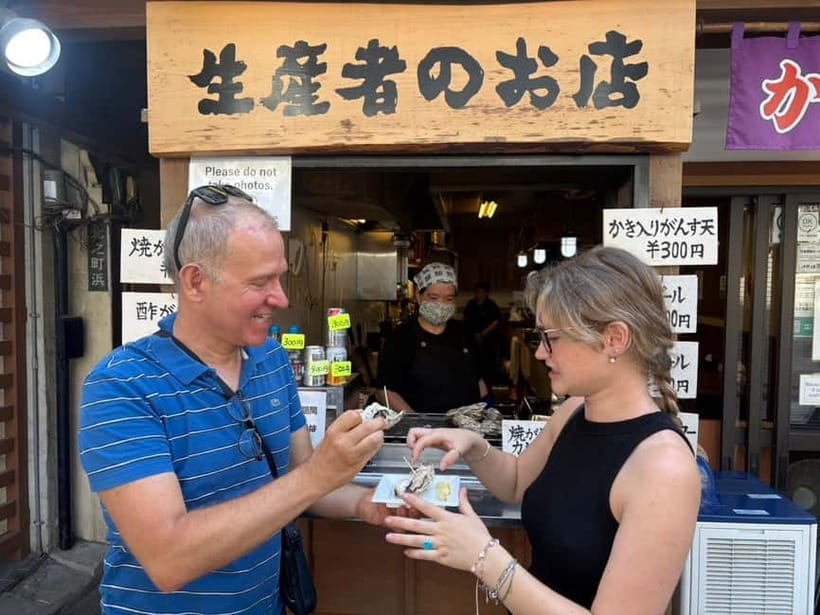
After arriving, the tour moves through Miyajima Omotesando Shopping Street. This is the island’s main food and shopping lane, with souvenirs, sweets, snacks, and regional specialties.
The guide adds context instead of simply pointing out storefronts. You can try a Hiroshima oyster, grilled when in season, and a momiji manju maple-leaf cake. The oyster gives you a taste of the local seafood tradition, while the cake is a gentler, sweeter introduction to Miyajima’s food culture.
These are tastings, not a full meal. Lunch is not included, and the itinerary allows about an hour for food and shopping. Some guides have suggested restaurants for a proper meal, and Kaku even helped one couple arrange a dinner reservation. That kind of help can be valuable if you want to try a local dish but do not know where to start.
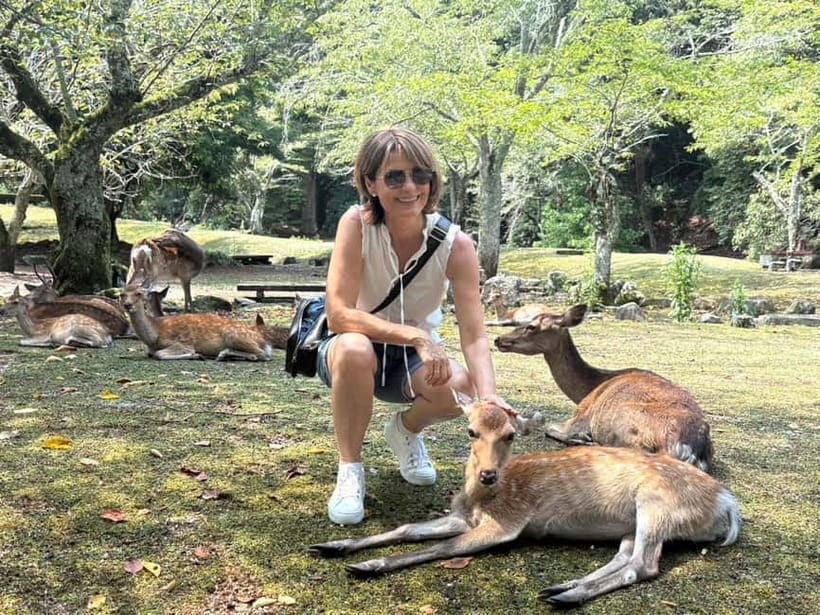
The deer are part of the fun, but keep your food and drinks close. They are friendly-looking and persistent, and one participant specifically warned that they may steal anything left within reach. I would enjoy them from a short distance rather than feeding them or using them as an excuse to stop in the middle of the walking route.
Itsukushima Shrine and the floating torii
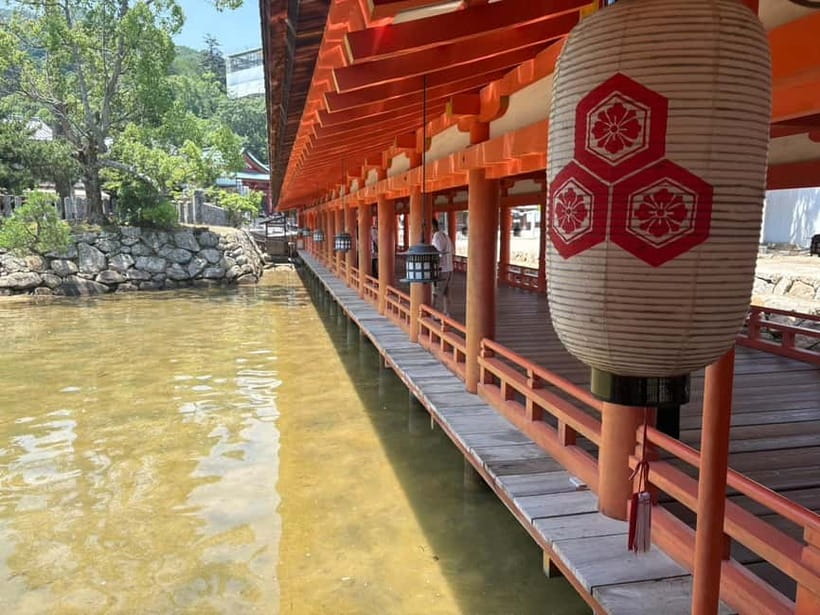
Itsukushima Shrine is the central sight, and the tour sets aside about an hour for the shrine visit. Its bright vermilion buildings and seaside setting are easy to admire, but a guide helps explain why the shrine was built over the water and how the island’s sacred status shapes the visit.
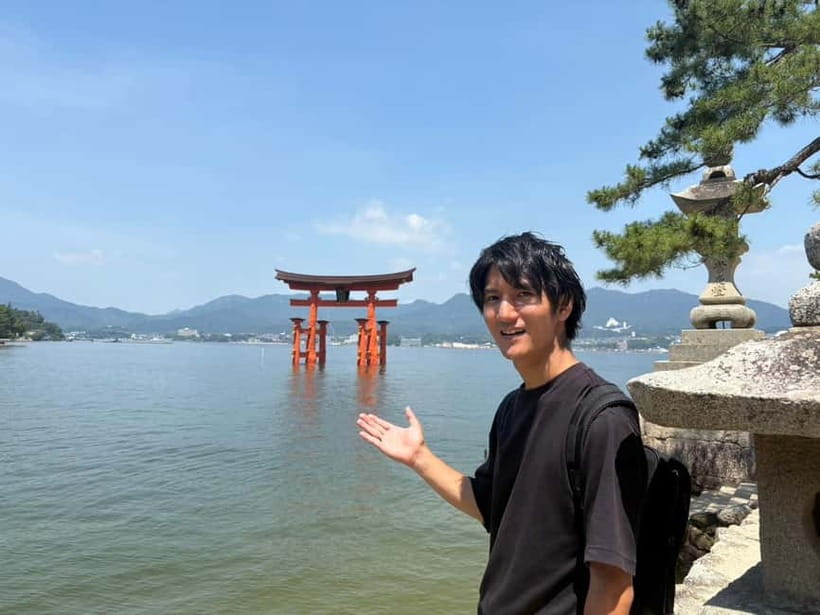
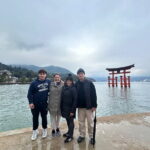
The torii gate is the image most people associate with Miyajima. Its appearance changes with the tide. At high tide, water surrounds the base and gives the gate its famous floating effect. At low tide, the water recedes and the gate becomes reachable on foot.
The guide checks the tide forecast and tries to place the visit in the best photo window. That is a real advantage, though it cannot control weather, crowd levels, or the exact timing of the tide. If the torii is your top priority, check the tide times yourself before booking and ask how the day’s schedule fits them.
The photo service is included. Guides such as Sony and Kaku have been praised for taking many good pictures and finding scenic angles, which is especially helpful for solo visitors or couples who do not want to rely on strangers for every photo.
A guided explanation also gives this stop more meaning. You can ask questions about the shrine, its objects, and Japanese customs instead of treating the buildings as a quick backdrop. The route is still brisk, so keep your questions coming as you walk.
A few more Hiroshima tours and experiences worth a look

Daisho-in Temple and the quieter side of the island
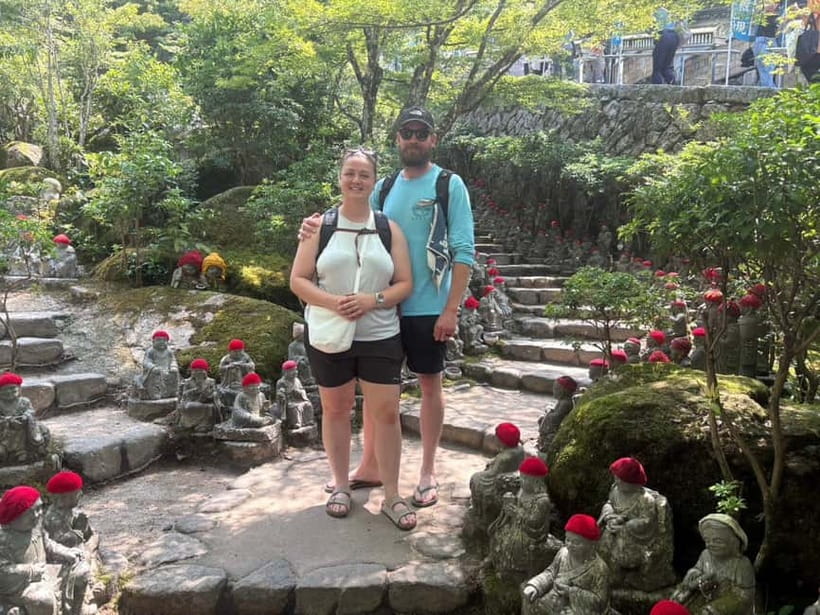
Daisho-in Temple provides a different mood from the shrine. Where Itsukushima is defined by open water, vermilion structures, and the torii, Daisho-in offers a more contemplative temple visit.
The supplied route allows about an hour around the main cultural sights, with an additional 30-minute secret stop for photos, walking, and sightseeing. The exact quiet location can vary, but the pattern is clear: the guide is not limited to the most obvious viewpoint.
Several guides have taken people to less crowded places and shown customs that are easy to miss alone. One particularly memorable activity described in the tour feedback is a sensory-deprivation purification ritual involving a walk through darkness at the temple. Since the exact stop can vary, you should treat this as a possible part of the temple experience rather than a guaranteed feature.
This section is also where the tour earns its strongest praise. Kaku has been noted for explaining the island’s place in Japanese culture, while Hendri has been described as bringing the island to life with a friendly, clear approach. Sony has also been praised for sharing unusual details and answering questions patiently.
If you have an interest in Buddhist practice, shrine etiquette, or Japanese religious culture, this guided portion may be worth more to you than the food tasting. If you mainly want shopping and photographs, the temple visit may feel more detailed than necessary.
The secret stop and the value of a local guide
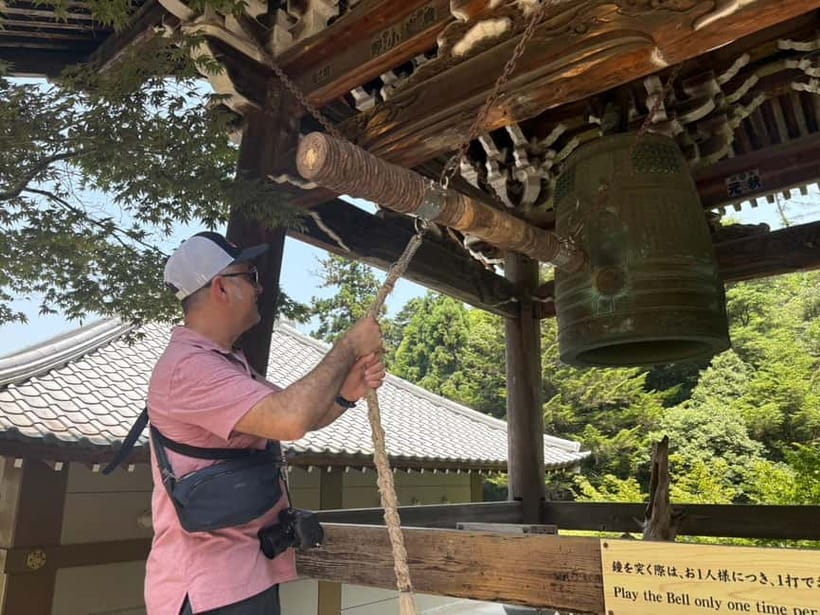
The 30-minute secret stop is deliberately less specific than the named attractions. That is part of the appeal. Rather than giving every group the same rigid list, the guide can use local knowledge to add a quieter viewpoint, a photo location, or a small cultural detail.
Do not expect a dramatic undisclosed attraction. The value is more practical: you may see a part of Miyajima that you would otherwise walk past, and you can ask for help with your own interests. Kaku has adjusted visits for specific requests, and guides have pointed out places for stamps, local drinks, sweets, and photos.
This is also a good format for solo visitors. Ambar has been praised for creating a warm group atmosphere, and the short shared route gives solo travelers a chance to meet people without committing to a full-day tour.
Group size is not stated in the available details, so I would not book this expecting a private experience. The guide’s quality appears to be the bigger variable. The named guides receive consistently strong praise for friendliness, organization, clear English, and a willingness to answer questions.
Food, lunch, and the four-hour pace
The included momiji manju tasting is a pleasant touch because it connects the tour to a food associated with Miyajima. The oyster tasting adds something more specific to Hiroshima, although it may be grilled only when in season.
Lunch is not included. The itinerary shows an hour for lunch or dinner, but that time does not mean a meal is covered in the price. Ask the guide for a recommendation if you want a full meal, and remember that a sit-down restaurant can reduce the time available for sightseeing.
The pace suits you if you want the main sights without spending an entire day on the island. It may feel tight if you stop often to shop, take photos, or linger at the shrine. Some direct feedback praises the timing as enough to see the essentials without feeling rushed, but your own pace will depend on the group and the day.
I would treat the food as a sampler and plan another meal afterward if you have a large appetite. The tour is about orientation and cultural context, not a food tour.
Is $77 a fair price?
At $77 per person, the tour costs more than handling the island independently. The price includes an English-speaking local guide, shrine admission, photo service, and momiji manju tasting. It does not include transportation fees or lunch.
The value comes from the time saved and the interpretation. A guide keeps the ferry and shrine arrangements moving, checks the tide forecast, explains the shrine and temple, and helps you avoid missing the main sights during a short visit.
I think the price makes the most sense when Miyajima is a one-day or half-day addition to Hiroshima. If you have plenty of time, enjoy researching train and ferry details, and are comfortable exploring religious sites without explanation, an independent visit will cost less.
The photo service adds value for solo visitors and couples. Restaurant suggestions, help with onward transport, and local tips can also save time after the official tour ends. Several guides have helped people find the right bus line, locate stamp spots, or choose an evening restaurant.
Free cancellation up to 24 hours before the tour and the reserve-now-pay-later option make the booking less rigid. Starting times vary, so check availability against your Hiroshima schedule and the tide forecast.
Who should book this Miyajima tour?
I would recommend it most strongly to first-time visitors with limited time. It gives you the island’s essential sequence: ferry, food street, deer, shrine, torii, temple, and a quieter stop.
It is also a good match for solo visitors who want company, families who prefer not to manage every ticket, and anyone who wants cultural explanations in English. The guide can keep the group moving while still allowing time for shopping and questions.
You may want to skip it if you have already explored Miyajima, want a long hike, or prefer to set your own pace. Four hours does not leave much room for wandering beyond the planned route.
Final call: book or explore alone?
Book this tour if you want a well-organized first look at Miyajima and care about understanding what you see. The strongest reasons are the tide-aware torii timing, the included shrine ticket, the local food samples, and the practical help provided by guides such as Sony, Kaku, Hendri, and Ambar.
Go independently if you want a cheaper visit or a full day for unhurried shopping, meals, and exploration. For most first-time visitors fitting Miyajima into a busy Hiroshima plan, $77 is a reasonable trade for four hours of direction, cultural explanation, and fewer logistical headaches.
FAQ
How long does the Miyajima tour last?
The tour lasts four hours.
Where does the tour meet?
The guide meets you outside the ticket gates at Miyajimaguchi Station, in front of the coin lockers.
Is transportation included in the $77 price?
Transportation fees are not included. The guide handles the ferry and shrine ticket logistics, but you should budget separately for transportation.
Does the tour include lunch?
No. Lunch is not included, although the itinerary allows time for lunch or dinner and the guide can suggest a restaurant.
What food is included?
The tour includes a momiji manju maple-leaf cake tasting. The experience also includes a Hiroshima oyster tasting, grilled when in season.
Which language is the tour offered in?
The live tour guide speaks English.
Is the tour wheelchair accessible?
Yes, the activity is listed as wheelchair accessible.
Can I cancel for a full refund?
Yes. You can cancel up to 24 hours in advance for a full refund. You can also reserve now and pay later.
More Guided Tours in Hiroshima


More Hiroshima City Tours in Hiroshima
More Miyajima Tours in Hiroshima
More tours in Hiroshima we've reviewed


Miyajima Tours, compared.
 ★ 5.0Peaceful Hiroshima & Miyajima UNESCO 1 Day Bus TourFrom $129
 ★ 4.9Hiroshima: Hiroshima and Miyajima UNESCO Sites 1-Day TourFrom $1228 hours
 ★ 5.0Hiroshima / Miyajima Full-day Private Tour with Government Licensed GuideFrom $202
 ★ 4.7Osaka/Kyoto: Hiroshima Miyajima Bus Tour & Shinkansen TicketFrom $27712 hours
 ★ 4.7From Hiroshima: Hiroshima & Miyajima 1 Day Tour with LunchFrom $1168 hours
 ★ 5.0Hiroshima and Miyajima Day Trip with Itsukushima Shrine & FerryFrom $45
