
Reviewed · MIYAJIMA TOURS
Hiroshima: Miyajima Peace Memorial Icons of Peace and Beauty
Hiroshima and Miyajima make an unusually powerful pair. In the morning, you face the human cost of the atomic bombing at the Peace Memorial Park and Museum. Later, a ferry carries you to an island of shrines, sea views, sweets, and traditional crafts. The change in mood is not accidental. It gives the day a thoughtful arc, from remembrance to peace and beauty.
I like the public-transport format, since your guide handles tram and ferry fares while you watch the city and water go by. I also like the human touch: guides such as Ken, known as Kensuke, have helped visitors avoid long waits, find suitable lunch, take photos, and even reach departing trains on time. The main drawback is simple: eight hours is a lot of walking, and some people may feel rushed in the museum or during Miyajima’s free time.
In This Review
- Key points at a glance
- Why this Hiroshima and Miyajima combination works
- A serious morning at Hiroshima Peace Memorial Park
- The Atomic Bomb Dome and the shape of memory
- The Hiroshima Peace Memorial Museum
- Taking the tram and ferry to Miyajima
- Itsukushima Shrine at the edge of the sea
- Senjokaku Pavilion and Miyajima’s quieter side
- Lunch, Momiji Manju, and one hour to wander
- Guides, group size, and the personal touch
- Who should book this day tour?
- Should you book the Hiroshima Peace Memorial and Miyajima tour?
- FAQ
- How long does the Hiroshima and Miyajima tour last?
- Where is the meeting point?
- Which languages are available?
- Is lunch included?
- Are public transport fares included?
- Are entrance fees included?
- Is there free time on Miyajima?
- What should I bring?
- What happens if I book alone and the minimum group size is not met?
Key points at a glance
- Two major Hiroshima sights in one day: Visit the Peace Memorial Park, Atomic Bomb Dome, and Peace Memorial Museum before heading to Miyajima.
- A ferry ride connects two very different experiences: Public transport keeps the day practical and gives you a pleasant crossing to the island.
- Itsukushima Shrine is best understood with context: Your guide explains the shrine’s Shinto meaning and its famous position at the edge of the Seto Inland Sea.
- Miyajima offers more than the torii gate: Walk to Senjokaku Pavilion, browse tea houses and handicraft shops, and sample Momiji Manju.
- Small groups make a difference: Guides including Ken, Minori, and Alex have been praised for clear explanations, crowd management, and personal attention.
- Plan for a full day on your feet: Comfortable shoes are essential, and the schedule may feel tight if you want to linger at every stop.
Why this Hiroshima and Miyajima combination works
Many first-time visitors face a choice between Hiroshima’s memorial sites and Miyajima’s famous shrine. This tour removes that problem by placing both in one carefully timed day. You get the city’s most important historical places, then a change of pace on the island.
That contrast is the heart of the experience. The morning asks for quiet attention. The afternoon gives you space to enjoy architecture, water, food, and local shopping. I find the combination more satisfying than visiting either destination alone, because Miyajima’s emphasis on sacred beauty feels different after the morning’s serious reflection.
The meeting point is the 7-Eleven directly outside Hiroshima Peace Memorial Park, specifically the Hiroshima Motoyasubashi East Store. This is useful for anyone staying near the park, but you should check the exact location before setting out. The tour finishes at Hiroshima Station, so it can work well on a day when you are moving on by train.
The price is $163 per person. That is not a budget city walk, but it covers the guide, tram and ferry fares, entrance fees to the Peace Memorial Park and Itsukushima Shrine, and time for your own exploring. Lunch is extra. If you planned to arrange every transfer, entrance ticket, and island visit yourself, the value here comes from the saved effort and the local guidance rather than from transport alone.
A few more Hiroshima tours and experiences worth a look

A serious morning at Hiroshima Peace Memorial Park
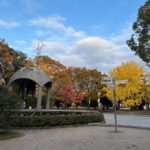
The day begins among the lawns, paths, and waterways of Hiroshima Peace Memorial Park. The setting is calm, but the purpose of the park is direct. It keeps the events of August 6, 1945 present while pointing toward a future without nuclear weapons.
Your guide first helps place the main sights in context. This matters because the park contains several memorials, and a short explanation can give each one more meaning than a quick solo walk past its nameplate. Expect about 30 minutes of guided sightseeing in the park before continuing to the Atomic Bomb Dome.
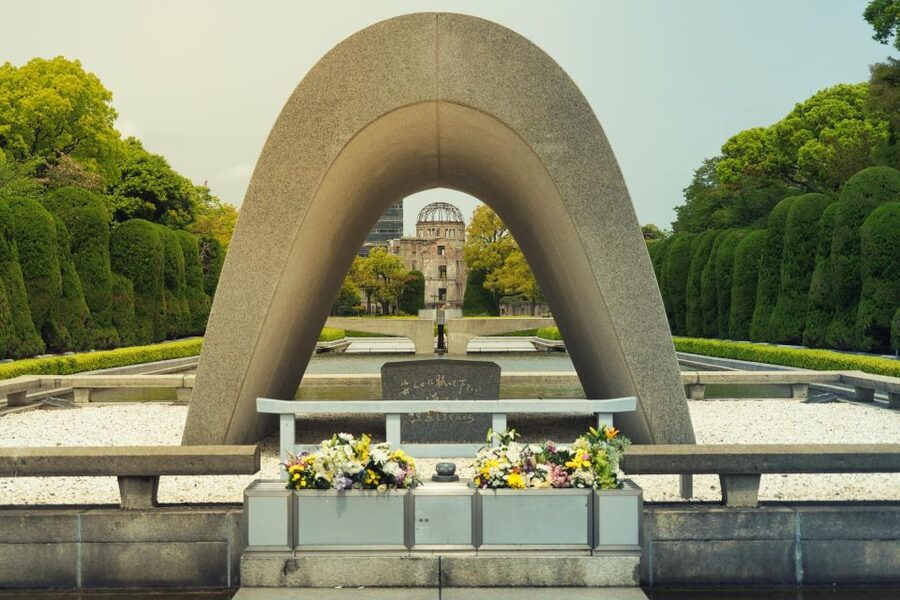
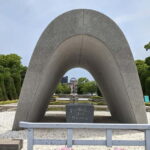
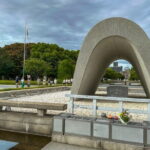
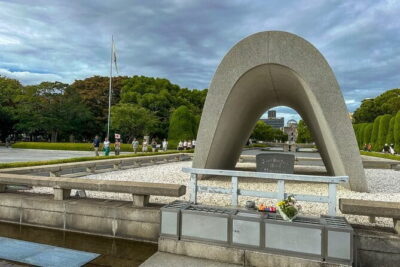
The Cenotaph for the A-bomb Victims is one of the central places for reflection. Paper cranes are linked with peace and remembrance, and the Eternal Flame of Peace adds another clear message to the visit. This is not a stop to rush through with a camera in hand. Give yourself a little quiet time, even if the schedule is moving.
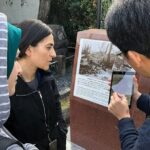
The tour is suitable for people who want historical explanation rather than only photographs. Guides have discussed the bombing, its effects, and different points of view with care. Ken, in particular, has been praised for explaining difficult subjects in clear English and for answering questions about both Hiroshima and daily life in Japan.
The Atomic Bomb Dome and the shape of memory
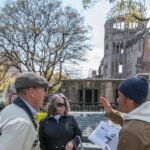
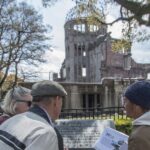
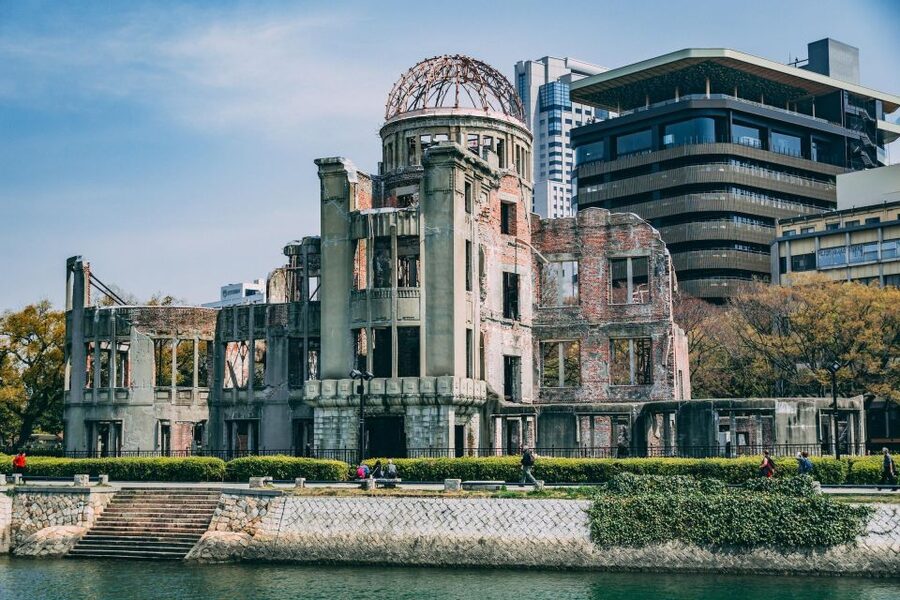
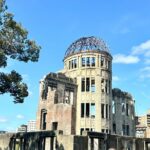
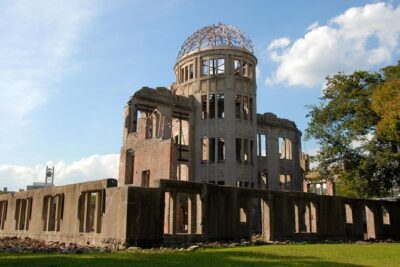
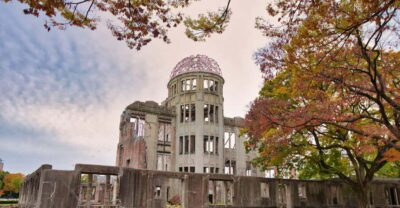
The Atomic Bomb Dome is one of Hiroshima’s most recognizable sights, but its impact comes from seeing it in person. The damaged structure remains close to the park’s open spaces and modern city streets, making the past feel physically close to the present.
The building is a UNESCO World Heritage Site and a direct reminder of the destruction caused by the atomic bomb. Your guide provides background before you continue through the park, which helps you understand why this particular ruin has been preserved.
The scheduled guided visit here lasts about 30 minutes. That is enough for an explanation and photographs, though you may wish for longer if you enjoy architecture or want to pause in silence. The tour’s strength is not extended time at one monument. It is the way the guide connects several places into one story.
This part of the day can be emotional. The subject is difficult, and the next stop, the museum, makes the history more personal. I would avoid planning a demanding activity immediately after the tour if you know you need time to process what you have seen.
The Hiroshima Peace Memorial Museum
The Hiroshima Peace Memorial Museum receives about an hour of guided sightseeing. It is the most intense part of the schedule, with displays focused on the atomic bombing of Hiroshima and Nagasaki and the experiences of those affected.
An hour gives you a clear introduction, but it is not an unlimited museum visit. One person specifically found the museum portion a little rushed, and that is a fair concern. If museums are your main reason for visiting Hiroshima, you may prefer a separate, longer visit. If you want the museum as part of a wider day, the allotted time gives you a meaningful look without taking the whole day indoors.
A guide helps with orientation, especially when the material is upsetting or dense. Ken and other guides have been praised for treating the subject respectfully rather than turning it into a lecture. You can ask questions as you go, and the small-group or private format should make it easier to speak up.
The morning works best when you accept that this is a place for attention, not entertainment. The tour does not try to soften the subject, but it also frames Hiroshima as a city committed to peace and renewal.
Taking the tram and ferry to Miyajima
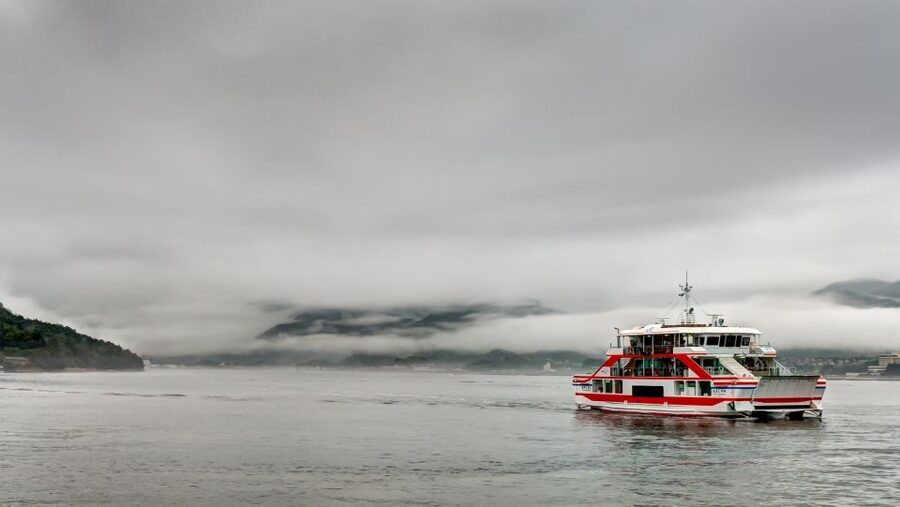
After the memorial sites, the group continues by public transport. Tram and ferry fares are included, and the guide organizes the transfers. That is a real advantage in a full day with several moving parts. You do not need to work out which ticket to buy or keep checking the route while trying to stay with the group.
The ferry portion is listed at roughly one hour in the schedule. It gives you a break after the museum and a chance to see the Seto Inland Sea before arriving at Miyajima. The crossing also helps mark the day’s change in tone.
Transport efficiency is one of the most praised parts of this experience. Guides have collected tickets, reduced waiting time, and kept the group moving. That becomes especially useful during busy periods, when Miyajima and the shrine can draw heavy crowds.
The tradeoff is that public transport is shared and the day depends on the timetable. You are not getting a private vehicle from door to door. For most people, that is a fair exchange for the lower cost and the chance to move through Hiroshima as residents do.
A few more Hiroshima tours and experiences worth a look


Itsukushima Shrine at the edge of the sea
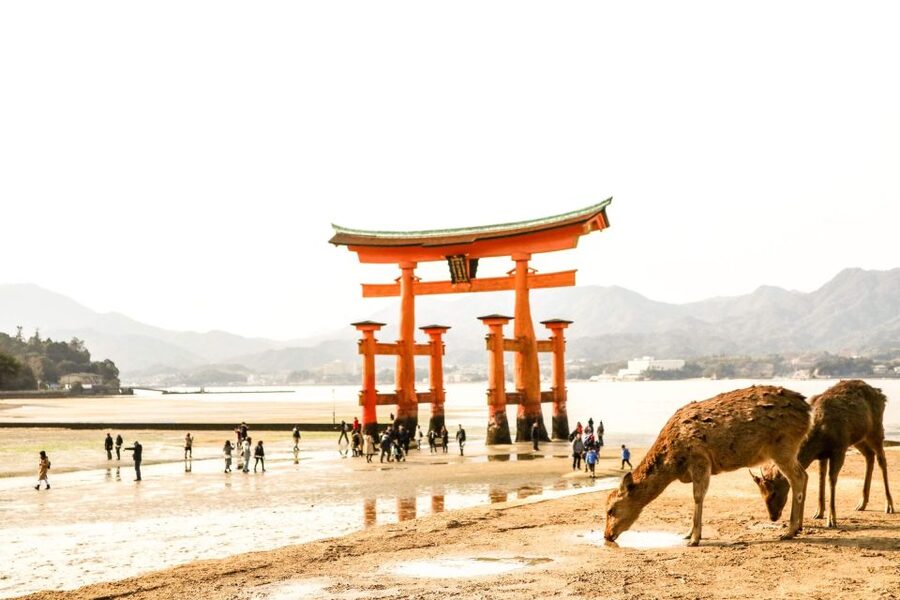
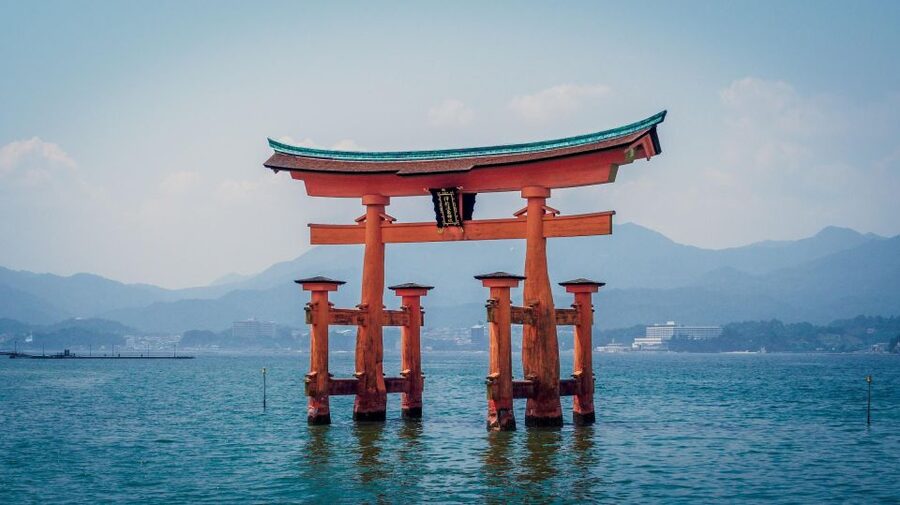
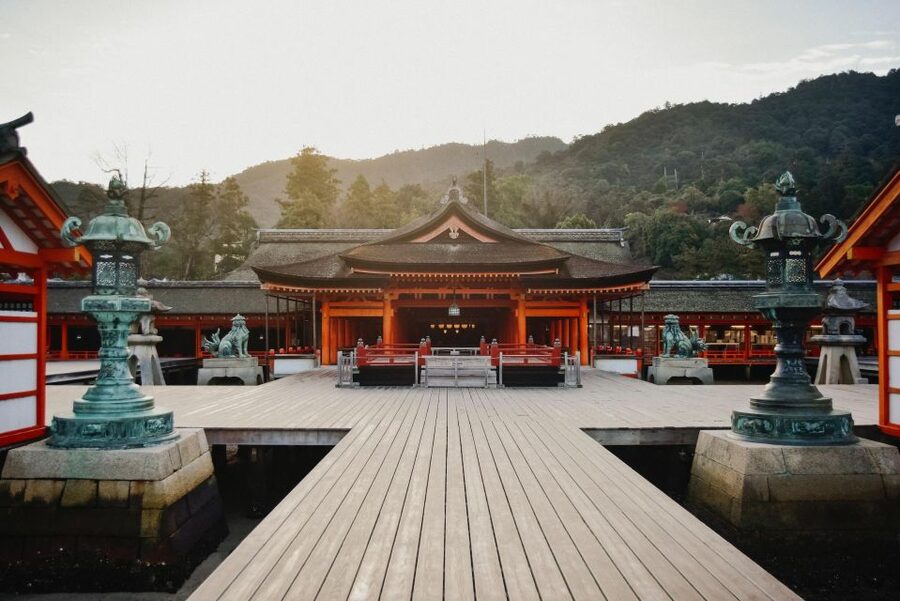
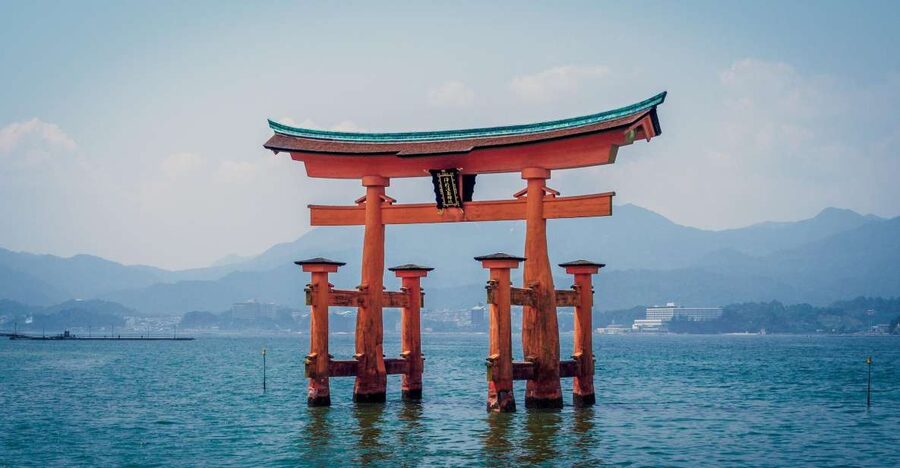
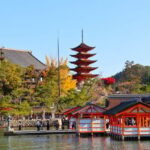
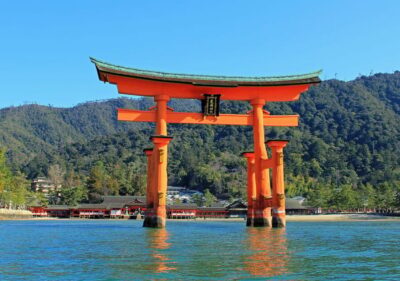
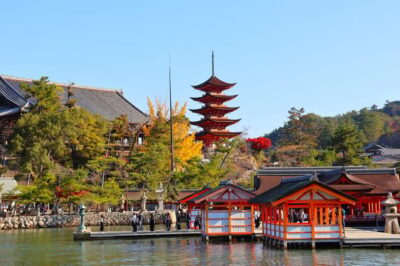
Itsukushima Shrine is Miyajima’s main draw. Built at the edge of the Seto Inland Sea, it is famous for the way parts of the complex appear to float when the tide is high. The effect is beautiful, but the setting also has religious meaning. Your guide explains the shrine as a Shinto site rather than treating it as only a scenic photo stop.
The guided visit lasts about 45 minutes. You can expect close attention to the shrine’s wooden design, ceremonial spaces, and relationship with the water. The changing tide affects the view, so the exact appearance of the shrine and torii area depends on the time of your visit.
This is one place where a guide adds real value. Without context, you may see a striking red structure and a graceful complex. With an explanation of Shinto traditions and the shrine’s setting, the visit becomes easier to appreciate.
Crowds can be an issue, especially in peak seasons. The tour does not promise an empty shrine, but guides have often managed the timing well and helped groups avoid unnecessary queues. Still, you should expect other people, busy paths, and limited time for photographs.
Senjokaku Pavilion and Miyajima’s quieter side
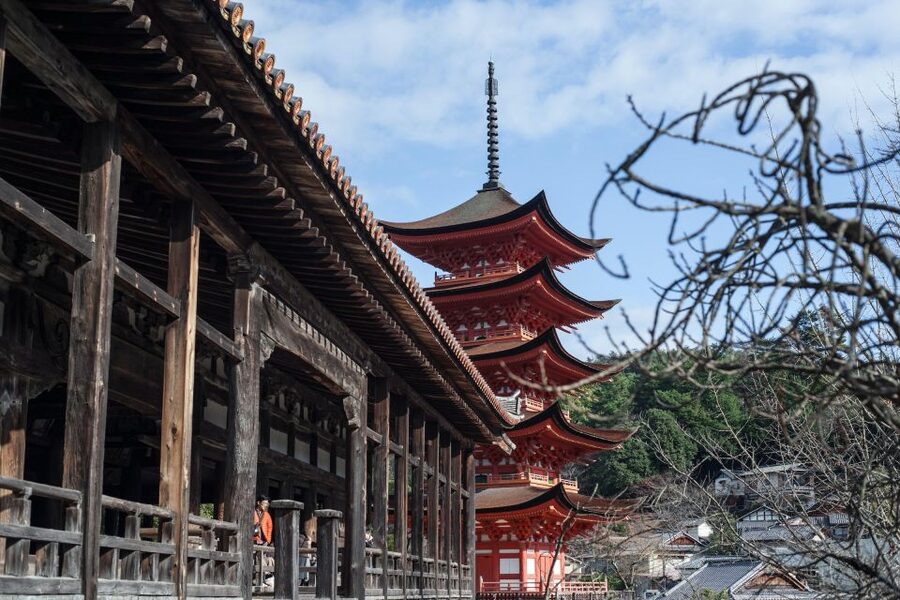
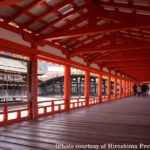
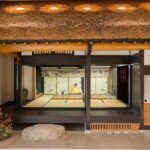
The tour continues to Senjokaku Pavilion, also called the Pavilion of Heavenly Spirits. The stop lasts about 45 minutes and introduces a different form of Japanese architecture, with wooden construction and traditional tatami interiors.
Senjokaku gives you a chance to step away from the most photographed parts of Miyajima and notice the island’s older architectural character. The pace here is calmer, and the interior details reward a slower look. It is a useful counterpoint to the shrine, which can feel more crowded and visually busy.
The schedule includes guided sightseeing around the island’s nature and hills behind the shrine. You should not expect a long mountain hike from the information provided, but you will get some walking in greener, quieter surroundings. The island portion is not limited to the shoreline and souvenir streets.
If you have mobility concerns, take the walking seriously. One participant noted that the tour is doable but involves a lot of walking. Comfortable shoes are specifically recommended, and you should be prepared for a full day on your feet.
Lunch, Momiji Manju, and one hour to wander
Lunch is not included, so you pay for your own meal. The group receives about 45 minutes for lunch on Miyajima, and the guide can help point you toward local food. Eel, a typical dish mentioned by one participant, is one possible choice, while vegetarian and vegan needs may be manageable with advance communication. One guide successfully helped arrange a vegan option.
After lunch, the tour includes a guided walk and then about an hour of free time. This is enough for a taste of Miyajima, though not enough to explore every path, shop, and hill. A participant who wanted more time on the island found the schedule somewhat tight, so set your priorities before you arrive.
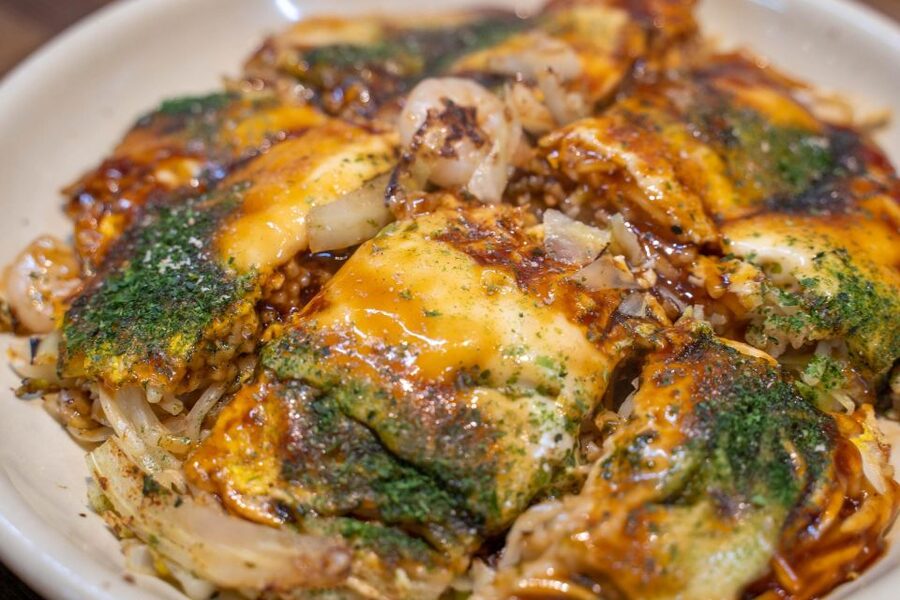
Momiji Manju is the island’s familiar maple-leaf-shaped cake. Fillings can be sweet or savory, and it makes an easy snack while you browse. You can also look through tea houses, small boutiques, and shops selling handmade souvenirs and handicrafts.
I like this free period because it lets you choose your own finish to the Miyajima visit. You might stop for tea, buy sweets, search for a craft item, or simply walk near the water. Keep an eye on the meeting time, since the return ferry and final journey to Hiroshima Station are part of the day’s plan.
Guides, group size, and the personal touch
The tour offers English and Spanish, with private or small-group options available. The guide names most often associated with the experience are Ken, also called Kensuke, along with Minori and Alex. Your actual guide depends on the date and booking, so do not assume one particular person is guaranteed.
The strongest pattern in the feedback is guide quality. Ken has been praised for clear English, careful timing, local food suggestions, crowd management, and personal conversation. He has also helped with photographs, pointed out stamp locations to a collector, and assisted people catching trains after the tour.
That kind of practical help is valuable in Hiroshima. The city and island are possible to visit independently, but the day includes several transfers, timed entries, and two destinations with very different moods. A good guide lets you focus on the places instead of constantly checking directions.
Small groups also make it easier to ask questions and adjust the pace. The tour has been described as friendly and personal, almost like spending a day with a local acquaintance. Still, the exact group size is not specified, so confirm the format when booking if that matters to you.
Who should book this day tour?
I would choose this tour if you have only one day for Hiroshima and want both the memorial sites and Miyajima. It is also a good fit if you prefer historical explanation, dislike managing public transport in an unfamiliar city, or want local help with food and timing.
Families with older children, first-time visitors, couples, and solo visitors can all benefit from the structure. Solo bookings need special attention: if at least two people do not join, the operator may offer another date, a 16,000 yen solo supplement, or a full refund. That condition matters if you are traveling alone and your date is fixed.
You may want another plan if you need a slow museum visit, have limited walking ability, or want to spend most of the day hiking on Miyajima. The itinerary covers a lot, and that coverage comes at the cost of lingering time.
Cancellation is flexible up to 24 hours before departure for a full refund, and you can reserve now and pay later. Those terms are useful when your Japan itinerary is still changing, but the main decision is still the pace: this is an efficient overview, not a leisurely two-day exploration.
Should you book the Hiroshima Peace Memorial and Miyajima tour?
Book it if you want the most important Hiroshima sights arranged into one meaningful, practical day. The $163 price is reasonable for a guided eight-hour outing that includes public transport, key entrance fees, and help with the city-to-island logistics.
Go independently if you enjoy planning train and ferry routes, want several hours in the museum, or prefer setting your own pace. But if this is your first visit, I like the way the tour joins Hiroshima’s difficult past with Miyajima’s sacred architecture and everyday pleasures.
Wear good shoes, bring patience for the museum, budget separately for lunch, and leave room for a quiet moment. With those expectations, this is a strong choice for seeing Hiroshima with context rather than simply collecting its famous sights.
FAQ
How long does the Hiroshima and Miyajima tour last?
The tour lasts eight hours. It begins at the 7-Eleven outside Peace Memorial Park and finishes at Hiroshima Station.
Where is the meeting point?
Meet at the 7-Eleven Hiroshima Motoyasubashi East Store, directly outside Hiroshima Peace Memorial Park.
Which languages are available?
Live guiding is available in English and Spanish.
Is lunch included?
No. Lunch is not included, and you should budget separately for your meal on Miyajima.
Are public transport fares included?
Yes. Tram and ferry fares are included in the tour price.
Are entrance fees included?
Entrance fees to Peace Memorial Park and Itsukushima Shrine are included.
Is there free time on Miyajima?
Yes. The schedule includes about one hour of free time for personal exploration, along with guided sightseeing and a lunch break.
What should I bring?
Bring comfortable shoes. The day includes substantial walking across Hiroshima and Miyajima.
What happens if I book alone and the minimum group size is not met?
You may be offered an alternative date, asked to pay a 16,000 yen solo supplement, or given a full refund.
More Hiroshima City Tours in Hiroshima
More Peace Memorial Tours in Hiroshima
More Miyajima Tours in Hiroshima
More tours in Hiroshima we've reviewed


Miyajima Tours, compared.
 ★ 5.0Peaceful Hiroshima & Miyajima UNESCO 1 Day Bus TourFrom $129
 ★ 4.9Hiroshima: Hiroshima and Miyajima UNESCO Sites 1-Day TourFrom $1228 hours
 ★ 5.0Hiroshima / Miyajima Full-day Private Tour with Government Licensed GuideFrom $202
 ★ 4.7Osaka/Kyoto: Hiroshima Miyajima Bus Tour & Shinkansen TicketFrom $27712 hours
 ★ 4.7From Hiroshima: Hiroshima & Miyajima 1 Day Tour with LunchFrom $1168 hours
 ★ 5.0Hiroshima and Miyajima Day Trip with Itsukushima Shrine & FerryFrom $45
