
Reviewed · PEACE MEMORIAL TOURS
Hiroshima Peace Park & A-Bomb Dome Private Walking Tour (4 Hours)
Hiroshima’s story is too important for a quick photo stop. This private four-hour tour gives you time to walk through Peace Memorial Park, study the A-Bomb Dome, and visit the Peace Memorial Museum with a guide who can explain what you are seeing and why it matters.
I like the small private format, which lets you ask direct questions and adjust the pace. I also like the mix of serious history and everyday Hiroshima, from a tram ride to Shukkeien Garden and, when time allows, local food or extra sights. The main drawback is the price: $319 is a strong spend for two people, though it becomes more reasonable when shared by five.
In This Review
- Key points to know before booking
- Why this private Hiroshima tour works in four hours
- Walking through Peace Memorial Park
- The A-Bomb Dome and the city’s before-and-after story
- Allow serious time for the Peace Memorial Museum
- Riding a Hiroshima tram between the main sights
- Ending at Shukkeien Garden
- The guides make the difference
- What $319 means for value
- Who should book this half-day experience
- Practical details that affect your day
- Should you book it?
- FAQ
- How long does the Hiroshima private walking tour last?
- How much does the tour cost?
- Where does the tour start and end?
- Is hotel pickup available?
- Are admission tickets included?
- Is public transportation included?
- Can cruise passengers join the tour?
- Can the itinerary be customized?
- What is the cancellation policy?
Key points to know before booking
- The guide can tailor the four hours: Past guests have added Hiroshima Castle, local markets, shrines, ramen, okonomiyaki, Miyajima connections, and even help with train tickets.
- The Peace Memorial Museum gets real time: About 1 hour and 20 minutes is set aside, enough for a serious visit rather than a rushed walk-through.
- You travel mainly by public transport: Tram fares are included, while taxi fares are extra and paid directly.
- Several guides receive special praise: Minami, Nao, Koh, Naoko, Maki, Mayumi, and Haki are named in the feedback, with warmth, flexibility, and clear English repeatedly highlighted.
- Shukkeien changes the mood: The traditional garden provides a quiet final stop after the emotionally heavy museum and park.
- It works well for a half-day schedule: The tour starts and ends at Hiroshima Station, making it practical for a short city stay or a carefully timed cruise visit.
Why this private Hiroshima tour works in four hours
Hiroshima is easy to visit on your own in a basic sightseeing sense. You can reach the Peace Memorial Park, see the A-Bomb Dome, and enter the museum without a guide.
The harder part is understanding how the sites fit together. The monuments are not simply scattered attractions. Each one carries a message about loss, memory, peace, survival, or the city’s rebuilding. A licensed local guide gives you the background needed to read those messages rather than just walk past them.
The private setup is the real selling point. Your group can ask questions without holding up strangers, and the guide can adjust explanations for adults, children, history fans, or people who prefer a lighter cultural focus after the museum.
Four hours is enough for the core sights, but not enough for everything in central Hiroshima. That is why the flexible format matters. Guests have used the time for extra stops, local food, shopping, or help getting onward to Kyoto or a cruise port.
A few more Hiroshima tours and experiences worth a look
Walking through Peace Memorial Park
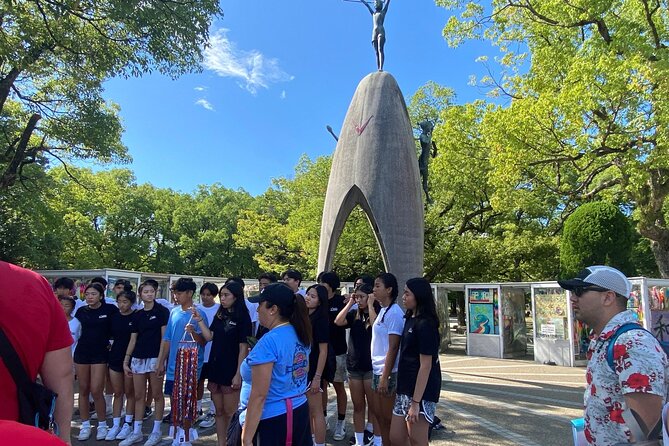
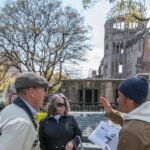
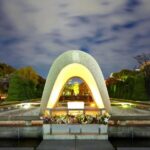
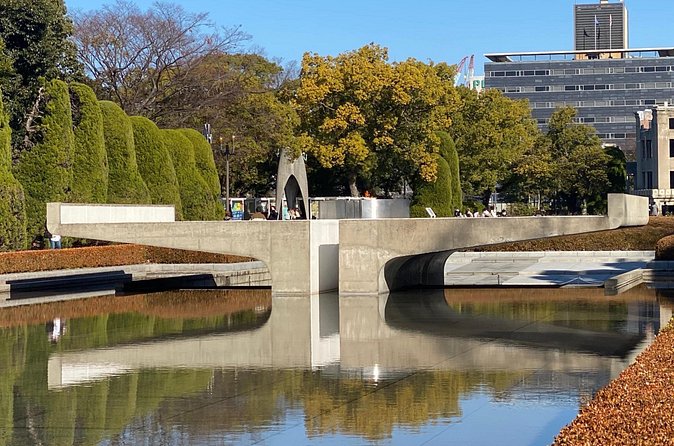
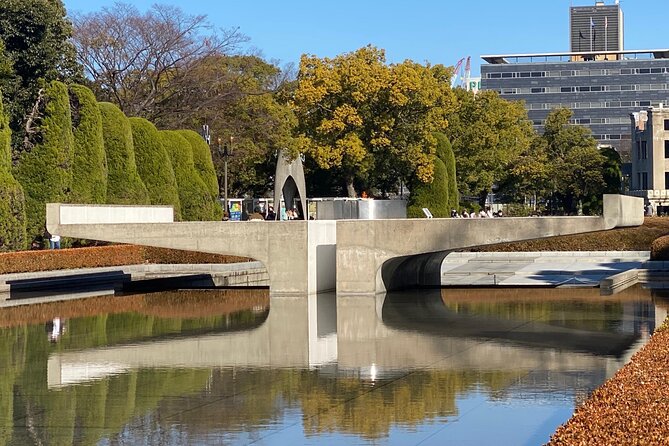
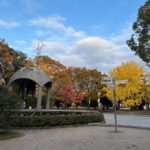
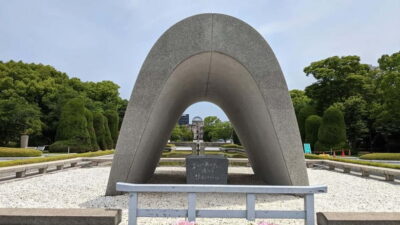
The tour gives you about 1 hour and 15 minutes in Peace Memorial Park. That is a useful amount of time because the park rewards a slow walk. You are not just ticking off one monument, taking a picture, and moving on.
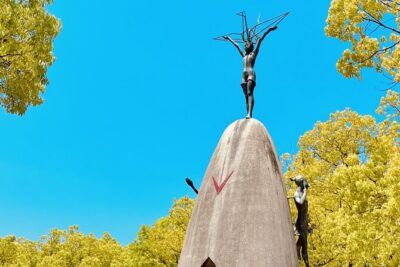
Your guide explains the meaning behind the statues and memorials. This can help you notice details that are easy to miss when you explore alone. The park presents Hiroshima’s past through people, families, children, and messages of peace, not only through dates and military events.
This is also where the guide’s personal connection may add weight. One guide’s 95-year-old mother survived the bombing, while her mother and pregnant sister did not. She was trapped beneath rubble for 14 hours. A family story like this gives the history a human scale, though you should understand that the exact guide assigned to your tour may differ.
The park itself is open and calm, but the subject is difficult. Give yourself permission to slow down. If you are traveling with children, tell the guide their ages and interests. One family found the tour especially helpful for introducing younger travelers to World War II and Japan’s history in a thoughtful way.
The A-Bomb Dome and the city’s before-and-after story
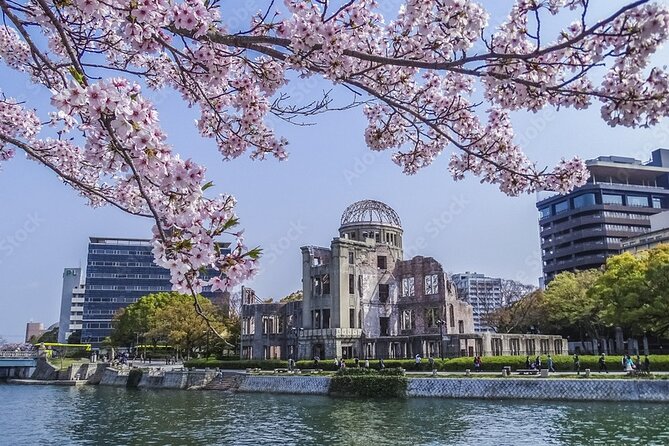
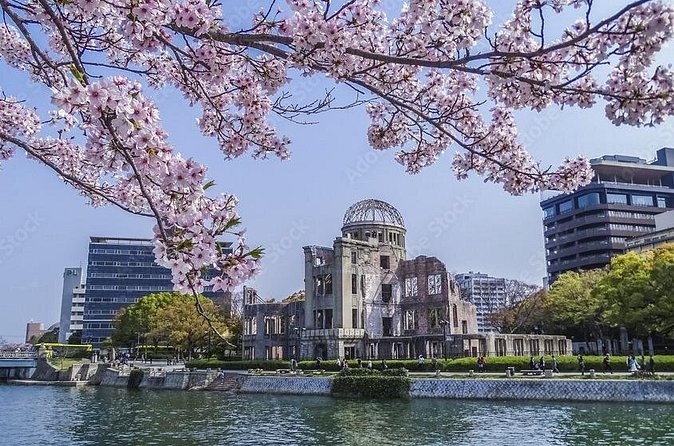
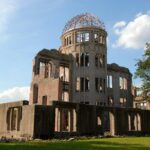
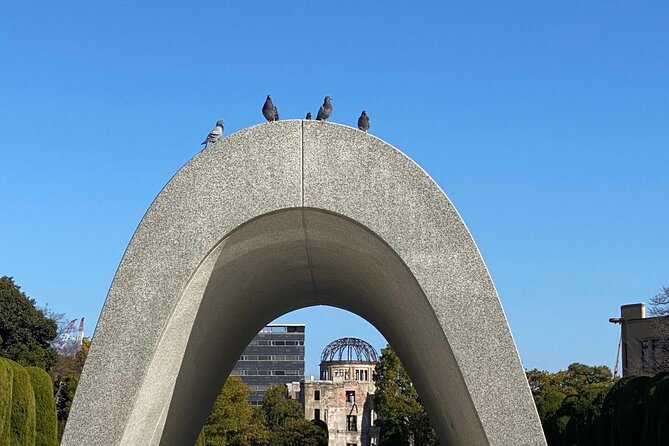
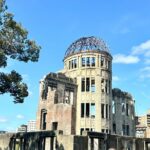
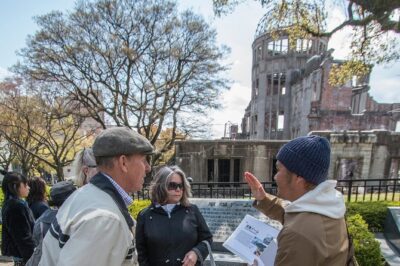
The Atomic Bomb Dome receives about 20 minutes. This is a short stop, but it is one of Hiroshima’s essential sights.
The preserved structure gives you a direct visual link to August 6, 1945. Your guide places it within the larger story of Hiroshima before the bombing, the destruction itself, and the city’s recovery afterward. That wider context matters. Without it, the Dome can become a dramatic ruin viewed in isolation. With explanation, it becomes part of a city story that includes ordinary life, devastation, rebuilding, and the continuing call for peace.
You will not spend hours here, and that is sensible. The Dome is best understood from several angles, with time to look and listen before moving on. The private format also helps if you have specific questions about the building or the nearby river area.
Allow serious time for the Peace Memorial Museum
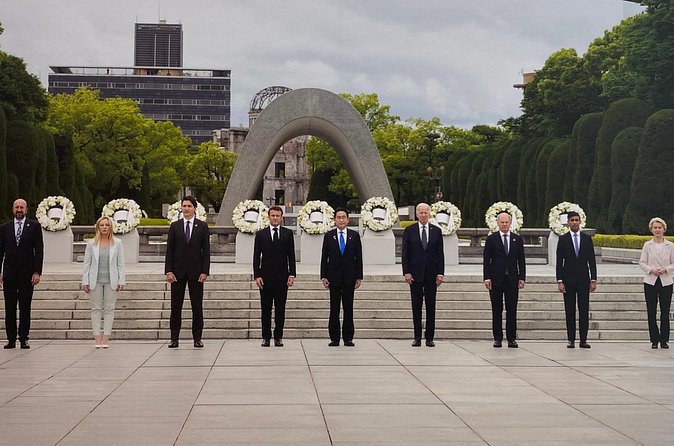
The museum is scheduled for about 1 hour and 20 minutes, and admission is included. This is likely to be the most demanding part of your afternoon.
The exhibitions deal with the bombing’s effects on Hiroshima’s people and city. Expect a direct presentation rather than a casual sightseeing stop. You may want to walk through on your own, or you can ask your guide to accompany you and explain the displays.
That choice is useful. Some people prefer to read quietly and process the material at their own speed. Others want help with historical context, translation, or questions that arise along the way. Since this is a private tour, you can decide together instead of following a fixed group routine.
I would avoid scheduling a meal or another major attraction immediately after the museum. The experience can be moving and tiring. The garden at the end helps, but you should still leave yourself some mental space.
The museum visit also explains why a four-hour private tour has value beyond transportation. You are paying for interpretation and personal attention at a place where context matters. A guide can point out connections between the park, the exhibits, and Hiroshima today without forcing you through a preset script.
Riding a Hiroshima tram between the main sights
The itinerary includes about 20 minutes on a tram, with public transportation fees covered. This is a small detail, but it gives you a glimpse of normal city life between the memorial sites.
You will mainly use public transport during the tour. The tram ride breaks up the walking and lets you see Hiroshima as a working city rather than only as a memorial destination. Your guide handles the route, which is helpful if you have limited time or are not familiar with local transit.
Hotel pickup is available. In that case, the guide meets you at your hotel and travels with you by public transport to the starting point. The official meeting point is Hiroshima Station, and the tour ends back there.
Taxis can be arranged if you prefer them, but you pay those fares yourself. Cruise passengers should budget for the round-trip local taxi ride between the port and Hiroshima’s city center. That cost is not part of the $319 tour price.
A few more Hiroshima tours and experiences worth a look

Ending at Shukkeien Garden
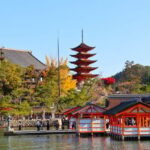
The final scheduled stop is Shukkeien Garden, with about 45 minutes and admission included. This is a smart way to end a serious Hiroshima visit.
The garden offers traditional Japanese design and seasonal scenery. Its ponds, paths, plants, and quiet viewing areas give you a chance to reset after the museum. The mood is not meant to erase what you have seen. It simply gives the afternoon a more balanced finish.
Season matters here. One guest appreciated taking a longer route to see cherry blossoms, which shows how the guide may shape the walk around current conditions and your interests. The garden is also useful for families, couples, and anyone who wants a calm cultural stop instead of another museum.
The garden does mean less time for other central sights. If Hiroshima Castle, local shopping, or food is more important to you, ask about changing the plan before or during the tour. The itinerary is flexible, but four hours remains four hours.
The guides make the difference
The experience depends heavily on the guide assigned to your group. The named guides include Minami, Nao, Koh, Naoko, Maki, Haki, and Mayumi.
Minami is especially associated with personalized planning. She has helped guests sort out train tickets, choose lunch at Hiroshima Station, and plan onward travel. She also adjusted routes for cherry blossoms and answered questions patiently while allowing time to read museum displays.
Nao has been praised for being flexible with food requests, including a stop for typical ramen. She has also helped cruise passengers return smoothly to the port. Koh added Hiroshima-style okonomiyaki and helped a guest find Hiroshima Carp merchandise, a nice example of how a formal history tour can include local interests.
Mayumi has guided families of five and helped expand the day with Hiroshima Castle and nearby market and shrine areas. Naoko combined the park and museum with the garden in a way that gave guests both historical context and a peaceful finish.
English ability is described positively for the guides, including clear and engaging explanations. Still, guide personalities differ. Some may focus more on history, others on local life, food, gardens, or practical travel help. If you have a priority, put it in your booking request.
What $319 means for value
The price is $319 per group of up to five people. Entry tickets and public transportation are included, but lunch and taxi fares are not.
For one or two people, this is not a budget tour. You could visit the same broad area independently for less. The question is what you want from the afternoon. If you want a private guide, help with public transport, a flexible route, and detailed explanations at the park and museum, the cost is easier to justify.
For a family of four or five, the per-person cost drops sharply. That is where the tour makes the most financial sense. Parents also gain a guide who can adapt explanations for children and keep the day moving without the pressure of a large group.
The tour can also save practical time. A guide may help you get from Hiroshima Station to the memorial area, choose between walking and tram travel, and make sure you return to the station. If you are connecting to Kyoto or another destination, that assistance can be valuable.
Do not treat the $319 as an all-inclusive day. Food is extra, and cruise passengers must pay local taxi fares to and from the port. Ask about the exact pickup plan so those costs do not surprise you.
Who should book this half-day experience
I would choose this tour if you are visiting Hiroshima for the first time and want the central story explained clearly. It is also a strong fit for couples, families, small groups, and cruise passengers with limited time in the city.
Families benefit from the private pace. Children can ask questions, take breaks, and receive explanations suited to their age. Adults can spend more time on the parts that interest them, such as the city’s rebuilding, the museum exhibits, or local food.
It also suits people who feel that a memorial visit deserves guidance. Hiroshima is not a place where a quick checklist always feels right. A local guide can help you approach the sites with care while still showing you how the city lives today.
You may prefer an independent visit if you want to spend several hours in the museum, explore at your own pace, or keep costs low. You should also be realistic about the schedule. The tour covers several sites in four hours, so each stop has a limit.
Practical details that affect your day
Confirmation is provided when you book, and the activity uses a mobile ticket. The tour starts at Hiroshima Station, at 1-2-37 Matsubaracho, Minami Ward, and returns to the meeting point.
Most people can take part, and service animals are allowed. The tour is near public transportation and uses it during the day, so expect walking, station transfers, and time on a tram.
If the weather turns poor, the tour can still continue. One guide kept showing guests around during heavy rain, including less obvious city spots. Still, wear suitable shoes and bring rain protection when the forecast is uncertain.
Free cancellation is available up to 24 hours before the start time. Canceling inside that window means no refund, and late changes are not accepted. The activity also requires a minimum number of participants. If the operator cancels because that minimum is not met, you are offered another date or experience, or a full refund.
Should you book it?
Book this tour if you want Hiroshima’s major memorial sites explained by a local guide, with the freedom to ask questions and adjust the plan. The strongest features are the private group, included museum admission, thoughtful pacing, and the chance to add food, gardens, shopping, or travel help.
The price is the main caution, especially for solo visitors or couples. Independent sightseeing costs less, and the four-hour schedule cannot cover every major Hiroshima attraction.
For a family or group of up to five, though, the value improves. If this is your first visit, you have only half a day, and you want more than photographs of the A-Bomb Dome, this is a well-focused way to meet Hiroshima’s past and present.
FAQ
How long does the Hiroshima private walking tour last?
The tour lasts approximately four hours.
How much does the tour cost?
The price is $319 per group of up to five people.
Where does the tour start and end?
It starts at Hiroshima Station, at 1-2-37 Matsubaracho, Minami Ward, Hiroshima. The activity ends back at the meeting point.
Is hotel pickup available?
Yes. The guide can meet you at your hotel and travel with you by public transportation to the starting point.
Are admission tickets included?
Yes. Entry tickets for the listed attractions are included, including the Peace Memorial Museum and Shukkeien Garden.
Is public transportation included?
Yes. Public transportation fees are included. Taxi fares are not included and must be paid by you.
Can cruise passengers join the tour?
Yes. Cruise port pickup is available, but you must pay the round-trip local taxi fare between the port and the city center on the spot.
Can the itinerary be customized?
Yes. The itinerary is flexible and can be adjusted to your interests, subject to the four-hour duration. Past tour plans have included food, Hiroshima Castle, local market and shrine areas, shopping, and travel assistance.
What is the cancellation policy?
You can cancel up to 24 hours before the start time for a full refund. Cancellations or changes made less than 24 hours before the start time are not refunded or accepted.
More Walking Tours in Hiroshima

More Hiroshima City Tours in Hiroshima
More Peace Memorial Tours in Hiroshima

More tours in Hiroshima we've reviewed



Peace Memorial Tours, compared.
 ★ 4.8Hiroshima Historical Walking Tour – Why A-Bomb was DroppedFrom $352h 30m
 ★ 5.0Hiroshima Peace (Heiwa) Walking Tour at World Heritage SitesFrom $94
 ★ 4.9Hiroshima: Miyajima Peace Memorial Icons of Peace and BeautyFrom $1638 hours
 ★ 5.0Hiroshima Walking Tour Why A Bomb was dropped to HiroshimaFrom $28
 ★ 5.0Hiroshima 2hr Peace Cycling Tour with Local GuideFrom $59
 ★ 4.8Hiroshima: Peace Cycling Tour with Local GuideFrom $522 - 3 hours
