
Reviewed · HIROSHIMA CITY TOURS
Hiroshima: Hidden Gems and Highlights Private Walking Tour
Hiroshima’s best moments may come after you leave its famous sights. This private walk begins at the Atomic Bomb Dome and Peace Memorial Park, then lets your local host steer you toward quiet gardens, neighborhood eateries, secret alleys, or a small sake bar.
I like the personal planning, which starts with a questionnaire and continues through direct contact with your host. I also like the food angle, especially the chance to try Hiroshima-style okonomiyaki or a local curry spot such as the one guide Kaku introduced to two guests who normally avoid curry. The main drawback is that the $67 price does not cover meals, attraction tickets, or public transport, so your final cost can rise.
In This Review
- Key points to know
- Hiroshima’s famous story, told at your pace
- Starting at Shukkei-en Garden
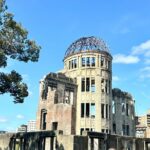
- Peace Memorial Park and the Atomic Bomb Dome
- Hiroshima Castle and the city beyond the memorial district
- Backstreets, Ekinishi, and Nagarekawa
- Hiroshima food, from okonomiyaki to local curry
- Minato Park and a change of pace
- What the $67 price really covers
- What the guides add to the experience
- Practical details before you book
- Who should book this Hiroshima walk?
- Should you book it?
- FAQ
- Where does the Hiroshima walking tour meet?
- How long does the tour last?
- Is the tour private?
- Which languages are available?
- Are food, drinks, and attraction tickets included?
- Is transportation included?
- Can I cancel or pay later?
Key points to know
- Start with a tailored plan: A pre-tour questionnaire helps match you with a host who fits your interests and travel style.
- See Hiroshima’s core sights: The route can include Shukkei-en Garden, Peace Memorial Park, the Atomic Bomb Dome, Hiroshima Castle, and the museum.
- Move beyond the main route: Your host may take you through Ekinishi, Nagarekawa, Minato Park, and other local areas.
- Make room for food: Okonomiyaki, oysters, curry, cafés, and sake can all shape the walk, but you pay for food and drinks separately.
- Choose your pace: The experience lasts from two to six hours, with flexible starting times and a private group.
- Expect a human story: Guide Ken has shared personal family connections to Hiroshima, adding a local voice to the city’s difficult past.
Hiroshima’s famous story, told at your pace
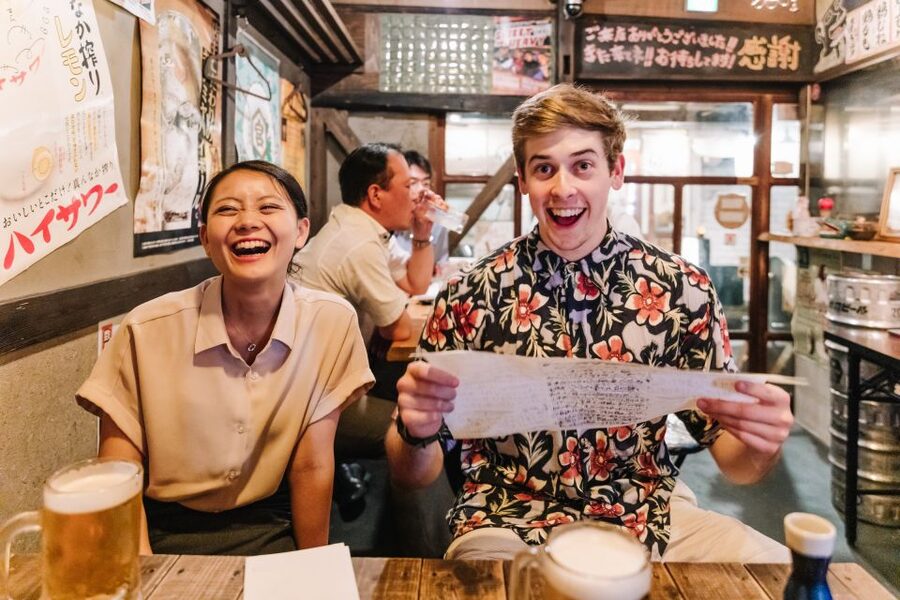
This is not a fixed sightseeing march. Your host receives your interests before meeting you, then builds a route around what you want to understand, taste, and see.
You might ask for a serious history-focused outing. In that case, the walk can give more time to Peace Memorial Park, the Atomic Bomb Dome, Hiroshima Castle, and the museum. You might care more about food and ordinary city life. Then your host can place greater weight on neighborhood restaurants, cafés, backstreets, and local bars.
That flexibility matters in Hiroshima. The city’s most important sights are emotionally heavy, while its everyday districts show how people live after the tragedy. A good private guide can connect both sides without forcing you to spend the whole day following a preset script.
The tour is offered for two to six hours. I would choose two hours if you want a quick introduction and already have museum plans. Four hours gives you time for the major memorial area plus a meal or local district. Six hours makes sense if you want several parts of town and a slower pace.
A few more Hiroshima tours and experiences worth a look

Starting at Shukkei-en Garden
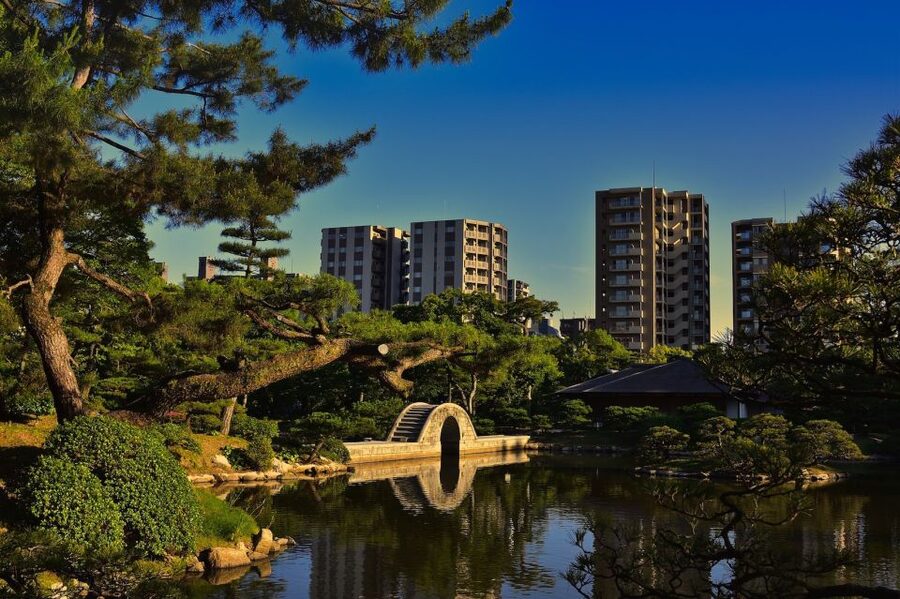
The suggested route can begin at Shukkei-en Garden, a 400-year-old Japanese garden that survived the atomic bombing. It gives you a calm first stop before the more difficult sites ahead.
A garden may sound like an unusual starting point for Hiroshima, but I like the contrast. You begin with ponds, paths, and carefully arranged scenery, then move toward the memorial district. Your host can explain the garden’s survival and place it within the city’s larger story.
Do not expect your admission ticket to be included. Attraction tickets are separate, and the activity details do not state a fixed garden entrance fee. Ask your host what the day’s plan includes before you set out.
If your interests lean toward gardens, architecture, or quieter places, tell your host in advance. The questionnaire is your chance to ask for a gentler opening rather than rushing straight into the memorial sites.
Peace Memorial Park and the Atomic Bomb Dome
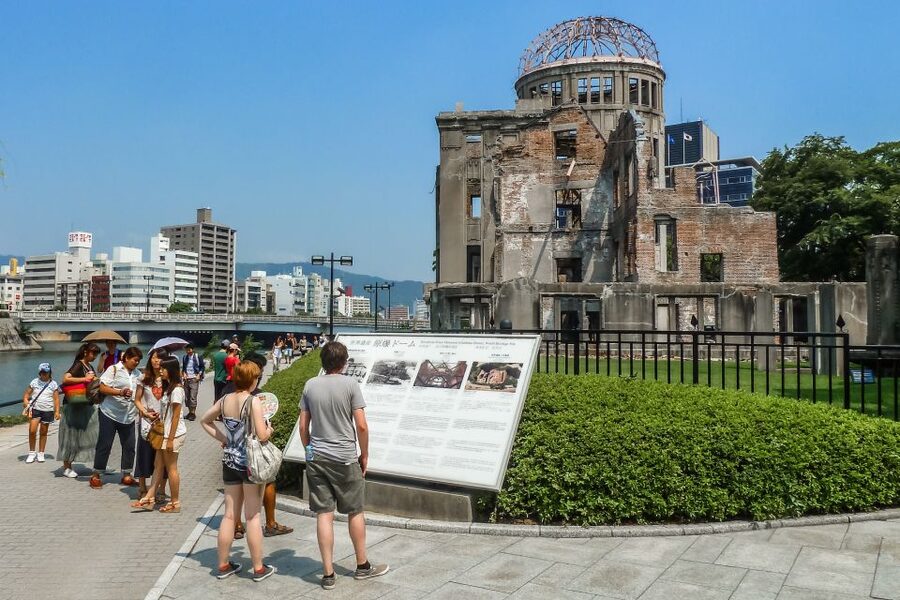
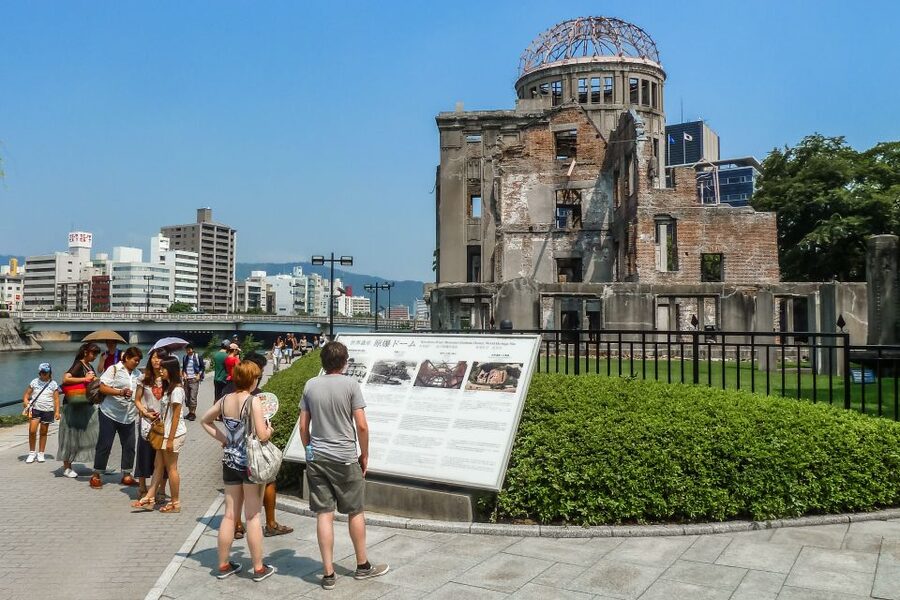
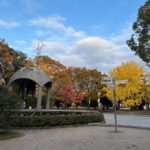
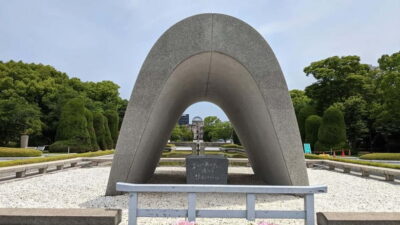
Peace Memorial Park is the emotional center of the walk. Here, you can pause at the memorial spaces, hear local accounts, and consider Hiroshima beyond the usual photographs.
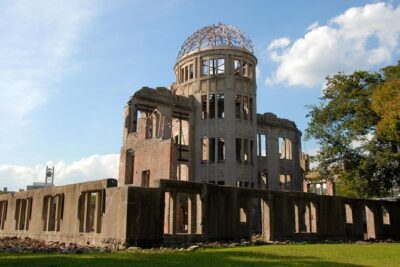
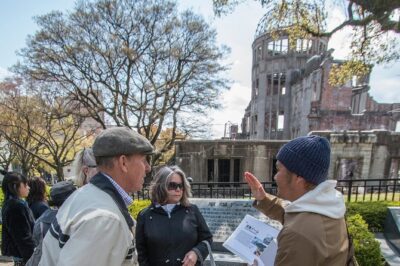
The Atomic Bomb Dome is particularly powerful because its damaged structure remains in the middle of a modern city. A host can help you understand what you are seeing and answer questions in a quieter, more personal way than a quick photo stop allows.
Several guides have brought different strengths to this section. Ken has explained the Atomic Bomb Dome, the Peace Memorial, and the Japanese garden while also sharing parts of his family history in Hiroshima. Masayo has led walks focused on the painful period of the city’s past, and guests have described her approach as harmonious but emotionally striking.
That balance is important. The subject is not light entertainment, and you may want time to think rather than hear a nonstop stream of facts. Tell your host how much historical detail you want. A private format makes that conversation possible.
The museum may also be included, as it was during a four-hour walk with guide Tom. It is not included automatically as a ticketed attraction, so confirm the plan and budget for admission if you want to go inside.
Hiroshima Castle and the city beyond the memorial district
Some routes include Hiroshima Castle, giving you another view of the city’s past. The castle adds variety after the memorial area, though the exact stop depends on your interests and the amount of time you book.
I would use the pre-tour questionnaire to say clearly if the castle matters to you. With only two hours, there may not be enough time for every major sight. With four to six hours, you have a better chance of combining the castle with food and neighborhood walking.
This is one advantage of a private guide: you can decide what to leave out. If the memorial sites are your priority, you need not sacrifice that time for a castle visit. If you have already seen Peace Memorial Park, you can ask for more of the city’s food streets and local districts.
The route is on foot, but public transport or a taxi may be used between places. Those costs are extra. Ask your host about the day’s transfers once your reservation is confirmed, especially if your route covers several parts of Hiroshima.
Backstreets, Ekinishi, and Nagarekawa
The most enjoyable part for many people may come after the formal sights. Your host can lead you into backstreets, small alleys, and districts that are easy to miss if you stay on the main tourist route.
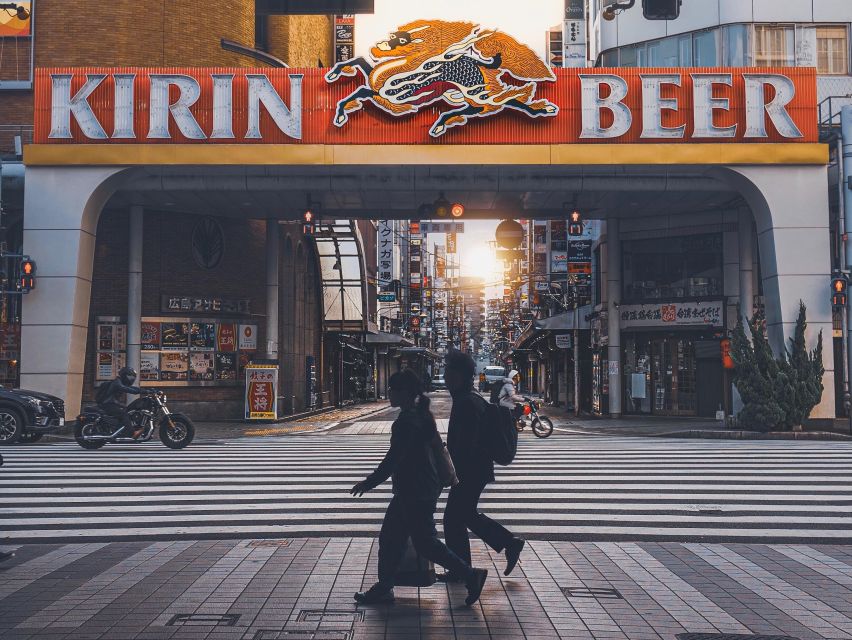
Ekinishi is mentioned as a place for tucked-away bars and local evening atmosphere. Nagarekawa offers another option for food and drinks. The tour may also include small cafés, oyster stalls, or a quiet neighborhood restaurant, depending on what you tell your host.
This is where the experience earns its private-tour price. A standard city walk can point out famous buildings. A local host can instead help you understand where people go for a casual meal or a drink, then explain how to order and what deserves your attention.
Still, keep your expectations practical. The tour does not include a food budget, and there is no promise of a particular restaurant or bar. The host shapes the route around your interests, so you should communicate clearly if you want food, nightlife, architecture, shopping, or more history.
Other walking tours we've reviewed in Hiroshima

Hiroshima food, from okonomiyaki to local curry
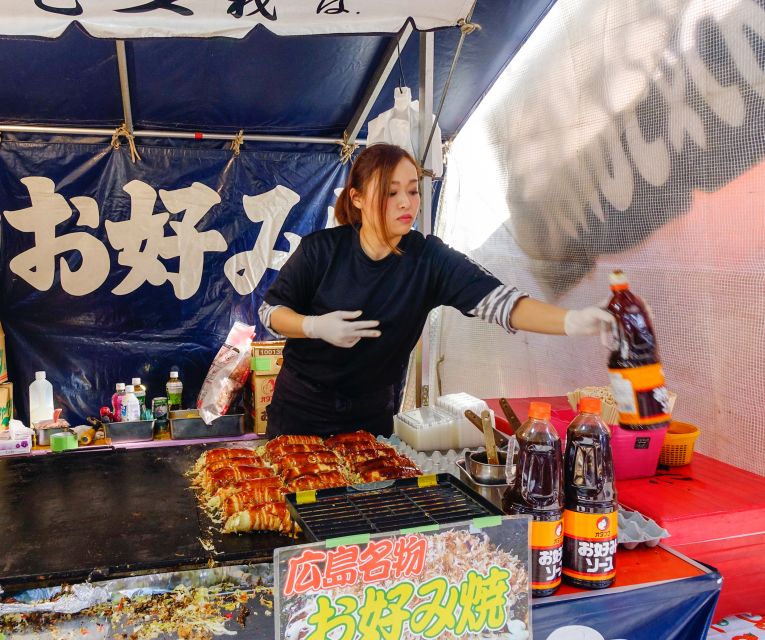
Food is not a side note here. Hiroshima-style okonomiyaki is one of the most natural choices for a city walk, and your host may take you to a favorite neighborhood eatery for it.
Unlike a simple restaurant recommendation, eating with a local host can help you make sense of the dish and the setting. You can ask what makes the Hiroshima style different and how the restaurant fits into the neighborhood. The meal itself is not included, so you pay directly for what you order.
Guide Kaku took two guests to a local curry restaurant, even though curry was not normally their first choice. They found it among the best meals of their trip. That detail tells you something useful about this tour: the food stop may be less about checking off a famous dish and more about trying a place your host genuinely enjoys.
Oyster stalls are another possible stop. Hiroshima is known for oysters, but the supplied details do not promise a specific stall or tasting. If seafood is important to you, mention it before the tour. The same applies to sake, vegetarian food, cafés, or a preference for small family-run places.
Restaurant Okamoto’s was a particular highlight for Jens during a walk with Ken. You should not assume it will be part of your route, but you can ask your host about it when planning.
Minato Park and a change of pace
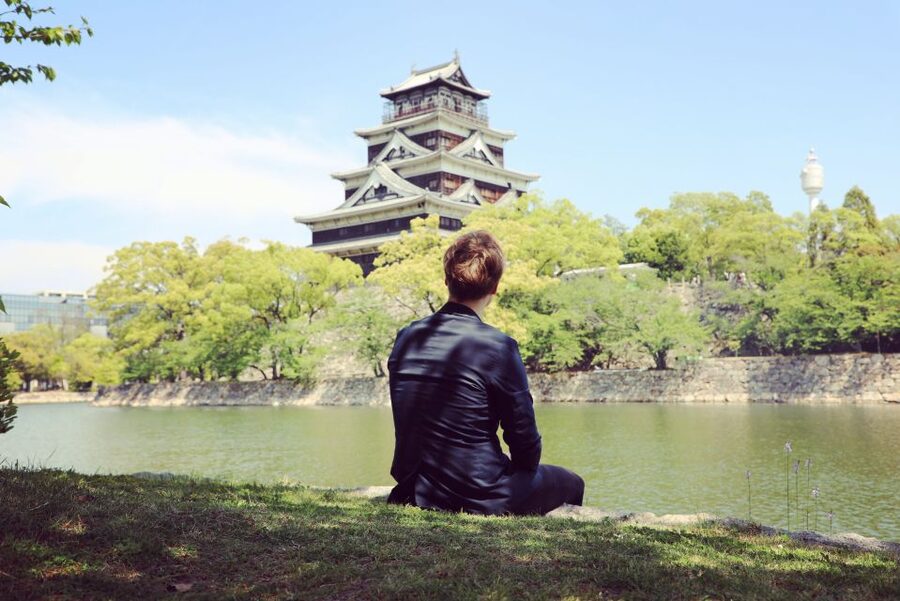
The route can shift toward the waterfront at Minato Park if you want a break from central Hiroshima. This is a useful option late in a longer walk, when another museum or busy street may feel like too much.
The details provided do not promise a particular waterfront view, activity, or stop at Minato Park. Think of it as a possible change of setting rather than a scheduled attraction. Your host can adjust the day as your energy and interests change.
That real-time choice is a real benefit. You might start with a strong interest in history, then decide you want coffee and a quiet walk. Or you might enjoy the memorial district and ask for another local food stop. A private tour gives you room to change your mind.
What the $67 price really covers
At $67 per person, the tour is reasonably priced for a private experience lasting two to six hours. The value comes from the one-on-one planning, live guide, and route flexibility, not from included food or admissions.
If two people book, you are paying for a private guide rather than joining a large group. That can be worthwhile if you want to ask many questions, move at your own speed, or focus on a narrow interest such as Hiroshima’s wartime history or local food.
The price is less attractive if you want only a quick orientation and do not care about personal recommendations. Hiroshima’s main memorial area is easy to visit independently, and this tour does not bundle entrance fees, meals, drinks, or transport.
Plan for extra spending. You may need to cover a museum or garden ticket, a train or taxi between areas, and any okonomiyaki, oysters, curry, coffee, or sake you choose. Ask your host about likely transfers and stops so the day does not surprise your wallet.
What the guides add to the experience
The guides are central to the quality of this tour. English and Japanese are available, and several named guides have received especially strong praise for clear communication and personal attention.
Ken has guided visits to the A-bomb sites, Peace Memorial Park, the Japanese garden, and Hiroshima Castle. His family history gives the historical section a personal connection that a printed guide cannot provide.
Kaku has shown guests local food outside their usual choices and made the meal part of the city experience. Yuka has been described as open and well informed, while Masayo has led a gentle city walk with powerful accounts of Hiroshima’s past. Tom has handled a four-hour route covering the Atomic Bomb Dome, museum, and castle.
You are not guaranteed one of these specific guides. The host is assigned after you complete the questionnaire, and your answers help match you with someone who fits your interests. Be honest in that questionnaire. Mention your preferred walking pace, food interests, history level, and appetite for nightlife.
Practical details before you book
You meet your host outside the souvenir shop on the ground level of Hiroshima Orizuru Tower. Arrive with comfortable walking shoes and a plan for the weather, since the experience is primarily outdoors and on foot.
The tour is private, so the itinerary belongs to your group. Start times are flexible, but you need to check availability for the date and duration you want.
A two-hour booking works best as a focused introduction. Choose four hours if you want the memorial area plus a local meal or neighborhood. Six hours gives you the most room for Shukkei-en, the memorial sites, the castle, food, and districts such as Ekinishi or Nagarekawa, though no route can guarantee every stop.
Public transportation and taxis may be used between sites, but no private vehicle is included. Transportation costs are extra and can be discussed with your host after booking.
You can cancel up to 24 hours before the tour for a full refund. The reserve-now, pay-later option also helps if your Hiroshima schedule is still shifting.
Who should book this Hiroshima walk?
I would recommend it to first-time visitors who want help connecting Hiroshima’s major sights with ordinary city life. It is also a good fit for repeat visitors who have already seen the Dome and park and now want food streets, local bars, gardens, or quieter districts.
Families and small groups may like the private format because the guide can adjust the pace and subject. Couples who care about restaurants could use the tour as a food-and-neighborhood introduction, while history-minded visitors can request a more serious route.
I would be cautious about booking it if you want a fixed, fully inclusive package. Food, tickets, and transport are not covered, and the final route depends on the conversation with your host. You also need to be comfortable walking, with possible public transport or taxi transfers.
Should you book it?
Book this tour if you want Hiroshima to feel personal rather than simply checked off. The strongest reasons are the flexible route, direct planning with a local host, and the chance to pair the Atomic Bomb Dome and Peace Memorial Park with places such as neighborhood eateries, Ekinishi, Nagarekawa, or Minato Park.
At $67 per person, it offers good value for a private two-to-six-hour introduction, provided you budget separately for meals, admissions, and transport. I would choose four hours for the best balance, then use the questionnaire to request the mix of history, food, and local streets that suits you.
FAQ
Where does the Hiroshima walking tour meet?
Your host meets you outside the souvenir shop on the ground level of Hiroshima Orizuru Tower.
How long does the tour last?
The tour lasts from two to six hours. You can check available starting times and choose your preferred duration when booking.
Is the tour private?
Yes. This is a private group experience with a personal host.
Which languages are available?
The tour is available with a live guide who speaks English or Japanese.
Are food, drinks, and attraction tickets included?
No. Food, drinks, and tickets to attractions are not included in the tour price.
Is transportation included?
No private vehicle is included. The experience is primarily on foot, but public transportation or local taxis may be used between sites at an additional cost.
Can I cancel or pay later?
You can cancel up to 24 hours in advance for a full refund. You can also reserve now and pay later, so you do not need to pay at the time of booking.
More Private Tours in Hiroshima


More Walking Tours in Hiroshima
More Hiroshima City Tours in Hiroshima
More tours in Hiroshima we've reviewed


Hiroshima City Tours, compared.
 ★ 5.0Peaceful Hiroshima & Miyajima UNESCO 1 Day Bus TourFrom $129
 ★ 4.9Hiroshima: Hiroshima and Miyajima UNESCO Sites 1-Day TourFrom $1228 hours
 ★ 5.0Hiroshima / Miyajima Full-day Private Tour with Government Licensed GuideFrom $202
 ★ 4.7Osaka/Kyoto: Hiroshima Miyajima Bus Tour & Shinkansen TicketFrom $27712 hours
 ★ 4.8Hiroshima Historical Walking Tour – Why A-Bomb was DroppedFrom $352h 30m
 ★ 5.0Hiroshima Peace (Heiwa) Walking Tour at World Heritage SitesFrom $94
