
Reviewed · PEACE MEMORIAL TOURS
The Peace Memorial and Beyond: A Half-Day around Hiroshima
Hiroshima is best understood by moving between its painful past and its ordinary present. This four-hour walk does exactly that, linking the Atomic Bomb Dome and Peace Memorial Museum with shopping streets, a rebuilt castle, and the carefully designed Shukkeien Garden. It is not just a memorial visit, but a compact look at how the city remembers, rebuilds, and carries on.
I like the way the tour connects major sights that can feel scattered on a map, and I like the personal touch of an English-speaking guide such as Ken, also called Kensuke, or Alex. Their role is especially useful at the Peace Park, where context can help you understand the exhibits without rushing through them. The main drawback is simple: this is a serious four-hour walk with little time to sit, and the summer heat can make it tiring.
In This Review
- Key points at a glance
- Why this Hiroshima walk works so well
- Starting at Shukkeien’s ticket gates
- Shukkeien Garden: a calm beginning or fitting finale
- Hondōri and Hiroshima’s shotengai streets
- Hiroshima Castle and the shape of a rebuilt city
- Atomic Bomb Dome and Peace Memorial Park
- The Peace Memorial Museum in 45 focused minutes
- What the guide adds
- Walking, weather, and accessibility
- Who should book this half-day experience?
- Should you book it?
- FAQ
- How long does the Hiroshima walking tour last?
- What sights are included?
- Where is the meeting point?
- Is an English-speaking guide provided?
- Are entrance fees included?
- Are meals and drinks included?
- Is the tour wheelchair accessible?
- Can I cancel for a refund?
- What happens if I book alone and the minimum group size is not reached?
Key points at a glance
- Peace Park and Museum: Spend focused time with the Atomic Bomb Dome, memorial sites, and museum exhibits.
- A walk through everyday Hiroshima: Hondōri and the surrounding shotengai shopping streets show the city beyond its memorials.
- Castle and garden in one outing: See Hiroshima Castle’s rebuilt structure, then visit the quiet ponds and paths of Shukkeien.
- Guided historical context: Guides including Ken and Alex have been praised for clear explanations, patience, and thoughtful pacing.
- Four hours on foot: Wear good shoes, carry water, and plan for changing weather.
- Small-group flexibility: The experience can be arranged as a private or small-group outing, with English guidance and entrance fees included.
Why this Hiroshima walk works so well
The strongest feature is the range. In one half-day, you move from the most solemn place in Hiroshima to the city’s shopping streets, then into two very different reminders of the prewar past.
That change of mood matters. The Peace Memorial Park is powerful, but spending an entire visit only at memorial sites can leave you with a narrow view of Hiroshima. The shotengais, castle, and garden show a city with daily routines, restored landmarks, and spaces for quiet pleasure.
The guide adds value by helping you connect those pieces. Ken, also referred to as Kensuke, is specifically noted for giving useful background on the Atomic Bomb Dome and Peace Park, answering questions, and keeping the outing moving at a comfortable pace. Alex has also led the experience, with a friendly approach and time for discussion.
At $66 per person, the price is fair if you want a guided introduction rather than simply checking off sights on your own. Entrance fees are included, which helps. You still pay for your own food, drinks, and transport to the meeting point, so this is not an all-inclusive half-day package.
A few more Hiroshima tours and experiences worth a look
Starting at Shukkeien’s ticket gates
The meeting point is at the ticket gates in front of Shukkeien Garden. That is a useful detail because Hiroshima has several major attractions close together, and a clear starting point saves time.
There is one point to clarify before booking. The written description presents the experience as beginning at the Peace Memorial Park and ending at Shukkeien Garden, while the supplied running order begins at Shukkeien and lists Hondōri, Hiroshima Castle, the Peace Park, and the museum afterward. Confirm the exact order and ending point when you reserve, especially if you have a train, meal, or other booking afterward.
The route is described as a walking tour. Even though the sights are all within central Hiroshima, four hours on foot can feel long in warm weather. One outing in July was described as very informative but tiring because there was almost no time to sit. If heat affects you, choose a cooler starting time if available, bring water, and use light clothing.
Shukkeien Garden: a calm beginning or fitting finale
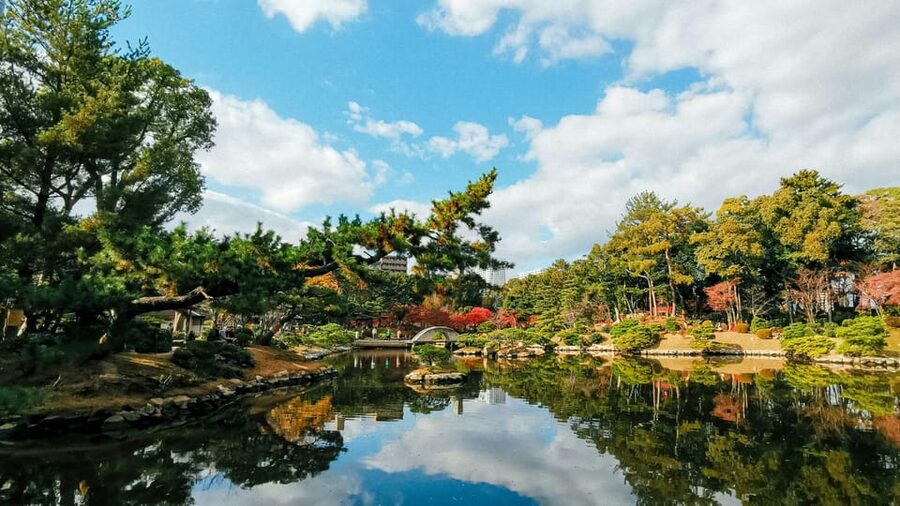
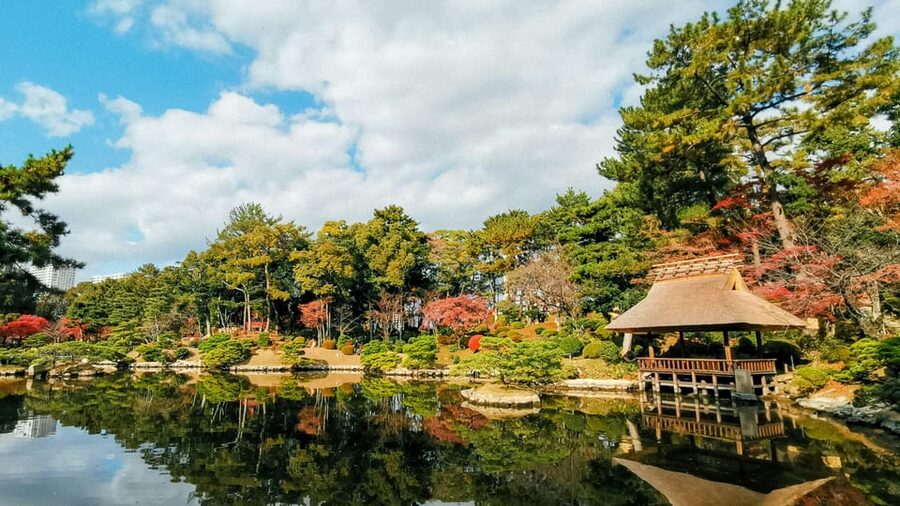
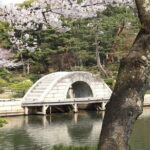
Shukkeien is a carefully planned Japanese garden designed for slow walking and quiet observation. Its ponds, paths, and shaped plantings offer a sharp contrast to the memorial district and busy shopping streets.
A guided visit here is more useful than simply taking a few photographs. The guide can point out how the garden is arranged and explain its place in Hiroshima’s cultural story. The visit is scheduled for about 45 minutes, enough to see the main character of the garden without turning the stop into a full morning.
The garden also gives you a gentle start if your route begins here. You can get used to the walking pace before reaching the more emotionally demanding parts of the day. If the route ends here instead, Shukkeien provides a peaceful place to collect your thoughts after the museum.
Do not expect a long, unstructured garden visit. Forty-five minutes goes quickly, and the tour continues on foot. If gardens are your main interest, you may want extra time here on another visit.
Hondōri and Hiroshima’s shotengai streets
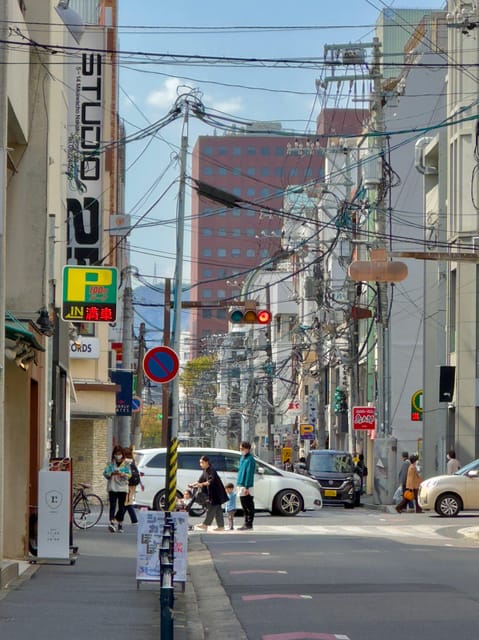
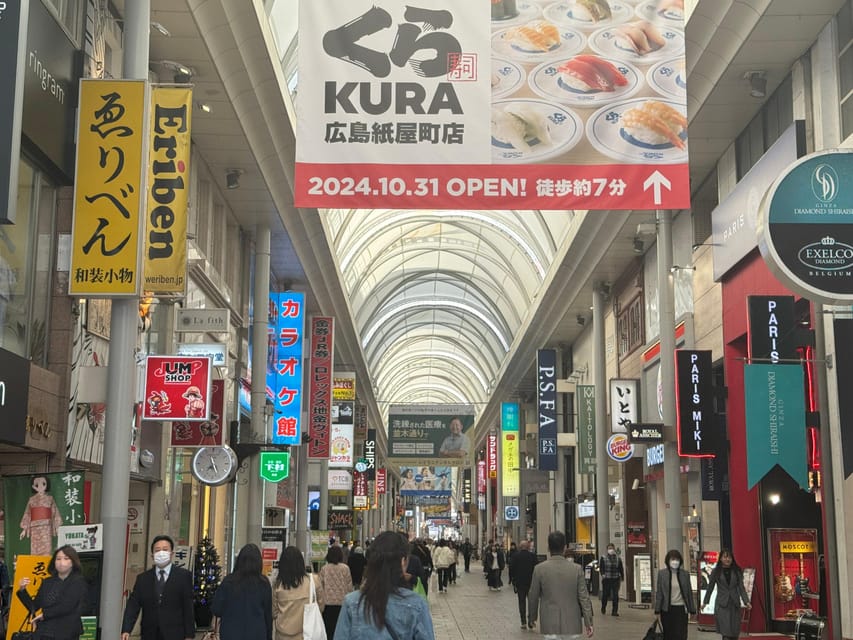
The walk through Hondōri introduces a side of Hiroshima that memorial visits cannot show. A shotengai is a traditional covered shopping street, lined with shops and places to eat. Here, the focus shifts from major monuments to the city’s daily rhythm.
This section lasts about 30 minutes, so expect a guided stroll rather than a shopping session. You will have a chance to see how central Hiroshima functions as a living city, but you may not have time to browse every shop or stop for a full meal.
That short transition is valuable. After the garden, the shopping streets add movement and noise. After the Peace Park, they remind you that Hiroshima is not frozen in the past. It is a working city where people shop, meet, and go about their day.
Meals and drinks are not included, so Hondōri may help you decide where to eat later, but you should not count on a meal break during the tour. If you need regular rest stops, ask about the pace before starting.
Hiroshima Castle and the shape of a rebuilt city
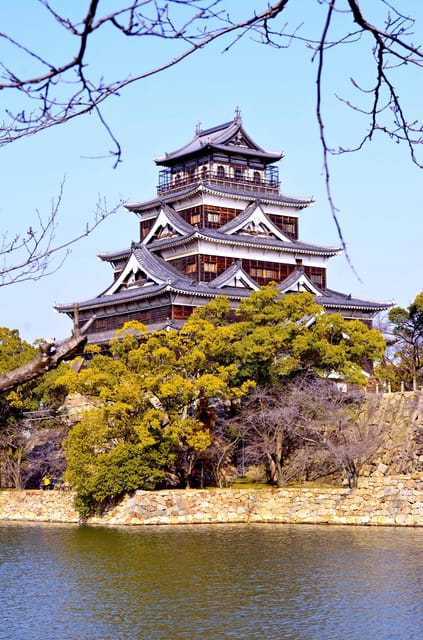
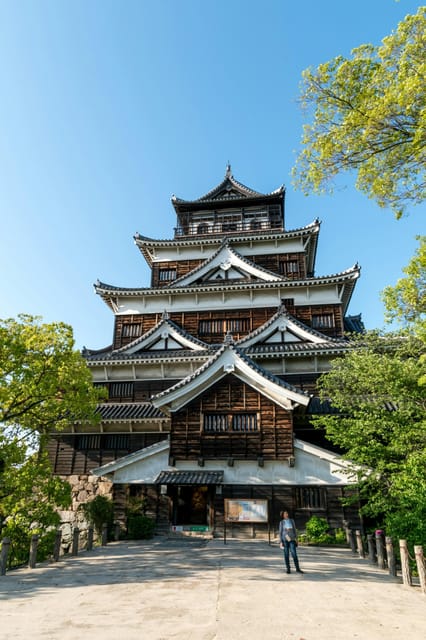
Hiroshima Castle is visited for about 45 minutes. The site combines historical ruins with modern reconstruction, set in a peaceful park. It is a useful stop because it helps explain the scale of what was lost and rebuilt.
The castle was rebuilt after the atomic bombing, so what you see is not an untouched medieval structure. That is not a flaw, but an important part of the site’s meaning. Hiroshima Castle shows how historical identity can be reconstructed after destruction, while the Peace Park deals directly with the event that caused it.
The park around the castle also gives your legs a brief change from city streets. You are still walking, but the setting is calmer and more open than Hondōri.
The scheduled 45 minutes is enough for an introduction, especially with a guide explaining what is original, what has been rebuilt, and how the site fits into Hiroshima’s past. If you want a long museum visit inside the castle, this tour may feel too short. Its goal is to give you a broad view of the city, not to spend an entire afternoon at one landmark.
A few more Hiroshima tours and experiences worth a look

Atomic Bomb Dome and Peace Memorial Park
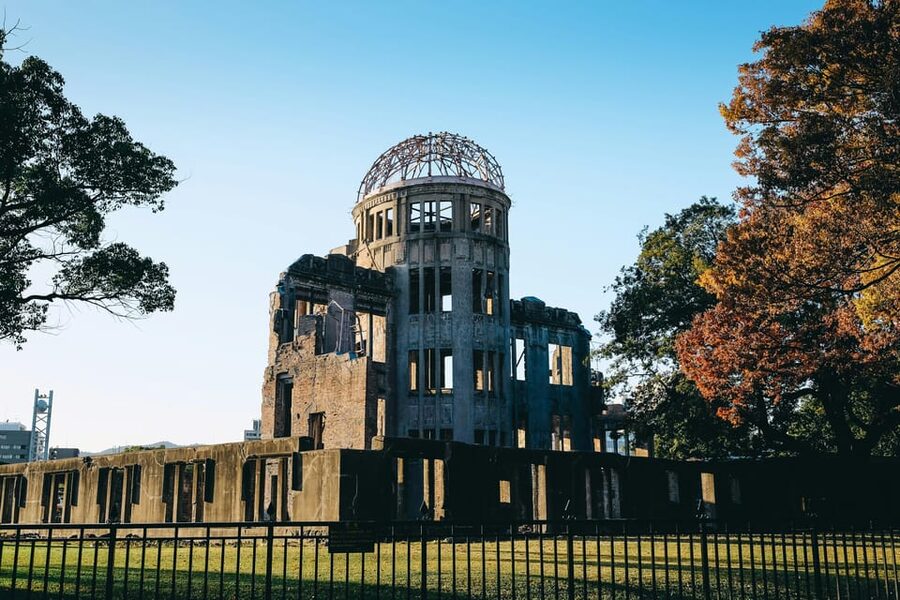
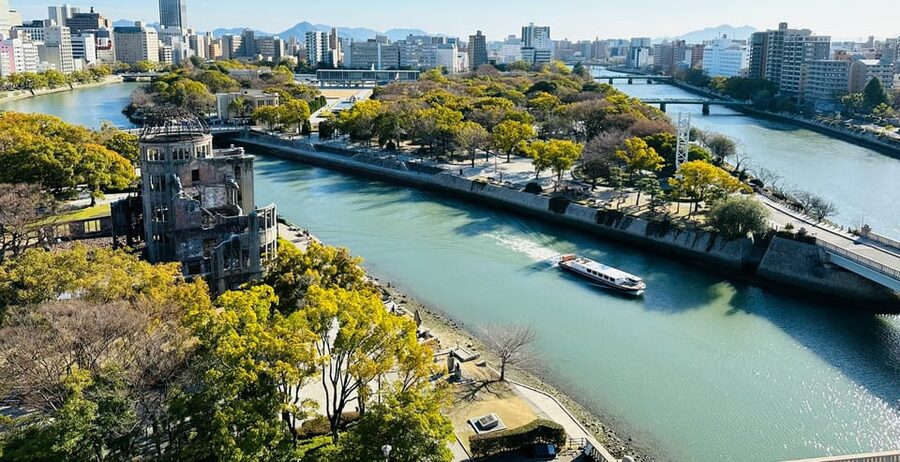
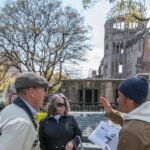
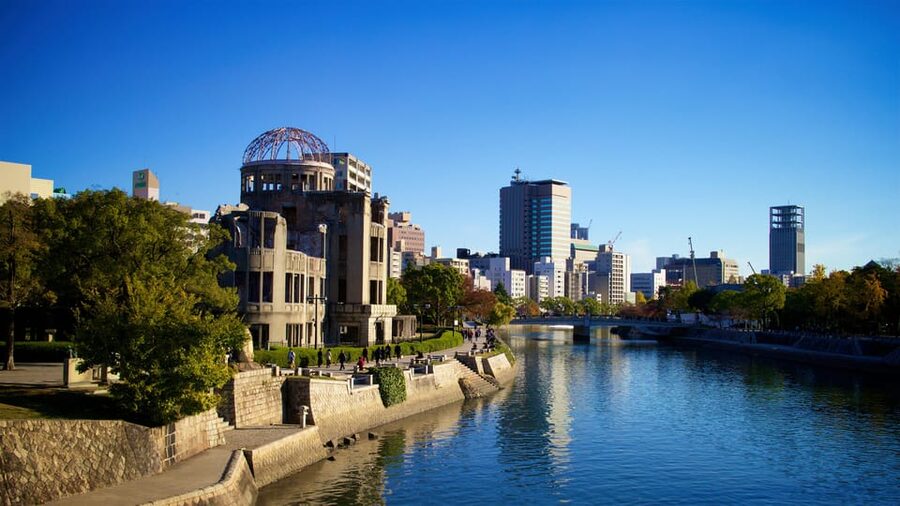
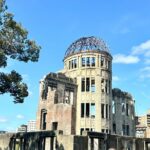
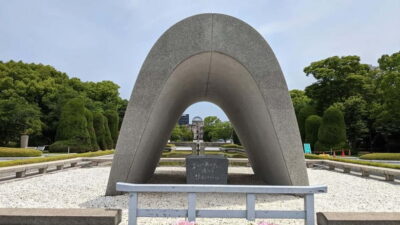
The Peace Memorial Park is the emotional center of the experience. The Atomic Bomb Dome is the most recognizable structure here, and seeing it in person gives the historical events a physical setting that photographs cannot fully convey.
The guided visit lasts about 30 minutes before the museum portion. That time is enough for the guide to explain the park’s main memorials and the significance of the Dome, but it is not designed as a long, solitary reflection period.
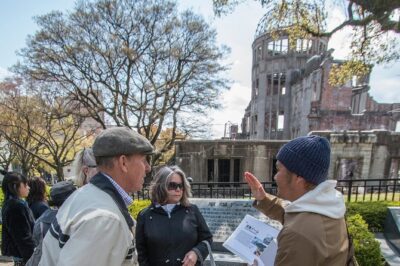
This is where the guide’s manner matters most. A good guide should offer clear context without turning the visit into a lecture or treating the site like an ordinary sightseeing stop. Ken has been praised for being attentive, calm, and able to discuss the bombing and its effects in a clear way.
Respectful behavior is expected at all memorial sites. Keep your voice low, follow instructions, and allow yourself time to pause. You do not need to rush from one marker to the next simply because the schedule is tight. Ask your guide where the most important stops are so you can use the short park visit well.
The Peace Memorial Museum in 45 focused minutes
The museum visit is scheduled for approximately 45 minutes. That is enough to gain an organized introduction, but not enough to see everything at a slow pace.
One practical point is especially important: plan to return on your own if you want to study the exhibits carefully. A museum visit can easily take several hours for anyone who wants to read the displays, consider personal stories, and move at a quieter pace. The guided tour gives you a framework, then you can decide if you need more time.
Some outings have also included an informative basement visit, so ask your guide whether that is part of your particular route. Do not assume every departure follows exactly the same sequence or includes every optional stop.
The museum can be difficult emotionally. That is part of its purpose, but it is also why a guide can help. You can ask questions as they arise and place individual exhibits within the larger story of Hiroshima. At the same time, a group schedule means you may need to leave before you feel finished.
What the guide adds
This experience depends heavily on the person leading it. The strongest praise has gone to Ken, also known as Kensuke, for his background, patience, and attention to the people in his group. He has been described as someone who shares useful information while still making room for questions and discussion.
Alex has also led the walk and is described as friendly and ready to answer questions. Since the booking information promises an English-speaking live guide but does not guarantee one specific person, treat Ken or Alex as possible guides rather than a fixed assignment.
The value of a guide is not just facts. It is the ability to decide what matters at each stop, explain why a rebuilt castle belongs in the same half-day as the Peace Museum, and help you move from solemn memorials back into everyday Hiroshima without losing the connection between them.
The small-group or private format is helpful here. You can ask questions more easily than in a large coach group, and the pace may feel more personal. Still, no exact group size is given, so ask if that detail matters to you.
Walking, weather, and accessibility
Bring comfortable walking shoes. This is not a bus tour with short walks between stops. The scheduled sections add up to several hours of movement, and the experience is described as a continuous walk with little time to sit.
Carry a water bottle, particularly in summer. A July outing was considered too demanding for anyone who does not handle heat well. Hiroshima’s weather can change, so be prepared for sun or rain.
The activity is listed as wheelchair accessible. That is encouraging, but the route includes gardens, shopping streets, parks, and multiple historic sites. If you use a wheelchair or have limited stamina, confirm the exact route, surfaces, rest opportunities, and access arrangements before booking.
You should also tell the guide about any need for a slower pace. The tour is designed to cover a lot in four hours, and the best experience will come from balancing that coverage with your comfort.
Who should book this half-day experience?
I would choose this tour if you have limited time in Hiroshima and want a strong first look at the city. It brings together the Peace Park, museum, castle, garden, and shotengai streets without making you arrange several separate admissions or map the route yourself.
It also suits you if you want historical explanation rather than a self-guided visit. The atomic bombing and Hiroshima’s rebuilding are not simple subjects, and a patient English-speaking guide can make the day easier to understand.
This is less suitable if you prefer to spend hours inside the Peace Memorial Museum, take long breaks, or explore shops at your own pace. In that case, use the tour as an orientation, then return independently to the museum or garden.
Families, older visitors, and anyone sensitive to heat should consider the walking demands carefully. Private or small-group availability may help, but the activity still covers a lot of ground.
Cancellation is flexible up to 24 hours before the start for a full refund, and you can reserve without paying immediately. If fewer than two people book, the operator may offer a different date, a 4,000 yen solo supplement, or a full refund. That condition is worth noting if you are traveling alone.
Should you book it?
Book this experience if you want a well-planned introduction to Hiroshima that mixes serious history with ordinary city life. The best reasons are the range of sights, included entrance fees, and guides such as Ken and Alex, who bring warmth and clear explanation to a demanding subject.
Think twice if you want a relaxed day. Four hours of walking, with limited sitting time, can be tough in hot weather, and 45 minutes at the museum will only scratch the surface.
For most first-time visitors with one free half-day, I would book it, then return to the Peace Memorial Museum afterward if the exhibits call for more time. Confirm the route order before you go, wear good shoes, and treat the memorial sites with the quiet attention they deserve.
FAQ
How long does the Hiroshima walking tour last?
The experience lasts four hours.
What sights are included?
The tour includes Shukkeien Garden, Hondōri and its shotengai shopping streets, Hiroshima Castle, Hiroshima Peace Memorial Park, and the Hiroshima Peace Memorial Museum.
Where is the meeting point?
Meet at the ticket gates in front of Shukkeien Garden.
Is an English-speaking guide provided?
Yes. The activity includes a live English-speaking guide. Guides who have led the experience include Ken, also called Kensuke, and Alex, but a specific guide is not guaranteed.
Are entrance fees included?
Yes. Entrance fees for the included visits are covered.
Are meals and drinks included?
No. You need to pay for your own meals and drinks.
Is the tour wheelchair accessible?
Yes, the activity is listed as wheelchair accessible. Because the route includes several walking sections, confirm the detailed route and access needs before booking.
Can I cancel for a refund?
You can cancel up to 24 hours before the start time for a full refund.
What happens if I book alone and the minimum group size is not reached?
You may be offered an alternate date, the option to pay a 4,000 yen solo supplement, or a full refund.
More Half-Day in Hiroshima

More Hiroshima City Tours in Hiroshima
More Peace Memorial Tours in Hiroshima


More tours in Hiroshima we've reviewed



Peace Memorial Tours, compared.
 ★ 4.8Hiroshima Historical Walking Tour – Why A-Bomb was DroppedFrom $352h 30m
 ★ 5.0Hiroshima Peace (Heiwa) Walking Tour at World Heritage SitesFrom $94
 ★ 4.9Hiroshima: Miyajima Peace Memorial Icons of Peace and BeautyFrom $1638 hours
 ★ 5.0Hiroshima Walking Tour Why A Bomb was dropped to HiroshimaFrom $28
 ★ 5.0Hiroshima 2hr Peace Cycling Tour with Local GuideFrom $59
 ★ 4.8Hiroshima: Peace Cycling Tour with Local GuideFrom $522 - 3 hours
