
Reviewed · MIYAJIMA TOURS
Full Day Hiroshima and Miyajima Bus Tour
Hiroshima and Miyajima make a powerful one-day pairing: one place asks you to think about war and peace, the other gives you a graceful shrine, sea views, and the famous Great Torii Gate. This 12-hour English-guided tour links both without making you arrange trains, buses, ferries, and admission tickets yourself.
I like the round-trip Shinkansen option from Kyoto or Shin-Osaka, and I like the sensible split between about 90 minutes at the Peace Memorial Museum and free time on Miyajima for food. The main drawback is the pace. You cover a lot of ground in one day, and the walking, transfers, and fixed schedule may feel tiring.
In This Review
- Key points at a glance
- Why this Hiroshima day trip works
- The morning ride through Hiroshima
- Crossing the water to Miyajima
- Itsukushima Shrine in about 60 minutes
- Ninety minutes for lunch and Omotesando Street
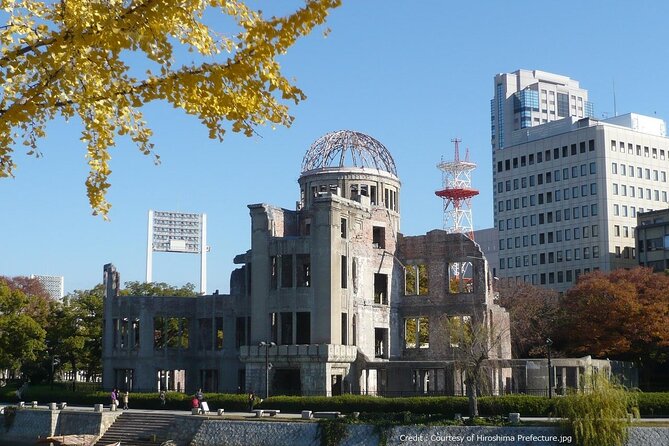
- Hiroshima’s Atomic Bomb Dome and Peace Memorial Park
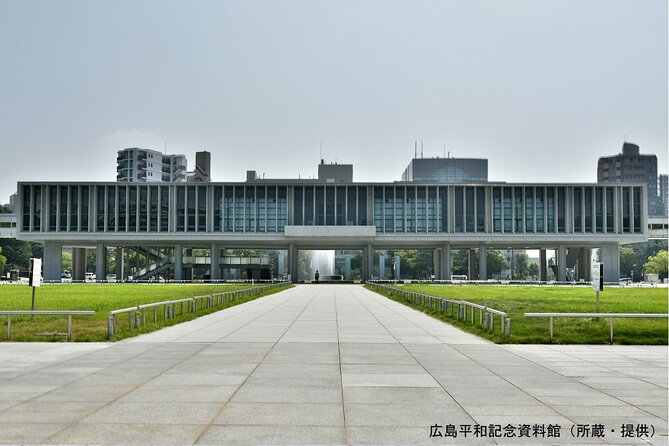
- Ninety minutes inside the Peace Memorial Museum
- What the price includes, and what it leaves out
- Who should book this tour
- Should you book it?
- FAQ
- How long does the tour last?
- Where do I meet the guide?
- Does the tour depart from Kyoto?
- Does the tour depart from Osaka?
- Is lunch included?
- Are the ferry tickets included?
- Are admission fees included?
- Can I cancel for a full refund?
Key points at a glance
- Two major sights in one day: Pair Hiroshima’s Peace Memorial Park and Museum with Miyajima’s Itsukushima Shrine.
- A special ferry approach: Ride the included ferry from Miyajimaguchi and look for the Great Torii from the water.
- About 90 minutes at the museum: Enough time for a serious visit, though not enough for every display.
- Lunch is your choice: Use 90 minutes on Omotesando Shopping Street to buy food from local eateries.
- Simple long-distance transport: Kyoto and Osaka plans include round-trip Shinkansen tickets and station boarding assistance.
- English guide and air-conditioned bus: The Hiroshima portion is organized around a guide and a comfortable coach.
Why this Hiroshima day trip works
This tour succeeds because it connects two very different sides of the region. Hiroshima is solemn and direct. Miyajima is scenic, religious, and easier on the spirit. Seeing both in one day gives you a broader sense of the area than visiting either one alone.
You begin at Hiroshima Station, where the guide meets you at the Shinkansen Exit gate on the second floor, North Exit. If you book from Kyoto, staff meet you at Kyoto Station before the 8:03 AM Shinkansen. From Shin-Osaka, staff meet you at the Central Gate on the third floor for the 8:18 AM departure. Staff help you board, but they do not ride with you, so you must take the train independently and meet the guide in Hiroshima.
That arrangement keeps the cost and planning under control, but it also means you need to pay attention. Keep your ticket handy, arrive on time, and know that the station handoff is part of the day. If you prefer a fully escorted train journey, this setup may feel too hands-off.
The tour is priced at $111.05 per person. That is a reasonable package if you are starting in Kyoto or Osaka and want Shinkansen tickets, the ferry, shrine admission, museum admission, a bus, and an English guide bundled together. The value is less clear if you are already staying in Hiroshima and can arrange local transport cheaply. In that case, the guided structure is the main benefit, not the transportation savings.
A few more Kyoto tours and experiences worth a look

The morning ride through Hiroshima
After meeting the guide at Hiroshima Station, you board the air-conditioned tour bus. Hiroshima Castle is included as a drive-by sight, viewed from the bus window rather than explored on foot.
That detail matters. Hiroshima Castle is not a full stop, so you should think of it as a quick city view, not a castle visit. The bus lets you cover more ground, but you will not have time to inspect the grounds or interior. Still, it provides a glimpse of Hiroshima beyond the memorial district before the tour heads toward Miyajimaguchi.
The bus portion is useful on a packed day. You avoid working out local connections between the station, the ferry terminal, and the Peace Memorial area. You also get a seat and air conditioning, which becomes welcome after walking around Miyajima.
Because the tour covers several major locations, the bus is not a slow sightseeing vehicle. Expect transportation with views rather than a narrated city tour at every turn. The stated information does not give a group size or a detailed driving commentary, so do not book this expecting a private or highly flexible experience.
Crossing the water to Miyajima
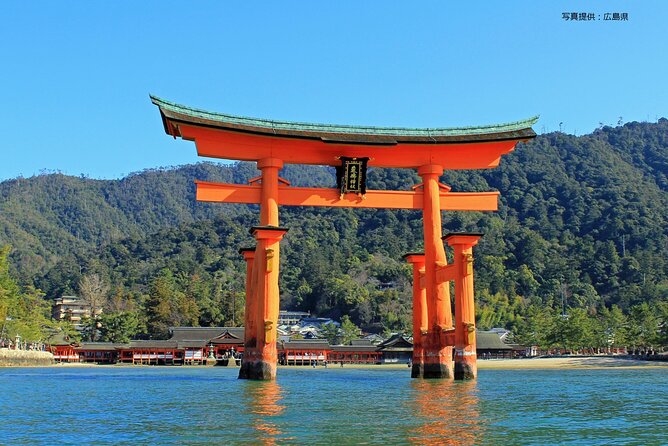
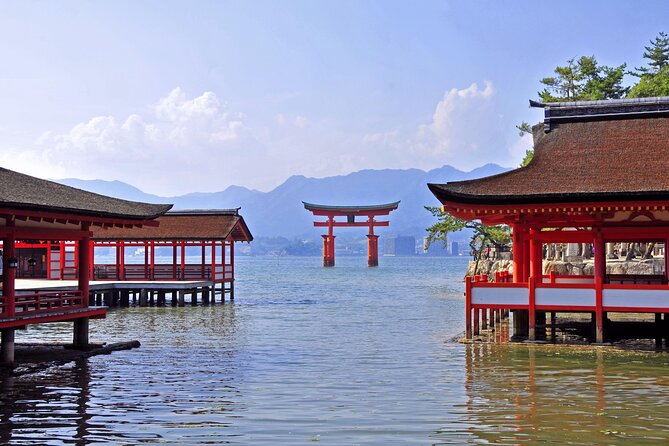
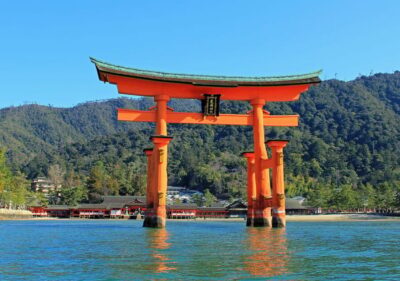
At Miyajimaguchi Ferry Terminal, the included ferry takes you across to Miyajima. This is one of the nicest touches of the day. The island approach gives you the chance to photograph the Great Torii from the water, where its position near the shrine makes sense.
The gate is often called a floating torii because it appears to rise from the sea at high tide. The tour description promises photo opportunities, but the exact view depends on weather, tide, and your position on the ferry. You should bring your camera out early and keep watching as the boat moves.
The ferry ticket is included, so there is no separate fare to work out. You will later take the ferry back to Miyajimaguchi before returning to Hiroshima. These crossings help break up the day, though they also add fixed departure times. Stay with the group and listen carefully for instructions.
Miyajima is not only a photo stop. It is a sacred cultural site, and the combination of water, shrine buildings, and the island setting gives this half of the tour a calmer rhythm than the Hiroshima memorial sites.
Itsukushima Shrine in about 60 minutes
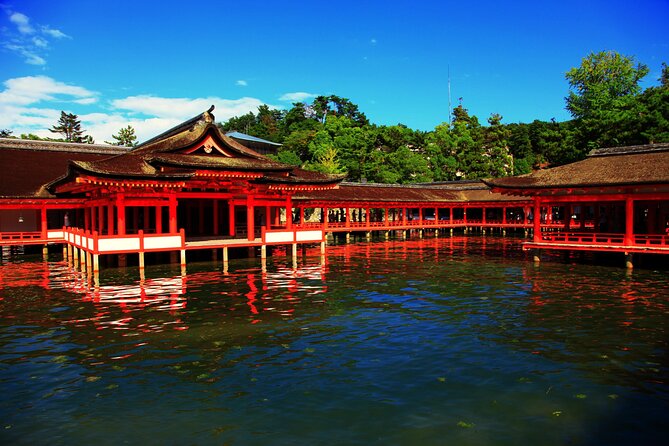
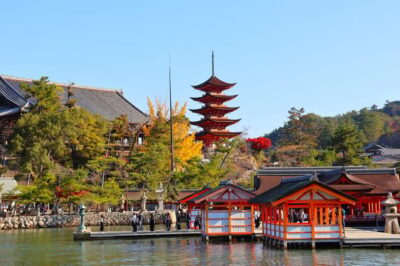
The group visits Itsukushima Shrine and the Great Torii with admission included. You have about 60 minutes for this section.
An hour is enough to enter the shrine, see its distinctive setting, and take photographs, but it is not a leisurely visit. You will need to keep moving and return when asked. If the tide or weather creates an especially good view, you may wish you had more time.
The shrine is the cultural heart of Miyajima. Its red buildings and water-facing design are the reason the island is one of Japan’s best-known sights. The tour brings you directly to that central experience instead of sending you off on a long hike or scattering your time among less important stops.
I would use this hour carefully. First get the main shrine views, then look for the Great Torii, and leave a few minutes to make your way back to the meeting point. Comfortable shoes matter. The tour specifically warns that it is not recommended for people who have difficulty walking for long periods.
Ninety minutes for lunch and Omotesando Street
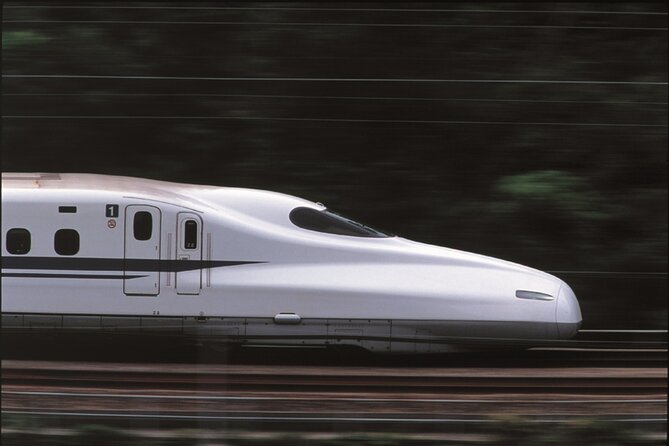
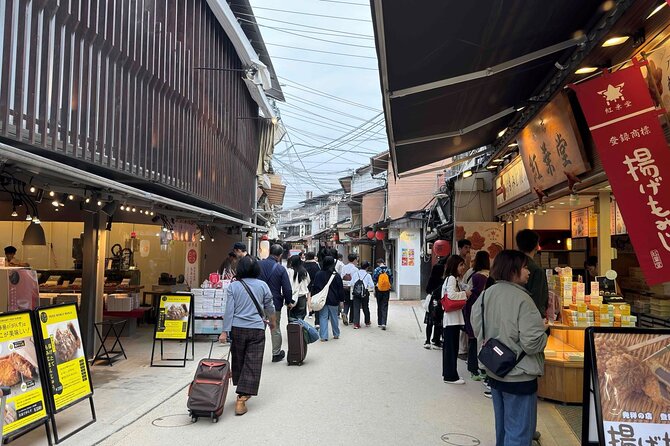
After the shrine, you get about 90 minutes on Miyajima’s Omotesando Shopping Street. Lunch is not included, so this is your chance to choose and pay for your own meal from local eateries.
I prefer this arrangement to being sent to one fixed restaurant. You can decide how much to spend and how much time to give food, shopping, or wandering. The trade-off is that you must manage your own meal within the time limit, and no lunch reservation or meal is part of the price.
This is also the most flexible stretch of the day. If you need a break after the shrine, eat first. If you already have food in mind, leave time for the street’s shops. The supplied details do not identify particular restaurants or dishes, so I would not arrive with a promised menu in mind.
Ninety minutes sounds generous, but it passes quickly once you have found food and walked along the street. Keep track of the meeting time. Missing the return ferry or bus would create a serious problem on a tightly scheduled day.
After free time, the group returns to the Miyajima Ferry Terminal and crosses back to Miyajimaguchi. The ferry ride is included again.
A few more Kyoto tours and experiences worth a look
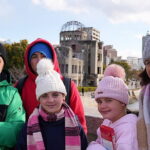
Hiroshima’s Atomic Bomb Dome and Peace Memorial Park
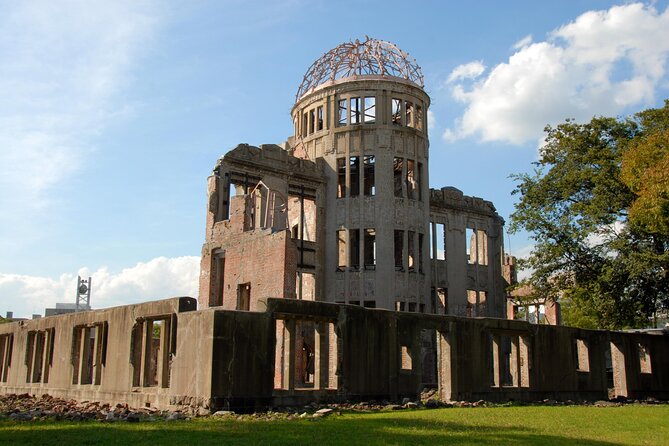
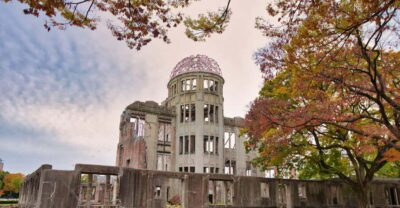
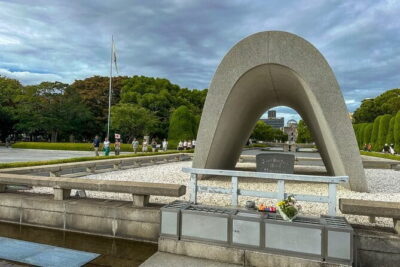
Back in Hiroshima, the bus takes you to the Atomic Bomb Dome and Hiroshima Peace Memorial Park. The visit lasts about 60 minutes.
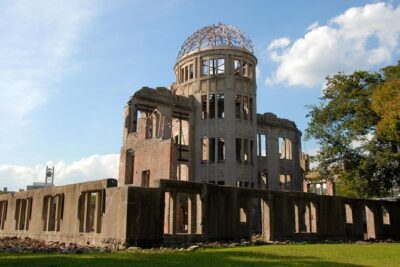
The Atomic Bomb Dome is one of the most recognizable reminders of the 1945 atomic bombing. Its damaged structure gives the history a physical focus. At Peace Memorial Park, the setting shifts from one preserved building to a wider place of remembrance.
The hour is short, so listen closely to the guide and use your time with care. The information provided does not promise a separate guided talk at every landmark, but the English-speaking guide is there to organize the visit and help you understand the route.
This part of the day can feel emotionally heavy, especially after the more relaxed Miyajima stop. That contrast is not a flaw. It is one reason the pairing works. You have time to enjoy beauty, then time to face a difficult chapter in modern history.
The tour is not just a sightseeing circuit. One direct account describes the experience as important and impactful, especially for anyone thinking about the harm people can cause. That is the right frame for Hiroshima. Come prepared to pay attention, not simply collect photographs.
Ninety minutes inside the Peace Memorial Museum
The final major stop is the Hiroshima Peace Memorial Museum, with admission included and about 90 minutes to explore. You may enter through the Peace Memorial Park area or the Peace Memorial Park Rest House meeting point, depending on the departure plan.
Ninety minutes gives you a meaningful visit, but the museum can ask for more time than that. You will need to choose what to read and what to revisit. The displays deal with the human effects of the bombing, so the visit may be upsetting. The tour information presents it as a chance to understand the past and reflect on peace, rather than as a quick attraction to check off.
This is where the English guide and organized admission provide practical value. You do not have to find the museum on your own after a long day of transfers. You also know the approximate time available, which helps you pace yourself.
Still, the fixed schedule limits personal reflection. If you like to read every panel, take long pauses, or return to particular exhibits, you may find 90 minutes too brief. A separate Hiroshima visit would suit you better if the museum is your main reason for coming.
The group ends at Hiroshima Station at about 6:00 PM. The provided details identify the tour’s end point and approximate time, but they do not describe the exact Shinkansen departure back to Kyoto or Osaka. If you choose those plans, follow the staff instructions and keep your return ticket secure.
What the price includes, and what it leaves out
At $111.05, the package covers several costs that can add up:
- Round-trip Shinkansen tickets for the Kyoto and Osaka departure plans
- Air-conditioned bus transportation in Hiroshima
- English-speaking guide
- Admission to Itsukushima Shrine
- Admission to Hiroshima Peace Memorial Museum
- Round-trip Miyajima ferry tickets
Lunch is not included. You should budget separately for a meal on Omotesando Shopping Street. You also need to account for personal purchases and anything else not listed among the inclusions.
The strongest value comes from convenience. You get long-distance rail, local transport, ferry crossings, admission, and a guide without having to coordinate each piece. The weaker point is flexibility. You cannot linger at Miyajima, extend the museum visit, or change the order to suit your interests.
The tour has a five-star rating from 12 reviews and a 100 percent recommendation figure, which suggests a strong response from its small pool of published feedback. I would treat that as encouraging rather than conclusive. The most specific praise focuses on the meaningful historical experience, the beautiful shrine, and well-organized service.
Who should book this tour
I would recommend it to you if you are based in Kyoto or Osaka, have only one day for Hiroshima, and want a practical first visit with an English-speaking guide. It suits people who value a clear plan and want the major sights without arranging several train and ferry connections.
It also works well for first-time visitors who want both the emotional weight of Hiroshima and the visual appeal of Miyajima. The included admissions and ferry reduce small decisions, while the free lunch period gives you a little independence.
I would hesitate if you dislike early starts, long days, or group schedules. I would also think twice if you have trouble walking for extended periods. Miyajima involves movement between the ferry, shrine, shopping street, and meeting points, followed by the memorial sites.
If your main goal is a slow museum visit, a private guide, or time to explore Hiroshima Castle, this is not the ideal format. Hiroshima deserves more than a day if you can spare it. But if one day is all you have, this tour makes a thoughtful and efficient introduction.
Cancellation is free if you cancel at least 24 hours before the start time. A late cancellation is not refunded, and changes inside that 24-hour window are not accepted. Poor weather or failure to meet the minimum number of participants can lead to a new date, another experience, or a full refund.
Should you book it?
Book this tour if you want the broad picture: Hiroshima’s memorial sites, Miyajima’s shrine, the Great Torii, and a managed rail and ferry plan in one long day. The best parts are the included transport, the 90-minute museum visit, and the chance to choose your own lunch instead of being tied to a set meal.
Skip it if you need a slow, highly personal day. The schedule is brisk, the train is not accompanied by staff, and the museum and shrine visits have firm time limits. For most first-time visitors starting in Kyoto or Osaka, though, the $111.05 price is fair for the amount of transport and admission it handles.
FAQ
How long does the tour last?
The experience lasts approximately 12 hours. The tour ends at Hiroshima Station at about 6:00 PM.
Where do I meet the guide?
You meet the guide at Hiroshima Station, at the Shinkansen Exit gate on the second floor, North Exit.
Does the tour depart from Kyoto?
Yes. The Kyoto plan includes staff assistance at Kyoto Station, with the Shinkansen scheduled to depart at 8:03 AM. Staff do not accompany you on the train.
Does the tour depart from Osaka?
Yes. The Osaka plan meets at Shin-Osaka Station, Central Gate, third floor. The stated departure time is 8:18 AM, and staff do not travel with you to Hiroshima.
Is lunch included?
No. You have about 90 minutes of free time on Miyajima’s Omotesando Shopping Street to buy your own meal from local eateries.
Are the ferry tickets included?
Yes. The Miyajima ferry ticket is included for the crossing from Miyajimaguchi to Miyajima and the return crossing.
Are admission fees included?
Yes. Admission to Itsukushima Shrine and Hiroshima Peace Memorial Museum is included.
Can I cancel for a full refund?
Yes, if you cancel at least 24 hours before the experience start time. Cancellations made less than 24 hours before the start are not refunded.
More Full-Day in Kyoto
More Hiroshima City Tours in Kyoto
More Miyajima Tours in Kyoto
More tours in Kyoto we've reviewed
Miyajima Tours, compared.
 ★ 5.0Peaceful Hiroshima & Miyajima UNESCO 1 Day Bus TourFrom $129
 ★ 4.9Hiroshima: Hiroshima and Miyajima UNESCO Sites 1-Day TourFrom $1228 hours
 ★ 5.0Hiroshima / Miyajima Full-day Private Tour with Government Licensed GuideFrom $202
 ★ 4.7Osaka/Kyoto: Hiroshima Miyajima Bus Tour & Shinkansen TicketFrom $27712 hours
 ★ 4.7From Hiroshima: Hiroshima & Miyajima 1 Day Tour with LunchFrom $1168 hours
 ★ 5.0Hiroshima and Miyajima Day Trip with Itsukushima Shrine & FerryFrom $45
