
Reviewed · MIYAJIMA TOURS
Hiroshima: Miyajima Half-day Historical Walking Tour
Miyajima is much more than a quick photo of the famous floating Torii Gate. This 330-minute walking tour links the island’s best-known sights with quieter paths, temple grounds, local food, and clear explanations of how people have lived here from the Edo period to today. I especially like the small groups, limited to seven, and the chance to try Hiroshima oysters and fried momiji dumplings without having to guess where to eat.
I also like the guides’ personal touch. Yuji, Kiki, Eri, Shun, Hika, and others are praised for friendly English, thoughtful pacing, and stories about Japanese religion and daily life. The main drawback is the amount of walking, including uneven and sometimes muddy sections, so this is not a good fit for low fitness levels, back or heart problems, or anyone needing a wheelchair or stroller-accessible route.
In This Review
- Key points to know before you book
- Why Miyajima works so well as a half-day outing
- Meeting at Miyajimaguchi and crossing the sea
- Itsukushima Shrine and the changing tide
- The museum, lunch, and Miyajima flavors
- Daisho-in, the island’s quieter spiritual side
- Momijidani, Senjokaku, and the island’s older buildings
- Tea, coffee, and a gentle finish
- What the $106 price really covers
- Who should book this walking tour
- Should you book the Miyajima tour?
- FAQ
- How long does the Miyajima walking tour last?
- Where does the tour meet?
- How do I reach the meeting point from Hiroshima?
- Is the ferry ticket included?
- What language is the tour offered in?
- How large is the group?
- Is lunch included?
- Are vegetarian and vegan meals available?
- What places will I visit?
- Is the tour suitable for wheelchairs or strollers?
Key points to know before you book
- A full Miyajima introduction in five and a half hours: You cover the Torii Gate, Itsukushima Shrine, Daisho-in, Momijidani, Senjokaku Pavilion, a museum, and less-visited corners.
- Fresh Hiroshima-area food is part of the day: Local lunch includes specialties such as oysters, with fried momiji dumplings and other snacks available along the way.
- Small groups make the history easier to follow: With no more than seven people, you can ask questions and keep a comfortable pace.
- The ferry ride is scenic but not included: Bring cash for the crossing, with the supplied details listing fares of ¥360 and ¥500, so check the current price before departure.
- Guide quality is central to the experience: Yuji, Kiki, Eri, Shun, Hika, and Kaz are singled out for fluent English, warmth, cultural insight, and flexibility.
- Timing and weather matter: Summer is hot and humid, while rain can make walking paths muddy. Water, a hat, and sturdy shoes are sensible.
Why Miyajima works so well as a half-day outing
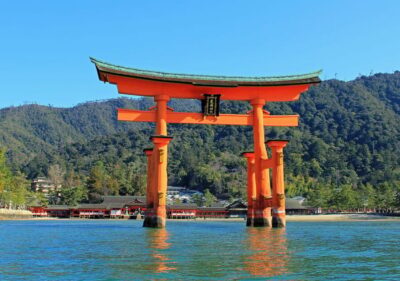
Miyajima, formally Itsukushima, is reached by ferry from Miyajimaguchi, about 30 minutes from Hiroshima Station on the JR Sanyo Line. The short boat ride gives you a fine first look at the Seto Inland Sea and the island’s most famous symbol, the O-Torii, or Grand Torii Gate, set just offshore.
That crossing also helps you shift gears. Hiroshima is a major city with a serious modern history, while Miyajima feels slower and more ceremonial. Deer greet you near the arrival area, and the route soon turns toward shrines, temples, old streets, wooded slopes, and food stalls.
I think this tour suits a first visit particularly well. Miyajima has enough sights to fill a day, but it is easy to spend too long at the waterfront and miss Daisho-in, the museum, or the quieter parts of the island. A guide gives the day shape without forcing you to spend time sorting out what matters.
The format is social but not crowded. A group of up to seven is small enough for questions, and several people have found themselves in groups of four to six or even on a near-private outing. That can change the feel of the day, especially for solo visitors.
A few more Hiroshima tours and experiences worth a look

Meeting at Miyajimaguchi and crossing the sea
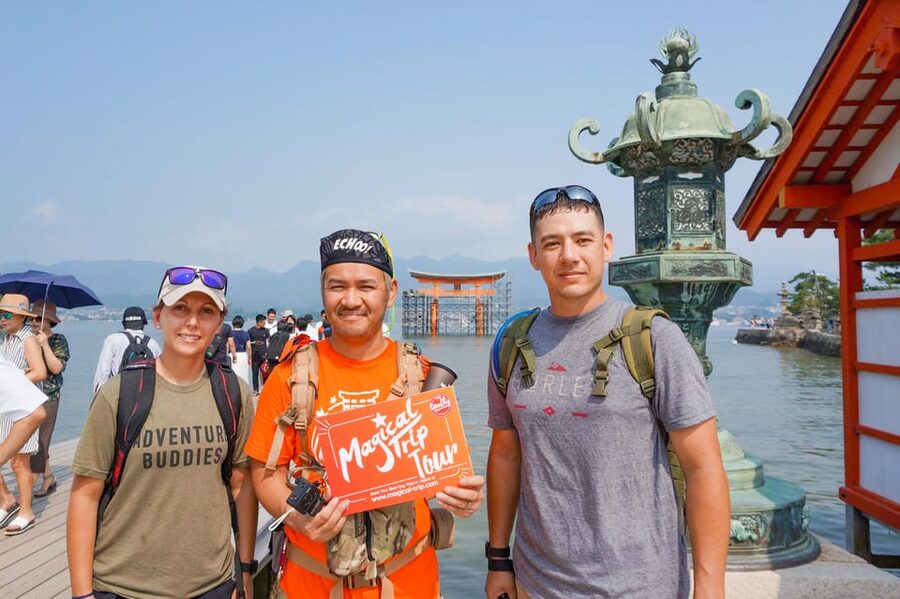
You meet in front of the coin-operated lockers outside JR Miyajimaguchi Station. Look for the guide holding a Magical Trip board. From JR Hiroshima Station, the train ride to Miyajimaguchi takes about 30 minutes, so allow time to find the meeting point and board the ferry.
The ferry ticket is extra. The information for this tour gives two different figures, ¥360 and ¥500, so carry cash and confirm the current fare when you book. You should also bring money for extra snacks and drinks.
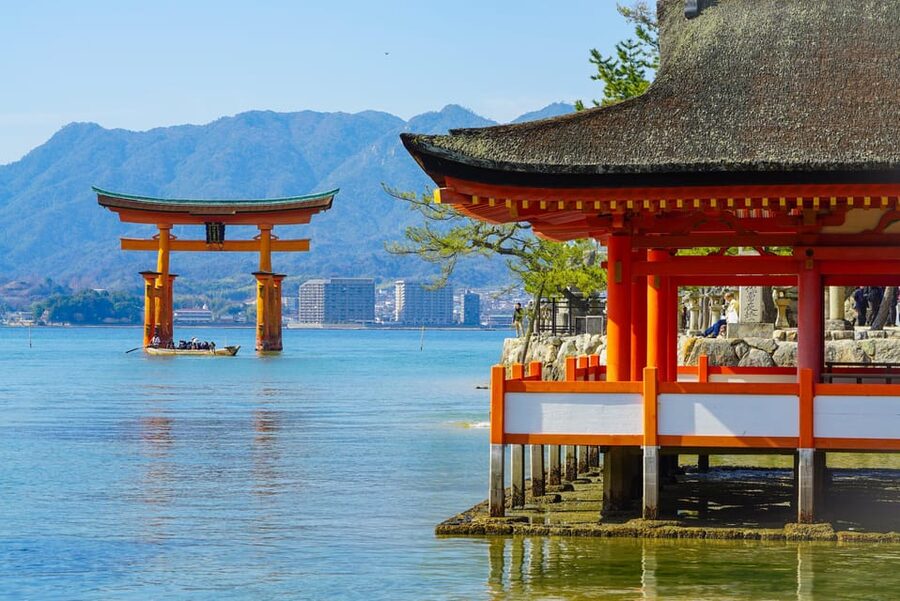
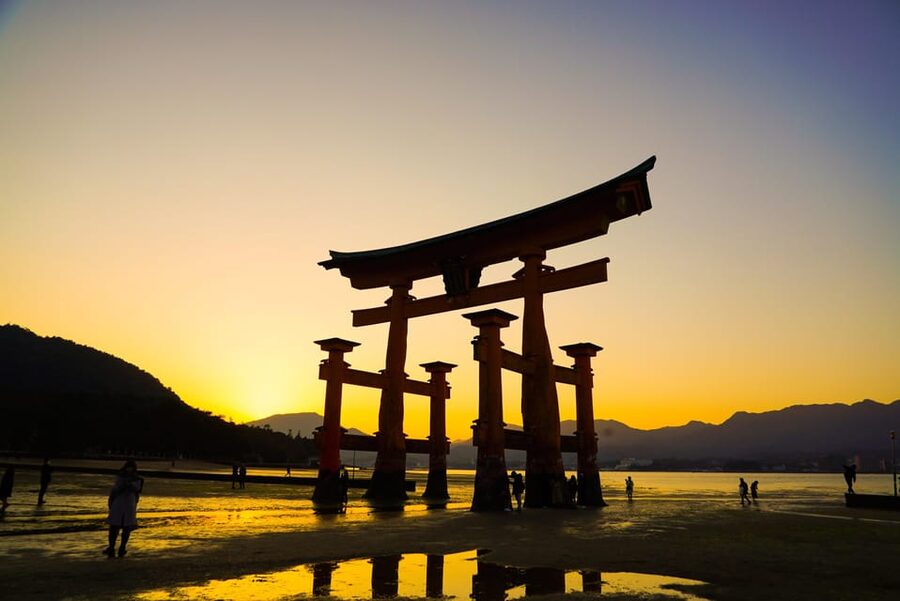
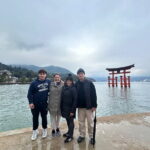
The crossing is brief, but do not treat it as dead time. From the boat, you can see the Seto Inland Sea, the island shore, and the Torii Gate from a useful distance. If the tide is right, the gate appears to float in the water. At low tide, you may see the sandy area around its base instead. The changing water is part of the point: Miyajima’s sacred buildings were designed around the tides.
If you are prone to seasickness, take that seriously. The ferry is a small but unavoidable part of the outing. Summer heat and humidity can also make the first walk feel harder than expected, so drink water before you set off.
Itsukushima Shrine and the changing tide
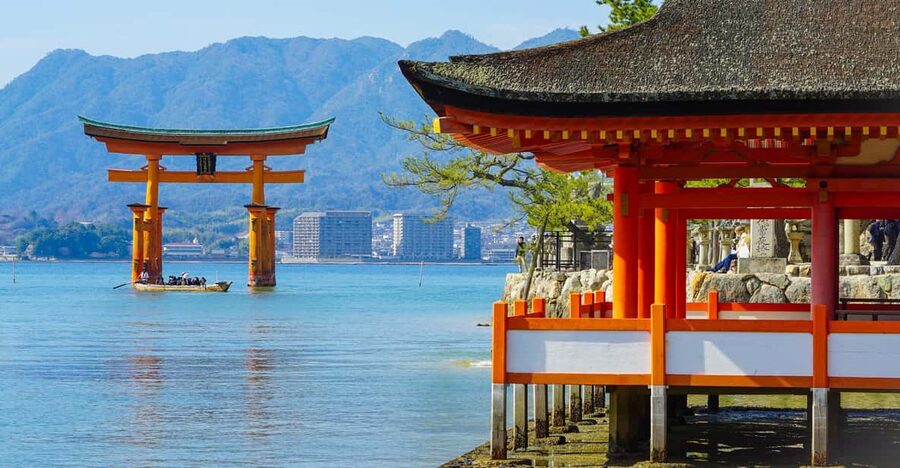
After arriving, the group walks along the coast toward Itsukushima Shrine and the O-Torii. The gate is the island’s best-known image, but the shrine complex gives you the fuller story.
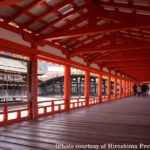
Itsukushima Shrine was built in the Heian period, from 794 to 1192. Its distinctive architecture sits above the water on stilts and walkways, allowing the tide to move through the complex. Your guide explains why this design matters and how the shrine’s relationship with the sea shaped worship on the island.
The shrine is registered as a World Heritage Site, but the visit is not just a quick heritage stop. You get context for Shinto practice, the role of sacred islands, and the way the buildings connect land, sea, and worship. Guides such as Yuji and Hika have been especially effective at linking the formal architecture with everyday Japanese customs.
Tide levels can affect what you see. Some visitors have appreciated seeing the Torii and shrine with water around them and again at low tide. Your exact view depends on the day’s timing, so do not book this tour expecting one fixed version of the famous scene.
The shrine can be busy, particularly at popular times and during attractive seasons such as cherry blossom. A guide helps you focus on the details rather than simply moving with the crowd. Still, this is a public island attraction, not a private visit. You should expect other sightseers around the waterfront.
The museum, lunch, and Miyajima flavors
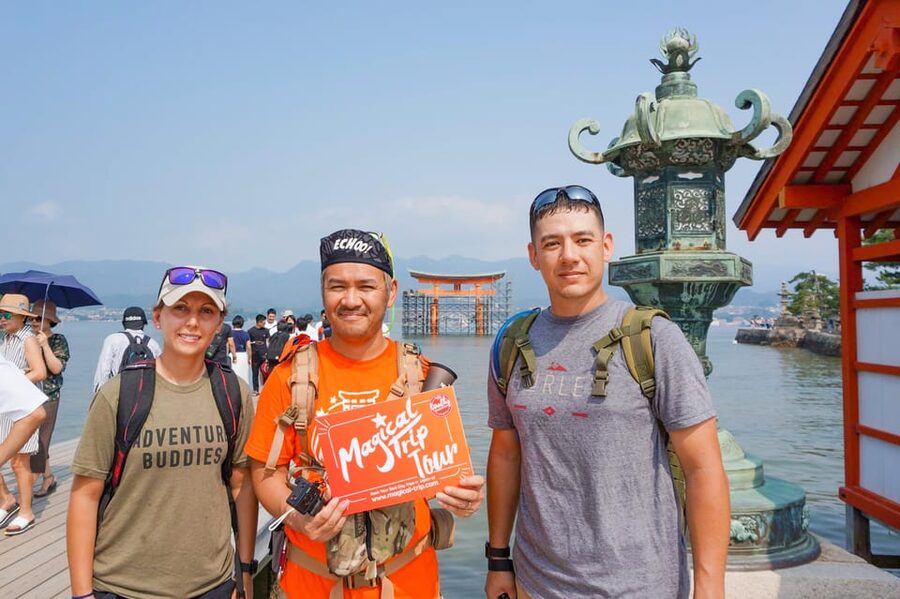
The tour includes entrance fees to the shrines, temples, and museums visited, and the route includes a museum focused on Miyajima’s life and culture. This is a useful counterweight to the grand religious buildings. It helps you see the island as a lived-in community, not only as a scenic shrine site.
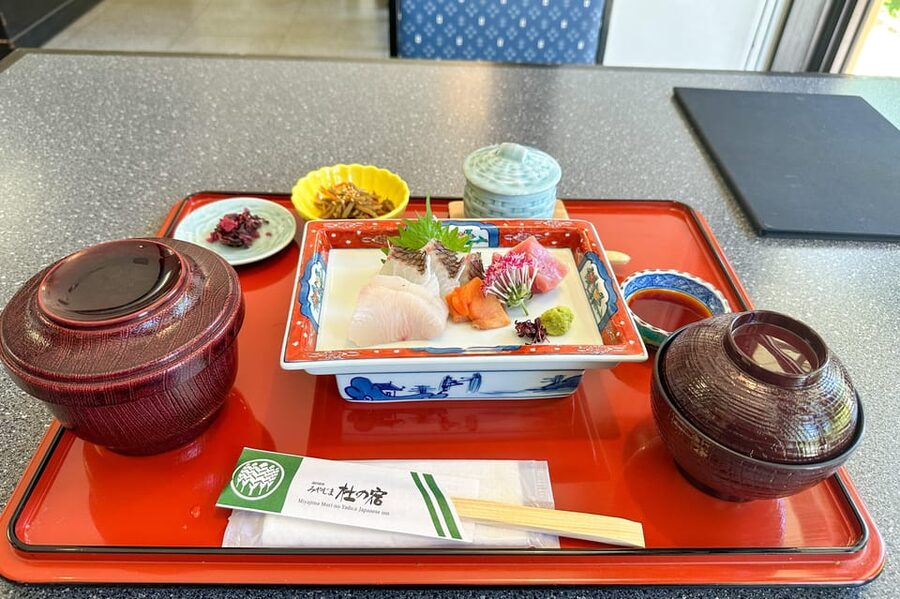
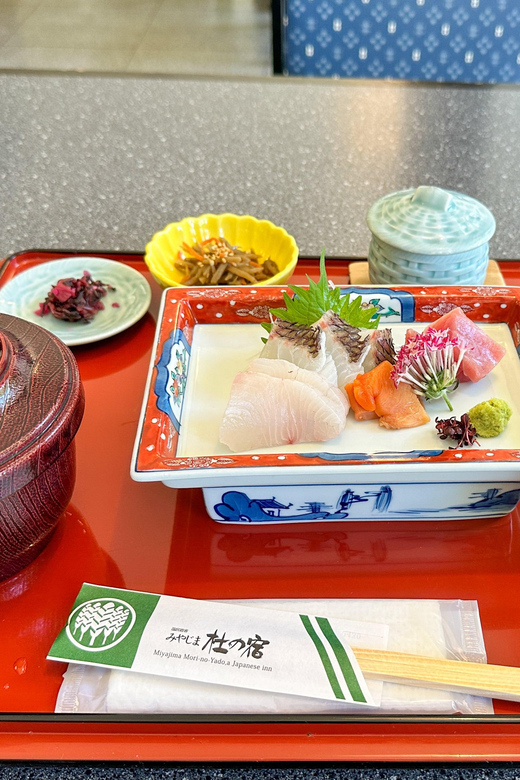
The lunch is made with ingredients from Hiroshima Prefecture. Oysters are the signature local treat, and the food stops may include grilled or fresh oysters, depending on the restaurant and menu. Fried momiji dumplings are another memorable Miyajima specialty, shaped like a maple leaf and served warm.
I like having lunch with the guide because food customs can be hard to read at first. You can ask how to eat the meal, what the ingredients are, and which dishes are local rather than simply common tourist fare. One family particularly enjoyed the guidance around how to begin and finish a Japanese meal.
The food plan has limits. Vegetarian and vegan options are available, but they are limited. The operator cannot guarantee an allergy-free meal or fully meet every dietary restriction because the food is prepared in outside kitchens. Gluten intolerance is listed among the reasons this tour may not be suitable, and substitutions may not be possible at every stop.
If food is a major reason for booking, treat the meal as a pleasant part of the tour rather than a custom tasting program. Extra snacks and drinks are not included. Bring cash if you want to sample more along the shopping streets.
Daisho-in, the island’s quieter spiritual side
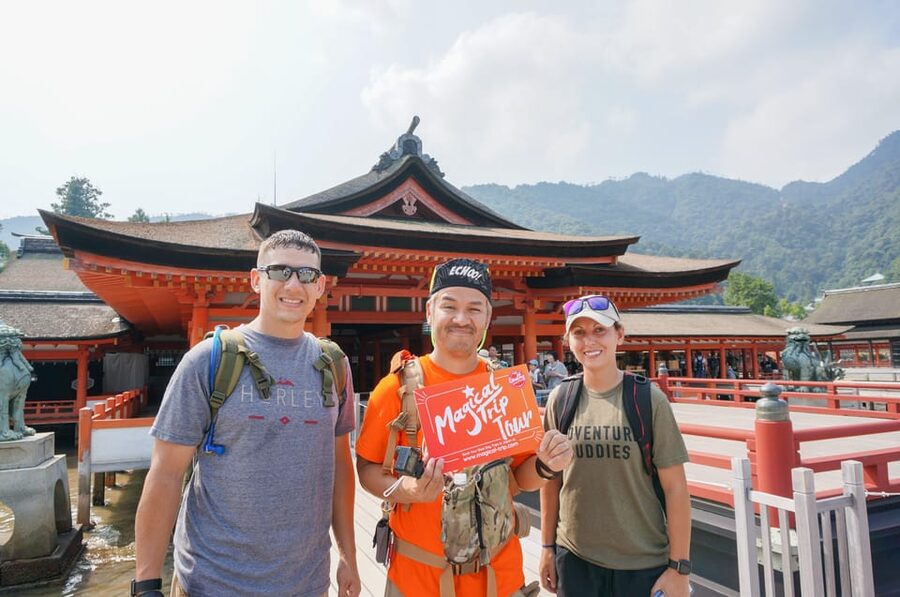
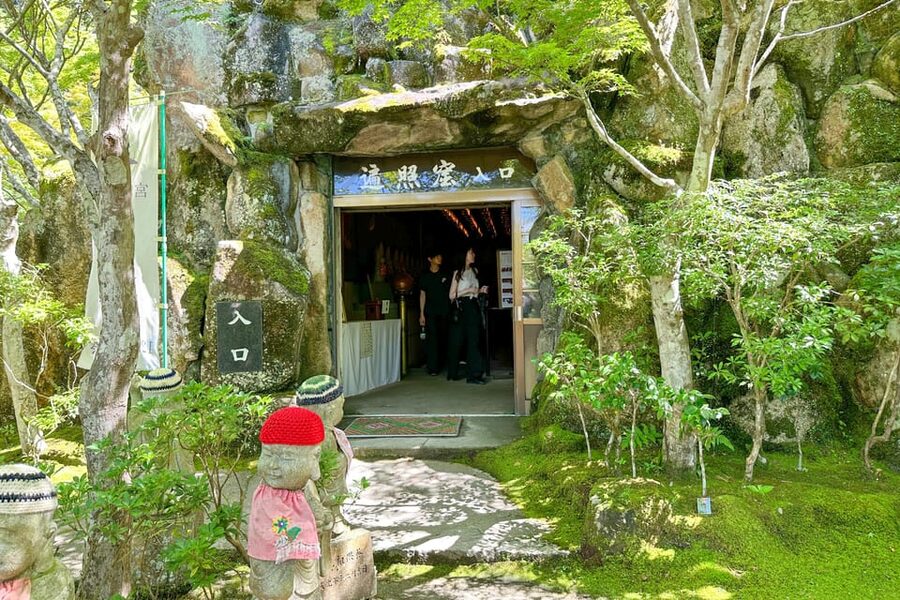
Daisho-in is the oldest temple on Miyajima, with about 1,200 years of history. For many people, this is the most rewarding part of the route because it offers a broader look at Japanese Buddhism than the famous shrine can provide.
The approach follows a picturesque mountain path through forest. It is not a strenuous mountain hike, but it is still a walking route with slopes and uneven sections. Wear shoes that can handle changing weather. Rain may leave some paths muddy.
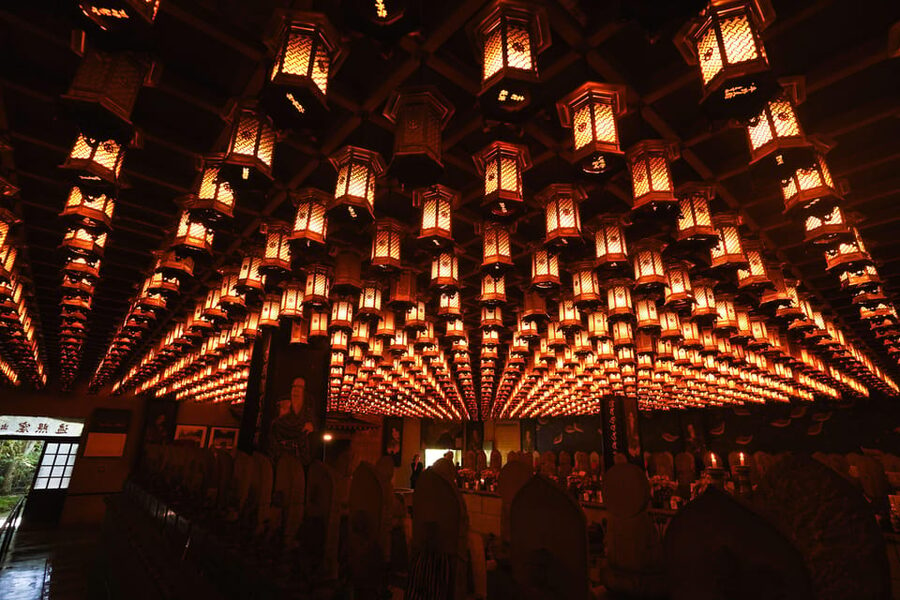
Inside the temple complex, you can see several temples, statues, gardens, and details tied to Buddhist practice. Your guide explains the temple’s past and how faith on Miyajima has changed over time. This is where guides such as Shun, Eri, and Hika add real value: they can connect the statues and rituals to wider ideas in Japanese culture instead of leaving you with a list of names.
Daisho-in also gives the day breathing room. After the open waterfront and busy shrine, the forest and temple grounds feel calmer. You can ask questions about the difference between Shinto and Buddhism, local customs, and the meaning of the many images around the complex.
Because the route includes stairs, slopes, and ground that may be difficult for mobility devices, check your own comfort before booking. The tour is not suitable for people with a low level of fitness, back problems, or heart problems.
A few more Hiroshima tours and experiences worth a look

Momijidani, Senjokaku, and the island’s older buildings
Momijidani, or Maple Valley, appears as a short visit on the route. The stop adds a natural setting to a day otherwise centered on buildings and streets. Depending on the season, the area can be especially attractive when autumn color or spring growth adds interest, though the supplied details do not promise a particular seasonal display.
Senjokaku Pavilion provides another change of scale. The broad pavilion and traditional architecture help show how religious and civic spaces on the island developed beyond the main shrine. The visit lasts about 20 minutes, making it a focused stop rather than a long rest.
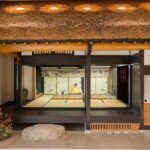
The route also includes traditional Japanese architecture, gardens, crafts, and a less obvious stop that allows the guide to show you more than the standard waterfront circuit. This is one reason I would choose a guided visit over simply walking from the ferry to the Torii Gate and back.
You should keep your expectations practical. This is a walking overview, not a slow photography workshop or a full island hiking day. The group moves through several places in a set period, though guides have been praised for not rushing and for adding rest breaks when needed.
Tea, coffee, and a gentle finish
Toward the end, you stop for tea or coffee in the island’s wooded surroundings before finishing near the souvenir-shop street. That final pause is useful. Miyajima can be full of visual details, food smells, deer, visitors, and religious sites, and a quiet drink gives you time to sort through the day.
The tour returns to the Miyajimaguchi meeting area. It lasts 330 minutes, or five and a half hours, though restaurant delays can sometimes push the finish later. Staffing problems in the restaurant industry may slow food service, so avoid scheduling a tight connection immediately afterward.
The souvenir street is a practical ending point. You can continue shopping or return toward the ferry area, depending on the exact finish and your guide’s instructions. Tour photos are included, which is a useful bonus if you want pictures of the day without constantly taking out your own camera.
What the $106 price really covers
At $106 per person, this is not the cheapest way to visit Miyajima. You can reach the island independently and pay only for transport and individual admissions. The value comes from what is bundled together: an English-speaking local guide, entrance fees, lunch, tour photos, and a carefully arranged route through several major and lesser-seen sites.
The small group matters here. A large tour might offer a lower price, but it would be harder to ask about religious customs, food, or daily life. A group limited to seven can also adjust its pace. The guide can stop for questions, allow a rest, or help a solo visitor feel part of the group.
The strongest reason to pay the premium is interpretation. Itsukushima Shrine and Daisho-in are impressive without a guide, but their meaning is less clear if you only take pictures and read brief signs. Guides including Yuji, Kiki, Eri, Kaz, Shun, and Hika have been praised for fluent English, warmth, and the ability to explain both formal history and ordinary Japanese life.
Lunch also improves the calculation, especially if you want to try oysters but do not know which local dish to choose. Remember to add the ferry fare and any extra food or drinks to the $106 price.
Who should book this walking tour
I would choose this tour if you have one free day or half-day for Miyajima and want a well-shaped introduction rather than a list of isolated sights. It is a good match for solo visitors, couples, families with adult children, and anyone curious about Japanese religion, food, architecture, and local customs.
It is also useful if you want to see more than the O-Torii. The route includes Itsukushima Shrine, Daisho-in, Momijidani, Senjokaku Pavilion, a museum, traditional streets, and a quieter stop. Several guides have been praised for taking time with individual questions and adapting to the group.
I would think twice if you have limited mobility, significant back or heart concerns, low fitness, gluten intolerance, or strict dietary needs. The walking is substantial, access is not fully suitable for wheelchairs or strollers, and the meal cannot be guaranteed free of allergens.
Hot weather deserves attention. Japanese summers are humid, and Miyajima’s paths can feel demanding under the sun. Bring water, wear a hat, and use supportive shoes. If rain is forecast, expect muddy sections.
Should you book the Miyajima tour?
Book it if you want the island explained, not simply photographed. The best parts are the small group, the thoughtful local guides, the contrast between Itsukushima Shrine and Daisho-in, and the chance to eat Hiroshima-area specialties with someone who can explain what is on your plate.
Skip it if you prefer total freedom, need a very slow pace, or have dietary and mobility needs that the tour cannot reliably support. For most fit visitors making a first trip to Miyajima, $106 is a fair price for a half-day that covers the major sights while adding food, cultural context, and the quieter side of the island.
FAQ
How long does the Miyajima walking tour last?
The tour lasts 330 minutes, or five and a half hours. Food service delays may sometimes make the day run longer than planned.
Where does the tour meet?
Meet in front of the coin-operated lockers outside JR Miyajimaguchi Station. Your English-speaking guide will hold a board marked Magical Trip.
How do I reach the meeting point from Hiroshima?
JR Miyajimaguchi Station is about 30 minutes from JR Hiroshima Station on the JR Sanyo Line.
Is the ferry ticket included?
No. The ferry ticket is extra. The supplied tour details list ¥360 and ¥500, so bring cash and check the current fare.
What language is the tour offered in?
The live tour is offered in English.
How large is the group?
The group is limited to seven participants. Depending on bookings, it may be smaller and can sometimes feel close to a private tour.
Is lunch included?
Yes. A local lunch using ingredients from Hiroshima Prefecture is included. Extra food and drinks are not included.
Are vegetarian and vegan meals available?
Vegetarian and vegan options are available but limited. Allergy-free meals and every dietary substitution cannot be guaranteed.
What places will I visit?
The route includes Miyajima, Itsukushima Shrine, Daisho-in, Momijidani, Senjokaku Pavilion, a museum, and an additional less-publicized stop. It also includes local streets and traditional cultural sites.
Is the tour suitable for wheelchairs or strollers?
No. Some locations on the route are not accessible by wheelchair or stroller. The tour is also not suitable for people with back or heart problems, low fitness, or babies under one year.
More Walking Tours in Hiroshima

More Hiroshima City Tours in Hiroshima
More Miyajima Tours in Hiroshima
More tours in Hiroshima we've reviewed


Miyajima Tours, compared.
 ★ 5.0Peaceful Hiroshima & Miyajima UNESCO 1 Day Bus TourFrom $129
 ★ 4.9Hiroshima: Hiroshima and Miyajima UNESCO Sites 1-Day TourFrom $1228 hours
 ★ 5.0Hiroshima / Miyajima Full-day Private Tour with Government Licensed GuideFrom $202
 ★ 4.7Osaka/Kyoto: Hiroshima Miyajima Bus Tour & Shinkansen TicketFrom $27712 hours
 ★ 4.7From Hiroshima: Hiroshima & Miyajima 1 Day Tour with LunchFrom $1168 hours
 ★ 5.0Hiroshima and Miyajima Day Trip with Itsukushima Shrine & FerryFrom $45
