
Reviewed · MIYAJIMA TOURS
Hiroshima Miyajima and Bomb Dome Private Tour
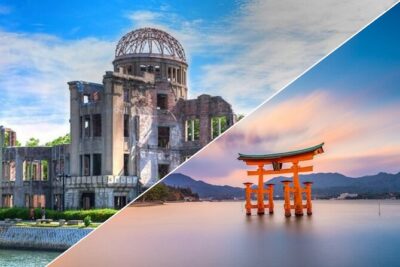
Hiroshima’s story comes into sharp focus on this full-day private tour, which pairs the city’s sobering atomic-bomb memorials with the beauty of Miyajima Island. You move from the Atomic Bomb Dome and Peace Memorial Museum to Itsukushima Shrine’s famous red torii gate, giving you both the difficult history and the spiritual, scenic side of Hiroshima in one day.
I like the guide’s undivided attention, especially for a subject that raises hard questions and deserves careful explanation. I also like the chance to see less obvious bombing-related places and to stop for local food such as oysters, okonomiyaki, maple-leaf sweets, and Hiroshima beer.
The main drawback is the pace. Seven to eight hours is a long day, and you cover the city, public transport connections, a ferry route, museum galleries, shrine grounds, and shopping streets. Lunch and all food are extra, and private transport is not included, so be ready to walk and use local transit.
In This Review
- Key points at a glance
- Why this Hiroshima combination works
- Starting at the Atomic Bomb Dome
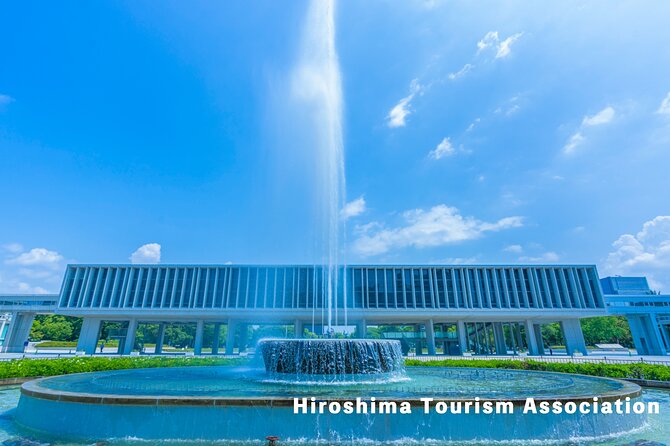
- Peace Memorial Park and the Museum
- Taking public transportation toward Miyajima
- Miyajima, Itsukushima Shrine, and the torii gate
- What the guides add to the day
- Is $231.24 per person good value?
- Timing, weather, and practical preparation
- Who should book this private Hiroshima tour?
- Should you book it?
- FAQ
- Where does the tour begin?
- How long does the tour last?
- Are the museum and shrine entrance fees included?
- Is lunch included?
- Does the tour use a private vehicle?
- Can I cancel for a full refund?
Key points at a glance
- Two very different Hiroshima experiences: Spend the morning with the city’s wartime past, then head to Miyajima for shrine architecture, sea views, local food, and deer-filled streets.
- Private guiding makes the memorials easier to understand: You can ask direct questions and discuss sensitive subjects at your own pace.
- Yuta receives repeated praise for flexibility: He has adjusted meeting points, helped with train bookings, found food for picky eaters, and taken photos during the day.
- The main entrance fees are included: Your guide fee, Itsukushima Shrine, and Peace Memorial Museum admission are covered.
- Public transportation is part of the experience: The tour does not include a private vehicle, so comfortable shoes and a little patience matter.
- Plan for a full day: The advertised duration is about 7 to 8 hours, with the start generally scheduled between 9:00 and 10:00 a.m.
Why this Hiroshima combination works
You could visit the Peace Memorial Park and Miyajima separately, but combining them gives the day a strong shape. Hiroshima begins with destruction and remembrance. Miyajima shifts the mood toward religious tradition, food, water, and natural beauty.
That contrast is the tour’s best feature. You are not asked to spend the whole day in a museum, nor are you whisked through a pretty island without understanding the city beside it. The guide connects the places and helps you see Hiroshima as a living city rather than only a symbol of 1945.
This is also a useful choice if you have just one day in the area. The schedule includes the essential memorial sites and the island’s main shrine, while leaving some room for questions, lunch, and local discoveries.
The private format matters here. At the museum, you may want to pause over a particular display or ask about a detail that a large group would pass by. At Miyajima, you can tell the guide if food, shopping, photography, or religious customs interest you most.
A few more Hiroshima tours and experiences worth a look
Starting at the Atomic Bomb Dome
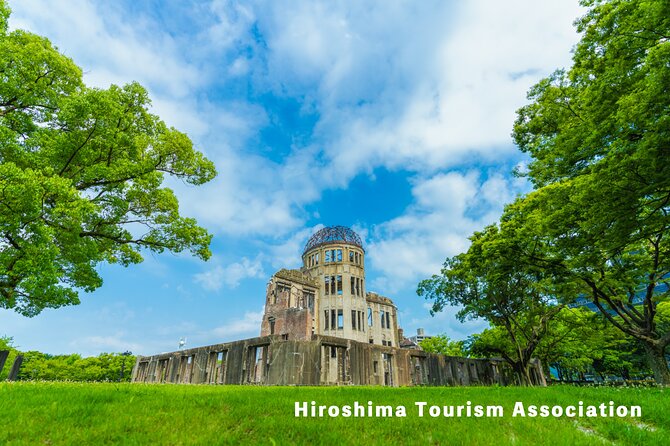
The tour begins at Hiroshima Station, with the morning start usually falling between 9:00 and 10:00. Some arrangements have included meeting a guide at a Hiroshima hotel lobby, but the stated meeting point is Hiroshima Station, so confirm the exact pickup plan before the day.
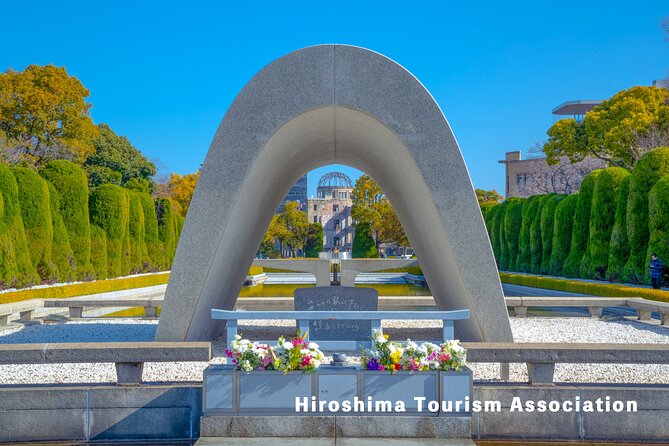
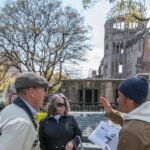
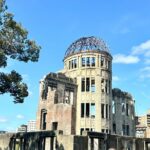
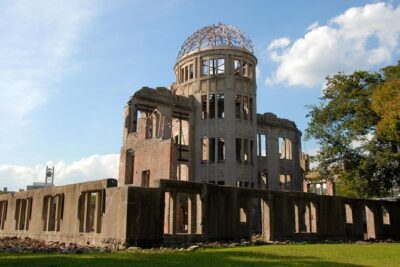
At the Atomic Bomb Dome, you spend about an hour hearing what happened in 1945 and how Hiroshima rebuilt itself afterward. The damaged structure is powerful because it remains an ordinary building in the middle of a modern city. Its presence makes the scale of the event easier to grasp than words alone.
This is not a quick photo stop. The guide explains the surrounding history and points out details many people would miss on their own. The supplied tour description also promises lesser-known places connected with the bombing, although the exact locations can vary with the guide and the day.
That flexibility is useful. Hiroshima’s memorial sites can feel overwhelming if you arrive without context. A private guide can explain what you are seeing without turning the visit into a rushed lecture.
Peace Memorial Park and the Museum
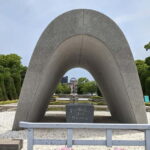
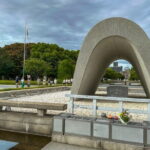
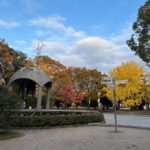
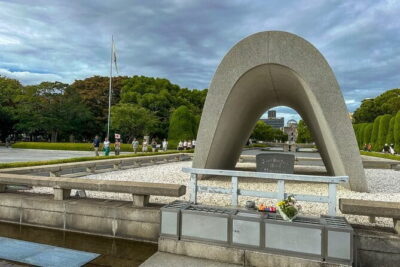
From the Dome, the route continues into Peace Memorial Park for about 40 minutes. This is a place where people come to pray for peace, and you should expect a quiet, reflective stretch rather than a standard sightseeing stop.
The park gives you time to absorb the setting before entering the museum. That order works well. You first see the city’s memorial spaces, then move indoors to confront personal objects and individual stories from the bombing and wartime period.
The Hiroshima Peace Memorial Museum receives about an hour and a half. Admission is included. Inside, the displays present real objects from the period and accounts of people affected by the attack. The material is difficult, and you may want to allow yourself a slower pace than the schedule suggests.
Your guide can help with context, but the museum is not something to treat casually or rush through for a checklist. If you are visiting with children or teenagers, the private format lets you discuss the exhibits in an age-appropriate way and take breaks when needed.
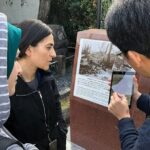
The museum is one of the strongest reasons to book a guide rather than simply buy an entry ticket. You can ask what a display means, connect it to other places in the park, and talk through questions as they arise. Guides Yuta and Keiko have been praised for being warm, clear, and willing to share personal perspectives about Hiroshima and Japanese culture.
Taking public transportation toward Miyajima
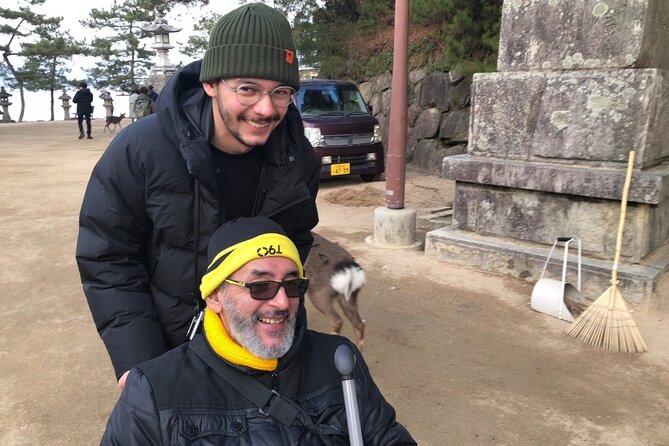
After the memorial sites, you head to Miyajima by public transportation. The day may involve local trains and a ferry, and transportation itself is not included as a private service. You should expect the ordinary movement of a Hiroshima day, not a waiting vehicle outside each stop.
That is both a limitation and part of the appeal. A private car would be easier, especially for families or anyone with mobility concerns, but public transit places you in the same daily rhythm as local residents. Your guide handles the route and helps reduce the confusion of transfers.
The total return segment is listed at about one hour and ten minutes. Actual timing can depend on connections, crowds, weather, and how long you spend at each place. Keep some flexibility in your plans after the tour instead of booking a tight evening reservation.
The tour is suitable for most people, and service animals are allowed. Still, the day includes walking, station movement, ferry travel, shrine grounds, and time on your feet. Comfortable shoes are more important than stylish ones here.
Miyajima, Itsukushima Shrine, and the torii gate
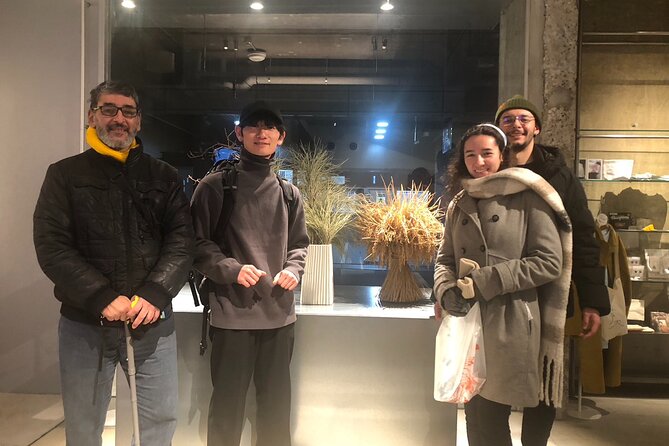
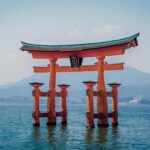
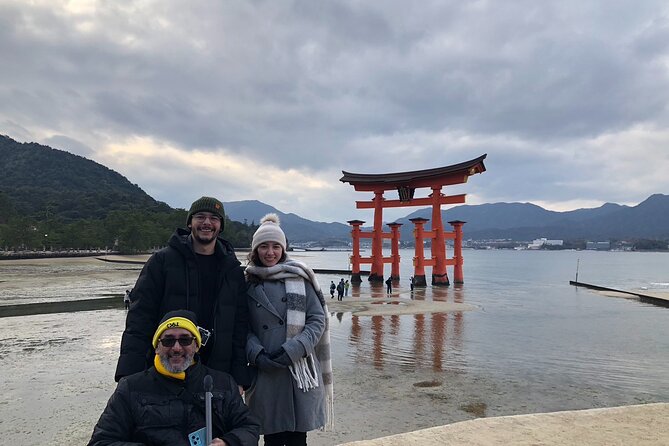
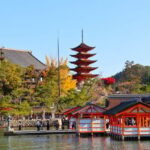
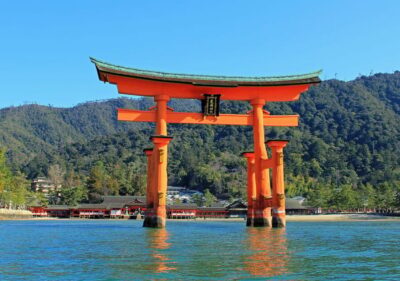
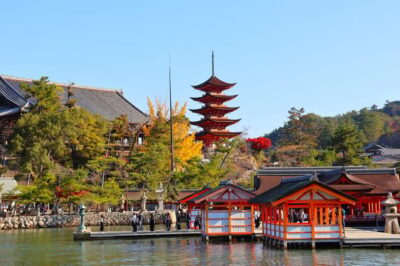
Miyajima receives about two hours in the main itinerary, followed by about 40 minutes at the shrine’s torii gate. The island is known for Itsukushima Shrine and its red gate, which appears to float above the water under the right tide conditions.
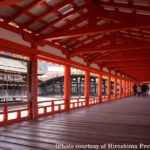
The gate is the picture most people have in mind, but the shrine itself deserves time. Your guide explains the customs and traditions connected with the site, helping you understand more than the architecture and the camera angles.
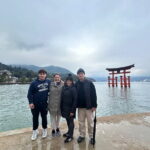
The view changes with the tide. The gate may appear surrounded by water, or you may see the shoreline around its base. The tour description specifically highlights the gate above the water, but the exact appearance on your day depends on tide timing and conditions.
Miyajima also provides a welcome change after the museum. You can walk through the island’s streets, look for local food, and browse souvenirs along Kiyomori Street. The pace is more relaxed, although the island can still require plenty of walking.
You may encounter local specialties such as oysters, scallops, Hiroshima-style okonomiyaki, fried fish, maple-leaf-shaped sweets, chocolate, and regional beer. These are not included in the price, but the guide can help you choose. One particularly useful part of the private format is the ability to explain food preferences and find a suitable lunch rather than accept the first available option.
Lunch is not formally scheduled as an included meal. You should budget both time and money for it. If food is important to you, tell the guide early so the island portion can include a proper stop rather than leaving you to eat hurriedly at the end.
A few more Hiroshima tours and experiences worth a look


What the guides add to the day
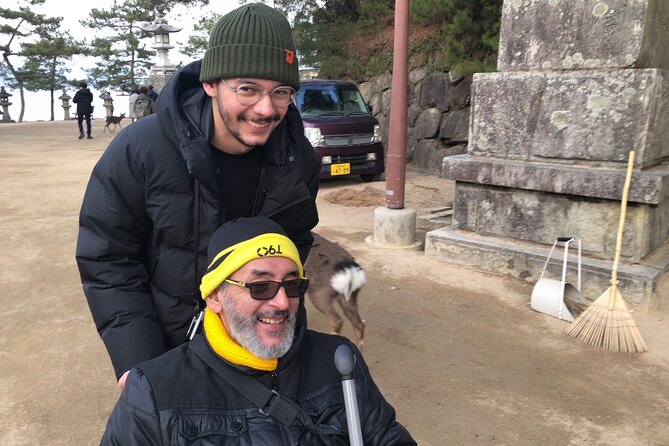
A private tour succeeds or fails largely on the guide. The strongest experiences associated with this tour involve Yuta, Keiko, and Uta, with Yuta appearing especially often in the available feedback.
Yuta is described as friendly, well-informed, and easy to communicate with before the tour. He has met groups at hotels, adapted plans to personal interests, helped arrange onward train travel, taken photographs, and made the day work in rain and during holiday periods.
That practical help can be worth as much as the formal commentary. If you want anime shops, extra local sights, specific foods, or more time discussing Japanese culture, a private guide can adjust the day in ways a fixed group tour cannot.
Keiko is described as professional, flexible, fun, and willing to share personal stories. That personal connection can add a human dimension to Hiroshima, provided you are comfortable with conversation about difficult history.
The guide will also take photographs and provide photo data, which is a thoughtful inclusion for couples and families. You can focus on the visit instead of constantly asking strangers to take pictures.
The quality of the day still depends on matching expectations. If you prefer to explore alone, spend several hours in the museum, or move at a very slow pace, the fixed combination of Hiroshima and Miyajima may feel busy. If you want interpretation, company, and help with logistics, the format is much stronger.
Is $231.24 per person good value?
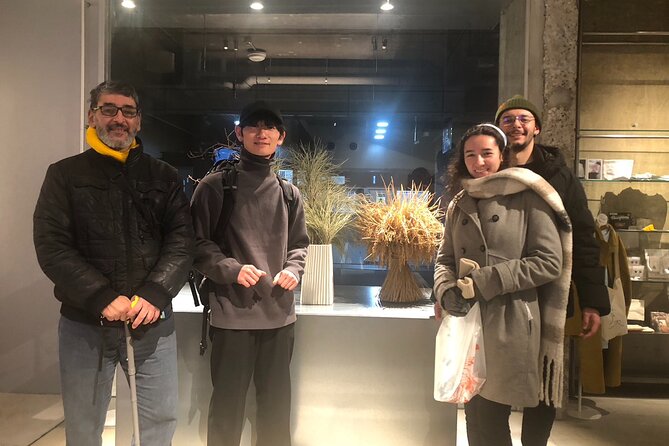
The listed price is $231.24 per person, with group discounts available. That is a serious price for a day of sightseeing, but the value improves as your private group grows because you receive a dedicated guide rather than joining strangers.
The fee includes the certified guide, admission to the Peace Memorial Museum, admission to Itsukushima Shrine, and photo data. Lunch, drinks, public transportation, and any private vehicle are not included.
For a couple, the price is best justified if you value explanation and convenience. You are paying for someone who can answer questions, manage the route, adapt food stops, help with photography, and bring local context to places you could technically visit yourself.
For a family or larger group, the private arrangement may compare more favorably with several separate tickets and a group tour. It also lets parents adjust the pace and keep children engaged. One family experience included a guide teaching children some Japanese during the day, which shows how the format can become more personal than a standard lecture.
You should not book this expecting luxury transport. The tour uses public transportation, and your food and drink costs are separate. Think of the price as paying for access, interpretation, planning, and flexibility rather than an all-inclusive vehicle-based excursion.
Timing, weather, and practical preparation
Allow 7 to 8 hours, and avoid scheduling a long-distance train immediately after the advertised finish. The route has several moving parts, and Miyajima’s ferry and public transit connections leave less room for delay than a private vehicle.
Rain does not make the tour impossible. One day described in the supplied material was rainy and cold, yet the group still visited the memorial sites and Miyajima, with cherry blossoms adding a seasonal reward. Even so, poor weather can reduce the impact of the torii gate and make island walking less pleasant.
Bring comfortable shoes, weather protection, and enough money for lunch, drinks, snacks, and transport. An accessible private vehicle is not part of the package, so ask specific questions before booking if you need transport accommodations.
The tour is offered daily during the stated operating periods, with morning start times listed between 9:00 and 10:00. Confirmation arrives at booking, and free cancellation is available if you cancel at least 24 hours before the start time. Changes or cancellations inside that window are not accepted for a refund.
Who should book this private Hiroshima tour?
I would choose this for a first visit to Hiroshima, especially if you have only one full day and want both the memorial district and Miyajima. It is also a good fit for families, couples, and small groups with different interests.
History-focused visitors will appreciate the time at the Dome, park, and museum. Food lovers can use the private guide to seek out island specialties. First-time visitors to Japan may also value help with trains, ferries, etiquette, and shrine customs.
I would think twice if your main goal is a slow Miyajima hike, a long museum visit, or an inexpensive sightseeing day. The schedule covers a lot, but it cannot give every location unlimited time.
Should you book it?
Book this tour if you want Hiroshima’s memorial sites explained carefully, then want an easy transition to Miyajima’s shrine, torii gate, food, and shopping streets. The private setup, included admissions, photo help, and adaptable guiding give the day real practical value.
Skip it if you are comfortable planning trains and ferries yourself and would rather spend the money on extra nights or independent meals. For most first-time visitors with one day in Hiroshima, though, this is a thoughtful way to connect the city’s painful past with its continuing life and beauty.
FAQ
Where does the tour begin?
The stated meeting point is Hiroshima Station at 1-2-37 Matsubaracho, Minami Ward, Hiroshima. Some arrangements have included hotel-lobby pickups, so confirm your exact meeting place after booking.
How long does the tour last?
The experience lasts approximately 7 to 8 hours. The listed return journey to Hiroshima Station or a Hiroshima city hotel by public transportation takes about 1 hour and 10 minutes.
Are the museum and shrine entrance fees included?
Yes. The tour includes admission to the Hiroshima Peace Memorial Museum and Itsukushima Shrine.
Is lunch included?
No. Food and drinks are not included. You can use the Miyajima portion of the day to find lunch and local specialties along Kiyomori Street.
Does the tour use a private vehicle?
No. Private transportation and an air-conditioned vehicle are not included. The return to Hiroshima Station or your Hiroshima city hotel is by public transportation.
Can I cancel for a full refund?
Yes, if you cancel at least 24 hours before the experience start time. Cancellations or changes made less than 24 hours before the start are not accepted for a refund.
More Hiroshima City Tours in Hiroshima
More Peace Memorial Tours in Hiroshima
More Miyajima Tours in Hiroshima
More tours in Hiroshima we've reviewed


Miyajima Tours, compared.
 ★ 5.0Peaceful Hiroshima & Miyajima UNESCO 1 Day Bus TourFrom $129
 ★ 4.9Hiroshima: Hiroshima and Miyajima UNESCO Sites 1-Day TourFrom $1228 hours
 ★ 5.0Hiroshima / Miyajima Full-day Private Tour with Government Licensed GuideFrom $202
 ★ 4.7Osaka/Kyoto: Hiroshima Miyajima Bus Tour & Shinkansen TicketFrom $27712 hours
 ★ 4.7From Hiroshima: Hiroshima & Miyajima 1 Day Tour with LunchFrom $1168 hours
 ★ 5.0Hiroshima and Miyajima Day Trip with Itsukushima Shrine & FerryFrom $45
