
Reviewed · PEACE MEMORIAL TOURS
Echoes of Peace – A Soul-Stirring Koto Concert in Hiroshima
The most striking part of this 30-minute koto concert is its setting near Hiroshima Peace Memorial Park. The music connects an old Japanese instrument with a city shaped by loss, recovery, and hope. The program moves from Bach and Pachelbel to John Lennon and modern pop arrangements, so you get more than a formal display of tradition.
I like the small group size, limited to 10 people, and the chance to speak with the performer in English after the concert. I also like the clear value: at $25, you get live music, a short story about the koto, and a peaceful cultural stop that fits easily into a busy Hiroshima day.
The main thing to weigh is the short length. This is a focused introduction, not a full concert evening. The peace theme is present, but the exact balance of peace-related music and other pieces may vary, so book it for an intimate musical experience rather than a long memorial program.
In This Review
- Key points at a glance
- Why this koto concert fits Hiroshima so well
- Entering the small studio near the Peace Park
- A 25-minute program with a wide musical range
- What you learn about the koto
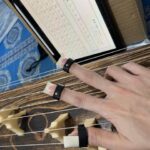
- The optional workshop: a chance to try the instrument
- How the $25 price measures up
- Who will enjoy this most
- A peaceful pause, with realistic expectations
- Should you book the koto concert?
- FAQ
- Where does the koto concert take place?
- How do I reach the meeting point by streetcar?
- How long does the activity last?
- What music will I hear?
- Is the activity offered in English?
- Is the koto workshop included?
- Who cannot join this activity?
Key points at a glance
- A compact live concert near Hiroshima Peace Memorial Park: The 25-minute performance fits neatly before or after a visit to the park.
- Music crosses centuries and styles: Hear Bach, Pachelbel, Ave Maria, Imagine, original work, and pop adaptations on the koto.
- A small group makes questions easier: With space for only 10 people, the setting feels personal rather than like a large stage show.
- The koto gets its own introduction: You learn about its history, craftsmanship, and spiritual meaning before the music begins.
- English conversation is included: You can speak with the performer after the concert without needing Japanese.
- An optional workshop adds hands-on time: If you want to try the instrument, ask about the post-concert mini-workshop.
Why this koto concert fits Hiroshima so well
Hiroshima offers powerful museums, memorials, and public spaces. After several hours of serious history, you may want something quiet that still connects with the city’s message. This concert does that through music rather than another display panel or formal talk.
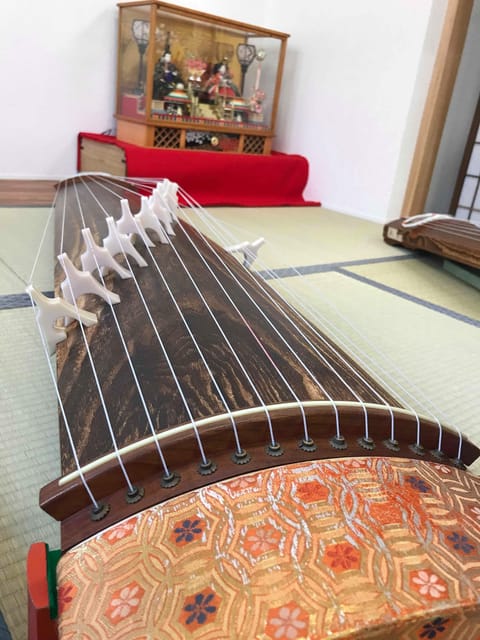
The koto is central to the experience. You hear it in traditional settings, but this program also uses it for familiar Western classical pieces and contemporary songs. That contrast helps you understand the instrument as a living art form, not a museum object.
The peace theme gives the concert extra weight. The program includes Echo of Serenity, an original piece dedicated to peace, along with music linked to remembrance and prayers for global harmony. Imagine brings a widely known modern song into that setting. You may find the connection moving, though the program also includes pieces chosen for musical range rather than only for their direct link to Hiroshima.
That mix is useful. If every piece focused on sorrow, the concert could feel heavy. If every piece were simply a display of technique, the location would feel less meaningful. Here, the program aims for a middle ground: reflection, beauty, and a few surprises.
A few more Hiroshima tours and experiences worth a look
Entering the small studio near the Peace Park
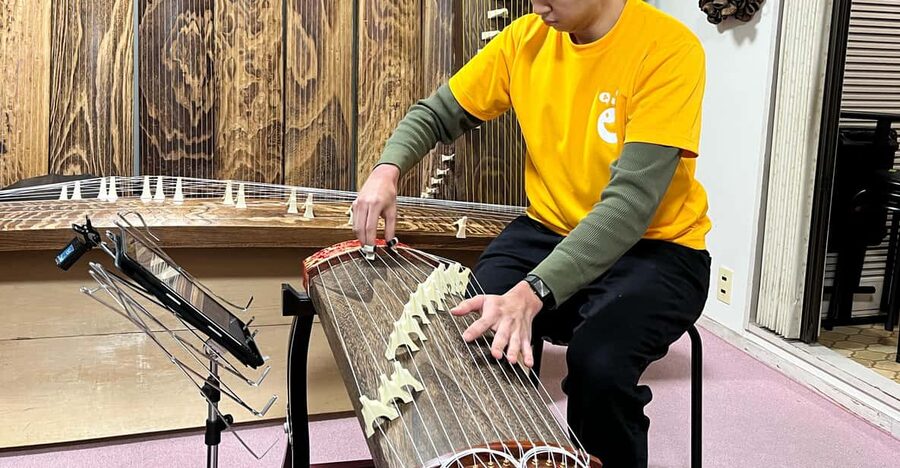
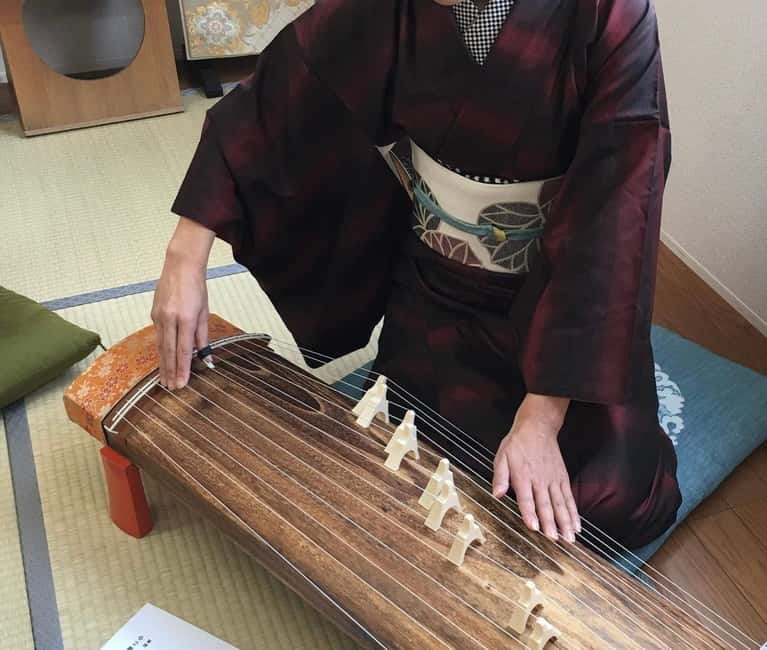
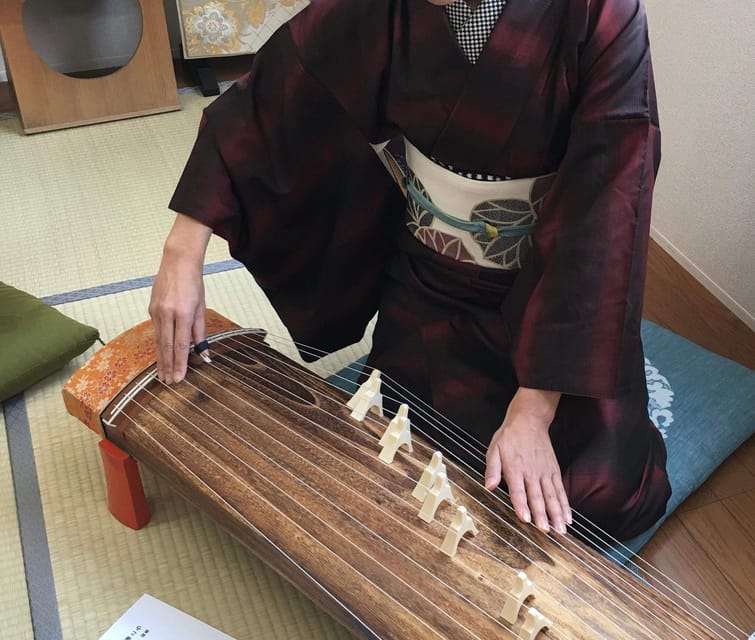
This is not a large concert hall. You meet at a serene space near Hiroshima Peace Memorial Park, where the small room and close seating put you near the performer and instrument. That setting suits the koto well. You can pay attention to the sound, the performer’s movements, and the shape of the instrument without the distance you get in a formal theater.
Finding the entrance takes a little care. If you come by streetcar, get off at Tatemachi Station. Walk straight along the street, using Tully’s coffee shop as a landmark. When you reach the okonomiyaki restaurant Gokku, written 悟空, turn right.
Look for the sign at the building, then go to the second floor. After leaving the elevator, you will see the entrance and can walk in. The directions are usable, but the outside sign could be clearer. Give yourself a few extra minutes, especially if you are trying to fit the concert between fixed sightseeing plans.
The location is practical for a day around the Peace Memorial Park, but transportation is not included. You make your own way there, and food is not part of the experience. The short format means you do not need to plan a meal around it, which is helpful in a city where your schedule may already include the museum, memorial sites, and central Hiroshima.
A 25-minute program with a wide musical range
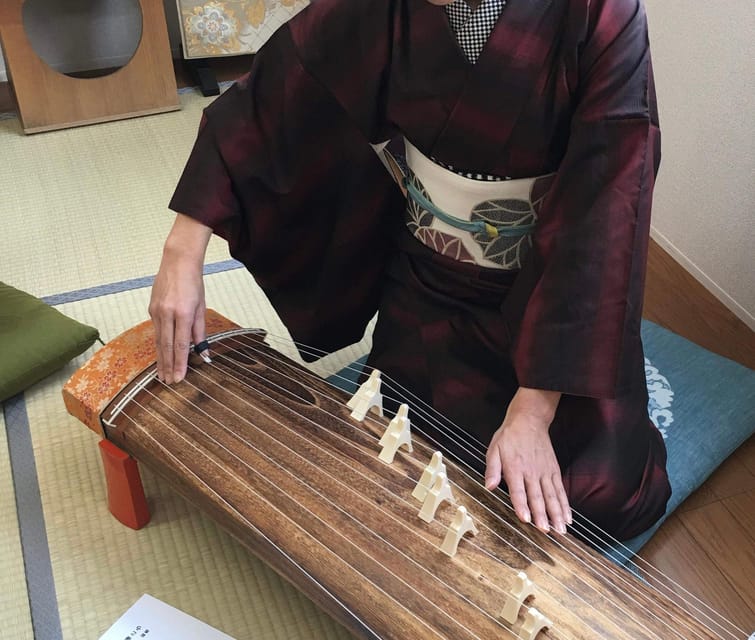
The performance itself lasts about 25 minutes, with the full activity listed as 30 minutes. That likely leaves room for the introduction and a little conversation. You should think of it as a cultural set, not an afternoon concert.
The program begins with context about the koto. You learn about its history, craftsmanship, and spiritual significance. This short explanation matters because it gives you a way to listen. Instead of hearing an unfamiliar instrument as simply beautiful or unusual, you gain a better sense of its place in Japanese culture.
The classical works offer a calm starting point. Bach’s Air on the G String, Ave Maria, and Pachelbel’s Canon in D are recognizable melodies, even if you do not know much about classical music. Hearing them arranged for koto lets you compare the instrument’s sound with the versions you may already know.
The original piece Echo of Serenity carries the clearest connection to the concert’s peace message. It is dedicated to peace and gives the performance a personal center. Music honoring atomic bomb victims and prayers for global harmony are also part of the stated theme.
Then the program shifts direction. John Lennon’s Imagine provides a familiar anthem of hope, while pop song adaptations show that the koto can handle music far removed from its classical roots. These changes keep the set from becoming solemn from beginning to end.
One point deserves a realistic note. The concert is promoted as a tribute to peace, but it is also designed to show the koto’s range. You may hear only a limited number of pieces directly focused on Hiroshima or remembrance. If that theme is your main reason for booking, ask about the current program when you arrive or before reserving.
What you learn about the koto
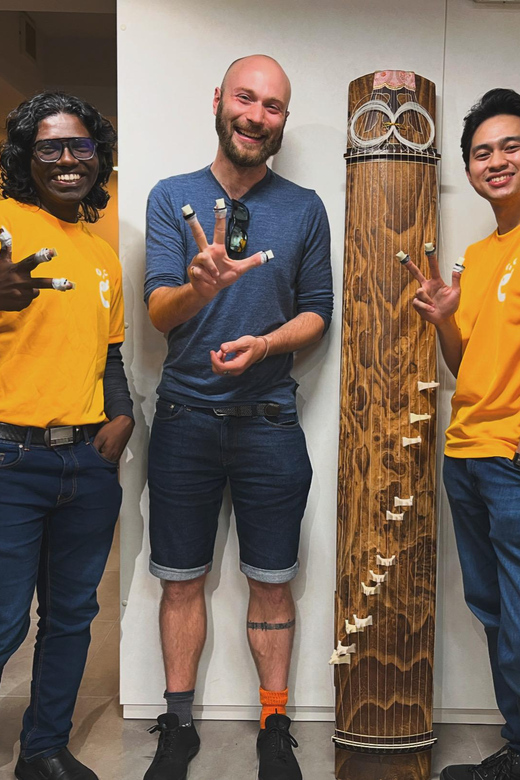
The introductory talk is brief, but it gives the activity more substance than a concert alone. You hear how the koto developed, learn about the care that goes into the instrument, and get an explanation of its spiritual role.
The details about craftsmanship are especially useful for first-time listeners. A koto can look simple from across a room, but the performance gives you a chance to notice the instrument as a carefully made object rather than a prop. The talk also prepares you for the contrast between old musical traditions and newer arrangements.
The English-speaking performer handles the introduction and conversation. That removes a common worry with small cultural activities in Japan: you are not left trying to understand a demonstration through gestures alone. The English portion is also valuable after the music, when you can ask about the pieces, the instrument, or the performer’s approach.
The information is not intended as a full music lesson. You will not leave with a complete course in Japanese music history. You will, however, have enough background to recognize why the koto remains useful in both traditional and modern settings.
The optional workshop: a chance to try the instrument
The post-concert mini-workshop is optional. The basic booking includes the performance, the koto story, and free conversation with the performer, while the workshop is an add-on for those who want hands-on time.
This choice keeps the main activity flexible. If you have a packed sightseeing schedule, you can attend the concert and leave after the conversation. If you want a more active cultural stop, the workshop gives you a chance to try the koto yourself.
Do not assume the workshop is part of the standard $25 price. It is listed as optional, so check the details when booking. The available information does not specify its length, exact cost, or what piece you will learn. Those are sensible questions to ask before you commit.
The workshop is likely best for adults and children old enough to follow instructions, but the experience is not suitable for children under 10. Alcohol and drugs are not allowed.
A few more Hiroshima tours and experiences worth a look

How the $25 price measures up
At $25 per person, this is a reasonable buy if you want a short cultural experience with real live music. You are paying for more than a recorded demonstration: the booking includes the koto performance, the cultural introduction, and time to speak with the performer in English.
The value is strongest for people already planning to visit central Hiroshima. Since the venue is near the Peace Memorial Park, you can add it without giving up half a day or arranging a separate excursion. Thirty minutes is enough to make the activity feel distinct, yet short enough to fit around a museum visit, lunch, or streetcar ride.
The same short length is also the limitation. If you expect a long concert with many traditional compositions, $25 may feel less attractive. This is a sampler with a thoughtful theme and varied repertoire. It is not a full evening of Japanese music.
The small group helps the price feel fair. A maximum of 10 people creates a more personal room than a large public performance, and the English conversation adds useful contact with the performer. The optional workshop may improve the value for you, but only if its extra fee and timing fit your plans.
Free cancellation up to 24 hours before the activity and reserve-now, pay-later booking give you some planning flexibility. Starting times vary, so check availability before building it into your Hiroshima schedule.
Who will enjoy this most
I would recommend the concert to you if you want a calm activity with cultural meaning and do not need a long performance. It works especially well for:
- First-time visitors who want an introduction to Japanese music
- People visiting the Peace Memorial Park who want a quiet follow-up
- Classical music fans curious about new arrangements
- Anyone interested in how traditional instruments work in modern music
- Couples or solo visitors who prefer small, reflective activities
- Families with children aged 10 and older who can sit quietly for a short concert
The mix of Bach, Pachelbel, Ave Maria, Imagine, original music, and pop adaptations gives the program broad appeal. You do not need to recognize every piece to enjoy the sound, and familiar tunes make the koto easier to approach.
You may want to skip it if you are looking for a large-scale show, a long lesson, or a concert devoted entirely to traditional Japanese compositions. You should also allow time to find the entrance, since the exterior sign may not be as clear as you expect.
The activity has received an overall rating of 4.5 from five bookings. The strongest praise centers on the music, the unusual instrument, the interesting presentation, and the intimate studio setting. One attendee particularly appreciated the performer’s charm and PowerPoint presentation, while another found the koto a memorable link to Asian history. Those details point to the real strength here: personal contact and a clear introduction, not spectacle.
A peaceful pause, with realistic expectations
Hiroshima can make you think hard. This concert gives you 30 minutes to listen, learn, and consider a message of peace without asking you to process another large block of historical information.
I like the way the program joins sorrow and hope. The music honoring atomic bomb victims gives the setting meaning, while Canon in D, Bach, and pop arrangements keep the mood from becoming too narrow. The result should feel gentle and thoughtful rather than solemn throughout.
Still, the experience depends on what you want from the word peace. If you expect every piece to be a direct memorial to the victims, you may find the pop and classical selections less focused than expected. If you see the concert as a small cultural exchange in a city associated with peace, the balance makes more sense.
Should you book the koto concert?
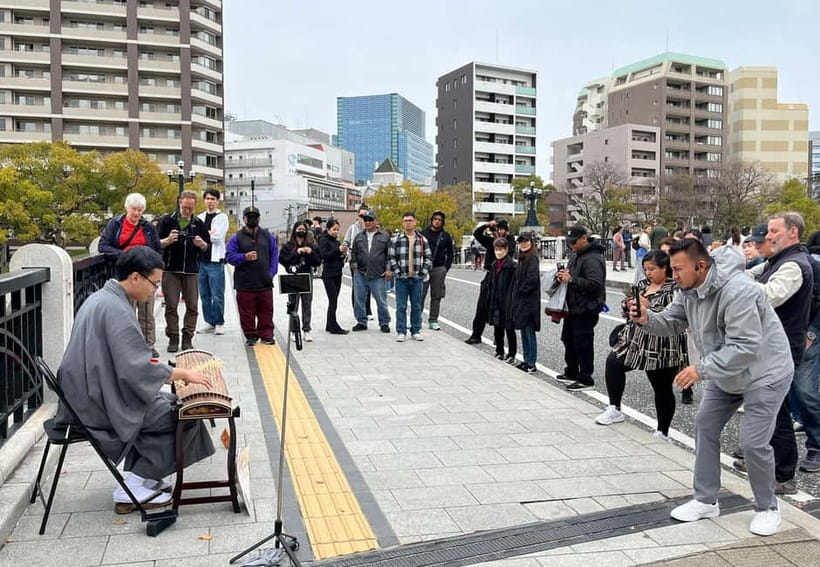
Book it if you want a short, personal introduction to Japanese music near the Peace Memorial Park. At $25, the live performance, English explanation, and conversation offer solid value, especially when you want a quiet break from Hiroshima’s larger sites.
Keep your expectations measured. This is a 25-minute concert with a broad program, not a full traditional recital or a detailed workshop. Check the current peace-focused selections and optional workshop cost if those points matter most to you.
For a small group, an unusual instrument, and music that links Japanese tradition with familiar Western and modern songs, I think this is a worthwhile addition to a Hiroshima day.
FAQ
Where does the koto concert take place?
It takes place in a serene space near Hiroshima Peace Memorial Park in Hiroshima, in the Chugoku Region of Japan.
How do I reach the meeting point by streetcar?
Get off at Tatemachi Station. Walk straight, using Tully’s coffee shop as a landmark. At the okonomiyaki restaurant Gokku, written 悟空, turn right. Follow the sign, go to the second floor, and enter after leaving the elevator.
How long does the activity last?
The full activity lasts 30 minutes, including the live concert and cultural introduction. The concert itself lasts about 25 minutes.
What music will I hear?
The program can include Echo of Serenity, John Lennon’s Imagine, Bach’s Air on the G String, Ave Maria, Pachelbel’s Canon in D, modern pop arrangements, and original compositions.
Is the activity offered in English?
Yes. The instructor and cultural introduction are in English, and free conversation with the koto performer in English is included.
Is the koto workshop included?
The workshop is optional and available as a post-concert add-on. The standard inclusions are the live performance, the story of the koto, and conversation with the performer.
Who cannot join this activity?
The activity is not suitable for children under 10. Alcohol and drugs are not allowed. Transportation, food, and glasses are not included.
More Tea Ceremony & Kimono Experiences in Hiroshima
More Hiroshima City Tours in Hiroshima
More Peace Memorial Tours in Hiroshima


More tours in Hiroshima we've reviewed

Peace Memorial Tours, compared.
 ★ 4.8Hiroshima Historical Walking Tour – Why A-Bomb was DroppedFrom $352h 30m
 ★ 5.0Hiroshima Peace (Heiwa) Walking Tour at World Heritage SitesFrom $94
 ★ 4.9Hiroshima: Miyajima Peace Memorial Icons of Peace and BeautyFrom $1638 hours
 ★ 5.0Hiroshima Walking Tour Why A Bomb was dropped to HiroshimaFrom $28
 ★ 5.0Hiroshima 2hr Peace Cycling Tour with Local GuideFrom $59
 ★ 4.8Hiroshima: Peace Cycling Tour with Local GuideFrom $522 - 3 hours
