
Reviewed · PEACE MEMORIAL TOURS
Discover the Soul of Hiroshima: A Peace-Themed Koto Workshop
Hiroshima’s peace message is usually told through museums, monuments, and memorial parks. This small koto workshop offers a quieter way to meet that history, using the resonant 13-string instrument and a piece called Echo of Serenity, written as a musical prayer for atomic bomb victims.
I like two things here: you get genuine hands-on time with an instrument that has a 1,300-year history, and you leave with both a recording of your final performance and a handfolded origami crane. The main consideration is the price for 90 minutes, especially if you want a full sightseeing tour rather than a focused cultural lesson.
In This Review
- Key points to know before booking
- Meeting the koto in central Hiroshima
- Understanding a 13-string instrument with 1,300 years behind it
- Hearing Echo of Serenity before you play
- Learning posture, plucking, and a simple final piece
- The group performance and your personal video
- Folding peace into a small souvenir
- What the $46.24 price includes
- Who will get the most from this experience
- Timing your Hatchobori visit
- A serious theme with a welcoming teaching style
- Should you book the Hiroshima koto workshop?
- FAQ
- Where does the Hiroshima koto workshop meet?
- Where does the activity end?
- How long does the workshop last?
- How many people can join the workshop?
- Do I need musical experience?
- Is instruction available in English?
- What is included in the price?
- Can I cancel for a full refund?
Key points to know before booking
- A peace-themed performance: You learn and perform Echo of Serenity, a piece connected to Hiroshima’s message of peace.
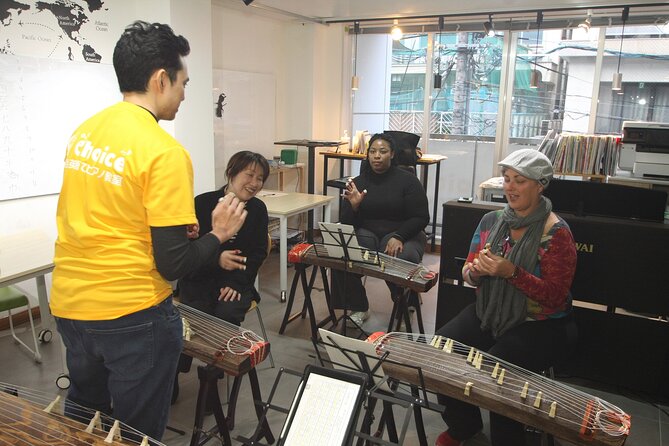
- A very small class: The maximum group size is six, giving you useful personal attention from the instructor.
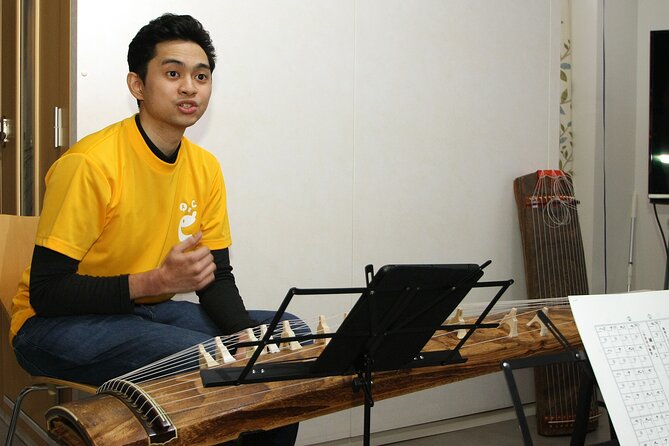
- A friendly first lesson: No musical experience is required, and Hanz guides you through posture and plucking.
- A meaningful keepsake: Your final group performance is recorded, and you receive an origami crane to take home.
- A central Hiroshima meeting point: The workshop begins and ends at Ishida Dai 2 Building in Hatchobori, near public transportation.
- A short, focused outing: The experience lasts about 1 hour and 30 minutes and includes koto use, coffee or tea, and soda or pop.
Meeting the koto in central Hiroshima
The workshop takes place at 84 Ishida Dai 2 Building in Hatchobori, Naka Ward, Hiroshima, postal code 730-0013. It begins and ends at the same address, so you do not need to plan a separate pickup or return transfer.
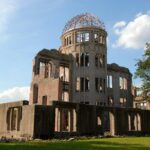
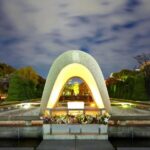
That matters in Hiroshima, where your day may already include the Peace Memorial Park, the Atomic Bomb Dome, shopping streets, and dinner. This activity fits neatly into a sightseeing schedule because it lasts about 90 minutes and does not require private transportation.
The setting also keeps the focus on the lesson. You are not being moved from one attraction to another. You sit with the instrument, meet the instructor, and spend the hour and a half learning what the koto can express.
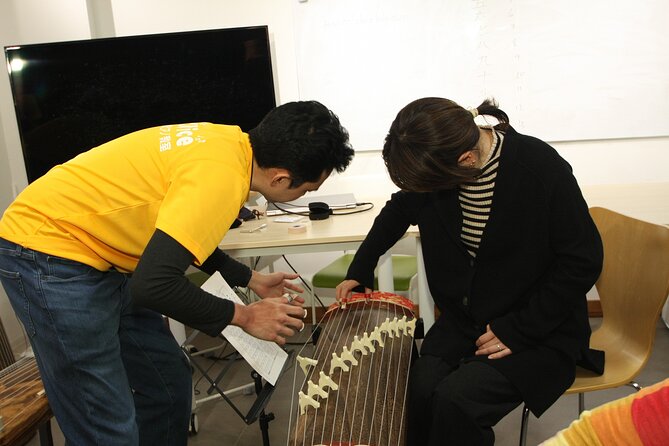
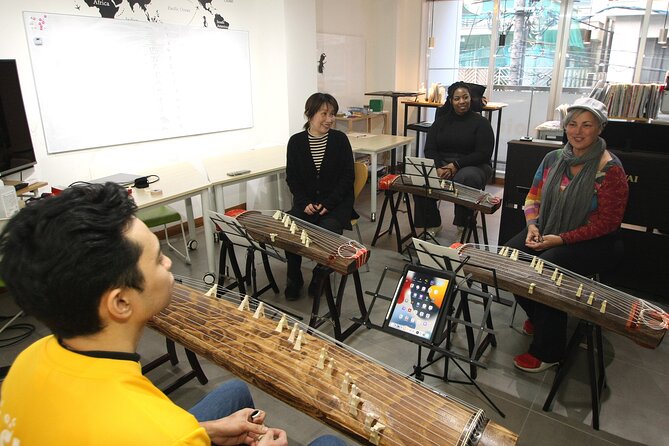
The class is capped at six people. That is one of the best practical features of the experience. A beginner can need help with hand position, posture, and plucking, and a small group gives the instructor more room to notice those details.
A few more Hiroshima tours and experiences worth a look
Understanding a 13-string instrument with 1,300 years behind it
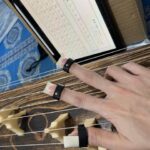
The koto is an elegant Japanese zither with 13 strings. Before you play, you learn about its long history and the meaning built into its design.
The introduction also connects the instrument to Fukuyama City, described as the center of koto craftsmanship in Japan. More than 70 percent of Japan’s kotos are said to be made there. That detail gives the lesson a useful regional connection rather than treating the instrument as a museum object from an undefined past.
You also hear about the symbolism behind parts of the koto. The available information does not specify every symbol or design feature in advance, so you should think of this as a guided introduction rather than a formal lecture. The point is to understand how craft, music, and Japanese tradition meet in one object.
I like this opening because it gives the practical lesson some shape. You are not simply shown where to put your fingers. You first learn why the instrument matters, then use it yourself.
Hearing Echo of Serenity before you play
A central part of the workshop is a performance of Echo of Serenity. The piece honors people killed by the atomic bombing of Hiroshima and uses the koto’s sustained, resonant sound to express grief and hope.
This is where the activity differs from an ordinary beginner music class. The music has a clear connection to Hiroshima, so the lesson carries emotional weight without relying only on spoken explanation. The instrument’s sound gives the peace theme a calm, reflective quality.
You should expect a serious moment here. This is not simply a cheerful cultural craft session with a quick performance at the end. The subject is Hiroshima’s wartime suffering, and the workshop treats it as something to consider with care.
That tone may suit you if you want your Hiroshima activities to include reflection as well as sightseeing. If you prefer a light, purely recreational class, the peace-centered piece may feel more solemn than expected.
Learning posture, plucking, and a simple final piece
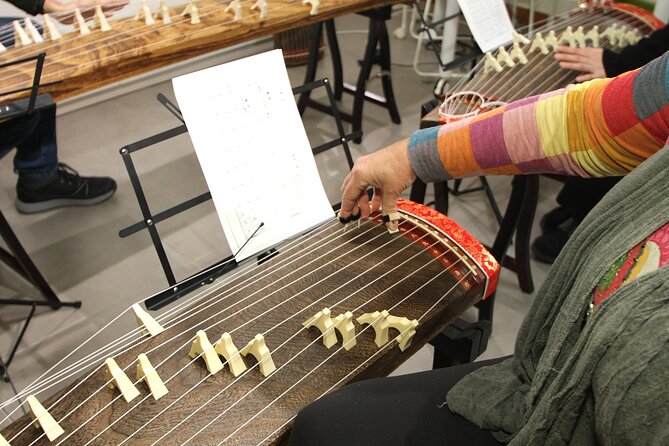
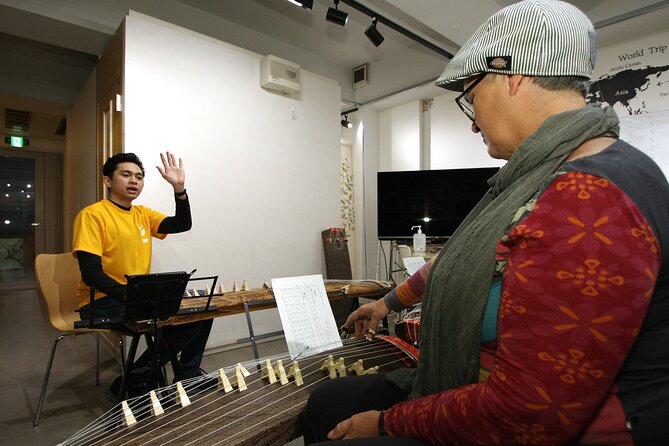
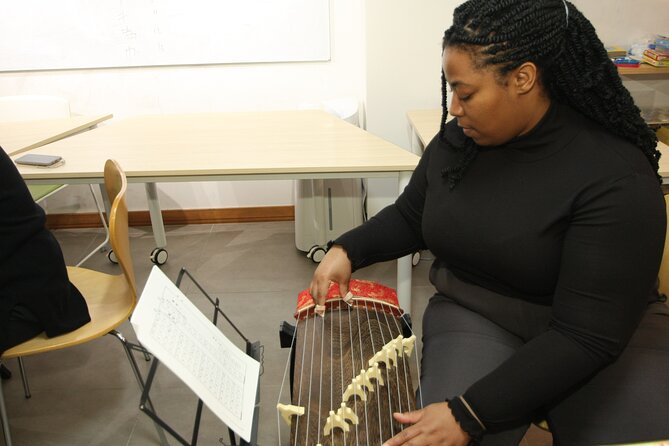
After the introduction and reflective performance, the instructor teaches you how to play. No previous musical training is needed. The lesson covers basic posture and plucking techniques, with English-language guidance available.
The emphasis is on getting you involved quickly, not turning you into a koto specialist in one sitting. You learn enough to take part in the selected piece and prepare for the group performance.
A past participant singled out Hanz for making the lesson feel easy and comfortable, as well as for explaining some of the instrument’s history. That is useful information for a beginner. A traditional instrument can look intimidating, but the teaching approach is designed to help you try it without feeling self-conscious.
You should still keep your expectations realistic. Ninety minutes is enough for an introduction and a short performance, not for a full technical study of koto music. You will gain a taste of the instrument, some cultural context, and a memorable shared result.
The group format adds a little pressure, but also makes the final piece possible. You are not expected to perform a long solo. Instead, you contribute to an ensemble of beginners and the instructor.
The group performance and your personal video
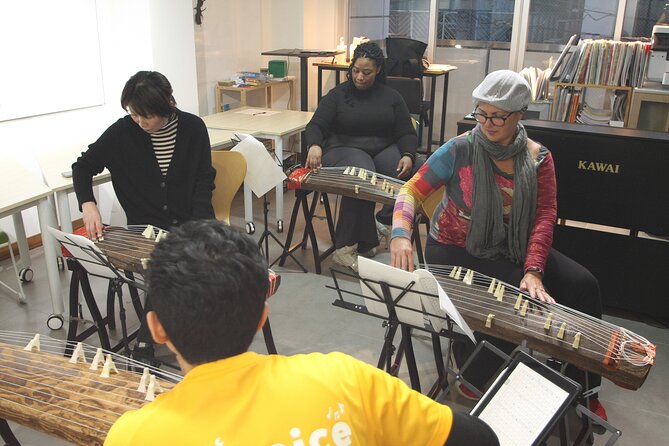
The workshop ends with a group performance of Echo of Serenity. The instructor accompanies you, giving the piece more shape and helping the group stay together.
Your performance is recorded, and the video becomes your main personal souvenir. This is more useful than a generic photograph because it captures the sound, the setting, and your own participation. You can share it with family or friends who were not in Hiroshima.
The video also gives the class a clear finish. You have something specific to work toward, even if your goal is simply to pluck the strings correctly and enjoy the experience.
The recording should not be mistaken for a polished concert production. It is a keepsake of a beginner group performance. That is part of its charm, but it also means you should book this for the memory rather than for professional-quality audio or video.
A few more Hiroshima tours and experiences worth a look

Folding peace into a small souvenir
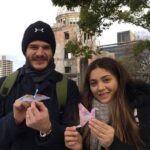
You also take home a handfolded origami crane. In Hiroshima, the paper crane is a widely recognized symbol of peace and hope, so this small gift connects your workshop to the city’s wider message.
The crane is easy to pack and easy to explain when you return home. It can serve as a prompt to talk about Hiroshima, the workshop, or the meaning of peace with someone who has never visited Japan.
I find this more thoughtful than a standard branded souvenir. It does not take up much space, and its meaning comes from the place rather than from the activity’s sales pitch.
The activity description says the crane is meant to share its meaning with others. That makes it part of the experience’s purpose, not just an extra item handed over at the door.
What the $46.24 price includes
At $46.24 per person, this is not the cheapest way to spend 90 minutes in Hiroshima. Its value depends on what you want from the outing.
The fee includes use of the koto, instruction, the group performance, the performance video, and the origami crane. Coffee or tea and soda or pop are also included. You are paying for a small class with a cultural theme, not simply for entry to a room with an instrument.
The maximum of six people improves the value. A larger class might offer the same basic explanation, but it would give you less time with the instructor and less help during the playing portion. Here, the small number supports the beginner-friendly format.
The video matters when comparing this with other short cultural activities. You receive something that records your participation, rather than only an explanation or demonstration. The crane adds another small, meaningful reminder.
Still, I would not call it a bargain if you are measuring only minutes of activity. The workshop makes the most sense for someone who values personal instruction, cultural context, and the Hiroshima peace connection. If you only want to hear traditional Japanese music, a performance elsewhere may be a better fit.
Group discounts are available, which may improve the price for people booking together. The maximum group size is six, so this is also well suited to a family group or a small set of friends who want to share the same memory.
Who will get the most from this experience
This workshop suits first-time visitors who want an activity tied closely to Hiroshima. It also works for people who have already visited the main memorial sites and want a different way to think about the city.
You do not need to read music or play an instrument. The lesson begins with basic instruction, so complete beginners can take part. The small class and English-speaking instruction are especially helpful if you feel uncertain about trying a traditional instrument.
It is a good choice for:
- Couples wanting a calm, shared cultural activity
- Families with an interest in music and peace education
- Solo visitors who enjoy guided hands-on lessons
- Small groups that can use the group discount
- Anyone seeking a compact activity near central Hiroshima
The workshop may be less suitable if you want a long concert, a private class, or a broad tour of Hiroshima’s sights. It is also not a replacement for visiting the Peace Memorial Museum or memorial sites. It offers a different kind of reflection through music.
Most people can participate, and service animals are allowed. The activity is near public transportation, though private transportation is not included.
Timing your Hatchobori visit
Because the class starts and ends at the same meeting point, you can combine it with other central Hiroshima plans. Give yourself enough time to reach Hatchobori before the start, especially if you are coming from a memorial site or another part of the city.
The average booking time is 68 days ahead. That suggests you should not wait until the last minute if the workshop is important to your schedule, particularly because only six places are available in each session.
The published cancellation terms are simple: you receive a full refund if you cancel at least 24 hours before the start time. Cancellations or changes made less than 24 hours before the start are not accepted for a refund. The cut-off uses local Hiroshima time.
Coffee, tea, and soda or pop are included, but this is not a meal. Plan food separately if you need lunch or dinner around the activity.
A serious theme with a welcoming teaching style
The strongest balance in this workshop is between subject and tone. Hiroshima’s peace message is handled through a reflective piece, but the actual lesson remains approachable and practical.
You learn by doing. You sit at the koto, work on posture and plucking, and then join an ensemble. That helps keep the activity from becoming a lecture about history, while the historical context keeps it from feeling like a generic music class.
The available feedback specifically praises Hanz for being helpful and making the participant feel at ease. That is the kind of detail I look for in a beginner activity. A lesson can have an interesting subject and still fail if the teacher makes people nervous. Here, the teaching style appears to be one of the main strengths.
The rating is 5 out of 5 from three reviews, a small sample rather than a large body of evidence. I would treat that as encouraging but not conclusive. The strongest repeated takeaway available is clear, friendly instruction paired with the pleasure of actually playing the koto.
Should you book the Hiroshima koto workshop?
Book it if you want a short, personal activity that connects traditional Japanese music with Hiroshima’s peace message. The small group, English-speaking instruction, beginner-level approach, performance video, and origami crane give the $46.24 fee a solid purpose.
I would especially recommend it after you have seen some of Hiroshima’s major historical sites. The workshop will not replace those visits, but it can give your day a quieter and more personal ending.
Skip it if your priority is a full city tour, a long professional concert, or the lowest possible cost. For everyone else, this is a thoughtful way to spend 90 minutes, with enough hands-on practice to make the city’s message feel personal rather than abstract.
FAQ
Where does the Hiroshima koto workshop meet?
The meeting point is Japan, 730-0013 Hiroshima, Naka Ward, Hatchobori, 84 Ishida Dai 2 Building.
Where does the activity end?
The workshop ends back at the same meeting point where it begins.
How long does the workshop last?
The experience lasts approximately 1 hour and 30 minutes.
How many people can join the workshop?
The maximum group size is six participants.
Do I need musical experience?
No. The workshop is designed for beginners and teaches basic posture and plucking techniques.
Is instruction available in English?
Yes. English-speaking instructors guide participants through the lesson.
What is included in the price?
The price includes use of a koto, instruction, coffee or tea, and soda or pop. You also receive a video of the final performance and a handfolded origami crane.
Can I cancel for a full refund?
Yes. You can cancel for a full refund up to 24 hours before the experience start time. Cancellations or changes made less than 24 hours before the start are not accepted for a refund.
More Tea Ceremony & Kimono Experiences in Hiroshima

More Hiroshima City Tours in Hiroshima
More Peace Memorial Tours in Hiroshima


More tours in Hiroshima we've reviewed



Peace Memorial Tours, compared.
 ★ 4.8Hiroshima Historical Walking Tour – Why A-Bomb was DroppedFrom $352h 30m
 ★ 5.0Hiroshima Peace (Heiwa) Walking Tour at World Heritage SitesFrom $94
 ★ 4.9Hiroshima: Miyajima Peace Memorial Icons of Peace and BeautyFrom $1638 hours
 ★ 5.0Hiroshima Walking Tour Why A Bomb was dropped to HiroshimaFrom $28
 ★ 5.0Hiroshima 2hr Peace Cycling Tour with Local GuideFrom $59
 ★ 4.8Hiroshima: Peace Cycling Tour with Local GuideFrom $522 - 3 hours
