
Reviewed · HIROSHIMA CITY TOURS
Hiroshima Scenic Cycling Guided Tour
Hiroshima’s best cycling surprise is how quickly an electric-assisted bike carries you from the solemn Peace Memorial Park to quiet temple paths outside the city center. I like the route for two clear reasons: it gives you a broad view of Hiroshima in one morning, and it takes you to Mitaki Temple, a place many first-time visitors miss.
I also like the small group of no more than eight people, which makes it easier to hear the guide and ask questions. Guides such as Joshua add local stories rather than simply pointing out monuments. The catch is that an e-bike does not do all the work. You still pedal uphill, and the tour calls for moderate fitness, a knee bend of about 90 degrees, and care in hot summer weather.
In This Review
- Key points to know before you book
- Why this route gives you more than a Peace Park visit
- Starting at Lucky Bakery at 10 a.m.
- Peace Memorial Park: Hiroshima’s essential first chapter
- Hiroshima Castle: moat views and fortress grounds
- Mitaki Temple: the ride’s quiet reward
- Ending near JR Yokogawa Station after lunch
- What the $73.57 price really buys you
- How fit do you need to be?
- The guide makes the difference
- Who should book this Hiroshima ride?
- Final call: a smart choice for active first-time visitors
- FAQ
- How long does the Hiroshima Scenic Cycling Guided Tour last?
- What places does the tour visit?
- Is the bicycle electric-assisted?
- How many people can join the tour?
- Where does the tour start?
- Where does the tour finish?
- Is food included?
- Can I cancel for a full refund?
Key points to know before you book
- Three very different Hiroshima stops: Move from the Peace Memorial Park to a castle moat and then a wooded temple setting.
- Electric assistance helps, but you still pedal: Hills are manageable, not effortless.
- Mitaki Temple is the route’s special stop: The tour reaches one of the area’s most atmospheric temples, with free entry and a suggested contribution.
- The bike is yours for the rest of the day: After the guided ride, you can continue exploring independently.
- A useful end point: The ride finishes near JR Yokogawa Station, with trains, trams, and buses nearby.
- Good value for a full day of use: At $73.57 per person, the price covers the guide, bike, and a guided route, but not drinks or snacks.
Why this route gives you more than a Peace Park visit
Many Hiroshima day plans focus almost entirely on the atomic bomb sites. Those places deserve careful attention, but a city is not only its tragedy. This ride lets you think about Hiroshima’s past while also seeing its castle grounds, temples, bridges, streets, and quieter edges.
The electric bike makes the distance practical. You do not need to spend the morning waiting for buses or changing between tram lines. Instead, you move at street level and get a better sense of how the central districts connect to the western side of the city.
The pace is leisurely rather than athletic. You will stop often, listen to explanations, and take photographs. Still, the ride is not passive sightseeing. You need to steer, pedal, watch the road, and manage a few uphill sections.
That combination suits you if you want more ground covered than a walking tour allows, but you do not want a hard training ride. It also works well for families or small groups who want a shared activity with a guide. A family of five has used the tour successfully, and the eight-person limit keeps the outing personal.
A few more Hiroshima tours and experiences worth a look
Starting at Lucky Bakery at 10 a.m.
The meeting point is Lucky Bakery, at 5-5 Motomachi in Naka Ward. The tour begins at 10 a.m., a useful time because it gives you a full afternoon afterward.
The bike and guide are included. Coffee, tea, pastries, ice cream, and other snacks are not included, although you have opportunities to buy them during the day. Bring water, especially in warm weather, and do not treat the electric motor as a substitute for basic cycling ability.
Before setting out, pay attention to the physical requirements. You should be able to bend your knee to about 90 degrees. If you are prone to vertigo, or take medication that is not safe for driving, this is not a ride to book casually. The tour also advises people prone to heat stroke to avoid it in summer.
A minor bike problem at the beginning has occurred, but it was resolved and did not spoil the day. That is a reminder to check your bike before leaving the starting point. Make sure the seat feels right, the brakes respond properly, and you understand the electric assistance.
Peace Memorial Park: Hiroshima’s essential first chapter
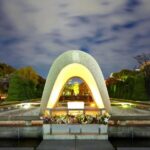
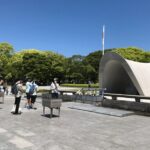
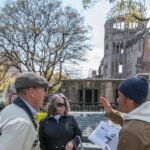
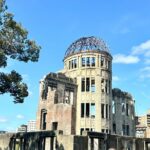
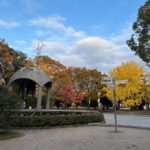
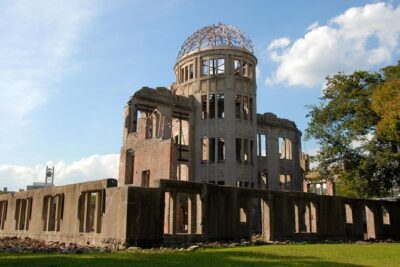
The first stop is Hiroshima Peace Memorial Park, where you spend about 45 minutes. This is not a quick photo stop. The guide takes you through the park, pointing out the Atomic Bomb Dome, several monuments, and bridges that survived the blast.
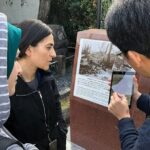
The value here is the local explanation. The park can feel overwhelming when you visit alone because there are many memorials and layers of meaning. A guide can connect the structures and tell stories tied to the area, helping you understand why certain places matter.
You should expect a serious tone. This part of the ride is about remembrance, not entertainment, and the best approach is to give the site your full attention. The bicycle is useful because you can cover the park efficiently, yet you still have time to pause at important places.
The tour does not list admission fees for this stop, so the park portion itself is free. If you want to visit the Hiroshima Peace Memorial Museum, check separately, since it is not listed as part of this activity.
A practical benefit of beginning here is that you see the central memorial area before moving into other sides of Hiroshima. The route does not pretend the city’s wartime past can be separated from its present. It gives you context, then lets you see how daily life continues around it.
Hiroshima Castle: moat views and fortress grounds
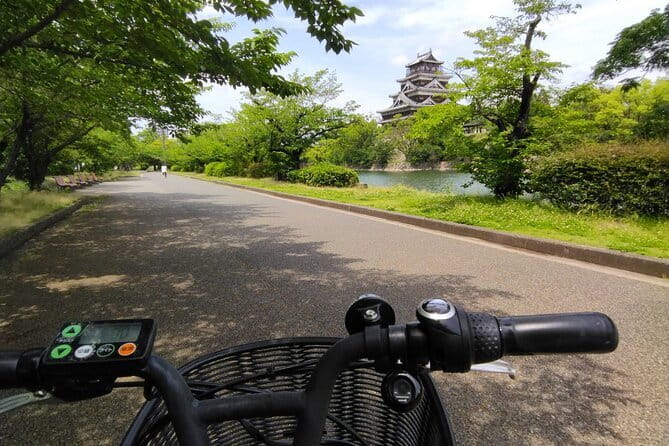
From the Peace Park, the ride continues to Hiroshima Castle for roughly 30 minutes. The moat offers some of the best photo opportunities on this part of the route, while the castle grounds give you a feel for a Japanese fortress setting associated with the 1600s.
This stop changes the mood. The Peace Park is open, modern, and memorial-focused. The castle area is more enclosed and historic in appearance, with water, walls, grounds, and traditional architectural references. That contrast is one of the tour’s strengths.
The castle grounds also contain Hiroshima’s largest temple, according to the tour description. Your guide can help you make sense of this cluster of sites rather than leaving you to see the castle as a single photo backdrop.
Thirty minutes is enough for an overview, photographs, and a short explanation. It is not enough for a long museum visit or a slow examination of every corner. If you want to spend serious time inside the castle, plan to return on your own later.
For me, this stop makes the morning feel balanced. You are not only moving between memorials. You are seeing military history, religious sites, water defenses, and city life in the same compact area.
Mitaki Temple: the ride’s quiet reward
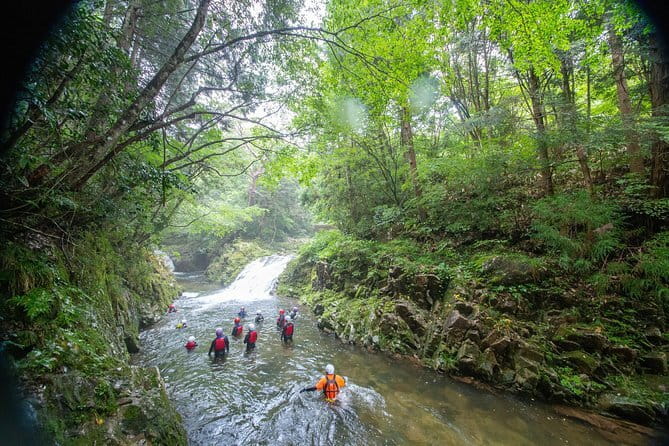
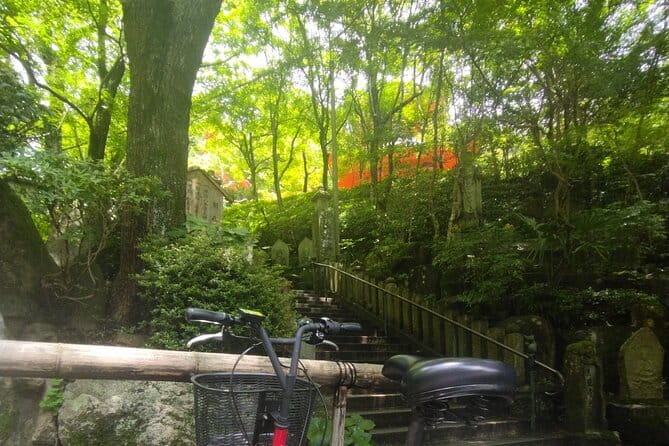
The longest stop is Mitaki Temple, with about an hour set aside. This is the point that gives the tour its special character.
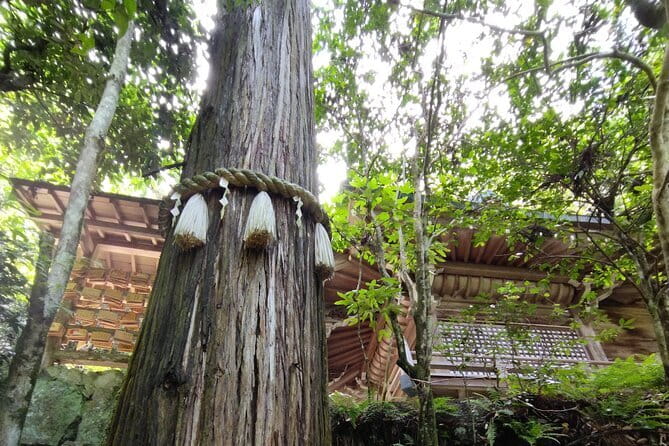
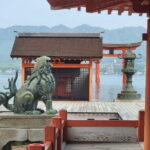
Mitaki is described as one of the most beautiful temples in the Chugoku region, with comparisons to Kyoto’s better-known sites. You should treat that as an indication of atmosphere rather than a promise that it will replace every temple in Kyoto. The important point is that Mitaki brings you into a more peaceful setting and away from Hiroshima’s main visitor route.
The ride to the temple also gives the e-bike a real purpose. You will be moving beyond the flat central districts and handling uphill sections. Electric assistance reduces the strain, but you still need to pedal. The guide can help keep the pace relaxed, yet you should not book this if hills are a serious problem.
Plan to slow down once you arrive. An hour allows you to look around rather than simply check the temple off a list. The entrance is free, with a suggested contribution noted in the tour information. No admission ticket is included because none is required for entry.
Mitaki is especially valuable after the Peace Park and castle. You have spent the morning learning about Hiroshima’s public history. Here, the experience becomes quieter and more personal. You can pay attention to the setting, the temple grounds, and the change in mood.
The tour describes this temple visit as unusual among Hiroshima cycling options. I would make it the main reason to choose this ride over a standard city bicycle loop.
Other cycling tours in Hiroshima

Ending near JR Yokogawa Station after lunch
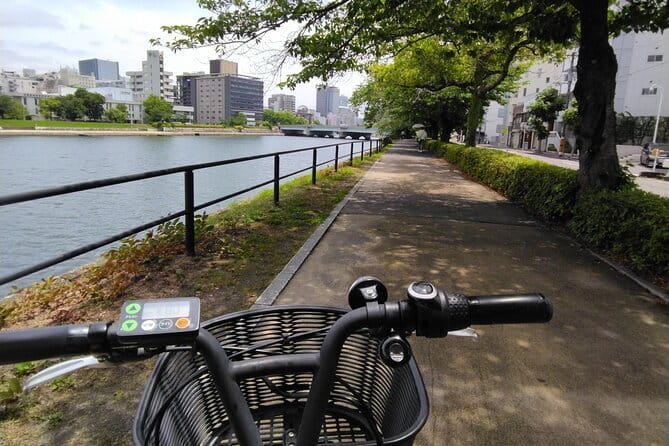
The guided portion ends just after lunch time at Hanaya Misasa branch, near JR Yokogawa Station, at 1-chōme-15-16 Misasamachi in Nishi Ward. This is a practical finish rather than a return to the starting point.
JR Yokogawa Station has access to JR trains, trams, and buses, so you can continue to another part of Hiroshima without backtracking. The area is also useful for lunch, with restaurants that generally have English menus and several places serving okonomiyaki.
The tour information says you keep the bicycle for the full day. That changes the value calculation. The scheduled ride lasts about three and a half hours, but the bike can help you continue exploring afterward. Confirm the exact return arrangement with the provider, since the listed guided end point and full-day bike use are important details to understand before setting out.
You might use the extra time to revisit the Peace Park at your own pace, look for a meal, or explore another part of the city. The tour does not prescribe an afternoon route, which is useful if you prefer flexibility.
What the $73.57 price really buys you
At $73.57 per person, this is not the cheapest way to see Hiroshima. You could visit the Peace Park, castle area, and other central sights by public transport for less. The price makes more sense when you value the guide, the e-bike, the route planning, and the chance to keep the bicycle for the rest of the day.
The strongest value comes from combining three things that are different in character:
- A guided visit through the Peace Memorial Park
- A street-level ride to Hiroshima Castle
- A longer trip to Mitaki Temple, followed by independent bike use
There are no listed admission tickets to pay for at the three stops. Your extra costs are food, drinks, and any suggested temple contribution. That keeps the main cost easy to understand.
The price is harder to justify if you are already comfortable cycling Hiroshima alone or if you only want to visit the Peace Park. It is easier to justify if you have one full day in the city and want a guide to connect places that are not usually combined in a simple walking route.
Group discounts are available, which may improve the cost for larger bookings. The maximum group size is eight, so even a discounted group should not feel like a large bus excursion.
How fit do you need to be?
You do not need to be a serious cyclist, but you should be comfortable riding for several hours with stops. The electric motor helps on hills, though you still pedal uphill. One rider specifically found the tour enjoyable but stressed that a reasonable level of fitness is still needed.
The physical demands matter because the route includes more than flat sightseeing. You need to mount and control the bike, bend your knees, handle inclines, and remain alert on the road. If you have limited mobility, trouble with balance, or concerns about medication and driving, choose another way to see Hiroshima.
Summer deserves extra caution. The tour advises anyone prone to heat stroke to avoid it during that season. Hiroshima can be hot, and cycling adds exertion even when the motor is helping. A cooler season may make the ride more comfortable.
The experience requires good weather. If poor weather forces cancellation, you are offered another date or a full refund. For your own planning, keep some flexibility around the booking if rain is likely.
The guide makes the difference
The most praised part of the experience is the guiding. Joshua is specifically named in several accounts, and his role seems to go beyond giving dates and directions. He answers questions, shares stories, and adds details about places you might otherwise pass without understanding.
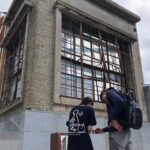
That matters most at the Peace Memorial Park, where a list of monuments can blur together. It also helps at Hiroshima Castle, where a short stop benefits from someone who can explain what you are seeing.
The small group supports this style. With no more than eight people, you should be able to hear the explanations and ask questions without holding up a crowd. The relaxed pace also leaves room for the occasional photograph or snack break.
There was one early bike mishap, so the operation may not be perfectly polished every minute. But the overall pattern is clear: the guide is the main reason to choose this tour rather than simply renting a bicycle without a plan.
Who should book this Hiroshima ride?
I would recommend it to you if you want to see several sides of Hiroshima in one morning and enjoy active sightseeing. It is a good fit for people who want meaningful commentary at the Peace Park, a castle stop, and a quieter temple visit without organizing the route themselves.
It is also a strong choice for families and small groups. The ride provides a shared structure, while the full-day bike use leaves room for your own plans afterward.
I would hesitate if you dislike hills, struggle with summer heat, or want a fully passive tour. The e-bike helps, but you still need to ride. I would also choose a walking or public transport plan if your main goal is an extended visit to the Peace Memorial Museum, since that museum is not listed as part of the activity.
Book at least a day ahead if your schedule is tight. The experience is often reserved around 22 days in advance, which suggests that leaving it until the last minute may be risky during busy periods. You can cancel for a full refund up to 24 hours before the start time, but changes or cancellations inside that window are not accepted.
Final call: a smart choice for active first-time visitors
You should book this tour if you want Hiroshima’s memorial sites placed alongside its castle traditions and temple calm. The Mitaki Temple stop is the strongest reason to choose it, while the local storytelling and full-day bike use improve the value.
Skip it if you cannot comfortably pedal uphill or if hot-weather exertion is a concern. For most reasonably fit visitors, though, this is a thoughtful way to cover more ground than walking allows while keeping the morning personal and unhurried.
FAQ
How long does the Hiroshima Scenic Cycling Guided Tour last?
The guided experience lasts approximately 3 hours and 30 minutes. It begins at 10 a.m. and ends just after lunch time near JR Yokogawa Station.
What places does the tour visit?
The route includes Hiroshima Peace Memorial Park, Hiroshima Castle, and Mitaki Temple.
Is the bicycle electric-assisted?
Yes. The tour provides an electric-assisted bicycle, which helps with the ride, including uphill sections. You still need to pedal.
How many people can join the tour?
The activity has a maximum of eight travelers.
Where does the tour start?
The meeting point is Lucky Bakery, 5-5 Motomachi, Naka Ward, Hiroshima, 730-0011, Japan.
Where does the tour finish?
The tour ends near JR Yokogawa Station at Hanaya Misasa branch, 1-chōme-15-16 Misasamachi, Nishi Ward, Hiroshima. JR trains, trams, and buses are available there.
Is food included?
No. Coffee and tea are not included. You can buy snacks such as pastries or ice cream, as well as coffee, at your own expense.
Can I cancel for a full refund?
Yes, if you cancel at least 24 hours before the experience start time. Cancellations or changes made less than 24 hours in advance are not accepted. If poor weather causes the tour to be canceled, you are offered a different date or a full refund.
More Guided Tours in Hiroshima
More Cycling Tours in Hiroshima
More Hiroshima City Tours in Hiroshima
More tours in Hiroshima we've reviewed


Hiroshima City Tours, compared.
 ★ 5.0Peaceful Hiroshima & Miyajima UNESCO 1 Day Bus TourFrom $129
 ★ 4.9Hiroshima: Hiroshima and Miyajima UNESCO Sites 1-Day TourFrom $1228 hours
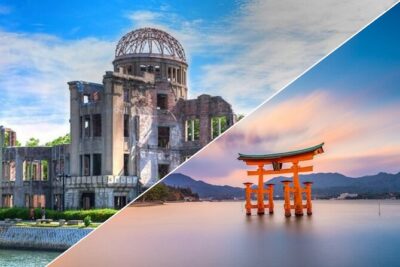 ★ 5.0Hiroshima / Miyajima Full-day Private Tour with Government Licensed GuideFrom $202
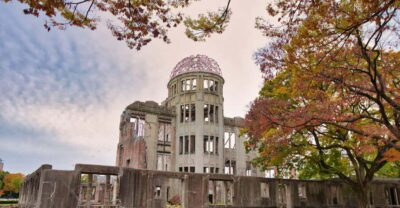 ★ 4.7Osaka/Kyoto: Hiroshima Miyajima Bus Tour & Shinkansen TicketFrom $27712 hours
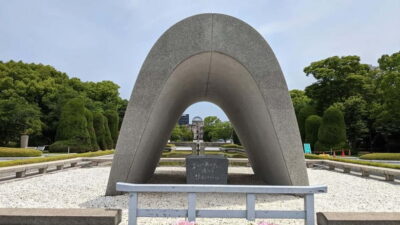 ★ 4.8Hiroshima Historical Walking Tour – Why A-Bomb was DroppedFrom $352h 30m
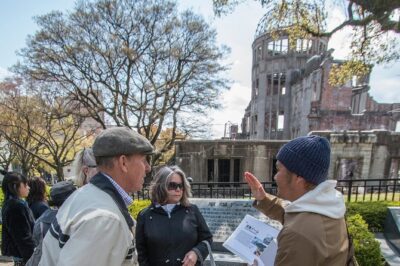 ★ 5.0Hiroshima Peace (Heiwa) Walking Tour at World Heritage SitesFrom $94
