
Reviewed · MIYAJIMA TOURS
Hiroshima and Miyajima Full Day Private Tour
Hiroshima’s most moving day pairs the sobering Peace Memorial Museum with the beauty of Miyajima. This private tour gives you one guide for both sides of the city: the story of the atomic bombing, then the sea, shrines, snacks, and traditional streets of the island.
I like the private format and the chance to adjust the pace or add interests. I also like that admission to the museum, Hiroshima Castle, Shukkeien Garden, and Itsukushima Shrine is included. The main catch is important: transportation is not included, and the eight-hour schedule can become a lot of walking, especially in Japan’s hot summer.
In This Review
- Key points to know before booking
- Why this private Hiroshima day works
- Two hours with Hiroshima’s difficult history
- The Atomic Bomb Dome and the shape of memory
- Hiroshima Castle, a change of mood
- A quiet hour at Shukkeien Garden
- Crossing to Miyajima
- The Great Torii and Itsukushima Shrine
- One hour on Omotesando Shopping Street
- Walking, heat, and the real pace of the day
- Which guide experience should you expect?
- Is $167.50 per person good value?
- Should you book the Hiroshima and Miyajima private tour?
- FAQ
- How long does the tour last?
- Where does the tour begin?
- Where does the tour end?
- Is transportation included?
- Is lunch included?
- Which admission fees are included?
- Can the itinerary be changed?
- What is the cancellation policy?
Key points to know before booking
- Two very different Hiroshima experiences: Begin with the Peace Memorial Park and museum, then continue to Miyajima’s famous shrine and shopping street.
- A truly private group: Only your party takes part, so your guide can adjust the pace, answer questions, and shape the day around your interests.
- English-speaking guides vary by person: Guides such as Masa, Aya, Yoshiko, and Yushu have received especially warm praise, while one poor experience involved weak English and limited explanations.
- Admissions are covered, transport is not: You pay separately for the journey between stops, including the trip toward Miyajima.
- The full schedule is not guaranteed: Traffic, personal interests, time limits, and conditions can mean skipping or shortening a stop.
- Expect a long day on foot: Comfortable shoes, water, and sun protection matter, particularly in August when temperatures can pass 35 degrees Celsius.
Why this private Hiroshima day works
The strength of this experience is its range. In one day, you move from a carefully presented account of the 1945 atomic bombing to one of Japan’s most photographed shrine settings. That change in mood is not always easy, but it gives you a fuller understanding of Hiroshima than a quick city tour alone.
A private guide matters most at the Peace Memorial Museum. The exhibits can be painful and crowded, and it helps to have someone who can explain the setting without turning the visit into a rushed checklist. The museum visit is planned for about two hours, which gives you enough time to read, pause, and ask questions.
The tour is priced at $167.50 per person. For a private day with an English-speaking guide and four included admission fees, that can be fair value for a couple or family that wants personal attention. It becomes less attractive if you expect a private vehicle or an all-inclusive day, because you must also pay transportation and lunch.
The other issue is consistency. Several guides, especially Masa and Aya, are praised for adjusting the day, finding suitable food, and taking care of practical problems. One guide received a serious complaint about language ability, site explanations, and skipped stops. Ask about your guide and the planned route before the day begins, and confirm how you will move between locations.
A few more Hiroshima tours and experiences worth a look
Two hours with Hiroshima’s difficult history
The day begins at the Hiroshima Peace Memorial Museum, at 1-2 Nakajimacho in Naka Ward. This is a serious start, and the museum deserves your attention rather than a quick pass through before sightseeing.
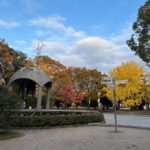
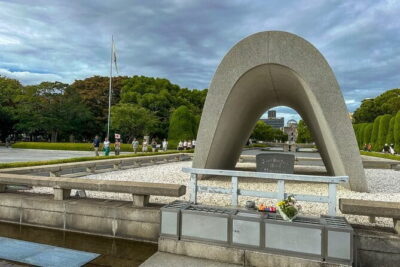
The surrounding Peace Memorial Park covers about 120,000 square meters. Its lawns and trees give the city a place to reflect and rest, but the calm setting should not hide the purpose of the park. The museum explains the bombing and its human consequences through objects, photographs, accounts, and personal stories.
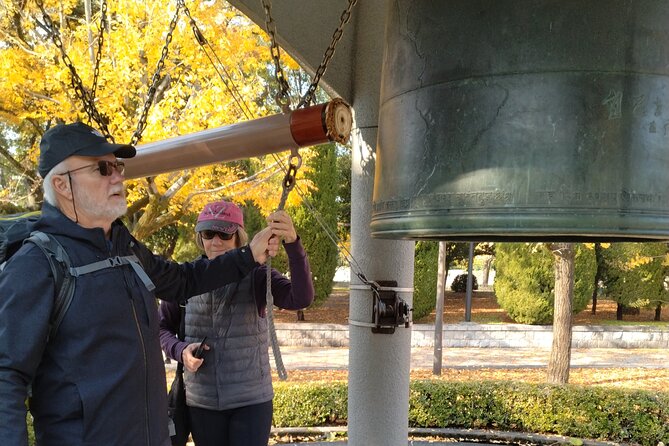
Your guide’s role can make a major difference here. A good guide helps you understand what you are seeing, leaves room for silence, and answers questions in clear language. Masa, Aya, and Masako were praised for being caring, patient, and attentive. One particularly memorable guiding moment involved explaining the story of the lone survivor at ground zero, a detail that can add a human scale to a large historical event.
The museum may be crowded. Bring patience, and consider a mask if you prefer extra protection in busy indoor spaces. This is also the point in the day when you may want to slow down, since the later schedule includes several more stops.
The Atomic Bomb Dome and the shape of memory
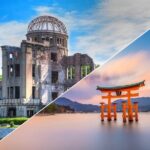
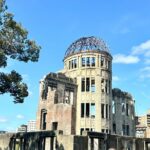
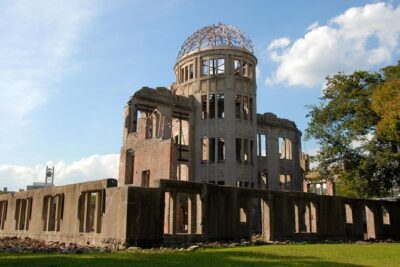
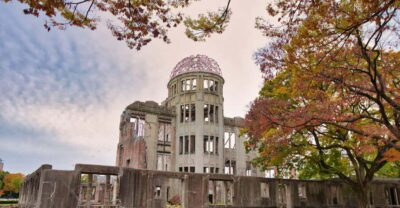
The Atomic Bomb Dome is only about a 30-minute visit, but its impact comes from its physical presence. The building survived close to the explosion’s center, and its exposed remains have become a symbol of peace and endurance.
You will view the structure from outside, with the river and park around it. The visit is brief because the dome does not require a long indoor tour, but your guide can connect it to the museum and the wider memorial area.
I like having the dome immediately after the museum, since the two stops work together. The museum gives you documents and personal accounts. The dome gives you a fixed point in the city, something you can see and remember after leaving Hiroshima.
Do not assume that every minute listed will happen exactly as planned. The advertised route is a guide rather than a guarantee. Traffic, your questions, the pace of the museum, and your preferences can affect what follows.
Hiroshima Castle, a change of mood
Hiroshima Castle offers a sharp change from the memorial sites. The original castle was destroyed in the atomic bombing, and the present structure is a reconstruction. The stop introduces you to the city’s samurai-era history and traditional Japanese castle design.
About an hour is planned here, with admission included. The castle grounds can give you a welcome outdoor break after the museum, while the interior provides historical displays and views connected with Hiroshima’s earlier past.
There is one practical warning. Hiroshima Castle is scheduled to close for renovation from March 23, 2026. If your visit falls after that date, confirm what part of the stop remains available and how the admission arrangement will work. Even when the main building is unavailable, the outside area may still be part of the route, but the supplied tour details do not promise this.
The castle stop also shows why a private guide can be useful. You can ask to spend more time on military history, architecture, or the city’s rebuilding, rather than simply taking a photo and moving on.
A quiet hour at Shukkeien Garden
Shukkeien Garden is planned as a one-hour stop and admission is included. Its paths, ponds, bridges, and carefully arranged planting offer a slower hour after the weight of the museum and the structure of the castle.
The garden is especially appealing if you enjoy Japanese design and seasonal changes. Its appeal is not based on one grand monument. It is about proportion, small views, water, trees, and the way the path reveals one scene after another.
This is also one of the stops most vulnerable to time pressure. A delayed start, a long museum visit, or a late connection toward Miyajima may lead to a shortened visit or a skip. If Shukkeien matters to you, say so at the start of the day rather than assuming every listed stop will receive its full time.
A few more Hiroshima tours and experiences worth a look

Crossing to Miyajima
The tour ends at Miyajima Pier, but its Miyajima portion includes the island’s main sights. Transportation costs from the meeting point to the desired places are not included, and no private vehicle is provided. That means you should budget separately for the necessary public transportation or other transfers.
This matters because the tour covers a lot of ground. Hiroshima’s memorial district, castle, and garden are on the mainland, while Miyajima requires a separate journey. A private tour does not mean a private car.
The timing can also be affected by traffic and connections. One family nearly missed a train after a traffic accident on the return journey. Their guide, Masako, helped coordinate luggage, a taxi, food, and the route through the station. That story shows the practical value of a good guide, but it also reminds you not to schedule an extremely tight onward connection after the tour.
The Great Torii and Itsukushima Shrine

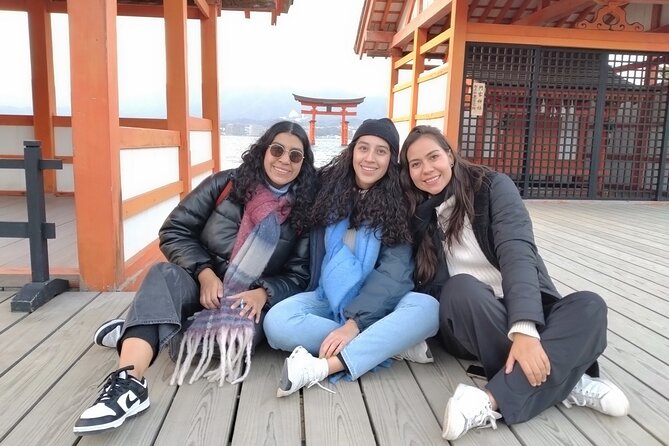
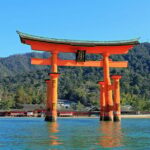
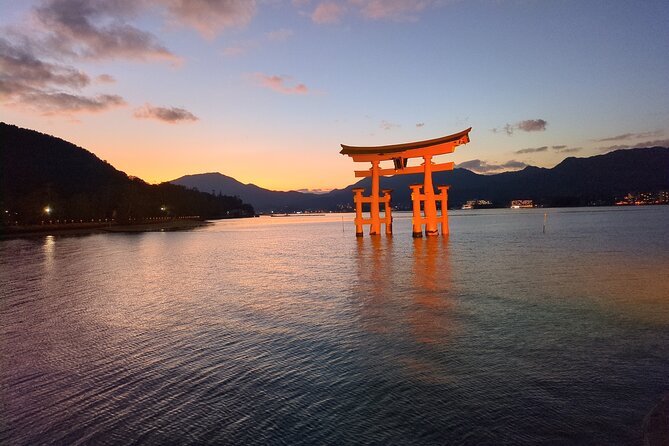
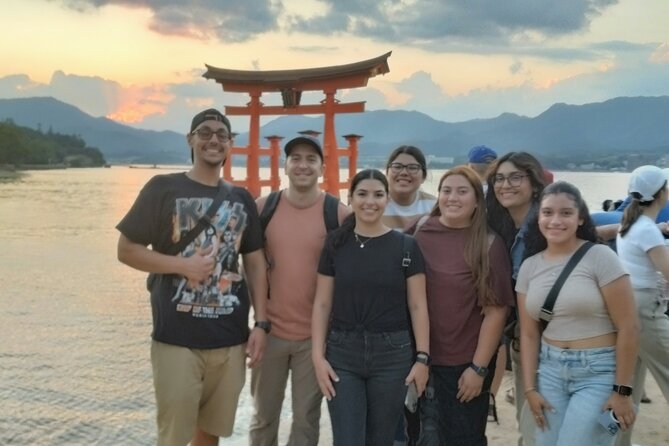
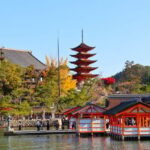
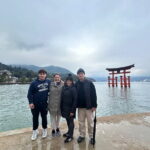
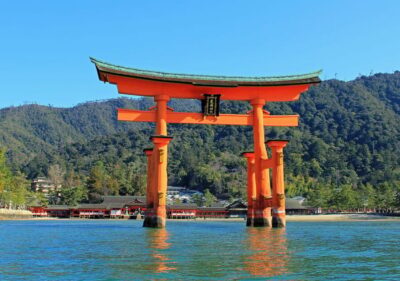
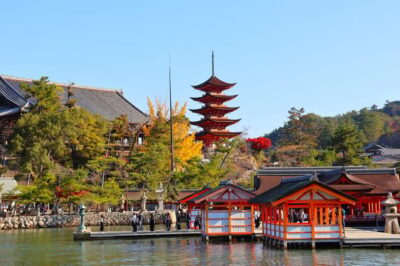
Miyajima’s Great Torii is the visual centerpiece. The gate appears to float offshore, although the exact view changes with the tide. The tour allows about 30 minutes for the torii itself, followed by about two hours at Itsukushima Shrine.
Itsukushima Shrine is a UNESCO World Heritage site with origins traditionally dated to 593. Its vermilion buildings and position beside the water create a setting unlike the city’s memorial park. Depending on the tide and weather, the relationship between the shrine, the gate, and the sea can look quite different.
The shrine visit deserves time. You can study the long corridors, religious details, and views toward the water instead of treating it as a quick photo stop. Admission is included, which is useful because this is one of Miyajima’s main paid sights.
The island also has a softer side. Deer are part of the experience, and one couple was especially pleased to see them after missing Nara. You may also encounter everyday local moments, such as a wedding, a tea ceremony, or a small food stall. These details cannot be promised, but they can make the visit feel less like a monument tour and more like a day in a living place.
One hour on Omotesando Shopping Street
Miyajima Omotesando Shopping Street is planned for about an hour. It is lined with shops selling crafts, souvenirs, sweets, and local snacks. This is the right place to pause after the shrine and try something associated with the island.
Your guide may help you choose food or point out traditional treats. Yushu was praised for introducing local snacks and foods, while Masa and Aya helped arrange vegetarian or vegan lunch options. Food planning is not included, but a private guide can be helpful if you have dietary needs.
Lunch itself is not included in the price. Tell your guide early if you are vegetarian, vegan, or have other restrictions. The experience can be much easier when the guide has time to identify a suitable restaurant instead of making the decision at the last minute.
The shopping street can feel crowded, especially at popular times. That is part of its appeal, but it is not a quiet garden. If you want a calm Miyajima visit, let your guide know that you prefer more time at the shrine or by the water and less time browsing.
Walking, heat, and the real pace of the day
This is an eight-hour walking day, not a sightseeing ride. One poor experience involved long walks in humid weather between the memorial district, castle, and station, while several positive experiences praised guides who set a comfortable pace and kept the group moving.
Wear shoes you can trust. Carry water, use a parasol or hat, and plan for sun. Hiroshima summers can be very hot, with August temperatures often above 35 degrees Celsius. The heat matters even more because the tour combines outdoor parks, streets, shrine grounds, and transportation connections.
A private format gives you some control. You can ask for a slower pace, more time at one stop, or a shorter visit to another. Still, the route covers both Hiroshima and Miyajima, so you cannot linger everywhere.
The meeting point is the Hiroshima Peace Memorial Museum. The stated end point is Miyajima Pier, not your hotel or train station. Hotel pickup and drop-off are not included. Most people can participate, and service animals are allowed, but you should be ready for substantial walking and public transportation costs.
Which guide experience should you expect?
Guide quality is the biggest variable. Masa received repeated praise for clear communication before the tour, care during the day, and the ability to answer questions. Aya was praised for excellent English, local knowledge of Hiroshima, patience, and help with vegan food. Yoshiko was described as energetic and effective at keeping the day on schedule.
Yushu added traditional snacks and food to one group’s day. Masako was especially helpful when a traffic delay threatened a train connection. These examples show the best version of the tour: a guide who does more than point at buildings and who treats the schedule as a tool rather than a rigid checklist.
There was also one serious negative experience involving a guide with poor English, limited site knowledge, and little explanation. The operator said the guide was new and was dismissed afterward. You should not ignore that report simply because the overall rating is 4.4 from 19 reviews.
Before booking, send a short message asking who will guide your group, what language level you can expect, and how transportation will work. That simple check can prevent the most common source of disappointment.
Is $167.50 per person good value?
For a private eight-hour tour, the price can work well if you are a small group that values personal guidance. The four included admissions reduce the number of small fees to manage, and the ability to adjust the day has real value in a place with emotionally demanding sites.
It is not a bargain package. You still pay for transportation and lunch, and a private vehicle is specifically not included. A couple should compare the total cost with arranging the museum, castle, garden, and Miyajima independently using public transportation.
I would pay the premium if I wanted help understanding the Peace Memorial Museum, had limited time in Hiroshima, or needed a guide to manage food and pace. I would skip it if I preferred to read at my own speed, wanted a very slow Miyajima day, or disliked paying extra for transit after seeing a private-tour price.
Free cancellation is available up to 24 hours before the start time. Changes made inside that window are not accepted, and poor weather may lead to a new date or a full refund.
Should you book the Hiroshima and Miyajima private tour?
Book this tour if you want one person to connect Hiroshima’s wartime history with Miyajima’s shrines, shops, and coastal setting in a single day. It is a strong choice for couples, families, and first-time visitors who value flexibility and personal explanations.
Book with care if you are counting on seeing every stop for its full advertised time. The route is ambitious, transport costs are extra, and the guide makes a real difference. Request a strong English-speaking guide, confirm the day’s priorities, and protect your onward travel plans.
If those conditions suit you, the experience can be an efficient and thoughtful introduction to Hiroshima. If you want a slower, cheaper, self-guided day, visit the Peace Memorial Museum and Miyajima separately.
FAQ
How long does the tour last?
The tour lasts approximately eight hours.
Where does the tour begin?
It begins at the Hiroshima Peace Memorial Museum, located at 1-2 Nakajimacho, Naka Ward, Hiroshima.
Where does the tour end?
The stated end point is Miyajima Pier at Miyajimacho, Hatsukaichi, Hiroshima.
Is transportation included?
No. Transportation costs from the meeting point to the desired places are not included, and the tour does not provide a private vehicle.
Is lunch included?
No. Lunch is not included in the tour price.
Which admission fees are included?
Admission to the Hiroshima Peace Memorial Museum, Hiroshima Castle, Shukkeien Garden, and Itsukushima Shrine is included. Hiroshima Castle is scheduled to close for renovation from March 23, 2026.
Can the itinerary be changed?
Yes. The tour is private and can be adjusted around your interests, but traffic, time limits, weather, and personal preferences may mean that not every listed location is visited.
What is the cancellation policy?
You can cancel for a full refund up to 24 hours before the experience begins. Cancellations or changes made less than 24 hours before the start time are not accepted for a refund. If poor weather causes the tour to be canceled, you will be offered another date or a full refund.
More Private Tours in Hiroshima


More Hiroshima City Tours in Hiroshima
More Miyajima Tours in Hiroshima
More tours in Hiroshima we've reviewed


Miyajima Tours, compared.
 ★ 5.0Peaceful Hiroshima & Miyajima UNESCO 1 Day Bus TourFrom $129
 ★ 4.9Hiroshima: Hiroshima and Miyajima UNESCO Sites 1-Day TourFrom $1228 hours
 ★ 5.0Hiroshima / Miyajima Full-day Private Tour with Government Licensed GuideFrom $202
 ★ 4.7Osaka/Kyoto: Hiroshima Miyajima Bus Tour & Shinkansen TicketFrom $27712 hours
 ★ 4.7From Hiroshima: Hiroshima & Miyajima 1 Day Tour with LunchFrom $1168 hours
 ★ 5.0Hiroshima and Miyajima Day Trip with Itsukushima Shrine & FerryFrom $45
