
Reviewed · MIYAJIMA TOURS
Hiroshima and Miyajima Day Trip with Itsukushima Shrine & Ferry
Miyajima’s floating torii is the visual star of this day, but the real strength of the trip is the contrast between island beauty and Hiroshima’s solemn Peace Memorial Park. In one long outing, you move from shrine grounds, deer, and old streets to the Atomic Bomb Dome and the difficult story of 1945.
I like two things here: the transport is handled for you, including the bus and ferry, and the $45 price covers the ferry plus admission to Itsukushima Shrine. I also like having a choice between the full Hiroshima and Miyajima day or a Miyajima-only version.
The tradeoff is time. The full route tries to cover two major places in about eight hours, and the Peace Memorial Museum may receive only a short visit. Bilingual guiding in English and Spanish can also be hard to follow if you walk too far ahead or the guide speaks both languages without a clear pause.
In This Review
- Key points to know before booking
- Why this day trip works
- Meeting at Hiroshima Station
- Riding out to Miyajimaguchi
- Crossing the water to Miyajima
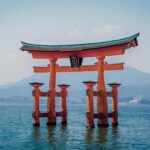
- Itsukushima Shrine and the floating torii
- Returning to Hiroshima’s Peace Memorial Park
- What the bilingual format is like
- How much walking and free time should you expect?
- Food, weather, and practical planning
- Who should book this Hiroshima tour?
- Should you book it?
- FAQ
- How long does the Hiroshima and Miyajima tour last?
- What is included in the tour price?
- Is admission to the Hiroshima Peace Memorial Museum included?
- Can I visit only Miyajima?
- Where do I meet the guide for the full Hiroshima and Miyajima option?
- Where do I meet the guide for the Miyajima-only option?
- Is the tour offered in English?
- Can I cancel for a full refund?
Key points to know before booking
- Miyajima and Hiroshima in one day: See Itsukushima Shrine, the torii gate, and the Peace Memorial Park without arranging every connection yourself.
- Ferry and shrine admission included: The $45 fare covers two useful costs, though Peace Memorial Museum admission is not included.
- English and Spanish guiding: Guides such as Alan and Astrid lead the bilingual tour, with the quality of commentary depending partly on how close you stay to the guide.
- A group of up to 30 people: This is a social, organized outing rather than a private tour, so keep the group in sight.
- Two tour choices: You can select the full Hiroshima and Miyajima route or visit Miyajima only.
- A demanding but meaningful schedule: Plan for crowds, walking, and a quick pace at some points, especially during busy travel periods.
Why this day trip works
Hiroshima and Miyajima make a natural pairing, even though they create very different moods. Miyajima offers a graceful shrine setting, coastal views, traditional streets, and deer wandering through public areas. Hiroshima’s Peace Memorial Park asks you to slow down and face the human cost of nuclear war.
Doing both in one day gives you a broad introduction to Hiroshima Prefecture. You will not see every museum room or every island path, but you will understand why these places are often planned together.
The tour is also useful if you are staying near Hiroshima Station and do not want to piece together buses, trains, and the ferry on your own. The group meets at the station, boards transport toward the coast, crosses to Miyajima, and returns to Hiroshima for the memorial area.
At $45 per person, the price is modest for an eight-hour outing. The included ferry, shrine entry, and transport make the cost easier to justify. Food and drinks are extra, and you should budget separately for any admission to the Hiroshima Peace Memorial Museum.
A few more Hiroshima tours and experiences worth a look
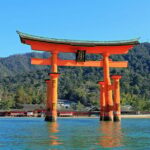

Meeting at Hiroshima Station
For the full Hiroshima and Miyajima option, meet outside Hiroshima Station at the Shinkansenguchi Hiroba Bus Berth. Inside the station, take the North Exit, go down the stairs, and walk toward the bus berths between Bus Stops 8 and 9.
The guide waits with an Amigo Tours sign. This detail matters because Hiroshima Station has several exits and transport areas, and arriving at the wrong side can cost you valuable time.
The Miyajima-only option uses a different meeting point outside Hiroshima Station near the Hiroshima Station Hiroden-Miyajimaguchi Station. Check the option you booked before setting out. The two meeting instructions are not interchangeable.
The tour has a maximum of 30 people. That is large enough for a lively group and small enough for the guide to manage the day, but you still need to listen for instructions and stay near the front during commentary.
Riding out to Miyajimaguchi
The first bus ride from Hiroshima Station takes about 50 minutes. Use this time to settle in and hear the guide introduce Miyajima and Itsukushima Shrine.
One advantage of the bus is simple: you do not need to work out the route while trying to keep track of ferry times and station signs. This is especially helpful if you have only one free day in Hiroshima or are traveling with companions who prefer a guided schedule.
The bus ride is not the main attraction, but it protects your time and energy for the island. Guides explain aspects of Japanese culture and the importance of Miyajima as you approach the coast.
After the bus, there is a short stop of about five minutes at Miyajimaguchi Station before the ferry connection. The itinerary is tightly organized, so do not wander away from the group at this point.
Crossing the water to Miyajima
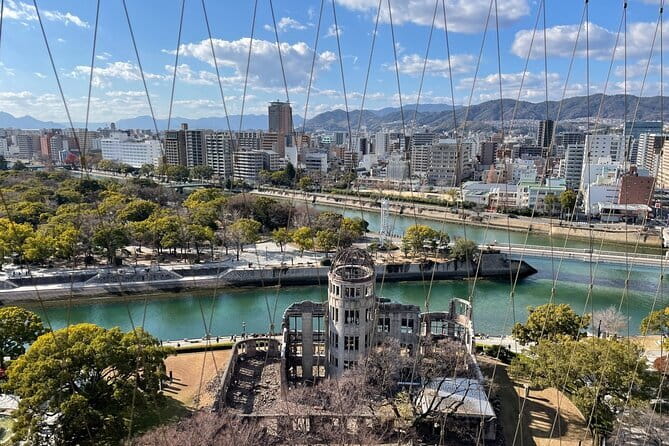
The ferry ride is short, but it gives you the first clear sense that Miyajima is separate from the city. The water crossing adds a pleasant change of pace after the bus ride, and the approach to the island is part of the appeal.
Your ferry ticket is included. That is a practical benefit, since you can follow the guide rather than stop to arrange another ticket at the terminal.
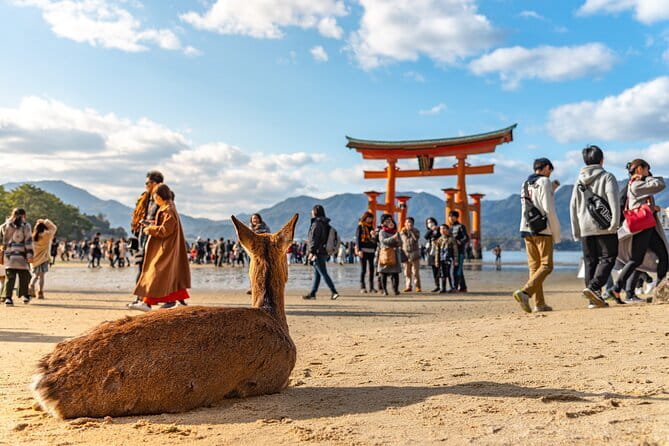
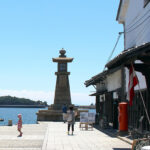
Miyajima is formally known as Itsukushima, and its shrine is the main reason for the visit. The island is also known for its scenic setting, traditional streets, and deer that roam freely. The deer are charming, but keep an eye on your belongings and any food or paper you carry. The supplied information confirms their presence, but it does not promise a specific animal encounter.
Crowds are a real consideration. Busy periods such as Golden Week can make the ferry, shrine grounds, and streets feel packed. Alan received particular praise for keeping a group organized during heavy Golden Week crowds, but even a strong guide cannot remove the congestion.
Itsukushima Shrine and the floating torii
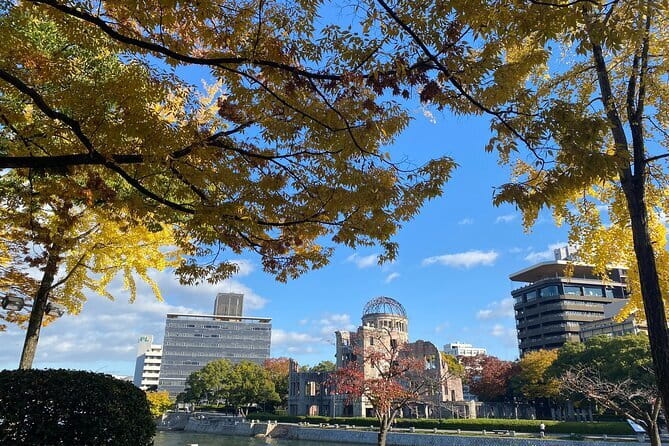
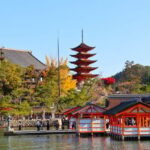
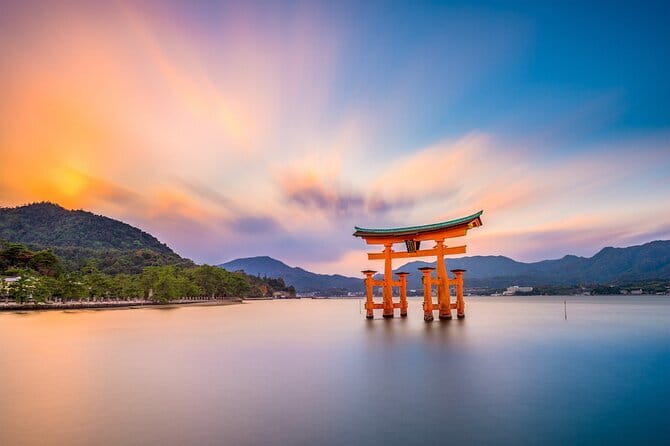
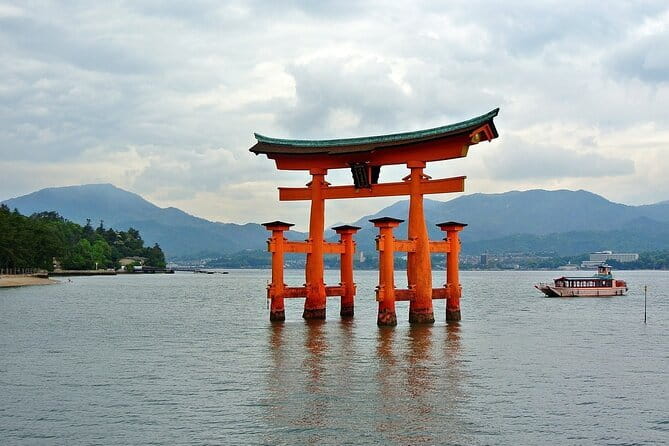
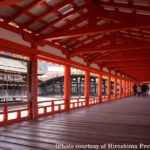
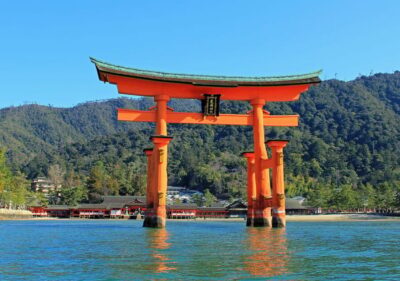
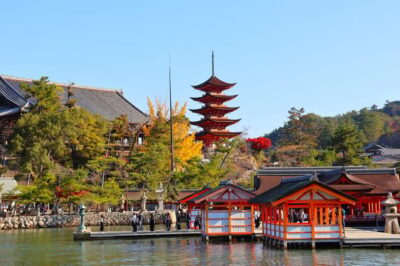
The visit to Itsukushima lasts about three hours, including the island portion of the day. The shrine is the centerpiece, with its famous torii gate positioned in the water.
The gate is often called floating because the surrounding water changes its appearance with the tide. The information provided does not give tide times, so you should not expect one fixed view. Depending on conditions, you might see water around the structure or more exposed ground nearby.
Shrine admission is included, which makes this part of the tour good value. The guide also gives cultural context, helping you understand that this is more than a photo stop.
After the shrine, you have time to enjoy Miyajima’s streets and atmosphere. Some people use the free time for photographs, while others prefer to browse or simply watch the island life around them. The schedule offers room to explore, but it is not a full island hike. If your main goal is mountain scenery or a long walk beyond the central area, this outing may feel limited.
I like this part because the island gives the day breathing room. Hiroshima’s memorial sites require concentration. Miyajima offers a gentler setting first, with architecture, water, trees, and deer creating a very different mood.
Stay alert for the guide’s meeting instructions. Several less favorable experiences came from people walking too far behind and losing the commentary. An earpiece is not listed as part of the tour, so position yourself near the guide if you want to hear every explanation.
A few more Hiroshima tours and experiences worth a look

Returning to Hiroshima’s Peace Memorial Park

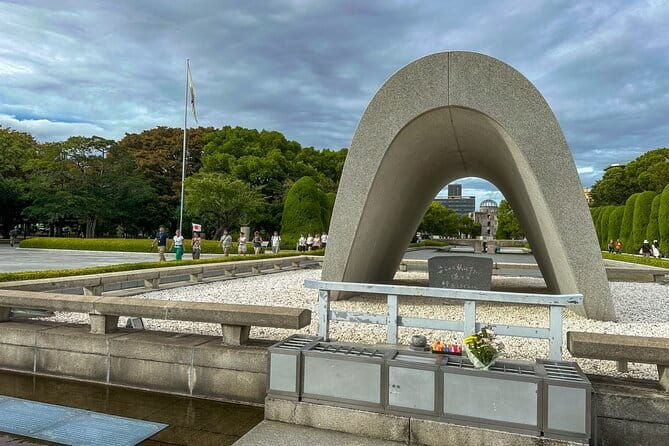
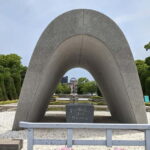
The full option returns to Hiroshima for about three hours at the Peace Memorial Park. This is the serious heart of the day.
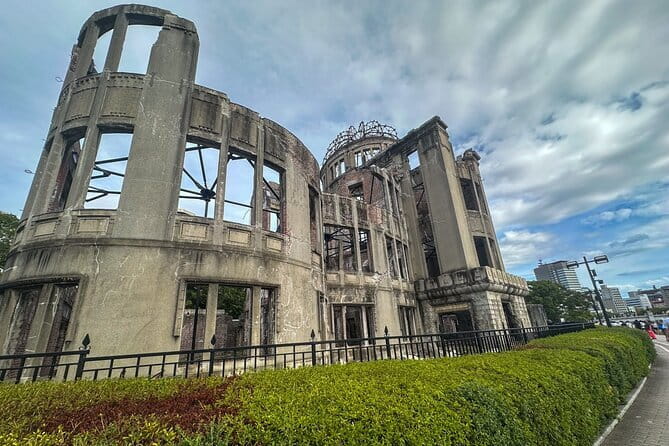
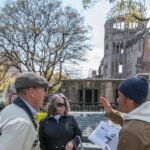
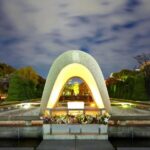
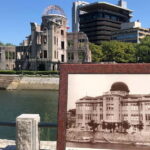
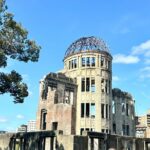
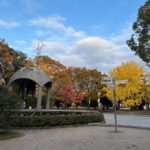
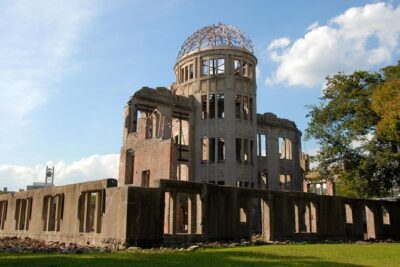
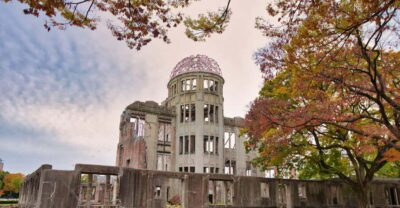
The park includes the Atomic Bomb Dome and monuments connected with the 1945 atomic bombing. You will have a chance to consider the event not as a distant date, but as a human tragedy that shaped Hiroshima and the wider world.
The tour brings useful structure to a place that can otherwise feel difficult to navigate emotionally. A guide can point out the major memorials and explain their setting, while you decide how much time to spend reading, reflecting, or visiting the museum.
The main caution is pacing. Several comments indicate that the museum portion can be as short as about 45 minutes, which is not enough for every exhibit. Admission to the Hiroshima Peace Memorial Museum is not included, despite the fact that the park itself is part of the full route.
If the museum is your main reason for coming to Hiroshima, this tour may not be the right choice. You will get an introduction, but you may want a separate visit with more time. The tour works better for someone who wants to see the park, the dome, and the major memorial context while still fitting Miyajima into the same day.
The mood also changes quickly. You may spend the morning taking photographs at the torii and watching deer, then find yourself reading about the bombing and its victims. That contrast is not a flaw, but you should be ready for a day that moves between pleasure and grief.
What the bilingual format is like
The guide speaks English and Spanish. That makes the tour useful for mixed-language groups, and several guides received praise for handling both languages with care.
Alan was singled out for clear explanations, strong concern for the subject, and effective group management. Astrid was also praised as a friendly guide during a memorable day. Another Spanish-language comment described Allan as excellent despite the extra work of giving explanations in two languages.
Still, bilingual delivery affects the rhythm. Some guides may alternate between English and Spanish with little pause, making it hard to follow one language if you are tired or standing at the back. A few comments also point to low audibility when the guide walks ahead.
You can improve your chances of hearing by staying close to the guide and moving with the front of the group. If clear, extended historical commentary is your highest priority, ask yourself how comfortable you are with a shared bilingual format.
The quality of the day also depends on the individual guide. The strongest accounts describe guides who were warm, informed, culturally sensitive, and good at logistics. Less enthusiastic accounts found the information too general or wanted a local Japanese guide with more detailed knowledge.
How much walking and free time should you expect?
The schedule includes transport between the main sites, but you should still expect walking at the station, ferry terminal, shrine area, streets of Miyajima, and Peace Memorial Park.
The exact balance of guided time and free time can vary. Some people appreciate having enough room to look around on their own. Others find the full route rushed, especially once the museum and Atomic Bomb Dome are included.
The Miyajima-only option is worth considering if you want a slower island visit or have already seen Hiroshima’s memorial sites. It avoids the second major stop and lets you focus on Itsukushima Shrine and the island.
The full option makes sense if Hiroshima is new to you and you want a first look at both major destinations. Just do not book it expecting a long, unhurried museum session.
Food, weather, and practical planning
Food and drinks are not included. The supplied details do not specify a meal stop, so plan to buy food on your own or bring something suitable for the schedule.
The tour requires good weather. If poor weather causes cancellation, you are offered another date or a full refund. Free cancellation is available up to 24 hours before the start time. Changes or cancellations inside that 24-hour window are not accepted for a refund.
Be on time. This is a coordinated bus and ferry day, and a late arrival can affect the whole group. The meeting point instructions are specific for good reason.
The tour is near public transportation, and most people can participate. No special accessibility details are provided, so contact the operator before booking if you need particular assistance.
Who should book this Hiroshima tour?
I would choose this trip if you want the two headline sights without handling every transfer yourself. It is particularly useful for a short Hiroshima stay, a first visit, or anyone who values a guide’s structure more than a completely free schedule.
It suits you if:
- You want to combine Miyajima and Hiroshima in one day.
- You prefer a bus and ferry arrangement handled by the tour.
- You want shrine admission and ferry costs included in the main price.
- You are comfortable hearing commentary in English and Spanish.
- You can manage a fairly full day with walking and changing moods.
I would look elsewhere if you want a private guide, detailed academic-level history, a long visit inside the Peace Memorial Museum, or plenty of time for independent island exploration.
The strong points are practical and clear: the price is fair, the route covers two major sights, and guides such as Alan have shown that the bilingual format can work very well. The weak points are just as clear: sound can be an issue, the group may move quickly, and the museum visit is not long enough for everyone.
Should you book it?
Book this tour if your priority is efficient coverage. For $45, you receive transport from the meeting point, the ferry, and Itsukushima Shrine admission, then see the main memorial area in Hiroshima. That is a useful package for a first look.
Choose the Miyajima-only version if the island is your main interest or you want less pressure. Choose the full route if you accept that Hiroshima Peace Memorial Park will be an introduction rather than a complete museum visit.
My practical advice is to meet early, confirm your meeting point, stay close enough to hear the guide, and treat the day as a well-organized overview. It gives you the essential contrast between Miyajima’s sacred island setting and Hiroshima’s call for remembrance, without asking you to solve the transport puzzle alone.
FAQ
How long does the Hiroshima and Miyajima tour last?
The tour lasts approximately eight hours.
What is included in the tour price?
The price includes transportation from the meeting point, the ferry ticket, and entrance to Itsukushima Shrine. A bilingual guide in English and Spanish is also included.
Is admission to the Hiroshima Peace Memorial Museum included?
No. Admission to the Hiroshima Peace Memorial Museum is not included.
Can I visit only Miyajima?
Yes. You can select an option that visits Miyajima only and skips Hiroshima Peace Memorial Park.
Where do I meet the guide for the full Hiroshima and Miyajima option?
Meet outside Hiroshima Station at the Shinkansenguchi Hiroba Bus Berth, between Bus Stops 8 and 9. Use the North Exit, go down the stairs, and look for the guide holding an Amigo Tours sign.
Where do I meet the guide for the Miyajima-only option?
Meet outside Hiroshima Station near the Hiroshima Station Hiroden-Miyajimaguchi Station. The guide will wait with an Amigo Tours sign.
Is the tour offered in English?
Yes. The tour is led by a bilingual guide speaking English and Spanish.
Can I cancel for a full refund?
Yes, if you cancel at least 24 hours before the local start time. Cancellations or changes made less than 24 hours in advance are not refunded or accepted. If poor weather causes cancellation, you are offered a different date or a full refund.
More Island Hopping & Ferries in Hiroshima

More Hiroshima City Tours in Hiroshima
More Miyajima Tours in Hiroshima
More tours in Hiroshima we've reviewed



Miyajima Tours, compared.
 ★ 5.0Peaceful Hiroshima & Miyajima UNESCO 1 Day Bus TourFrom $129
 ★ 4.9Hiroshima: Hiroshima and Miyajima UNESCO Sites 1-Day TourFrom $1228 hours
 ★ 5.0Hiroshima / Miyajima Full-day Private Tour with Government Licensed GuideFrom $202
 ★ 4.7Osaka/Kyoto: Hiroshima Miyajima Bus Tour & Shinkansen TicketFrom $27712 hours
 ★ 4.7From Hiroshima: Hiroshima & Miyajima 1 Day Tour with LunchFrom $1168 hours
 ★ 4.5Full Day Hiroshima and Miyajima Bus Tour from HiroshimaFrom $152
