
Reviewed · PEACE MEMORIAL TOURS
Hiroshima; Hiroshima Peace Memorial Museum and Castle Tour
Hiroshima’s past is not something you should rush through. This three-hour walking tour links the Peace Memorial Museum and Park with the Atomic Bomb Dome, the hypocenter, and Hiroshima Castle, giving you both the city’s wartime story and its older samurai identity.
I like the way a guide can explain the memorials as you move through the park, then point out less obvious survivors such as a bombed school, bank, or hospital. I also like the flexible, personal feel: guides including Maria, Ihsan, Mehak, Leo, and Bilal have adjusted explanations for children, answered long strings of questions, and suggested places to eat afterward.
The main caution is emotional and practical. The museum includes disturbing images and objects, and the advertised castle visit may feel brief or less rewarding after the powerful memorial sites. Castle admission is also extra, and the activity information gives conflicting notes about wheelchair access, so confirm this before booking.
In This Review
- Key points to know before booking
- Why this Hiroshima tour works
- One hour inside the Peace Memorial Museum
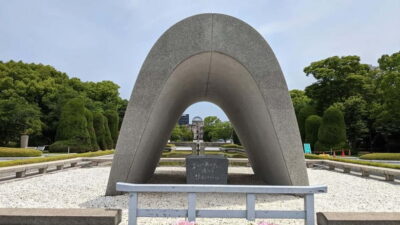
- Walking through Peace Memorial Park
- The Atomic Bomb Dome and the hypocenter
- The overlooked buildings that show ordinary life
- Hiroshima Castle and the samurai chapter
- Guides who shape the experience
- Pace, access, and what to bring
- Is $67 a fair price?
- Who should book this experience?
- FAQ
- How long does the Hiroshima Peace Memorial Museum and Castle Tour last?
- What is included in the $67 price?
- Are Hiroshima Castle tickets included?
- Is the museum audio guide included?
- Which languages are available?
- Is the tour suitable for wheelchair users?
- Should you book it?
Key points to know before booking
- The museum gets about one hour: Your guide introduces the main story, while you still have time to read and look at exhibits yourself.
- The park is explained, not simply photographed: You learn the meaning behind memorials, monuments, and the city’s message of peace.
- The hypocenter and Atomic Bomb Dome add vital context: The tour takes the history beyond museum displays and into the actual city.
- Some guides show lesser-known bombed buildings: A surviving bank, school, or hospital can make daily life in 1945 easier to understand.
- Hiroshima Castle changes the subject: Samurai armor, swords, and helmets offer a look at the city before the bombing.
- The $67 price buys interpretation more than transport: Museum entry, a guide, walking tour, and traditional snacks are included, but castle tickets and food are not.
Why this Hiroshima tour works
Hiroshima can be visited independently, but the central memorial area asks more of you than ordinary sightseeing. Plaques and displays provide facts, yet a good guide helps connect the dates, places, symbols, and human stories without turning the visit into a dry history lesson.
That is the real value here. You are not just walking from one famous site to another. You are given a framework for understanding what happened, what the city lost, and how Hiroshima rebuilt itself.
The experience begins near the taxi stand by the Peace Memorial Museum, at 1-2 Nakajimachō. The route is mainly on foot, with a listed ten-minute walk between the Atomic Bomb Dome and Hiroshima Castle. Comfortable shoes and clothes matter, especially in warm or wet weather.
The tour is priced at $67 per person. That includes the walking tour, Peace Memorial Museum admission, a guide, and traditional Hiroshima snacks. You pay separately for food and drinks, the optional museum audio guide, and entry to Hiroshima Castle.
For a visitor who wants context and conversation, that is a fair price. You could walk around the park alone for free, but you would miss the chance to ask why a monument matters, how the bombing affected ordinary life, and where to look for surviving buildings. If you prefer to read every museum panel slowly, three hours may feel tight.
A few more Hiroshima tours and experiences worth a look
One hour inside the Peace Memorial Museum
The museum is the emotional center of the experience. Your guide takes you inside for about an hour and helps frame what you are seeing before you move through the displays.
Expect a serious visit. The exhibits show the human cost of the atomic bombing through personal belongings, photographs, accounts, and scenes of destruction. Some material is graphic and upsetting, so this is not a light sightseeing stop. If you are traveling with children or anyone who may find such displays difficult, ask about the content before entering.
A useful feature of a guided visit is that you are not left to build the entire story from isolated objects. Your guide can explain the events leading up to the bombing, the immediate aftermath, and the effect on Hiroshima’s residents. Guides such as Maria have been praised for giving visitors time to read while adding explanation where it helps.
That balance matters. A guide who talks without pause can make a museum feel like a classroom. Here, the better approach is to let you look, then answer questions and draw attention to important details. Maria, in particular, has adjusted the pace when visitors wanted longer with the exhibits.
You can also choose to purchase the museum’s optional audio guide, but it is not included. For many people, the live guide will be enough. The advantage of a person is the ability to explain a confusing point in plain English, Hindi, Malay, or Urdu and connect the display to the places you will see outside.
Do not expect the museum to provide easy emotional distance. The point is not simply to learn the mechanics of the bombing. It is to confront what it meant for people who were living, working, studying, and commuting in the city that morning.
Walking through Peace Memorial Park
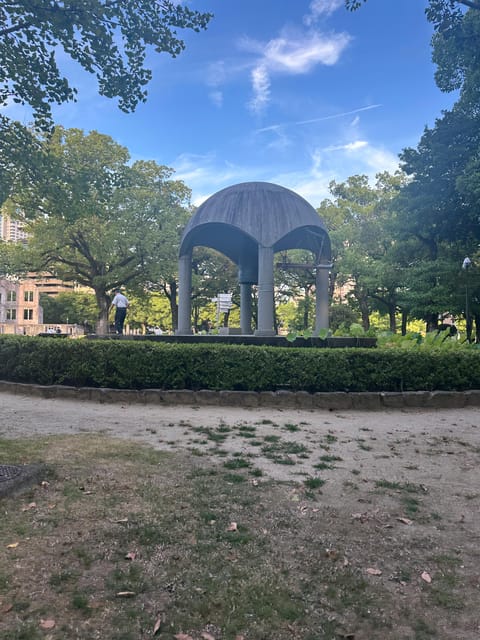
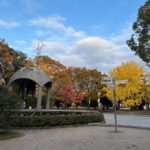
After the museum, the route continues through Peace Memorial Park for about an hour. This is where the tour’s ideas begin to connect.
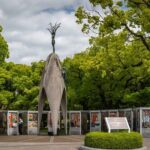
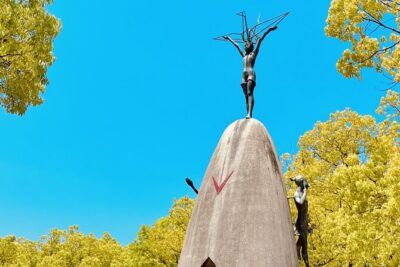
The park contains memorials and monuments with different purposes, and their meaning is not always obvious at first glance. Your guide explains the symbolism behind the monuments and the thoughts behind the memorials, while placing them within the wider story of World War II.
This section gives you room to process what you have seen indoors. The park is open, spacious, and quieter in tone than the museum, but it is not merely a pleasant green space. Each stop asks you to think about remembrance, responsibility, and the hope that such destruction will not happen again.
I especially like the way this part can be adjusted to your interests. Some visitors want dates and military context. Others want personal stories, the rebuilding of Hiroshima, or a better understanding of how the city presents its peace message today. Guides including Ihsan and Maria have been singled out for answering questions in detail without losing sight of the human side of the story.
Families should tell the guide the ages and interests of their children. One guide tailored the material for children aged 16, 13, and 8, using specific parts of the park to keep the visit understandable for everyone. That does not make the subject cheerful, but it can prevent younger visitors from feeling lost or overwhelmed.
Allow yourself a little quiet time here. You do not need to fill every minute with questions or photographs. The best guides recognize when to speak and when to let the place speak for itself.
The Atomic Bomb Dome and the hypocenter
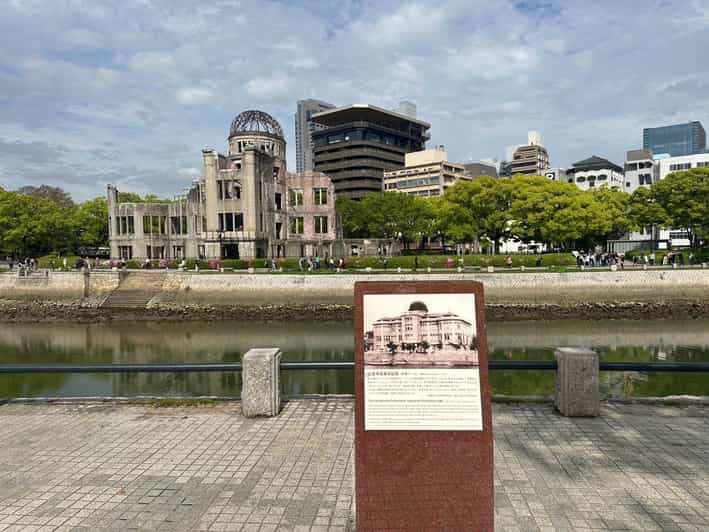
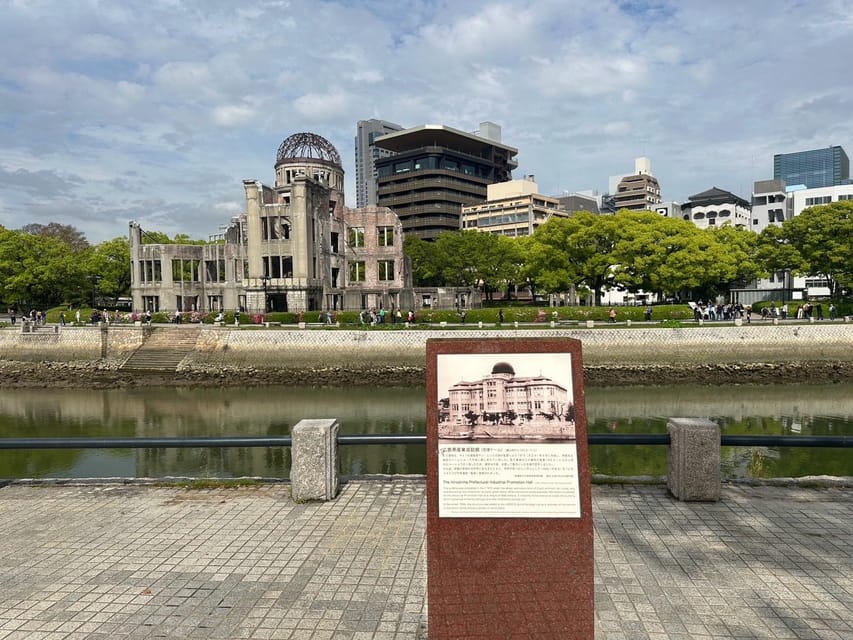
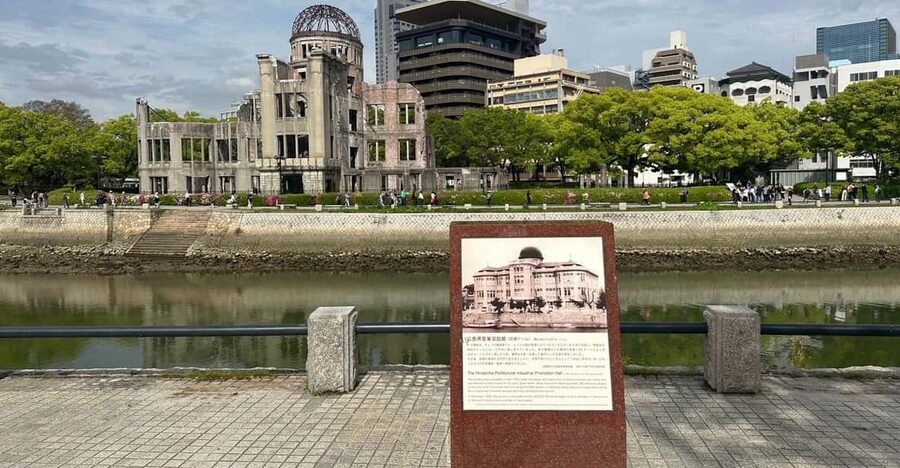
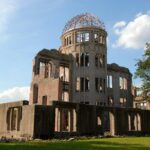
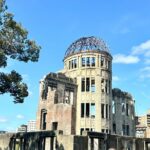
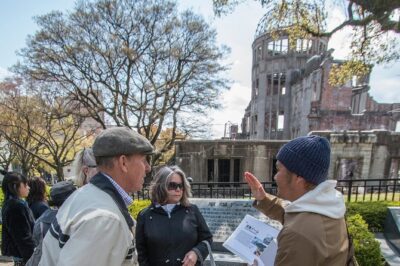
The Atomic Bomb Dome receives about ten minutes on the published route, but its importance is much greater than the time suggests. You stop for photographs and a guided explanation of the building and its place in Hiroshima’s memory.
Seeing a surviving structure changes the scale of the story. Inside the museum, destruction is presented through objects and testimony. At the Dome, you are looking at an actual building left standing amid the city’s devastation.
The visit also includes the hypocenter, the location directly beneath the explosion. This is a short stop, but it anchors the history in a precise place. Instead of thinking of the bombing as something that happened generally in Hiroshima, you can understand the center from which the blast spread.
This part of the route is useful for visitors who want more than the standard photograph of the Dome. Guides may point out how nearby buildings and streets relate to the blast and the city’s later rebuilding. Some have also taken visitors to less frequently visited structures connected with the bombing.
The timing is the limitation. Ten minutes is enough for an explanation and photographs, but not for a long reflective visit. If this is the part of Hiroshima that interests you most, tell your guide early. The flexible nature of several tours suggests that the pace can sometimes be adjusted, though you should not assume an extra hour is guaranteed.
The overlooked buildings that show ordinary life
One of the most useful features of this experience is the attention paid to remaining atomic-bombed buildings. The route may include places such as a school, hospital, or bank, depending on your guide and the time available.
These sites help answer a question that museum exhibits can leave hanging: what did Hiroshima look like as a working city before and after the blast?
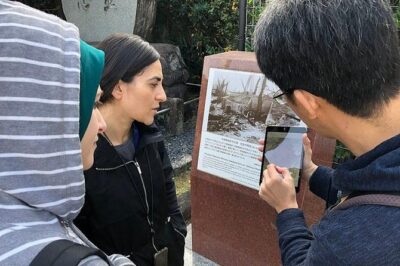
A bank where only one employee survived, or a school that was almost completely destroyed, gives the bombing a daily scale. You begin to picture people at work, children in class, and residents moving through familiar streets. The history becomes less abstract without needing exaggerated storytelling.
Guides Maria and Bilal have been praised for adding these kinds of places to the visit. Other guides have taken guests to special spots that are easy to miss without local help. This is an important difference between a basic route and a personal walking tour.
You should understand that these additional stops are not listed with exact names or guaranteed timings. They depend on the guide, the group’s interests, and the pace inside the museum and park. If you want this aspect, ask at the beginning for surviving buildings connected to ordinary life.
This is also where the tour can feel more local. The Peace Memorial Park is essential, but it is also the part of Hiroshima every first-time visitor is likely to see. A quieter school, bank, or hospital can offer a different kind of understanding.
A few more Hiroshima tours and experiences worth a look

Hiroshima Castle and the samurai chapter
The final major stop is Hiroshima Castle, with about 40 minutes for photographs, sightseeing, and a guided visit. This shifts the subject from atomic warfare and peace memorials to the city’s earlier political and samurai past.
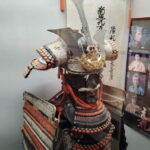
Inside or around the castle, you can see items connected with samurai life, including swords, helmets, and other displays. The castle helps place Hiroshima within Japanese history before 1945, rather than allowing the atomic bombing to become the city’s only story.
That change of focus is welcome. After the museum and park, you may need a less emotionally heavy chapter. The castle gives you one, while also showing how Hiroshima’s identity reaches back well before the 20th century.
Still, keep your expectations measured. The castle portion is shorter than the museum and park, and castle admission is not included in the $67 price. One especially useful piece of advice is that some visitors found the castle less interesting than the memorial sites. If you are short on time or watching your budget, you may decide that the castle is optional.
The tour does include a visit to Hiroshima Gokoku Shrine. This adds another cultural layer and can make the final portion feel less like a rushed castle add-on. However, the exact balance between shrine, castle grounds, and castle interior may depend on opening conditions and your guide’s timing.
Guides who shape the experience
The quality of this tour depends heavily on the individual guide. The strongest pattern in the feedback is not one particular scripted route, but the guides’ ability to adjust the experience.
Maria is repeatedly described as warm, patient, and clear in English. She has answered detailed questions, allowed extra reading time, suggested restaurants, and adapted the tour to families and individual interests. Several people appreciated her knowledge of both Hiroshima’s past and present.
Ihsan has been praised for keeping the group engaged and making three hours feel short. His style appears particularly suited to visitors who want a steady flow of explanation and conversation.
Mehak has been described as punctual, friendly, and passionate about the history. Leo has tailored visits around personal interests and added useful background on World War II. Bilal has handled the difficult subject with care and patience, including breaks when visitors needed them.
Other guides named in the experience include Ali, Waleed, James, and Léo. The available guiding languages are English, Hindi, Malay, and Urdu.
You cannot guarantee a specific guide unless the booking process allows you to request one, so treat the names as examples of the kind of personal service available rather than a promise. What you should expect is a live guide who can answer questions and adjust the pace more effectively than a recorded tour.
The tour can also run beyond the advertised three hours in some cases, but do not plan your train around an extension. The official duration is three hours, and that is the time you should allow.
Pace, access, and what to bring
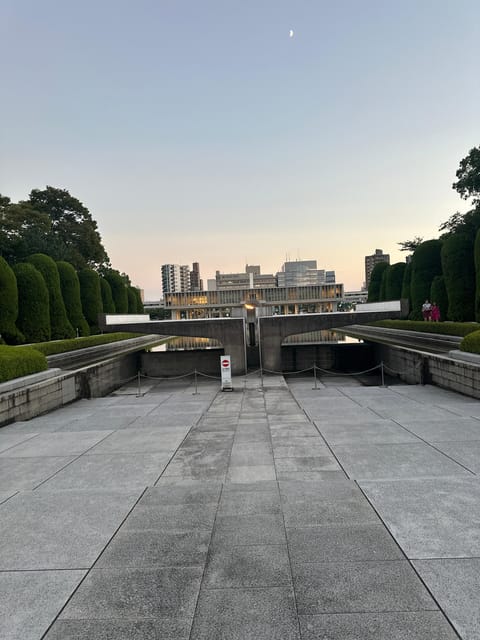
This is a walking tour with several outdoor stops. Wear comfortable shoes, carry water, and dress for the weather. The route includes the Peace Memorial Park, the Atomic Bomb Dome, a ten-minute walk, and Hiroshima Castle.
The activity information says the tour is wheelchair accessible, but it also says it is not suitable for wheelchair users. That is a clear contradiction. Contact the provider, Fukuhara tours, before booking if you use a wheelchair or have limited mobility, and ask about the exact route, surfaces, and castle access.
The experience is also marked as unsuitable for people over 95. That restriction is unusual, so older visitors should confirm it directly when reserving.
The museum’s material can be shocking. You may want to prepare children in advance and agree that anyone can take a quiet break if needed. A thoughtful guide should respond to your comfort level, but the content itself cannot be softened without losing its purpose.
The meeting point is the taxi stand near the Peace Memorial Museum. Since the tour starts in the Nakajimachō area, check your route carefully and leave enough time to arrive. If a taxi problem or delay affects you, contact the guide as soon as possible. A guide has previously worked with late-arriving visitors, but communication is essential.
Free cancellation is available up to 24 hours before the start for a full refund. You can also reserve now and pay later, which is helpful when your Hiroshima schedule depends on trains or changing weather.
Is $67 a fair price?
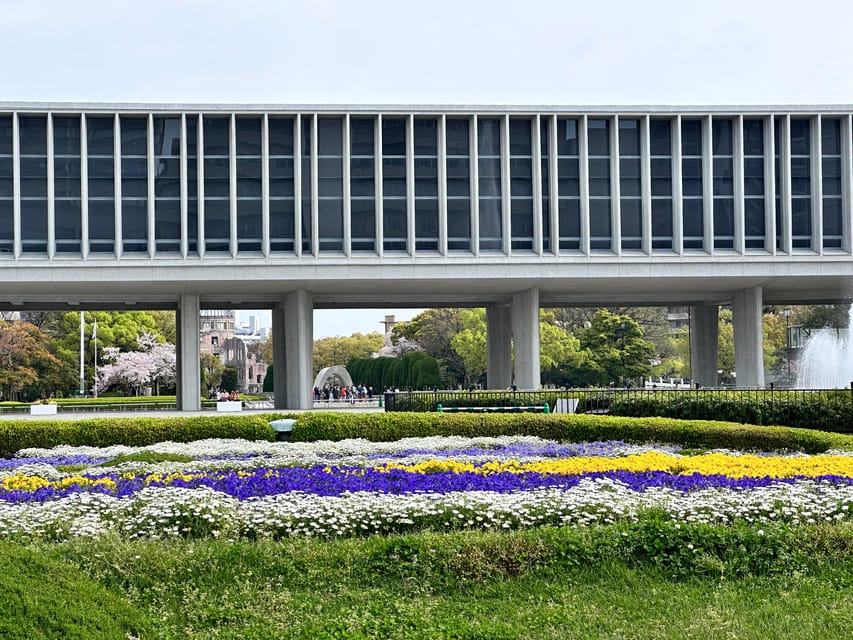
At $67 per person, this is not the cheapest way to see Hiroshima’s memorial area. You can enter Peace Memorial Park without paying for a tour, and the castle ticket is not included, so budget-conscious visitors should understand what the fee covers.
The value lies in interpretation. You receive museum admission, a live guide, traditional Hiroshima snacks, and a route that connects the museum with the park, hypocenter, Dome, shrine, and castle. You are also paying for the chance to ask questions and request more context about places that are easy to overlook.
I think the price makes the most sense for a first visit, especially if you want to understand the history rather than simply photograph the main monuments. It is also useful for families, because a guide can adjust the language and pace for different ages.
The value is weaker if you want a slow museum visit. One hour inside a place this serious may not be enough for every label and display. You may also find the castle less compelling than the memorial sites, and its separate admission adds to the total.
For many people, the personal guidance is the deciding factor. A small, attentive tour can feel far more useful than joining a large group that moves on before you have finished reading. Just confirm the group format and whether you can request a particular guide before paying.
Who should book this experience?
I would choose this tour if you want a respectful introduction to Hiroshima, prefer asking questions as you go, or feel unsure how to approach the memorial sites alone. It suits couples, families with older children, and visitors who want local food suggestions along with historical explanation.
It is particularly helpful for anyone interested in the human side of the bombing. The museum covers the large story, while the park, hypocenter, Dome, and surviving buildings show what that story meant on the ground.
You may prefer independent sightseeing if you need several hours inside the museum, dislike guided pacing, or have already studied Hiroshima in detail. The castle may also not justify the added ticket for you.
If you book, tell the guide what matters most: military history, personal stories, peace education, samurai culture, architecture, food, or lesser-known bombed buildings. The strongest part of this experience is its ability to follow your questions.
FAQ
How long does the Hiroshima Peace Memorial Museum and Castle Tour last?
The scheduled duration is three hours. The route includes about one hour at the museum, one hour in Peace Memorial Park, ten minutes at the Atomic Bomb Dome, a ten-minute walk, and about 40 minutes at Hiroshima Castle.
What is included in the $67 price?
The price includes the walking tour, Peace Memorial Museum admission, a tour guide, and traditional Hiroshima snacks.
Are Hiroshima Castle tickets included?
No. Castle tickets are not included, so you should budget for admission separately.
Is the museum audio guide included?
No. The optional Peace Memorial Museum audio guide costs extra.
Which languages are available?
Live guiding is available in English, Hindi, Malay, and Urdu.
Is the tour suitable for wheelchair users?
The activity information gives conflicting details, describing the tour as wheelchair accessible while also stating that it is not suitable for wheelchair users. Contact Fukuhara tours before booking to confirm the current route and access arrangements.
Should you book it?
Book this tour if you want Hiroshima explained with care, not just checked off a sightseeing list. The Peace Memorial Museum and Park are the heart of the visit, while the hypocenter, Atomic Bomb Dome, and lesser-known bombed buildings give the story physical weight.
The castle is a useful extra, though not the strongest stop for everyone, and its ticket costs more. For the best value, arrive ready to ask questions, wear good walking shoes, and tell your guide that you want time for both the museum displays and the quieter stories beyond the main monuments.
More Castle Tours in Hiroshima


More Hiroshima City Tours in Hiroshima
More Peace Memorial Tours in Hiroshima


More tours in Hiroshima we've reviewed



Peace Memorial Tours, compared.
 ★ 4.8Hiroshima Historical Walking Tour – Why A-Bomb was DroppedFrom $352h 30m
 ★ 5.0Hiroshima Peace (Heiwa) Walking Tour at World Heritage SitesFrom $94
 ★ 4.9Hiroshima: Miyajima Peace Memorial Icons of Peace and BeautyFrom $1638 hours
 ★ 5.0Hiroshima Walking Tour Why A Bomb was dropped to HiroshimaFrom $28
 ★ 5.0Hiroshima 2hr Peace Cycling Tour with Local GuideFrom $59
 ★ 4.8Hiroshima: Peace Cycling Tour with Local GuideFrom $522 - 3 hours
