

Reviewed · PEACE MEMORIAL TOURS
Hiroshima’s Historic Walk Private Tour: Castle, Dome & Peace Park
Hiroshima’s past comes into focus on this compact walk from Hiroshima Castle to Peace Memorial Park. In about two hours, you move from samurai-era history to the Atomic Bomb Dome and the city’s central memorial grounds. The route shows both the Hiroshima that existed before August 1945 and the city rebuilt afterward.
I like the private format, since your guide can adjust the pace and explain difficult subjects in plain language. I also like the clean one-way route: you begin at the castle and finish at Peace Memorial Park, with no need to circle back. The main drawback is price. At $445.87 per person for roughly two hours, this is a costly introduction, especially since Hiroshima Castle admission costs another $2.50.
In This Review
- Key points to know before booking
- Hiroshima’s story in one short walk
- Hiroshima Castle: a beginning before 1945
- Gokoku Shrine: a quiet pause in the city center
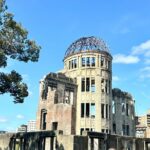
- The Atomic Bomb Dome: a difficult, direct encounter
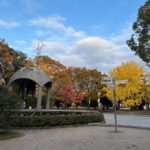
- Peace Memorial Park: the tour’s broadest stop
- What the private guide adds
- Is $445.87 per person a fair price?
- Timing, walking, and the end point
- Who will get the most from this tour?
- Should you book Hiroshima’s Historic Walk?
- FAQ
- How long does the Hiroshima Historic Walk take?
- Where does the tour begin?
- Where does the tour end?
- Which places are visited?
- Is this a private tour?
- Is Hiroshima Castle admission included?
- Are there admission fees for the other listed stops?
- Is transportation included?
- Can most people participate?
- Can I cancel or change the booking?
- How far ahead is the tour usually booked?
Key points to know before booking

- A focused route through four major sites: Hiroshima Castle, Hiroshima Gokoku Shrine, the Atomic Bomb Dome, and Peace Memorial Park.
- A private guide for your group only: Guides have included Waleed and Kumiko, with the chance to ask personal questions along the way.
- A strong choice for a short Hiroshima visit: The tour links the city’s military past, wartime destruction, and peace message in one walk.
- A walking tour with a separate finish point: You start at Hiroshima Castle and end at Peace Memorial Park.
- The castle fee is extra: Plan on an additional $2.50 for entry if you go inside.
- High cost, useful context: The price makes the most sense for couples, families, or small groups who value private guiding over a lower-cost group tour.
Hiroshima’s story in one short walk
This experience works because the route has a clear historical shape. Hiroshima Castle introduces the city before the atomic bombing. Gokoku Shrine adds a quiet spiritual pause. The Atomic Bomb Dome brings you face to face with the destruction of August 6, 1945. Peace Memorial Park then broadens the story from one building to a citywide call for peace.
You are not simply checking off landmarks. The guide’s role is to connect them. That matters in Hiroshima, where the meaning of a site can be missed if you only take a photograph and move on.
The tour lasts about two hours, so it is best viewed as a strong first visit rather than a complete study of Hiroshima. You will get orientation, historical explanation, and a guided walk through the central memorial area. You will not have unlimited time at every museum display or memorial.
The private setup is especially useful if your group has children, older family members, or different levels of interest in history. You can ask for more detail at the places that matter most to you, or keep moving if the group needs a quieter, shorter stop.
A few more Hiroshima tours and experiences worth a look
Hiroshima Castle: a beginning before 1945
The tour starts at Hiroshima Castle, at 21-1 Motomachi in Naka Ward. The castle is a useful opening because it places Hiroshima in a longer story than the atomic bombing alone.
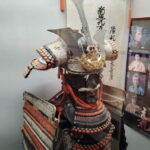
You can explore the castle museum and its displays on samurai culture. The tower also offers views across the city. Those views help you get your bearings before walking toward the riverfront and memorial area.
The scheduled visit here is about 30 minutes. That is enough for an introduction and a look around, but not enough for a slow museum visit. If you enjoy Japanese castles and want to read every display, you may feel rushed.
Admission is not included and costs $2.50. That is a small extra charge compared with the tour price, but it is worth knowing before you arrive. Ask your guide how the time will be divided between the grounds, museum, and tower so you can decide what matters most.
The castle stop also gives the tour a useful balance. Hiroshima is not only a place of wartime memory. It was a city with political, military, and cultural importance long before 1945, and this first stop helps make that clear.
Gokoku Shrine: a quiet pause in the city center
Hiroshima Gokoku Shrine follows the castle. Admission is free, and the planned visit lasts about 30 minutes.
After the castle museum, the shrine offers a calmer setting. You can take a breath, look at the architecture, and consider how Japanese religious spaces fit into the city’s story. The stop is less about a major collection or long indoor visit and more about atmosphere and remembrance.
Because it is close to Hiroshima Castle, this part of the route does not require a major detour. That keeps the walk practical. You get a change of mood without spending much of the two-hour schedule on transport.
The shrine may be most valuable if you want more than a strictly military or political tour. It adds a spiritual element before the route turns toward the Atomic Bomb Dome and Peace Memorial Park.
Still, expectations matter. This is a 30-minute stop, not a separate shrine-focused excursion. Your guide can explain why it belongs on the route, but you should not book this tour mainly for an extended religious or architectural visit.
The Atomic Bomb Dome: a difficult, direct encounter

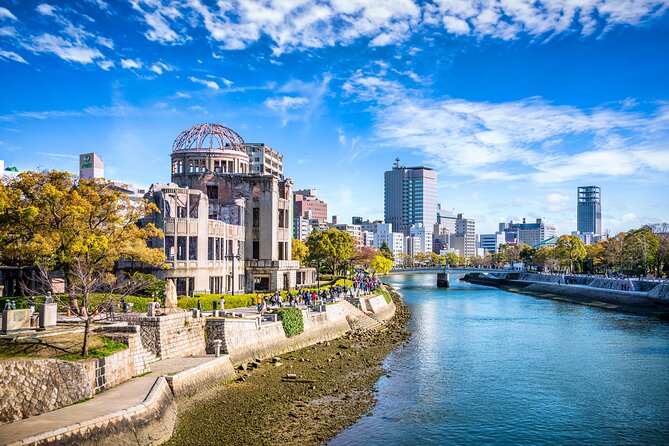
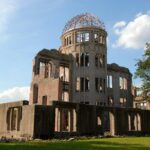
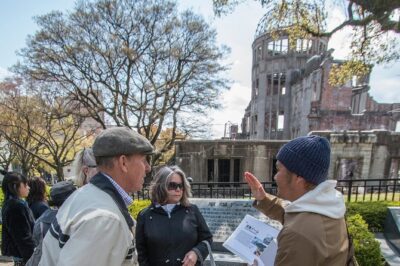
The Atomic Bomb Dome is the emotional hinge of the walk. It is a UNESCO World Heritage site and one of Hiroshima’s most recognizable landmarks.
The structure’s damaged frame makes the force of the bombing visible in a way that photographs and general explanations cannot fully replace. You stand outside and look at a building preserved as a reminder of destruction, suffering, and the need for peace.
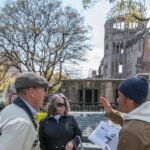
The planned visit is about 30 minutes, with no admission fee. A guide can help you understand what you are seeing without turning the stop into a list of dates and facts. This is a good place to ask questions about the building, its preservation, and how it fits into Hiroshima’s public memory.
You should also allow yourself some quiet. Hiroshima’s memorial sites are not ordinary sightseeing stops. The guide may offer historical context, but you do not need constant commentary every minute.
The Atomic Bomb Dome can be hard for children or anyone who finds war memorials emotionally heavy. The private format helps here because you can ask to slow down, pause, or move on without managing the needs of a large group.
Peace Memorial Park: the tour’s broadest stop
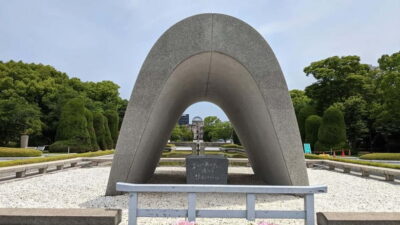
The final stop is Hiroshima Peace Memorial Park, at 1 Nakajimacho. The tour ends here, which is practical if you want to continue on your own afterward.
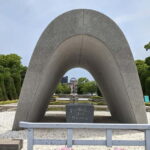
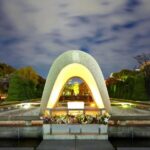
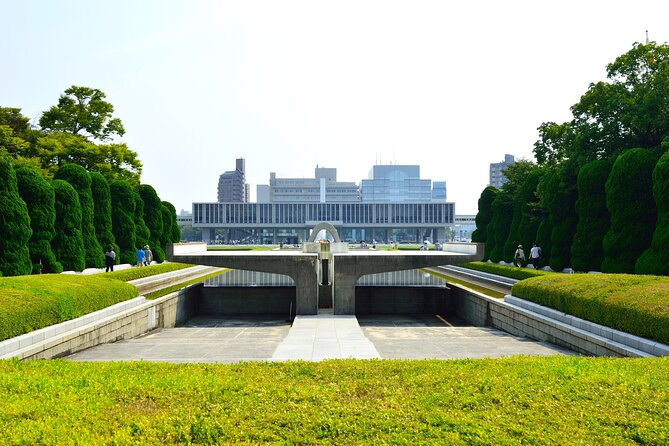
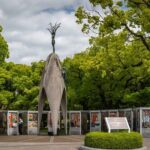
The park is expansive and carefully maintained, with memorials dedicated to the people killed by the atomic bombing. The scheduled time is about 30 minutes, but this is the place most likely to make you wish for more time.
A short guided visit can show you how the park is arranged and explain the purpose of its major memorial spaces. That orientation is useful, particularly if you have only a few hours in Hiroshima. You leave with a better sense of where to return for a longer, quieter visit.
A separate review of a booking with Kumiko describes her offering two ways to reach the park, by public transport or taxi, with the taxi option chosen. She also guided the group through the museum, gardens, and memorials. That account suggests some flexibility may be possible, but the advertised route is a walking tour and transport is not included. Confirm any transport or museum plan before booking rather than assuming it is part of every departure.
The park is also where the tour’s message shifts from what happened to what Hiroshima asks of the world now. That change gives the walk a clear finish. You begin with a castle and end with a public space devoted to memory and peace.
A few more Hiroshima tours and experiences worth a look

What the private guide adds
The guide is the main reason to consider this experience instead of walking the route alone. The landmarks are easy enough to locate, but their meaning is not always obvious from signs or photographs.
Waleed has been described as effective at presenting the history while adding interesting side notes. That is the kind of guiding that helps on a short visit. You get the main story, but also small details that make the city easier to understand.
Kumiko has been described as flexible with transport and effective at guiding a group through the museum, gardens, and memorials. If she is assigned to your tour, her willingness to adapt could be useful for families or groups with limited walking time. Guide assignments can change, so treat these names as examples rather than a guarantee.
The best use of your guide is to ask direct questions. You might ask how Hiroshima’s prewar identity relates to the castle, why the Atomic Bomb Dome was preserved, or how the park’s memorial spaces differ in purpose.
Since only your group participates, you do not need to fit into a stranger’s pace. That is a real benefit for a serious subject. A private guide can also judge when your group needs explanation and when it needs silence.
Is $445.87 per person a fair price?
This is the hardest part of the decision. $445.87 per person is a steep price for a two-hour walking tour, particularly when the castle ticket is not included and costs another $2.50.
The price becomes easier to defend if you have very little time in Hiroshima and want a private guide to organize the key sites. It may also work for a small family group that values a flexible conversation and does not want to join strangers.
For one person or a couple on a careful budget, the value is less convincing. Three of the four stops are free, and the route can be visited independently. You are paying mainly for the guide’s time, historical framing, and the convenience of a private group.
Group discounts are available, although the exact reduction is not provided. If you are traveling with several people, check the total before deciding. A larger private group may bring the per-person cost into a more sensible range.
The tour is booked about 23 days ahead on average, which suggests you should not leave it until the last minute if a private departure is important to you. Confirmation arrives at booking, and a mobile ticket is available.
Timing, walking, and the end point
The tour begins at Hiroshima Castle and ends at Peace Memorial Park. This one-way design is convenient because you do not return to the starting point, but it also means you should plan what comes next from the park.
The route is near public transportation, and the activity is described as suitable for most people. It is still a walking tour, with four stops scheduled for around 30 minutes each. The total duration is approximately two hours, so you should wear comfortable shoes and allow extra time if you want to linger.
Attractions may be easier or harder to access depending on the time of day and crowd conditions. That is especially relevant at the castle and memorial areas. A private guide can help adjust the order or pace, but the available time remains limited.
If you want to visit the Hiroshima museum in detail, ask about adding it or extending the visit. The supplied tour details include the park and memorial area, while the account involving Kumiko included museum guidance and taxi transport. Those may not be part of the standard two-hour plan.
Who will get the most from this tour?
I would consider this tour if you have only a short stop in Hiroshima, want a private guide, and prefer a clear historical route rather than planning each site yourself.
It suits:
- First-time visitors who want the major landmarks explained in order.
- Families who need a flexible pace.
- Small groups who want to ask personal questions.
- History-minded visitors who want both prewar Hiroshima and the atomic bombing covered.
- People who prefer ending at Peace Memorial Park so they can continue exploring afterward.
I would think twice if you want long museum visits, extensive castle exploration, or the lowest possible cost. Two hours passes quickly, and the high price is difficult to justify if you are comfortable reading signs and finding the sites independently.
The subject also calls for a certain frame of mind. This is not a light sightseeing stroll. The castle and shrine offer quieter moments, but the Atomic Bomb Dome and Peace Memorial Park can be deeply emotional.
Should you book Hiroshima’s Historic Walk?
Book it if private guiding and efficient use of time matter more to you than price. The route is well chosen, the finish at Peace Memorial Park is useful, and the guide can connect Hiroshima’s older identity with its wartime destruction and later peace message.
Skip it if $445.87 per person feels excessive for two hours or if you want to spend substantial time inside the castle museum and Hiroshima’s other memorial facilities. In that case, visit the sites at your own pace and reserve your budget for longer museum time.
Before paying, confirm the guide, exact walking plan, and whether any museum visit or taxi transfer is included. The tour can be a powerful introduction to Hiroshima, but its value depends on how much you want personal explanation and how little time you have.
FAQ
How long does the Hiroshima Historic Walk take?
The tour lasts approximately two hours.
Where does the tour begin?
It begins at Hiroshima Castle, at 21-1 Motomachi, Naka Ward, Hiroshima, 730-0011, Japan.
Where does the tour end?
The tour ends at Peace Memorial Park, at 1 Nakajimacho, Naka Ward, Hiroshima, 730-0811, Japan.
Which places are visited?
The route includes Hiroshima Castle, Hiroshima Gokoku Shrine, the Atomic Bomb Dome, and Peace Memorial Park.
Is this a private tour?
Yes. Only your group participates in the private activity.
Is Hiroshima Castle admission included?
No. The Hiroshima Castle entrance fee is listed separately at $2.50.
Are there admission fees for the other listed stops?
Hiroshima Gokoku Shrine, the Atomic Bomb Dome, and Peace Memorial Park are listed with free admission.
Is transportation included?
The advertised experience is a walking tour, and transportation is not listed as included. A past booking with guide Kumiko involved a taxi option, so confirm any transport arrangement before booking.
Can most people participate?
The activity is described as suitable for most people, and it is near public transportation. It remains a walking tour lasting about two hours.
Can I cancel or change the booking?
No. The experience is non-refundable and cannot be changed for any reason after booking.
How far ahead is the tour usually booked?
It is booked about 23 days in advance on average.
More Castle Tours in Hiroshima

More Hiroshima City Tours in Hiroshima
More Peace Memorial Tours in Hiroshima


More tours in Hiroshima we've reviewed




Peace Memorial Tours, compared.
 ★ 4.8Hiroshima Historical Walking Tour – Why A-Bomb was DroppedFrom $352h 30m
 ★ 5.0Hiroshima Peace (Heiwa) Walking Tour at World Heritage SitesFrom $94
 ★ 4.9Hiroshima: Miyajima Peace Memorial Icons of Peace and BeautyFrom $1638 hours
 ★ 5.0Hiroshima Walking Tour Why A Bomb was dropped to HiroshimaFrom $28
 ★ 5.0Hiroshima 2hr Peace Cycling Tour with Local GuideFrom $59
 ★ 4.8Hiroshima: Peace Cycling Tour with Local GuideFrom $522 - 3 hours
