
Reviewed · HIROSHIMA FOOD TOURS
All-inclusive Hiroshima Nighttime Food and Cultural Immersion
Hiroshima after dark is best explored one small restaurant at a time. This three-hour evening tour takes you through Hiroshima Hon Dori Shotengai and into three standing bars or casual eateries, with food and a drink included at every stop.
I like two things right away: your guide chooses places that are hard to find on your own, and the meal comes in three rounds rather than one large restaurant sitting. You also get three alcoholic or non-alcoholic drinks, and guides such as Ken, Kensuke, Alex, and Trevor have been praised for making conversation easy and handling food allergies with care.
The main thing to know is that standing and eating is part of the plan. At least one stop may offer seats, but this is not a polished restaurant crawl with a chair guaranteed at every venue. If you want a quiet, formal dinner, choose another night.
In This Review
- Key points to know before booking
- Why this is a smart first evening in Hiroshima
- Walking through Hiroshima Hon Dori Shotengai
- Stop one: an easy start to the evening
- Stop two: more variety than a single dinner
- Stop three: the social side of Hiroshima nightlife
- What the guides add to the experience
- Food, drinks, and dietary needs
- Is $119 a good value?
- Who should book this evening?
- Practical details that matter
- Should you book it?
- FAQ
- Where does the Hiroshima food tour start?
- How long does the experience last?
- How many restaurants or bars do you visit?
- Are drinks included?
- Can children or teenagers join?
- Can the tour accommodate food allergies or dietary requirements?
Key points to know before booking
- Three food stops in about three hours: You receive a full dinner’s worth of food, spread across three local venues.
- Three drinks are included: Choose alcoholic or non-alcoholic drinks, including the chance to try local beer, sake, or other options available at the stops.
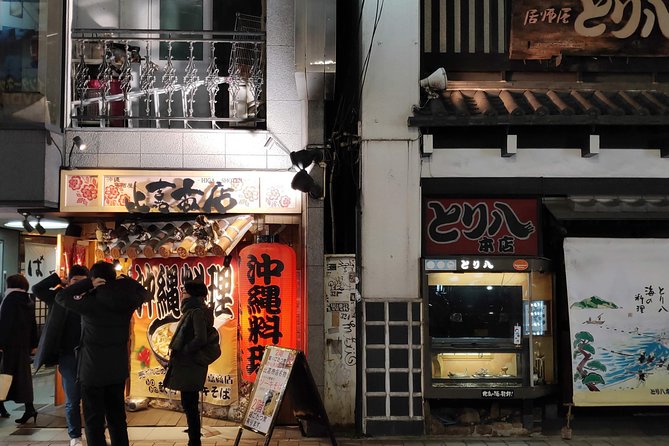
- Standing bars are central to the experience: These casual places show you how many locals spend an evening, but you should be comfortable eating on your feet.
- The guide does the difficult work: Your host selects dishes, helps with ordering, explains customs, and guides you through the night streets.
- Dietary needs can be accommodated: Tell the provider in advance so the guide can plan suitable choices.
- It works well for small private groups: Only your own group participates, and the activity allows guests aged 13 and older.
Why this is a smart first evening in Hiroshima
A first night in a new city can be oddly tiring. You may know you want okonomiyaki, sushi, fried dishes, or a local drink, but the hardest part is finding a small place, understanding the menu, and knowing how to behave once inside.
This tour removes that friction. You meet in front of Tiffany’s at 5-3 Shintenchi, Naka Ward, at 6:30 pm, then walk into the Hon Dori shopping district. From there, the evening is built around three food and drink stops, with the guide deciding what makes sense at each one.
I like this setup because it gives you a useful introduction without asking you to commit to one restaurant. You get several tastes, several settings, and a look at ordinary evening habits in central Hiroshima. The guide also points out local spots that are not strictly about food, giving the walk a little more shape than a simple meal.
The activity ends back at the original meeting point. Plan on roughly three hours, though the relaxed pace and friendly conversations can make the evening feel less tightly timed than a standard sightseeing tour.
A few more Hiroshima tours and experiences worth a look
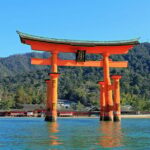

Walking through Hiroshima Hon Dori Shotengai
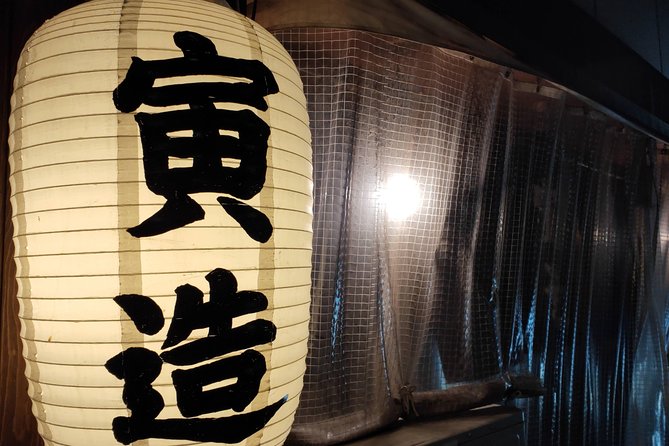
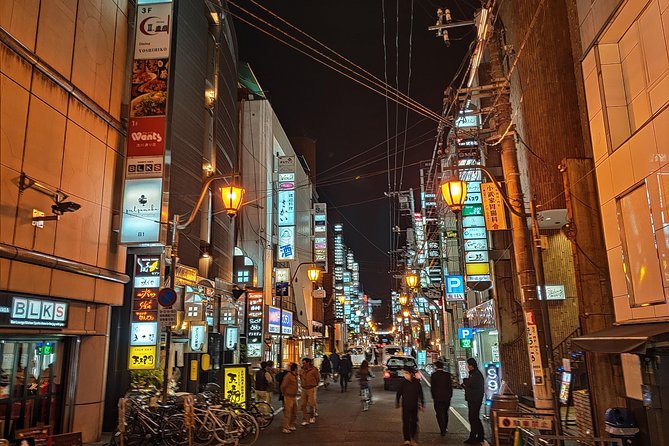
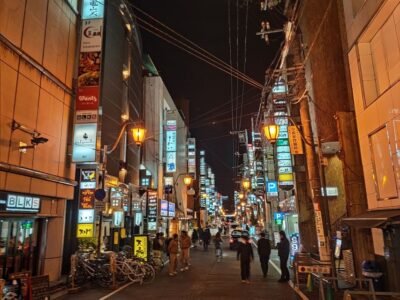
Hon Dori Shotengai is the first major setting for the tour. The covered shopping district helps you get oriented in central Hiroshima, and it also provides access to the small bars and restaurants selected for the evening.
The point is not to march from one famous sight to another. Instead, you use the shopping street as a route into local nightlife. Your guide explains the district and how people use it after work, then leads you to the first food stop.
This is valuable if Japanese restaurant customs feel intimidating. A guide can help you understand how to order, where to stand or sit, and which dishes are worth trying. Several guides, including Alex and Trevor, have been praised for explaining food and customs in a clear, friendly way.
You should still expect a walk through city streets at night. Wear comfortable shoes and arrive ready to move between venues. The tour is near public transportation, but the supplied details do not specify a particular station or return route, so ask your guide if you need help continuing elsewhere afterward.
Stop one: an easy start to the evening
The first restaurant sets the tone. Rather than taking you to a large tourist dining room, your guide chooses a casual local venue and orders food for the group. The exact dishes can vary, which is one reason the tour feels more like a guided evening than a fixed tasting menu.
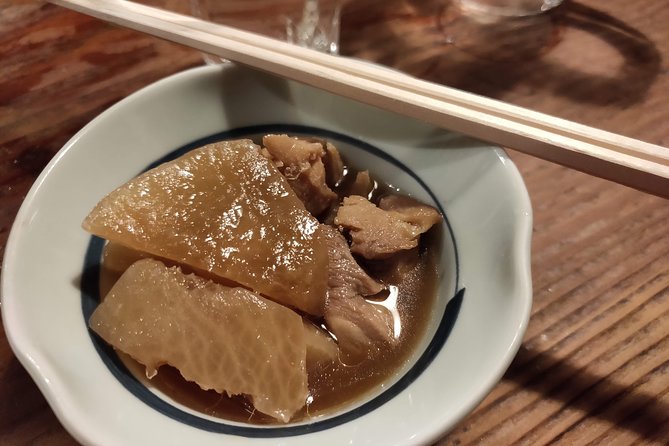
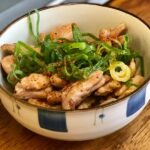
Past food choices have included sushi, fried dishes, soup, egg dishes, squid prepared in different ways, and Hiroshima-style okonomiyaki. You should not treat that list as a guarantee, but it gives you a good idea of the range.
The first drink is included, and you can choose an alcoholic or non-alcoholic option. If you are not drinking, you are not left out of the structure of the evening. The tour is designed to work with either choice.
This first stop is also a practical test of your comfort level. If you enjoy informal dining, the small setting can feel welcoming. If you dislike standing while eating, tell your guide early. The provider says guests generally sit at least once, but standing venues are a clear part of the plan.
Stop two: more variety than a single dinner
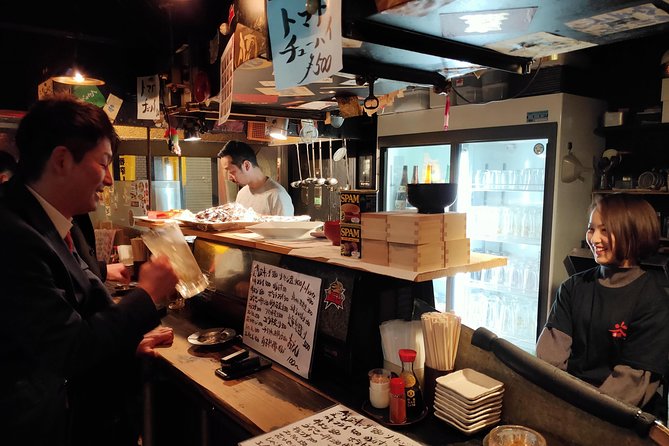
The second venue is where the value of the format becomes clearer. Instead of filling up on one specialty, you continue sampling different foods and styles of preparation.
One useful feature is portion control by variety. You can try several dishes without ordering three full meals at three separate restaurants. At the same time, do not expect tiny samples. The food has been described as plentiful, and several people finished the tour feeling full.
The guide chooses what to order, but this is not meant to remove your choices. Dietary needs can be accommodated when communicated ahead of time. One particularly useful example involved an allergy being handled without taking away the fun of the evening.
If your group includes vegetarians, meat eaters, teenagers, and older adults, tell the provider before you go. The tour is private, so your group does not have to negotiate with strangers over every dish. That makes food planning easier than it would be in a large shared group.
Still, the exact menu is not published in the supplied information. If you need strict assurance about ingredients, ask specific questions before booking rather than assuming every dish can be changed.
Stop three: the social side of Hiroshima nightlife
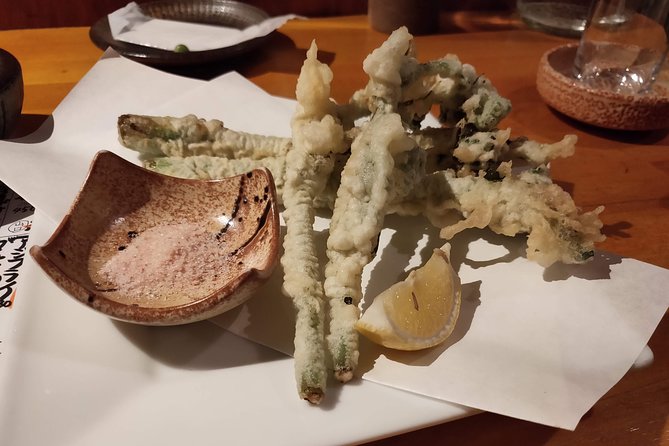
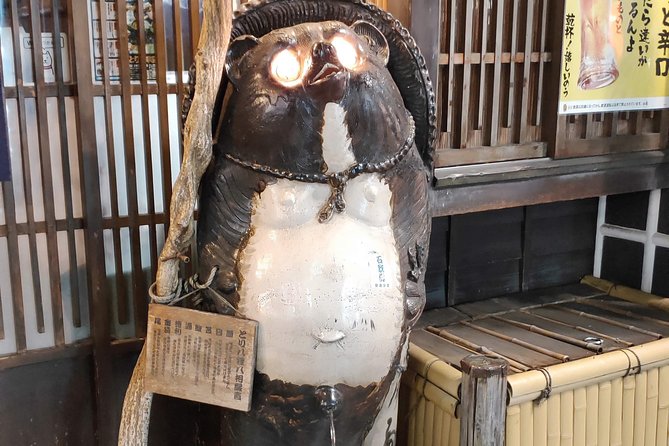
The final venue often gives the evening its strongest cultural flavor. You may find yourself in a small bar where local people are curious about visitors. The guide can translate and help both sides start a conversation, something that is difficult to arrange by yourself when you do not speak Japanese.
This is where the tour becomes more than a list of dishes. You learn how a neighborhood bar works, what people order, and how conversation unfolds in a compact setting. Guides such as Alex, Trevor, and Kensuke have been praised for asking questions, translating, and bringing the group into the room rather than leaving it to watch from the edge.
The social element is not guaranteed to unfold in exactly the same way every night. Local customers, venue choice, and group mood will vary. But the tour is clearly designed to put you in places where casual contact is possible, not simply to take you to restaurants already familiar to tourists.
The last drink is included. You might use it to try sake or another local choice, or stay with a soft drink. The minimum drinking age in Japan is 20, while all participants must be at least 13. Guests under 20 can participate but should choose non-alcoholic drinks.
A few more Hiroshima tours and experiences worth a look

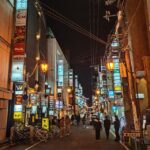

What the guides add to the experience
The provider uses several guides, so your host is not guaranteed. Names connected with the experience include Ken, Kensuke, Alex, Trevor, Kevin, and Alexander.
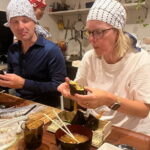
Ken is often described as relaxed, personable, and good at keeping conversation moving. Kensuke has been praised for handling an allergy carefully and for engaging the group with questions about food and culture. Alex is known for choosing small venues and including multigenerational families, while Trevor has received strong praise for explaining customs and translating conversations with local customers.
Kevin has been described as easygoing and entertaining, with good choices of izakaya. These details matter because the guide is the main difference between a useful local introduction and a simple bar-hopping night.
A strong host does four jobs at once: finds the venues, orders the food, explains what you are eating, and helps you connect with the people around you. That is a lot of value for visitors who would otherwise spend an evening guessing at menus and walking past doors that seem difficult to enter.
The weaker side of the experience is that quality can depend on the guide and the particular venues chosen that night. One very negative assessment described the food at two stops as poor and felt the evening focused too heavily on alcohol. That view is unusual beside the overall 4.6 rating from 60 ratings and 92 percent recommendation figure, but it is worth taking seriously. This is a flexible local night, not a guaranteed fine-dining experience.
Food, drinks, and dietary needs
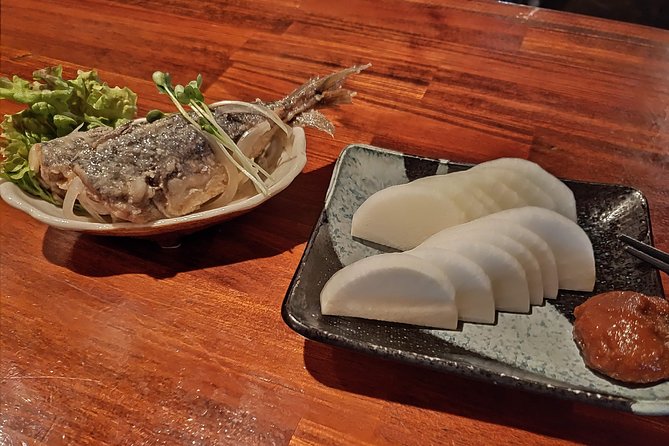
The package includes three different foods and three drinks. The foods are intended to add up to a full dinner, not merely a few bites. Past combinations have included sushi, okonomiyaki, fried foods, soup, egg, and squid.
The variety is one of the best reasons to book. You can compare several kinds of Japanese cooking in one evening, and you do not have to research a different restaurant for every course.
The drinks can be alcoholic or non-alcoholic. Sake has featured positively in the experience, and one person became a fan of local drinks called gansu and red eyes. Since the precise beverage selection depends on each venue, ask your guide what is available if you have strong preferences.
Food allergies and other dietary requirements can be accommodated. Give the provider the details before the tour rather than waiting until the first restaurant. The tour’s private format helps here, but the information does not promise that every possible diet can be handled, so strict dietary restrictions deserve a direct check before payment.
Is $119 a good value?
At $119 per person, this is not the cheapest way to eat in Hiroshima. You could order a meal for less, especially if you are comfortable reading menus and entering small restaurants without help.
The comparison changes when you count what is included. You receive three food servings, three drinks, a guide for about three hours, help with ordering, cultural explanations, translation when needed, and access to several places you might not choose alone.
You are also paying for saved time and reduced uncertainty. A visitor trying to reproduce the night independently would need to find three suitable venues, understand the ordering system, decide what to share, and move between them. The guide handles that work.
The price makes the most sense for a first or second night in Hiroshima, when you want orientation and a dinner at the same time. It is less appealing if you already know the city’s bar districts, prefer to choose every dish yourself, or do not drink and would rather spend less on a simple meal.
Because the tour is private, the cost may work better for couples, families, or friends sharing one booking than for a solo visitor paying alone. Group discounts are listed, though the exact discount is not provided.
Who should book this evening?
I would choose this tour for first-time visitors who want to understand how casual dining works in Hiroshima. It is also a good fit for food-focused people who care more about trying several local dishes than sitting in a famous restaurant.
Families can take part if everyone is at least 13. Teenagers can join with non-alcoholic drinks, and the private format makes it easier to keep a mixed-age group comfortable.
It suits people who enjoy conversation, surprises, and informal places. You may find a small restaurant you would never notice from a guidebook, meet local people, or try a dish you would not have ordered from a menu.
I would hesitate if you need a fixed menu, guaranteed seating, a silent dinner, or a firm promise about each dish. I would also think twice if drinking is the main reason for booking. The tour includes alcohol, but its best feature is the food, local setting, and help from the guide, not a night of heavy drinking.
Practical details that matter
The meeting point is in front of Tiffany’s at 5-3 Shintenchi, Naka Ward, Hiroshima, 730-0034. The start time is 6:30 pm, and the activity finishes at the same meeting point.
Mobile tickets are available, and confirmation is provided when you book. Most people can participate, and the tour is near public transportation. The supplied information does not list a specific accessibility arrangement, so contact the provider if stairs, standing, or walking distance could be a concern.
Wear shoes you can walk in and clothing that works for casual restaurants. Come hungry, but not starving, since the three stops are meant to provide a substantial meal.
You can cancel for a full refund up to 24 hours before the start time. Changes or cancellations inside that 24-hour window are not accepted for a refund, using Hiroshima local time as the cutoff.
Should you book it?
Book this experience if you want a guide to take you past the obvious dining choices and into small Hiroshima bars where ordering and conversation would otherwise be hard. The combination of three foods, three drinks, local explanations, and translation offers solid value for a three-hour evening, especially early in your stay.
Skip it if you want a formal meal, guaranteed chairs, or complete control over the menu. For most curious eaters, though, this is a practical way to get oriented, eat plenty, and learn how Hiroshima’s evening food culture works without having to figure out every door yourself.
FAQ
Where does the Hiroshima food tour start?
The tour starts at 5-3 Shintenchi, Naka Ward, Hiroshima, 730-0034, in front of Tiffany’s. The meeting time is 6:30 pm.
How long does the experience last?
Plan on approximately three hours. The tour ends back at the original meeting point.
How many restaurants or bars do you visit?
You visit three different standing-bar restaurants or casual local venues during the evening. Food and one drink are included at each stop.
Are drinks included?
Yes. Three alcoholic or non-alcoholic drinks are included. The minimum drinking age in Japan is 20.
Can children or teenagers join?
All participants must be at least 13 years old. Participants under 20 can join but must choose non-alcoholic drinks.
Can the tour accommodate food allergies or dietary requirements?
Yes, dietary requirements can be accommodated. Tell the provider about your needs before the experience so the guide can plan suitable food choices.
More Food Experiences in Hiroshima

More Hiroshima Food Tours in Hiroshima
More Hiroshima City Tours in Hiroshima

More tours in Hiroshima we've reviewed


Hiroshima Food Tours, compared.
 ★ 5.0Hiroshima Izakaya Food and Drink Night TourFrom $110
 ★ 4.9Hiroshima: Food and Culture Guided Walking Tour with DinnerFrom $943 hours
 ★ 5.0Private Japanese Cooking Class in Hiroshima with Machiko’s FamilyFrom $108
 ★ 5.0Best of Hiroshima Food TourFrom $221
 ★ 5.0Dinner Cruise on HANAIKADA (Raft-Type Boat) with Scenic View of MiyajimaFrom $95
 ★ 5.0Home Made Onigiri and Matcha Cooking Class in HiroshimaFrom $81
