
Reviewed · HIROSHIMA FOOD TOURS
Hiroshima Izakaya Food and Drink Night Tour
Hiroshima’s best night out may begin over a sizzling plate of okonomiyaki, then continue through tiny bars you would be unlikely to enter alone. This three-hour walk links Okonomimura with two izakayas in Nagarekawacho, giving you food, sake, conversation, and a look at Hiroshima after the memorial sites close.
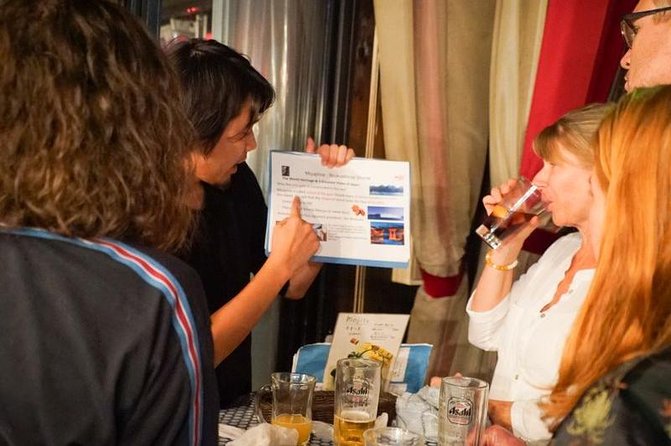
I like the small-group setup, which makes it easier to ask questions and fit into compact local bars. I also like the local guides, including Kaku, Yoko, Yuji, Hika, and others, who often add restaurant tips, city stories, and practical advice for the rest of your stay. The main caution is communication: most guides do well, but at least one guest found the English too limited and had to rely on Google Translate.
In This Review
- Key points at a glance
- Why Hiroshima nightlife works best with a local
- The 7 p.m. meeting in Hacchobori
- Okonomimura and Hiroshima’s signature dish
- Two izakayas around Nagarekawacho
- Sake, drinks, and what your price covers
- How much local history will you hear?
- Food restrictions, smoking, and weather
- Who will get the most from this evening?
- Should you book the Hiroshima Izakaya Food and Drink Night Tour?
- FAQ
- How long is the Hiroshima Izakaya Food and Drink Night Tour?
- What time does the tour begin?
- Where does the tour meet?
- Where does the tour end?
- What food is included?
- Are drinks included?
- Is the tour limited to adults?
- What is the group size?
- Can the tour accommodate vegetarian meals or allergies?
- Can I cancel for a refund?
Key points at a glance
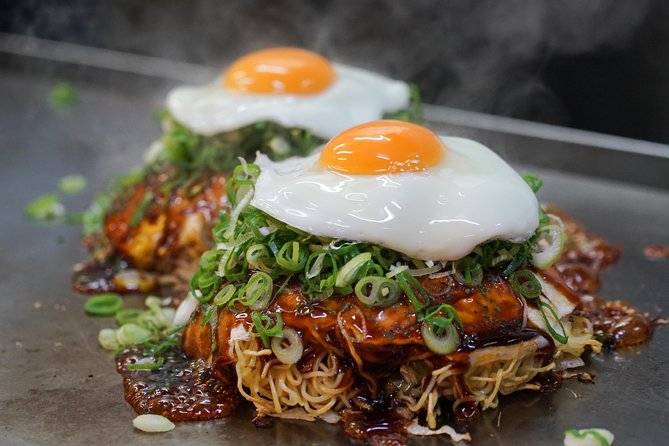
- Start with Hiroshima-style okonomiyaki: Spend about an hour inside Okonomimura, a famous food complex devoted to the city’s layered savory pancake.
- Visit two local izakayas: The final two hours take you around Nagarekawacho and the Naka area, with stops shaped by your preferences.
- Keep the group small: The tour is advertised for a maximum of five, while the additional information lists a maximum of seven, so confirm the exact group size when booking.
- Enjoy included drinks: Alcoholic beverages, including a chance to sample Japanese sake, are part of the price.
- Meet local guides: Guides such as Kaku, Yoko, Yuji, Hika, Yuki, and Bikky have been praised for friendly conversation and city advice.
- Plan for smoke and food limits: Some venues may allow smoking, and vegetarian, allergy-free, and special-diet choices cannot be guaranteed.
Why Hiroshima nightlife works best with a local
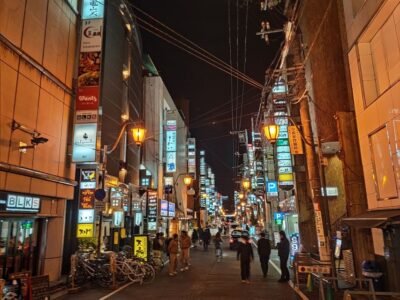
Hiroshima is easy to explore by day. You can visit the Peace Memorial Park, see the Atomic Bomb Dome, and eat around the station area without much trouble. Nighttime is different. The most appealing bars often sit behind plain doors, have only a few seats, and offer menus that are not easy to understand at a glance.
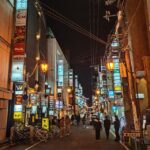
That is where this experience earns its keep. Your guide leads you from the meeting point at Fukuya Hacchobori Main into central Hiroshima, rather than leaving you to guess which narrow doorway is welcoming to first-time visitors. The evening is less about checking off famous sights and more about making sense of local dining customs.
The guide is also part of the value. Kaku was praised for being personable and easy to talk with. Yoko has been described as warm and attentive, while Yuji has helped with restaurant ideas and plans for the rest of a Hiroshima stay. Hika has brought local history into the conversation, and other guides, including Yuki and Bikky, have been singled out for friendly company.
You should still keep your expectations practical. This is not a formal lecture on Japanese food or Hiroshima history. The amount of explanation depends on your guide and the flow of the night. One person wanted more detail about how the food is made and its traditions, while another found the historical talk especially helpful. Think of it as a social evening with local insight, not a classroom.
A few more Hiroshima tours and experiences worth a look
The 7 p.m. meeting in Hacchobori
The tour begins at 7 p.m. at Fukuya Hacchobori Main, 6-26 Ebisuchō, in Naka Ward. The meeting point is near public transportation, which makes it a sensible evening activity after a day of sightseeing in central Hiroshima.
Arrive early. The tour starts on time, and if you miss the group, you cannot join later, reschedule, or receive a refund. This rule matters more than it might on a standard walking tour because the group moves between small venues and reservations or seating arrangements may be tight.
The published information describes a small group of up to five people, although the additional details give a maximum of seven. That difference is worth checking when you book. Either size is still far more personal than a large coach tour, but five people will feel more comfortable in a tiny bar than seven.
The tour ends back at the meeting point after roughly three hours. You should be ready for a walk through city streets and for some standing, since the exact seating at the bars can vary.
Okonomimura and Hiroshima’s signature dish
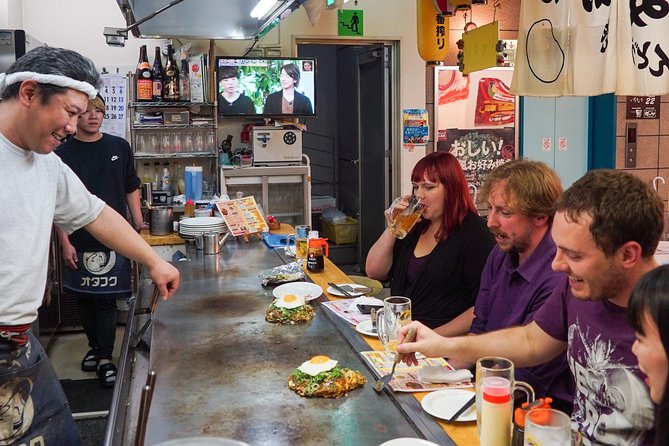
The first stop lasts about an hour and takes place at an okonomiyaki restaurant inside Okonomimura. This is the meal that gives the evening its strongest sense of place.
Hiroshima-style okonomiyaki is different from the Osaka version many people know. The ingredients are built in layers rather than mixed into a single batter, and the dish is cooked on a hot surface in front of you. The tour information does not promise a fixed ingredient list, so your guide is the right person to ask what is being served that night.
Several guests have considered this first stop the best part of the evening. That makes sense. Okonomiyaki is filling, distinctly associated with Hiroshima, and easy to enjoy as a shared introduction to local food. It also gives the group time to settle in before moving on to the bars.
One practical point: arrive hungry, but not exhausted from a heavy dinner. The first stop is a full food experience, and additional snacks may follow at the izakayas. The price includes alcoholic beverages, but you should carry cash if you want extra food or drinks beyond what is provided.
This stop is also a useful cultural bridge. Hiroshima is known worldwide for its wartime past, but local food offers another way to understand the city. Okonomiyaki is everyday comfort food, not a staged performance for visitors. Eating it in a compact restaurant inside Okonomimura gives the evening a grounded beginning.
Two izakayas around Nagarekawacho
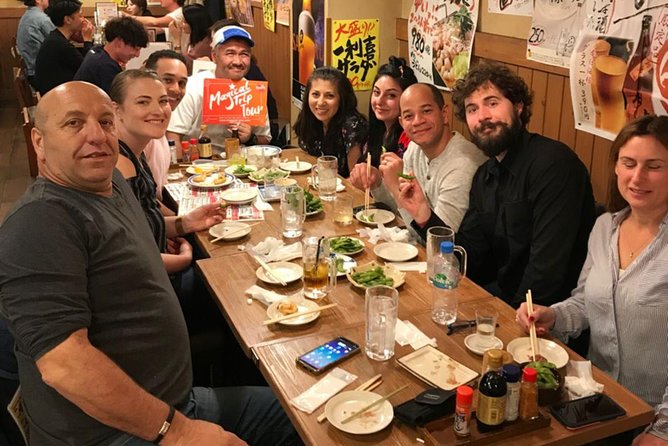
After Okonomimura, the tour continues for about two hours around Nagarekawacho and the Naka area. You visit two izakayas, with the exact choices based on your preferences and the venues available that evening.
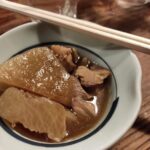
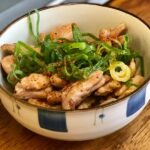
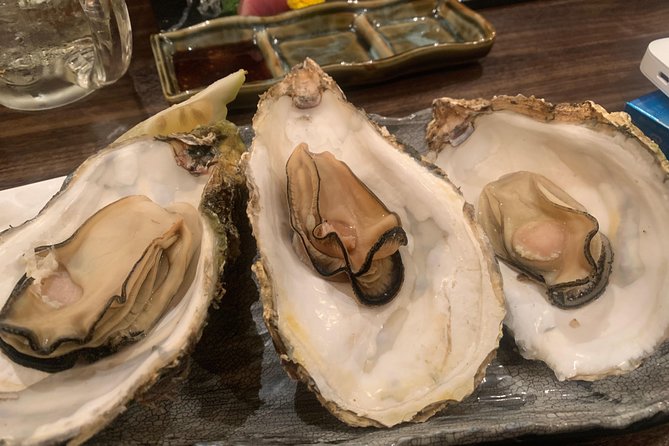
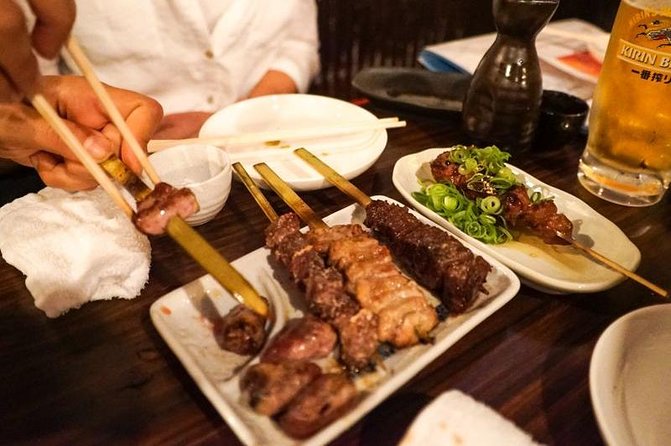
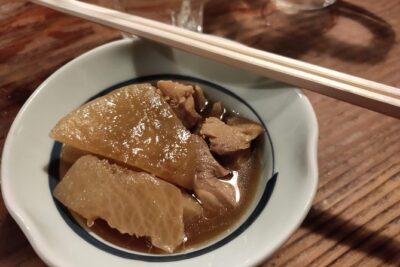
An izakaya is a Japanese drinking and dining place where small dishes accompany drinks. The appeal is variety and atmosphere. You may sample several foods instead of ordering one large meal, and the guide can help explain what is on the table. The supplied details do not promise a fixed menu, so you should treat the food selection as flexible rather than expecting a printed list of exact dishes.
This part of the evening is where the tour can take you beyond the routes you might choose on your own. One guide took a solo visitor to three places that would have been difficult to find independently. Another evening included three food stops, local conversation, and Japanese cultural context. The exact number of venues can vary in practice, but the planned structure is one okonomiyaki stop followed by two izakayas.
The small bars may be part of the charm. One person especially appreciated being guided into an intimate okonomiyaki place with very few seats, a setting they would not have felt confident entering alone. That is a real benefit if you are new to Japanese bar etiquette or unsure how to order.
The tradeoff is that not every stop will appeal equally. One guest found the second bar less enjoyable, and the tour does not guarantee a particular venue. If you want complete control over your food, drinks, and surroundings, booking individual restaurants will suit you better. If you prefer to hand over the evening’s route to someone who knows the neighborhood, this format makes more sense.
Sake, drinks, and what your price covers
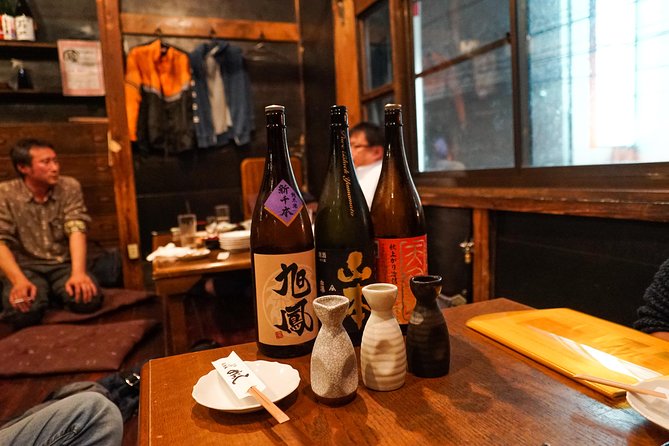
The cost is $110.89 per person. That is not a cheap dinner, but it includes the guide, the walking route, the okonomiyaki stop, two izakaya visits, and alcoholic beverages, including Japanese sake. The value depends on how much you would otherwise pay for drinks and on how comfortable you are finding small local bars without help.
I would judge the price as reasonable for a first night in Hiroshima if you want both food and orientation. A good guide can save you the awkwardness of entering an unfamiliar bar, explain the local choices, and point out places to return to later. Several guides have also provided suggestions for restaurants and sights during the rest of the trip.
The price does not cover unlimited ordering. Bring cash for extra snacks and drinks, and do not assume the guide’s food or drinks will be added to your bill. You are not expected to pay for the guide’s meal or beverages.
The alcohol requirement is clear: only people aged 20 and over may join as drinkers under Japanese law. The supplied information does not promise a separate nonalcoholic program, so ask before booking if you do not drink. The tour is built around food and beverages, with alcohol included as part of the experience.
A few more Hiroshima tours and experiences worth a look
How much local history will you hear?
The tour is not focused only on eating. Guides have pointed out historical locations connected to the atomic bombing, explained local details about Hiroshima and the prefecture, and occasionally added sights such as an illumination installation. These extras are not listed as guaranteed stops, so consider them a bonus that depends on the guide, route, and timing.
For some people, that local commentary is a major reason to book. A guide like Hika may connect the evening’s streets with Hiroshima’s past, while Yuji or Kaku may offer practical suggestions and personal stories. The conversation can make the city feel more understandable than a simple restaurant crawl.
For others, the history may not go far enough. One guest hoped for more local background tied to the area, especially after taking food tours elsewhere. If you want a detailed account of Hiroshima’s wartime history, book a dedicated museum or memorial tour as well. This evening gives context in passing, not a full treatment.
English ability may vary by guide. The experience is sold with an English-speaking guide, and many people have found communication clear enough for conversation and food explanations. Still, one guest said the language barrier made it hard to understand what was being served. Downloading a translation app is a sensible backup, especially if food ingredients matter to you.
Food restrictions, smoking, and weather
You should discuss dietary needs before committing. Kitchens at the stops are not operated by the tour company, so allergy-free meals cannot be guaranteed. Some venues may not allow substitutions, although the guide will try to find alternatives at other locations.
Vegetarian choices are limited because many Japanese restaurants are not fully equipped with vegetarian menus. A person with celiac disease was able to receive a similar alternative during one tour, but that should not be treated as a promise for every evening. If you have a serious allergy, strict medical diet, or strong food restriction, this may not be the right booking.
Some venues may allow smoking. The tour cannot always change the bar if smoking is permitted there. That is important for anyone sensitive to smoke, particularly because small izakayas can feel more enclosed than a large restaurant.
Hiroshima weather can also affect the walk. Summer temperatures may reach 40°C, while winter lows can fall to -5°C. Dress for the season, wear comfortable shoes, and bring suitable rain protection if the forecast looks uncertain. If poor weather cancels the tour, you will be offered another date or a full refund.
Free cancellation is available if you cancel at least 24 hours before the start time. Cancellations or changes made inside that window are not refunded or accepted.
Who will get the most from this evening?
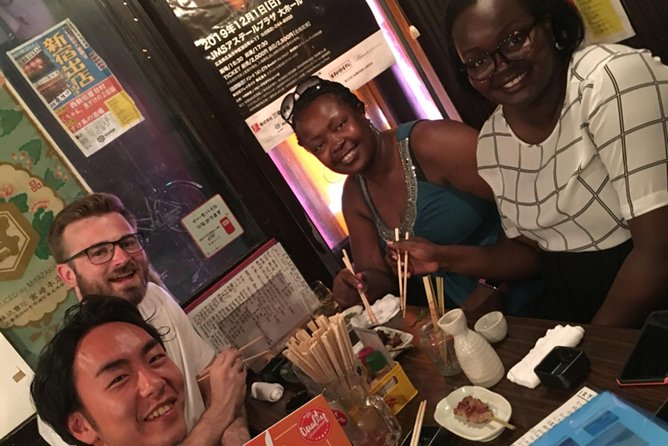
I would choose this tour for a first or second night in Hiroshima. You get food, drinks, neighborhood orientation, and a local person to answer the small questions that arise when you are dining in Japan.
It is especially well suited to:
- Solo visitors who want company without joining a large group
- Couples who enjoy trying local food and sharing an evening with others
- First-time visitors who are curious about izakayas but hesitant to enter alone
- People who want sake and conversation rather than a formal sightseeing tour
- Anyone looking for restaurant ideas for the rest of a Hiroshima stay
The format may be less suitable for children, since everyone joining must be at least 20. It is also not ideal for someone who wants a fixed menu, guaranteed dietary substitutions, a smoke-free setting, or a detailed history lecture.
The social side is a real part of the experience. Small groups make it easier to talk with the guide and other participants, and solo visitors have found it comfortable to join. If you are shy about group dining, the first okonomiyaki stop gives you an easy shared subject: everyone can talk about what is cooking in front of them.
Should you book the Hiroshima Izakaya Food and Drink Night Tour?
Book it if you want a friendly introduction to Hiroshima’s night food scene, especially if you are unsure where to start. The strongest reasons are the okonomiyaki meal, the chance to try sake, the small group, and the guide’s ability to lead you into local bars that may otherwise feel intimidating.
I would be more cautious if you have serious dietary needs, dislike smoking, or expect every guide to offer polished English and detailed food history. Confirm the group size, explain your restrictions clearly, and arrive well before 7 p.m.
For most first-time visitors aged 20 and over, this is a useful way to turn an ordinary evening into a local food outing. It gives you enough structure to feel looked after, but enough conversation and neighborhood wandering to keep the night relaxed.
FAQ
How long is the Hiroshima Izakaya Food and Drink Night Tour?
The tour lasts approximately three hours.
What time does the tour begin?
It begins at 7 p.m.
Where does the tour meet?
Meet at Fukuya Hacchobori Main, 6-26 Ebisuchō, Naka Ward, Hiroshima, 730-0021, Japan.
Where does the tour end?
The activity ends back at the meeting point.
What food is included?
The tour includes a visit to an okonomiyaki restaurant inside Okonomimura, followed by visits to two izakaya bars around Nagarekawacho and the Naka area. Exact food selections can vary.
Are drinks included?
Yes. Alcoholic beverages are included, including an opportunity to sample Japanese sake.
Is the tour limited to adults?
Yes. Anyone joining must be at least 20 years old. Japanese law allows only people aged 20 or older to drink alcohol.
What is the group size?
The tour is described as a small-group experience with a maximum of five people. Additional information lists a maximum of seven travelers, so the published limits differ.
Can the tour accommodate vegetarian meals or allergies?
Vegetarian options are limited, and allergy-free meals or dietary substitutions cannot be guaranteed. The tour will try to offer alternatives at other locations when possible.
Can I cancel for a refund?
You can cancel for a full refund at least 24 hours before the experience start time. Cancellations or changes made less than 24 hours before the start are not accepted. If poor weather cancels the tour, you will be offered another date or a full refund.
More Food Experiences in Hiroshima
More Hiroshima Food Tours in Hiroshima
More Hiroshima City Tours in Hiroshima
More tours in Hiroshima we've reviewed

Hiroshima Food Tours, compared.
 ★ 4.9Hiroshima: Food and Culture Guided Walking Tour with DinnerFrom $943 hours
 ★ 4.5All-inclusive Hiroshima Nighttime Food and Cultural ImmersionFrom $119
 ★ 5.0Private Japanese Cooking Class in Hiroshima with Machiko’s FamilyFrom $108
 ★ 5.0Best of Hiroshima Food TourFrom $221
 ★ 5.0Dinner Cruise on HANAIKADA (Raft-Type Boat) with Scenic View of MiyajimaFrom $95
 ★ 5.0Home Made Onigiri and Matcha Cooking Class in HiroshimaFrom $81
