
Reviewed · ISLAND HOPPING & FERRIES
From Hiroshima: Rabbit Island and Takehara Town Tour
Okunoshima is famous for its friendly rabbits, but its abandoned military ruins tell a much darker story. This full-day trip pairs that contrast with Takehara’s preserved Edo-era streets, giving you history, local culture, and plenty of unstructured island time in one outing.
I especially like the stop at the former Matsusaka family home, where old household objects make merchant life feel real, and the guided walk among Okunoshima’s ruins. Guides such as Isabella have earned praise for keeping the long day smooth, lively, and informative.
The main drawback is the pace: at 570 minutes, this is a full day with several public transport connections. You should also expect plenty of walking, hot sun in summer, and limited suitability for wheelchair users, pregnant women, or people with animal allergies.
In This Review
- Key points at a glance
- Why Takehara makes a smart first stop
- Saihoji and the old town streets
- Inside the Matsusaka family residence
- The small statue with a local wish
- Ferrying from Tadanoumi to Okunoshima
- Okunoshima’s ruins and poison gas past
- Free time among the rabbits
- Heat, walking, and what to bring
- How the price works out at $170
- Meeting at Hiroshima Station
- The guide makes a real difference
- Who should book this day trip?
- Should you book it?
- FAQ
- How long does the tour last?
- Where do I meet the guide?
- Is the tour conducted in English?
- Are ferry tickets included?
- Is lunch included?
- What can I do during free time on Okunoshima?
- Is the tour suitable for wheelchair users?
- Can I cancel the booking?
Key points at a glance
- Takehara’s merchant past: Walk old streets, enter the Matsusaka residence, and learn how sake and salt shaped the town.
- Okunoshima’s uneasy story: See military ruins and learn about the island’s poison gas production rather than treating it as only a cute animal stop.
- Small group of up to 15: The format allows useful questions and close contact with an English-speaking guide.
- Rabbit food included: You can feed the island’s famously tame rabbits without buying supplies before the tour.
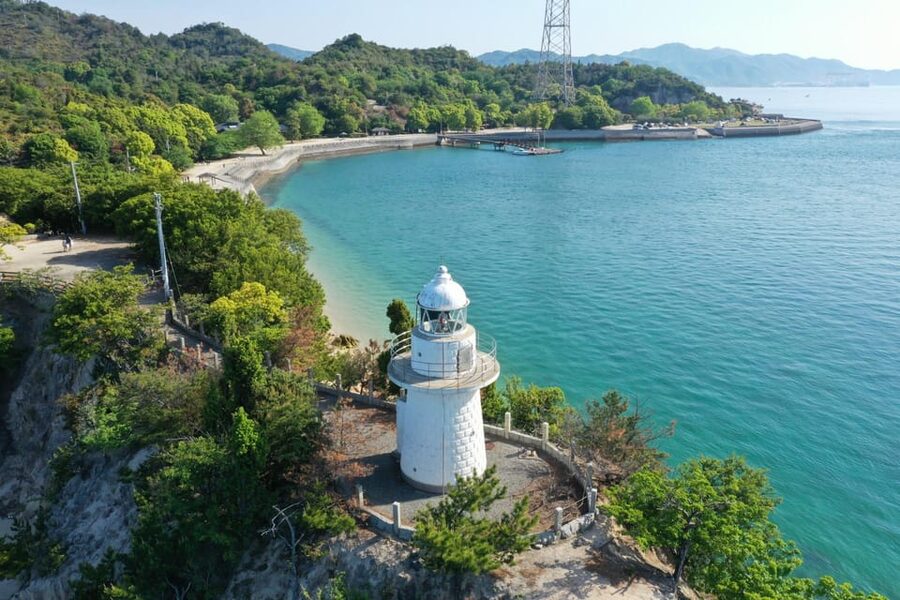
- Free time with choices: Walk, rent a bicycle, visit the lighthouse, hike to the observation desk, use the hot springs, or eat at the hotel restaurant.
- A carefully managed long day: Ferry tickets, entry fees, and transport between stops are included, but lunch is not.
Why Takehara makes a smart first stop
Many day trips from Hiroshima head straight for a famous sight and leave little room for local texture. This one begins in Takehara, a historic town with a slower feel and a useful connection to the rest of the day.
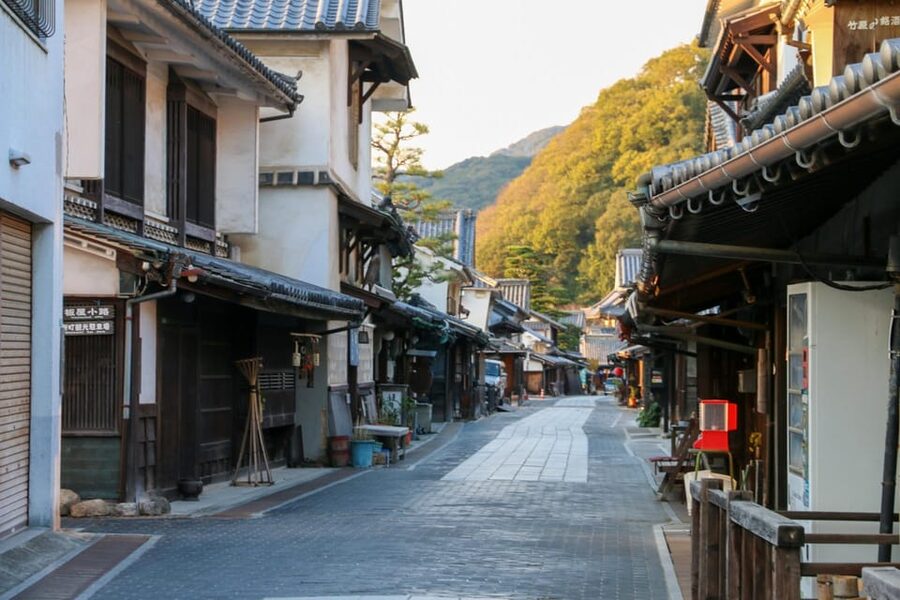
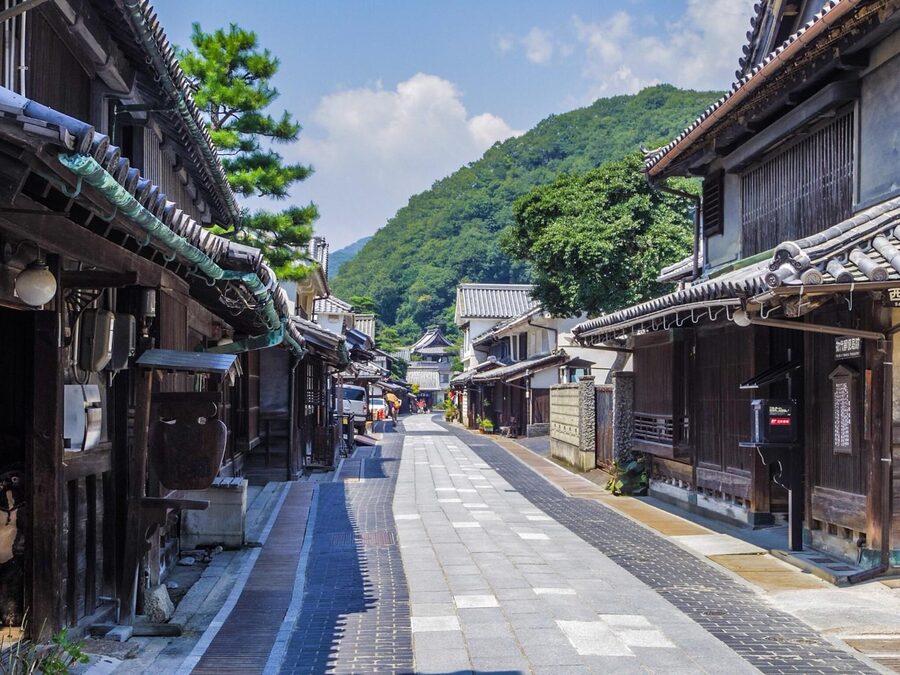
The Takehara Townscape Conservation Area preserves old streets and buildings linked to merchants, brewing, and local trade. Your guide explains how the town developed and how sake production became part of its identity. You are not simply looking at old walls. You are getting a sense of the work and wealth that kept this small town active.
I like starting here because it gives you a cultural frame before you reach Okunoshima. Takehara is not as instantly recognizable as Hiroshima’s Peace Memorial sites, but it helps you see another side of the region: one shaped by commerce, craft, religion, and domestic life.
The walking portion is not difficult in concept, but comfortable shoes matter. You will be moving through old streets and visiting several locations before the ferry portion begins. If you prefer a slow morning with long café breaks, this schedule may feel brisk.
A few more Hiroshima tours and experiences worth a look


Saihoji and the old town streets
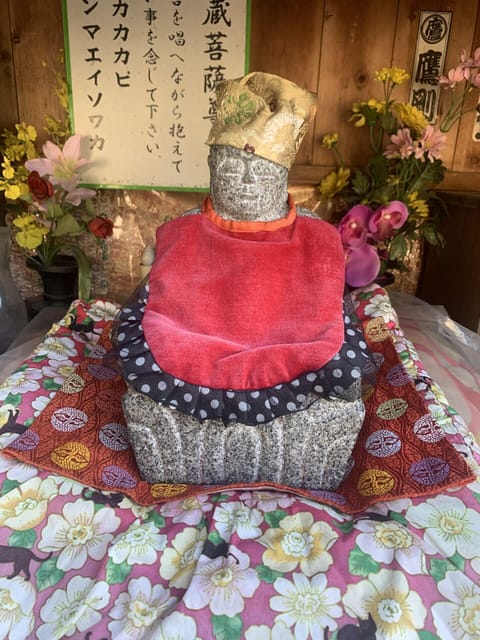
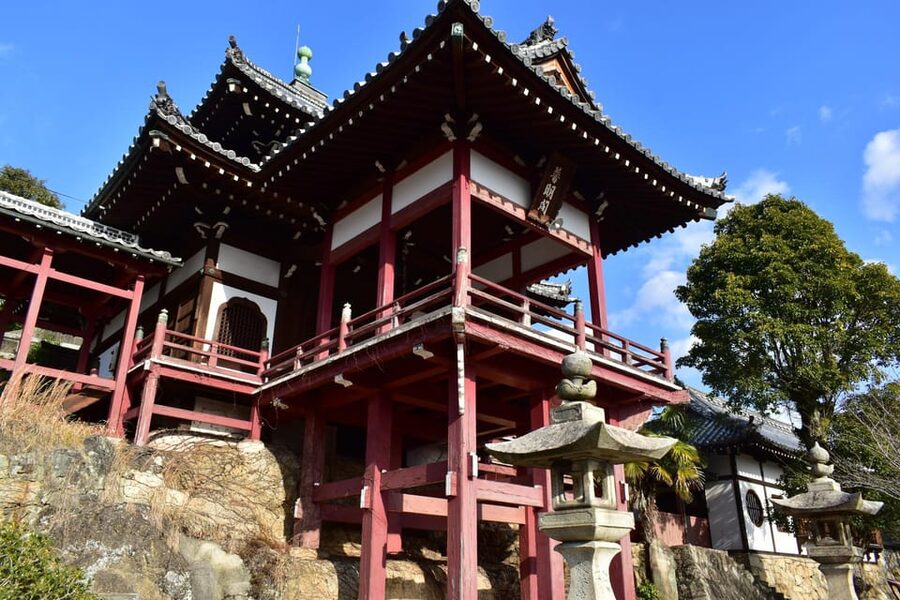
The first major stop is Saihoji, a Buddhist temple with architecture dating from the mid-Edo period. Your guide provides the context, allowing you to look beyond the rooflines and timber details.
The temple is valuable as part of the wider townscape. It helps show how religion fit into daily life in an old Japanese community. You can expect a short visit rather than a long, private temple experience, so the appeal comes from the setting and the explanation.
Takehara’s old streets are best appreciated at walking speed. Look for the building styles, proportions, and signs of former merchant wealth as you move between stops. Your guide can point out details that are easy to miss if you explore without background.
This is also where a small group helps. With no more than 15 participants, you have a better chance of hearing the guide and asking about things that catch your eye. Isabella, one of the named guides associated with this experience, has been praised for her humor, energy, and ability to keep the day moving without making it feel stiff.
Inside the Matsusaka family residence

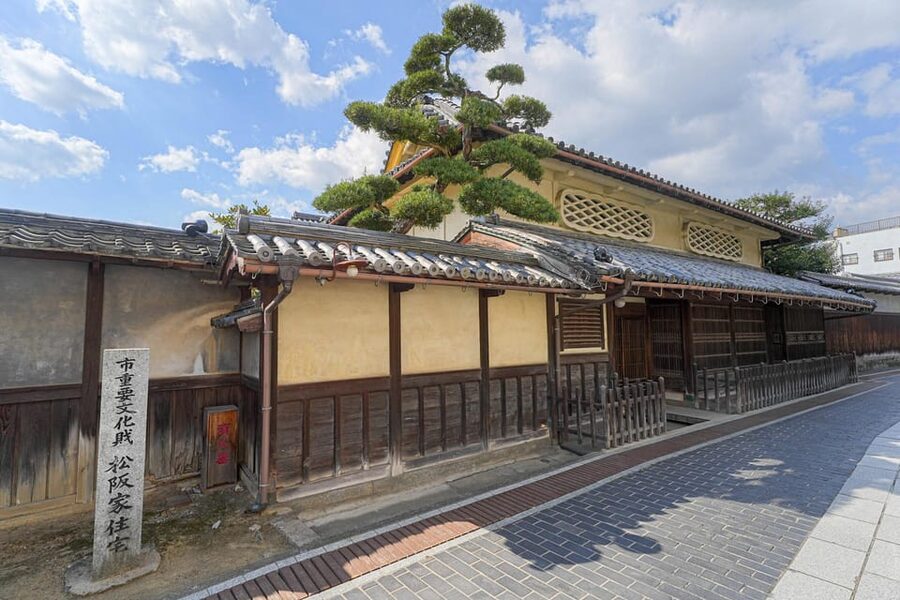
The former Matsusaka family residence gives the old town a human scale. It was the home of a wealthy merchant, and inside you can see artifacts left by earlier inhabitants.
For me, this is one of the most useful stops because it connects architecture with ordinary routines. A grand house can seem abstract from the outside. Household objects show how space was used, what possessions mattered, and how a successful merchant family lived during the Edo period.
You should not expect a large museum with endless galleries. The value is in seeing a preserved home in its original setting and having a guide explain what you are looking at. That makes the visit more useful for anyone interested in Japanese homes, trade, or social life.
The stop also gives the tour a welcome change of pace. After walking outside, you step into a more intimate interior. Take your time with the details, but stay aware of the group schedule because the ferry departure later in the day keeps the itinerary moving.
The small statue with a local wish
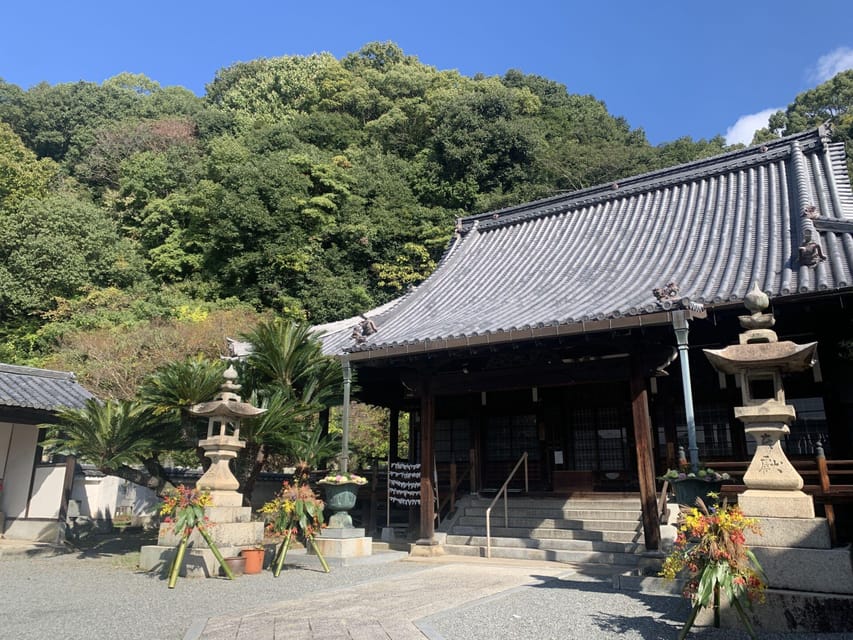
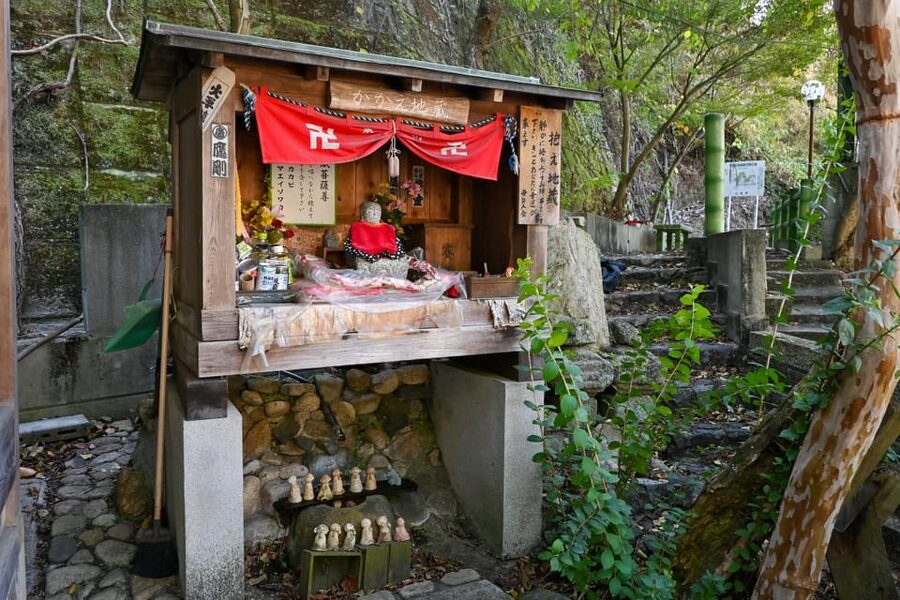
Near the residence, the tour visits the Okakae Jizo Statue in a small hut. Jizo statues are traditionally linked with protection for children and travelers.
This particular statue has a local legend attached to it. You pick it up, make a wish, and if it feels lighter than expected, the wish is said to come true. It is a brief stop, but it adds a playful bit of local belief to a day otherwise filled with documented history.
I like this kind of pause because it does not require a long lecture or a formal ceremony. You get a small piece of living tradition and a story that helps make Takehara memorable. The stop is not a reason to book the tour by itself, but it gives the town personality.
Ferrying from Tadanoumi to Okunoshima
After Takehara, the group continues to Tadanoumi Port and boards the ferry for Okunoshima, commonly called Rabbit Island. Ferry tickets are included, as are the other public transport connections used during the day.
The crossing marks a clear change in mood. Takehara is about preserved streets and settled town life. Okunoshima is more open, wooded, and scattered with reminders of its military past. You should keep your belongings easy to manage because the day includes bus and ferry travel rather than private door-to-door transport.
The ferry segment is part of the experience, but it also adds timing pressure. Ferry schedules cannot be treated casually, so remain with the group and follow your guide’s instructions. This is one reason the tour can be useful if you would rather not plan every connection yourself.
A few more Hiroshima tours and experiences worth a look


Okunoshima’s ruins and poison gas past
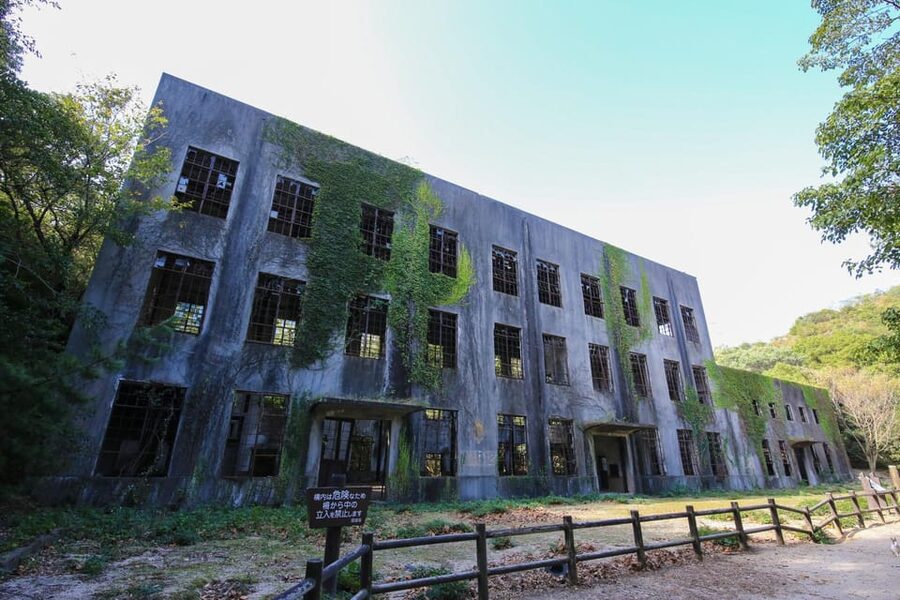
The guided portion on Okunoshima begins with a walk along the coast and stops at different ruins. Your guide explains the island’s dark past, including its connection with poison gas production.
That history changes how you see the rabbits. The animals are friendly and photogenic, but they are not the whole story. The old structures give the island a more serious character, and the guided context helps prevent the visit from becoming a simple petting stop.
One part of the day may include the Poison Gas Museum and an informative film, depending on the available schedule. The supplied tour information identifies the museum and film as part of the experience described by participants, but all listed activities remain subject to availability. If the schedule changes, the provider says you will be contacted about alternatives or adjustments.
I consider the ruins the emotional center of the tour. They are not presented as polished attractions. Their worn condition and scattered placement make the island feel uneasy in a way that a standard museum display cannot always achieve.
The contrast can be uncomfortable, and that is appropriate. You can enjoy seeing the rabbits while still giving proper attention to the people and events connected to the island’s wartime production. If you want only cheerful animal encounters, this may not be the right excursion.
Free time among the rabbits
After the guided walk, you get free time to explore on your own. Rabbit food is provided, and most people use the time to walk around, feed the rabbits, and take photographs.
The rabbits are known for being very tame, and one account of the trip noted seeing several unusual colors. Still, you should treat them as animals, not toys. Follow the guide’s instructions, avoid forcing contact, and remember that animal allergies are a stated concern.
This open block is one of the tour’s strongest features. You are not tied to a guide for every minute, and you can choose an activity that fits your energy. Your options include:
- Soaking in the hot springs at the Kyukamura Okunoshima hotel
- Renting a bicycle to cover more of the island
- Hiking to the observation desk
- Visiting the lighthouse
- Eating at the hotel restaurant
- Continuing on foot to feed rabbits and take pictures
The exact amount of free time depends on the day’s transport and activity schedule. You should not assume you can complete every option. Pick one or two priorities instead.
If you want the hot spring or a meal, check the available time with your guide first. If you choose the bicycle, ask about the rental process and return timing before setting off. The island gives you freedom, but the final ferry does not wait for a leisurely detour.
Heat, walking, and what to bring
The tour lasts 9.5 hours, and summer conditions can make the day demanding. One July trip took place in extremely hot weather, yet the schedule continued smoothly. That is a reminder to bring water, sunscreen, and a hat, not just a camera.
Food and drinks can be purchased on Rabbit Island, and lunch is not included. You should budget for a meal or snacks at the island facilities, especially because the day runs through normal lunch hours. If you have dietary needs, the supplied information does not promise specific menu options, so planning ahead is sensible.
Wear shoes suited to steady walking. You will cover old streets, port areas, coastal paths, and island routes. The tour is not suitable for wheelchair users, pregnant women, or people with animal allergies. Pets and smoking are not allowed.
The group size is capped at 15. That is small enough for a personal feel while still being large enough that you should stay alert at meeting points and transport stops.
How the price works out at $170
At $170 per person, this is not a cheap independent day out. The price makes more sense when you count the included ferry tickets, entry fees, rabbit food, public transport between activities, and an English-speaking guide.
You are also paying for coordination. Takehara, Tadanoumi Port, the ferry, Okunoshima, and the return journey involve several moving parts. If you already know the area, speak Japanese, and enjoy arranging local transport, you might spend less by going independently.
The guided value is strongest if you want context. A self-guided visit can show you old houses, rabbits, and ruins, but it may not explain Takehara’s sake and salt connections or the significance of the island’s wartime sites with the same clarity.
Lunch and transport to Hiroshima Station are not separate extras, but you must get yourself to the meeting point. The price is easiest to justify for a first visit to the region, especially if you value a prepared route and do not want to manage ferry timing yourself.
Meeting at Hiroshima Station
The meeting point is under the Tourist Information sign outside the Shinkansen gates. If you arrive by Shinkansen, the sign is directly to your left as you exit the gates.
If you arrive on a JR line, follow signs toward the Shinkansen gates. From outside the station, use the underground passage and follow signs for Hiroshima Station, then continue toward the Shinkansen gates. Streetcar passengers should also follow signs to the same area.
A taxi should be directed to the Shinkansen Entrance, also called the North Entrance. Look for the guide holding a SNOW MONKEY RESORTS tour sign.
Allow time to find the correct spot. Hiroshima Station is busy and has several entrances, so arriving at the last minute could create needless stress. The tour ends back at Hiroshima Station, with the guide saying goodbye near the Shinkansen gates.
The guide makes a real difference
A long day with several transfers needs a guide who can manage time without turning the experience into a march. The strongest feedback centers on Isabella, who is described as funny, professional, energetic, and very good at explaining local history.
Shoh has also been identified as a trainee guide on one outing. The combination of an experienced guide and a guide in training created a particularly small, friendly group on that day. Other feedback highlights guides who answered questions, shared experiences, and kept the schedule on track.
You should still remember that guiding style can vary by departure date. The activity is offered in English, with a small-group limit of 15, but the named guide is not guaranteed in the information provided. The important point is that the format gives you direct access to a live guide rather than an audio script.
Who should book this day trip?
I would choose this trip if you want more than Hiroshima city sights and like having several themes in one day. It suits you if you enjoy old homes, local legends, transport by ferry, difficult history, and relaxed animal encounters.
It is also a good fit if you are staying in Hiroshima and do not want to build a Takehara and Okunoshima route from scratch. The guide handles the sequence, tickets, and explanations while leaving you free time on the island.
I would hesitate if you dislike full-day outings, have trouble walking in heat, or want a slow visit with no fixed schedule. The rabbits are the headline attraction, but the tour also asks you to engage with Takehara’s history and Okunoshima’s poison gas past.
Should you book it?
Book this tour if you want the rabbit island experience with substance. The combination of Takehara’s merchant homes, sake and salt background, Okunoshima’s ruins, and flexible island time gives you a fuller day than a quick rabbit stop.
Skip it if you only want photographs with animals or prefer to travel independently. For most first-time visitors who value clear English explanations and a well-managed route, the $170 price is reasonable, provided you are ready for a long walking day and remember to bring money for lunch.
FAQ
How long does the tour last?
The tour lasts 570 minutes, or 9.5 hours. It begins and ends at Hiroshima Station.
Where do I meet the guide?
Meet under the Tourist Information sign outside the Shinkansen gates at Hiroshima Station. The guide will hold a SNOW MONKEY RESORTS tour sign.
Is the tour conducted in English?
Yes. The tour has a live English-speaking guide.
Are ferry tickets included?
Yes. Ferry tickets, transportation between activities by public transport, entry fees, and rabbit food are included.
Is lunch included?
No. Lunch is not included, but food and drinks can be purchased on Rabbit Island.
What can I do during free time on Okunoshima?
You can feed the rabbits, walk around the island, rent a bicycle, visit the lighthouse, hike to the observation desk, use the hot springs at Kyukamura Okunoshima, or eat at the hotel restaurant.
Is the tour suitable for wheelchair users?
No. The tour is not suitable for wheelchair users. It is also not suitable for pregnant women or people with animal allergies.
Can I cancel the booking?
You can cancel up to 24 hours in advance for a full refund. The reserve-now, pay-later option allows you to book without paying immediately.
More Island Hopping & Ferries in Hiroshima
More Hiroshima City Tours in Hiroshima
More tours in Hiroshima we've reviewed




Island Hopping & Ferries, compared.
 ★ 5.0Hiroshima and Miyajima Day Trip with Itsukushima Shrine & FerryFrom $45
 ★ 5.0Hiroshima and Miyajima by Bike and BoatFrom $142
 ★ 4.9Hiroshima to Miyajima: Private Custom Tour with Ferry RideFrom $2936 hours
 ★ 5.0Dinner Cruise on HANAIKADA (Raft-Type Boat) with Scenic View of MiyajimaFrom $95
 ★ 5.0Hiroshima: City and Miyajima Bike and Boat TourFrom $1387h 30m
 ★ 4.5Okunoshima Rabbit Island Cycling Tour with Local GuideFrom $59
