
Reviewed · WORKSHOPS
Sushi Workshop Hunting in Japanese Supermarket
Sushi begins before you reach the kitchen here. You receive a shopping mission, enter a real Japanese supermarket, and choose the ingredients for your own temaki sushi. I like the shopping step because it gives you a useful look at everyday food culture, and I like the private format because the instructor can focus on your group. The main drawback is the price, $85.39 per person, for a 90-minute activity.
The workshop is simple, social, and hands-on. You will learn basic hand-rolling skills, get practical tips, and eat what you make. One past participant praised the guide and the fun atmosphere, while also noting that the bathroom and preparation chairs needed work. Those facilities have since been addressed, but this remains a casual home-style activity rather than a polished cooking school.
In This Review
- Key Points at a Glance
- Why the Supermarket Is the Best Part
- Meeting at Noboricho Park at 5 pm
- Choosing Ingredients Inside a Japanese Supermarket
- Learning Temaki Sushi in the Kitchen
- Eating What You Selected
- What the Private Format Means for You
- Who Will Enjoy This Hiroshima Workshop
- Practical Booking and Cancellation Advice
- Should You Book the Sushi Workshop?
- FAQ
- Where does the sushi workshop begin?
- What time does the activity start?
- How long does the sushi experience last?
- Where does the activity finish?
- Is this a private activity?
- What type of sushi will you learn to make?
- Can you cancel for a full refund?
Key Points at a Glance
- The supermarket hunt comes first: You choose sushi ingredients as part of a guided shopping mission.
- Temaki sushi is beginner-friendly: The instructor shows you the basics before you make your own hand-rolled sushi.
- The experience is private: Only your group takes part, which suits families, couples, and small parties.
- The schedule is easy to fit into an evening: Meet at Noboricho Park at 5 pm, and finish back at the same meeting point after about 90 minutes.
- The meal uses your own choices: You prepare and eat the ingredients you selected, giving the activity a personal touch.
- The price reflects more than a meal: You are paying for the supermarket visit, instruction, kitchen time, and a private format.
Why the Supermarket Is the Best Part
Many cooking classes begin with ingredients already measured and waiting on a counter. This one starts with a shopping mission in a Japanese supermarket. That change matters. You are not just learning how sushi is assembled. You are also seeing how the meal begins with choices about fish, fillings, rice, seaweed, and other items.
The exact shopping list is not specified in advance, so you should expect the instructor to explain what to look for during the visit. That makes the activity more flexible than a fixed recipe class. You may find familiar sushi ingredients beside products you would not know how to select on your own.
I like this format for first-time visitors to Japan because supermarkets are part of ordinary daily life, not just a display for visitors. The activity gives you a reason to pay attention to packaging, food sections, and the way ingredients are sold. You are also choosing food that will soon become your dinner, so the supermarket stop has a clear purpose.
The shopping stage may be less appealing if you want a fast meal or a formal lesson with no decisions to make. It is a small hunt, not a guided market tour, and the total experience lasts only about an hour and a half. Still, the added stop gives the workshop more character than a standard roll-and-eat class.
A few more Hiroshima tours and experiences worth a look
Meeting at Noboricho Park at 5 pm
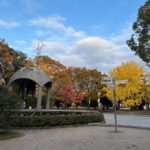
The activity begins at Noboricho Park, 11 Noboricho, Naka Ward, Hiroshima, at 5 pm. The meeting point is near public transportation, which makes it practical to reach without arranging a private ride.
Allow yourself enough time to find the park and settle in before the start. A 5 pm meeting time places the activity neatly into an evening in Hiroshima. You can spend the earlier part of the day sightseeing, then use the workshop as a casual dinner plan.
The activity ends back at the meeting point. That is useful in a city you do not know well, since you are not left trying to find a separate finish point after handling food and shopping. The total duration is approximately 1 hour and 30 minutes, so plan on a compact evening rather than a long cooking course.
The ticket is mobile, which keeps the practical side easy. Confirmation arrives at booking, so you should have the key details available on your phone before you set out.
Choosing Ingredients Inside a Japanese Supermarket
At the supermarket, the instructor gives you a shopping mission. The goal is to find ingredients suitable for temaki sushi, or hand-rolled sushi. You then bring your selected items to the kitchen for preparation.
This is where the activity connects food with daily Japanese habits. Sushi can seem formal when served at a restaurant, but hand-rolled sushi is also the sort of meal that works well at home. You build each roll yourself, adjust the fillings, and eat as you go.
The shopping mission also creates a natural role for everyone in your group. One person can look for fillings while another checks the rice or seaweed. If you are traveling with children, this part may hold their attention better than a long explanation about technique, though the tour information does not set a minimum age or provide special children’s arrangements.
You should not expect a lesson in every type of sushi. The stated focus is temaki, so the value comes from selecting ingredients and learning one approachable style well. That narrow focus is a strength if you want something you can repeat at home.
Learning Temaki Sushi in the Kitchen
Once the ingredients are chosen, the group moves to the kitchen. The instructor explains the basics of making temaki sushi and shares practical tips before you try it yourself.
Hand-rolled sushi is a good choice for a short class. You do not need to master the careful knife work or exact shapes associated with more formal sushi styles. Instead, you learn how to combine the ingredients, handle the sushi elements, and form a roll by hand.
The instructor-led demonstration is important here. A written recipe can tell you what to use, but it does not show how much filling is manageable or how to shape the seaweed without making a mess. The lesson is designed to get you making sushi quickly, with guidance available as you work.
The private format should make this stage more comfortable. Only your group participates, so you do not have to keep pace with a large class or compete for the instructor’s attention. You can ask for help and take the lesson at a pace that suits your group.
The setting is practical rather than grand. A previous participant found the preparation area clean but had concerns about the bathroom and broken chairs used while preparing the food. The operator responded that those problems were taken care of. I would still approach this as a friendly local kitchen experience, not as a high-end culinary studio.
Eating What You Selected
After the preparation, you sit down and eat the sushi. This final stage is more than a reward for finishing the lesson. It lets you taste the result of choices you made minutes earlier in the supermarket.
That direct connection gives the meal a personal feel. If you selected the ingredients, rolled the sushi, and adjusted the portions yourself, the dinner becomes part lesson and part shared activity. The format also encourages conversation because everyone can compare combinations and technique without needing formal table service.
The food experience is centered on your handmade temaki sushi. The information does not promise additional courses, drinks, or a full restaurant menu, so you should book this for the sushi-making activity rather than for a large dinner.
The strongest praise has been directed at the guide and the fun of the evening. That fits the design of the workshop. The instructor is not only teaching a food skill but also leading you through the supermarket and keeping the activity moving from shopping to preparation to eating.


What the Private Format Means for You
This is a private activity, so only your group takes part. That can make a real difference in a hands-on class. You can ask basic questions without feeling self-conscious, and the instructor can respond to your group rather than dividing time among unrelated parties.
A private booking is especially useful for couples, families, or friends who want a shared activity. It also gives you more control over the social mood. You can enjoy a quiet lesson, or make the shopping and rolling into a lively group challenge.
The tradeoff is cost. At $85.39 per person, this is not the cheapest way to eat sushi in Hiroshima. You are paying for a private activity, the guide’s time, the supermarket visit, instruction, and the meal you prepare. For someone who only wants sushi for dinner, a restaurant will likely offer better food value.
For someone who wants an activity that explains part of Japanese food culture, the calculation is different. The supermarket visit and personal instruction add experiences you would not get from ordering a plate of sushi. The price makes the most sense when you value participation and a small-group setting.
Who Will Enjoy This Hiroshima Workshop
I would recommend this activity to anyone who likes food but does not need a formal cooking course. The steps are clear: shop, learn, make, eat. You do not need to arrive with advanced sushi skills because the instructor covers the basics before you begin.
It suits visitors who want a short evening activity near central Hiroshima. The 5 pm start leaves most of the day open, and the return to Noboricho Park keeps the route simple.
This is also a good pick for people who enjoy seeing ordinary parts of local life. The supermarket is not simply a place to collect ingredients. It gives you a look at how a familiar Japanese meal starts at home.
I would think twice if you are looking for a long food tour, a polished restaurant setting, or a broad lesson covering sashimi, nigiri, ramen, and other dishes. The workshop stays focused on temaki sushi and lasts about 90 minutes.
You should also consider the price carefully. The experience offers instruction and a private setting, but it is still a short activity. If you are counting every meal expense, compare it with the cost of a normal sushi dinner before booking.
Practical Booking and Cancellation Advice
The experience is often booked about 11 days ahead, so it is sensible to arrange it before your Hiroshima visit, especially if your schedule has little flexibility. Confirmation is provided at the time of booking, and you can use a mobile ticket.
Free cancellation is available when you cancel at least 24 hours before the 5 pm start time. Cancellations made within 24 hours are not refunded, and changes within that period are not accepted. The cut-off follows local Hiroshima time, so check the clock carefully if you are changing plans from another time zone.
Since the meeting point is outdoors at Noboricho Park, arrive with the address saved on your phone. Public transportation is nearby, but the information provided does not specify a particular station or route.
Should You Book the Sushi Workshop?
Book this if you want a friendly, private evening that puts you in charge of the food. The supermarket mission is the activity’s most distinctive feature, and the move from shopping to rolling to eating gives the 90 minutes a clear rhythm.
The strongest reasons to go are the private format, the hands-on lesson, and the chance to see a real Japanese supermarket as part of the meal. The guide has been praised for making the evening fun, and the earlier concerns about the preparation chairs and bathroom have reportedly been addressed.
Skip it if you want the lowest-cost sushi meal or a full-length cooking school. At $85.39 per person, it earns its price through participation and personal attention, not through a large menu or long class.
For most food-curious visitors, I would call it a worthwhile Hiroshima add-on, especially when booked as an evening activity rather than judged as dinner alone.
FAQ
Where does the sushi workshop begin?
The meeting point is Noboricho Park, 11 Noboricho, Naka Ward, Hiroshima, 730-0016, Japan.
What time does the activity start?
The workshop starts at 5 pm local time.
How long does the sushi experience last?
The activity lasts approximately 1 hour and 30 minutes.
Where does the activity finish?
The experience ends back at the meeting point at Noboricho Park.
Is this a private activity?
Yes. Only your group participates in the activity.
What type of sushi will you learn to make?
You will learn the basics of temaki sushi, which is hand-rolled sushi.
Can you cancel for a full refund?
Yes. You can receive a full refund if you cancel at least 24 hours before the experience start time. Cancellations within 24 hours are not refunded.
More Workshops & Classes in Hiroshima
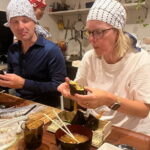
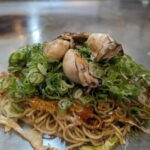
More tours in Hiroshima we've reviewed



Workshops, compared.
 ★ 5.0Private Japanese Cooking Class in Hiroshima with Machiko’s FamilyFrom $108
 ★ 5.0Experience the Soul of Hiroshima: A Peaceful Koto WorkshopFrom $501h 30m
 ★ 5.0Calligraphy Workshop at Traditional Folk Craft Shop in HiroshimaFrom $32
 ★ 5.0Hiroshima:Private lacquer workshop experience tour(gift included)From $287
 ★ 4.8Hiroshima: Okonomiyaki Cooking Class with a Local ChefFrom $562 - 6 hours
 ★ 5.0Home Made Onigiri and Matcha Cooking Class in HiroshimaFrom $81
