
Reviewed · PEACE MEMORIAL TOURS
Hiroshima: Tour of Atomic Bomb Dome & Peace Memorial Museum
The exposed frame of Hiroshima’s Atomic Bomb Dome is one of those sights that quiets a crowd. This tour then takes you into the Peace Memorial Museum, where photographs, objects, and personal accounts show what the bomb did to ordinary people. I like the private group format and the chance to ask a local guide difficult questions without being hurried along. I also like that the museum admission is included, so your time and money go toward the two places that matter most.
The subject is painful, and the museum does not soften it. You will see evidence of burns, radiation injuries, death, and the discrimination faced by survivors. That is the point, but it can be emotionally heavy. Give yourself a little quiet time afterward rather than planning a packed afternoon.
In This Review
- Key points to know before booking
- Why this Hiroshima tour matters
- Starting at Hiroshima Port or central Otemachi
- The Atomic Bomb Dome in 20 minutes
- Two and a half hours inside the Peace Memorial Museum
- Local stories make the history easier to grasp
- Why the private group format is worth considering
- Planning the timing and drop-off
- What I like most about the experience
- Things to consider before you reserve
- Should you book this Hiroshima tour?
- FAQ
- How long does the Hiroshima tour last?
- What places are included?
- How much time is spent at the Atomic Bomb Dome?
- How long is the museum visit?
- Is admission to the Peace Memorial Museum included?
- Is a guide included?
- What languages are available?
- Is this a private tour?
- Where can the tour begin?
- Where does the tour end?
- Are food and drinks included?
- Can I cancel the booking?
- Can I reserve now and pay later?
Key points to know before booking
- The tour begins at the Atomic Bomb Dome, with about 20 minutes to see the building and hear its story.
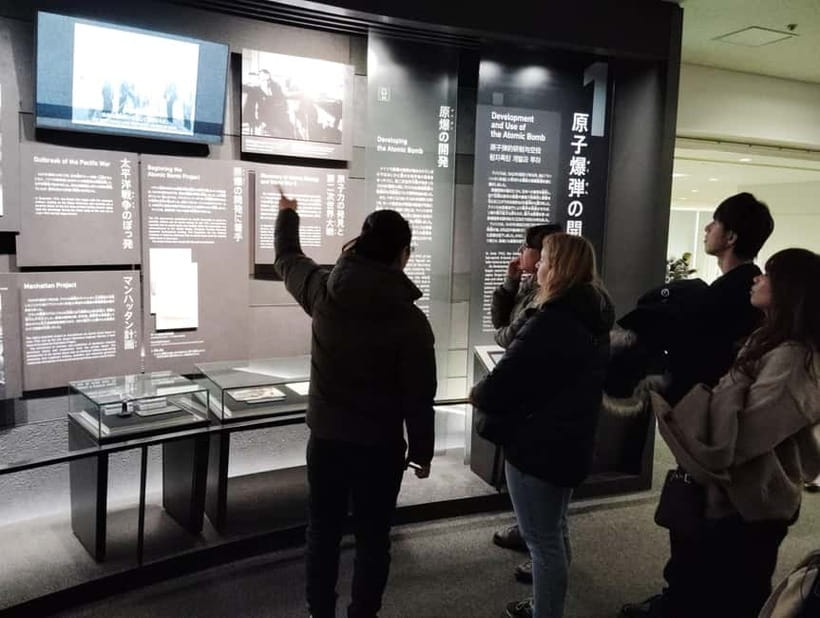
- The Peace Memorial Museum gets the bulk of your time, about two and a half hours with a guide.
- Private groups make questions easier, especially on a subject that can be hard to discuss in a large group.
- Guides bring different personal angles, including Gordon, Emiko, and Rom, with some tours featuring family connections to Hiroshima.
- Paper cranes can make the visit more personal, helping you understand the story of Sadako, the young girl linked with Hiroshima’s crane tradition.
- You pay $105 per person, with museum entry and guiding included, but no food or drinks.
Why this Hiroshima tour matters
At 8:15 on August 6, 1945, an atomic bomb exploded over Hiroshima. The blast created intense heat, radiation, and shock waves. More than 100,000 people died in the area around the hypocenter, and many who survived faced burns, illness, radiation damage, and discrimination for years afterward.
You do not need a long lecture to understand that Hiroshima is more than another historic stop. The city asks hard questions about war, civilian life, nuclear weapons, and the way people remember tragedy. The Atomic Bomb Dome and Peace Memorial Museum answer partly through objects and buildings, not speeches.
I value a guided visit here because it gives the exhibits a human scale. A guide can explain what you are seeing, point out why a particular object matters, and help you pause when the material becomes difficult. In a private group, you can ask for context or take a quiet moment without feeling that you are holding up a busload of people.
This is not light sightseeing. You may leave sad, angry, thoughtful, or all three. That discomfort is part of the visit, not a flaw in it.
A few more Hiroshima tours and experiences worth a look
Starting at Hiroshima Port or central Otemachi
You can begin at Hiroshima Port or at the Seven-Eleven Hiroshima Otemachi 1-chome location. The exact meeting point depends on the option you book, so check your confirmation carefully before setting out.
The two choices matter because Hiroshima Port and central Otemachi serve different travel plans. The port option may suit you if you are coming from a ferry connection or spending time near the waterfront. The Otemachi option places you closer to the Peace Memorial Park area.
Because the meeting point can vary, allow time to find it. This is especially important if you are arranging the tour around a train or ferry schedule. The experience lasts three to four hours, but the stated museum visit alone takes about two and a half hours, so do not squeeze it between tight connections.
The guide speaks English or Japanese, depending on your booking. English support is available, and the private format means you should be able to clarify a point instead of simply moving with a crowd.
The Atomic Bomb Dome in 20 minutes
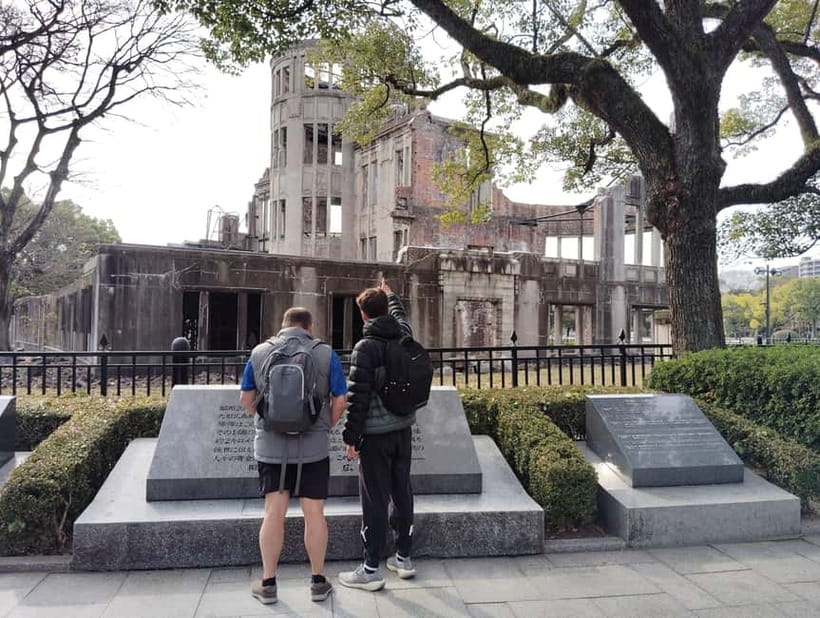
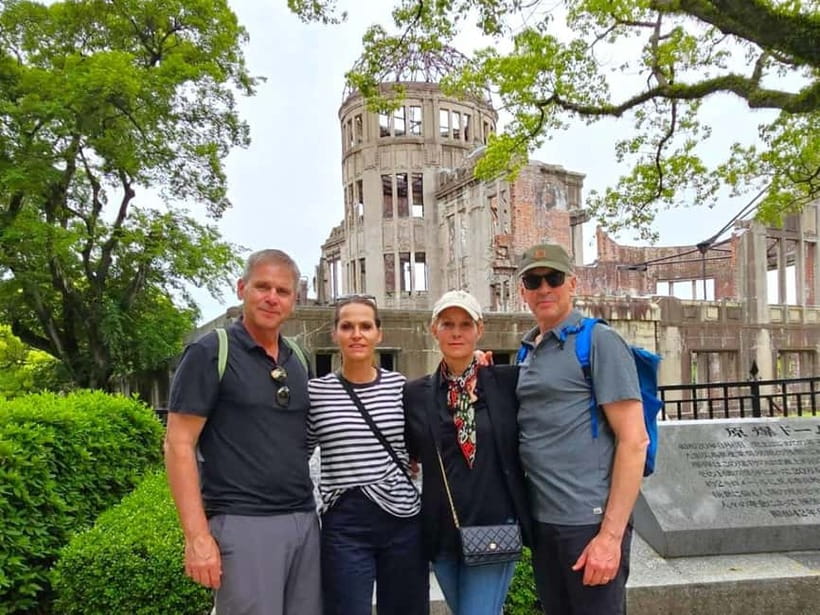
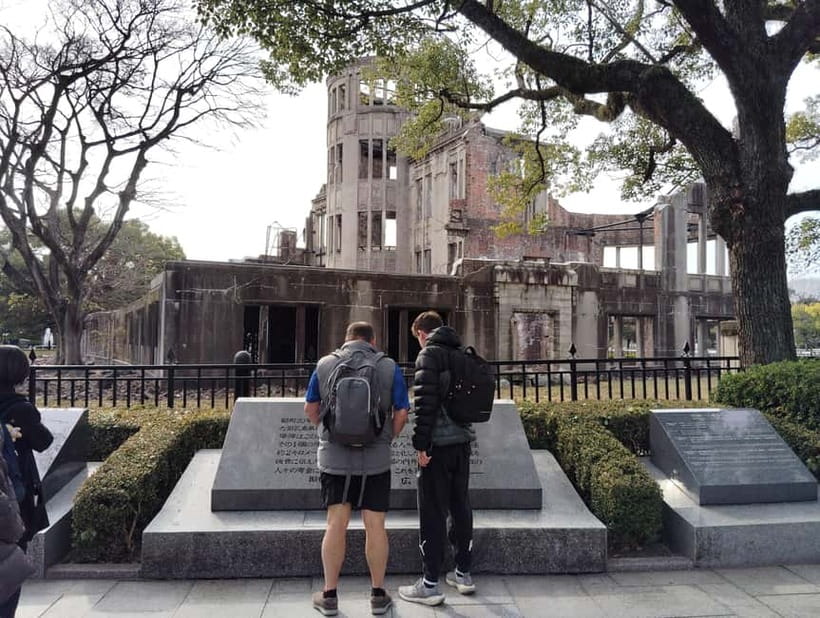
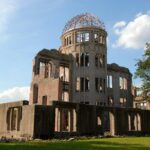
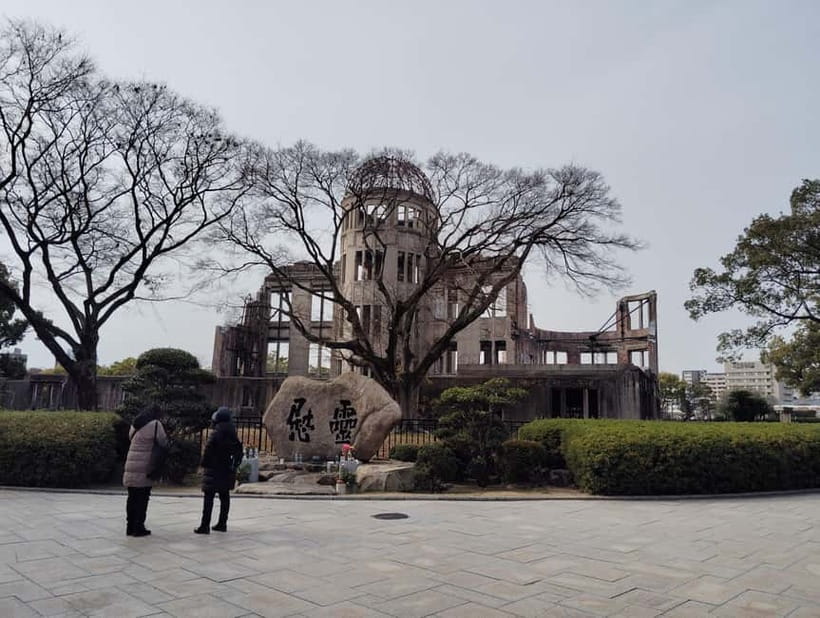
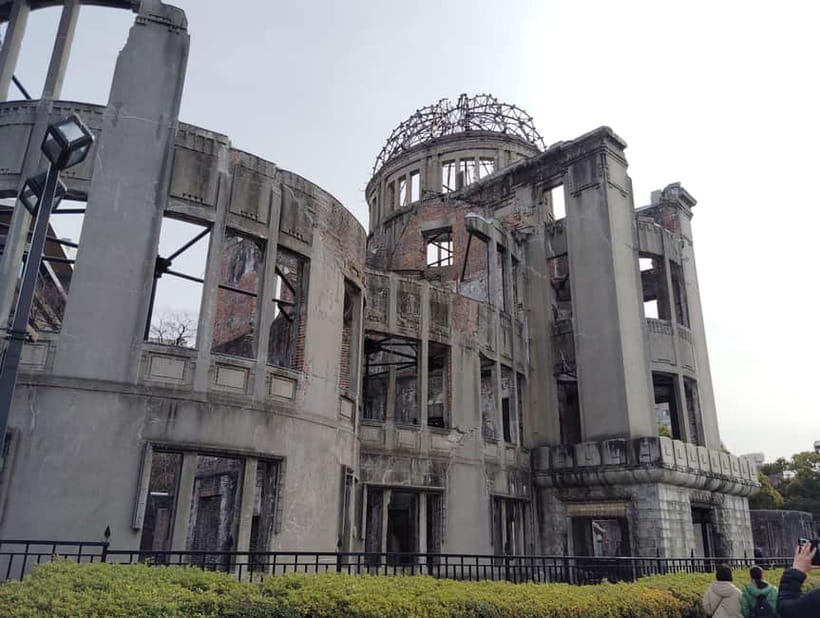
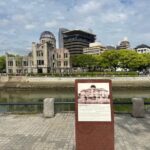
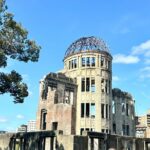
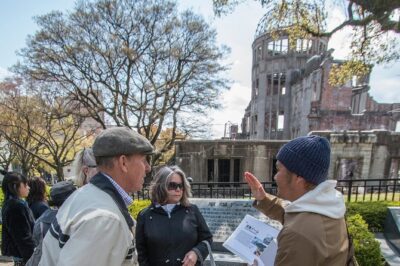
The first stop is the Atomic Bomb Dome, where the ruined steel frame and walls remain beside the Motoyasu River. The building survived in damaged form because the blast came almost directly above it. Its frame now serves as a stark marker of what happened around it.
You have about 20 minutes here. That is enough for a guided look at the structure and its setting, though it is not a long architectural tour. The power of the stop comes from seeing the preserved remains in an ordinary city setting. People walk, cycle, and go about daily business nearby, while the dome points back to a morning when the center of Hiroshima was destroyed.
A guide can help you understand the scale of the damage and connect the dome with the hypocenter and surrounding memorial area. Without context, you might take a few photographs and move on. With context, the steel frame becomes a reminder of the people who were inside nearby buildings, the force of the blast, and the decision to preserve this ruin.
The dome is also a UNESCO World Cultural Heritage Site. That designation recognizes its importance, but the visit is not about collecting another heritage label. It is about confronting a physical survivor of the bombing before you enter the museum.
The 20-minute stop may feel short if you want a long look at the riverfront or extra photographs. It works best as an introduction. The museum is where the detailed accounts and objects receive most of your attention.
Two and a half hours inside the Peace Memorial Museum
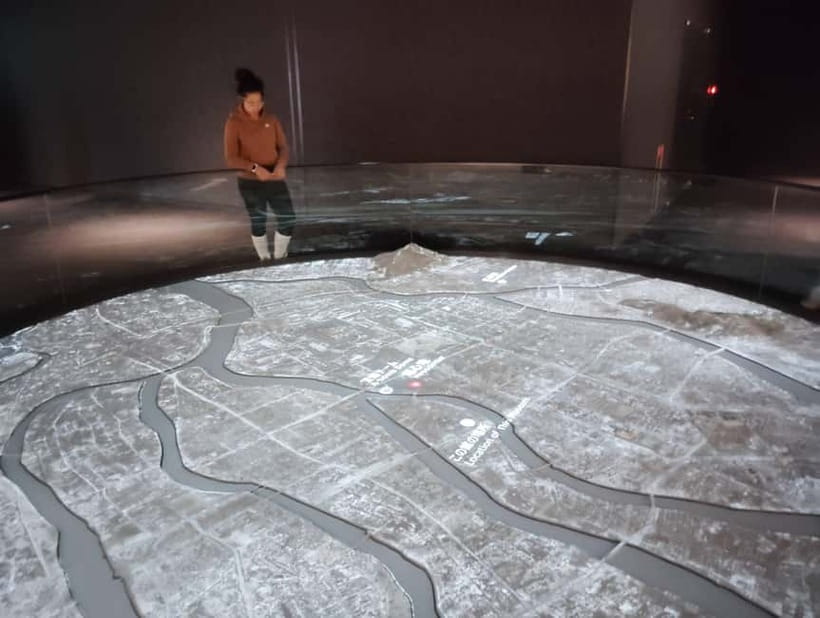
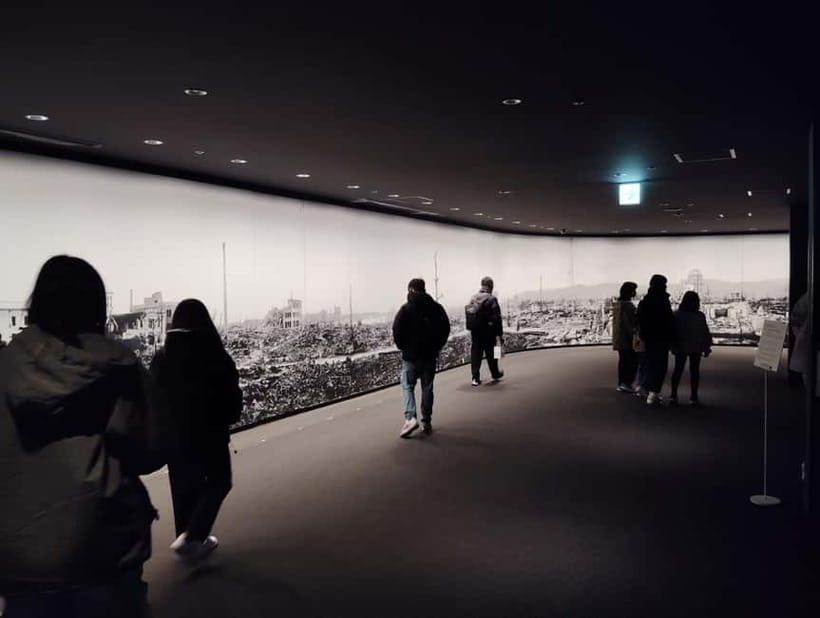
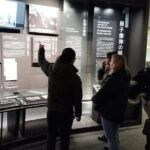
The museum is the heart of the tour. Your admission is included, and the visit lasts roughly two and a half hours. That is a useful amount of time for a serious look without turning the entire day into a museum marathon.
Expect exhibits about the bombing, the damage to buildings, the physical effects on people, and the suffering that continued after August 6. The material shows more than the instant of destruction. It also explains the lasting effects of radiation, severe burns, illness, and the social prejudice survivors could face.
The value of a guide becomes clearer here. Museum displays can be dense, and the emotional weight makes it easy to rush past objects or lose track of the wider story. Your guide can give background before an exhibit, explain the meaning of a personal item, and help you connect the museum with what you saw at the dome.
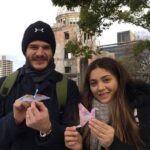
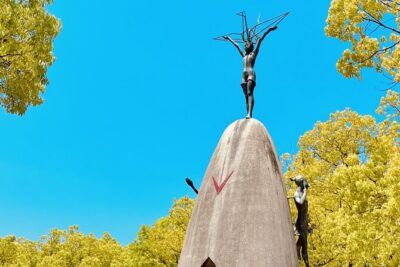
The visit may include the story of Sadako, the 12-year-old girl associated with folding paper cranes. One tour guide made paper birds with the group as a way to help them absorb what the cranes mean. That small activity can give children and adults a quiet way to process the museum rather than treating the visit as a sequence of grim displays.
The exact way each guide leads the museum visit will differ. Gordon has been praised for explaining both the bombing and the wider history of the area. Emiko has offered a personal touch, including a small birthday gift for one couple. Rom has been described as thorough in explaining the events. These details suggest a tour shaped by the person leading it, not a fixed speech delivered word for word.
That personal quality can be helpful, but it also means your experience may vary by guide. If you want a particular guide, do not assume one can be guaranteed unless the booking information says so.
Local stories make the history easier to grasp
Hiroshima’s history is often presented in dates and figures. Those facts matter, but a local voice can help you understand what they mean at street level.
One guide has a personal family connection to the bombing and shared family stories during the visit. You should not expect every tour to include the same account, but a guide with family history can bring an added sense of place to the museum and memorial area.
That does not replace the museum’s evidence. It adds a human link. You are still looking at documented objects and displays, but you may also hear how Hiroshima’s memory has been carried through families and the city itself.
I especially like the reports of guides staying with the group beyond the formal visit. Gordon met a couple arriving from Osaka at the Shinkansen station, guided them through the sites, and walked back with them afterward while offering local food suggestions. That kind of help is useful if Hiroshima is a day trip and you want to make the most of limited time.
The tour is not a food walk, and food is not included. Still, practical tips at the end can help you choose what to do next. If you are staying in Hiroshima, ask your guide for ideas during the final part of the visit.
A few more Hiroshima tours and experiences worth a look

Why the private group format is worth considering
At $105 per person, this is not the cheapest way to see the dome and museum. You can visit these places independently for less, especially if you are comfortable reading the displays and researching Hiroshima beforehand.
The price makes more sense if you want a guide for the full experience and prefer not to join a large group. Museum admission and the guide fee are included. Food and drinks are not, so plan those separately.
A private group gives you more control over the pace. You can ask about the political context, the human effects of radiation, the preservation of the dome, or the story of Sadako. You can also spend a little longer with an exhibit that matters to you, within the tour’s overall timing.
The tradeoff is simple: you are paying for interpretation and personal attention, not for transport, meals, or a long list of extra sights. If you already know the history well and prefer to explore silently, the price may feel high. If this is your first visit and you want help making sense of difficult material, the cost can be fair.
The perfect group for this experience is small and respectful. Families may find the private setting useful, although parents should decide how much museum material their children can handle. Adults interested in modern history, peace studies, war memory, or Japanese history will likely get the most from the extended museum time.
Planning the timing and drop-off
The tour takes three to four hours. Starting times vary, so check availability when you choose your date. The listed drop-off options are the Hiroshima Peace Memorial Museum or Hiroshima Port.
Ending at the museum is convenient if you want to continue through the Peace Memorial Park area or make your own way to another sight. Ending at the port may suit a ferry-based schedule. The tour does not promise a return to the Shinkansen station, though one guide has walked with a group toward the station after the visit.
If you are making a day trip from Osaka, leave generous time around your train. The museum portion is substantial, and Hiroshima deserves more than a rushed dash between platforms. A guide may help with local suggestions, but your rail tickets and onward transport remain your responsibility.
Bring water or plan to buy a drink before or after the tour, since refreshments are not included. You may also want a quiet meal afterward. The museum experience can stay with you for a while.
Cancellation is flexible enough for normal trip planning: you can cancel up to 24 hours before the activity for a full refund. You can also reserve now and pay later, which helps if your Japan itinerary is still changing.
What I like most about the experience
The strongest part is the balance between the physical reminder outside and the personal evidence inside. The dome gives you a fixed point in the city. The museum then fills in the human cost.
I also like the amount of museum time. Twenty minutes at the dome introduces the subject, while two and a half hours inside lets you move beyond a quick photo and a few broad facts.
The guides are another major strength. Gordon’s local history explanations, Emiko’s thoughtful personal touch, Rom’s thorough account, and the guide with family ties to the bombing show how much the person leading the tour can shape the day. You are not simply being directed from one doorway to another.
The paper crane activity is a memorable detail for families and adults alike. It connects a simple act of folding paper with Sadako’s story and gives you something quiet to do while considering what you have seen.
Things to consider before you reserve
The emotional weight is the main consideration. The museum deals directly with death, injury, radiation, and discrimination. If you are visiting during an already difficult period, you may want to schedule it when you have time afterward to rest.
The tour also has a narrow focus. You will visit the Atomic Bomb Dome and Peace Memorial Museum, not a broad selection of Hiroshima attractions. That focus is a benefit if these sites are your priority, but it may feel limited if you want gardens, food, shopping, or several historic neighborhoods in the same outing.
The start and end points vary by option. Confirm them before booking, especially if you are coming from Osaka, the port, or the Shinkansen station.
Finally, the exact guide and personal stories cannot be assumed. Gordon, Emiko, and Rom have each led tours, but availability may differ. What you can count on is an English or Japanese speaking live guide, a private group, museum admission, and the two main memorial sites.
Should you book this Hiroshima tour?
Book it if you want a focused, guided visit to Hiroshima’s two essential atomic bomb memorial sites and value personal explanation over the lowest possible price. The private group, included museum admission, long museum session, and local guides make the $105 fee easier to justify.
Skip it if you prefer to visit at your own pace, already understand the history well, or want a tour that includes meals and several unrelated sights. You can see the dome and museum independently.
For a first visit, I would choose this tour when the subject deserves more than a quick stop. Go with time afterward for a quiet walk, a meal, or a pause by the river. Hiroshima is not a place to rush through, and this experience gives you the structure and human context to understand why.
FAQ
How long does the Hiroshima tour last?
The tour lasts approximately 3 to 4 hours.
What places are included?
The tour includes the Atomic Bomb Dome and the Hiroshima Peace Memorial Museum.
How much time is spent at the Atomic Bomb Dome?
The guided visit at the Atomic Bomb Dome lasts about 20 minutes.
How long is the museum visit?
The guided museum visit lasts approximately 2.5 hours.
Is admission to the Peace Memorial Museum included?
Yes. Museum admission is included in the tour price.
Is a guide included?
Yes. The guide fee is included, and the tour has a live guide.
What languages are available?
The tour is available with English or Japanese language support.
Is this a private tour?
Yes. The activity is offered as a private group.
Where can the tour begin?
The two listed starting options are Hiroshima Port and the Seven-Eleven Hiroshima Otemachi 1-chome location. The meeting point depends on the option booked.
Where does the tour end?
The listed drop-off options are the Hiroshima Peace Memorial Museum and Hiroshima Port.
Are food and drinks included?
No. Food and drinks are not included.
Can I cancel the booking?
Yes. You can cancel up to 24 hours in advance for a full refund.
Can I reserve now and pay later?
Yes. The booking option allows you to reserve your place and pay later.
More Museum Experiences in Hiroshima
More Hiroshima City Tours in Hiroshima
More Peace Memorial Tours in Hiroshima


More tours in Hiroshima we've reviewed



Peace Memorial Tours, compared.
 ★ 4.8Hiroshima Historical Walking Tour – Why A-Bomb was DroppedFrom $352h 30m
 ★ 5.0Hiroshima Peace (Heiwa) Walking Tour at World Heritage SitesFrom $94
 ★ 4.9Hiroshima: Miyajima Peace Memorial Icons of Peace and BeautyFrom $1638 hours
 ★ 5.0Hiroshima Walking Tour Why A Bomb was dropped to HiroshimaFrom $28
 ★ 5.0Hiroshima 2hr Peace Cycling Tour with Local GuideFrom $59
 ★ 4.8Hiroshima: Peace Cycling Tour with Local GuideFrom $522 - 3 hours
