
Reviewed · MIYAJIMA TOURS
Hiroshima Peace Memorial Museum & Miyajima Spiritual Shores
Hiroshima’s story moves from the stark evidence of the atomic bomb to the quiet beauty of Miyajima. This tour links the Peace Memorial Museum and Atomic Bomb Dome with Itsukushima Shrine and its famous torii gate, giving you a day that is sobering, peaceful, and full of cultural detail.
I like the way transport is built in, with train tickets and a round-trip ferry ticket included. I also like the small-group format and the chance to hear personal storytelling from guides such as Ihsan and James, whose careful explanations have been a major strength of this experience.
The main consideration is emotional weight. The museum can be difficult, and combining it with Miyajima makes for a full day of serious history followed by island walking. It is not suitable for wheelchair users, and lunch, drinks, insurance, and hotel transfers are not included.
In This Review
- Key points to know before booking
- Hiroshima’s difficult story begins at the Peace Memorial Museum
- Peace Memorial Park gives the museum room to breathe
- The Atomic Bomb Dome remains a stark witness
- Train and ferry connections lead to Miyajima
- Itsukushima Shrine blends faith, water, and architecture
- Miyajima’s Five-Story Pagoda and shopping streets
- What the guide adds to the experience
- Is $121 a fair price?
- Who should book this Hiroshima and Miyajima tour?
- Should you book it?
- FAQ
- What does the tour include?
- Which Hiroshima sites are visited?
- Is the ferry to Miyajima included?
- Is lunch included?
- Where can I request pickup?
- Can wheelchair users join the tour?
Key points to know before booking
- Hiroshima’s most important memorial sites in one visit: See the Peace Memorial Museum, Peace Memorial Park, Memorial Cenotaph, Children’s Peace Monument, and Atomic Bomb Dome.
- A thoughtful change of mood: The tour moves from the painful record of 1945 to the calm shrines, paths, and sea views of Miyajima.
- Itsukushima Shrine included: Your admission ticket covers the shrine, one of Japan’s best-known sacred sites.
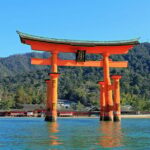
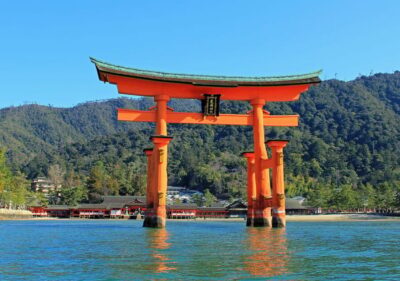
- The floating torii depends on the tide: The O-Torii Gate is especially striking at high tide, but its appearance changes with the water level.
- Train and ferry tickets are covered: You do not need to sort out these key connections yourself.
- Strong guide-led storytelling: Ihsan and James are praised for clear explanations of Japanese culture, history, and the atomic bombing.
Hiroshima’s difficult story begins at the Peace Memorial Museum
I would start this experience ready to listen, not rush. The Peace Memorial Museum presents Hiroshima through personal belongings, survivor accounts, photographs, and objects connected to the bombing, so the visit is not simply a lesson in dates and military events.
The power comes from the human scale. A child’s possession or a survivor’s story can say more than a long display of statistics. You may find the museum upsetting, especially when the exhibits show how quickly ordinary life was destroyed and how many people suffered afterward.
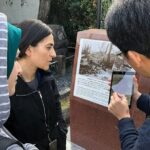
Your guide adds context as you move through the museum. This matters because the material can feel overwhelming on your own. Guides Ihsan and James have been praised for explaining the bombing with care while also connecting it to Japanese history and culture. The best kind of guiding here does not turn tragedy into a performance. It gives you space to think while helping you understand what you are seeing.
Allow yourself time to pause. This is not the sort of museum where you should feel pressure to hurry from one display to the next. The guide-led format helps you focus, but your own response to the exhibits will vary.
A few more Hiroshima tours and experiences worth a look
Peace Memorial Park gives the museum room to breathe
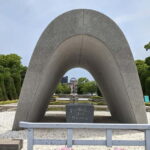
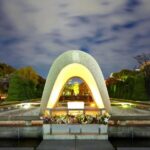
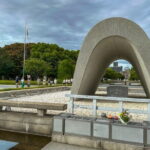
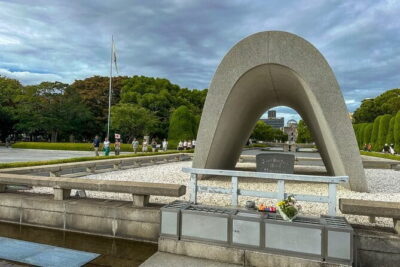
Outside the museum, Peace Memorial Park offers a quieter setting for reflection. The park includes the Memorial Cenotaph, the Children’s Peace Monument, and the Flame of Peace, along with open spaces that make the city’s past feel present without becoming theatrical.
The Children’s Peace Monument is particularly moving because it connects the bombing to children and to the hope of a world without nuclear weapons. Your guide can help explain the meaning of these memorials and the way Hiroshima remembers its dead.
I like this part of the route because it slows the pace. After the museum’s indoor displays, the park lets you walk, look, and gather your thoughts. It also gives you a clearer sense of how remembrance is part of daily life in Hiroshima, rather than something kept behind museum walls.
You should still expect a solemn visit. This is not a sightseeing stop where you simply take a few pictures and move on. The park asks for respect, especially around the memorials. Your guide’s tone is important here, and the strongest feedback for Ihsan and James focuses on their balance of sensitivity and clear historical explanation.
The Atomic Bomb Dome remains a stark witness
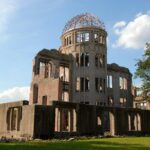
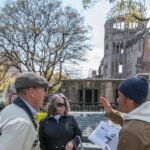
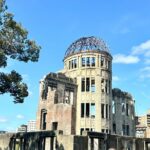
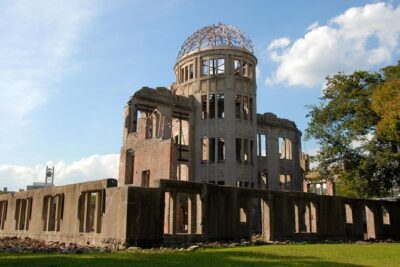
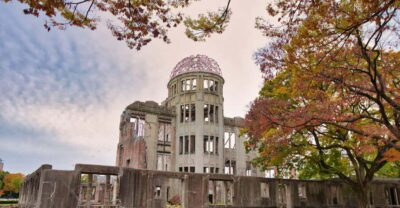
The Atomic Bomb Dome is one of Hiroshima’s most recognizable sights, but its impact comes from its fragility. The damaged structure remains near the park, a reminder of the blast and of the city that was almost completely destroyed in 1945.
You do not need a long visit to feel its importance. The exposed frame and ruined walls create a sharp contrast with the modern city around them. The building is not polished or restored into something comfortable. Its condition makes the message direct.
Your guide can place the Dome within the larger story of Hiroshima’s destruction and recovery. That context helps you see it as more than a famous photograph. It is a physical link between the museum’s personal accounts and the city’s present-day identity as a symbol of peace and resilience.
Take a moment to view it from more than one angle, but keep the focus on the site itself. This is one of those places where a thoughtful explanation is more useful than a long list of facts.
Train and ferry connections lead to Miyajima
The day then changes character as you travel toward Miyajima. Train tickets and a round-trip ferry ticket are included, which is a real advantage if you want the historic sites without managing each transport step yourself.
The ferry crossing brings a welcome shift in mood. Hiroshima’s memorial district is serious and inward-looking. Miyajima opens the experience toward the water, the island paths, shrines, and traditional streets. The contrast is one of the tour’s best features.
The exact timing is not provided, so you should not assume a fixed amount of free time or a particular tide. The O-Torii Gate looks different as the water rises and falls, and the high-tide view is the classic image most people hope to see. If the gate is not surrounded by water at your visit, it remains an important structure, but the famous floating effect will be reduced.
A ferry ride also means you should be prepared for a change in pace and some walking. Comfortable shoes are a sensible choice. Wheelchair users should note that the experience is not suitable for them.
Itsukushima Shrine blends faith, water, and architecture
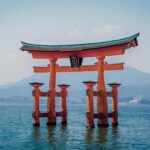
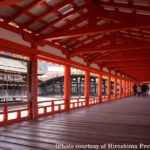
Itsukushima Shrine is Miyajima’s central cultural stop. The shrine admission is included, and the guide-led visit helps you understand how the buildings, sea, and torii gate work together as one sacred setting.
The shrine feels distinctive because the water is not just scenery. At high tide, the buildings and O-Torii Gate appear to float above the sea. At lower water levels, the relationship changes, and the gate may be approached from the shore. Both views tell you something different about the site.
I like that this tour does not treat Miyajima as a quick photo stop. The guide explains the shrine and the island’s traditions while leading you through key areas. The cultural details are a major reason to choose a guide rather than simply arriving, taking a picture, and leaving.
The island also has sacred deer, which add to the calm atmosphere, though you should remember that the deer are part of the setting rather than a planned animal encounter. The tour’s appeal is the combination of nature, religious tradition, and history.
A few more Hiroshima tours and experiences worth a look


Miyajima’s Five-Story Pagoda and shopping streets
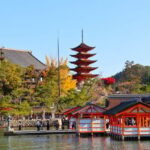
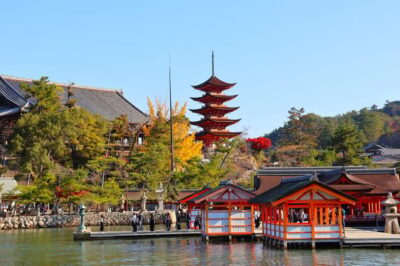
The walk on Miyajima includes the Five-Story Pagoda and local shopping streets, giving you a broader view of the island beyond the shrine. The pagoda adds a strong architectural landmark, while the shopping streets bring you back to everyday island life.
This is where the tour becomes less formal. You can browse for souvenirs, look at local products, and take a break from memorials and religious sites. Personal purchases are not included, so keep spending money available if you want to shop.
The island is also known for Momiji Manju, a local sweet that you can try during the optional food break. Food and drinks are not included, but the break gives you a chance to buy something for yourself. This is useful if you want a taste of Miyajima without committing to a full meal.
Lunch is not provided. That keeps the tour price lower and gives you freedom, but it also means you need to plan for your own meal and snacks. If you prefer a fully arranged food experience, this tour will feel more independent than an all-inclusive day trip.
What the guide adds to the experience
A guide matters most in Hiroshima and Miyajima because both places contain details that are easy to miss. At the Peace Memorial sites, you need careful historical framing. At Miyajima, you benefit from explanations of Japanese culture, shrine customs, food, and local stories.
The strongest praise for this experience goes to Ihsan and James. Ihsan is described as a gifted storyteller who makes history and culture lively without losing the seriousness of Hiroshima. James is praised for his heartfelt explanations at the Peace Memorial Park and his ability to point out details around Miyajima that you might otherwise walk past.
The tour is offered in English, Urdu, and Hindi. If you book in English, you can expect personal insights and storytelling throughout the day rather than only basic directions between stops.
A small group also helps. You can hear the guide more easily, ask questions, and move through the sites at a more relaxed pace than you might with a large coach group. The exact group limit is not given, so I would not book this expecting a private tour unless that is confirmed separately.
Is $121 a fair price?
At $121 per person, the price is reasonable if you value guidance and transport. It includes the local expert, museum admission, Itsukushima Shrine admission, train tickets, and the round-trip ferry to Miyajima.
Buying those pieces separately might cost less if you are comfortable researching routes, arranging tickets, and visiting both areas without help. But the savings may not feel worth it if you have limited time or want the history explained in a thoughtful way.
The most important value is the connection between the two halves of the day. Hiroshima and Miyajima are often visited together, but the contrast works best when someone helps you understand both. You move from destruction and remembrance to spiritual architecture, water, and island traditions without having to plan the transport yourself.
The price does not cover lunch, drinks, souvenirs, insurance, or hotel pickup and drop-off. Pickup may be available on request from Hiroshima Ujina Port, Hiroshima Station’s Shinkansen Exit, or a specified meeting point in Peace Memorial Park. Hotels are not included because some are far from the station.
You can reserve now and pay later, which helps if your Japan plans are still changing. Cancellation is available up to 24 hours before the tour for a full refund.
Who should book this Hiroshima and Miyajima tour?
I would recommend it to first-time visitors who want the major Hiroshima memorials and Miyajima in one organized experience. It also suits you if history matters as much as scenery and you want a guide who can explain the human stories behind the sites.
It is a good choice for families with older children, couples, solo visitors, and anyone who prefers a small group to a large sightseeing bus. The guide’s storytelling is especially useful if you want more than a quick look at the Atomic Bomb Dome or Itsukushima Shrine.
You may want a different plan if you prefer to move slowly and spend a very long time in the museum. The combined route covers two distinct places, so the day has a clear structure rather than unlimited time at each stop.
It may also not suit you if you need wheelchair access, want hotel-to-hotel transportation, or expect lunch and drinks to be included. Bring comfortable shoes, money for food and personal purchases, and a respectful frame of mind for the memorial sites.
Should you book it?
Book this tour if you want Hiroshima’s essential memorial sites paired with Miyajima’s shrine, pagoda, shopping streets, and sea views. The included admissions and transport remove much of the planning work, while guides such as Ihsan and James add the historical and cultural detail that makes the day meaningful.
Skip it if you want a fully private itinerary, a relaxed museum-only visit, or a tour with meals and hotel transfers built in. For most visitors with one day to connect Hiroshima and Miyajima, though, the $121 price buys a strong mix of practical help, serious history, and quiet island beauty.
FAQ
What does the tour include?
It includes a guided tour with a local expert, English storytelling, admission to the Peace Memorial Museum and Itsukushima Shrine, train tickets, a round-trip ferry ticket, and a guide-led walk around Miyajima.
Which Hiroshima sites are visited?
The route includes Peace Memorial Park, the Peace Memorial Museum, the Atomic Bomb Dome, the Memorial Cenotaph, and the Children’s Peace Monument.
Is the ferry to Miyajima included?
Yes. A round-trip ferry ticket is included, along with train tickets for the journey to and from Miyajima.
Is lunch included?
No. Lunch, food, and drinks are not included. You have time to buy food and local sweets such as Momiji Manju during the break on Miyajima.
Where can I request pickup?
Pickup may be requested from Hiroshima Ujina Port, Hiroshima Station at the Shinkansen Exit, or Hiroshima Peace Memorial Park. The exact meeting point is shared after booking.
Can wheelchair users join the tour?
No. The experience is listed as not suitable for wheelchair users. Pets, drones, alcohol, and drugs are also not allowed.
More Hiroshima City Tours in Hiroshima
More Peace Memorial Tours in Hiroshima
More Miyajima Tours in Hiroshima
More tours in Hiroshima we've reviewed



Miyajima Tours, compared.
 ★ 5.0Peaceful Hiroshima & Miyajima UNESCO 1 Day Bus TourFrom $129
 ★ 4.9Hiroshima: Hiroshima and Miyajima UNESCO Sites 1-Day TourFrom $1228 hours
 ★ 5.0Hiroshima / Miyajima Full-day Private Tour with Government Licensed GuideFrom $202
 ★ 4.7Osaka/Kyoto: Hiroshima Miyajima Bus Tour & Shinkansen TicketFrom $27712 hours
 ★ 4.7From Hiroshima: Hiroshima & Miyajima 1 Day Tour with LunchFrom $1168 hours
 ★ 5.0Hiroshima and Miyajima Day Trip with Itsukushima Shrine & FerryFrom $45
