
Reviewed · MIYAJIMA TOURS
Hiroshima & Miyajima: UNESCO A-Bomb Dome & Itsukushima with Local
Hiroshima is best understood through two very different places: Miyajima’s sacred island and the sober streets around the A-Bomb Dome. This private day brings both together, using local trains, ferries, and walking routes rather than a coach window. Guides such as Yuka, Masa, and Ally add family stories and personal context to the history.
I like the flexible pace and the chance to ask questions as the day unfolds. I also like the practical hotel or station pickup, especially because the route involves several transport changes. The main drawback is the amount of walking and the extra transport cost, which is not included in the advertised price.
In This Review
- Key points to know before booking
- Two sides of Hiroshima in one private day
- Start at Miyajima, the island of the gods
- Itsukushima Shrine puts the sea into the architecture
- Daishoin Temple offers a quieter Miyajima
- Senjokaku and Omotesando add variety
- The transfer to Hiroshima is part of the experience
- The A-Bomb Dome makes the history physical
- The hypocenter and Peace Memorial Park slow the pace
- The Peace Memorial Museum needs your full attention
- Sadako’s cranes bring the day back to one child
- What the $181.19 price really buys
- Who will get the most from this tour
- Book it for the guide, not just the landmarks
- FAQ
- How long does the Hiroshima and Miyajima tour last?
- Is hotel pickup included?
- Is this a private tour?
- Are entrance fees included?
- How much does transportation cost?
- Is lunch included?
- Can the tour order be changed?
Key points to know before booking
- Miyajima comes first for many schedules: See Itsukushima Shrine, the famous torii, Daishoin Temple, Senjokaku, and Omotesando Street.
- The order can change: Your guide may begin with Peace Memorial Park if that gives you a better chance of seeing the torii during high tide.
- This is a private walking tour: Only your group participates, and the route can be adjusted to your interests and pace.
- Public transport keeps the cost down: Plan on about ¥1,340 to ¥1,380 per person for basic transportation, with boats and taxis costing more.
- The Hiroshima portion is serious and moving: The A-Bomb Dome, hypocenter, Peace Memorial Museum, and Children’s Peace Monument need time and emotional space.
- The seven-hour schedule is full: You will see a great deal, but this is not a slow, stop-for-everything kind of day.
Two sides of Hiroshima in one private day
At $181.19 per person, this experience is priced as a private seven-hour tour rather than a standard group outing. That distinction matters. You are not simply following a flag through famous sites. You have a local guide who can alter the route, explain unfamiliar customs, help with tickets, and slow down when a subject deserves more care.
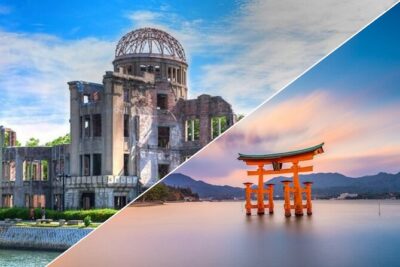
The day joins Miyajima and Hiroshima City, which makes sense geographically and emotionally. Miyajima offers Shinto shrines, Buddhist temples, deer, food stalls, and sea views. Hiroshima’s Peace Memorial area asks you to look closely at the consequences of war and the long work of rebuilding.
The guide team includes Yuka, Masa, and Ally. Yuka is especially praised for clear English, thoughtful answers, and a pleasant manner. Masa has helped with station pickup and ticket buying, and has been praised for adjusting the pace without losing the main sights. Those details are important here. Hiroshima is easy enough to visit independently, but a good guide reduces the small frictions that can eat into a short day.
A few more Hiroshima tours and experiences worth a look
Start at Miyajima, the island of the gods
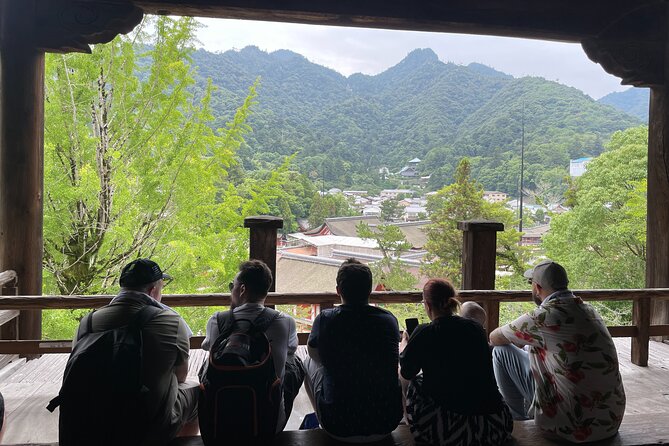
Miyajima, also called Itsukushima, has been treated as a sacred island since ancient times. The approach by ferry gives the visit a natural sense of separation from the city, though the crossing is still part of a practical transport day rather than a private cruise.
Your guide can walk you through the island’s religious meaning before bringing you to the main shrine area. Deer roam around the island, and the shopping streets offer a lighter side of the visit. You will also find local specialties such as oysters, conger eel rice, momiji manju cakes, and ordinary souvenirs.
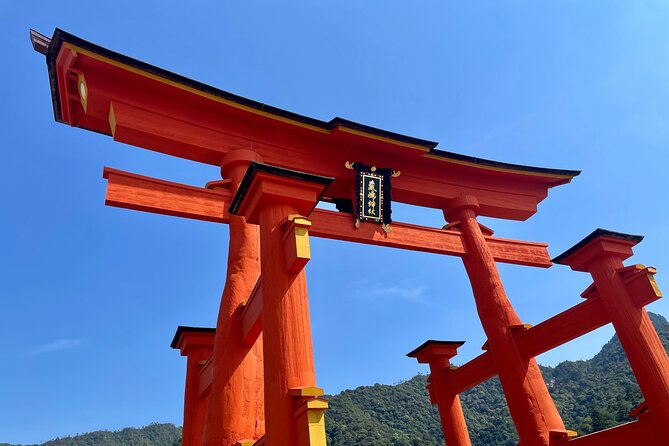
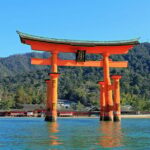
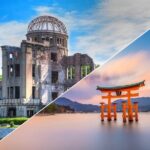
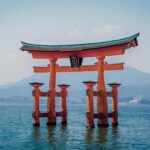
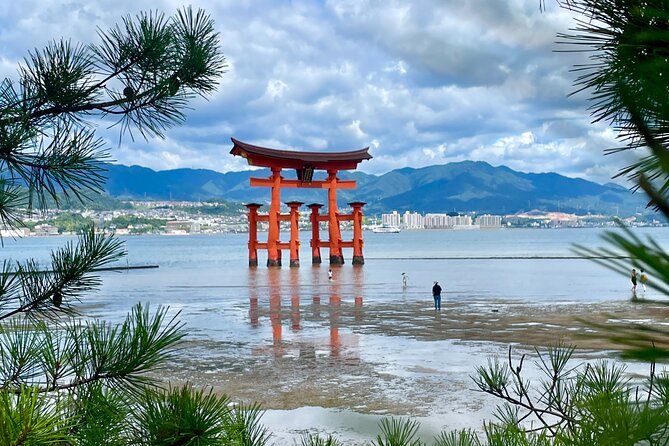
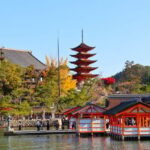
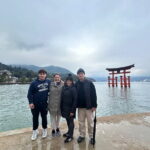
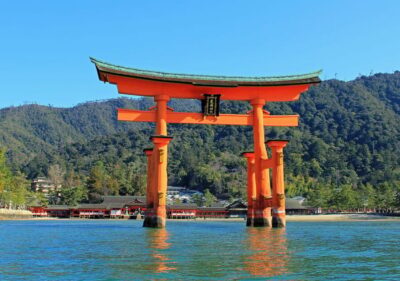
The most famous sight is the Itsukushima Shrine torii. At high tide, it appears to float offshore. At low tide, the water recedes and the view changes completely, so ask about tide timing before the tour begins. The schedule can be reversed, putting Hiroshima first, if that gives you a better chance of seeing the gate with water around it.
The torii stop itself is listed at about 15 minutes. That is enough for photos and a quick explanation, but not much more. If this is the sight you most want to savor, tell your guide early. A private tour gives you a better chance of making that preference count, though the seven-hour limit still applies.
Itsukushima Shrine puts the sea into the architecture
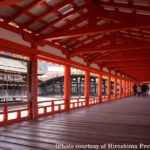
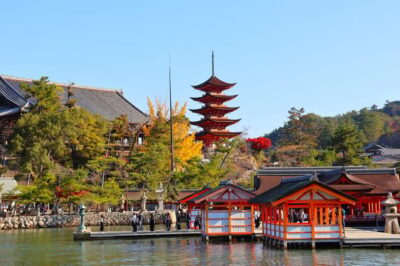
Itsukushima Shrine is a UNESCO World Heritage Site and a Japanese national treasure. Its buildings are famous for their relationship with the sea, not just for their individual gates and halls. The changing tide gives the complex a different character during the same day.
The planned visit is about 20 minutes. That is a brisk introduction, especially if you want photographs, religious context, and time to notice the details. The entrance fee is included, which removes one small decision from a day already full of ferries and trains.
I would give your guide a clear signal about how you like to sightsee. If you prefer stories and explanation, the shrine can become the anchor of the Miyajima portion. If you prefer temple interiors, quiet courtyards, and food stops, the route can give more attention to Daishoin and Omotesando Street.
Daishoin Temple offers a quieter Miyajima
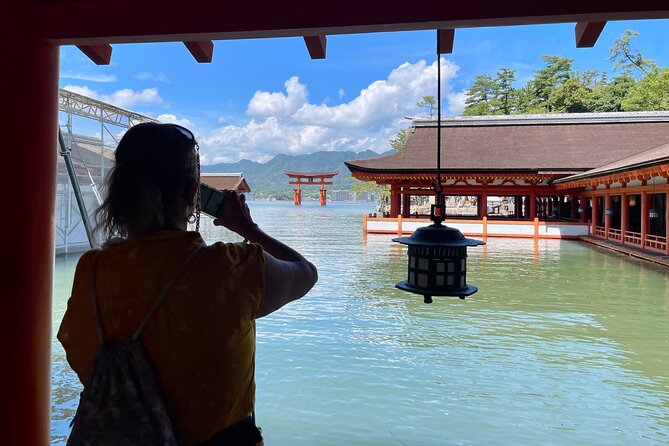
Daishoin is described as Miyajima’s oldest temple, with more than 1,200 years of history. It brings a Buddhist side to an island often reduced to one famous Shinto shrine and one floating gate.
The schedule allows about 40 minutes here, making it one of the more substantial stops on the island. That is useful because the temple has many things to see and do, rather than one single postcard view. Your guide can explain the difference between the Buddhist and Shinto sites and help you notice why both matter on Miyajima.
This is also a good place to catch your breath before the busier shopping street and the return journey. The tour is not built around long unstructured breaks, so Daishoin may be one of your best chances to enjoy a quieter setting.
Senjokaku and Omotesando add variety
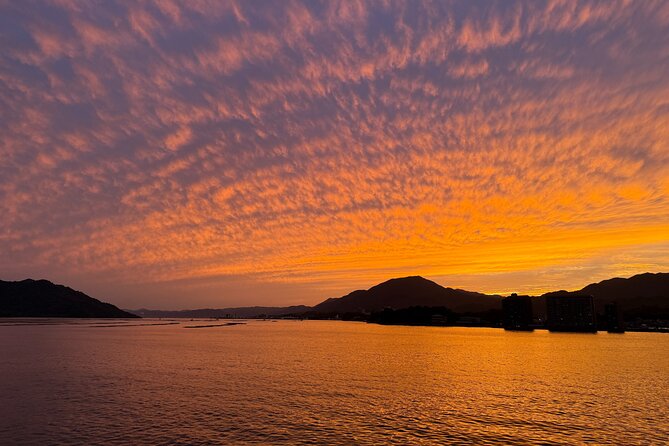
Senjokaku is connected with the Itsukushima shrine complex. Built in the 16th century at the order of Shogun Hideyoshi, it has large halls and open, wall-less spaces. The setting is quiet and spacious, a useful contrast to the concentrated shrine buildings.
The visit is about 15 minutes, and admission is not included. Since the tour does not state the separate entrance price, you should be prepared for a small additional charge if you want to enter. Ask your guide about the current cost on the day.
The next stop is Miyajima Omotesando Shopping Street, with about an hour available. This is where the day becomes more relaxed and practical. You can look for momiji manju, oysters, conger eel rice, and souvenirs, or simply use the time for a snack before the Hiroshima portion.
Food is not included, so this is the natural moment to buy something. Keep an eye on the clock. An hour can pass quickly when you are comparing local treats, and you still have a ferry or train connection ahead.
A few more Hiroshima tours and experiences worth a look

The transfer to Hiroshima is part of the experience
The move from Miyajima Port to Peace Memorial Park generally takes about an hour. The basic plan uses a ferry, JR, or train, and transportation is paid separately.
A direct boat to Peace Memorial Park is available as an option and takes about 45 minutes. The listed optional cost is roughly ¥2,300 to ¥4,500, while taxis can run from about ¥2,300 to ¥8,000 one way, depending on the route and conditions. These choices may save time or reduce transfers, but they can change the value calculation quickly.
The basic public transport cost is listed at about ¥1,340 to ¥1,380 per person. JR Pass users may pay as little as ¥0 to ¥270 for some transport, though ferry arrangements and the exact route still matter. Ask your guide during the advance consultation which option fits your group.
I like that the tour uses public transportation because you experience Hiroshima as a city rather than passing through it in a sealed vehicle. The tradeoff is simple: you must walk to stations, board the correct service, and keep moving. This is not a good pick if long distances are difficult for you.
The A-Bomb Dome makes the history physical
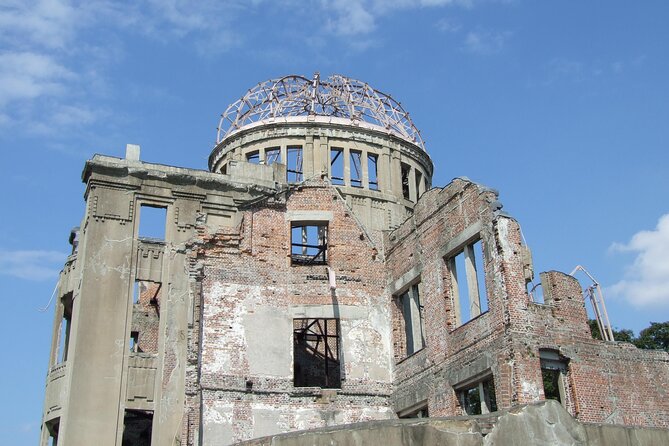
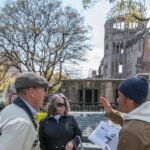
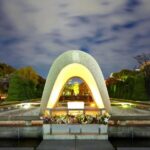
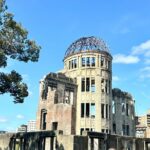
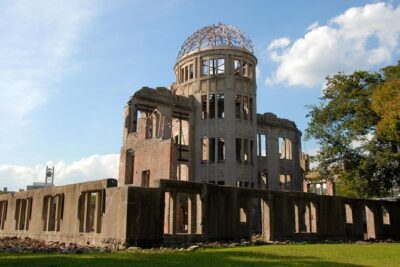
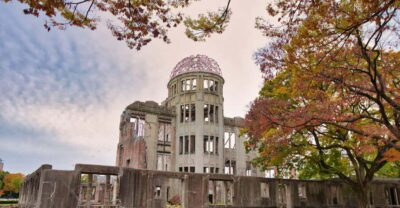
The Atomic Bomb Dome is a UNESCO World Heritage Site and one of Hiroshima’s most recognizable structures. Its damaged form conveys the force of the 1945 atomic bombing without needing a long explanation.
The stop is planned for about 15 minutes. That is enough to see the building from the nearby area and hear its basic story, but you should not expect a lengthy architectural visit. The dome works best as an opening point for the Peace Memorial area, where the tour shifts from scenic Miyajima to the human cost of the bombing.
The guide’s role becomes especially important here. You can ask questions immediately, and the experience is shaped by local family stories and memories passed down through generations. The tour description specifically emphasizes loss, recovery, resilience, and hope, rather than presenting Hiroshima as a collection of dates.
The hypocenter and Peace Memorial Park slow the pace
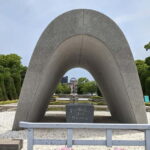
The hypocenter monument marks the area directly below the point where the bomb exploded, about 600 meters above a hospital. The planned stop lasts around 15 minutes.
It is a small site, but its meaning is large. After seeing the Dome, you move from a visible damaged structure to a precise location tied to the blast itself. I would not rush this portion. Even a short pause can help you understand the scale of what happened.
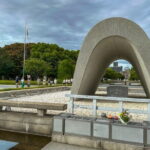
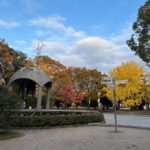
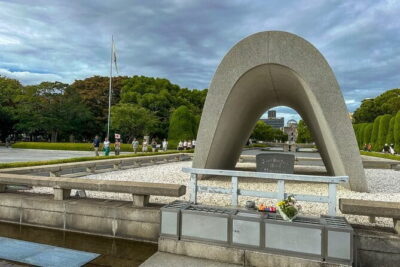
Peace Memorial Park follows, with about 20 minutes scheduled. The park contains several monuments and spaces connected with the bombing and Hiroshima’s reconstruction. The area is open and spread out, so comfortable shoes matter. Your guide can connect the individual monuments rather than leaving you to piece together their meaning alone.
The Peace Memorial Museum needs your full attention
The Hiroshima Peace Memorial Museum is given about an hour, and admission is included. The exhibits use photographs and documents to show the reality of radiation exposure and the effects of the bombing.
One hour is enough for an introduction, but it is not enough to read every display carefully. If museums are a major reason you are visiting Hiroshima, tell your guide. You may need to reduce time elsewhere, perhaps at the shopping street or one of the shorter Miyajima stops.
The subject matter can be distressing. The museum is not a casual sightseeing stop, and the tour’s tight schedule does not remove the need for quiet reflection. The most praised guide feedback points to thoughtful explanations of why the bomb was dropped and what happened afterward. That kind of conversation can help you place the exhibits in context, but the guide should not replace your own time with the displays.
Sadako’s cranes bring the day back to one child
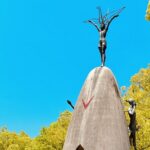
The Children’s Peace Monument is linked with Sadako Sasaki, the girl whose story became associated with paper cranes and hopes for peace. The stop lasts about 10 minutes, and you can see many origami cranes at the monument.
After the museum’s photographs and documents, this site brings the history down to the scale of one child. The visit is short, but it gives the Peace Memorial area a personal focus. Your guide can explain the story and point out the role the cranes play in Hiroshima’s remembrance.
What the $181.19 price really buys
The headline price includes the private guide, hotel or station pickup on foot, advance customization consultation, tour photo data, and admission to Itsukushima Shrine and the Peace Memorial Museum. It does not include lunch, drinks, basic public transport, optional direct boats, taxis, or tips.
At $181.19 per person, the value depends heavily on group size. For one or two people, it is a sizable spend. For a family or small group, private guiding can be more reasonable because the price buys personal attention rather than a seat on a large bus.
The strongest value comes from the guide’s flexibility. You can discuss your interests before the day, choose the order around the tide, and ask for help with transport. If you only want a checklist of famous sights, independent visits will cost less. If you want someone to connect religious customs, local memory, and the practical route, the fee is easier to justify.
Remember to budget at least ¥1,340 to ¥1,380 per person for basic transport. A direct boat or taxi can push the total much higher. Since the tour does not include food, leave room for lunch or snacks on Omotesando Street.
Who will get the most from this tour
I would choose this for a first Hiroshima visit when you want Miyajima and the Peace Memorial area on the same day. It is also a strong fit for couples, families, and small groups who prefer private conversation to a fixed group schedule.
The tour suits you if you enjoy walking, can manage public transport, and want history explained in a personal way. It is also useful if you are uncertain about train and ferry connections or want help buying tickets.
I would think twice if you dislike full days, need frequent long rests, or want several hours inside the Peace Memorial Museum. The schedule covers a lot. Customization helps, but it cannot turn seven hours into two separate leisurely days.
Pickup is offered from a Hiroshima hotel or train station, on foot. Service animals are allowed, and the activity is near public transportation. Most people can participate, but it is specifically not recommended for anyone unable to walk long distances. Participants with cold symptoms should not join.
Book it for the guide, not just the landmarks
You can see the A-Bomb Dome, Peace Memorial Museum, and Itsukushima Shrine without paying for a private tour. The reason to book this one is the connection between them.
You get a local guide who can adjust the order, watch the tide, help with transport, and add family-based context to places that deserve more than a quick photo. Yuka’s clear English and thoughtful answers, Masa’s help with tickets and pacing, and Ally’s attention to Miyajima’s Shinto and Buddhist sides show the kind of personal service to expect from the guide team.
Book it if you want a full but flexible day and accept the walking and extra transport costs. Skip it if your priority is the lowest possible price or an unhurried museum visit. For most first-time visitors with limited time in Hiroshima, the private format makes the packed route far more manageable.
FAQ
How long does the Hiroshima and Miyajima tour last?
The tour lasts approximately seven hours.
Is hotel pickup included?
Yes. Pickup is offered from a hotel or train station in Hiroshima City, and the pickup is done on foot.
Is this a private tour?
Yes. Only your group participates in the activity.
Are entrance fees included?
Admission to the Peace Memorial Museum and Itsukushima Shrine is included. Admission to Senjokaku is not included.
How much does transportation cost?
Basic public transportation costs about ¥1,340 to ¥1,380 per person. Optional direct boats cost about ¥2,300 to ¥4,500, while taxi costs can range from about ¥2,300 to ¥8,000 one way.
Is lunch included?
No. Food and drinks are not included.
Can the tour order be changed?
Yes. The order can be changed between Miyajima and Peace Memorial Park, including to help plan around the floating torii gate and the tide.
More Hiroshima City Tours in Hiroshima
More Peace Memorial Tours in Hiroshima
More Miyajima Tours in Hiroshima
More tours in Hiroshima we've reviewed


Miyajima Tours, compared.
 ★ 5.0Peaceful Hiroshima & Miyajima UNESCO 1 Day Bus TourFrom $129
 ★ 4.9Hiroshima: Hiroshima and Miyajima UNESCO Sites 1-Day TourFrom $1228 hours
 ★ 5.0Hiroshima / Miyajima Full-day Private Tour with Government Licensed GuideFrom $202
 ★ 4.7Osaka/Kyoto: Hiroshima Miyajima Bus Tour & Shinkansen TicketFrom $27712 hours
 ★ 4.7From Hiroshima: Hiroshima & Miyajima 1 Day Tour with LunchFrom $1168 hours
 ★ 5.0Hiroshima and Miyajima Day Trip with Itsukushima Shrine & FerryFrom $45
