
Reviewed · HIROSHIMA CITY TOURS
Hiroshima Private Tour with a Local – Highlights & Hidden Gems
Hiroshima is a city best understood at a human pace. This private walk lets you pair the Peace Memorial Park and Atomic Bomb Dome with local food streets, gardens, temples, or Miyajima, depending on what matters most to you. Your host builds the route around your interests instead of marching everyone through the same checklist.
I like the one-to-one format, which gives you room to ask hard questions about Hiroshima’s past and pause when a place deserves quiet thought. I also like the practical local help: Ken has guided visitors to neighborhood food, while Yuka has even walked a guest to the station and helped with the correct train to Osaka.
The main tradeoff is simple: this is primarily a walking tour, and a busy four-hour route can include trains, trams, ferries, and quick transfers. Bring an IC card and some cash for your guide’s transportation costs, and be honest about your walking ability before booking.
In This Review
- Key points to know before booking
- Hiroshima at your pace, not on a group schedule
- The Peace Memorial Park and Atomic Bomb Dome
- Shopping arcades and Hiroshima’s daily rhythm
- Shukkeien Garden and a quieter side of the city
- Hiroshima Castle and Gokoku Shrine
- Mitaki-dera and the forested temple walk
- Peace Boulevard and the meaning of renewal
- Hondori and Nagarekawa after dark
- Miyajima, ferry connections, and the cost of going farther
- What $69.57 per person really buys
- Who should book this private Hiroshima walk?
- Should you book it?
- FAQ
- How long does the Hiroshima private tour last?
- What is the price?
- Is this a private tour?
- Can the itinerary be customized?
- Can the tour include the Peace Memorial Park and Atomic Bomb Dome?
- Can Miyajima be included?
- Is transportation included?
- Where does the tour start and finish?
- What happens if I need to cancel?
Key points to know before booking
- A route built around your priorities: Focus on the Peace Memorial Park, food, gardens, temples, Miyajima, or a mix.
- Hosts who add personal touches: Ami has taught origami cranes, Ken has shared local food and personal stories, and Yuka has helped with onward rail travel.
- Flexible timing: Book a two-hour introduction or a longer outing of up to six hours.
- Walking with possible transit: The private vehicle is not included, and trains, trams, ferries, or taxis may be needed.
- A thoughtful way to see difficult history: Your host can set the right pace around the Atomic Bomb Dome and Peace Memorial Museum.
- Good value for private attention: The listed price is $69.57 per person, before food, admission, and transportation costs.
Hiroshima at your pace, not on a group schedule
The strongest feature here is control. After booking, you complete a short questionnaire about your interests, must-see places, preferred pace, and style of travel. Your host then contacts you to shape the day.
That matters in Hiroshima. You may want several hours for the Peace Memorial Museum and the park, or you may prefer a lighter history visit followed by food and ordinary city life. You might want to see Hiroshima Castle and Gokoku Shrine, or spend your limited time on Miyajima. A large group cannot adjust easily. A private host can.
The available duration ranges from two to six hours. Two hours is enough for a focused introduction, especially around central Hiroshima. Four hours gives you more room for the main historic sights and a food stop or neighborhood walk. Six hours can work for a fuller day, but only if you are comfortable walking and using public transportation.
The meeting point is at Souvenir Select HitotoKi on the first floor of Orizuru Tower, at 1-chome-2-1 Otemachi. Central accommodation pickup on foot may be available. The official ending point is back at the meeting point, although individual hosts may help you continue your plans. Yuka, for example, helped a guest reach the correct train for Osaka.
A few more Hiroshima tours and experiences worth a look
The Peace Memorial Park and Atomic Bomb Dome
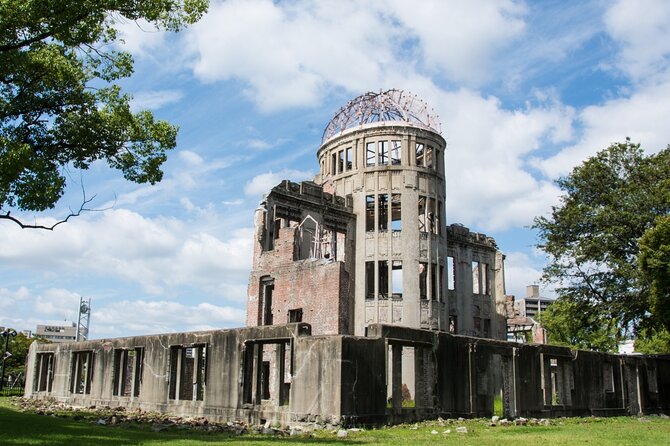
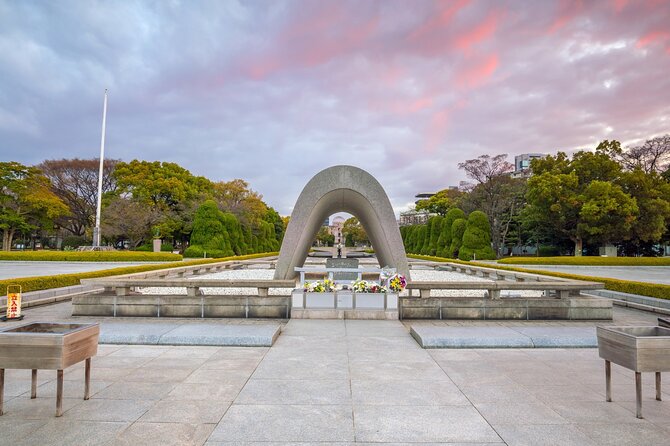
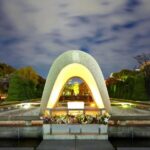
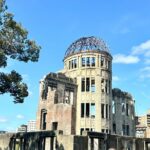
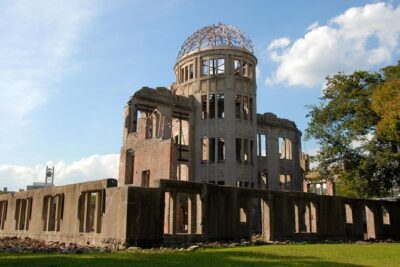
For many people, the central purpose of a Hiroshima visit is the Peace Memorial Park. Your host can take you through the park, to the Atomic Bomb Dome, and into the Peace Memorial Museum if you choose that focus.
This is where a private guide can be particularly useful. The subject is painful, and a good host needs tact as well as facts. Ami has been praised for handling the history carefully while keeping a family engaged, even teaching the group how to fold an origami crane. That kind of small, hands-on moment can help children connect with the place without turning a serious visit into a lecture.
Allow enough time for the museum if it is a priority. Admission is not included, and the tour price does not cover attractions. A two-hour booking may feel tight if you want both the park and museum at an unhurried pace. Tell your host in advance if the museum is essential so the route can be planned around it.
You should also know that this is not a scripted memorial tour with a fixed speech. The quality of the experience depends partly on the match between you and your host. The questionnaire and direct communication give you a chance to explain how much historical detail you want and how you would like to approach the subject.
Shopping arcades and Hiroshima’s daily rhythm
The tour can move from solemn memorial sites into the city’s ordinary center. A lively pedestrian arcade lined with local stores, snack stalls, and independent boutiques offers a look at how Hiroshima shops, eats, and socializes day to day.
This portion is useful if you want more than monuments. Your host can point out places you might otherwise pass, explain which shops are worth your time, and suggest local food for later. Ken has been especially good at introducing local eating habits and sharing personal stories along the way.
Food is not included, so treat the tour as an introduction rather than a meal package. If you want lunch or snacks during the walk, pay directly for them. Nozomi Kushida has arranged a well-liked lunch stop for a private group, but you should discuss food plans with your own host before the day.
The arcade also helps balance the emotional weight of the memorial sites. Hiroshima is not only a place of remembrance. It is a working city with shops, restaurants, families, commuters, and an active evening scene. Seeing both sides gives you a more grounded sense of place.
Shukkeien Garden and a quieter side of the city
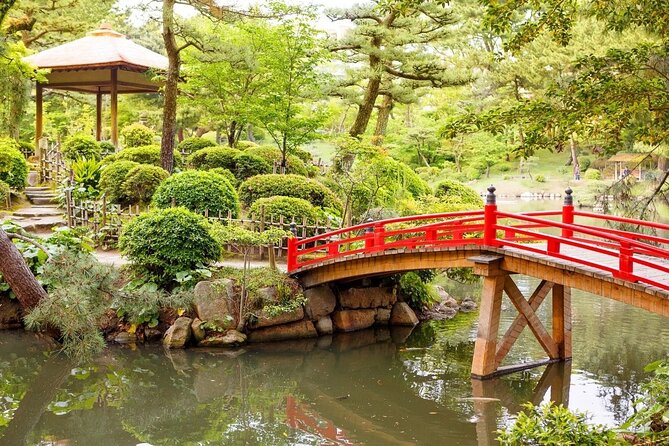
Shukkeien Garden offers a change of pace. Created in the 17th century, this landscaped garden has koi ponds, arched bridges, and teahouses. It is a calm stop for anyone who wants beauty and culture between heavier historical visits.
Your host can explain the garden’s past and its place in Hiroshima’s recovery. The setting also gives you a chance to slow down and take photographs without the pressure of keeping up with a group.
Admission is not included, so confirm the current entry cost with your host when planning. The garden may be a better choice for a three- to six-hour tour than a two-hour one, especially if you also want the Peace Memorial Park. Trying to fit too many major stops into a short booking will turn a thoughtful walk into a race.
I would add Shukkeien for visitors who enjoy gardens, traditional design, and quiet pauses. If your main goal is the Atomic Bomb Dome and museum, save the garden for another visit unless your host can fit it in without cutting your memorial time short.
Hiroshima Castle and Gokoku Shrine
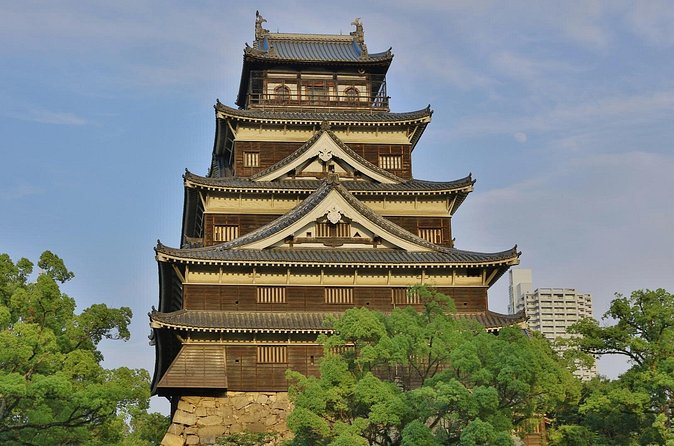
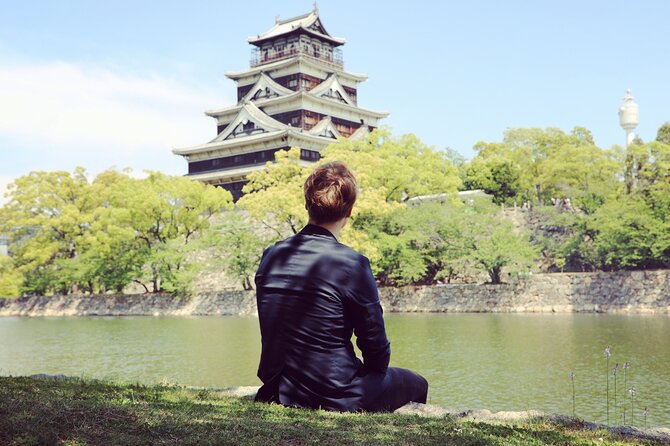
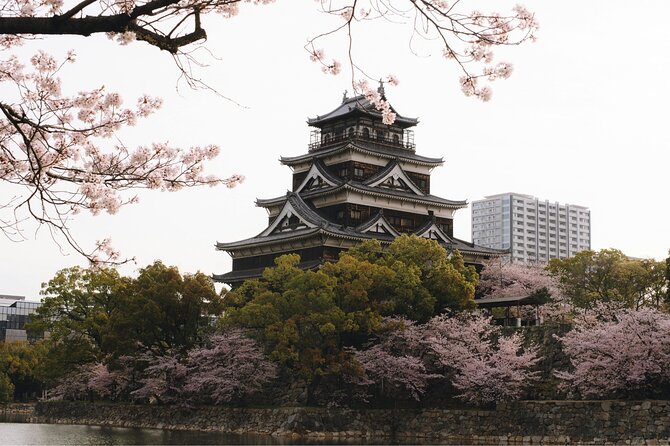
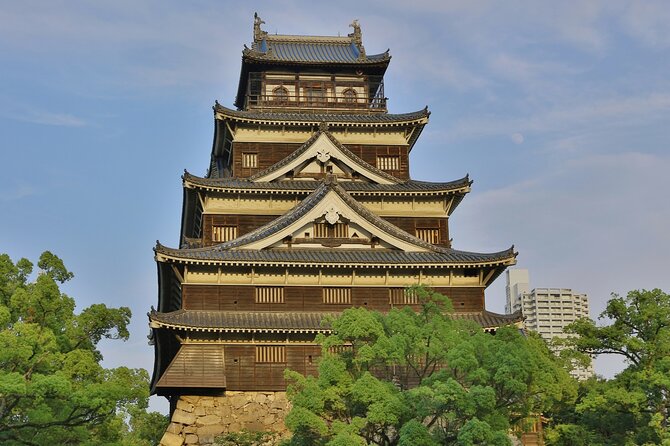
Hiroshima Castle and Gokoku Shrine offer another useful pairing. The castle gives you a look at the city’s earlier political and military past, while the shrine introduces a different part of Japanese religious and civic culture.
Ami has taken private groups to both sites along with the Peace Memorial Park and museum. That combination creates a broad day: wartime memory, older Hiroshima, and present-day life. Your host can help explain how the sites relate without forcing you into a long formal tour.
The exact amount of time at the castle depends on your interests. You may prefer a brief exterior visit and more time at the museum, or you may want to explore the castle area in detail. Tell your host what you want before meeting, since this private format works best when priorities are clear.
Other private tours in Hiroshima
Mitaki-dera and the forested temple walk
If you want to leave central Hiroshima for a while, the route may include Mitaki-dera, a hillside temple complex reached by forested trails. Moss-covered stone lanterns and wooden halls create a very different atmosphere from the city center.
This is a good choice for you if temples, quiet paths, and spiritual traditions matter more than checking off every central sight. Your host can explain the site’s long history and religious customs while guiding you through the grounds.
The practical warning is terrain. This is still a walking experience, and a hillside temple is not the easiest choice if you have limited mobility. The tour information says most people can participate, but it also makes clear that this is not designed as a private vehicle tour. Discuss the route honestly before booking.
Peace Boulevard and the meaning of renewal
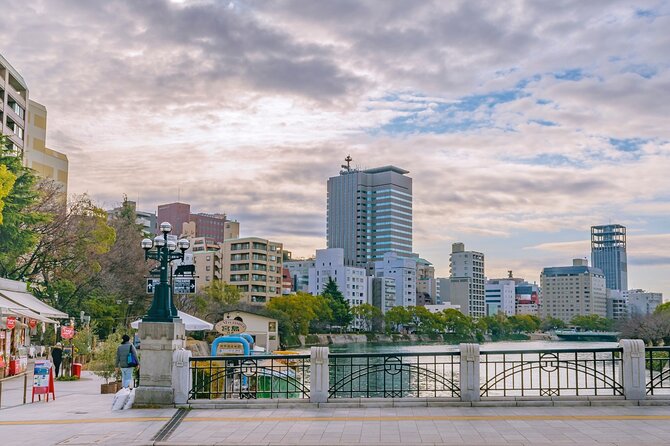
Peace Boulevard is a broad, tree-lined avenue built after World War II. It symbolizes renewal and runs through the city center near several important landmarks.
On its own, it may not be the reason you book a private tour. Its value comes from the explanation your host adds. A local can point out nearby sites and help you understand how postwar planning shaped the city you see today.
This is also a useful connecting route between major stops. Rather than treating every minute as a separate attraction, your host can use the walk to explain Hiroshima’s rebuilding and point out places you may want to revisit later. That makes the city feel less like a set of isolated monuments.
Hondori and Nagarekawa after dark
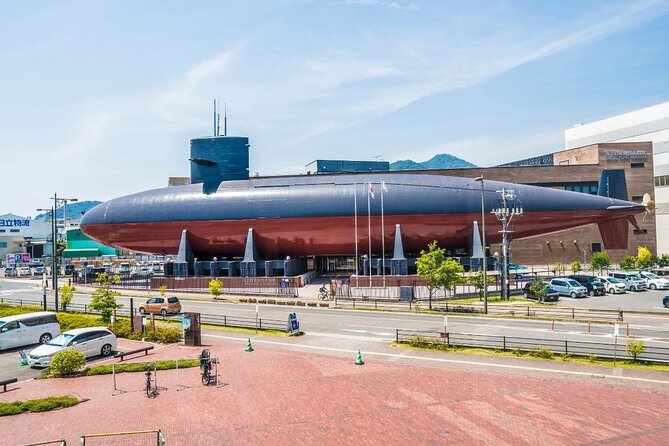
Hondori is the central pedestrian arcade, while Nagarekawa is known for izakayas, sake bars, and street food. These districts bring in the food and nightlife side of Hiroshima.
Your host can recommend local places and explain what makes the districts popular. You may visit during the day, then return independently in the evening. Food and drinks cost extra, and the tour does not include reservations or a meal unless you arrange details directly with your host.
Nagarekawa may be a better fit for adults interested in local dining than for families with young children, although the private format allows you to decide what suits your group. Ken’s food suggestions and personal stories could be especially helpful if you want to eat with more confidence after the walk.
Miyajima, ferry connections, and the cost of going farther
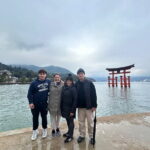
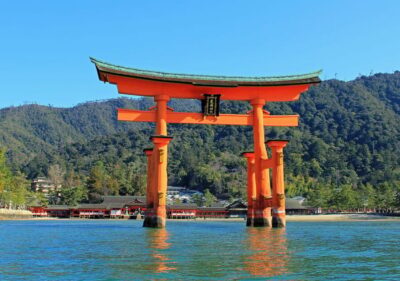
Miyajima can be included in a longer private outing, but it changes the shape of the day. Reaching the island may involve a train and ferry, and one four-hour experience used a mix of train, ferry, and tram to cover several major places.
That can be worthwhile if Miyajima is a must-see. Nozomi Kushida has taken a group to both the Peace Memorial Museum and Miyajima in one day, while Masayo has guided visitors to the island and the memorial park. Still, do not assume that every booking automatically includes Miyajima. Confirm it before you pay, especially if you have only two or four hours.
Transportation is extra. You may need an IC card, and cash is useful for covering your guide’s transit costs. Local public transportation or taxis may be used between sites, with the exact cost discussed after your reservation. There is no private vehicle included.
For that reason, I would choose a longer duration for Miyajima and avoid packing in every central attraction as well. A private guide can plan the connections, but no guide can make a long cross-city route feel leisurely if the clock is too short.
What $69.57 per person really buys
The listed price is $69.57 per person. Since this is a private experience, the value depends on your group size and how much you value time-saving advice and personal attention.
For a couple or family, the price can be reasonable because you are not sharing the guide with strangers. You can ask questions freely, adjust the pace, and focus on what you actually care about. That is more useful than a low-cost group outing if you have limited time in Hiroshima or want help with difficult historical sites.
The price does not include food, drinks, attraction tickets, transportation, or tips. Your final cost can rise if you visit the museum, use several trains and trams, take a ferry, or stop for meals. Think of the fee as payment for the host’s time, planning, and local guidance, not as an all-inclusive day package.
The experience receives a 4.6 rating from 24 ratings. The strongest pattern is personal service. Ami, Ken, Yuka, Maryam, Masayo, Tom, and Nozomi have each been praised for kindness, clear communication, flexibility, historical explanation, food advice, and help with transportation. That is the real reason to consider this tour.
Who should book this private Hiroshima walk?
I would choose it if you want a flexible first look at Hiroshima and do not enjoy fixed group schedules. It suits couples, families, solo visitors, food-focused visitors, and anyone who wants to ask questions as they go.
Families may appreciate a host who can adjust explanations and add activities such as origami cranes. Food lovers can use the tour to find lunch ideas, izakayas, sake bars, and local snacks. History-focused visitors can devote the time to the park, dome, museum, castle, and shrine.
I would hesitate if you dislike walking, want a private car, or expect all admission and transportation costs to be included. A packed route can involve quick walking and several forms of transit. Be realistic about how much you can cover in two to six hours.
Should you book it?
Book this experience if you want Hiroshima shaped around you rather than a standard route. The best use of it is to name two or three priorities, then let your host build a sensible day around them.
For a first visit, I would request the Peace Memorial Park, Atomic Bomb Dome, and museum, then add either local food streets, Hiroshima Castle, Shukkeien, or Miyajima if time allows. Keep the route manageable, carry an IC card and cash, and confirm any admission costs before you start.
Free cancellation is available up to 24 hours before the local start time. If you cancel or request changes later than that, the payment is not refundable. Those are small details, but they matter when trains, ferries, and a tightly planned Hiroshima visit are involved.
FAQ
How long does the Hiroshima private tour last?
You can choose a duration from approximately two to six hours when booking.
What is the price?
The listed price is $69.57 per person.
Is this a private tour?
Yes. Only your group participates in the activity.
Can the itinerary be customized?
Yes. After booking, you receive a questionnaire about your interests, preferences, and must-see places. Your host then contacts you to plan a personalized route.
Can the tour include the Peace Memorial Park and Atomic Bomb Dome?
Yes. These are among the major Hiroshima sights that can be included, along with the Peace Memorial Museum if you choose it.
Can Miyajima be included?
Miyajima may be included in a longer personalized outing. Confirm this with your host before booking because reaching the island can involve a train and ferry.
Is transportation included?
No. This is mainly a walking experience. Public transportation or local taxis may be used at an additional cost, and a private vehicle is not included.
Where does the tour start and finish?
It starts at Souvenir Select HitotoKi on the first floor of Orizuru Tower, 1-chome-2-1 Otemachi, Naka Ward, Hiroshima. It ends back at the meeting point. On-foot pickup may be available from central accommodation.
What happens if I need to cancel?
You can cancel for a full refund up to 24 hours before the experience start time. Cancellations or changes made less than 24 hours before the start are not accepted for a refund.
More Private Tours in Hiroshima
More Hiroshima City Tours in Hiroshima
More tours in Hiroshima we've reviewed


Hiroshima City Tours, compared.
 ★ 5.0Peaceful Hiroshima & Miyajima UNESCO 1 Day Bus TourFrom $129
 ★ 4.9Hiroshima: Hiroshima and Miyajima UNESCO Sites 1-Day TourFrom $1228 hours
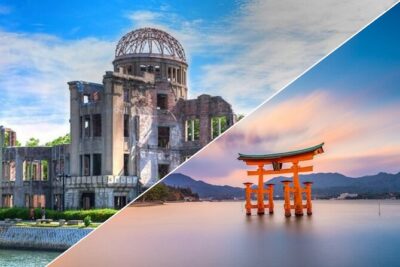 ★ 5.0Hiroshima / Miyajima Full-day Private Tour with Government Licensed GuideFrom $202
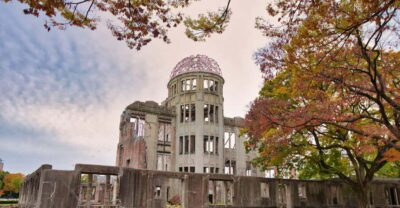 ★ 4.7Osaka/Kyoto: Hiroshima Miyajima Bus Tour & Shinkansen TicketFrom $27712 hours
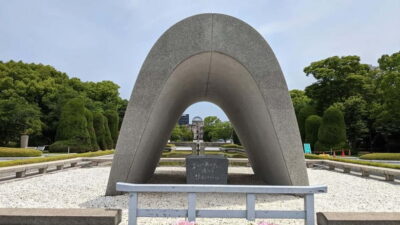 ★ 4.8Hiroshima Historical Walking Tour – Why A-Bomb was DroppedFrom $352h 30m
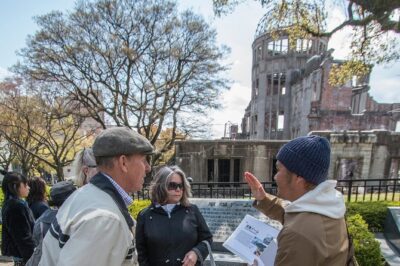 ★ 5.0Hiroshima Peace (Heiwa) Walking Tour at World Heritage SitesFrom $94
