
Reviewed · MIYAJIMA TOURS
Hiroshima & Miyajima Island Private Tour: History & Culture
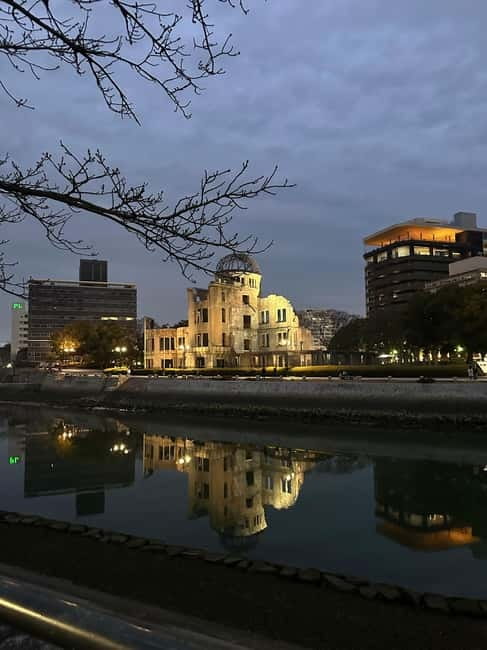
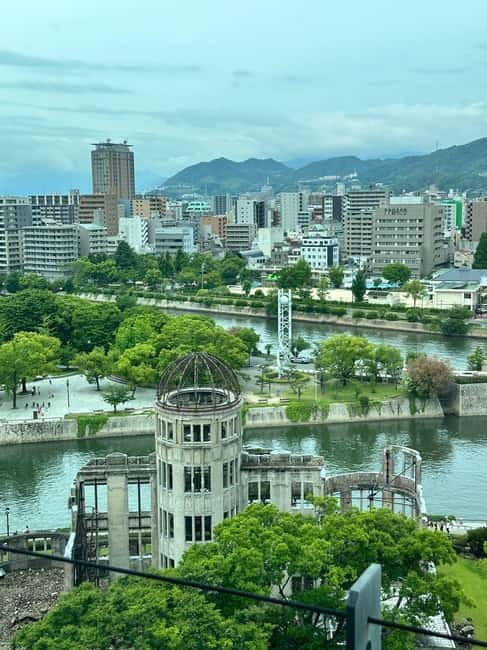
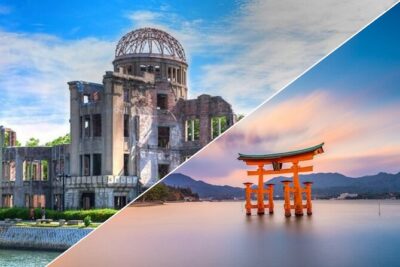
Hiroshima’s past and Miyajima’s beauty make an unusually powerful pair. In one six-hour outing, you move from the A-Bomb Dome and Peace Memorial Park to a ferry, a sacred island, a floating torii gate, and deer wandering through the streets. The contrast is the point.
I like the personal guiding, especially for the Peace Memorial Museum, where context and sensitivity matter. I also like the practical local touch: your guide may steer you toward oysters, okonomiyaki, momiji manju, quiet lanes, or a good island stop rather than simply marching you from one famous sight to the next.
The main drawback is the pace. This is a lot to cover in six hours, with trains, a ferry, walking, and several timed visits. You get a broad look at both Hiroshima and Miyajima, but not much room for a long meal, shopping, or a relaxed climb around the island.
In This Review
- Key points at a glance
- Why this Hiroshima and Miyajima pairing works
- Peace Memorial Museum: a serious beginning
- Peace Memorial Park and the A-Bomb Dome
- The train and ferry to Miyajima
- Itsukushima Shrine and the floating torii gate
- Daisho-in adds a quieter side of the island
- Food along Omotesando Shopping Street
- What the $69 price really buys you
- Who should book this tour
- Practical advice for a smoother day
- Should you book the Hiroshima and Miyajima private tour?
- FAQ
- How long does the Hiroshima and Miyajima tour last?
- Is the Peace Memorial Museum entrance included?
- What language is the tour offered in?
- Does the tour include hotel pickup?
- Where can I meet the guide at Hiroshima Station?
- Are food and drinks included?
- Can I cancel the booking?
Key points at a glance
- The tour links two very different sides of Hiroshima: the solemn Peace Memorial area and the scenic, shrine-filled atmosphere of Miyajima.
- A private guide changes the feel of the memorial visit: Nabeel, Yasmin, Malek, Abdeel, Samy, and other guides have been praised for clear English, patience, and respectful storytelling.
- The schedule is active: expect about 35 minutes by train, a 10-minute ferry ride each way, and several walking sections.
- Food can be part of the fun: oysters, okonomiyaki, and momiji manju may be worked into the day, but meals and drinks cost extra.
- You get more than the headline sights: Daisho-in, Omotesando Shopping Street, quiet corners, and local recommendations add texture to the visit.
- The $69 price is attractive for a private tour: the guide and Peace Memorial Museum entry are included, while you should confirm transport arrangements and budget for food.
Why this Hiroshima and Miyajima pairing works
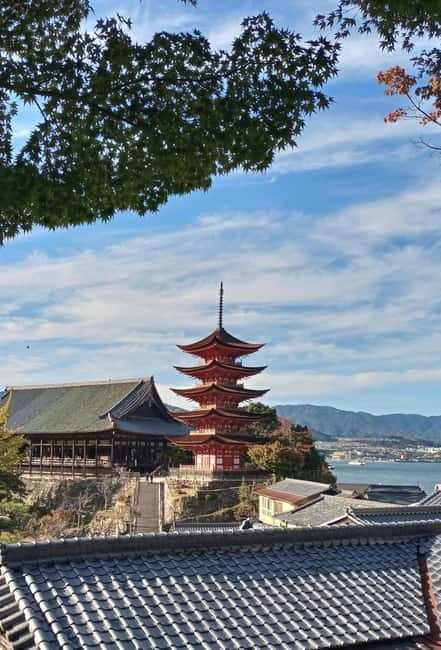
Hiroshima is not a city you understand from a single monument. The Peace Memorial area asks you to slow down and consider what happened here. Miyajima then gives you a change of setting, with forested hills, shrine architecture, sea views, food stalls, and deer.
That shift can feel abrupt, but it also makes the day memorable. You are not spending six hours in one museum or one historic district. Instead, you see how Hiroshima carries its past while also functioning as a living city and a gateway to one of Japan’s best-known sacred islands.
A private format is useful here because your guide can adjust the tone. Families with teenagers may want clear historical explanation without a lecture. A couple may prefer more time at the shrine or food stops. Someone visiting from a cruise ship may need help keeping the day moving after a delayed disembarkation.
The guides are a major part of the experience. Nabeel is repeatedly described as kind, patient, and strong in English. Malek has been praised for adapting the route and explaining local history clearly. Abdeel helped one late-arriving cruise passenger stay connected with the meeting plan, while Samy was noted for clear and informed guidance. Guides can vary, so the exact personality will depend on the date you book.
A few more Hiroshima tours and experiences worth a look
Peace Memorial Museum: a serious beginning
The day includes about 40 minutes at the Hiroshima Peace Memorial Museum. That is not a long museum visit, especially if you like to read every display, but it gives you a focused introduction to the bombing and its effects.
The museum can be emotionally difficult. That is not a flaw, but you should know what you are choosing. The displays are direct, and the visit is best approached with time for quiet attention rather than quick sightseeing.
A guide helps by giving the exhibits a human frame. The strongest comments about this experience center on sensitivity, personal stories, and clear explanations. That matters in a place where dates and facts alone can feel cold or incomplete.
There is one practical caution: the museum was closed during one scheduled visit, and the guide had to fill that part of the day with stories and background. This shows why it is worth checking opening arrangements when you book. If the museum is unavailable, the outdoor memorial sites still offer a meaningful visit, but the day will not be identical to the advertised plan.
The tour includes the museum entrance ticket and skip-the-ticket-line access. You should still expect security, crowds, and a steady schedule. The 40-minute slot works best if you accept that this is an introduction, not an exhaustive museum study.
Peace Memorial Park and the A-Bomb Dome
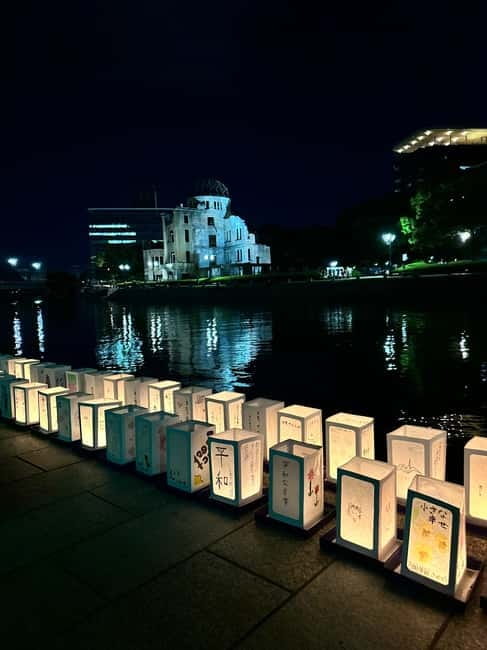
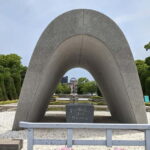
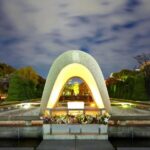
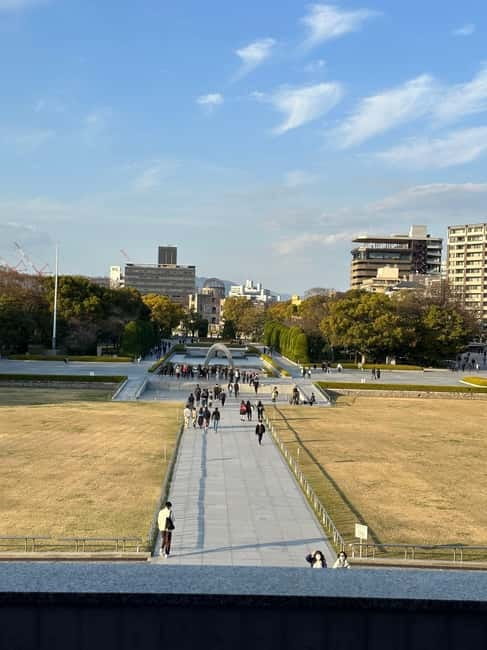
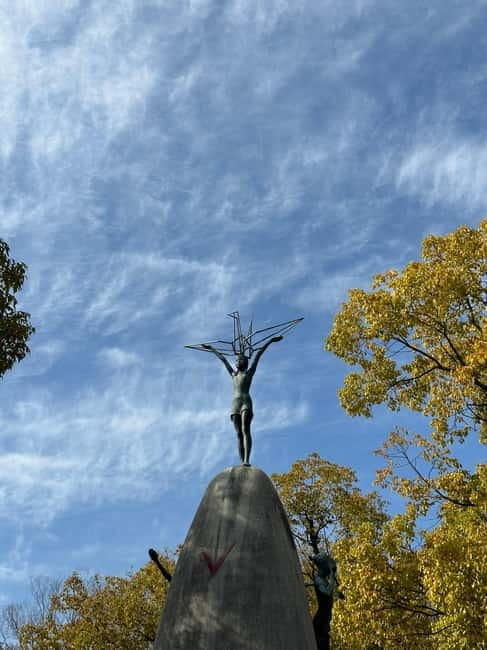
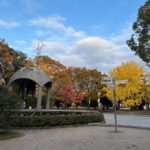
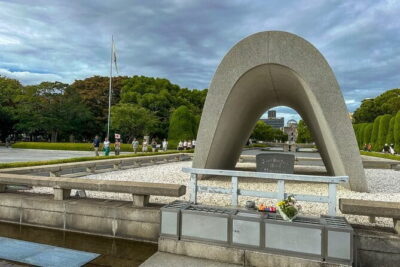
After the museum, the tour spends about 50 minutes in Peace Memorial Park. This is where the guide’s role becomes especially useful. The park contains several memorials and spaces connected to the bombing, and it is easy to walk through without grasping how the pieces fit together.
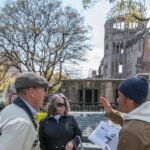
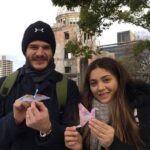
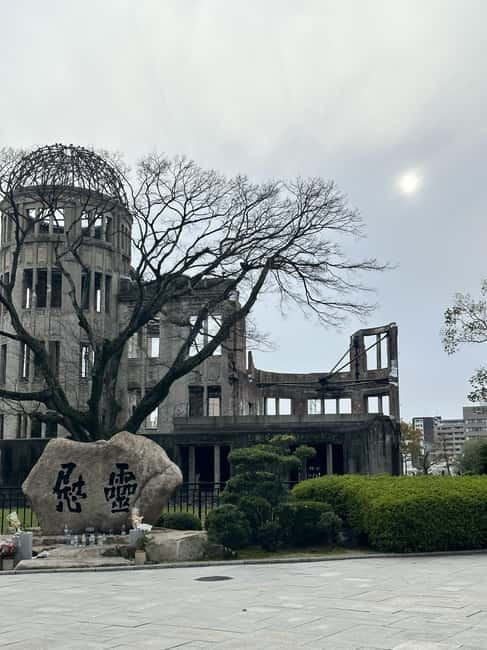
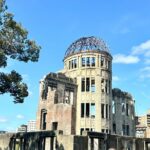
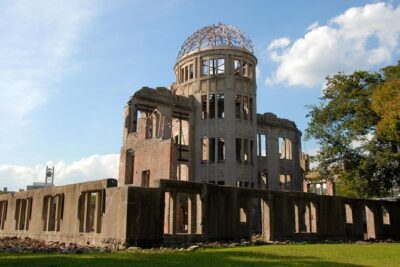
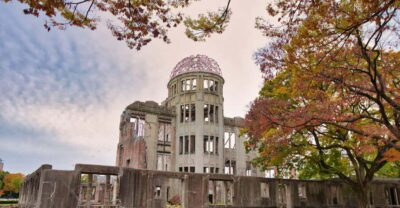
The A-Bomb Dome receives a separate 10-minute guided stop. Its damaged frame is one of Hiroshima’s most recognizable sights, but the power of the place comes from seeing it in context. Your guide can connect the building to the surrounding memorial area and explain why it remains preserved.
Do not expect a light sightseeing mood here. The first half of the day is reflective, and the guide’s tone matters. The strongest part of this tour is not simply reaching the dome. It is having someone explain the place without turning suffering into a spectacle.
This is also where a private tour can help families. Teenagers may ask direct questions, and younger children may need the subject explained in simpler terms. The guides are used to adjusting their pace and explanations, though you should tell them your group’s needs at the start.
The train and ferry to Miyajima

The changeover takes time. The planned route includes about 35 minutes by train, followed by a 10-minute ferry ride. You also walk between several locations, with another 15-minute on-foot section around Miyajima.
These transfers are part of the experience, but they limit how long you can linger. If your ideal day includes a slow lunch, extended shopping, and a long visit to every shrine hall, this route may feel rushed. If you want to see the city and island in one day, the transport makes the combination possible.
You meet the guide at a selected starting point. Pickup is available from accommodation only when it is within a reasonable walking distance, and no car pickup is offered. Hiroshima Station is one meeting choice, with the Shinkansen Exit on the second floor, in front of Starbucks, given as the meeting spot. The guide contacts you the day before to confirm the precise arrangement.
That detail matters if you arrive by cruise ship, train, or hotel transfer. Allow enough time to reach the meeting point. One person on a cruise schedule arrived late because of immigration, and the guide kept in touch about progress. Even so, this is not a reason to cut your timing close.
Itsukushima Shrine and the floating torii gate
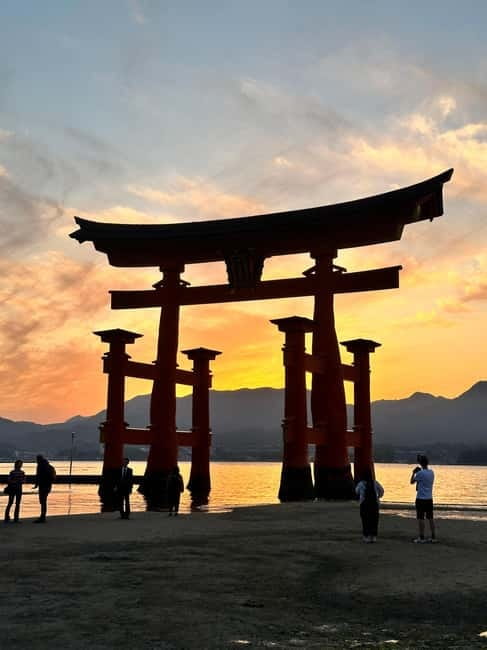
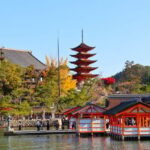
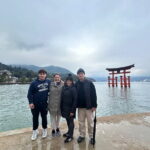
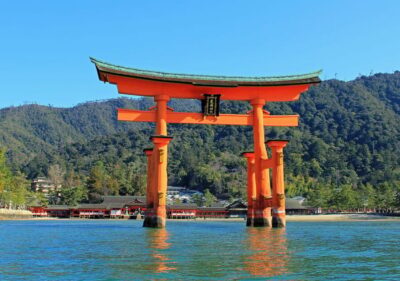
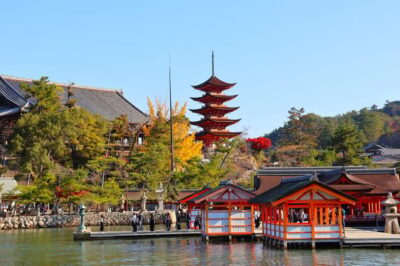
Miyajima begins with the island’s most famous sight, the Itsukushima Floating Torii Gate. The guided visit lasts about 20 minutes. The gate’s appearance changes with the tide and weather, so the exact view will depend on conditions outside your control.
The torii is best understood as part of the larger shrine setting, not just a photo stop. The gate marks the approach to the sacred complex, and its position in the water gives Miyajima its special character. Your guide can explain the connection between the gate, the shrine, and the island’s religious identity.
The tour then allows about 20 minutes at Itsukushima Shrine. That is enough for a clear introduction and a look at the main spaces, but it is not a leisurely architectural study. If shrine details matter most to you, tell the guide early so the route can reflect that interest.
Miyajima has a calmer feel than the Peace Memorial area, though the popular streets can be busy at certain times. The island is also home to deer that roam freely. They are friendly and fun to see, but remember that they are animals, not photo props. Keep your attention on your belongings and follow local guidance around them.
A few more Hiroshima tours and experiences worth a look

Daisho-in adds a quieter side of the island
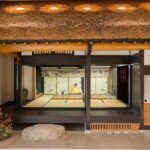
The 40-minute guided visit to Daisho-in is one of the most worthwhile parts of the route. Many visitors focus only on the torii gate and Itsukushima Shrine, while Daisho-in gives you another view of Miyajima’s religious culture.
The longer time allocation lets the guide explain more than the basic sightseeing route. You can ask questions, look closely at the temple setting, and enjoy a change from the main shrine area. If you want a fuller sense of the island, this stop gives the day more depth.
It also helps balance the itinerary. The Peace Memorial sites are solemn, the torii is iconic, and the shopping street is lively. Daisho-in provides a slower and more contemplative middle section before the final food and shopping break.
The route is not designed as a hiking tour, and no mountain climb is listed. You should still wear comfortable shoes because the day includes walking through the memorial park, stations, shrine areas, temple grounds, and shopping streets.
Food along Omotesando Shopping Street
The tour allows about 30 minutes at Miyajima Omotesando Shopping Street. This is your main chance to browse, snack, and pick up local treats.
Food suggestions may include fresh oysters, Hiroshima-style okonomiyaki, and momiji manju. Oysters are strongly associated with the area, while momiji manju are maple-leaf-shaped cakes commonly sold on Miyajima. Your guide’s recommendations are useful here because the best choice can depend on what is open and what suits your group.
Food is not included, so carry a little extra money and do not assume the short break covers a full sit-down meal. Thirty minutes is better for sampling than for a long restaurant visit. If you have dietary restrictions, tell the guide before the tour so the food suggestions can be adjusted where possible.
I like this part because it keeps the day from becoming a chain of monuments. You get to taste something local and see the commercial side of Miyajima, where people live, work, shop, and eat. Just remember that the time is limited, so avoid wandering too far from the meeting point.
What the $69 price really buys you
At $69 per person, this is a low price for a private six-hour outing, particularly because the guide and Peace Memorial Museum entrance are included. The value is strongest for people who would otherwise spend time figuring out train connections, ferry arrangements, museum context, and the best order for Hiroshima and Miyajima.
The price does not cover food or drinks. Private transportation is also not included, and the tour uses public trains, ferries, and walking. The information about transport charges should be checked at booking, since some completed tours included transportation costs in practice while the formal inclusions list names the guide and museum ticket.
That distinction is worth clarifying before you pay. Even if you need to cover local fares, public transport is part of the normal way to reach Miyajima, and the added cost should not be large compared with a private vehicle. The bigger question is time and convenience, not luxury.
For a solo visitor or couple, the private format costs more than joining a large group, but you gain flexibility and direct access to the guide. For a family, the price may compare well with several separate admissions and a guidebook-based day, especially if you value help with pacing and food choices.
Who should book this tour
I would choose this experience if you have one day for Hiroshima and want both the difficult history and the beauty of Miyajima. It is also a good fit if you prefer asking questions rather than listening to a fixed script.
Families are well matched to the format because the guide can adapt explanations and wait patiently. Teenagers, in particular, may get more from the memorial sites when someone can answer questions in plain English. The tour also suits visitors arriving by train or cruise ship who want help making the most of a fixed window.
You should think twice if you want an unhurried museum visit, a long Miyajima hike, or plenty of free shopping time. Six hours goes quickly, and the day has several set segments. Guests using wheelchairs can book because the activity is listed as wheelchair accessible, but it is wise to discuss the exact route and transfer needs in advance.
English is the listed tour language. Private and small-group options are available, and pickup is optional rather than automatic.
Practical advice for a smoother day
Wear comfortable shoes. That is the one item specifically requested, and it makes sense given the walking and public transport.
Keep your schedule flexible around the museum and transport. The tour offers free cancellation up to 24 hours before the start, and you can reserve now and pay later, which helps if your Hiroshima plans are still moving.
Tell the guide what matters most to you at the beginning. You may care more about atomic bomb history, religious sites, food, family pacing, or photography. The route already includes the main sights, but the private format has the most value when you use it to shape the emphasis.
Finally, budget for snacks and drinks. The guide can point you toward local specialties, but those purchases are extra. A short food break is more enjoyable when you are not trying to turn it into the day’s only full meal.
Should you book the Hiroshima and Miyajima private tour?
Book it if you want a well-organized first look at two major Hiroshima experiences, with a guide who can explain the memorial sites respectfully and help you navigate the island. The combination of Peace Park, the A-Bomb Dome, Itsukushima Shrine, Daisho-in, deer, and local food makes good use of six hours.
The strongest reason to choose it is the human guidance. Names such as Nabeel, Malek, Abdeel, Samy, and Yasmin appear among the guides praised for patience, clear English, care, and local insight. The main tradeoff is speed: you will see a lot, but you will not linger everywhere.
At $69 per person, it is a sensible choice for a private introduction, provided you confirm transport costs and accept that food is extra. If your priority is depth at the museum or a slow day on Miyajima, book separate visits instead. If your priority is seeing the essential sights while gaining personal context, this tour earns its place on your Hiroshima schedule.
FAQ
How long does the Hiroshima and Miyajima tour last?
The tour lasts six hours. The schedule includes museum and memorial visits, train and ferry rides, shrine and temple visits, shopping time, and walking.
Is the Peace Memorial Museum entrance included?
Yes. The entrance ticket to the Peace Memorial Museum is included, along with skip-the-ticket-line access.
What language is the tour offered in?
The listed tour language is English, with a live English-speaking guide.
Does the tour include hotel pickup?
Pickup is available only from accommodation within a reasonable walking distance. You can also choose a built-in meeting point, and no car pickup is available.
Where can I meet the guide at Hiroshima Station?
The meeting point is at the Shinkansen Exit on the second floor, in front of Starbucks. The guide contacts you the day before to confirm the specific meeting details.
Are food and drinks included?
No. Food and drinks are not included. You may have the chance to try oysters, okonomiyaki, and momiji manju, but you pay for those items yourself.
Can I cancel the booking?
Yes. You can cancel up to 24 hours in advance for a full refund. The activity also offers reserve-now, pay-later booking.
More Private Tours in Hiroshima


More Hiroshima City Tours in Hiroshima
More Miyajima Tours in Hiroshima
More tours in Hiroshima we've reviewed


Miyajima Tours, compared.
 ★ 5.0Peaceful Hiroshima & Miyajima UNESCO 1 Day Bus TourFrom $129
 ★ 4.9Hiroshima: Hiroshima and Miyajima UNESCO Sites 1-Day TourFrom $1228 hours
 ★ 5.0Hiroshima / Miyajima Full-day Private Tour with Government Licensed GuideFrom $202
 ★ 4.7Osaka/Kyoto: Hiroshima Miyajima Bus Tour & Shinkansen TicketFrom $27712 hours
 ★ 4.7From Hiroshima: Hiroshima & Miyajima 1 Day Tour with LunchFrom $1168 hours
 ★ 5.0Hiroshima and Miyajima Day Trip with Itsukushima Shrine & FerryFrom $45
