
Reviewed · MIYAJIMA TOURS
Hiroshima & Miyajima: UNESCO A-Bomb Dome & Itsukushima
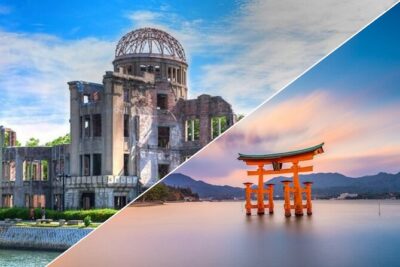
Hiroshima is easiest to understand when you see both sides of its identity in one day: the sacred island of Miyajima, then the city shaped by August 6, 1945. This private tour links Itsukushima Shrine and its floating torii with the Atomic Bomb Dome, Peace Memorial Park, and Museum.
I like the personal touch of guides such as Masa, Masayo, and Yuka, who explain Hiroshima through local life and family memories, not just dates. I also like the flexible pace, which lets you add Hiroshima Castle, slow down for an elderly companion, or choose a quicker boat when walking becomes tiring. The main drawback is that transportation, food, and Miyajima’s visitor tax cost extra, and fitting so much into seven hours can feel brisk.
In This Review
- Key points to know before booking
- Why this Hiroshima and Miyajima pairing works
- Starting with the 40-minute train and 15-minute ferry
- Miyajima, deer, and Itsukushima Shrine
- Daishoin and Senjokaku, the quieter side of Miyajima
- Omotesando food, shopping, and a sensible lunch break
- Returning to Hiroshima by ferry, tram, or a faster boat
- Shukkei-en Garden and Hiroshima Castle
- The Atomic Bomb Dome and the Hypocenter
- Peace Memorial Park, the Children’s Peace Monument, and the Museum
- What the private format is really worth
- Walking, weather, and accessibility
- Who should book this experience
- Should you book the Hiroshima and Miyajima private tour?
- FAQ
- How long is the Hiroshima and Miyajima tour?
- What languages are available?
- Is this a private tour?
- Where can pickup take place?
- Is transportation included?
- Is lunch included?
- Are admission tickets included?
- Is the Peace Memorial Museum open every day?
- Is the tour wheelchair accessible?
- Can the itinerary change?
Key points to know before booking
- Local Hiroshima guides: Masa, Masayo, and Yuka are among the guides who lead this experience in English or Japanese.
- Two very different places: Pair Miyajima’s shrines, temples, deer, and food with Hiroshima’s sobering memorial sites.
- Private and adjustable: Your guide can revise the route around tides, weather, interests, and physical comfort.
- Public transport day: Expect trains, ferries, trams, and plenty of walking, with taxis possible at your own cost.
- Personal family connection: Some guides share stories connected to relatives who survived the atomic bombing.
- Strong value for small groups: At $177 per person, the price makes the most sense when you value one-on-one guiding and help with every transfer.
Why this Hiroshima and Miyajima pairing works
Many day trips force you to choose between Miyajima and Hiroshima. This one gives you both, and that contrast is its greatest strength.
Miyajima offers Shinto tradition, Buddhist temples, sea views, wild deer, and a pleasant shopping street. Hiroshima then brings you face to face with war, civilian suffering, survival, and peace. The change in mood is sharp, but useful. You see that Hiroshima is not only a memorial destination, and Miyajima is not merely a pretty photo stop.
Your guide helps connect the two. At Miyajima, you learn how to read a shrine gate, understand sacred space, and notice the island’s religious details. In Hiroshima, you receive the historical background needed to approach the Peace Memorial Museum with care.
This is not a tour for checking off sights at top speed. It is best for you if you want context, conversation, and help making sense of places that can be difficult to navigate alone.
A few more Hiroshima tours and experiences worth a look
Starting with the 40-minute train and 15-minute ferry
Pickup is available on foot from several central Hiroshima hotels, Hiroshima Station, the Peace Memorial Museum, and other listed points. If your hotel or apartment is elsewhere in central Hiroshima, you can send the location in advance and ask about pickup.
The first transfer takes about 40 minutes by train, followed by a 15-minute ferry ride to Miyajima. This is practical sightseeing rather than private transport, so you should be comfortable using public transportation. The advantage is that your guide handles the route, tickets, station changes, and timing while you enjoy the scenery and ask questions.
The ferry is part of the experience. Miyajima’s approach gives you a gradual shift from city streets to the island’s wooded slopes and coastal shrines. Tides matter here, especially if seeing the torii gate surrounded by water is important to you. Your guide may change the order of the day to match the tide.
One useful point: transportation is not included in the advertised price. You pay for trains, ferries, trams, buses, or taxis yourself. Most costs are manageable, but ask your guide about the plan before setting out, especially if you prefer taxis or need to reduce walking.
Miyajima, deer, and Itsukushima Shrine
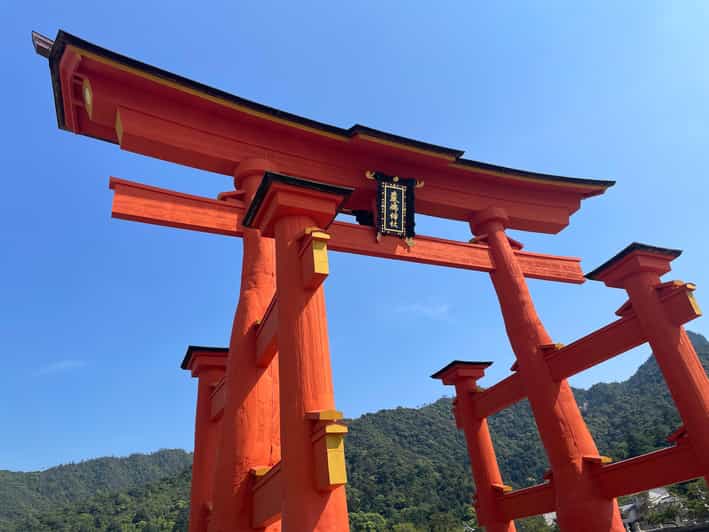
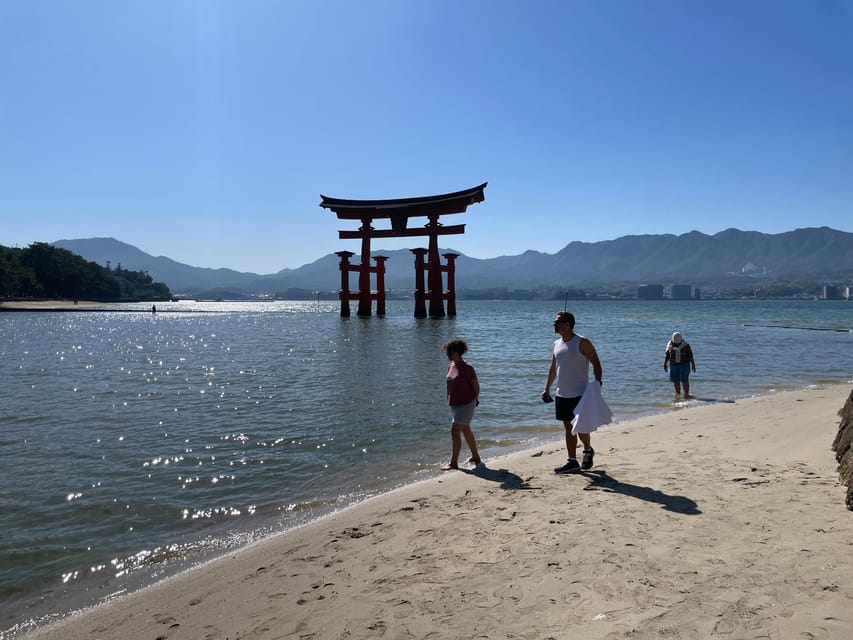
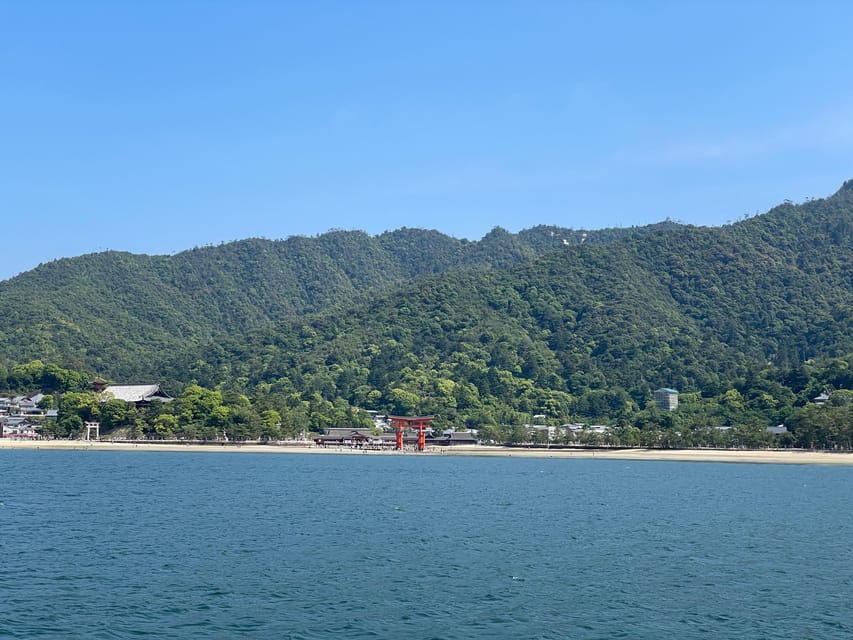
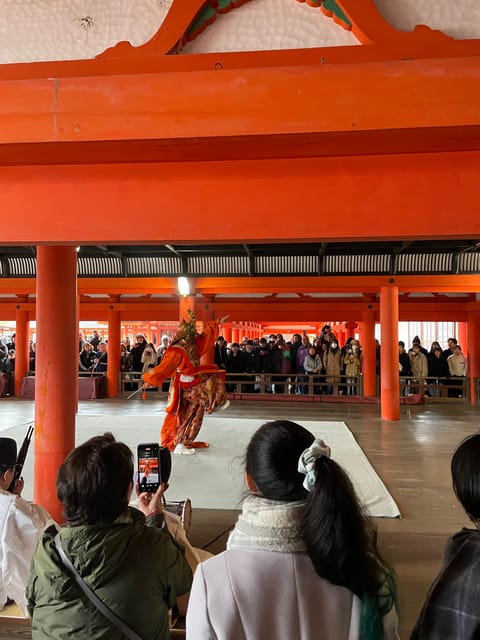
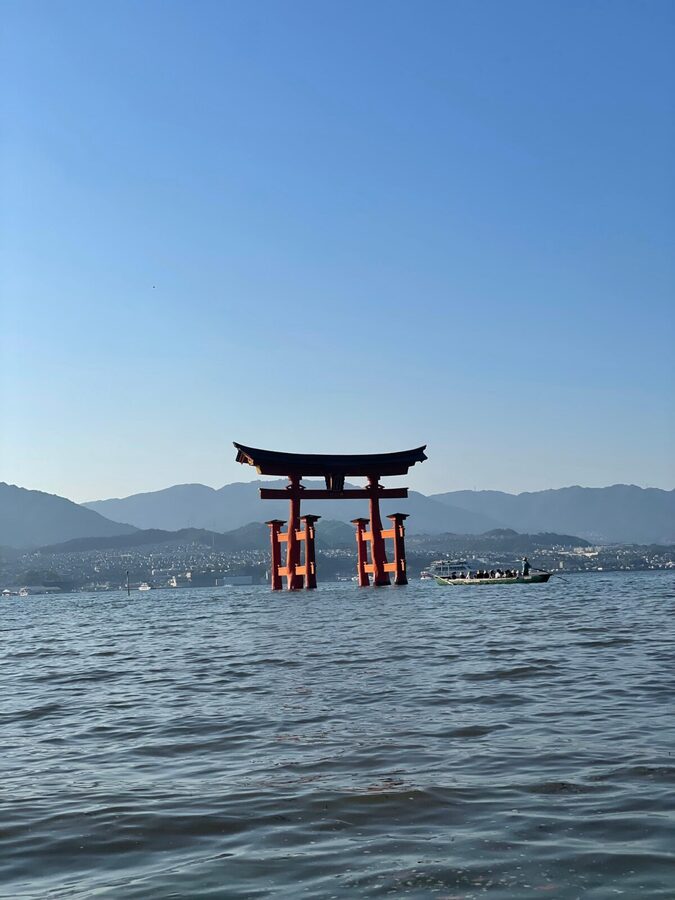
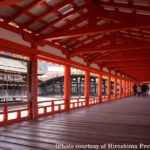
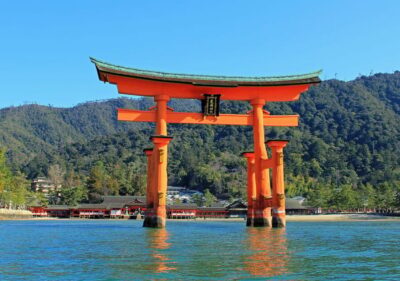
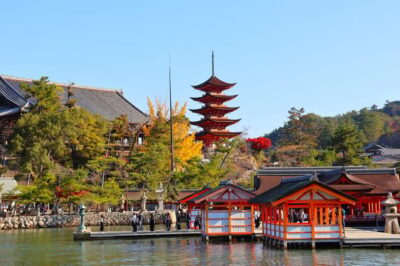
Miyajima is home to Itsukushima Shrine, a UNESCO World Heritage site and the heart of the island visit. The shrine’s location beside the water gives it a calm, ceremonial feel, and the famous floating torii gate provides the classic photograph.
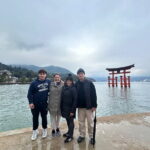
The tour includes a guided look at the floating gate, usually around ten minutes for explanation and pictures. The exact view depends on the tide. At high tide, the gate appears to float offshore. At lower tide, you may see the exposed shore around it. Neither view is wrong, but they create very different photographs.
Inside and around Itsukushima Shrine, your guide explains the religious symbolism and traditions rather than leaving you with a quick snapshot. You have some free time here, and the route includes scenic views along the way.
Wild deer roam Miyajima, adding an amusing touch to the visit. Enjoy seeing them, but keep your attention on your belongings and food. The island can become crowded, and your guide’s local sense of timing helps you avoid wasting your limited hours in the thickest foot traffic.
The planned shrine visit is short, about 20 minutes, so expectations matter. You will get an introduction and time for key views, but not an unhurried study of every corner. If Itsukushima is your main reason for visiting Miyajima, tell your guide early and ask to give it more time.
Daishoin and Senjokaku, the quieter side of Miyajima
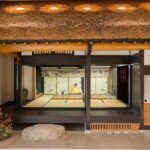
Daishoin, a major Buddhist temple complex, receives about 30 minutes. For many people, this is the most rewarding part of Miyajima because it gives the island’s spiritual character more room than the torii gate alone.
Your guide can explain the difference between the island’s Shinto shrine and Buddhist temple traditions, along with details you might miss when walking on your own. The temple visit also adds variety to the day: after the open water and shrine buildings, you move into a more contemplative setting.
Senjokaku Pavilion is a brief stop of about ten minutes. It offers another useful viewpoint and a sense of the island’s religious architecture. The timing is tight, so think of it as a focused introduction rather than a full architectural tour.
Miyajima involves walking and some uneven surfaces. The tour is wheelchair accessible, but you need to notify the guide in advance so the route can be adjusted. The guides have also shown care with older companions, suggesting shorter routes or alternative boats when needed.
Omotesando food, shopping, and a sensible lunch break
Miyajima Omotesando Shopping Street is where the tour shifts from monuments to everyday pleasures. You have time for local food, shopping, and a possible workshop, though workshops are optional and cost extra.
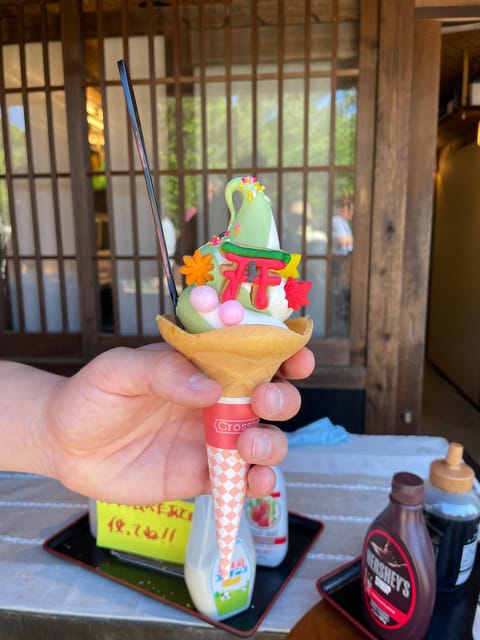
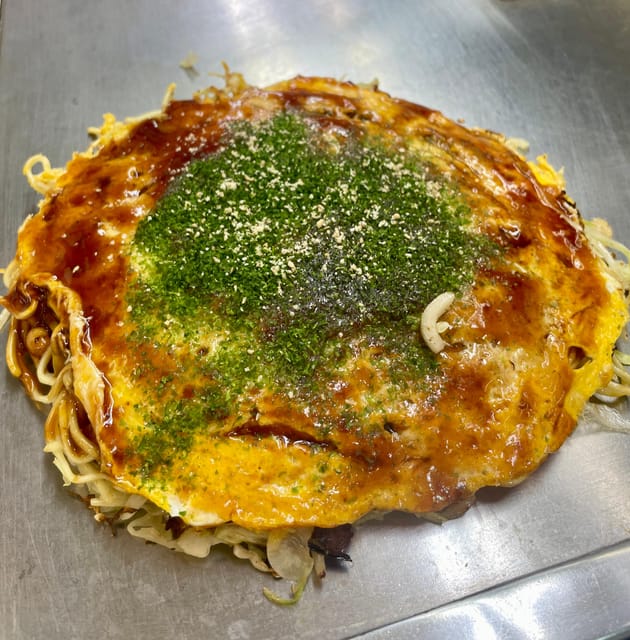
This is a good place to try regional specialties. The island is associated with oysters and momiji manju, a small maple-leaf-shaped cake. Hiroshima-style okonomiyaki is another strong choice, although lunch may take place in Hiroshima depending on the timing and route.
I like that the guide can point you toward food instead of leaving you to guess among crowded menus. Past guests have also been directed to local eel, oyster, and beef dishes. Food is not included, so plan to pay directly and tell your guide about allergies, budget, or strong preferences.
The listed lunch period is about 90 minutes. That sounds generous, but Miyajima’s food stalls and shops can easily absorb the time. If you care more about the Peace Memorial Museum than shopping, say so. A private tour works best when you make those priorities clear.
A few more Hiroshima tours and experiences worth a look

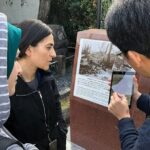

Returning to Hiroshima by ferry, tram, or a faster boat
After Miyajima, the route returns to Hiroshima by ferry and tram, with the tram portion listed at about 45 minutes. Depending on the tide, departure point, and your needs, the guide may arrange a different boat or suggest a taxi at your expense.
Some versions of the day have used a river boat directly toward the Peace Memorial area. That can reduce walking and make the transition to the memorial sites easier. It is especially useful if you are traveling with an older relative or simply need a break after the island.
This flexibility is one of the tour’s practical advantages. You are not locked into one rigid transport chain. The tradeoff is that the final route and total travel time can change. A busy day, weather, construction, or tide conditions may alter the order of stops.
Shukkei-en Garden and Hiroshima Castle
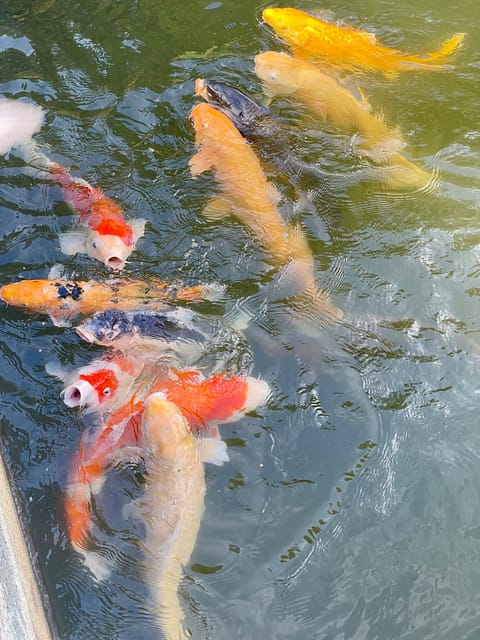
Shukkei-en Garden is listed as a 30-minute stop and includes admission. This garden offers a quiet reset before the more serious memorial sites. Its ponds, paths, and carefully arranged views show another side of Hiroshima, one based on design, seasonal beauty, and calm.
It is worth keeping this stop if you need emotional breathing room. The garden is not a replacement for a longer visit, but half an hour gives you time to walk, take pictures, and slow your pace.
Hiroshima Castle is a shorter photo and sightseeing stop of about 15 minutes. It is not part of every fixed route, but the private format allows you to request it. One couple specifically added the castle after discussing preferences with Yuka.
That is the right way to use this tour. Treat the suggested route as a strong starting point, then tell your guide what matters most. You may prefer more time in temples, a castle stop, local food, or additional peace sites.
The Atomic Bomb Dome and the Hypocenter
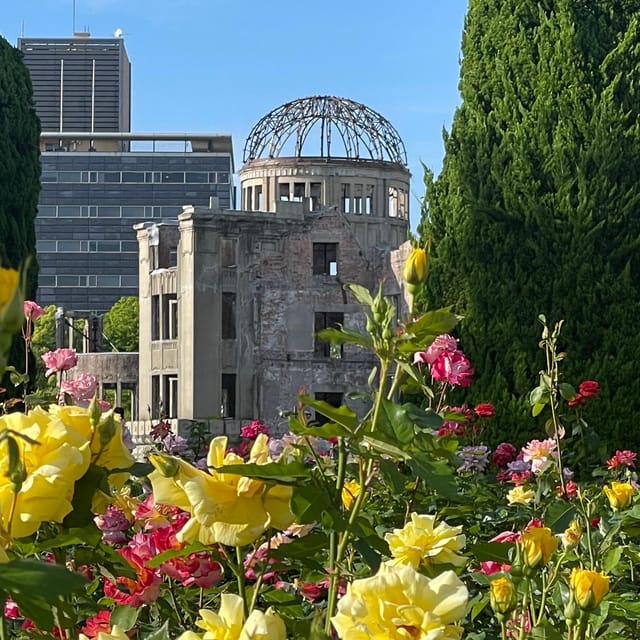
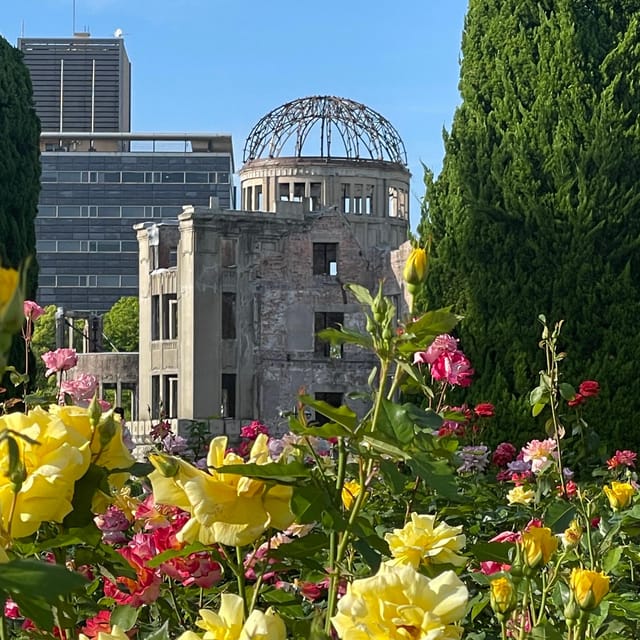
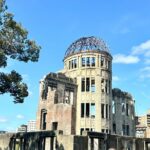
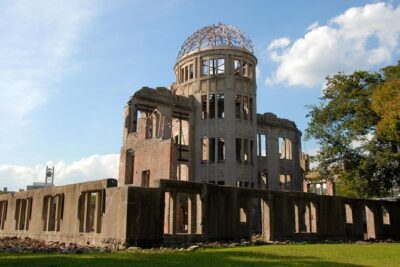
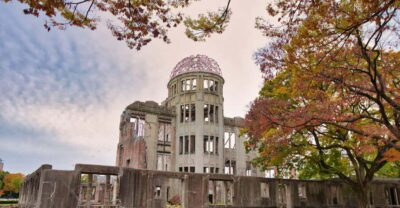
The Atomic Bomb Dome is one of Hiroshima’s most recognizable places, but photographs can flatten its meaning. Your guide gives the structure a human and historical frame before you move through the surrounding Peace Memorial Park.
The tour also visits the hypocenter, the location closest to where the bomb detonated, for a brief guided explanation. This is easy to miss when walking alone because the marker is not presented as a grand monument. Including it gives you a clearer sense of how the event is mapped onto the modern city.
The Atomic Bomb Dome stop itself is listed at about 15 minutes, with another ten minutes for the hypocenter. That is enough for orientation and reflection, but you may want additional free time if you prefer to stand quietly or take photos without a running commentary.
This section of the tour is emotionally demanding. The guide’s role is not to soften the facts, but to help you approach them with humanity. Family stories passed down through Hiroshima households can make the history more immediate, though you should also give yourself permission to pause or step away if the material becomes too heavy.
Peace Memorial Park, the Children’s Peace Monument, and the Museum
Peace Memorial Park receives about 30 minutes, followed by the Children’s Peace Monument and the Peace Memorial Museum. The museum visit is listed at one hour and includes admission.
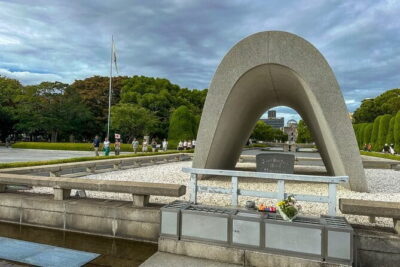
The park gives you space to connect individual memorials with the city around them. The Children’s Peace Monument focuses attention on the children affected by the bombing and its aftermath. Your guide can explain the symbols and local meaning, helping you see more than a sequence of monuments.
The museum is the most intense part of the day. Displays, photographs, and personal belongings show the human cost of the bombing in a direct way. A guide can provide background before you enter and help answer questions afterward, but you may prefer to walk through some exhibits at your own pace.
Crowds can make the museum feel rushed. The route allows about an hour, which is useful for a first visit but not enough for every display in detail. If the museum is your priority, ask your guide to protect that time and reduce optional stops elsewhere.
The Peace Memorial Museum is closed for renewal from February 16 through February 21. Check your date carefully before booking. If your visit falls during that closure, the rest of the memorial area may still be possible, but the museum portion cannot be treated as guaranteed.
What the private format is really worth
The listed price is $177 per person. Since trains, ferries, trams, taxis, food, drinks, Miyajima’s visitor tax, and optional workshops are extra, the total cost will be higher.
Still, the value is easy to understand if you compare it with arranging this day yourself. You are paying for a private English-speaking guide, advance communication, pickup on foot, photography with the files provided, museum admission, and Shukkei-en admission. You also avoid spending your day working out which train, ferry, tram, and walking route comes next.
For a solo traveler or couple, this is a premium price. For a family or small private group, it becomes more attractive because the attention is shared only among your party. The strongest value comes from the guide’s judgment: changing the order for tides, finding a suitable lunch, adding Hiroshima Castle, or slowing the route for someone with limited stamina.
The guides are not interchangeable in personality or family background. Masa and Masayo are Hiroshima natives associated with especially personal explanations of the atomic bombing, while Yuka is praised for advance planning, photography, food suggestions, and thoughtful adjustments. You can ask about guide availability if a particular style matters to you.
Walking, weather, and accessibility
You will use trains, ferries, trams, and possibly taxis. You will also walk through a shrine complex, temple grounds, shopping streets, gardens, and memorial areas. Wear comfortable shoes and leave room in your schedule for transfers.
The tour can accommodate wheelchair users, but advance notice is required. It can also be adjusted for elderly companions or different walking speeds. Do not assume every route will be equally easy, especially on Miyajima. Tell the guide about mobility limits before the day begins.
Weather affects the experience. Rain can make shrine and temple paths less comfortable, and clouds may change your photographs of the torii gate. The route can be adjusted, but this is still an outdoor day with ferry travel.
The activity is not suitable for people with a cold. That restriction is worth taking seriously because you will be sharing public transport and enclosed spaces.
Who should book this experience
I would choose this tour if you have one full day in Hiroshima and want both Miyajima and the city’s memorial sites without handling the logistics yourself.
It suits you especially well if you:
- Want a private guide rather than a large group
- Prefer local stories and cultural explanation to a simple sightseeing route
- Need help using public transport
- Are traveling with older relatives or children
- Want to adjust the day around tides, food, photography, or energy levels
- Feel that the Peace Memorial Museum deserves careful preparation
It may not suit you if you want a slow, independent Miyajima visit. The schedule covers a lot, and the seven-hour limit means some stops are brief. It is also not the right pick if you want all transport and meals bundled into one price.
Should you book the Hiroshima and Miyajima private tour?
Book it if you want a carefully guided first look at two major Chugoku Region sights, and if a personal connection to Hiroshima’s past matters to you. The combination of Itsukushima Shrine, Daishoin, local food, the Atomic Bomb Dome, and the Peace Memorial Museum gives you a fuller picture than either destination alone.
I would reserve early if you need wheelchair arrangements, a particular pickup point, or a guide such as Masa, Masayo, or Yuka. Before paying, confirm the expected transport costs, tide-dependent route, museum availability, and how much time you want in the museum.
At $177 per person before extras, this is not the cheapest way to see Hiroshima. It is a strong choice when you want the day to feel personal, well organized, and shaped around your pace rather than a fixed bus schedule.
FAQ
How long is the Hiroshima and Miyajima tour?
The tour lasts seven hours. Starting times depend on availability.
What languages are available?
The live guides speak English and Japanese.
Is this a private tour?
Yes. The experience is for a private group, so the itinerary can be adjusted to your interests and pace.
Where can pickup take place?
Pickup on foot is available from listed central Hiroshima hotels, Hiroshima Station, the Peace Memorial Museum, Hiroshima Port Cruise Terminal, Orizuru Tower, and other specified locations. If your hotel or Airbnb is in central Hiroshima but not listed, send the location by email.
Is transportation included?
No. You are responsible for trains, ferries, trams, buses, taxis, and other transportation costs. The tour may use public transportation or taxis according to your needs and preferences.
Is lunch included?
No. Food and drinks are not included. You have time for lunch, street food, and regional specialties, and your guide can suggest places.
Are admission tickets included?
Admission to the Peace Memorial Museum and Shukkei-en Garden is included. Optional workshops are not included.
Is the Peace Memorial Museum open every day?
The museum is closed for renewal from February 16 through February 21. Check your date before booking.
Is the tour wheelchair accessible?
Yes, but you must inform the provider in advance so the route and transportation can be planned appropriately.
Can the itinerary change?
Yes. The order and stops may change according to your departure point, tide conditions, weather, physical needs, and interests. A Hiroshima Castle visit and other adjustments may be possible.
More Hiroshima City Tours in Hiroshima
More Peace Memorial Tours in Hiroshima
More Miyajima Tours in Hiroshima
More tours in Hiroshima we've reviewed


Miyajima Tours, compared.
 ★ 5.0Peaceful Hiroshima & Miyajima UNESCO 1 Day Bus TourFrom $129
 ★ 4.9Hiroshima: Hiroshima and Miyajima UNESCO Sites 1-Day TourFrom $1228 hours
 ★ 5.0Hiroshima / Miyajima Full-day Private Tour with Government Licensed GuideFrom $202
 ★ 4.7Osaka/Kyoto: Hiroshima Miyajima Bus Tour & Shinkansen TicketFrom $27712 hours
 ★ 4.7From Hiroshima: Hiroshima & Miyajima 1 Day Tour with LunchFrom $1168 hours
 ★ 5.0Hiroshima and Miyajima Day Trip with Itsukushima Shrine & FerryFrom $45
