
Reviewed · MIYAJIMA TOURS
Hiroshima & Miyajima All-Inclusive Tour w/Licensed guide Pancho
Hiroshima’s most meaningful sights and Miyajima’s famous floating torii gate make a powerful combination, and this private tour puts both within one carefully paced day. Licensed local guide Pancho adds personal family history, local food advice, and help with the trains, ferries, and buses.
I like the private format, which lets you ask questions and adjust the pace, and I like that the price covers Itsukushima Shrine plus essential public transportation. The main tradeoff is time: this is a long day with plenty of transit, and the Peace Memorial Museum is not part of the guided visit.
- Pancho is a Hiroshima native who shares family perspectives alongside the larger story of the city.
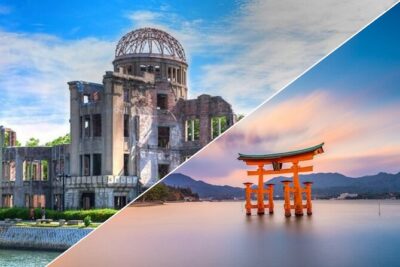
- Miyajima and Hiroshima fit into one day, with Itsukushima Shrine, Daishoin Temple, the Atomic Bomb Dome, and Peace Park.
- Train, ferry, bus, and shrine costs are included, but lunch and the Peace Museum cost extra.
- The museum is intentionally excluded, giving you time for private reflection rather than a guided walk-through.
- The tour is private, so your group can ask questions, slow down, or make reasonable adjustments.
- Plan for moderate walking and transfers, with wheelchair access difficult at Daishoin Temple.
In This Review
- Why This Hiroshima and Miyajima Combination Works
- Pancho’s Local Approach
- Miyajima and the Giant Torii Gate
- Inside Itsukushima Shrine
- Daishoin Temple and Miyajima’s Quieter Side
- Lunch Near Peace Memorial Park
- The Atomic Bomb Memorial Mound and Ground Zero
- The Atomic Bomb Dome
- Walking Through Hiroshima Peace Memorial Park
- Why the Peace Museum Is Not Included
- What the $340 Price Really Covers
- Who Will Get the Most From This Tour
- Practical Details Before You Go
- Should You Book Pancho’s Hiroshima Tour?
- FAQ
- How long is the Hiroshima and Miyajima tour?
- Is this a private tour?
- Is hotel pickup available?
- Is Itsukushima Shrine admission included?
- Are trains, ferries, and buses included?
- Is lunch included?
- Does the tour visit the Peace Memorial Museum?
- How much does the Peace Memorial Museum cost?
- Is the tour suitable for wheelchair users?
Why This Hiroshima and Miyajima Combination Works
A first visit to Hiroshima can feel split between two very different experiences. Miyajima offers sacred buildings, sea views, deer, and a famous torii gate. Hiroshima Peace Memorial Park asks you to slow down and face the consequences of war.
Pancho’s tour connects those places without treating either as a quick photo stop. On Miyajima, he explains Shinto and Buddhist traditions. In Hiroshima, he covers the 1945 bombing, the city’s recovery, and the human stories behind the monuments. His own family connection gives the subject a personal edge, though the tone remains practical and respectful.
You get about 7 hours and 30 minutes, and only your private group participates. That matters here. You can ask a question when something is unclear, spend longer at a monument, or tell Pancho that your group needs a break.
The tour has earned a 5-star rating from 54 ratings, with a 98 percent recommendation rate. That is a strong record, especially for a day combining emotional history with several public transport connections.
Pancho’s Local Approach
Pancho is a licensed local guide and a Hiroshima native. His role is not simply to lead you from one landmark to another. He helps explain why each site matters, how local people understand it, and how the city has rebuilt its daily life.
His communication before the tour is also useful. He responds to messages, helps plan around special needs, and can discuss food choices. If you need vegan or gluten-free food, tell him in advance so he can point you toward suitable choices during the lunch break.
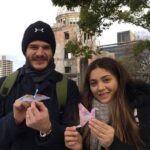
The tour can include small cultural touches beyond the listed stops. Pancho has taught visitors how to fold paper cranes, and he has shared local tips such as useful ways to handle the ferry arrival and departure. These details are not the central reason to book, but they can make the day feel less like a checklist.
His style appears best suited to people who enjoy conversation. You should expect explanations, questions, and back-and-forth rather than a silent transfer between sights. Families especially may appreciate the flexibility, since different ages can ask different kinds of questions.
A few more Hiroshima tours and experiences worth a look
Miyajima and the Giant Torii Gate
The day gives Miyajima about three hours and ten minutes, making it the larger half of the experience. Reaching the island by public transport is part of the outing, not an inconvenience the tour hides. The train, ferry, and local connections show you how Hiroshima functions beyond its headline monuments.
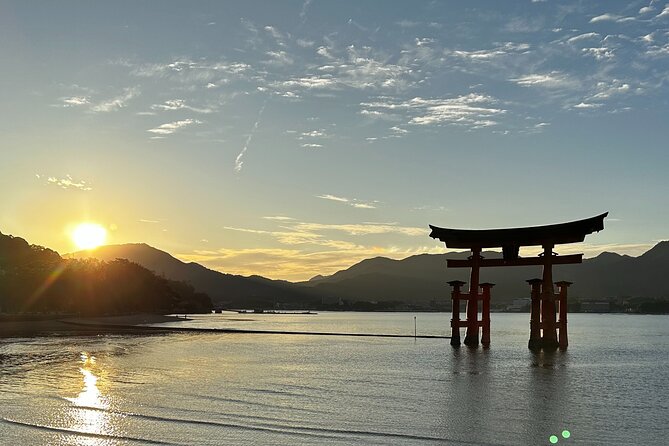
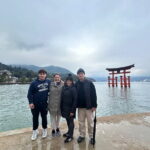
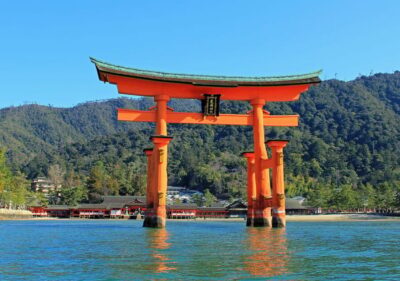
The Giant Torii Gate is Miyajima’s best-known image. Depending on the tide, the gate can appear to float in the water. At low tide, the view changes completely, and you may see the ground around it. Pancho explains the gate’s religious role and helps you find useful places for photographs.
The tide is important, so do not expect the same picture you have seen in every brochure. Your best view depends on the day’s water level, weather, and timing. The gate is impressive either way, but the floating effect is not guaranteed.
Miyajima can also involve crowds and walking, though the tour’s private setup lets Pancho adjust the order or pace when practical. You will want comfortable shoes, especially because the day continues through temple grounds and Peace Park.
Inside Itsukushima Shrine
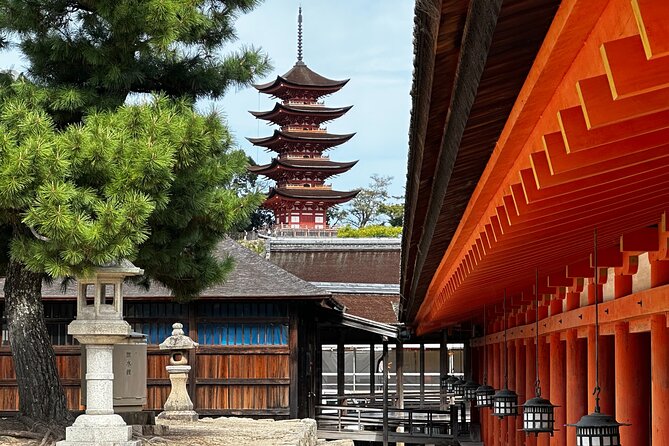
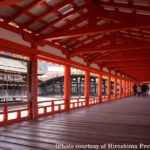
Itsukushima Shrine is a UNESCO World Heritage Site and the only paid attraction included in the tour. You enter the shrine with Pancho, who explains its unusual design and its relationship to the island and the sea.
The 30-minute visit is fairly focused. That is useful if you have limited time, but it does not allow for a long, unhurried exploration of every corner. The shrine’s appearance changes with the tide and light, so the setting itself does much of the work.
Admission is included, which removes one small task from the day. You do not need to stop and handle a separate shrine ticket while trying to keep up with the schedule.
Daishoin Temple and Miyajima’s Quieter Side
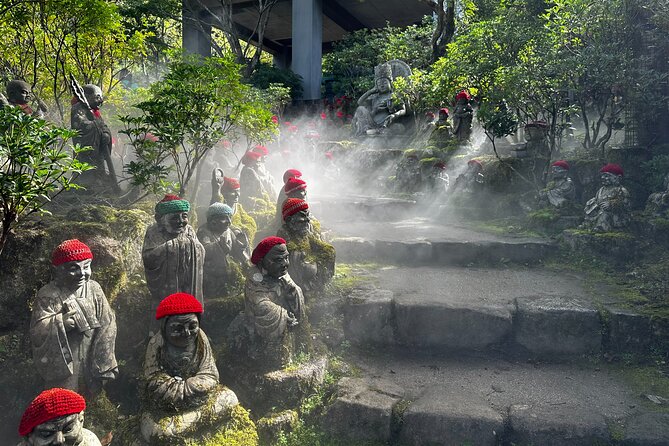
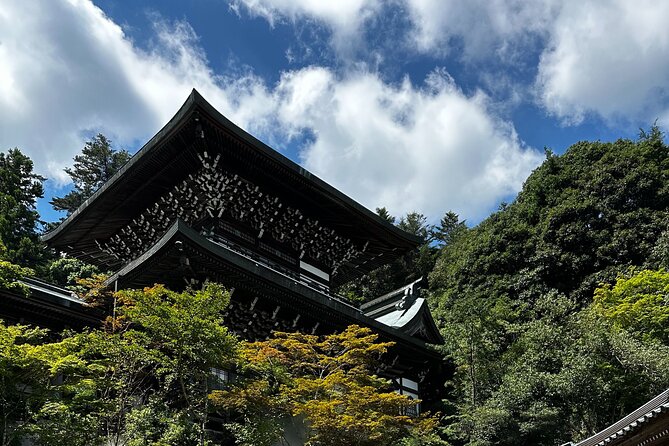
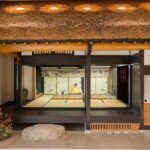
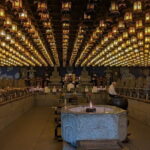
Daishoin Temple is one of Pancho’s favorite places on Miyajima, and it offers a change from the famous shrine. The temple is picturesque and gives you a chance to see a Buddhist site in a more relaxed setting.
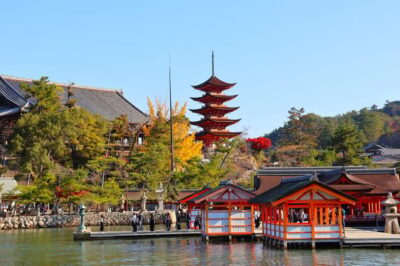
You have about 40 minutes here. Optional nearby sights include the Five-Story Pagoda and Senjokaku Pavilion, depending on time and your group’s interests. Those additions can make the Miyajima portion more rewarding, but they also require you to keep an eye on the clock.
This is the least accessible part of the day. Wheelchair access is difficult at Daishoin Temple, and the overall tour requires moderate physical fitness. If someone in your group has a knee problem or may need a wheelchair, discuss it with Pancho before the start. Advance communication has helped groups make practical adjustments, but the temple itself remains a limitation.
Lunch Near Peace Memorial Park
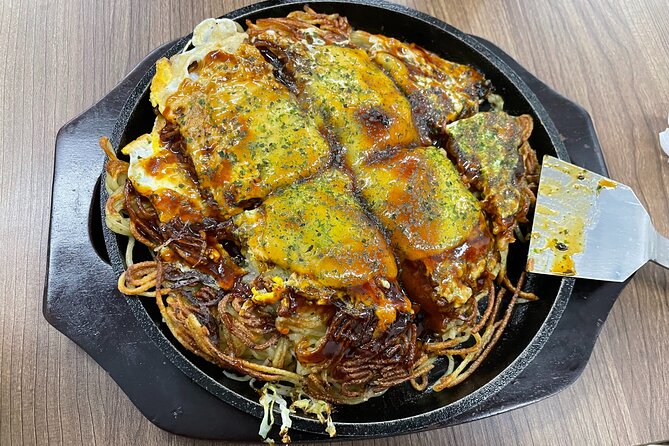
Lunch is not included, but Pancho helps you choose among several kinds of Hiroshima food during a roughly 50-minute break. Options include ramen, casual sushi, okonomiyaki, tsukemen dipping noodles, and lighter meals.
This is a good chance to try local comfort food without turning the meal into a formal restaurant stop. Hiroshima-style okonomiyaki is a natural choice if you want a regional specialty, while ramen or a lighter meal may suit you better if the emotional portion of the day is still ahead.
Food and drinks are paid separately. Bring enough yen or confirm payment options with Pancho before ordering, since the tour price does not cover lunch. Vegan and gluten-free advice is available, but you should raise dietary needs early.
The short lunch break also helps divide the day. Miyajima is generally more scenic and devotional. After lunch, the focus turns to Hiroshima’s wartime history and the city’s response to tragedy.
A few more Hiroshima tours and experiences worth a look

The Atomic Bomb Memorial Mound and Ground Zero
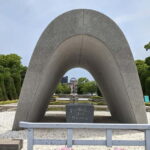
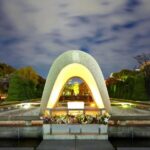
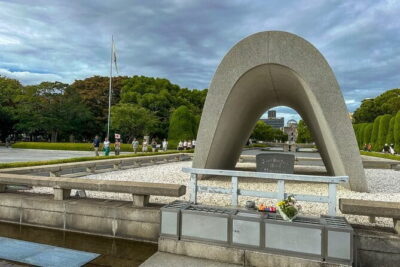
The Atomic Bomb Memorial Mound is a small monument at ground level marking the area where the atomic bomb detonated in the air. The site is modest, and that modesty is part of its force. It does not look like a grand monument, yet it points to the human scale of the event.
Pancho provides context about what happened and how Hiroshima was affected. The stop lasts about 10 minutes, so it is brief, but it helps you understand the geography before you reach the larger memorials.
This is a serious moment. The tour is not designed as light sightseeing, even though Miyajima provides a more cheerful contrast earlier in the day. You should expect difficult subject matter and allow yourself some quiet time.
The Atomic Bomb Dome
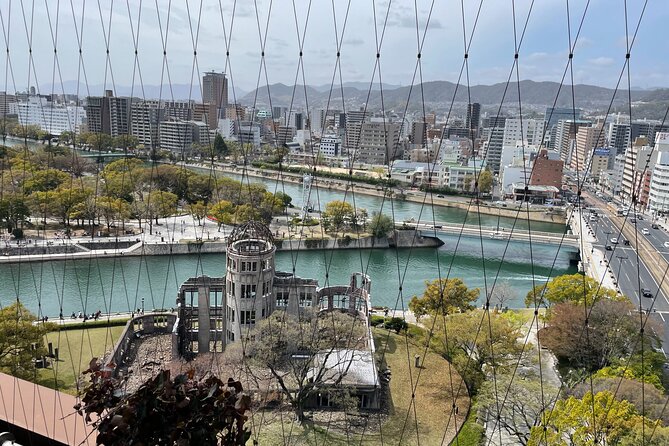
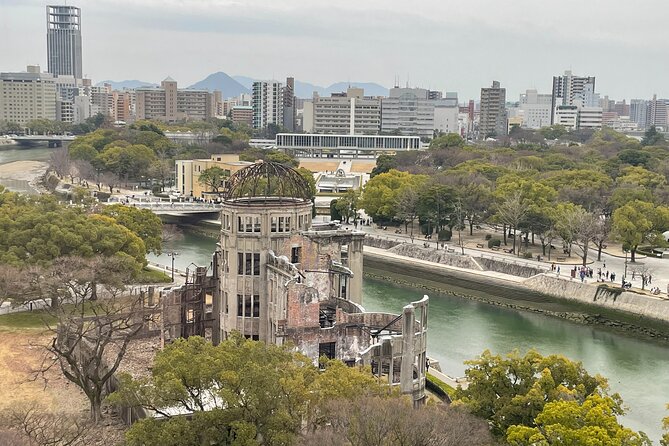
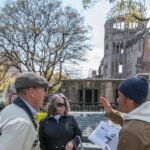
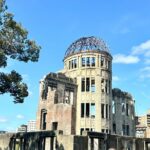
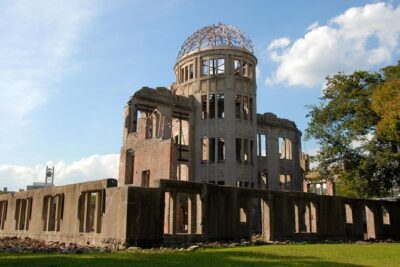
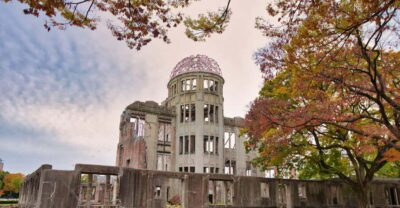
The Atomic Bomb Dome is one of Hiroshima’s defining sights. It is among the buildings that remained standing after the 1945 bombing, and its damaged frame now serves as a visible reminder of the blast.
You spend about 20 minutes viewing the building and hearing how it survived. Pancho also explains why Hiroshima was selected as a target and how local people experienced the aftermath. Those details give the structure more meaning than a quick photograph from across the river.
The Dome works best when you take time to look closely at what remains. It is not polished or restored into something comfortable. The exposed structure makes the past feel present without turning the site into a spectacle.
Walking Through Hiroshima Peace Memorial Park
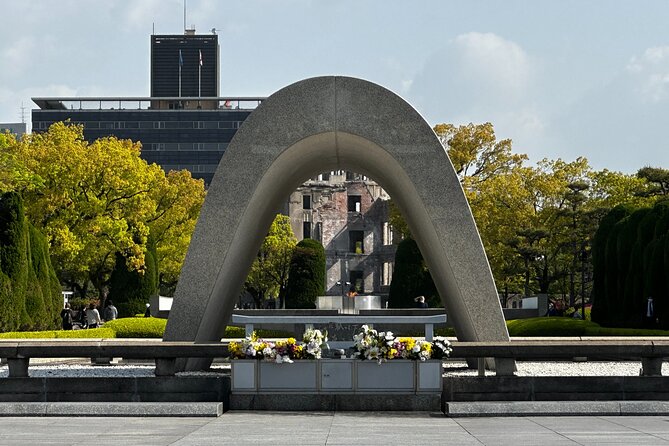
The Peace Memorial Park portion lasts about an hour and 20 minutes. Pancho leads you through the main monuments, sharing stories of resilience and hope as well as the destruction caused by the bombing.
The Children’s Peace Monument, associated with Sadako Sasaki and the paper crane tradition, is one of the key stops. This is also where the folding-crane activity may add a personal cultural connection, if Pancho includes it for your group.
The park is spread out, so the time includes walking between places. That can feel demanding after Miyajima, particularly in hot weather or if someone has limited mobility. On the other hand, walking is important here because the memorials make more sense as a connected place rather than isolated photo stops.
Pancho’s family perspective is one of the tour’s strongest features. It does not replace the broader historical record, but it can help you understand that Hiroshima’s story is not only about one day in 1945. It is also about survivors, families, rebuilding, memory, and the city’s continuing call for peace.
Why the Peace Museum Is Not Included
The Peace Memorial Museum is not part of the guided route. The tour’s stated approach is to provide historical context at the outdoor monuments, then leave the museum experience to you as a private and reflective visit if you choose to go separately.
I think this is a reasonable choice, but you should understand the tradeoff. If you want a guide beside you to explain every museum display, this tour will not provide that. If you prefer to process the exhibits quietly and at your own speed, the arrangement may suit you well.
The museum admission is listed at ¥200 per person and is not included. The tour does not generally stop there, so you need to plan another visit if it is important to you. Do not assume the guided Peace Park walk includes museum entry.
What the $340 Price Really Covers
At $340 per person, this is not a budget sightseeing day. The value comes from the private guide and the amount of coordination required, not from expensive attractions.
The price includes Pancho’s guide fee, Itsukushima Shrine admission, and essential local transportation by JR train, ferry, and buses. You avoid buying several separate tickets and figuring out the connections while also trying to keep the day moving.
Lunch, drinks, private transportation, and the Peace Museum are extra. Private transportation is specifically not included, so this is not a chauffeur-driven excursion. You use public transport, which keeps the tour connected to ordinary Hiroshima life but also means transfers and travel time are unavoidable.
For a larger private group, the cost may compare favorably with several separate guided arrangements. For one or two people watching every yen, a self-guided day will cost less. You are mainly paying for Pancho’s local interpretation, flexibility, and help navigating two major destinations in one day.
Who Will Get the Most From This Tour
I would choose this tour if you want one day that covers both Hiroshima and Miyajima without having to build the schedule yourself. It is especially useful for a first visit, a family group, or anyone who wants to ask detailed questions about Japanese culture and Hiroshima’s past.
It suits you if you value:
- A private experience rather than a large group
- An English-speaking licensed guide
- Personal stories and local perspective
- Help with trains, ferries, and buses
- Food suggestions, including vegan and gluten-free guidance
- A flexible pace when time allows
I would think twice if you want a slow day on Miyajima alone, a full museum visit with guided commentary, or private car transportation. The day covers a lot of ground, and one lower-rated account described the experience as emotionally heavy with substantial travel time. That is a fair warning. The transit is part of the route, but the actual sightseeing hours are not seven and a half hours of continuous monument time.
Practical Details Before You Go
Pickup is offered, but the stated meeting point is at 1-2 Matsubaracho in Hiroshima’s Minami Ward, near public transportation. Confirm the exact pickup arrangement and meeting instructions after booking.
Wear comfortable shoes and plan for moderate physical activity. You will handle public transport, walk around Miyajima, move through temple grounds, and cover a sizable area in Peace Memorial Park.
The activity is private and ends back at the meeting point. Service animals are allowed. Confirmation is sent within 48 hours of booking, subject to availability.
The cancellation policy is simple: cancel at least 24 hours before the local start time for a full refund. Changes or cancellations made within 24 hours are not accepted for a refund.
Should You Book Pancho’s Hiroshima Tour?
Book it if you want a thoughtful, private introduction to Hiroshima and Miyajima, with one local guide handling the practical details. Pancho’s family connection, strong communication, and willingness to answer questions give the day more substance than a basic landmark tour.
Before paying, make sure you are comfortable with three things: public transportation, a moderate amount of walking, and the emotional weight of Peace Memorial Park. Also confirm your plans for the Peace Museum, since it is not part of the guided visit.
For a first-time visit with limited time, this is a strong choice. If your priority is a relaxed Miyajima day, a guided museum tour, or a private vehicle, choose a different format.
FAQ
How long is the Hiroshima and Miyajima tour?
The tour lasts approximately 7 hours and 30 minutes.
Is this a private tour?
Yes. Only your own group participates in the activity.
Is hotel pickup available?
Pickup is offered, but the stated meeting point is 1-2 Matsubaracho in Hiroshima’s Minami Ward. Confirm the exact pickup details after booking.
Is Itsukushima Shrine admission included?
Yes. Admission to Itsukushima Shrine is included in the tour price.
Are trains, ferries, and buses included?
Yes. The all-inclusive price covers essential local transportation, including JR, ferry, and buses. Private transportation is not included.
Is lunch included?
No. Food and drinks are excluded. Lunch options near Peace Memorial Park include ramen, casual sushi, okonomiyaki, tsukemen dipping noodles, and light meals.
Does the tour visit the Peace Memorial Museum?
No. The tour does not generally stop at the Peace Memorial Museum. The guide focuses on the outdoor monuments and Peace Park, allowing you to visit the museum privately if you choose.
How much does the Peace Memorial Museum cost?
The listed admission price is ¥200 per person, and it is not included in the tour.
Is the tour suitable for wheelchair users?
The tour requires moderate physical fitness, and wheelchair access at Daishoin Temple is difficult. Contact Pancho before the tour to discuss mobility needs and possible adjustments.
More Guided Tours in Hiroshima

More Hiroshima City Tours in Hiroshima
More Miyajima Tours in Hiroshima
More tours in Hiroshima we've reviewed


Miyajima Tours, compared.
 ★ 5.0Peaceful Hiroshima & Miyajima UNESCO 1 Day Bus TourFrom $129
 ★ 4.9Hiroshima: Hiroshima and Miyajima UNESCO Sites 1-Day TourFrom $1228 hours
 ★ 5.0Hiroshima / Miyajima Full-day Private Tour with Government Licensed GuideFrom $202
 ★ 4.7Osaka/Kyoto: Hiroshima Miyajima Bus Tour & Shinkansen TicketFrom $27712 hours
 ★ 4.7From Hiroshima: Hiroshima & Miyajima 1 Day Tour with LunchFrom $1168 hours
 ★ 5.0Hiroshima and Miyajima Day Trip with Itsukushima Shrine & FerryFrom $45
